
LEAD ANALYST
Utkarsh Khirodkar is a Lead Market Research Analyst at MetaStat Insight, specializing in market intelligence, technology sector assessments, and competitive strategy.

Global Aerospace Materials Market Size, Share, By Material Type (Aluminum Alloys, Titanium Alloys, Steels, Nickel- and Cobalt-Based Superalloys, Composite Materials, Polymers and Elastomers, Adhesives and Sealants, Coatings and Others (Magnesium Alloys, Copper Alloys, Monolithic Ceramics, Glass)), By Application (Airframe Structures, Engines and Propulsion Systems, Cabin Interiors, Landing Gear, Aircraft Systems and Equipment, Spacecraft and Launch Vehicle Structures and Others (Thermal Protection Systems, Radomes)), By Aerospace Platform (Commercial Transport Aircraft, Military Aircraft, Business and General Aviation Aircraft and Others (Rotorcraft, Unmanned Aerial Vehicles, Advanced Air Mobility Aircraft, Spacecraft, Launch Vehicles)), Industry Analysis, Growth, Trends, and Forecast, 2026-2033
Report ID
MSI-5428
Published
October, 2026
Pages
265 Pages
Format
Historical
Base year
Forecast
Forecast period
Report Details
Market Valuation: Valued at $51.1 Billion in 2025, projected to reach $93.8 Billion by 2033 at a 7.9% CAGR.
Dominant Segment: Airframe structures represent the highest value application segment, projected to rise from USD 23.2 billion in 2026 to USD 38.4 billion by 2033, driven by sustained production of large commercial aircraft and new program introductions.
Geographic Lead: North America leads the market with a 35.2% share in 2025, supported by established aerospace manufacturing, strong R&D investment, and a concentration of key industry players.
Fastest Growing Segment: Engines and propulsion systems are the fastest growing application, forecast to reach USD 27.9 billion by 2033 with a CAGR of 8.3%, fueled by demand for advanced alloys and superalloys in next-generation propulsion technologies.
What's Inside: The report provides in-depth segmentation by material type, application, and aerospace platform, with market sizing, growth trends, competitive landscape, and forecasts from 2026 to 2033.
Choose Your License
Global Aerospace Materials Market
The global Aerospace Materials market was valued at USD 51.1 billion in 2025 and is projected to reach USD 93.8 billion by 2033, growing at a CAGR of 7.9% over the forecast period.
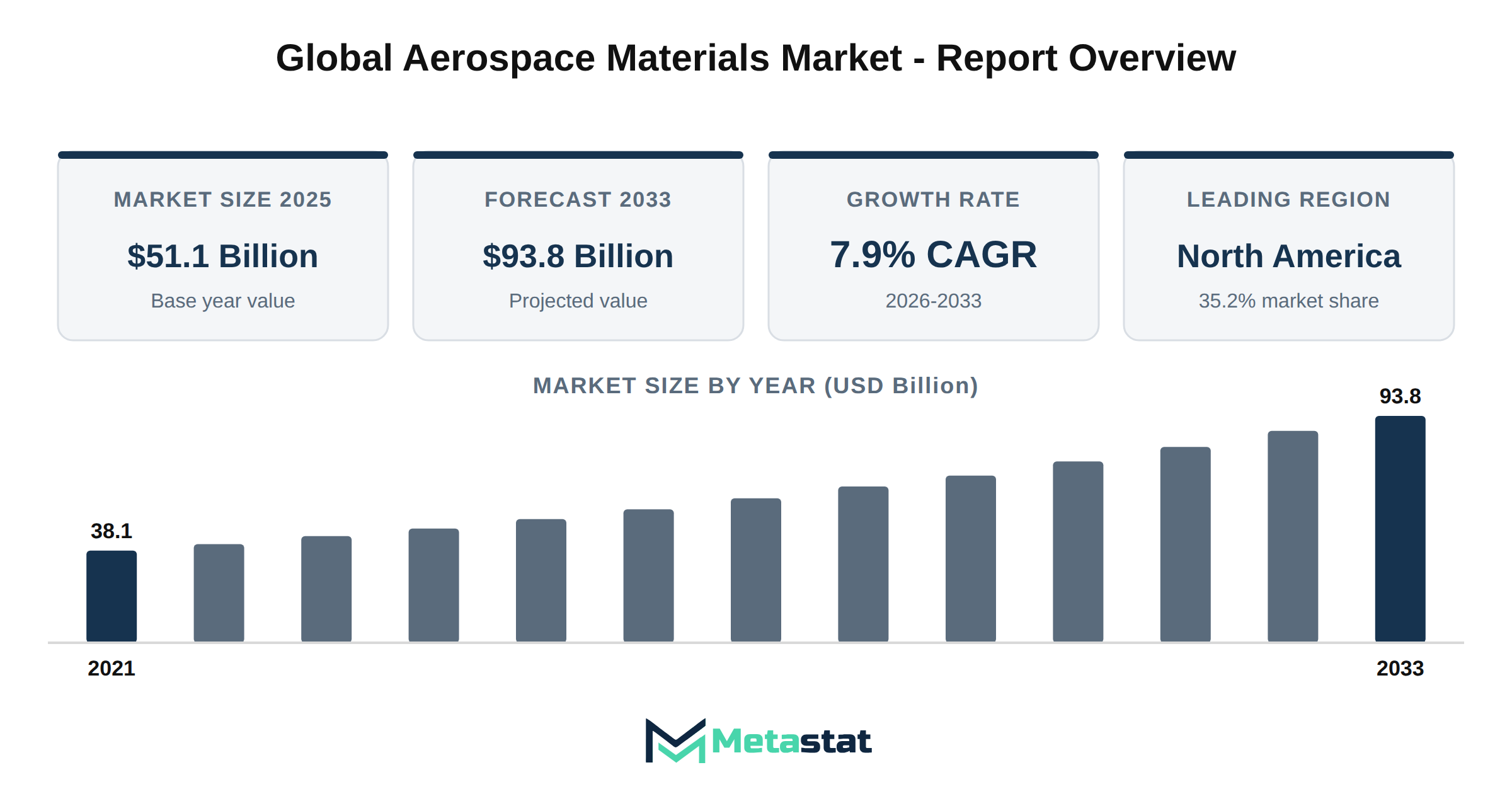
The Aerospace Materials market covers metals, polymers, composites, metal bonding adhesives, sealants, and coatings used in the design and production of aircraft and spacecraft. These materials replace older, heavier metals with lighter, stronger, and more heat-resistant alternatives that contribute directly to fuel efficiency, payload capacity, and safety. Commercial transport aircraft manufacturers, defense agencies, and general aviation firms represent the top buyers, with purchasing decisions directly linked to shifts in the commercial aircraft manufacturing sector alongside new model launches, fleet modernization, and regulatory requirements for performance and emissions.
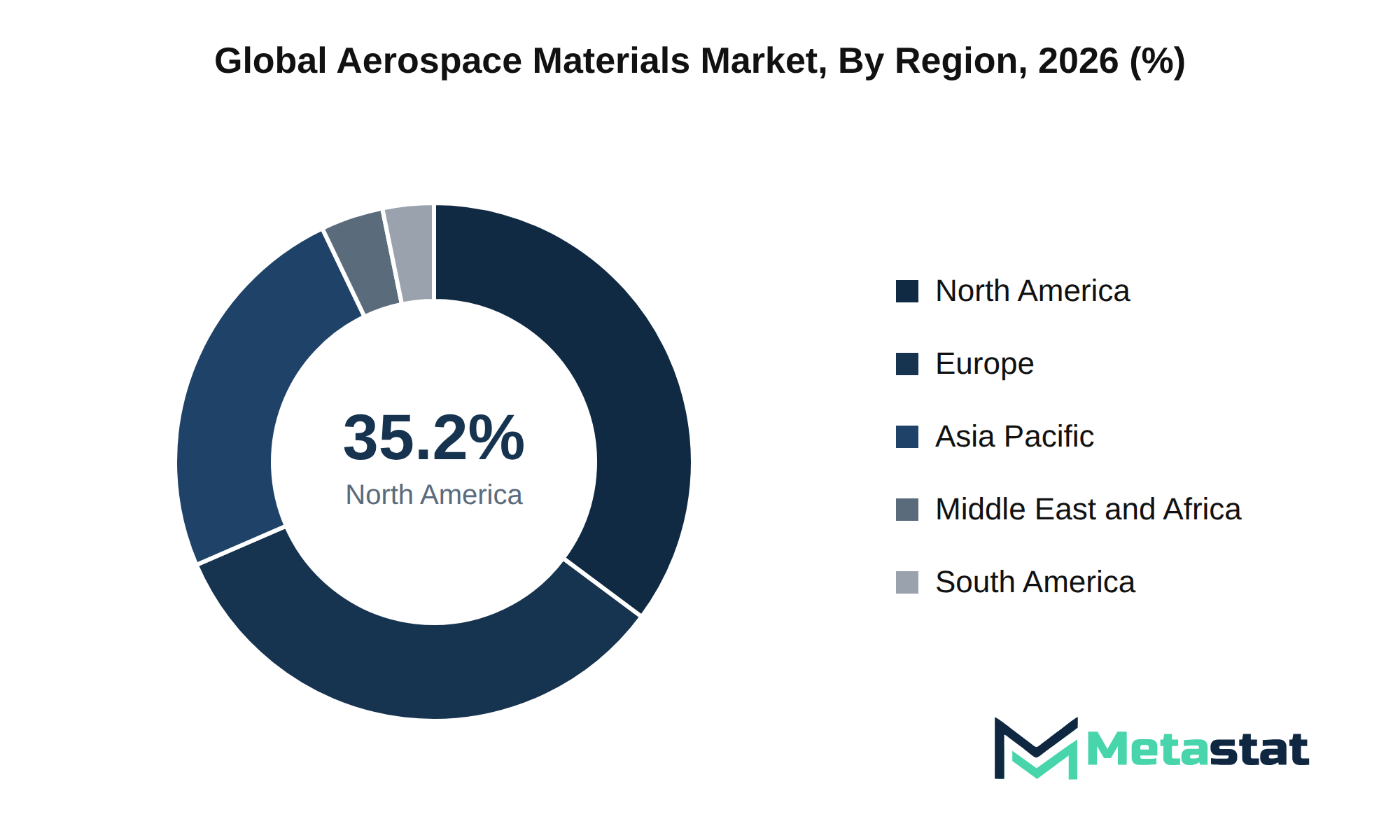
North America holds 35.2% of the market in 2025, with the US leading in 2026. Europe follows closely, accounting for 33.3%, while Asia Pacific stands at 24.4%. Among the application segments, airframe structures command the greatest value, supported by sustained production of large commercial aircraft and new program introductions. Material selection in these applications reflects a focus on reducing weight and extending service intervals, which drives supplier innovation and investment in specialized formats like titanium mesh alongside advanced alloys and structural composites.
Rising demand for fuel-efficient aircraft drives market growth, leading manufacturers to adopt high-performance materials that offer both strength and lower weight. This shift supports higher build rates and new aircraft designs, driving up both volume and average material value per aircraft. Airlines and operators seeking to lower operational costs and emissions increase penetration of advanced material grades, particularly in high-value structural and propulsion components. In unmanned and defense aviation, similar lightweight thermal material requirements govern the performance of compact micro turbojet engines.
Buyers in the Aerospace Materials market prioritize advanced materials that improve fuel efficiency, reduce weight, and increase durability in aircraft and spacecraft. Airlines, defense agencies, and OEMs invest in these materials to improve operational performance and meet stricter safety and emission requirements. The selection process often focuses on materials that extend service intervals and support higher payloads, driving preference for innovations in alloys and composites.
The region’s dominance reflects established aerospace manufacturing, strong R&D investment, and a concentration of key industry players. This leadership influences global material standards and accelerates the adoption of next-generation solutions across emerging advanced air mobility platforms and electrified airframes. Europe follows with 33.3%, supported by sustained investments in commercial and military aerospace production.
Among all product groups, Airframe Structures represent the highest value segment, driven by upgrades in commercial transport fleets and expanded defense procurement programs. The main growth driver for the Aerospace Materials market is the rising demand for lightweight, high-performance materials that address evolving airline and regulatory requirements for efficiency and sustainability. Demand for titanium, composites, and advanced alloys continues to accelerate with aircraft platforms becoming more specialized and manufacturers pursuing improved lifecycle economics. This focus on thermal tolerance and weight savings is equally evident in landing gear assemblies through the integration of aircraft carbon brakes over traditional steel friction discs.
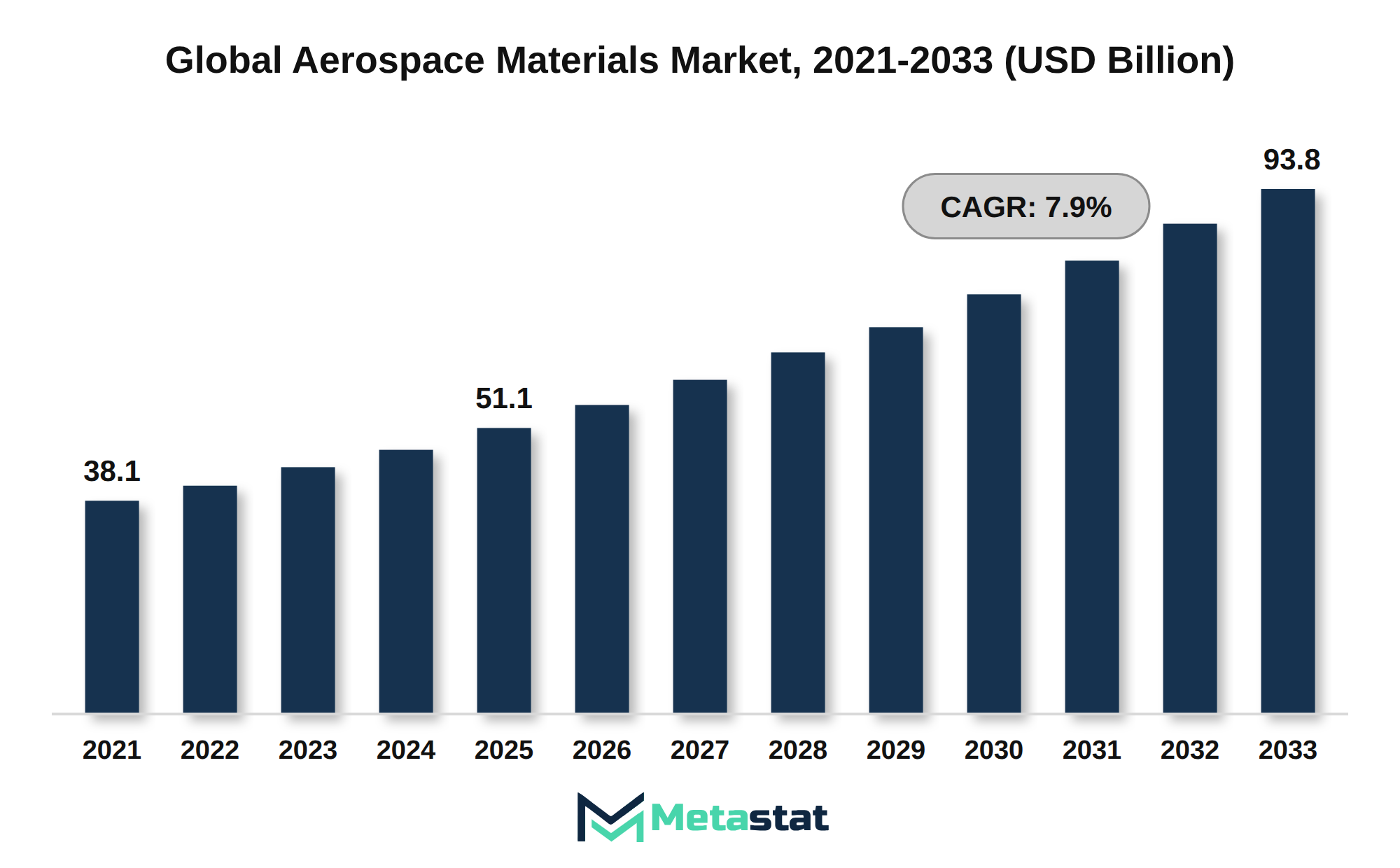
Thermoplastic composites drive a significant shift in procurement practices within the market by enabling airframe manufacturers to meet stringent weight reduction targets without compromising structural performance. As primary structure carbon fiber composite volumes expand, airframe manufacturers increasingly evaluate reclaimed fiber streams through the CFRP recycle sector to mitigate composite scrap waste. The adoption of these materials is reshaping supplier qualification and sourcing strategies, particularly in the Airframe Structures segment, which is projected to rise from USD 23.2 billion in 2026 to USD 38.4 billion in 2033. Lightweight properties, rapid processing cycles, and improved repairability position thermoplastic composites as an attractive alternative to traditional thermoset composites and metals for primary and secondary structural applications.
Procurement departments across airframe OEMs and Tier 1 suppliers increasingly prioritize materials that combine high strength-to-weight ratios with manufacturing efficiency. The shift towards thermoplastic composites introduces new supplier dynamics, requiring strategic engagement with material formulators and processors equipped for large-format, automated layup and welding. The market is seeing an increase in pre-qualified supplier pools for these advanced materials, reducing sole-sourcing risks and supporting cost control initiatives in large-volume programs.
This transition has commercial consequences for both buyers and suppliers. OEMs benefit from streamlined assembly processes and reduced lifecycle costs, while material producers capture new business by aligning portfolios with evolving procurement criteria. The growing prevalence of thermoplastic composites in airframe structures is expected to influence long-term sourcing frameworks, contract structures, and competitive positioning among material suppliers, reinforcing the segment’s role in next-generation aircraft programs.
Rising constraints in titanium and superalloy supply have created new pricing pressures in the Aerospace Materials market. Buyers operating in the Engines and Propulsion Systems segment, projected to reach USD 27.9 billion by 2033, face increased exposure to material price volatility when contract models rely on quarterly or spot agreements rather than multi-year fixed-price supply contracts. Limited global titanium capacity and growing demand for nickel- and cobalt-based superalloys drive heightened competition among aerospace manufacturers. Large-volume or high-specification requirements intensify this competition.
Procurement teams at commercial and military aircraft programs now pivot toward dual-sourcing strategies and long-term agreements to stabilize costs and ensure continuity of supply. The reliance on titanium alloys, which are forecast to reach USD 15.5 billion by 2033, and the rapid expansion of superalloy usage, reflected in their 8.3% compound annual growth, put further strain on pricing dynamics. These materials serve in critical engine and structural applications where substitution remains limited. This increases the bargaining power of primary producers.
Manufacturers with the ability to secure forward contracts or to invest in direct supplier relationships reduce the risk of unexpected price escalations. Smaller buyers lacking this leverage accept higher costs or adjust procurement schedules to match material availability. This shift in purchasing strategies influences the overall cost structure for aircraft OEMs and suppliers. Margins and investment priorities shift across the market.
Reusable launch vehicles are accelerating demand for advanced thermal management in aerospace materials, driven by the operational needs of next-generation spacecraft and launch platforms. Manufacturers of launch vehicles now require materials that withstand repeated high-temperature exposures and rapid thermal cycling. This reshapes sourcing and qualification processes across the supply chain. Thermal protection requirements for components serving spacecraft and launch vehicle structures are expanding, pushing material suppliers to innovate beyond the capabilities of conventional composites or metallic alloys previously deployed in expendable platforms.
Within the Application segment, spacecraft and launch vehicle structures distinguish themselves by specialized needs for thermal resistance, oxidation stability, and mechanical integrity at high temperatures. Buyers in this group increasingly specify advanced superalloys, ceramics, and composite materials engineered for controlled ablation, insulation, and durability over multiple launch and re-entry cycles. These demands contrast with the requirements of airframe structures or cabin interiors, where mechanical strength or low weight often take precedence. While the market supports more reusable launch platforms, suppliers face qualification cycles that require tighter material tolerances. Closer integration with propulsion and systems engineering teams is now common.
Commercially, these evolving requirements have produced new opportunities for differentiation within the market. Suppliers that deliver materials certified for repeated thermal cycling gain access to high-value contracts with space agencies and private launch operators. This shift prompts investments in high-performance coatings, novel matrix chemistries, and real-time monitoring systems to assure material integrity between missions. Buyers secure improved reliability and reduced refurbishment costs. Suppliers position themselves for long-term growth in the expanding segment of reusable space vehicles.
Stringent qualification requirements exert direct influence on supplier selection in the Aerospace Materials market, particularly for those serving high-stakes segments including engines and propulsion systems. Buyers in this market - primarily commercial aircraft manufacturers, military aerospace integrators, and advanced air mobility developers - prioritize suppliers with proven track records in meeting material certification standards. Selection criteria hinge on a supplier’s demonstrated compliance with demanding performance, longevity, and traceability benchmarks, which stem from both regulatory and OEM-driven protocols.
The engines and propulsion systems application segment is projected to reach USD 27.9 billion by 2033, supported by a compound annual growth rate of 8.3%. This segment’s growth depends on advanced alloys and composites with rigorous qualification procedures. Suppliers unable to substantiate consistent quality and compliance face exclusion from long-term supply contracts, particularly in applications where safety, fatigue resistance, and failure rates define procurement strategies. Rigorous qualification processes force suppliers to invest in advanced manufacturing controls, robust documentation, and periodic third-party audits, which raise their operational costs but secure their market access.
Supplier consolidation strengthens around manufacturers with the resources to navigate qualification hurdles. This trend reduces sourcing risks for buyers and supports reliability in high-value segments, while new entrants encounter significant barriers to entry. The emphasis on qualification compliance ultimately shapes supplier portfolios, pricing power, and the competitive dynamics of the market.
Global expansion in commercial air travel is increasing the production rates of transport aircraft, which triggers sustained growth in demand for aerospace materials. Aircraft manufacturers are scaling supply agreements and placing larger, long-term orders to keep pace with the rising delivery targets set by carriers in North America, Europe, and Asia Pacific. This shift toward higher-volume procurement directly increases demand for aluminum alloys, titanium alloys, and advanced composites, driving bulk negotiations and higher throughput across supplier networks. The surge in commercial fleet renewal and expansion programs strengthens purchasing power for large buyers while enabling material suppliers to optimize production scheduling and inventory turnover. Suppliers benefit from predictable volume-driven revenue and increased competition, supporting a positive outlook for both established and emerging material categories.
High raw material and processing costs are limiting adoption among smaller aerospace platform developers and tier-two suppliers. Prices for advanced alloys and specialty composites in the market remain well above legacy alternatives, which restricts the ability of firms with constrained budgets to transition away from lower-cost materials. For many in the business and general aviation aircraft segment, and secondary parts suppliers, these cost structures result in smaller, phased orders or delayed upgrades to next-generation materials. Uptake slows in these segments when operational benefits of newer materials are weighed against tight capital allocation and procurement cycles. This dynamic dampens overall demand growth and delays wider penetration, especially outside major commercial transport programs and defense procurement channels.
Suppliers in the Aerospace Materials market contend with prolonged lead times stemming from extensive product qualification processes. Aircraft and spacecraft manufacturers impose multi-stage validation protocols to ensure materials meet stringent reliability and performance benchmarks, especially for new alloys and composites intended for airframe or engine applications. Each new or modified material faces repeated physical, chemical, and lifecycle tests before integration into critical structures. This cycle slows the introduction of innovative materials. Suppliers require more time to reach commercial production volumes. Manufacturers with long order books expect prompt delivery, but suppliers absorb higher working capital costs while awaiting final qualification. Several suppliers invest in parallel testing facilities, while others engage early with certification authorities. These strategies help accelerate approval, though capital outlays and administrative costs offset a portion of the benefit. The market reflects this persistent challenge in the slower pace of material adoption and commercialization relative to buyer interest.
Engines and propulsion systems present the clearest opportunity for expansion within the Aerospace Materials market, backed by a projected CAGR of 8.3 percent through 2033. This segment’s acceleration surpasses that of airframe structures, reflecting a concentrated push toward higher-efficiency propulsion and stringent performance targets for next-generation aircraft. Material providers that deliver advanced titanium alloys and nickel- or cobalt-based superalloys are well positioned to address the durability and temperature resistance required by these engines. Engine OEMs and tier-one suppliers are increasing their sourcing of specialized metal alloys to support production ramp-ups and the integration of new propulsion technologies. Propulsion system upgrades and new development programs fuel purchasing volumes and encourage the adoption of innovative, high-value materials in this segment.
The Global Aerospace Materials market is segmented based on Material Type, Application, and Aerospace Platform.
Valued at USD 14.8 billion in 2026 and projected to reach USD 22.9 billion by 2033, aluminum alloys are integral in airframe structures and fuselage components, with their balance of low density and high strength supporting the performance and cost requirements of commercial transport aircraft and business aviation. Major aerospace OEMs and tier-one suppliers drive procurement, prioritizing materials that streamline assembly, allow for efficient forming, and enable weight reduction strategies. Demand for aluminum alloys aligns with high-volume production programs, with these alloys providing a cost-effective alternative to titanium and superalloys in non-critical structures. While the 6.4 percent CAGR through 2033 is slower than the growth rate of titanium alloys and nickel- and cobalt-based superalloys, aluminum alloys continue to dominate airframe applications where structural efficiency and supply chain consistency outweigh the need for extreme heat resistance or specialized performance. This dynamic anchors aluminum alloys as the most widely used material segment by volume, reflecting their combination of availability and suitability for mainstream aerospace platforms. Buyers choose aluminum alloys for their proven track record in manufacturability and fleet support.
Estimated to reach USD 15.5 billion by 2033, with a CAGR of 8.5%, titanium alloys are selected by aerospace manufacturers for their combination of strength, low density, and resistance to extreme temperatures. Aircraft engine producers and structural component suppliers drive adoption, particularly for critical applications where reliability under stress is non-negotiable. Demand accelerates due to the shift toward next-generation engines and high-performance military aircraft, which require materials capable of withstanding high operational loads and reducing airframe weight. This segment grows at a faster pace than aluminum alloys, supported by a higher CAGR of 8.5% compared with 6.4% for aluminum. The higher price point of titanium alloys reflects their advanced metallurgical processing and the strict quality standards imposed by industry regulators. In comparison to steels or superalloys, titanium alloys stand out where corrosion resistance and fatigue performance directly influence lifecycle costs for commercial and defense buyers.
Steels segment is expected to reach USD 7.3 billion by 2033. Steels are primarily used in landing gear, structural brackets, and components where resistance to fatigue, impact, and wear is required. Defense contractors and commercial aircraft manufacturers specify steels when component strength, low-temperature toughness, and ease of fabrication outweigh the weight savings from aluminum or titanium. Preference for steels is driven by their proven reliability in structural applications and their comparatively lower material cost, which supports adoption in cost-sensitive subsystems. Compared to titanium alloys, which are projected to grow at a CAGR of 8.5%, steels advance at a slower rate, reflecting slower replacement cycles and competition from lighter alternatives. Buyers turn to steels for their predictable performance under load, but growth is tempered by the ongoing shift toward composite materials and stricter emissions targets that favor lightweight options. Demand in this segment is directly influenced by maintenance, repair, and overhaul activities on aging fleets, sustaining steady order volumes even when new aircraft production fluctuates. Steels remain essential for high-load, safety-critical parts.
Nickel- and cobalt-based superalloys segment is projected to grow at a CAGR of 8.3 percent during the forecast period, making it one of the fastest growing material types in the Aerospace Materials market. These superalloys serve critical roles in aerospace turbine engines and propulsion systems due to their resistance to extreme temperatures, oxidation, and mechanical stress. Demand is driven primarily by jet engine manufacturers and propulsion system suppliers seeking materials that sustain mechanical integrity in high-heat operational environments. Compared to aluminum and steel alloys, these superalloys command higher prices due to complex processing requirements and a reliance on specialty raw materials. Their accelerated growth rate, outpacing aluminum alloys’ CAGR of 6.4 percent, reflects their growing adoption in next-generation engines and propulsion applications. While the market increases its focus on engine efficiency and durability, buyers prioritize nickel- and cobalt-based superalloys for both commercial and military aerospace projects where thermal and mechanical performance are mission-critical.
Composite materials combine fibers and matrix materials to deliver a strong balance of reduced weight and structural strength. Aircraft manufacturers deploy composites extensively in primary and secondary airframe structures, control surfaces, and selected propulsion components, seeking improved performance and greater fuel efficiency. In the market, growing demand for lighter aircraft drives adoption of composites among commercial and regional jet builders and space launch integrators. Composite solutions reduce operational costs through lower fuel consumption and simplified maintenance. Compared to aluminum alloys or steels, composites exhibit higher price levels and require longer development timelines, which limits uptake by price-sensitive or smaller-scale manufacturers. Suppliers in this segment often partner directly with airframe OEMs to co-develop tailored material systems, reflecting the technical complexity and regulatory requirements unique to composite qualification. In this segment, composites stand out for their ability to enable design flexibility and support next-generation platform innovations while presenting higher barriers to entry for new participants.
Polymers and elastomers serve in a diverse range of applications within the Aerospace Materials market, including seals, gaskets, hoses, insulation, lightweight panels, and flexible components for both interior and exterior systems. Aircraft manufacturers and tier-one system suppliers select these materials for their corrosion resistance, vibration damping, and ability to withstand wide temperature swings, especially in cabin interiors and environmental control systems. The segment is influenced by regulatory requirements for flame retardancy and low smoke emission, which drive the adoption of advanced polymer chemistries and formulations. Compared to metal-based segments including aluminum alloys or steels, polymers and elastomers address different buyer needs - prioritizing ease of fabrication and design flexibility over structural strength. In the Aerospace Materials market, this segment stands out for enabling rapid iteration in cabin and system design, while facing pricing pressure from both commodity and specialty grades depending on performance requirements. Regulatory scrutiny remains a continual factor steering material selection and supplier qualification.
Adhesives and sealants play a critical role in bonding and sealing dissimilar materials throughout aircraft assembly, enabling lighter designs in airframe structures, interior panels, and composite joints. Aircraft manufacturers and systems integrators rely on these products for their ability to distribute loads, reduce fastener use, and maintain performance under extreme thermal and vibrational stress. In the market, the push for greater fuel efficiency and reduced assembly weight is increasing demand for adhesives over traditional fasteners, particularly in the adoption of composite structures. Unlike metallic alloys that command higher material prices and are valued for structural load-bearing, adhesives and sealants find their principal value in application-driven performance, ease of automation, and compatibility with novel substrates. The segment is shaped by evolving regulatory standards on toxicity and outgassing, prompting buyers to prioritize low-emission and environmentally compliant formulations. Suppliers in the market focus research efforts on developing products that address these requirements for commercial and defense aircraft manufacturers.
Protective coatings serve critical roles in extending the operational life and performance of aircraft components exposed to extreme environmental and mechanical stress. Major buyers include aircraft OEMs, MRO providers, and system integrators who apply coatings to airframe structures, engines, landing gear, and interior fittings. Demand in this segment is propelled by regulatory requirements for corrosion protection and fuel efficiency improvements, with airlines and operators seeking to reduce maintenance frequency and operating costs. In this segment, coatings differ from options like aluminum alloys or titanium alloys by targeting surface-level enhancement rather than structural mass or strength. While alloys are selected primarily for their base mechanical properties, coatings address durability, wear resistance, and aerodynamic smoothness. Product innovation in this area focuses on thin-film technologies, environmentally compliant chemistries, and multifunctional surfaces. Regulatory alignment and advanced formulation capabilities set coatings providers apart from bulk materials suppliers, shaping supplier selection and competitive positioning in this segment.
Magnesium alloys, copper alloys, monolithic ceramics, and glass deliver specialized properties required in niche aerospace applications. These materials serve in roles where weight, electrical conductivity, thermal insulation, or unique structural characteristics are critical. Magnesium alloys provide ultralightweight solutions for non-critical structural components. They are commonly used in interior parts and certain secondary structural applications. Copper alloys are preferred for electrical systems, connectors, and heat exchangers, where conductivity and resistance to corrosion are essential. Monolithic ceramics and glass see use in radomes, sensor windows, and thermal protection systems, responding to the demand for high-temperature performance and electromagnetic transparency. Buyers in this segment include tier-one system integrators and specialized equipment manufacturers, who prioritize unique technical requirements over cost alone. Unlike aluminum or titanium alloys, which are widely adopted in primary structures, these specialty materials address performance gaps unfilled by mainstream metals or composites. Technology adoption in this segment reflects ever-stricter performance specifications and the push to integrate new mission profiles or advanced avionics.
Forecast at USD 23.2 billion in 2026 and projected to reach USD 38.4 billion by 2033, airframe structures drive a substantial portion of material demand through their role serving primary load-bearing assemblies in commercial, military, and business aircraft. Manufacturers in the market focus on supplying lightweight yet robust solutions for these structures, with buyers prioritizing advanced alloys and composites that reduce overall aircraft weight without compromising safety or durability. The expanding global aircraft fleet and the push for more fuel-efficient models accelerate consumption in this segment, which posts a CAGR of 7.4%. This pace is slower than engines and propulsion systems, which advance at 8.3%, reflecting both the maturity of airframe manufacturing practices and more incremental gains from material improvements. Pricing in this segment is shaped by certification standards and the long service life demanded by operators, setting it apart from faster-evolving applications. Stringent adoption barriers and qualification timelines in the market drive suppliers to invest in long-term partnerships and technical support for airframe programs.
USD 27.9 billion is the projected value for engines and propulsion systems in 2033, tracking an 8.3 percent CAGR through the forecast period. These systems require materials engineered for extreme heat, mechanical loads, and corrosion resistance in turbine blades, combustors, and exhaust assemblies. Aircraft engine OEMs and propulsion system integrators drive this segment’s demand. Alloys and superalloys with proven in-service durability are prioritized. The segment’s growth rate outpaces airframe structures, which post a 7.4 percent CAGR, reflecting the premium on performance enhancements and emissions compliance. Technology upgrades, including next-generation turbine architectures, accelerate replacement cycles and favor suppliers introducing advanced alloys. Higher pricing in this segment relates to the technical sophistication and regulatory certification costs unique to propulsion. Suppliers targeting propulsion applications encounter more stringent chemical and microstructural requirements, which distinguish this segment. Sustained investment in new engine designs and fleet modernization programs worldwide reinforces growth.
Expected to reach USD 8.7 billion by 2033, cabin interiors are critical determinants of passenger experience, safety, and brand perception. Airlines and aircraft manufacturers invest in advanced materials for seats, panels, flooring, and overhead bins, with decisions driven by weight reduction, durability, and compliance with stringent flammability and toxicity standards. The segment is defined by a unique buyer group - airline operators and commercial aircraft OEMs - who prioritize both lifecycle cost and passenger comfort. Demand in this segment for cabin interiors is closely linked to trends in fleet modernization and growing expectations for premium travel environments. Compared to airframe structures and engines, cabin interiors typically face lower regulatory barriers and less extreme performance requirements, leading to a differentiated adoption cycle and diverse supplier landscape. While its forecast value is smaller than airframe structures or propulsion systems, the segment stands out for its emphasis on customization and recurring retrofit cycles, which create steady opportunities across the market.
Landing gear segment is projected to grow at a CAGR of 6.7 percent during the forecast period. This segment is essential for aircraft manufacturers and maintenance providers, supplying structural assemblies that absorb landing loads, support taxiing, and enable safe ground operations across commercial, military, and business aviation platforms. Growth in the market for landing gear is driven by a steady increase in global aircraft deliveries and a focus on weight reduction to improve fuel efficiency. Unlike airframe structures or engines and propulsion systems, landing gear adopts advanced high-strength alloys and corrosion-resistant coatings to meet strict performance and safety requirements, which increases average material costs. The adoption of titanium and advanced steels responds to demands for greater fatigue resistance under repetitive loading cycles. Compared to engines and propulsion systems, landing gear tracks a slower growth rate, reflecting a more mature replacement cycle and lower technology turnover. Ongoing regulatory scrutiny around safety and reliability further shapes procurement patterns among aircraft OEMs and suppliers in this segment.
Aircraft systems and equipment encompass critical avionics, hydraulic systems, electrical architectures, and flight control mechanisms that enable operational safety and mission performance across commercial, military, and general aviation fleets. OEMs and tier-one suppliers drive demand in this sub-segment by prioritizing advanced lightweight materials and high-reliability assemblies to manage weight, efficiency, and compliance with evolving certification standards. Compared with airframe structures and propulsion systems, aircraft systems and equipment require a broader mix of engineered polymers, precision alloys, and specialized coatings tailored for electromagnetic shielding, heat management, or corrosion protection. The push for next-generation avionics, integrated health monitoring, and fly-by-wire systems supports continuous innovation in materials selection and supply chain qualification. This segment differs through its higher frequency of design updates and the complexity of qualifying new materials, which tends to favor suppliers with robust testing and certification capabilities. Advances in system functionality and digitalization directly influence the spectrum of materials adopted, with cross-platform compatibility and long-term maintainability acting to determine supply contracts in the market.
Spacecraft and launch vehicle structures rely on material solutions that withstand extreme mechanical forces, thermal shocks, and radiation encountered during launch and orbital operations. Primary buyers include government space agencies and private launch service providers, each seeking to minimize launch mass while maximizing structural integrity and mission safety. Demand in this segment moves with rising satellite launches and an expanding commercial space industry, which introduces new buyers to the market. Adoption barriers often trace to the high qualification standards and long development cycles required before a new material enters service in spacecraft or launch vehicles. Compared to other applications tracked in the market, buyers in this segment prioritize advanced composites, titanium alloys, and ceramics for their weight savings and resistance to temperature extremes, leading to higher material costs per unit and more specialized vendor relationships. This segment differs from airframe or cabin interior applications by the technical stringency of its specifications and a procurement cycle driven by program timelines rather than continuous production volume.
Thermal protection systems and radomes serve in mission-critical aerospace roles, providing shielding from extreme temperatures and safeguarding sensitive electronic equipment. These applications are driven by stringent demands for durability under hypersonic flight, atmospheric re-entry, and high-frequency radar operation. Buyers for this sub-segment are primarily found among specialty aerospace contractors, space vehicle manufacturers, and defense agencies seeking advanced performance in both manned and unmanned platforms. This sub-segment is influenced by a requirement for specialized material formulations that withstand thermal and electromagnetic stresses, distinguishing it from higher-volume applications like airframe structures or cabin interiors. Adoption is governed by the qualification of new ceramics, composites, and high-temperature polymers, which carry premium pricing due to limited production runs and rigorous testing protocols. Suppliers compete on the basis of proprietary material technologies and proven field reliability, rather than on cost or scale advantages common in other application areas.
Commercial Transport Aircraft segment is valued at USD 31 billion in 2026 and is projected to reach USD 51.4 billion by 2033, at a CAGR of 7.5 percent during the forecast period. This segment supplies materials primarily to airframe and component manufacturers supporting fleet expansions and replacement cycles among airlines. Growth in this segment is driven by sustained global air traffic recovery and the adoption of advanced, lightweight materials, enabling fuel efficiency and operational cost reduction for commercial operators. Compared to Military Aircraft, which posts a CAGR of 8 percent, Commercial Transport Aircraft advances at a slightly slower pace but captures a higher absolute value, reflecting its larger global fleet and order books among airlines. Material selection in this segment emphasizes cost efficiency and regulatory compliance, influencing supplier strategies. Airlines and leasing firms anchor demand, favoring suppliers that provide certified, scalable solutions compliant with evolving performance and environmental standards.
Military Aircraft segment is estimated to reach USD 22.3 billion by 2033, at a CAGR of 8 percent during the forecast period. This segment supplies critical materials for the manufacture and maintenance of combat jets, surveillance planes, and strategic airlifters, supporting defense operations for governments worldwide. Demand intensifies with advancements in threat detection, electronic warfare, and high-speed maneuverability driving specifications for lightweight, corrosion-resistant, and heat-tolerant materials, particularly titanium alloys and advanced composites. Compared with Commercial Transport Aircraft, which is projected at a 7.5 percent CAGR, Military Aircraft stands out as a faster-growing segment in the market. Procurement cycles in this segment often follow national defense budgets and modernization programs, resulting in substantial contract values and higher priority on performance and reliability over unit cost. Volume requirements differ from commercial fleets, but average spend per aircraft exceeds that of business aviation buyers, reflecting the specialized functions and mission profiles unique to the military domain in this segment.
Expected to reach USD 7.6 billion by 2033, this segment caters to operators of business jets, turboprops, and general aviation aircraft designed for private, charter, air taxi, and corporate use. Demand is directly influenced by a rising preference for point-to-point connectivity, flexible travel schedules, and business efficiency among high-net-worth individuals and corporate executives. Flight departments and fractional ownership providers drive much of this uptake, emphasizing lightweight yet durable materials to maximize fuel efficiency and cabin comfort. Compared with commercial transport and military segments, business and general aviation aircraft buyers show higher sensitivity to total lifecycle cost and rapid incorporation of advanced composites and high-performance alloys. Adoption barriers in this segment stem from certification requirements and limited batch production, which slow down the integration of next-generation materials. Unique purchasing patterns and lower production volumes distinguish this segment, with buyers prioritizing agility and bespoke solutions over standardized platforms.
Projected to grow at a CAGR of 9.6% during the forecast period, the segment encompassing rotorcraft, unmanned aerial vehicles, advanced air mobility aircraft, spacecraft, and launch vehicles is expanding rapidly. This segment serves specialized operators and aerospace manufacturers focusing on niche and emerging platforms that require advanced material solutions for weight reduction, thermal resistance, and complex geometries. Growth outpaces commercial and military aircraft platforms, reflecting surging investment in space exploration, urban air mobility initiatives, and defense modernization. The market for aerospace materials in these applications is driven by the adoption of lightweight alloys, polymer composites, and thermal-resistant materials tailored to performance in high-altitude, unmanned, or orbital environments. Operators in this segment face distinct certification and qualification requirements, influencing procurement cycles and supplier selection. Compared to other aerospace platform segments, buyers in this sub-segment prioritize innovation that enables longer mission duration, increased payload, and enhanced survivability.
Based on geography, the Global Aerospace Materials market is divided into North America, Europe, Asia-Pacific, South America, Middle East, and Africa.
North America holds a substantial presence in the Aerospace Materials market, projected to reach USD 32 billion by 2033 and accounting for 35.2 percent of global share in 2025. Demand is driven by a mature commercial aviation sector and ongoing fleet renewal initiatives across the United States, where airlines and manufacturers prioritize lighter, fuel-efficient materials to achieve operational savings and meet carbon reduction targets. Investment in advanced manufacturing infrastructure supports the adoption of next-generation alloys and composites, strengthening local supply chains for both commercial and defense aerospace programs. The region's regulatory environment encourages rapid certification of new material technologies, accelerating time to market for suppliers. This environment enables greater integration of high-performance materials across core airframe and propulsion applications, supporting sustained growth for suppliers and manufacturers in North America.
Advanced engineering programs and a dense concentration of aerospace OEMs in Germany, France, and the UK underpin high-value demand for specialty alloys and composite solutions across the region. The market in Europe holds a 33.3% share of global revenue in 2025, driven by sustained investments in next-generation aircraft platforms, lightweighting initiatives, and the modernization of production capabilities. Regional suppliers benefit from proximity to major airframe and engine manufacturers, which accelerates qualification cycles for new materials and supports collaboration on custom formulations. Stringent regulatory frameworks across the European Union emphasize environmental compliance and recyclability, influencing buyer preferences for lower-emission material processes and advanced life-cycle solutions. The competitive supplier ecosystem and persistent research funding encourage innovation in metallic and polymer composites, enabling European manufacturers to address evolving technical specifications and deliver tailored solutions into the market.
Increasing investment in next-generation aircraft manufacturing across China, Japan, and India drives sustained demand for advanced alloys and composite solutions. Regional manufacturers focus on materials that support higher fuel efficiency and weight reduction, aligning with long-term fleet expansion programs and environmental performance targets. Supply chains in Asia Pacific benefit from vertically integrated production of aluminum and titanium, supporting cost competitiveness and reliability for both domestic and export-oriented aerospace sectors. The region maintains a strong position in the global market, reflecting robust order books among commercial and defense airframe producers. Continuous upgrades in precision forging and chemical processing infrastructure further enable suppliers to meet rigorous quality standards required by international aerospace OEMs. This environment positions Asia Pacific as an essential supply and demand hub within the global market.
Brazil and Argentina account for the largest share of consumption within South America, reflecting their active commercial aviation sectors and the investments directed into defense and satellite-related initiatives. The region’s 3.2 percent share of global demand in 2025 highlights its modest but steady contribution to the market, with primary procurement focused on aluminum alloys and composite materials for fleet modernization and regional jet programs. Local suppliers in Brazil strengthen their role through partnerships with international manufacturers, targeting cost-effective sourcing and value-added downstream processing. While the market in South America remains smaller in scale, buyers in Brazil and Argentina place priority on material reliability and regulatory compliance to support both passenger safety and export eligibility.
Supplier strategies in Saudi Arabia, the UAE, and South Africa reflect a focus on supporting maintenance and upgrades for aging commercial and military fleets. The Aerospace Materials market in this region accounted for 3.9 percent of global value in 2025, with demand influenced by national investment initiatives targeting aviation and defense modernization. Local buyers in these countries prioritize sourcing durable aluminum alloys and specialty coatings that extend aircraft lifespan and reduce scheduled downtime. Regional procurement patterns are further shaped by efforts to localize component manufacturing, which supports job creation and industrial diversification. Foreign suppliers continue to play a role, particularly for advanced alloys not yet produced at scale within the region. The presence of climate-adapted polymers and corrosion-resistant materials is increasingly important, given the harsh operational environments typical of the Middle East and Africa. These trends reinforce the region's position as a specialized but growing demand center within the global Aerospace Materials market.
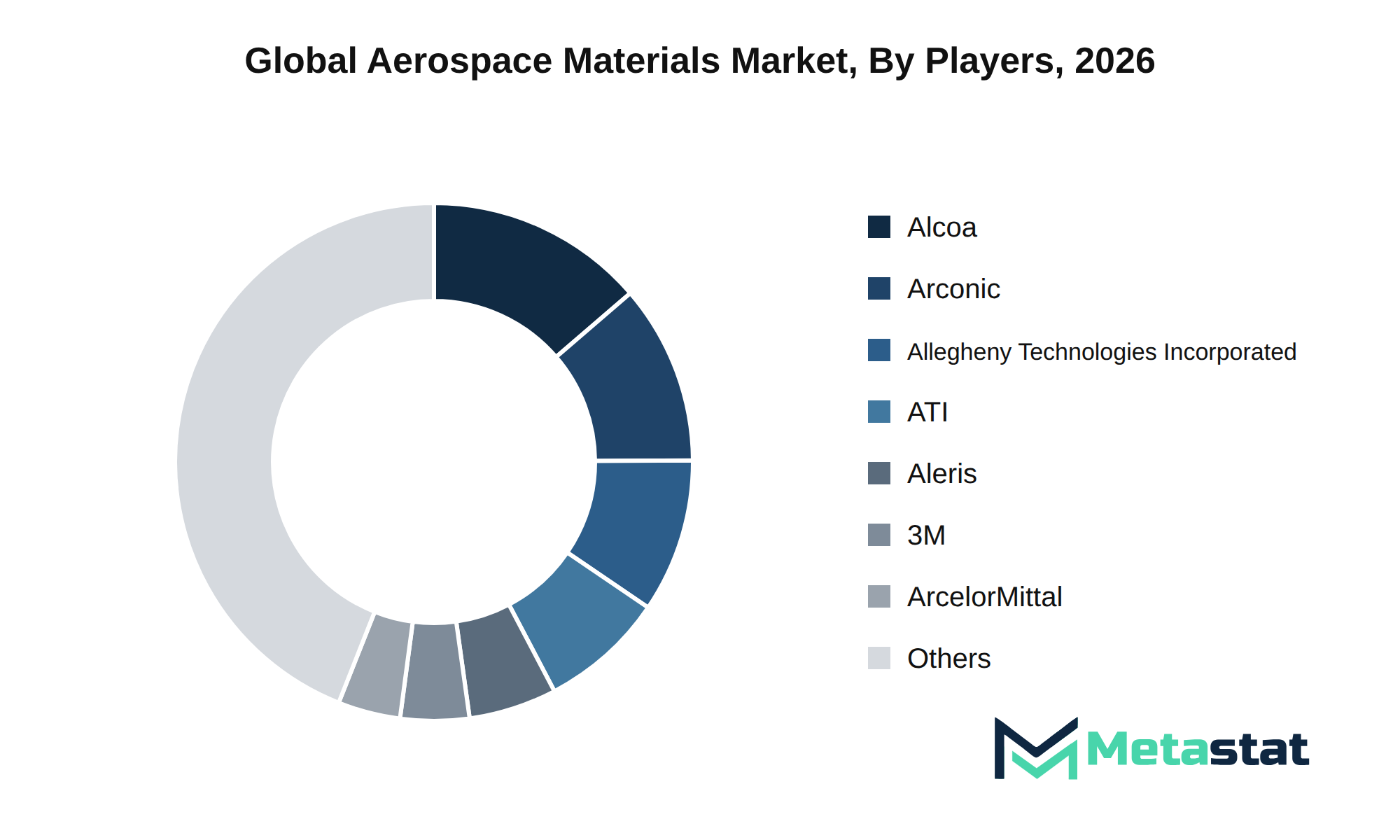
Competition in the Aerospace Materials market centers on material innovation, certification, and supplying to high-volume aircraft programs. Buyers prioritize proven performance, qualification to aerospace standards, and the ability to supply large quantities for major manufacturing programs. Price sensitivity influences sourcing for high-volume aluminum alloys, while technical performance and durability drive selection for titanium alloys and advanced composites used in critical structures and propulsion systems.
Companies adopt differentiated strategies based on their material portfolios and process capabilities. For example, Alcoa Corporation and Constellium N.V focus on aluminum alloys, serving original equipment manufacturers with high-purity, formable grades for airframe structures. ATI Inc. concentrates on titanium and nickel-based superalloys, supplying materials that withstand high operating temperatures in engines and propulsion systems. Hexcel Corporation and Toray Industries, Inc. emphasize composites, delivering lightweight, high-strength solutions for new-generation aircraft designs. These firms invest in research to meet evolving aerospace requirements and support manufacturers seeking fuel efficiency and compliance with stringent safety standards.
The field includes players including 3M Company and BASF Corporation, which provide advanced adhesives, sealants, and coatings, supporting broader application needs across airframes and interiors. Suppliers differentiate through rapid product qualification, technical support, and the ability to customize materials for specific programs. The market reflects competition between volume-driven commodity producers and specialty material innovators enabling next-generation aerospace platforms.
Achieving this growth requires sustained investment in lightweight, high-performance alloys for commercial transport aircraft, which hold the largest share among aerospace platforms. Accelerated replacement cycles in airframe structures, supported by airlines prioritizing fuel efficiency, are projected to increase the volume and price of advanced composites and titanium alloys. Rising defense budgets in Europe and Asia Pacific support demand expansion for military aircraft, strengthening the outlook for titanium alloys and nickel- and cobalt-based superalloys with higher growth rates than other segments. Outlook depends on technology adoption in emerging markets, particularly Asia Pacific, where local production capacity is expected to rise to meet internal demand and reduce import reliance.
The principal risk to outlook is volatility in raw material prices, which disrupts the supply chain for key inputs including titanium and specialty alloys. Such price fluctuations challenge both suppliers and buyers, particularly in smaller economies with limited hedging options, and restrict the ability of manufacturers to commit to long-term orders. The extent to which producers and buyers manage these risks determines the pace and consistency of expansion through 2033.
By Material Type: Aluminum Alloys, Titanium Alloys, Steels, Nickel- and Cobalt-Based Superalloys, Composite Materials, Polymers and Elastomers, Adhesives and Sealants, Coatings, Others (Magnesium Alloys, Copper Alloys, Monolithic Ceramics, Glass)
By Application: Airframe Structures, Engines and Propulsion Systems, Cabin Interiors, Landing Gear, Aircraft Systems and Equipment, Spacecraft and Launch Vehicle Structures, Others (Thermal Protection Systems, Radomes)
By Aerospace Platform: Commercial Transport Aircraft, Military Aircraft, Business and General Aviation Aircraft, Others (Rotorcraft, Unmanned Aerial Vehicles, Advanced Air Mobility Aircraft, Spacecraft, Launch Vehicles)
The report strategically identifies and profiles the key market players and analyses their core competencies in each sub-segment of the Aerospace Materials market.
|
Report Attributes |
Details |
|
Study Period |
2021-2033 |
|
Base Year |
2025 |
|
Estimated Year |
2026 |
|
Forecast Period |
2026-2033 |
|
Historical Period |
2021-2025 |
|
Growth Rate |
CAGR 7.9% from 2026 to 2033 |
|
Revenue Unit |
USD billion |
|
Segmentation |
By Material Type, Application, Aerospace Platform, and Region |
|
By Region |
North America (By Material Type, Application, Aerospace Platform, and Country)
|
|
Europe (By Material Type, Application, Aerospace Platform, and Country)
|
|
|
Asia Pacific (By Material Type, Application, Aerospace Platform, and Country)
|
|
|
|
|
Middle East and Africa (By Material Type, Application, Aerospace Platform, and Country)
|
Find answers to common questions about this report
The Aerospace Materials market size was valued at USD 51.1 billion in 2025.
The market is projected to grow at a CAGR of 7.9% during the forecast period from 2026 to 2033.
The North America Aerospace Materials market size is estimated to reach USD 32 billion by 2033.
Aluminum Alloys lead by value among material type segments, reaching USD 22.9 billion in 2033. This segment holds the highest projected value compared to Titanium Alloys at USD 15.5 billion and Steels at USD 7.3 billion in 2033.
Global expansion in commercial air travel is increasing production rates of transport aircraft and driving higher demand for advanced materials. Accelerated development of engines and propulsion systems is supporting rapid adoption of high-performance alloys and composites.
North America holds the dominant share with 35.2 percent of the total, leading all other regions by market share. This position is based on the latest available regional share data.
High raw material and processing costs restrict adoption among smaller platform developers and tier-two suppliers. Long lead times from complex product qualification processes delay the commercialization of new materials.
Engines and propulsion systems are driving adoption, supported by a projected CAGR of 8.3 percent through 2033 as aircraft programs prioritize higher efficiency and advanced performance targets. Demand for specialized titanium and superalloys is rising, with engine OEMs and tier-one suppliers increasing sourcing to support new propulsion technologies and production ramp-ups.
The Aerospace Materials market is estimated to reach a valuation of USD 93.8 billion by 2033.
Companies active in this industry include 3M Company, Alcoa Corporation, Allegheny Technologies Incorporated, ArcelorMittal, Hexcel Corporation, Kaiser Aluminum Corporation, Novelis Inc., and NSSMC Group.
The analysts below cover Chemicals and Materials research at Metastat Insights.
LEAD ANALYST
Utkarsh Khirodkar is a Lead Market Research Analyst at MetaStat Insight, specializing in market intelligence, technology sector assessments, and competitive strategy.

INDUSTRY CONSULTANT - CHEMICALS & ADVANCED MATERIALS
Chemicals and Materials · Machinery & Equipment · Packaging
Amit Gadhekar Consultant for Chemicals and Materials at MetaStat Insight, directing sector-specific intelligence, research, and strategic consulting across global chemical and processing markets.
Our team was tracking whether regional recycling infrastructure could realistically absorb the growing volume of lithium iron phosphate batteries over the next decade. The report did a solid job separating announced hydrometallurgical plant capacity from active, permitted operational throughput. That distinction made the feedstock availability projections and regional recovery rate models far more credible than standard commercial overviews.
Tracking capacity expansion in single-use bioprocessing requires dependable data on raw material availability and cleanroom-grade polymer supply chains. The competitive landscape chapter gave a grounded evaluation of secondary component suppliers across North America and Asia-Pacific rather than simply reprinting press releases. Having that level of supplier benchmarking helped clarify dual-sourcing considerations for our clinical pipeline planning.
When evaluating distributed energy resource management systems, standard research summaries tend to gloss over the operational differences between front-of-the-meter utility deployments and behind-the-meter industrial sites. The MetaStat Insight report addressed those distinctions directly, especially regarding software interoperability standards and grid interconnection backlogs. The five-year market sizing across regional transmission organizations provided actionable context for our grid modernization strategy.
Explore related market intelligence reports worth reading alongside this one.
Starting from
$2950