
LEAD ANALYST
Utkarsh Khirodkar is a Lead Market Research Analyst at MetaStat Insight, specializing in market intelligence, technology sector assessments, and competitive strategy.

Global Frac Valves Market Size, Share, By Valve Type (Gate Valves, Check Valves, Plug Valves, Choke Valves, Pressure Relief Valves, Ball Valves and Others), By Pressure Rating (Up to 5,000 psi, Above 5,000-10,000 psi, Above 10,000-15,000 psi and Above 15,000-20,000 psi), By Actuation Type (Manual, Hydraulic, Pneumatic and Electric), By Application (Frac Trees and Frac Stacks, Frac Manifolds, Flowback and Well Testing, Frac Flowlines, Wellhead Isolation and Others), Industry Analysis, Growth, Trends, and Forecast, 2026-2033
Report ID
MSI-5405
Published
September, 2026
Updated
Pages
290 Pages
Format
Historical
Base year
Forecast
Forecast period
Report Details
Market Valuation: Valued at $165.6 Million in 2025, projected to reach $230.2 Million by 2033 at a 4.2% CAGR.
Dominant Segment: The Gate Valves segment leads the market, driven by the need for reliable shut-off capabilities in high-pressure environments, particularly within frac trees.
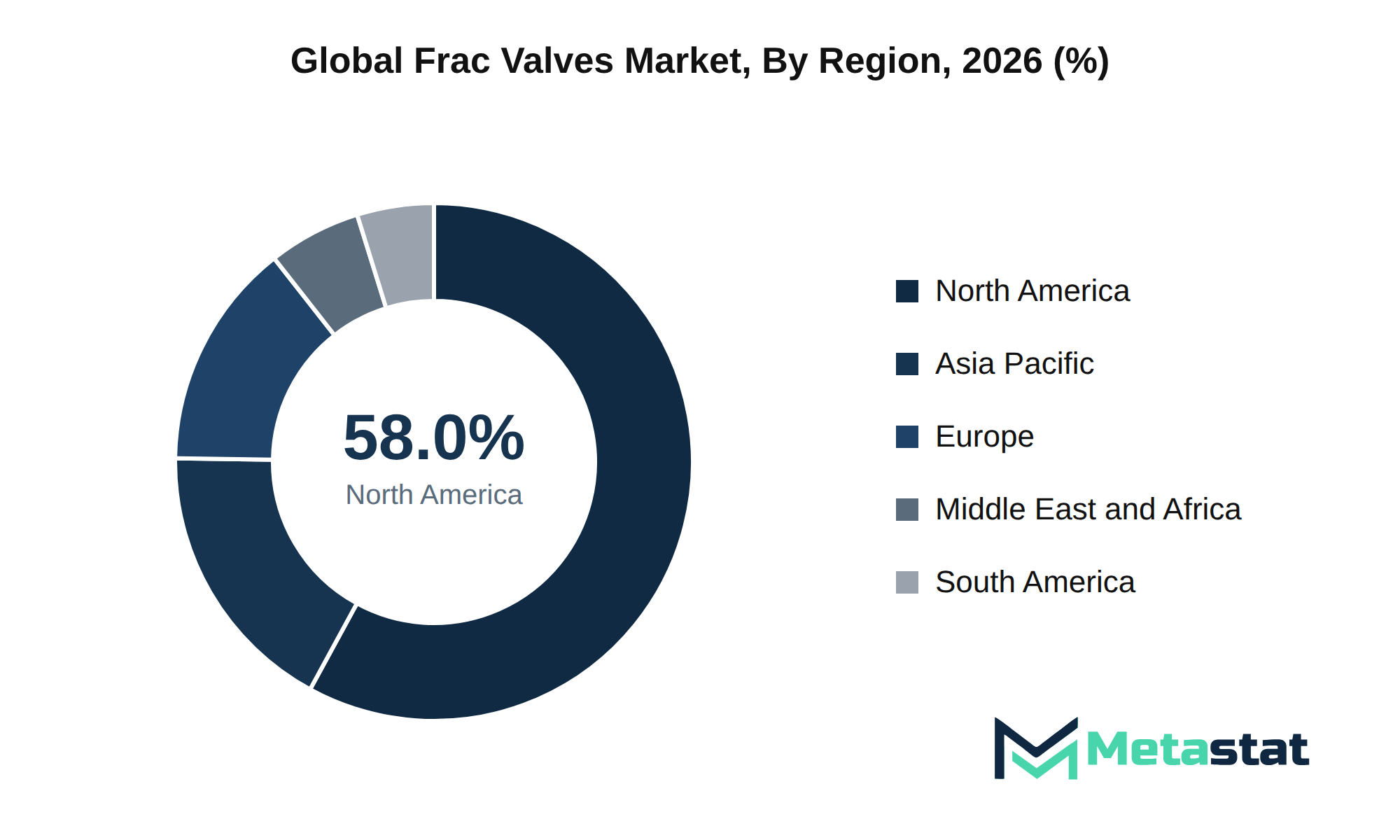
Geographic Lead: North America dominates the market with a 58% share, fueled by significant investments in shale gas development and ongoing exploration activities.
What's Inside: The report provides a comprehensive analysis of the global Frac Valves market, including competitive coverage, detailed segmentation by valve type, pressure rating, actuation type, and application, along with forecasts from 2026 to 2033.
Emerging Regional Demands: Strong growth is observed in emerging regions, particularly in North America and Asia Pacific, where increased drilling activities and infrastructure modernization drive the demand for advanced frac valve technologies.
Choose Your License
Global Frac Valves Market
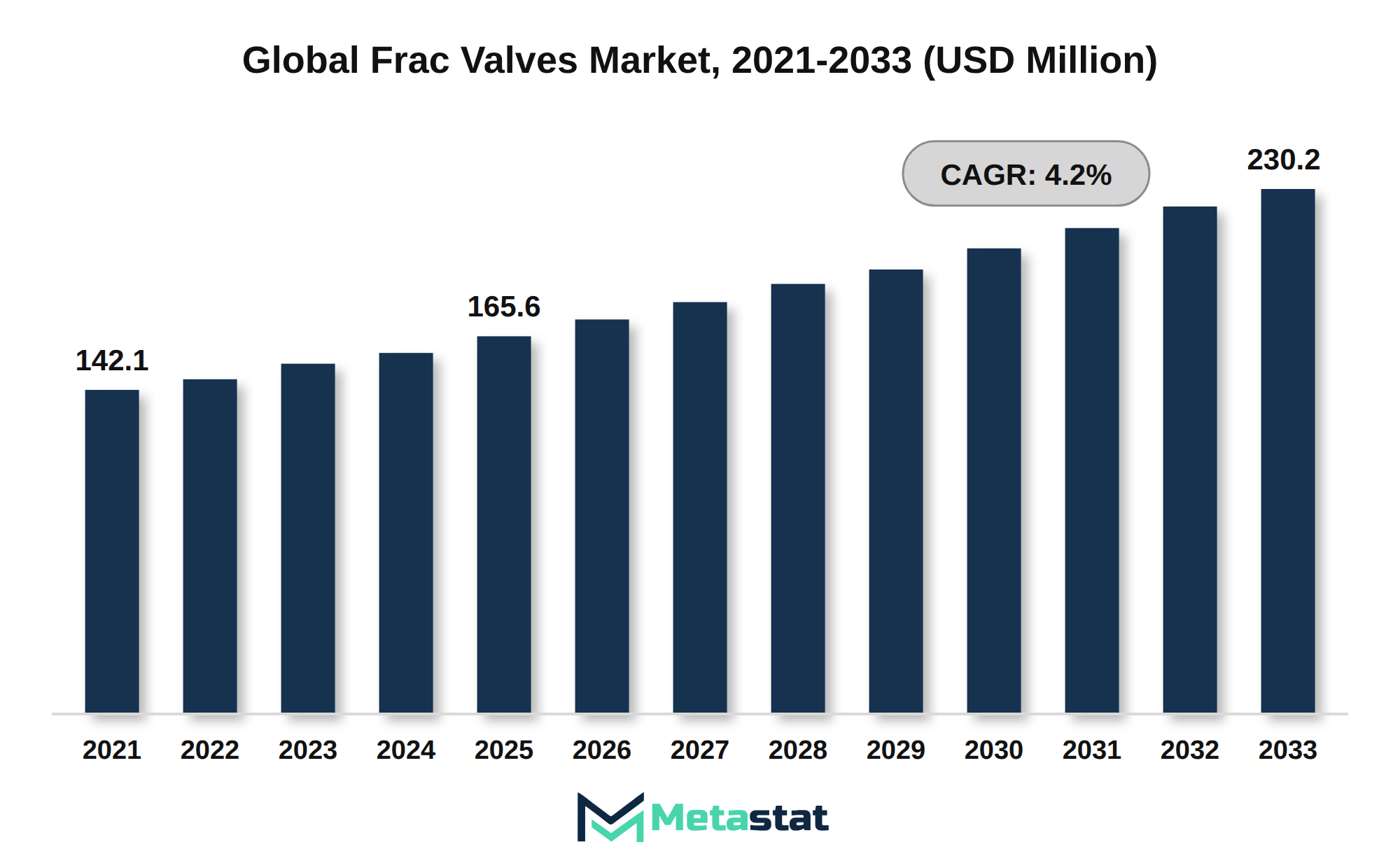
The global Frac Valves market was valued at USD 165.6 million in 2025 and is projected to reach USD 230.2 million by 2033, growing at a CAGR of 4.2% over the forecast period.
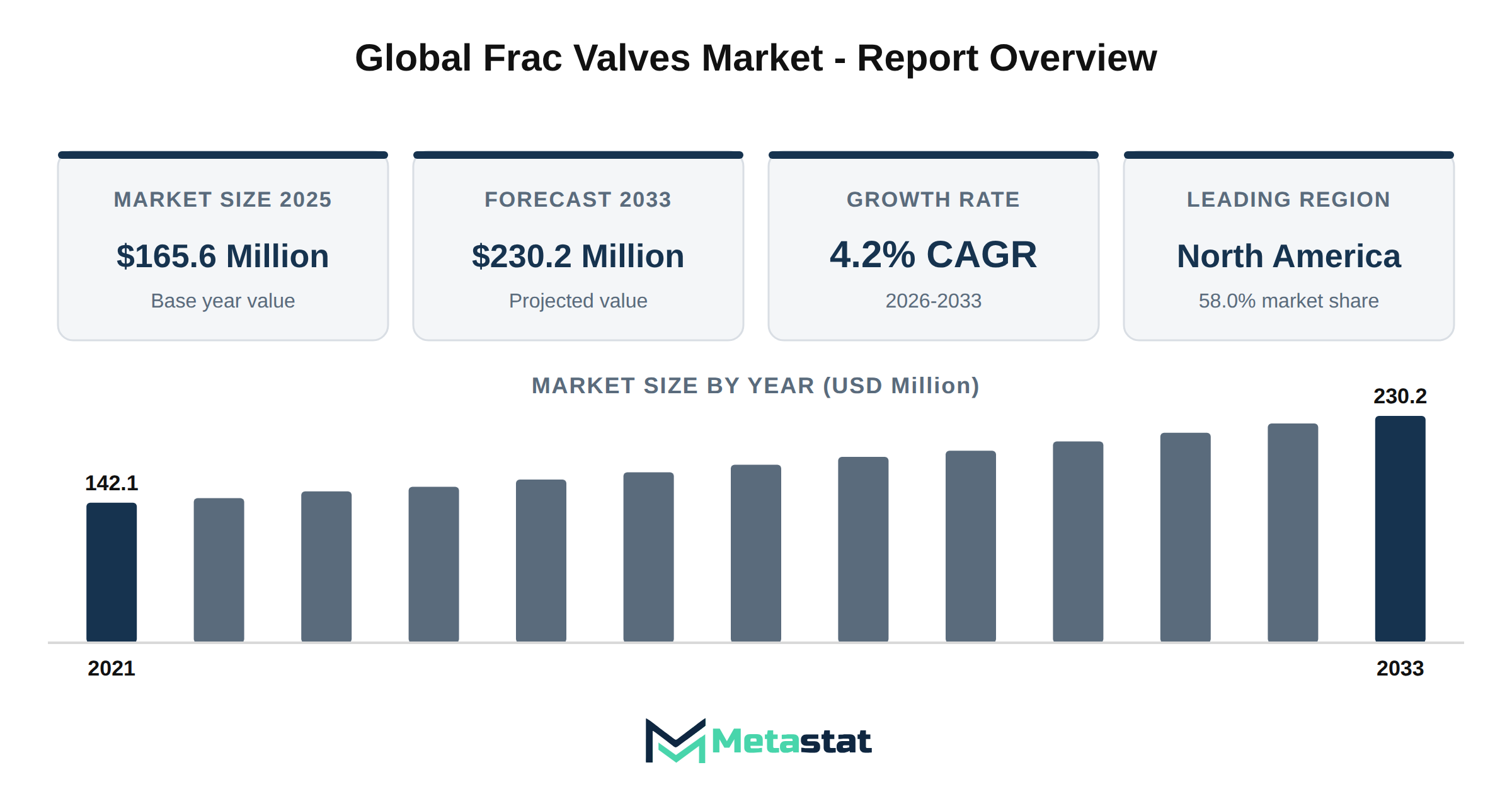
The Frac Valves market experienced significant growth in recent years, driven by the increasing demand for high-pressure frac valves across unconventional oil and gas operations. This surge in demand stems from the need for efficient and reliable equipment capable of handling the extreme conditions encountered in hydraulic fracturing processes.
Automation and remote actuation trends in frac valve systems enhance operational efficiency and safety. These advancements allow operators to manage valves from a distance, reducing the need for manual intervention and minimizing risks associated with on-site personnel. The integration of smart technologies into frac valve systems supports real-time monitoring and control, optimizing performance in various applications.
The rising adoption of hydraulic and electric frac valves reflects industry trends towards increased efficiency and reduced environmental impact. Hydraulic valves, known for their reliability under high pressures, gain traction among operators seeking robust solutions. Electric frac valves present new opportunities due to their precision and lower maintenance requirements, aligning with the industry's focus on sustainability.
Demand dynamics for frac tree and frac stack valves remain strong, driven by their critical role in managing pressure and flow during fracturing operations. These components are essential in ensuring the integrity of the well and optimizing production rates. Continuous innovation in this area seeks to enhance performance and durability under challenging conditions.
Expansion in frac manifold systems and multi-well pad development presents opportunities for the market, because more operators focus on efficiency and maximizing output from their drilling programs. This trend emphasizes the need for versatile and reliable valve solutions that accommodate multiple well connections and manage varying pressures effectively.
The adoption of frac valves rated for pressures above 15,000 psi and up to 20,000 psi experiences significant growth. Operators increasingly require valves capable of withstanding extreme pressures to optimize production and enhance safety in high-stakes environments. This shift reflects the industry's commitment to pursuing more challenging resource extraction opportunities.
Innovation in frac valve technology addresses the demands of high-sand and high-cycle operations. Manufacturers focus on developing products that withstand abrasive materials and prolonged usage, ensuring reliability and performance in demanding conditions. Enhanced material and sealing technology advancements contribute to the longevity and effectiveness of these valves.
Reliability under extreme pressure and erosive flow is vital for frac valve performance. The market emphasizes rigorous testing and compliance with industry standards to ensure that valves meet performance expectations. Enhanced durability and performance metrics play a crucial role in operator selection processes, influencing purchasing decisions.
North American shale development drives significant demand for frac valves, with major operators investing heavily in this resource-rich region. The ongoing exploration and production activities in shale formations create a robust market environment, leading to increased valve sales and service needs. This regional focus positions North America because a key player in the global frac valves market.
Opportunities in the Middle East stem from unconventional resource development, where operators seek advanced frac valve solutions to enhance recovery rates. The region's focus on diversifying energy sources and increasing production capabilities aligns with the growing demand for reliable and efficient valve technologies.
In flowback and well testing operations, frac valve demand remains steady, driven by the necessity for precise control and monitoring throughout the fracturing process. This segment requires valves that withstand harsh conditions while providing accurate performance data, reinforcing the need for high-quality manufacturing standards.
The introduction of digital monitoring and intelligent frac valve control systems represents a significant shift in operational capabilities. These technologies allow for enhanced data collection and analysis, leading to improved decision-making and operational efficiency in real-time.
Advancements in material and sealing technology significantly impact frac valves, enhancing their performance and longevity. Manufacturers focus on developing materials that withstand corrosive environments and high pressures, ensuring that valves maintain operational integrity over extended periods.
Frac valve manufacturing capacity and supply chain developments reflect ongoing investments in production capabilities to meet rising demand. This focus on scalability enables manufacturers to respond to market fluctuations and customer needs effectively.
Compliance with API 6A standards serves because a benchmark for frac valve performance requirements, ensuring that products meet rigorous safety and operational criteria. Adherence to these standards enhances market confidence and promotes the adoption of high-quality valve solutions.
Pricing and lifecycle cost dynamics for frac valves influence purchasing decisions among operators. The market observes varying price points based on valve specifications, performance capabilities, and manufacturer reputation, impacting overall cost considerations.
Competitive innovation among frac valve manufacturers drives the market forward, with companies investing in research and development to create advanced solutions. This competitive landscape encourages continuous improvements in valve technology, ensuring that operators have access to the latest innovations to support their operations.
Demand for wellhead isolation and frac flowline valves continues to rise, because operators seek reliable solutions for managing flow and pressure in complex well systems. This segment's growth reflects the need for enhanced safety and efficiency in fracturing operations.
The emergence of electric frac systems creates new opportunities for valve technology, with manufacturers exploring innovative designs to integrate with these systems. This trend aligns with the industry's shift towards automation and increased operational efficiency.
Refracturing activity supports replacement frac valve demand, because operators seek to optimize existing well performance. The focus on maximizing output from established wells drives the need for high-quality valves capable of withstanding repeated stress and operational challenges.
Future growth opportunities in automated frac valve systems align with the industry's trend towards digital transformation. Increased investment in automation technologies promises to enhance operational efficiency and reduce costs, positioning the market for significant advancements in the coming years.
High-pressure frac valve demand across unconventional oil and gas operations continues to grow, driven by the increasing need for efficient extraction techniques. Operators require valves that withstand extreme pressures, enhancing both safety and efficiency in production. This trend reflects a broader shift towards technology that supports higher output from existing fields.
Automation and remote actuation trends within frac valve systems enhance operational efficiency. The integration of intelligent controls allows for real-time monitoring and adjustments, improving response times and reducing manual interventions. This progression signifies a notable shift towards greater automation in the industry.
Rising adoption of hydraulic and electric frac valves illustrates a shift in preference towards advanced actuation technologies. These valve types offer improved performance in demanding environments, contributing to their increasing market share. Their reliability under fluctuating pressures and conditions supports their adoption.
The dynamics of frac tree and frac stack valve demand reflect the growing complexity of hydraulic fracturing operations. These systems require robust valve solutions to manage multiple well completions efficiently. The trend towards multi-well pad development necessitates valves that ensure consistent performance across numerous simultaneous fracking operations.
Expansion in frac manifold systems correlates with multi-well pad development strategies. Enhanced manifold designs improve fluid management and reduce operational risks, positioning them because vital components in modern fracturing operations. This evolution supports more efficient hydraulic fracturing processes, promoting overall market growth.
Adoption trends for frac valves rated between 15,000 psi and 20,000 psi indicate a shift towards high-performance solutions. These valves are essential for operators targeting the most challenging formations, where standard valve options do not suffice. The move towards higher pressure ratings aligns with industry demands for enhanced capabilities and reliability.
Innovation in frac valve technology for high-sand and high-cycle operations addresses specific challenges faced by operators. New designs focus on durability and performance, ensuring valves withstand the rigors of abrasive materials and repeated cycling during fracking processes. This innovation supports enhanced operational efficiency.
Service-less and low-maintenance frac valve technology offers significant benefits to operators. Reducing maintenance intervals lowers operational costs and enhances uptime, providing a competitive edge in the market. The shift towards these technologies reflects a broader industry trend towards efficiency and reliability.
Reliability under extreme pressure and erosive flow remains a critical requirement for frac valves. Operators prioritize valve performance in harsh conditions, influencing purchasing decisions and vendor selection. This emphasis on reliability supports sustained demand in the market.
North American shale development drives significant demand in the frac valves market. This region's robust exploration and production activities necessitate advanced valve solutions that enhance well performance. The sustained focus on shale resources continues to shape the market landscape.
Unconventional resource development in the Middle East presents notable opportunities for frac valve suppliers. While operators explore new fields, the demand for reliable and efficient valve systems increases. This expansion signifies potential growth avenues for manufacturers within this region.
Frac valve demand in flowback and well testing operations is rising, driven by the need for effective management of produced fluids. Efficient valve systems facilitate accurate measurement and control during testing phases, enhancing the overall workflow. This trend highlights the importance of specialized valve solutions in the market.
Digital monitoring and intelligent frac valve control systems enhance operational capabilities. The ability to monitor valve performance remotely allows for proactive maintenance and optimized operations. This trend supports the overall growth strategy for companies within the market.
Advancements in material and sealing technology for frac valves contribute to improved performance and longevity. Enhanced materials withstand corrosive environments, ensuring reliable operation over extended periods. These developments align with the market's focus on durability and efficiency.
Frac valve manufacturing capacity and supply chain developments influence product availability and market dynamics. Increased production capabilities help meet the rising demand from operators seeking to enhance their fracturing operations. This growth reinforces the importance of efficient supply chains in the market.
API 6A compliance remains a standard for frac valve performance requirements. Adhering to these guidelines ensures valves meet industry specifications for safety and functionality, reinforcing supplier credibility. This compliance requirement shapes purchasing decisions among operators.
Pricing and lifecycle cost dynamics play a significant role in the frac valves market. Operators evaluate total cost of ownership when selecting valves, impacting supplier competition and market pricing strategies. Understanding these dynamics assists manufacturers in positioning their products effectively.
Competitive innovation among frac valve manufacturers drives product differentiation. Companies invest in research and development to enhance their offerings, responding to evolving market needs. This innovation encourages a more dynamic market environment, promoting ongoing advancements.
Wellhead isolation and frac flowline valve demand reflects the growing complexity of hydraulic fracturing systems. Effective isolation is crucial for operational safety and efficiency, shaping the requirements for valve solutions. This trend highlights the importance of tailored products for specific operational needs.
Electric frac systems create new valve technology opportunities, enabling enhanced control and efficiency. The transition towards electric actuation aligns with broader trends in automation, positioning these technologies favorably within the market. This reflects a significant shift in operational strategies among industry players.
Refracturing activity supports replacement frac valve demand because operators seek to optimize existing wells. The need for effective valve solutions during refracturing underscores the ongoing importance of innovation and reliability in the market. This trend indicates sustained opportunity for valve manufacturers.
Future growth opportunities in automated frac valve systems highlight a shift towards advanced technology integration. The industry's focus on automation reflects broader technological advancements, indicating potential for increased efficiency and reduced costs in operations. This evolution aligns with the overall trajectory of the market.
Innovation in automation and digital technologies significantly drives growth in the Frac Valves market. The adoption of advanced automation systems facilitates the efficient operation of frac valves, reducing human error and enhancing response times during critical processes. Companies integrating artificial intelligence in monitoring and controlling system operations experience marked improvements in the accuracy and reliability of valve performance.
Investment in software solutions that digitize legacy processes enables data-driven decision-making, allowing operators to optimize the lifecycle of frac valves. This transition towards smart technologies improves operational efficiency, minimizes downtime, and ultimately increases productivity, all of which contribute to expanding market demand.
In various sectors, including oil and gas, stakeholders increasingly seek to modernize their operations in line with technological advancements. Prioritizing the adoption of advanced technologies enhances the competitive position of organizations, resulting in increased revenue potential within the market.
High capital investment requirements present a significant restraint in the Frac Valves market. The cost of advanced frac valves combined with the necessary associated infrastructure creates a barrier to entry for smaller operators in the oil and gas sector. These high costs affect project feasibility, leading to delays or cancellations in potential investments.
Escalating operating costs due to inflationary pressures and supply chain disruptions impact overall profitability for operators. Rising material prices and labor costs contribute to a challenging financial environment, resulting in cautious spending on new technologies and equipment. This focus on cost management restricts new installations and inhibits growth within the market.
The requirement for sophisticated technology in frac valves compounds these issues. Companies face challenges with integration, necessitating substantial investments in training and skilled labor to maintain operational efficiency. This situation leads to slower adoption rates, particularly in regions with limited access to qualified personnel or technical resources.
Market fragmentation presents an additional challenge. Various manufacturers offer differing levels of quality and technology, creating confusion among buyers. This variation results in hesitancy to invest in higher-quality solutions that drive performance improvements. Overall market penetration for advanced frac valve technologies remains subdued.
The Frac Valves market faces challenges from geopolitical fragmentation, which complicates international trade relations and disrupts supply chains. Ongoing trade deficits and tariff frictions create an unpredictable environment for manufacturers and suppliers, influencing pricing and availability of critical components. Such instability affects the operational costs of companies involved in the production and distribution of frac valves. Suppliers experience difficulties in sourcing materials, leading to production delays and increased prices.
Technological disruptions further exacerbate these challenges. Rapid advancements in materials and manufacturing processes require continuous adaptation. Companies struggle with complex research and development integrations necessary to keep pace with innovations, diverting resources and attention from core business activities. This situation impedes the ability of firms within the market to respond effectively to evolving customer demands and maintain competitive pricing, impacting profit margins.
The relationship between supply chain instability and rising input cost structures emphasizes the need for businesses to navigate these uncertainties. Addressing these issues is critical to preventing erosion of market share in favor of competitors who optimize their operations and mitigate risks associated with geopolitical factors. The Frac Valves market requires strategic planning and investment to overcome these challenges, ensuring sustained growth and resilience in an increasingly complex global landscape.
Strong demand for frac valves arises from various emerging regions, particularly in North America and Asia Pacific. The growth in these regions correlates with increased drilling activities and the expansion of oil and gas exploration. North America, holding a majority market share of 58 percent, invests significantly in shale gas development, which directly boosts the demand for frac valves. In Asia Pacific, countries including China and India enhance their energy infrastructure, promoting the need for advanced frac valve technologies to ensure efficient operations.
Infrastructure modernization presents another opportunity within the Frac Valves market. Upgrading outdated facilities with state-of-the-art technologies results in higher efficiency and safety standards. This modernization opens avenues for suppliers of frac valves to offer innovative products that meet evolving industry needs. The integration of next-generation valves featuring improved materials and enhanced functionalities aligns with the industry's shift toward sustainability and operational excellence.
Technological disruptions, including digital transformation strategies, create pathways for growth in the market. Digital procurement shifts allow companies to streamline sourcing processes, improving supply chain efficiencies. Analyzing data and IoT-enabled devices enables better monitoring and predictive maintenance of frac valves, reducing downtime and operational costs.
The increased focus on sustainability imperatives drives demand for eco-friendly frac valves. Companies align their production processes with environmental considerations, influencing purchasing decisions. The drive for green transformations and ESG-driven alignments encourages investment in valves that minimize environmental impact, further supporting market expansion.
Strategic consolidation and cross-industry mergers contribute to a more competitive landscape in the Frac Valves market. Companies seek to diversify their product portfolios through acquisitions, allowing for a broader range of offerings and improved market positioning. This trend encourages innovation and enhances collaboration across sectors, driving further growth.
The Global Frac Valves market is segmented based on Valve Type, Pressure Rating, Actuation Type, and Application.
Gate Valves segment is valued at USD 76 million in 2026 and is projected to reach USD 97.1 million by 2033, at a CAGR of 3.6% during the forecast period. Demand for gate valves arises from the need for reliable shut-off capabilities in high-pressure environments within the Frac Valves market. Key applications include frac trees, where high-performance valves ensure operational safety and efficiency during hydraulic fracturing processes.
Technological advancements within the segment focus on enhancing valve durability and performance under extreme conditions. Innovations in materials and manufacturing processes support the development of gate valves that withstand high pressure and corrosive environments. Stakeholders across oil and gas sectors recognize the importance of these advancements, leading to increased investments in gate valve technology.
Regulatory compliance influences gate valve design and functionality. Stringent safety standards demand that products meet specific performance benchmarks, thus driving manufacturers to innovate continually. This regulatory landscape enhances market competitiveness and positions gate valves because critical components in hydraulic fracturing applications.
The Frac Valves market benefits from a growing emphasis on operational efficiency and cost-effectiveness. Producers increasingly prioritize equipment reliability, leading to higher adoption rates for advanced gate valves. This trend creates a robust environment for market growth, with investments in research and development aimed at optimizing valve performance.
Market expansion opportunities exist owing to industries seeking to leverage advanced gate valve technologies. Increased production activities across regions, especially in North America, drive demand for efficient and reliable valve solutions. The growth trajectory of the gate valves segment reflects broader trends within the Frac Valves market, supporting a positive outlook for stakeholders.
Increasing investment in oil and gas exploration drives demand for Check Valves within the Frac Valves market. These valves play a critical role in preventing backflow and maintaining pressure in high-stakes environments. The industry's focus on enhancing efficiency and safety during hydraulic fracturing processes influences the adoption of advanced valve technologies.
The Check Valves segment is projected to reach USD 21.9 million by 2033, at a CAGR of 3.9% during the forecast period. The growing regulatory emphasis on operational safety and environmental protection necessitates robust valve solutions, influencing manufacturers to innovate and upgrade their product offerings. This shift results in heightened investment in next-generation valve technology and materials.
Emerging trends, including automation and digital connectivity, further support the expansion of Check Valves within the market. Manufacturers strive to integrate smart technologies that enhance monitoring and control capabilities, optimizing performance and reliability. Enhanced collaboration between suppliers and end-users facilitates the development of tailored solutions, ensuring compliance with evolving industry standards.
Overall, the Check Valves segment demonstrates promising growth driven by technological advancements, regulatory pressures, and a focus on operational efficiency within the Frac Valves market.
Growing demand for Plug Valves in the Frac Valves market stems from their critical role in efficient fluid control during hydraulic fracturing processes. Industries focusing on oil and gas exploration increasingly require reliable valve solutions that withstand high pressures and diverse environmental conditions. The expansion of shale gas production contributes significantly to the growth of this segment, prompting manufacturers to enhance their product offerings to meet stringent operational requirements.
Technological maturation within the Plug Valves segment supports the introduction of next-generation upgrades that improve performance and reliability. Advancements in materials and design methodologies enhance valve durability, making them suitable for extreme conditions encountered in hydraulic fracturing applications. This evolution drives investment in Plug Valves, leading to increased adoption among industry stakeholders seeking to optimize resource extraction.
Regulatory compliance standards impact the Plug Valves segment, with heightened scrutiny on safety and environmental considerations. Manufacturers prioritize certifications, ensuring their products align with industry regulations and customer expectations. This focus on compliance builds trust among end-users and positions the segment for sustained growth.
The Plug Valves segment is expected to reach USD 27.9 million by 2033. The segment benefits from strategic opportunity windows, where innovation aligns with market demands. Competitive pressures among key players incentivize continuous improvement and product differentiation, further enhancing investment potential in this niche of the Frac Valves market.
Choke Valves exhibit a promising trajectory within the Frac Valves market, projected to grow at a CAGR of 5.1% during the forecast period. This growth arises from increasing demand for precision flow control in high-pressure applications. The expansion of hydraulic fracturing activities, particularly in North America, enhances the adoption of choke valves, driven by operators seeking improved efficiency and performance. Innovations in valve design and materials contribute to enhanced durability and operational reliability, further driving market interest.
Technological advancements facilitate the development of next-generation choke valves, which offer improved performance characteristics and adaptability to varying pressures and flow rates. These advancements support industries focused on optimizing production processes and reducing operational costs. Regulatory compliance standards regarding safety and emissions continue to influence market dynamics, prompting manufacturers to invest in advanced choke valve solutions that meet stringent requirements.
Cost structures associated with choke valves reflect the integration of advanced materials and manufacturing processes, impacting pricing strategies across the market. Increased competition among suppliers leads to pricing volatility, affecting margins and driving innovation. Strategic opportunities arise from the need for customized solutions tailored to specific applications, positioning manufacturers to capitalize on emerging trends within the Frac Valves market.
Significant interest in Pressure Relief Valves stems from their critical role in ensuring safety during fracturing operations. Strict safety regulations and operational standards drive demand for reliable valves that handle high-pressure environments while maintaining system integrity. Enhanced safety protocols across the oil and gas sector increase the importance of these valves, attributed to their protection against over-pressurization, thereby safeguarding both personnel and equipment.
Technological advancements in materials and design support the evolution of Pressure Relief Valves, allowing for improved performance and longevity. Innovations in valve technology enhance operational efficiency while reducing maintenance costs, appealing to operators focused on maximizing productivity. The increasing complexity of fracturing systems raises the necessity for high-quality pressure relief solutions that adapt to various operational demands.
Downstream applications, particularly in hydraulic fracturing, require robust and effective pressure management solutions. The growing emphasis on environmental compliance and risk mitigation further drives the adoption of advanced pressure relief technologies. Strategic investments in these areas highlight the opportunity for expansion within the Frac Valves market, creating a competitive landscape focused on innovation and reliability.
Ball valves play a critical role in the Frac Valves market, particularly due to their ability to provide tight shut-off in high-pressure applications. The demand for ball valves primarily stems from their efficiency in managing fluid flow in various frac operations. Adoption of these valves across oil and gas exploration projects reflects their importance in maintaining operational integrity and safety.
Technology advancements contribute to the evolution of ball valves, leading to enhanced performance and reliability. These innovations cater to the increasing requirements of the market, supported by a focus on maximizing production efficiency and minimizing operational downtime. The growing preference for automated systems in frac operations further increases the relevance of ball valves in addressing contemporary industry challenges.
Downstream applications highlight the versatility of ball valves in multiple settings, including frac trees and manifolds. These applications drive demand, because operators seek reliable solutions for complex fluid dynamics. Regulatory compliance standards influence the market, compelling manufacturers to align with stringent safety protocols and quality certifications, which enhances the overall trust in ball valve technologies.
Market dynamics indicate favorable consumption shifts towards robust and efficient valve solutions. This trend correlates with the broader evolution of the Frac Valves market, where operators prioritize high-performance equipment to optimize their operations. The ongoing focus on sustainable practices in the energy sector influences purchasing decisions, encouraging the adoption of technologically advanced solutions that support environmental and operational compliance. Operators increasingly recognize the importance of integrating advanced valve technologies to enhance overall system performance.
Interest in the Others segment, which encompasses Back Pressure Valves and Bleeder Valves, reflects the evolving dynamics within the Frac Valves market. Demand drivers include the increasing emphasis on operational efficiency and safety in fracturing processes, prompting operators to seek advanced solutions for pressure management and fluid control. Adoption of these valves is influenced by technological maturation, where innovations enhance reliability and performance metrics.
Product evolution is important for expanding this segment. Innovations in design and materials promote the longevity and effectiveness of back pressure and bleeder valves, addressing the stringent requirements of high-pressure environments. Regulatory compliance standards further dictate the necessity for these valves, ensuring safety and operational integrity in fracturing operations.
Market participants face cost structures that vary significantly based on raw material sourcing and manufacturing processes, impacting pricing volatility. Companies investing in supply chain resilience to mitigate logistics vulnerabilities position themselves favorably against substitution risks and disruptive alternatives. Strategic opportunities emerge because players explore enhancements in valve technology, aiming to meet the evolving demands of end-users.
Capital investment outlook remains robust, driven by anticipated growth in the oil and gas sector. This investment supports the development of more efficient and durable valve systems, ultimately reinforcing the importance of the Others segment in the broader Frac Valves market.
Within the Frac Valves market, the Up to 5,000 psi segment is valued at USD 21 million in 2026 and is projected to reach USD 24.9 million by 2033, at a CAGR of 2.5% during the forecast period. Demand within this segment arises primarily from the need for reliable and efficient solutions in lower pressure applications including natural gas and oil extraction, where safety and performance are critical. Adoption in the upstream oil and gas sector drives growth, influenced by ongoing investments in exploration activities.
Technological advancements play a crucial role in enhancing the capabilities of valves operating under 5,000 psi. Continuous improvements in materials and manufacturing processes contribute to the reliability and efficiency of these valves, ensuring compliance with industry standards. The increasing focus on regulatory compliance in safety and environmental standards further increases the demand for high-quality frac valves. This segment exhibits resilience, supported by the growing trend towards automation and integration of smart technologies in oil and gas operations.
While companies pursue next-generation upgrades, the focus shifts towards valves that not only meet current operational demands but incorporate features for monitoring and diagnostics. This trend stems from the industry's desire to mitigate downtime and optimize performance, which directly influences purchasing decisions. The combination of these factors positions the Up to 5,000 psi segment because an essential component within the broader Frac Valves market.
Increasing application of high-pressure frac valves across oil and gas extraction operations drives the demand for valves rated above 5,000-10,000 psi. The growth of hydraulic fracturing and associated technologies contributes to expansion within this segment. Companies investing in advanced hydraulic solutions require reliable valve systems that ensure operational efficiency and safety. Adoption among energy producers supports the upward trajectory of the Frac Valves market.
Cost pressures associated with manufacturing high-pressure valves impact pricing strategies. Suppliers face challenges in sourcing quality materials capable of withstanding extreme pressures, influencing overall production costs. Technological advancements in materials and manufacturing processes mitigate these pressures, enabling competitive pricing while maintaining quality standards. This dynamic creates a more robust environment for investment within the market.
The above 5,000-10,000 psi segment is estimated to reach USD 68.5 million by 2033, at a CAGR of 3.4% during the forecast period. Enhanced performance characteristics and stringent regulatory compliance requirements drive product evolution, influencing downstream applications across various energy sectors. In the context of evolving industry standards, market players adapt to meet the growing demands for efficiency and reliability.
Strong growth in the Above 10,000-15,000 psi segment reflects rising demand for high-pressure containment solutions in oil and gas operations. Enhanced exploration activities and the requirement for robust pressure management systems drive this demand, ensuring safety and efficiency in challenging environments. Operators increasingly rely on these valves to handle extreme conditions, which directly impacts overall productivity and operational success.
Advancements in technology further contribute to the segment's expansion. Innovations in materials and design improve performance, enabling manufacturers to deliver more reliable and efficient products. These enhancements lower the risk of failure and reduce maintenance costs, appealing to operators focused on long-term sustainability in their operations.
Regulatory standards continue to play a critical role in shaping market dynamics. Compliance with stringent safety regulations necessitates the adoption of high-quality valves, compelling operators to invest in the Above 10,000-15,000 psi segment. By 2033, this segment is projected to reach USD 95.9 million, highlighting its significance within the overall Frac Valves market.
Valves operating in the Above 15,000-20,000 psi range satisfy the increasing requirements for high-pressure applications in various sectors, particularly oil and gas exploration. This segment is projected to grow at a CAGR of 5.1% during the forecast period. Evolving technologies and stringent regulations regarding safety standards drive the adoption of advanced high-pressure valves. The Frac Valves market experiences heightened demand from industries focused on maximizing efficiency and minimizing operational risks. Companies seek to enhance production capabilities, and a shift toward innovative and resilient valve solutions becomes apparent.
The competitive landscape sees significant players investing in R&D to develop next-generation valve products, ensuring compliance with emerging industry standards. This focus on innovation supports the expansion of the Above 15,000-20,000 psi segment within the market. Investment in advanced materials and designs enhances performance, reliability, and safety, addressing the growing concerns surrounding high-pressure applications. These developments create strategic opportunities for suppliers, strengthening the supply chain while optimizing cost structures and mitigating pricing volatility.
Valued at USD 64.8 million in 2026, the Manual segment is expected to reach USD 73.5 million by 2033, achieving a CAGR of 1.8% during the forecast period. Demand for manual actuation in the Frac Valves market stems from its application in environments where operator control and safety are essential. These valves provide precise control over fluid flow, which proves critical in high-pressure fracturing operations.
Technological maturation in the industry supports the segment's steady growth. Innovations in valve design and materials enhance reliability and performance, addressing the specific requirements of various downstream applications. The evolution of manual valves aligns with broader trends of automation and efficiency in hydraulic systems, further ensuring their relevance in a rapidly changing market.
Increased focus on regulatory compliance standards influences the adoption of manual valves, particularly in regions where stringent safety regulations are enforced. Suppliers emphasize the importance of comprehensive certifications to meet these standards, reinforcing the segment's position among end-users focused on operational safety and reliability. Strategic investment in research and development continues to provide opportunities for market players to enhance product offerings, ensuring competitiveness.
Pricing volatility remains a factor, driven by fluctuations in raw material costs and global supply chain dynamics. This volatility impacts profit margins for manufacturers, necessitating effective cost management strategies. Despite these challenges, the Manual segment's stable demand reflects its critical role in the Frac Valves market, facilitating ongoing investment and development efforts.
Growing adoption of hydraulic actuation within the Frac Valves market stems from its efficiency and reliability in controlling high-pressure environments. Hydraulic valves offer enhanced performance characteristics, making them suitable for critical applications in oil and gas extraction processes. This segment is projected to reach USD 99.3 million by 2033, with a CAGR of 4.4% during the forecast period.
The ability of hydraulic systems to provide precise control translates into improved safety and operational efficiency for end-users. Increased focus on optimizing production processes drives demand for hydraulic valves across various applications in the market. Advancements in hydraulic technology and design facilitate the development of next-generation products, further enhancing market penetration.
Investment in hydraulic actuation technologies aligns with the industry's push toward automation and enhanced operational efficiency. This strategic focus leads to increased competitiveness and profitability for manufacturers involved in the Frac Valves market. Overall, the hydraulic segment’s growth reflects broader industry trends emphasizing innovation, safety, and efficiency.
Increased adoption of Pneumatic valves in the Frac Valves market stems from their efficiency and reliability in high-pressure environments. Pneumatic actuators provide precise control in fracturing operations, enhancing their appeal to operators focused on performance and safety. Technological advancements in Pneumatic systems contribute to improved performance, driving interest from key stakeholders within the oil and gas sector.
Market dynamics indicate a shift towards automation in various applications, positioning Pneumatic valves favorably for growth. The integration of these valves into automated processes allows for better response times and operational efficiencies. This trend aligns with the broader movement towards digitization in the energy sector, creating demand for advanced solutions.
Regulatory compliance continues to shape purchasing decisions, with standards increasingly favoring technologies that enhance safety measures. Pneumatic valves, known for their effective pressure management capabilities, support compliance with stringent operational regulations, providing an advantage in the competitive landscape.
Downstream applications of Pneumatic valves demonstrate significant potential across various sectors, including hydraulic fracturing and well testing. The growing focus on optimizing production processes fuels demand for innovative actuation solutions, emphasizing the strategic importance of Pneumatic technologies in the market. Overall, the outlook for the Pneumatic segment remains positive, with several factors contributing to its expansion and relevance in the evolving Frac Valves market.
Increased preference for Electric actuation in the Frac Valves market stems from advancements in automation and control systems. This technology simplifies operation, enhances precision, and reduces manual labor requirements, driving demand across various applications. The growth rate of 12.3% CAGR during the forecast period reflects strong adoption of Electric actuation technology.
Technological maturation of Electric valves supports efficiency gains in hydraulic fracturing operations. Enhanced connectivity and integration with digital monitoring systems allow for streamlined operations and improved responsiveness. This technological evolution positions Electric valves favorably within the market, attracting investment and encouraging further product development.
End-user dynamics significantly influence the adoption of Electric actuation valves. Companies focusing on maximizing operational efficiency and minimizing downtime actively seek solutions that provide better control and reliability. The ability to adjust performance parameters remotely through digital interfaces aligns with modern demands of the industry, making Electric valves a preferred choice in the Frac Valves market.
Regulatory compliance standards supporting environmentally friendly practices drive interest in Electric actuation. These valves produce less noise and minimize emissions compared to traditional actuation methods, fulfilling the growing need for sustainable solutions. The Electric segment expands its market share and aligns with broader industry trends toward sustainability.
Growing emphasis on efficiency and performance in hydraulic fracturing operations drives demand for the Frac Trees and Frac Stacks segment within the Frac Valves market. This segment is valued at USD 55.3 million in 2026 and is projected to reach USD 69.3 million by 2033, at a CAGR of 3.3% during the forecast period. Key factors contributing to this growth include advancements in valve technology, which enhance the reliability and effectiveness of frac operations. Increasing focus on safety and regulatory compliance further increases adoption of specialized valves designed for high-pressure applications.
The segment benefits from an expanding well completion market, with operators seeking efficient solutions to maximize production while minimizing downtime. Technological maturation in the design of frac trees and stacks reinforces their role in optimizing hydraulic fracturing processes. The segment's alignment with evolving industry standards prompts manufacturers to innovate, ensuring products meet the latest compliance requirements.
Investment in the Frac Trees and Frac Stacks segment reflects a strategic opportunity, driven by operators prioritizing advancements that improve overall efficiency and reduce operational costs. The market experiences a shift towards next-generation upgrades, which promise enhanced performance and longevity. These developments position the segment favorably within the broader trends influencing the Frac Valves market, ensuring sustained growth and relevance in the coming years.
Growing investments in hydraulic fracturing technology drive demand for specialized equipment, including frac valves. The Frac Manifolds segment is driven by the need for efficient and reliable flow control in high-pressure applications. Enhanced performance requirements in oil and gas extraction operations lead to increased adoption of these valves, which facilitate effective distribution of fracturing fluids.
Technological advancements play a significant role in the evolution of frac valves, particularly in the Frac Manifolds segment. Innovations in materials and design improve performance and reduce operational risks, further encouraging adoption among end-users. This segment is projected to reach USD 65.9 million by 2033, with a CAGR of 4.8% during the forecast period.
Increased regulatory requirements for safety and environmental standards necessitate the use of advanced frac valves, including manifolds. These standards promote the adoption of high-quality, compliant products that minimize the risk of leaks and failures in critical applications. Consequently, manufacturers enhance their offerings to align with stringent regulations, positioning themselves competitively within the market.
Market participants recognize strategic opportunities to innovate and expand product lines in response to evolving customer needs. A focus on developing next-generation frac valves that cater to specific applications drives growth in this segment. Continuous investment in research and development is essential for sustaining competitiveness in the frac valves market.
Growing focus on the Flowback and Well Testing segment reflects its increasing importance in the Frac Valves market. Operators emphasize efficient extraction processes, driving demand for reliable valve solutions designed specifically for flowback operations and well testing procedures. The segment is expected to reach USD 35 million by 2033, illustrating its evolving role in supporting robust performance in hydraulic fracturing activities.
Technological advancements enhance the performance and durability of valves in flowback and well testing, addressing the operational challenges faced in high-pressure environments. Continuous enhancements in design and materials lead to better efficiency, increasing the appeal of these products among end-users. This evolution ensures that the market aligns with rigorous regulatory compliance standards, promoting adoption across various applications.
Increased capital investment within the upstream oil and gas sector fuels expansion in the Flowback and Well Testing segment. Producers seek to optimize operations while maintaining stringent safety standards. The demand for high-quality frac valves increases. Rising complexity in well-testing processes highlights the need for advanced valve solutions that provide operational reliability and flexibility in varying conditions.
Overall, the combination of technological maturation, heightened operational efficiency, and favorable industry dynamics positions the Flowback and Well Testing segment for sustained growth within the Frac Valves market.
Demand for Frac Flowlines is driven by the increasing complexity of hydraulic fracturing operations. Operators prioritize efficiency and reliability in flowline systems, directly influencing procurement strategies within the energy sector. Rising pressure tolerances and flow requirements intensify the need for advanced flowline technology, aligning with broader advancements observed in the Frac Valves market. The Frac Flowlines segment is projected to grow at a CAGR of 5.1% during the forecast period.
Investment in next-generation flowline products ensures that operators meet stringent regulatory compliance standards while optimizing operational efficiency. Rising costs of material inputs compel suppliers to innovate, creating a competitive environment that challenges traditional pricing structures. Evolving technologies expand flowline applications across various stages of the fracturing process, enhancing overall operational reliability and reducing operational risks.
Market participants are expected to adapt to changing consumption patterns, driven by the growing emphasis on sustainability and environmental compliance. A strategic focus on supply chain resilience aids in mitigating risks associated with sourcing raw materials and logistics vulnerabilities. These dynamics present significant opportunities for new entrants and established players in the Frac Valves market, allowing for growth in niche areas and overall market expansion.
Growing emphasis on wellhead isolation within the Frac Valves market highlights the increasing need for safety and reliability in hydraulic fracturing operations. Demand for specialized valves in this application arises from the critical role they play in preventing blowouts and ensuring well integrity during fracturing processes. Evolving regulatory compliance standards prompt operators to adopt advanced technologies that enhance safety and operational efficiency.
Investment in next-generation upgrades drives significant advancements in wellhead isolation technologies. The introduction of smart valves, equipped with real-time monitoring capabilities, enhances performance and allows for proactive maintenance. These innovations create strategic opportunity windows for suppliers, enabling them to capture market share through differentiation in product offerings.
Consumption shifts towards automated and remote-operated systems influence the dynamics of wellhead isolation. Operators increasingly prefer solutions that integrate with existing digital infrastructure, facilitating improved data analytics and operational insights. This shift towards digitalization aligns with broader trends in the oil and gas sector, where efficiency and data-driven decision-making become critical.
Suppliers face challenges related to raw material sourcing and pricing volatility, which impact production costs and margins for wellhead isolation valves. Strategic partnerships with raw material suppliers are essential to mitigate these pressures and ensure a resilient supply chain. By addressing these factors, players in the market enhance their competitiveness and contribute to the overall growth of the Frac Valves market.
Investment in acidizing and refracturing technologies drives demand within the Frac Valves market. This segment benefits from the enhanced recovery rates in oil and gas production, facilitating the extraction of additional hydrocarbons from existing wells. The escalating complexity of reservoir conditions necessitates advancements in valve technology, promoting innovation among manufacturers.
Technological maturation enables better performance and reliability in extreme conditions. Suppliers focus on enhancing product performance to meet the rigorous demands of acidizing and refracturing applications. Regulatory compliance standards influence design and manufacturing processes, ensuring valves adhere to safety and environmental guidelines.
Pricing volatility impacts the segment, driven by fluctuations in raw material costs that affect production expenses. Pressure on margins necessitates strategic investments in supply chain resilience to mitigate risks related to sourcing and logistics. Continuous innovation remains essential, owing to disruptive alternatives that emerge in the market, prompting manufacturers to adapt their offerings to retain competitiveness.
Overall, the Others (Acidizing and Refracturing) segment within the Frac Valves market presents significant strategic opportunities. While market dynamics evolve, participants who effectively address these challenges and opportunities enhance their positions in a competitive environment.
Based on geography, the Global Frac Valves market is divided into North America, Europe, Asia-Pacific, South America, Middle East, and Africa.
North America Frac Valves market is projected to expand at a CAGR of 4.2% during the forecast period, reaching a market size (TAM) of USD 125.7 million by the end of 2033. The region contributes 58% of the global market share in 2025, underscoring its significance in the overall landscape. Key demand drivers in North America include the strong emphasis on hydraulic fracturing activities across the United States, Canada, and Mexico, which drives robust investment in advanced valve technologies.
Infrastructure modernization initiatives enhance the operational capabilities of domestic players in the market. High-value replacement cycles associated with aging equipment prompt operators to seek upgraded solutions, ensuring sustained demand for Frac Valves. The region's competitive landscape reflects a mix of established domestic suppliers and emerging players, intensifying competition and encouraging continuous innovation.
Localized procurement dynamics influence buying behaviors, with operators favoring suppliers that demonstrate regional expertise and compliance with local regulations. This trend reinforces the importance of vendor consolidation among market participants, allowing for streamlined supply chains and enhanced service delivery. Overall, the North America Frac Valves market exhibits strong fundamentals, driven by infrastructure readiness and strategic entry barriers that facilitate growth opportunities.
The Frac Valves market in Europe represents a significant opportunity, with a 14.2% share of the global market projected for 2025. Countries including Germany, France, the UK, Italy, Spain, and Russia play crucial roles in shaping the dynamics of the market. The region benefits from robust infrastructure, increasing adoption of advanced fracturing techniques, and a growing emphasis on environmental regulations. The increasing focus on efficiency and reliability drives demand for valves in hydraulic fracturing operations.
Investment in local manufacturing capabilities and supply chain regionalization enhances product availability, allowing suppliers to respond effectively to fluctuating market demands. Emerging market front-runners demonstrate strong growth potential, benefiting from modernization initiatives and a focus on high-value replacement cycles. Companies successfully navigating the competitive landscape utilize strategic partnerships and localized procurement dynamics to gain market share.
Geopolitical considerations and regulatory frameworks add complexity to the market. Domestic compliance mandates significantly shape procurement strategies and impact vendor consolidation trends. Regional resource availability and energy grid resiliency contribute to a stable operational environment for suppliers, ultimately supporting incremental growth vectors within the Frac Valves market.
The Asia-Pacific region represents a key player in the Frac Valves market, accounting for a market share of 17.3% in 2025. This region has experienced significant growth owing to increasing investments in energy infrastructure and a rising demand for natural gas, particularly in countries like China and India. The expansion of hydraulic fracturing operations in these nations drives the need for advanced valve solutions, enhancing operational efficiency and safety.
A surge in domestic production capabilities in South Korea and Australia strengthens the local supply chain, allowing for more competitive pricing and faster delivery of Frac Valves. Southeast Asia demonstrates an emerging market potential, with growing interest in hydraulic fracturing technologies and increasing foreign direct investment in the region. This situation creates an environment ripe for localized manufacturing and procurement strategies that benefit regional players.
Challenges including regulatory compliance and varying local standards shape market dynamics across the region. Companies operating in Asia-Pacific navigate these complexities to maintain compliance while optimizing operational efficiencies. The market features the presence of domestic suppliers and international players striving to capture market share through innovative products and strategic partnerships.
Overall, the Asia-Pacific Frac Valves market is poised for incremental growth, influenced by infrastructure modernization, regional resource availability, and evolving B2B buying behaviors. The region's focus on enhancing energy security and reducing reliance on imports further drives demand for Frac Valves, positioning it because a critical area for future investments.
The Frac Valves market in South America experiences unique dynamics influenced by regional demand drivers and infrastructure development. Brazil and Argentina represent the primary markets, with local players adapting to the region's specific requirements in hydraulic fracturing operations. Increased investments in energy projects have paved the way for enhanced adoption of advanced technologies, supporting growth in valve applications across various sectors.
Strategic partnerships and local manufacturing initiatives have emerged, addressing the demand for Frac Valves while improving supply chain resilience. The presence of domestic vendors contributes to competitive pricing and localized procurement dynamics. Market participants enhance product offerings to meet regulatory standards and comply with local mandates, ensuring alignment with industry practices.
Investment in energy infrastructure modernization further stimulates demand for high-quality valves, facilitating better resource management and optimizing operational efficiency. The presence of rich natural resources in Brazil provides a solid foundation for market expansion, while Argentina's growing energy sector presents additional opportunities for localized production and service delivery. These factors collectively influence the growth trajectory of the Frac Valves market in South America.
The Frac Valves market in the Middle East and Africa is characterized by a gradual increase in demand driven by growing investments in hydraulic fracturing projects, particularly in Saudi Arabia and the UAE. These countries focus on enhancing their oil and gas production capabilities, leading to an uptick in demand for advanced valve technologies.
Saudi Arabia's Vision 2030 initiative promotes economic diversification and investment in local energy infrastructure, which supports market expansion. The UAE's strategic focus on sustainable energy solutions further stimulates the market, driven by businesses seeking to integrate efficient valve systems into their operations.
In South Africa, the market experiences slower growth, influenced by fluctuating investment levels in oil and gas exploration. Despite these challenges, the region presents opportunities for localized manufacturing and supply chain development, enhancing market penetration and increasing competition.
Local compliance mandates and regulatory frameworks play a crucial role in shaping market dynamics, necessitating adherence to specific safety and operational standards.
Overall, the Middle East and Africa region presents a mosaic of opportunities and challenges within the Frac Valves market, driven by regional investments, local market dynamics, and varying levels of infrastructure readiness.
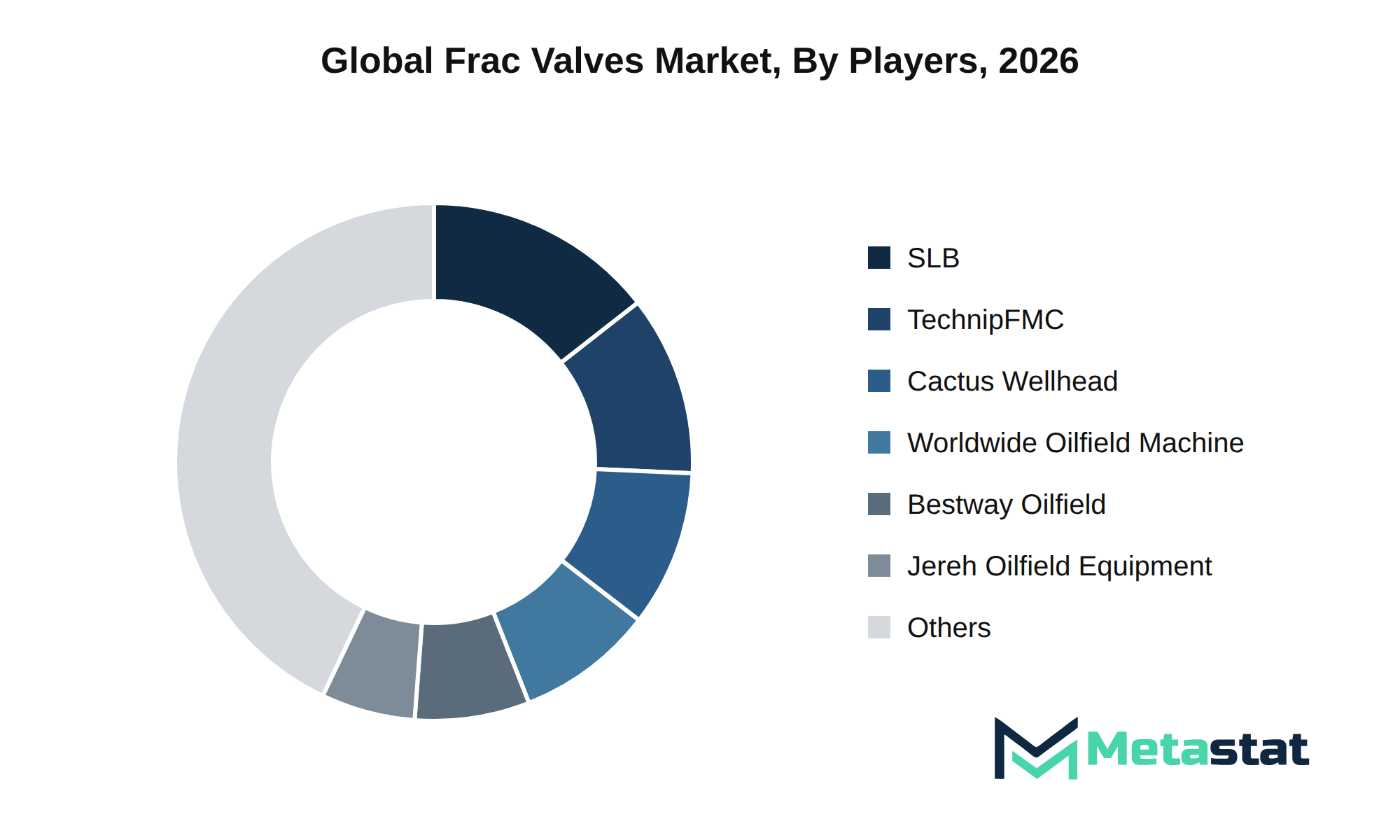
The Frac Valves market features diverse competitive dynamics, with key players focusing on strategic consolidation and partnerships to enhance market presence. Companies prioritize product differentiation through proprietary technologies and extensive R&D pipelines, enabling them to offer innovative solutions tailored to specific industry needs. This approach strengthens their position against potential new entrants, establishing significant barriers to entry.
Organizations engage in strategic alliances and joint ventures to leverage cross-industry synergies, enhancing their operational capabilities and market reach. Companies including SLB and TechnipFMC plc exemplify this trend, because they integrate value chain processes to achieve supply chain dominance and procurement leverage. Customer retention strategies, including brand equity dynamics, play a crucial role in maintaining competitiveness.
Intellectual property (IP) portfolios and patent landscapes contribute to technological defensibility, enabling firms to secure their innovations while mitigating risks from disruptive startups. The market anticipates a future competitive outlook characterized by defensive imperatives and strategic growth vectors, positioning established players to capitalize on emerging opportunities effectively.
Market size is forecast to rise from USD 165.6 million in 2025 to over USD 230.2 million by 2033. The base case indicates a compound annual growth rate (CAGR) of 4.2%. This growth arises from various macroeconomic factors influencing downstream demand, alongside core industry maturation and structural consumption shifts. Technological advancements play a crucial role in driving the market forward, particularly through next-generation technology integration and ongoing research and development (R&D) commercialization timelines.
In the bull case scenario, strong investments in infrastructure and strategic capital allocation across industries will likely fuel demand for frac valves. Heightened awareness of regulatory evolution and imminent compliance milestones further supports this upward trend. Conversely, the bear case suggests potential disruptions stemming from geopolitical realignments, evolving trade corridors, and global supply chain shifts, which could challenge growth trajectories.
Emerging white-space opportunities exist for companies navigating unmet enterprise needs within the market. Identifying high-growth pockets proves essential for future strategic imperatives and defensibility roadmaps. Market participants that align with executive-level strategic directives position themselves for success amid evolving dynamics.
The report strategically identifies and profiles the key market players and analyses their core competencies in each sub-segment of the Frac Valves market.
Report Attributes | Details |
Study Period | 2021-2033 |
Base Year | 2025 |
Estimated Year | 2026 |
Forecast Period | 2026-2033 |
Historical Period | 2021-2025 |
Growth Rate | CAGR 4.2% from 2026 to 2033 |
Revenue Unit | USD million |
Segmentation | By Valve Type, Pressure Rating, Actuation Type, Application, and Region |
By Region | North America (By Valve Type, Pressure Rating, Actuation Type, Application, and Country)
|
Europe (By Valve Type, Pressure Rating, Actuation Type, Application, and Country)
| |
Asia Pacific (By Valve Type, Pressure Rating, Actuation Type, Application, and Country)
| |
South America (By Valve Type, Pressure Rating, Actuation Type, Application, and Country)
| |
Middle East and Africa (By Valve Type, Pressure Rating, Actuation Type, Application, and Country)
|
Find answers to common questions about this report
The Frac Valves market size was valued at USD 165.6 million in 2025.
The Frac Valves market is projected to grow at a CAGR of 4.2% during the forecast period from 2026 to 2033.
The North America Frac Valves market size is estimated to reach USD 125.7 million by 2033.
The Gate Valves segment leads the Frac Valves market with a projected value of USD 97.1 million by 2033, reflecting a compound annual growth rate of 3.6 percent. This segment's growth positions it ahead of other valve types in the market.
Robust economic growth in emerging markets supports infrastructure investments, enhancing exploration and production activities. The focus on improving energy efficiency drives the adoption of innovative frac valve technologies, while digital transformation increases operational productivity and revenue opportunities within the Frac Valves market.
North America holds the dominant share of the Frac Valves market, with a value of USD 125.7 million projected for 2033, representing 58 percent of the total market.
High capital investment requirements and rising operating costs present significant restraints in the Frac Valves market. The costs of advanced frac valves and necessary infrastructure create barriers for smaller operators, while inflationary pressures and supply chain disruptions challenge profitability and new technology adoption.
Robust economic growth in emerging markets supports infrastructure investments, leading to enhanced exploration and production activities. A strong focus on improving energy efficiency drives the adoption of innovative frac valve technologies, enabling companies to optimize operations and reduce costs.
The Frac Valves market is estimated to reach a valuation of USD 230.2 million by 2033.
Key players operating in the Frac Valves market include SLB, TechnipFMC plc, Cactus Wellhead, Worldwide Oilfield Machine, Inc., Bestway Oilfield, Inc., and AWC Indeed.
The analysts below cover Chemicals and Materials research at Metastat Insights.
LEAD ANALYST
Utkarsh Khirodkar is a Lead Market Research Analyst at MetaStat Insight, specializing in market intelligence, technology sector assessments, and competitive strategy.

INDUSTRY CONSULTANT - CHEMICALS & ADVANCED MATERIALS
Chemicals and Materials · Machinery & Equipment · Packaging
Amit Gadhekar Consultant for Chemicals and Materials at MetaStat Insight, directing sector-specific intelligence, research, and strategic consulting across global chemical and processing markets.
Last Updated: October, 2026
Transitioning ultra-class mining haul trucks to alternative power requires concrete data on remote hydrogen refueling infrastructure economics. The report evaluated megawatt-scale electrolyzer installation expenses, onsite storage safety mandates, and heavy-duty fuel cell stack degradation under continuous duty cycles. That technical rigor helped our engineers benchmark realistic total operating cost horizons for off-highway fleet decarbonization.
Enterprise zero-trust network rollouts are often slowed down by multi-cloud transit latency and proprietary hardware retirement schedules. This study provided realistic total cost of ownership models comparing cloud-delivered security edge solutions against traditional hardware refreshes. The analysis of contract renewal lengths and software maintenance fees gave us clear visibility into enterprise replacement cycles over the next three to five years.
Scaling antibody-drug conjugate manufacturing hinges on contract manufacturing availability for high-potency active ingredients. The MetaStat Insight analysis looked closely at global cleanroom slot constraints, bioconjugation batch failure rates, and supply chain redundancies between the US, Europe, and India. The supplier capability matrix proved genuinely useful for our team when mapping secondary source options across our clinical pipeline.
Explore related market intelligence reports worth reading alongside this one.
Starting from
$2950