
Explore the diverging trends in the China Prefabricated Construction sector. Understand the factors driving regional demand and what they mean for developers.
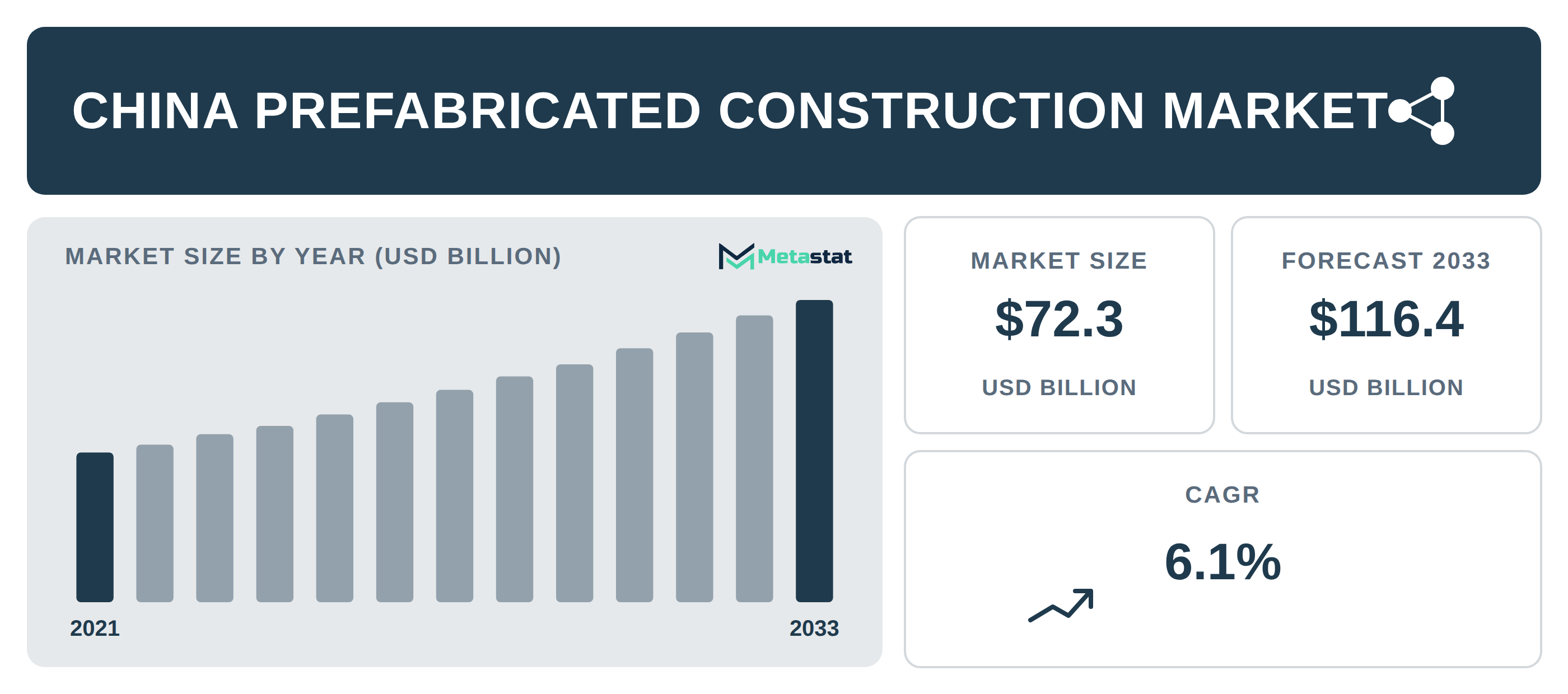
In China, the landscape for prefabricated construction is not uniform; it varies significantly between regions, particularly in eastern and western China. Understanding these regional divergences provides insights into the factors driving demand and planning decisions in the construction sector. For a deeper understanding, refer to the China Prefabricated Construction market size and forecast report.
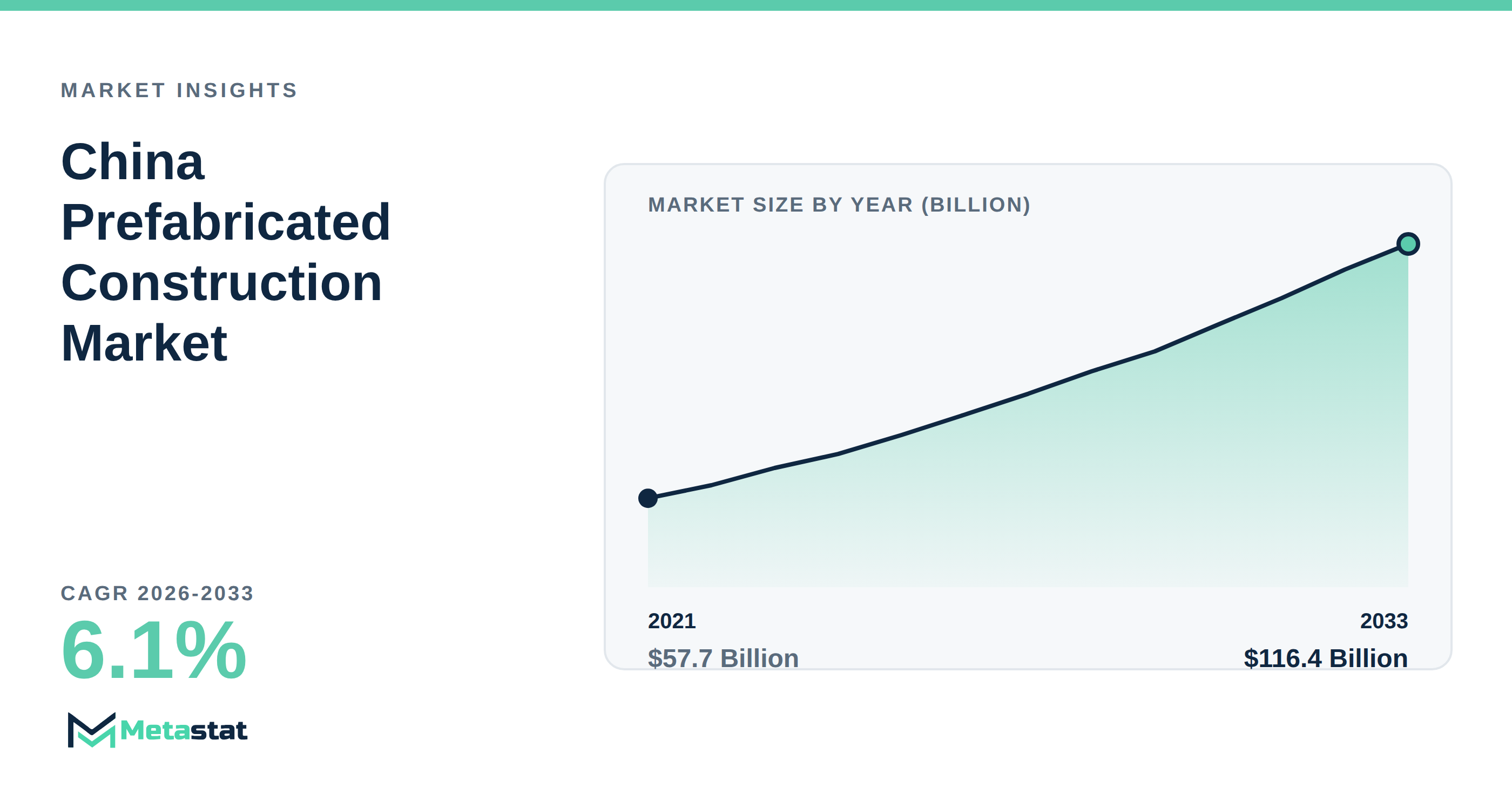
Eastern China, particularly the Yangtze River Delta and Pearl River Delta, has emerged as a hub for prefabricated construction. Rapid urbanization in these regions leads to substantial investments in infrastructure and housing. The focus on sustainable development and efficient construction methods encourages the widespread adoption of prefabrication, resulting in faster project completion times and reduced costs. For instance, the demand for residential buildings in these urban clusters is expected to soar, reflecting broader economic trends and demographic shifts.
Conversely, western China, characterized by its rural areas and slower urbanization rates, lags in the adoption of prefabricated construction. Factors including lower population density and less developed infrastructure hinder the momentum seen in the east. Traditional construction methods remain prevalent, posing challenges for suppliers aiming to penetrate these markets. However, as urbanization gradually progresses, opportunities arise for prefabricated solutions, particularly in newly developed urban centers.
Economic disparities further influence the variations in demand for prefabricated construction across these regions. Eastern China’s higher disposable incomes and expanding middle class create a strong appetite for modern housing solutions. In contrast, western regions often face economic constraints that limit substantial investments in construction technology. This gap in financial capability contributes to the uneven pace of adopting prefabrication across the country. Developers in the east prioritize innovative, time-saving construction methods to meet the growing demand for housing, while those in the west often adopt a more cautious approach.
Government policies are vital in shaping regional demand. Initiatives aimed at urban renewal and affordable housing in eastern China provide a supportive framework for prefabricated construction. In comparison, the lack of similar incentives in western regions creates hurdles for stakeholders looking to invest in modern construction practices. Regulatory environments further complicate the adoption of prefabrication, with eastern provinces actively promoting innovative building methods while western regions often lag in policy support.
Technological advancements are enhancing competition within the prefabricated construction space, particularly in eastern China. Companies focusing on modular construction techniques are gaining traction, with substantial investments directed towards research and development. In contrast, western firms struggle to keep pace, leading to a competitive disadvantage. The disparity in technological adoption influences market dynamics, creating a divide between suppliers that meet the rapid demands of urban builders and those that cannot.
While the demand for prefabricated construction continues to evolve, stakeholders consider regional preferences and challenges. Eastern China will likely maintain its lead due to favorable economic conditions, a supportive regulatory framework, and a higher rate of urbanization. Western China, while currently lagging, presents potential growth opportunities as urban centers develop and economic conditions improve. Understanding these dynamics will be crucial for companies looking to effectively position themselves in this changing environment.
Tags
About the Authors

LEAD ANALYST
Utkarsh Khirodkar is a Lead Market Research Analyst at MetaStat Insight, specializing in market intelligence, technology sector assessments, and competitive strategy.

SENIOR RESEARCH ANALYST
Biotechnology · Food and Beverages · Medical Devices · Packaging
Snehal Pasalkar is a Research Analyst at MetaStat Insight, operating at the intersection of life sciences research, competitive strategy, and market intelligence.

INDUSTRY CONSULTANT - CHEMICALS & ADVANCED MATERIALS
Chemicals and Materials · Machinery & Equipment · Packaging
Amit Gadhekar Consultant for Chemicals and Materials at MetaStat Insight, directing sector-specific intelligence, research, and strategic consulting across global chemical and processing markets.