
Explore the reasons behind the divergence of North America and Europe in the Respiratory Care Devices market, highlighting opportunities and challenges in each region.
The disparities between regions in the Respiratory Care Devices market are becoming increasingly pronounced, particularly between North America and Europe. North America significantly leads in market share, while Europe faces challenges that affect its competitive stance. This blog explores the reasons behind these divergent trends and what they mean for stakeholders in the respiratory care landscape.
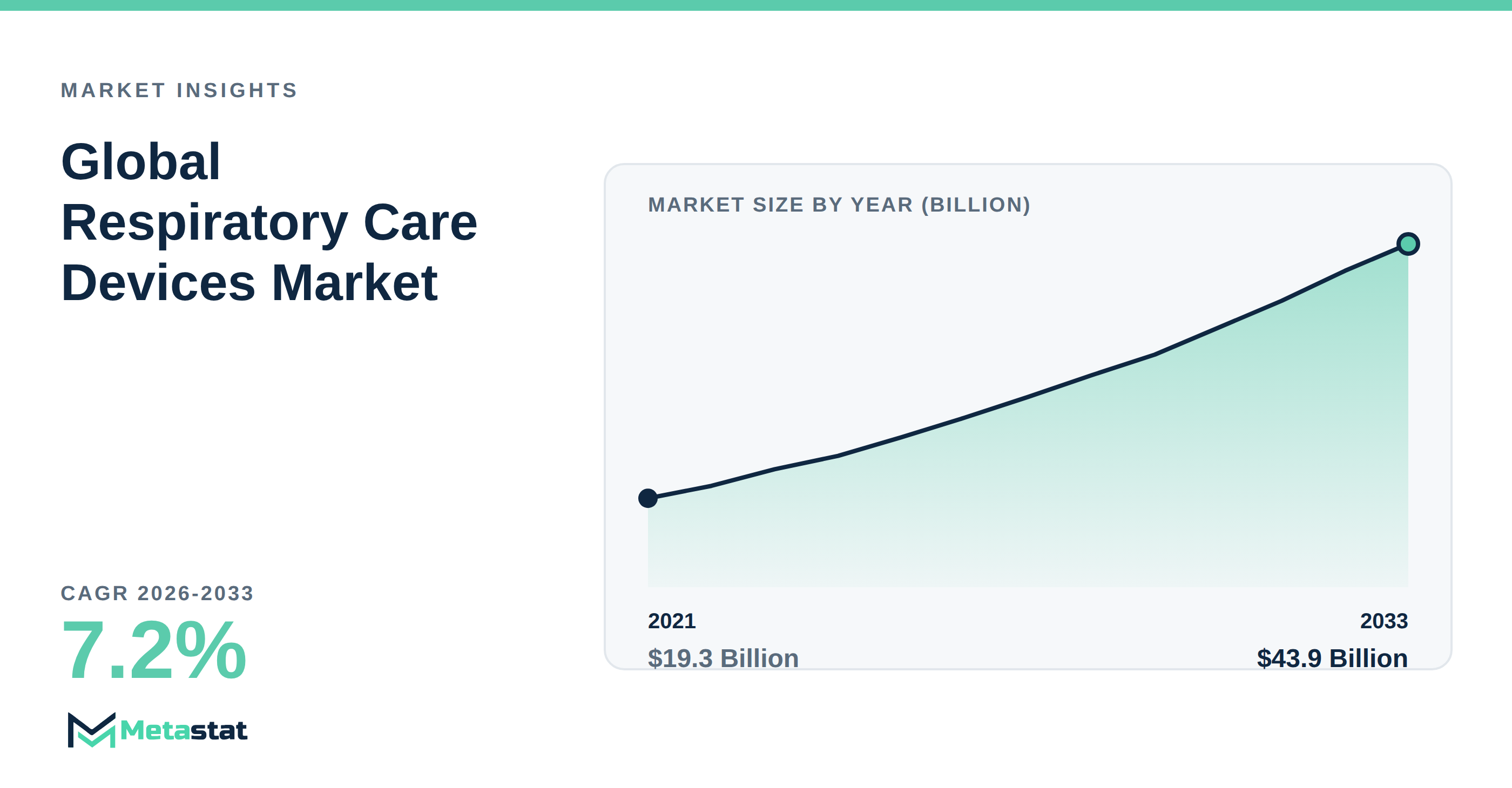
North America currently holds the largest share of the global Respiratory Care Devices market, accounting for 38.9% in 2025. This dominance is anticipated to continue, with the market expected to reach USD 15.6 billion by 2033, reflecting a growth rate of 7.2% per annum during the forecast period. Several factors contribute to this robust position, including substantial healthcare expenditure, advanced healthcare infrastructure, and a significant prevalence of chronic respiratory diseases like Chronic Obstructive Pulmonary Disease (COPD) and asthma.
In contrast, the European market for Respiratory Care Devices is growing but maintains a smaller share, standing at 26.6%. Several challenges hinder its trajectory. The European region faces regulatory complexities that impose additional costs and operational hurdles for manufacturers. These regulations, while aimed at ensuring safety and efficacy, can lengthen development timelines and deter investment in innovative solutions.
What factors drive North America's market leadership?
The aging population, increasing rates of respiratory illness, and a culture of innovation position North America at the forefront of the Respiratory Care Devices market. Data indicates that the demand for respiratory care products is primarily influenced by the high incidence of chronic respiratory conditions and the expanding need for advanced therapeutic and monitoring devices. Heightened public awareness regarding respiratory health plays a critical role in shaping demand across the region.
Investment in healthcare infrastructure further enhances market growth opportunities. The commitment of both government bodies and private enterprises to improve healthcare accessibility and integrate advanced medical technologies supports the momentum in the Respiratory Care Devices sector. This approach not only enhances treatment options for patients but promotes an environment conducive to innovation and technological adoption.
How is Europe responding to its challenges?
The European Respiratory Care Devices market is characterized by its diverse landscape, yet it confronts several barriers that restrict its growth. Regulatory compliance remains a significant hurdle, with manufacturers needing to navigate strict guidelines that add to costs and complexity. While organizations work to meet these requirements, they divert resources away from innovation, ultimately limiting their competitive edge.
Geopolitical uncertainties disrupt supply chains and affect product availability. Variability in trade policies and international relations further complicates the operational landscape for manufacturers in Europe. Consequently, many companies reassess their supply chain strategies, which delays the introduction of new products and technologies.
What opportunities exist in both regions?
While North America enjoys growth advantages, opportunities within the European market exist for stakeholders. There is a growing emphasis on sustainability and eco-friendly practices in product development, aligning with the heightened awareness of environmental issues among consumers. Manufacturers focusing on energy-efficient devices and sustainable materials find a receptive audience in Europe, where regulatory pressures often encourage such innovations.
In addition, advancements in telemedicine and remote patient monitoring create avenues for addressing unmet needs in respiratory care. Healthcare providers seek to enhance patient engagement and outcomes, making the integration of technology in respiratory care a viable growth strategy for both regions. Companies that successfully implement remote monitoring solutions into their product offerings stand to gain a competitive edge.
What strategic steps companies take?
To navigate the contrasting market dynamics effectively, companies adopt tailored approaches in North America and Europe. Investment in research and development remains critical, enabling manufacturers to innovate and meet evolving consumer expectations. Collaborations and strategic partnerships enhance capabilities and expand market reach, particularly in Europe, where regulatory compliance presents challenges.
Building relationships with healthcare providers and stakeholders ensures alignment with market needs and drives the adoption of new technologies. This collaborative approach is particularly important in Europe, where understanding local needs and regulatory landscapes facilitate smoother market entry and product acceptance.
In conclusion, while North America leads the Respiratory Care Devices market, Europe faces challenges that require strategic focus on innovation and regulatory navigation. Companies that effectively leverage their strengths and adapt their strategies to the unique demands of each region will position themselves for success.
For deeper insights into market trends and forecasts, read the full report: Global Respiratory Care Devices Market.
Tags
About the Authors

LEAD ANALYST
Utkarsh Khirodkar is a Lead Market Research Analyst at MetaStat Insight, specializing in market intelligence, technology sector assessments, and competitive strategy.

LEAD PRINCIPAL ANALYST, PHARMA AND HEALTHCARE
Food and Beverages · Healthcare · Healthcare IT · Medical Devices
Ajay Devgire is the Lead Healthcare Analyst at MetaStat Insight, leading strategic research and market intelligence initiatives across the global healthcare domain.

SENIOR RESEARCH ANALYST
Biotechnology · Food and Beverages · Medical Devices · Packaging
Snehal Pasalkar is a Research Analyst at MetaStat Insight, operating at the intersection of life sciences research, competitive strategy, and market intelligence.