
Examine the contrasting trends in electric tractor demand between North America and Europe, exploring infrastructure, policies, and market dynamics.
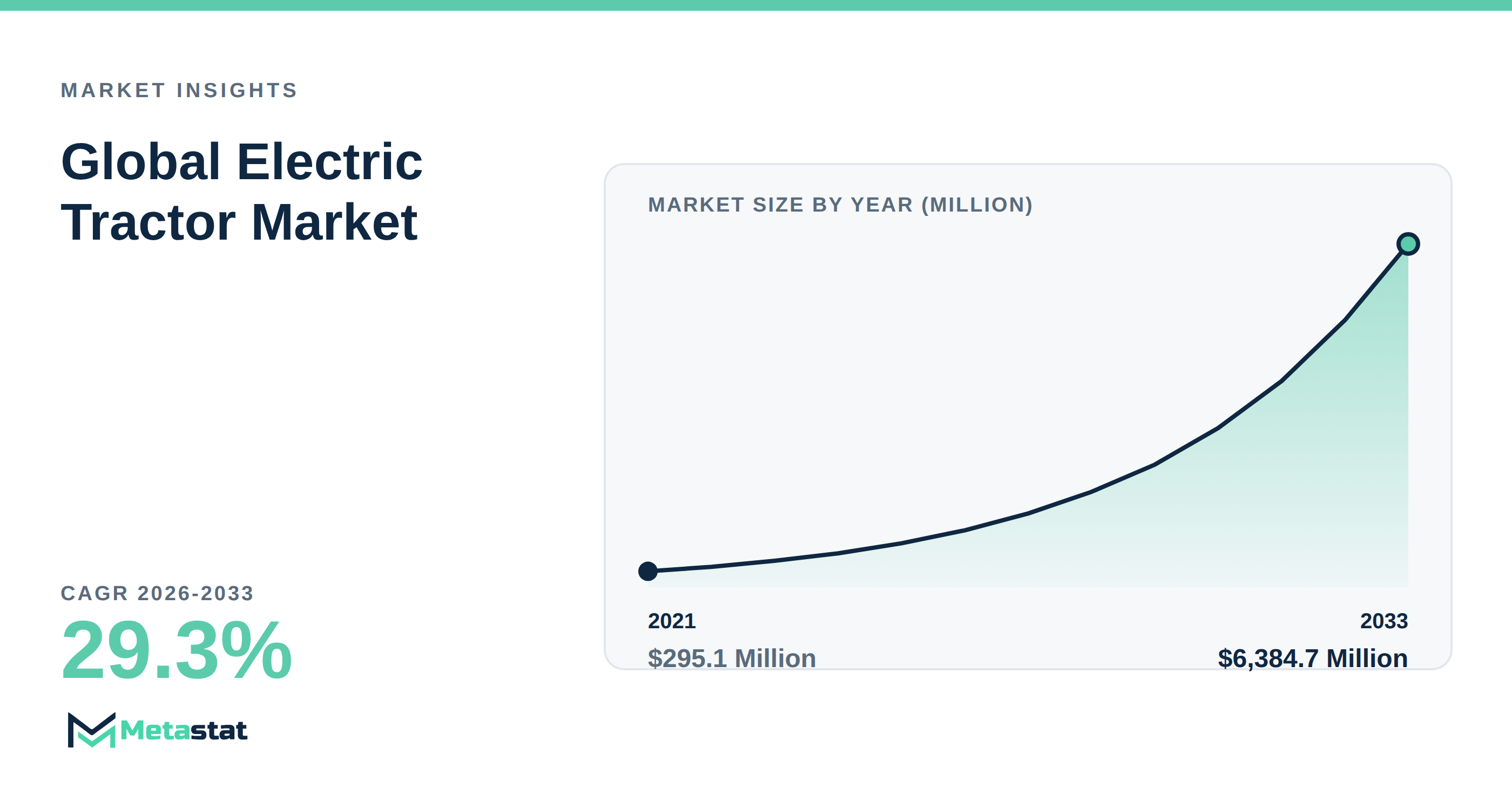
The market for Electric Tractor is characterized by significant regional divergence, notably between North America and Europe. While both regions acknowledge the advantages of electric tractors, their levels of demand reveal distinct patterns driven by economic conditions, regulatory frameworks, and infrastructure readiness. The full figures are in our Electric Tractor market size and forecast report.
What drives North America's strong electric tractor demand?
North America is expected to reach a valuation of USD 1,584.7 million by 2033, showcasing robust growth in electric tractor adoption. This momentum is attributed to considerable investment in infrastructure, particularly in charging stations, coupled with a heightened awareness of the long-term economic benefits linked to electric options. Farmers in this region are increasingly leaning towards sustainability, influenced by consumer expectations for greener practices and regulatory pressures aimed at minimizing carbon emissions.
The agricultural sector in North America has experienced significant technological advances, particularly in battery performance and energy management systems. Such enhancements allow electric tractors to function more effectively across varied environments, making them an attractive choice for farmers seeking reliable and efficient machinery. The integration of advanced battery technologies like Lithium Iron Phosphate (LFP) facilitates extended operational ranges and minimizes downtime, crucial during peak farming seasons.
Why does Europe lag in electric tractor adoption?
Despite Europe’s strong emphasis on environmental regulations that advocate sustainability, the adoption of electric tractors in this region has been relatively slow. Europe faces challenges including fragmented infrastructure and inconsistent governmental incentives across its member countries. While several areas have made notable advancements, others continue to struggle with insufficient charging infrastructure, which is essential for supporting electric vehicle operations.
The regulatory landscape presents additional hurdles for manufacturers, facing growing costs related to compliance that stifles innovation and investment. The complexity of the European market often exacerbates these issues, impeding new entrants more significantly than in North America, where incentives and infrastructure development are generally more cohesive and coordinated.
How does infrastructure readiness impact electric tractor growth?
The availability of charging stations and maintenance facilities plays a crucial role in determining the adoption rate of electric tractors in both regions. North America has benefitted from substantial investments in improving its infrastructure, enabling a smoother transition to electric vehicles. Farmers are more inclined to adopt electric tractors, knowing that they have access to necessary support systems.
In contrast, Europe’s uneven infrastructure development restricts the accessibility of electric tractors, particularly in rural regions where agricultural activities predominate. The variability in charging infrastructure discourages potential buyers who are concerned about operational downtime and the feasibility of recharging during working hours. This discrepancy results in a stark contrast in adoption rates, positioning North America ahead by leveraging its infrastructural advancements to facilitate fleet electrification.
What roles do government policies play?
Government policies significantly influence trends in electric tractor demand. In North America, favorable policies and funding programs have spurred market expansion. Conversely, although European regulations aim to reduce emissions, a lack of unified policy frameworks complicates investment decisions, particularly for smaller manufacturers facing prohibitive compliance costs.
North American farmers benefit from more straightforward access to financial support for transitioning to electric solutions. The incentives available for adopting cleaner technologies help alleviate the initial investment challenges that often accompany electric tractors, creating a more conducive environment for innovation and market entry.
What strategies stakeholders employ to address regional disparities?
Understanding the factors contributing to the divergence in Electric Tractor regional demand allows stakeholders to develop tailored strategies that address local market conditions. For North America, continued investment in infrastructure and an emphasis on technological advancements are likely to sustain growth. In contrast, European stakeholders should prioritize enhancing infrastructure readiness, promoting supportive regulatory frameworks, and encouraging collaboration among manufacturers to create a more coordinated approach to electrification.
By aligning strategic initiatives with regional specificities, manufacturers, governmental entities, and agricultural stakeholders collaboratively advance electric tractor adoption, leading to improved operational efficiency, sustainability, and enhanced competitiveness in the market.
Tags
About the Author

LEAD ANALYST
Utkarsh Khirodkar is a Lead Market Research Analyst at MetaStat Insight, specializing in market intelligence, technology sector assessments, and competitive strategy.