
Explore the disparities in the U.S. Trade Finance market, examining growth and challenges across regions, driven by economic conditions, technology, and regulation.
The U.S. Trade Finance market demonstrates significant regional differences, with several areas experiencing strong growth while others lag due to various factors. Economic conditions, regulatory frameworks, and technological advancements contribute to this divergence, creating a complex landscape.
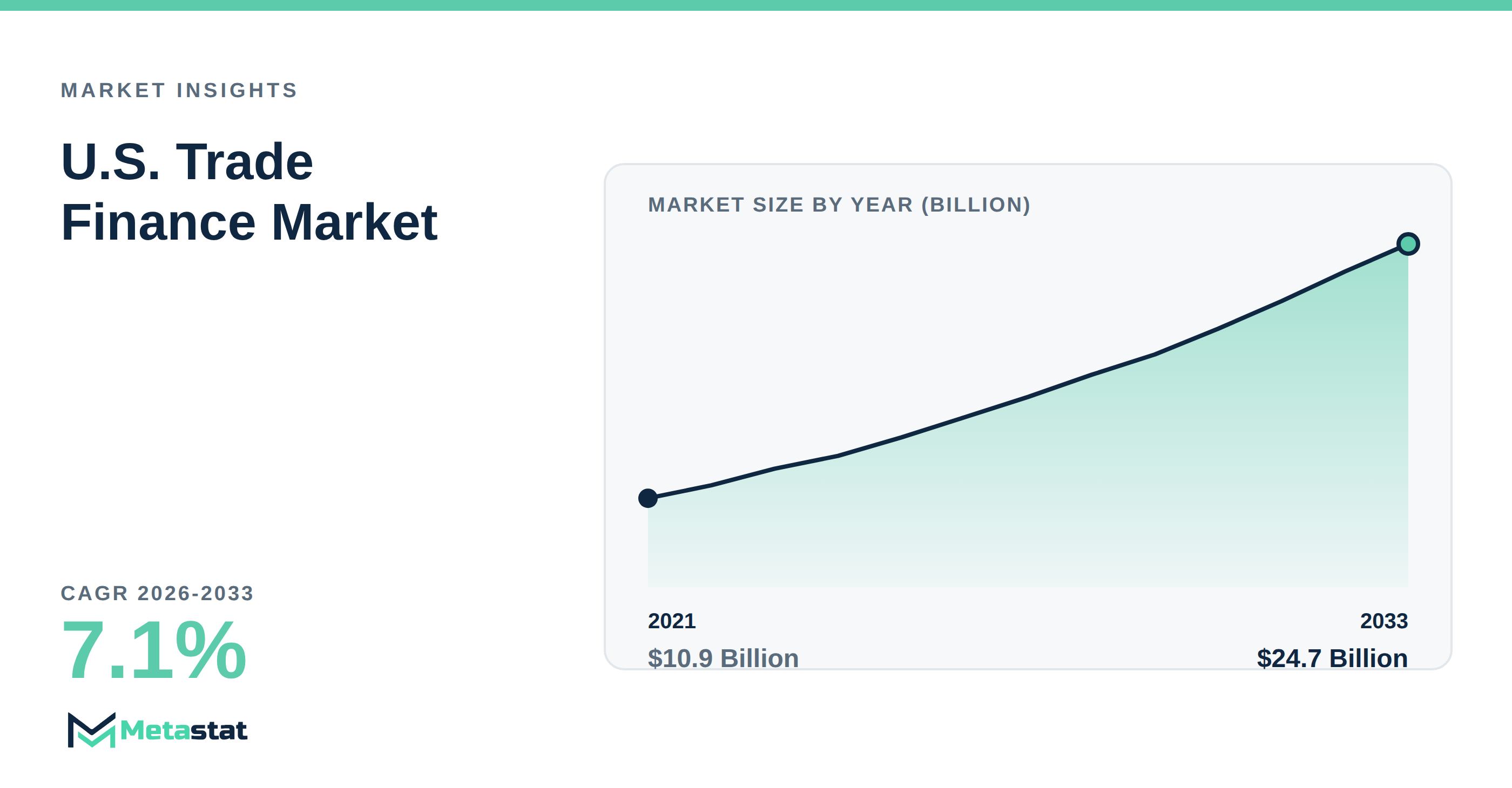
Assessing the regional landscape in U.S. Trade Finance
In the U.S. Trade Finance market, regions vary considerably in their rates of growth. Urban centers like New York and California benefit from strong financial infrastructure and access to a diverse range of financial services. These metropolitan areas excel in attracting foreign investments, which fosters international trade opportunities. In contrast, regions including parts of the Midwest encounter challenges that restrict their growth potential. Factors like limited banking networks and reliance on traditional financing practices hinder their competitiveness.
Factors driving growth in leading regions
Regions that lead in trade finance often enjoy favorable economic climates and strategic investments. For example, cities with established financial ecosystems are equipped to attract a variety of financial products that facilitate international trade. Financial institutions in these areas, including banks and fintech companies, collaborate to enhance service offerings, which contributes to their overall competitiveness. Access to commercial letters of credit and trade loans in high-performing regions promotes business confidence and encourages further investment.
Barriers faced by lagging regions
Regions that struggle in the trade finance arena face specific obstacles, including limited access to financial institutions and higher operational costs. Small and medium-sized enterprises in these areas often find it difficult to secure necessary financing, which significantly impacts their ability to participate in international trade. Regulatory compliance presents a disproportionate burden on smaller firms, complicating the financial landscape further. A lack of advanced digital infrastructure restricts the uptake of innovative trade finance solutions, leaving these regions vulnerable to economic fluctuations.
Technological advancements shaping trade finance
Technological progress plays a central role in the evolution of the U.S. Trade Finance market across various regions. Leading areas see pronounced adoption of digital trade platforms and automation, which streamline processes and reduce transaction times. However, regions that lag behind often deal with outdated methods and higher operational costs. Technologies including artificial intelligence and blockchain facilitate secure, efficient trade transactions, increasing the overall demand for trade finance solutions.
Future opportunities in the U.S. Trade Finance market
Looking to the future, the U.S. Trade Finance market offers growth prospects, particularly in regions open to embracing technological innovations and addressing evolving client needs. Areas that are currently experiencing slow growth benefits from targeted investments in infrastructure and technology, enabling them to better serve businesses involved in international trade. Fostering partnerships between traditional banks and fintech companies enhance competitive positions for these lagging regions in an increasingly interconnected market.
In conclusion, regional variations in the U.S. Trade Finance market arise from a combination of economic circumstances, technological adoption, and regulatory challenges. Recognizing these factors allows stakeholders to make informed decisions that enhance competitiveness and drive market growth. For those seeking detailed insights into the U.S. Trade Finance Market, additional information is available in the full report.
Tags
About the Authors

LEAD ANALYST
Utkarsh Khirodkar is a Lead Market Research Analyst at MetaStat Insight, specializing in market intelligence, technology sector assessments, and competitive strategy.

PRINCIPAL CONSULTANT - ENTERPRISE AI & EMERGING TECHNOLOGIES
Banking & Finance · Electronics and Semiconductor · Energy and Power · Healthcare IT · Information & Technology · Professional Services
Vijay Gunti is a Principal Consultant at MetaStat Insight, bringing over two decades of experience across enterprise digital transformation, technology strategy, and intelligent systems.