
Explore the driving forces, regulatory impacts, sustainability trends, and geopolitical factors shaping the Finished Lubricants and Greases market, offering valuable insights for stakeholders.
The Finished Lubricants and Greases market presents a complex environment influenced by various macroeconomic factors, regulatory pressures, and evolving consumer demands. Understanding these dynamics is crucial for stakeholders aiming to navigate this landscape effectively.
What drives demand in the Finished Lubricants and Greases market?
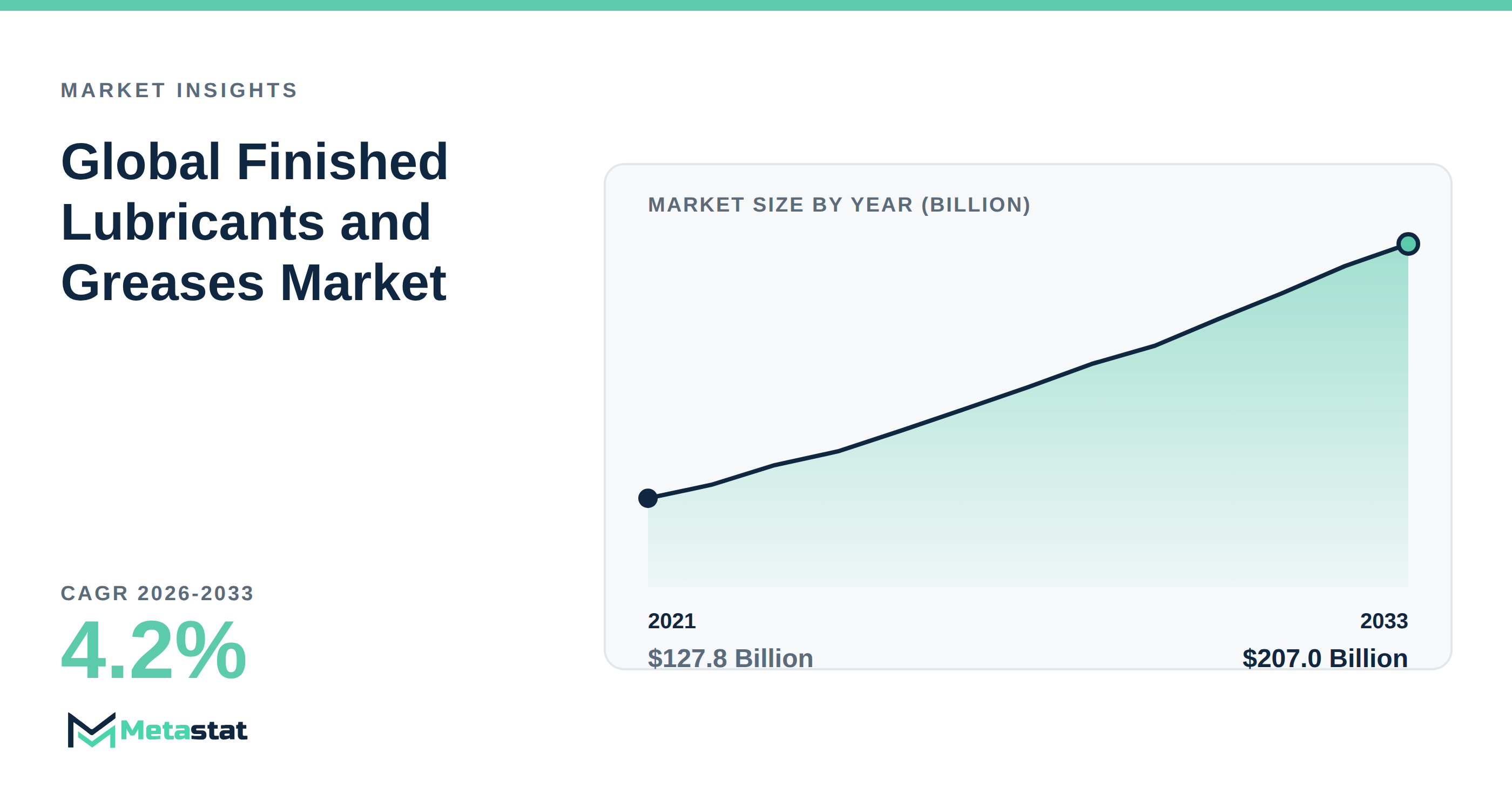
The growth trajectory of the Finished Lubricants and Greases market reflects the impact of increasing global economic activities. Projected to reach USD 207 billion by 2033, rising from USD 148.9 billion in 2025, this shift signifies a compound annual growth rate of 4.2%. Enhanced Gross Domestic Product (GDP) translates into expanded investment opportunities across sectors, particularly automotive and manufacturing, which is essential for boosting demand for lubricants.
Infrastructure development plays a vital role in stimulating demand, because both public and private entities allocate resources toward modernization projects. These advancements enhance operational efficiency and productivity in machinery, making high-quality lubricants essential for maintaining performance standards. Such initiatives create a ripple effect, further promoting investment in the Finished Lubricants and Greases market.
How do regulatory pressures impact market growth?
Regulatory compliance represents a significant hurdle within the Finished Lubricants and Greases market. Stricter regulations elevate operational complexities and costs for manufacturers, resulting in reduced capacity for innovation and product diversification. These compliance requirements increase barriers to entry for new players, particularly in sectors including automotive and manufacturing.
Rising raw material costs, fueled by inflationary pressures, further exacerbate challenges for manufacturers, compressing profit margins and affecting their ability to invest in production capabilities. The interplay of heightened regulatory scrutiny and escalating operational costs contributes to a slowdown in market growth, particularly impacting smaller companies that struggle to maintain competitiveness amid these challenges.
What role does sustainability play in shaping the market?
The transition toward sustainability offers considerable opportunities for growth within the Finished Lubricants and Greases market. Growing consumer awareness regarding environmental issues drives the demand for eco-friendly lubricants, prompting manufacturers to innovate and adopt more sustainable formulations. A notable trend includes the emergence of bio-based and renewable lubricants that align with evolving regulations and consumer preferences.
Manufacturers committed to research and development of high-performance lubricants that meet sustainability criteria position themselves favorably in the market. This focus on environmentally responsible products not only addresses current consumer demands but prepares companies for future regulatory changes targeting emissions and overall environmental impact.
What are the implications of geopolitical factors on supply chains?
Geopolitical tensions create significant disruptions within supply chains, impacting the Finished Lubricants and Greases market. Trade deficits and tariff frictions among different regions lead to increased costs and logistical challenges for suppliers. These disruptions complicate the procurement of raw materials and components needed for production, limiting the ability to meet rising demand.
Companies navigate these complexities while adopting strategies that strengthen supply chain resilience. Implementing flexible sourcing strategies and optimizing logistics will become essential to mitigate potential disruptions caused by global events. Firms that effectively develop robust supply chain frameworks will be in a better position to respond to market fluctuations and maintain a competitive edge.
How stakeholderses adapt in this evolving market?
Stakeholders in the Finished Lubricants and Greases market remains attentive to evolving dynamics that influence growth and competitiveness. Focusing on innovation in product formulations and sustainability initiatives allows companies to align with regulatory requirements and consumer expectations. Strategic collaborations and investments in research and development will empower firms to create high-performance lubricants that fulfill the demands of contemporary applications.
Addressing vulnerabilities within the supply chain will be pivotal for ensuring operational efficiency and market responsiveness. The ongoing evolution of the Finished Lubricants and Greases market necessitates that companies actively adapt and innovate, ensuring relevance in a competitive environment.
For comprehensive insights and in-depth analysis, access the complete report on the Global Finished Lubricants and Greases Market.
Tags
About the Authors

LEAD ANALYST
Utkarsh Khirodkar is a Lead Market Research Analyst at MetaStat Insight, specializing in market intelligence, technology sector assessments, and competitive strategy.

INDUSTRY CONSULTANT - CHEMICALS & ADVANCED MATERIALS
Chemicals and Materials · Machinery & Equipment · Packaging
Amit Gadhekar Consultant for Chemicals and Materials at MetaStat Insight, directing sector-specific intelligence, research, and strategic consulting across global chemical and processing markets.