
Explore the key factors affecting pricing in the Aerospace & Defense FRP Semi-Finished Materials market, helping buyers optimize procurement strategies.
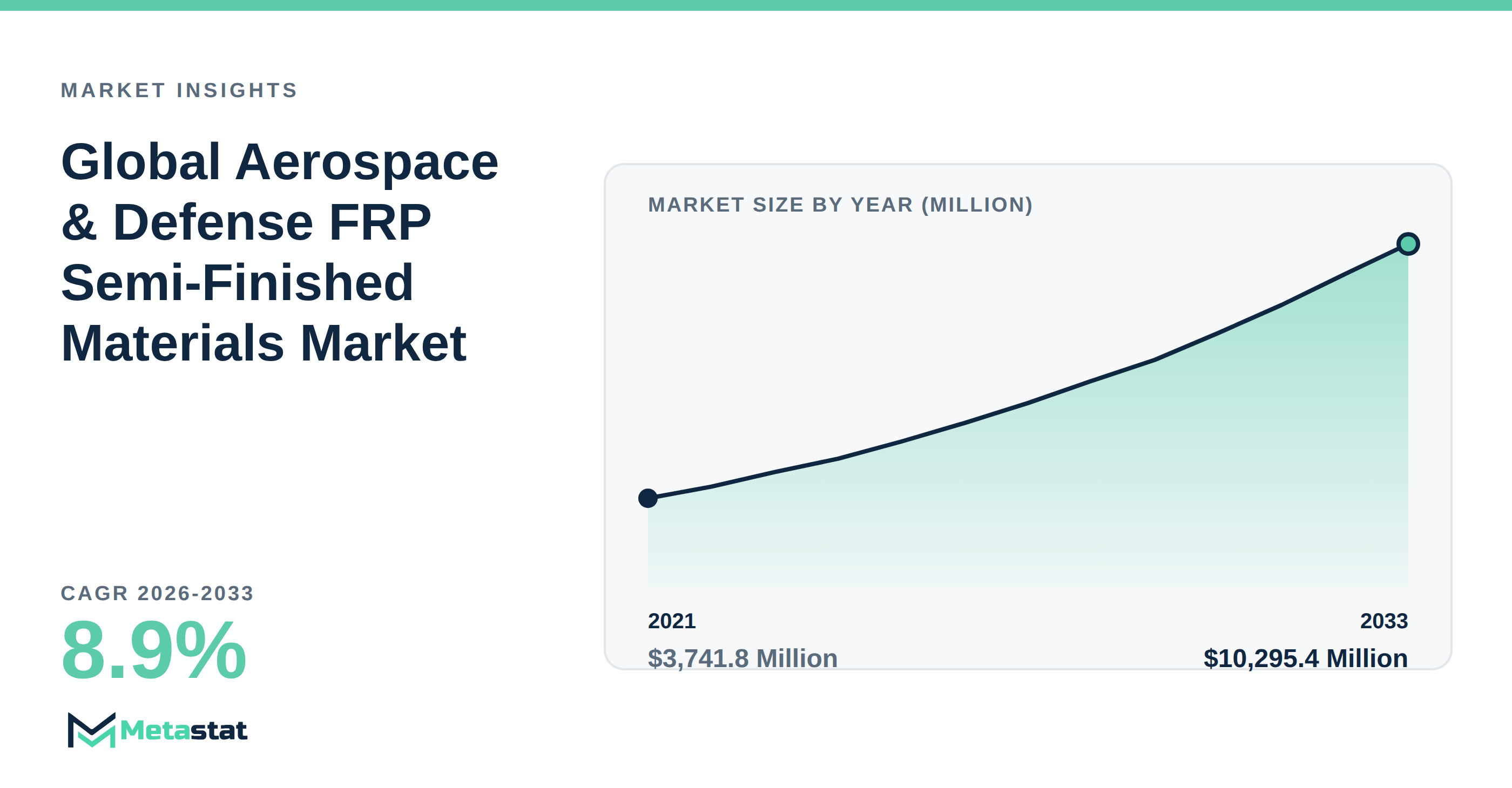
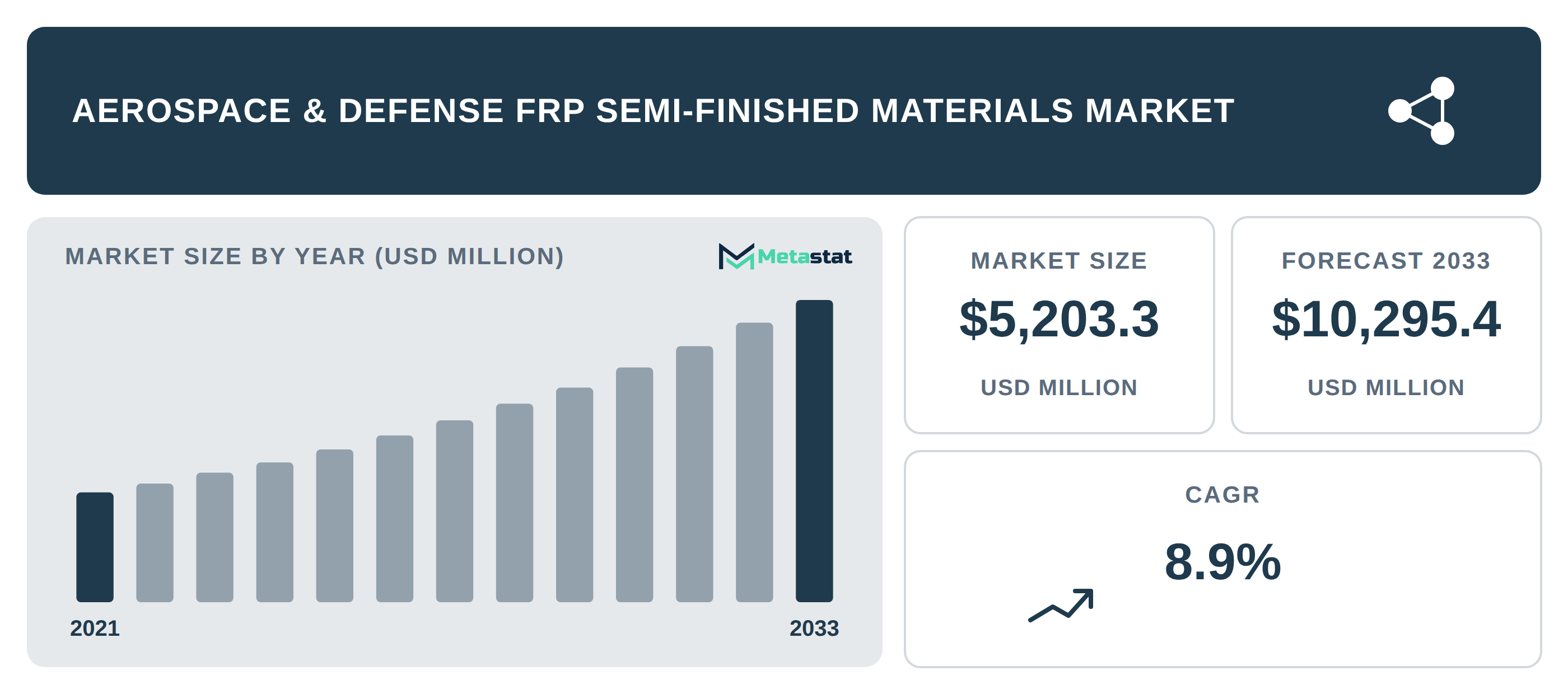
The pricing of Aerospace & Defense FRP Semi-Finished Materials encompasses a multitude of factors that significantly impact procurement strategies for buyers. Understanding these elements is essential for organizations looking to optimize their investments and enhance operational efficiencies in their aerospace and defense projects. Are five critical factors influencing pricing in this specialized market. The full figures are in our Aerospace & Defense FRP Semi-Finished Materials market size and forecast report.
1. Fluctuations in Raw Material Costs
Raw material prices exhibit volatility, directly affecting the overall cost of Aerospace & Defense FRP Semi-Finished Materials. Suppliers face challenges with the fluctuating costs of key inputs, including fibers and resins. This unpredictability leads buyers to adopt smaller order sizes or delay procurement decisions, which affect project timelines. Ongoing adjustments in global supply chains drive manufacturers to optimize production techniques, seeking alternative fibers and resins to help mitigate these cost pressures.
2. Long-Term Supply Agreements
Long-term supply agreements between manufacturers and suppliers play an important role in stabilizing prices and ensuring consistent availability of Aerospace & Defense FRP Semi-Finished Materials. These contracts often provide favorable pricing structures for buyers, along with assurances of material quality and compliance with industry standards. Establishing such partnerships yields cost benefits and reduces risks associated with market fluctuations, enhancing collaboration that stimulates innovation in material development.
3. Advancements in Manufacturing Technologies
Technological innovations in composite manufacturing processes significantly influence pricing in the sector. Enhanced manufacturing methods improve efficiency and reduce production costs, enabling suppliers to offer competitive pricing for their products. Buyers seeking cost-effective solutions should consider manufacturers who adopt modern technologies, as these advancements lead to better pricing and more efficient procurement cycles.
4. Demand for Lightweight Materials
The global focus on lightweight materials in the aerospace and defense sectors has fueled demand for Aerospace & Defense FRP Semi-Finished Materials. Manufacturers increasingly seek these materials to boost fuel efficiency and operational performance, which has a direct impact on pricing dynamics. Buyers should remain informed about trends prioritizing lightweight solutions, as this escalating demand affects prices and availability in the near term.
5. Specific Application Requirements
Different applications within the aerospace and defense sectors impose unique requirements for FRP semi-finished materials, which impact pricing. For example, specialized materials suited for military vehicles or advanced aerospace applications often command higher prices due to their superior performance characteristics. Potential buyers should evaluate the specific needs of their projects and select materials that align with operational requirements, optimizing costs while meeting performance standards.
By understanding these essential factors influencing Aerospace & Defense FRP Semi-Finished Materials pricing, buyers make informed decisions that enhance their procurement strategies and ultimately lead to successful project outcomes.
Tags
About the Author

LEAD ANALYST
Utkarsh Khirodkar is a Lead Market Research Analyst at MetaStat Insight, specializing in market intelligence, technology sector assessments, and competitive strategy.