
Explore the diverging demand for used cooking oil in Europe and North America, driven by sustainability initiatives, regulations, and infrastructure.
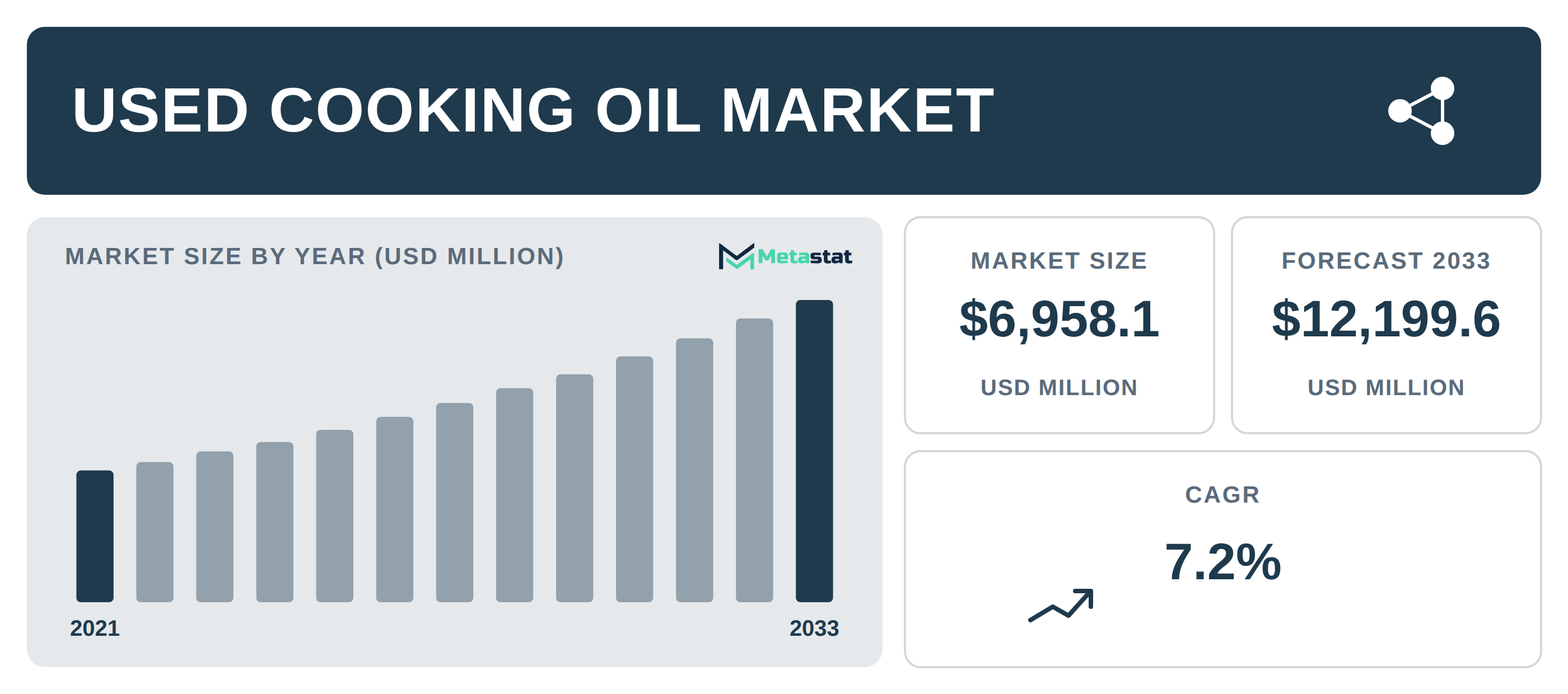
The demand for used cooking oil varies significantly across regions, particularly in Europe and North America. Understanding the factors driving this divergence is crucial for stakeholders in the industry. Each region has its unique characteristics, regulatory frameworks, and buyer behaviors that shape the landscape of used cooking oil procurement and usage. The full figures are in our Used Cooking Oil market size and forecast report.
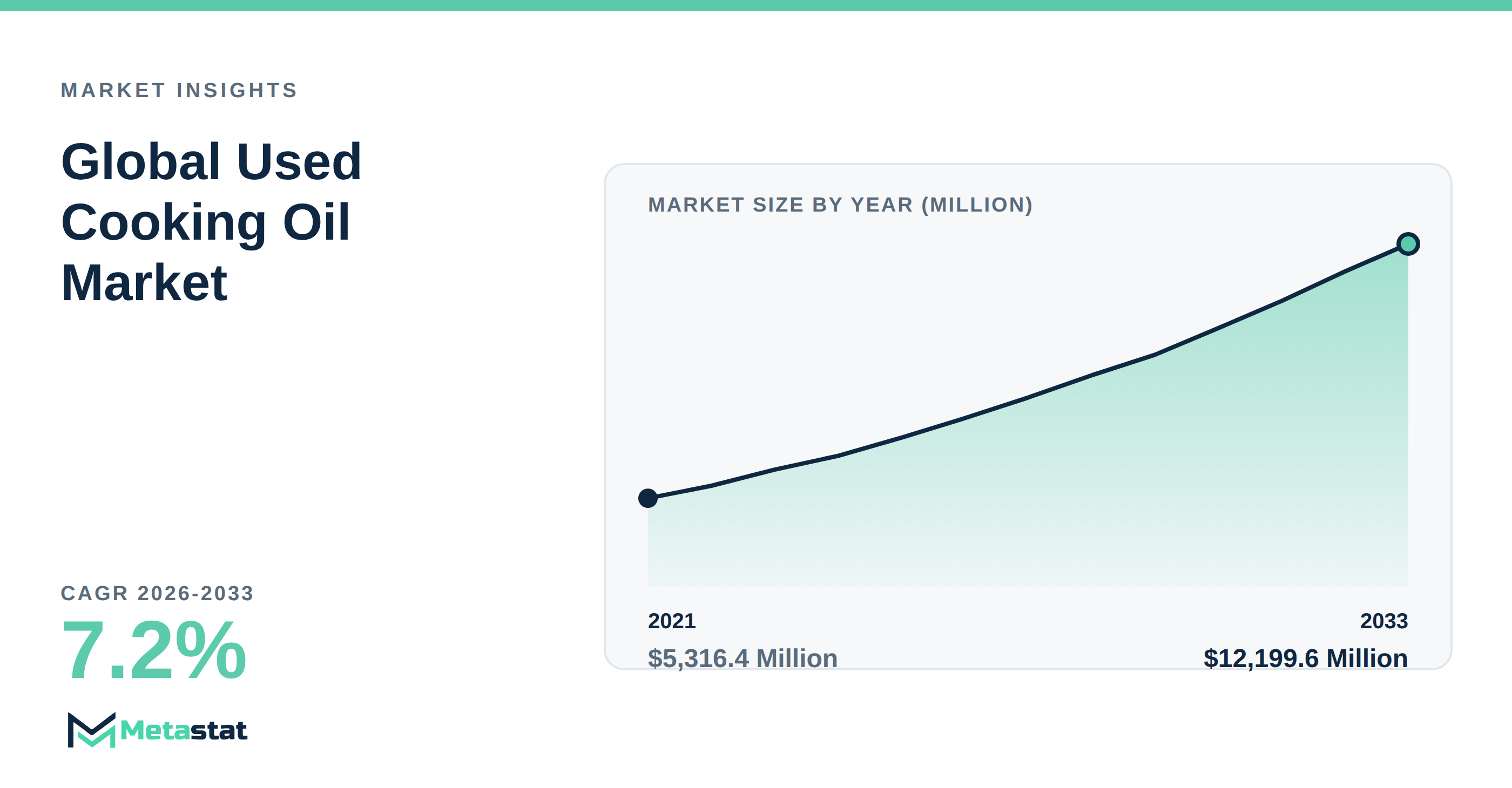
Europe leads in the used cooking oil space, holding the largest share. Stricter environmental regulations and a well-established recycling infrastructure underpin its strong position. The European Union emphasizes sustainability initiatives, driving investments in the recycling and repurposing of used cooking oil for biodiesel and various applications. These regulatory frameworks create a favorable environment for suppliers and encourage businesses to adopt sustainable practices. Countries like Germany and the UK benefit from robust infrastructure supporting the efficient collection and processing of this valuable resource.
In contrast, North America demonstrates a unique operational landscape. The region, particularly the United States, is making strides in sustainability but faces challenges related to infrastructure and market adoption. Although North America accounted for a substantial percentage of the global demand in 2025, the growth is tempered by fluctuations in feedstock prices and competition from alternative energy sources. Processing facilities and food service establishments have driven demand, but the lack of stringent regulations compared to Europe slows the transition to more extensive recovery practices.
Regulatory support shapes the used cooking oil landscape significantly. In Europe, the push for renewable energy is backed by mandates that promote using biodiesel produced from recycled oils. These policies incentivize food service establishments and food processing facilities to engage in responsible oil recovery practices. In contrast, North America’s regulatory framework lacks the same level of enforceability, leading to inconsistencies in recovery rates across different states and provinces.
The focus on sustainability in Europe is reflected in food service establishments’ approach to oil disposal. These businesses are increasingly recycling used cooking oil, transforming waste into valuable resources. The supply of used cooking oil from food service establishments is projected to reach USD 6,866 million by 2033, illustrating the sector's commitment to reducing waste and enhancing operational efficiency. This trend positions Europe as a leader in advanced sustainability practices.
In North America, food service establishments are vital contributors to the used cooking oil supply chain. However, the recovery rates and recycling practices vary widely based on local regulations and business incentives. Restaurants and food outlets increasingly recognize the economic benefits of recycling, but national trends lag behind European standards. The potential for growth exists; however, industry stakeholders work collaboratively to create frameworks that encourage consistent recovery practices.
Infrastructure plays a critical role in determining how regions utilize used cooking oil. Europe’s existing network for collection and processing has been strengthened by historical investments in recycling technologies. This infrastructure minimizes waste and maximizes resource recovery, creating a circular economy. In contrast, North America faces challenges in scaling up its processing capabilities. Without significant investments in infrastructure, the region struggles to keep pace with Europe’s advancements and realize the full potential of used cooking oil in biodiesel production.
The cultural approach toward sustainability influences regional demand. In Europe, there is a strong consumer expectation for companies to adopt environmentally friendly practices, which translates to higher compliance among businesses. North American consumers are increasingly conscious of sustainability, yet the urgency varies across demographics and regions, leading to uneven adoption of sustainable practices among businesses. This gap underscores the importance of education and advocacy in promoting the benefits of recycling used cooking oil.
Ultimately, the contrasting regional dynamics regarding used cooking oil underscore the importance of understanding each market's drivers, challenges, and opportunities. While Europe currently leads in terms of recycling practices and regulatory support, North America has the potential to catch up by promoting collaboration between stakeholders, enhancing infrastructure, and advocating for sustainable practices. By addressing these challenges and leveraging the opportunities, both regions could see significant benefits in their used cooking oil sectors.
Tags
About the Authors

LEAD ANALYST
Utkarsh Khirodkar is a Lead Market Research Analyst at MetaStat Insight, specializing in market intelligence, technology sector assessments, and competitive strategy.

LEAD PRINCIPAL ANALYST, PHARMA AND HEALTHCARE
Food and Beverages · Healthcare · Healthcare IT · Medical Devices
Ajay Devgire is the Lead Healthcare Analyst at MetaStat Insight, leading strategic research and market intelligence initiatives across the global healthcare domain.

SENIOR RESEARCH ANALYST
Biotechnology · Food and Beverages · Medical Devices · Packaging
Snehal Pasalkar is a Research Analyst at MetaStat Insight, operating at the intersection of life sciences research, competitive strategy, and market intelligence.