
Explore how demand drivers, technology, and challenges shape the telehealth landscape, guiding effective strategies for stakeholders.
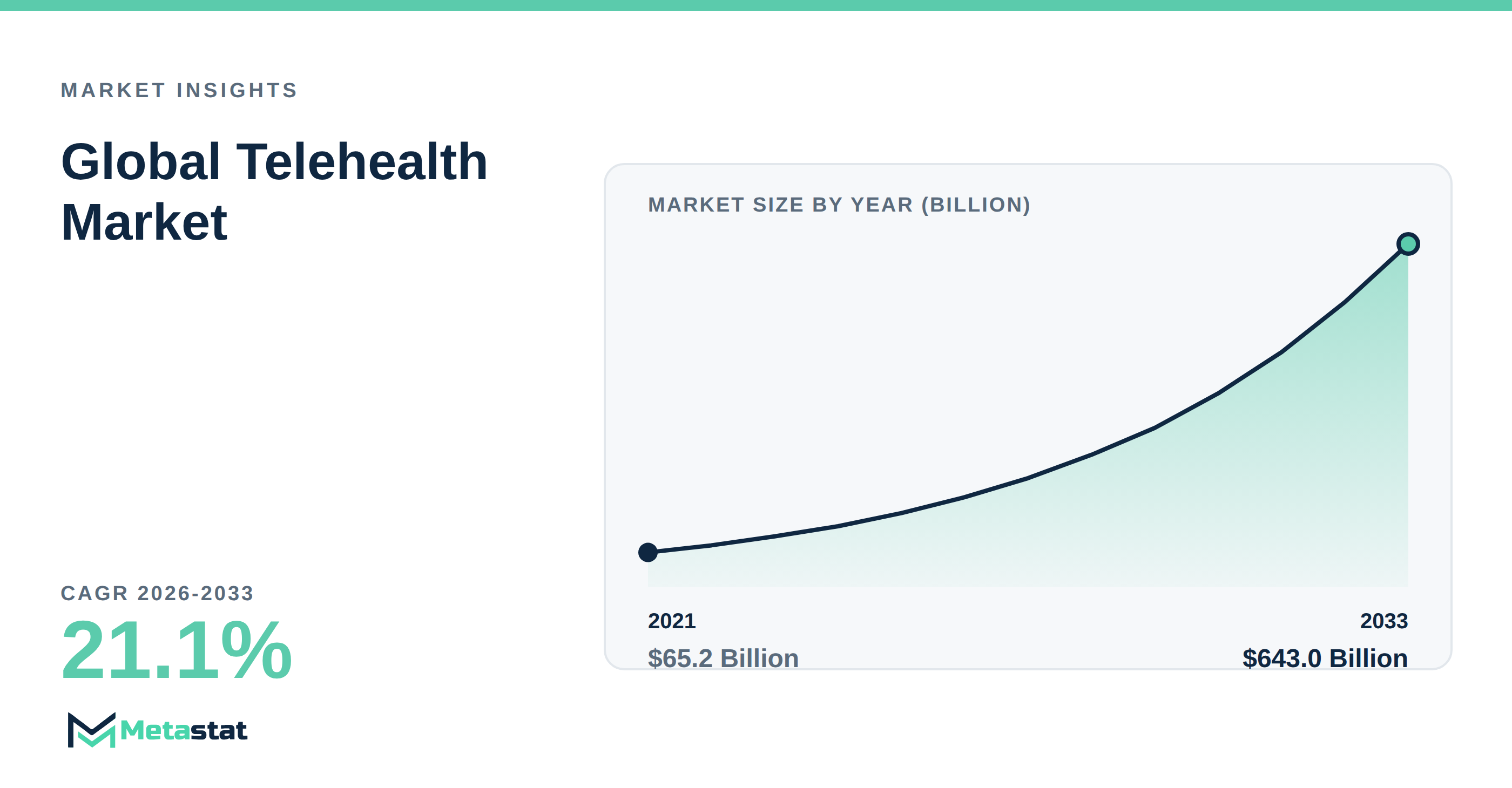
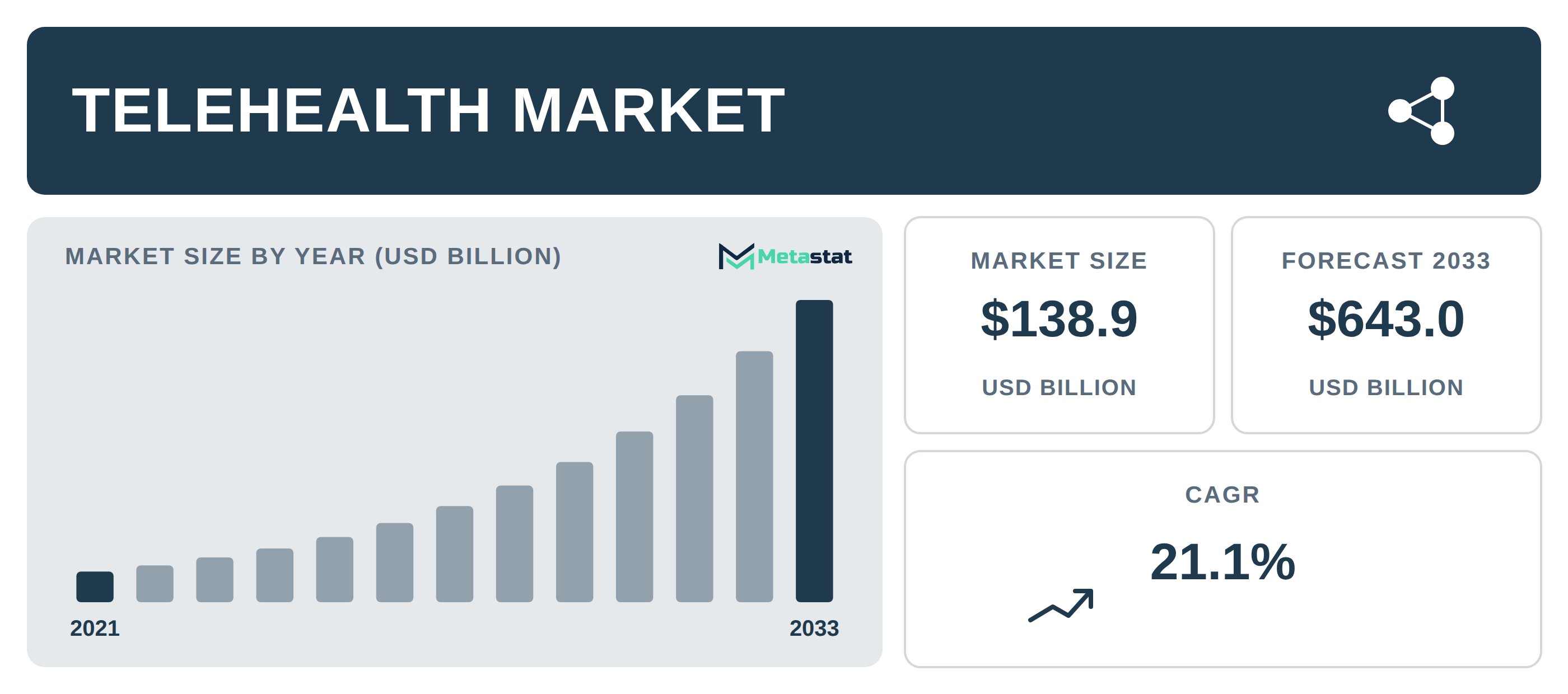
The rise of remote healthcare has transformed how patients interact with providers, yet a common misconception persists: many believe that simply having telehealth solutions guarantees success. In reality, success in the market for Telehealth hinges on several nuanced factors that influence how these solutions are adopted and used. The full figures are in our Telehealth market size and forecast report.
What drives demand for telehealth solutions?
Demand for telehealth solutions is not just about convenience; it fundamentally stems from a shift in patient expectations and behaviors. Patients increasingly seek accessible, flexible healthcare options, particularly in light of rising healthcare costs and shifting demographics. This trend has prompted healthcare providers to integrate remote consultations into their service offerings. Teleconsultation alone is projected to experience significant growth, indicating that more individuals are opting for this mode of healthcare engagement.
How do technological advancements affect telehealth adoption?
Technology plays a crucial role in the adoption of telehealth services. The integration of advanced tools, including software and cloud-hosted systems, enhances both the efficiency and effectiveness of remote consultations. Organizations recognize the necessity of investing in these technologies, which streamline operations and improve patient outcomes. The shift to cloud-hosted solutions, for instance, signifies an increasing reliance on flexible, scalable systems that allow providers to quickly adapt to growing patient needs.
Why is the acceptance of telehealth growing among healthcare providers?
Healthcare providers embrace telehealth due to a combination of regulatory support and evolving payment models. The move towards value-based care incentivizes providers to adopt solutions that enable better patient engagement and outcomes. By leveraging telehealth technologies, organizations not only enhance service delivery but position themselves competitively in a developing landscape. This growth in acceptance has significant implications for both patient care and operational efficiency.
What challenges remain for telehealth adoption?
Despite favorable trends, challenges persist, particularly concerning infrastructure limitations. Many rural and underserved areas face technological constraints that impede the wider adoption of telehealth solutions. Insufficient internet connectivity and high setup costs prevent smaller healthcare practices from transitioning to these innovative solutions, leaving a gap in service availability. Addressing these challenges is critical for ensuring equitable access to healthcare services.
What are the implications for stakeholders in the telehealth ecosystem?
For stakeholders in the telehealth ecosystem, navigating these dynamics is crucial. Understanding the factors driving demand, the role of technology in adoption, and the challenges faced by providers will guide strategic planning and investment decisions. The evolving preferences of patients and providers alike emphasize the importance of continuous innovation and responsiveness to market needs. While the market for Telehealth expands, those who adapt and respond to these emerging factors will likely find the greatest success.
Tags
About the Authors

LEAD ANALYST
Utkarsh Khirodkar is a Lead Market Research Analyst at MetaStat Insight, specializing in market intelligence, technology sector assessments, and competitive strategy.

LEAD PRINCIPAL ANALYST, PHARMA AND HEALTHCARE
Food and Beverages · Healthcare · Healthcare IT · Medical Devices
Ajay Devgire is the Lead Healthcare Analyst at MetaStat Insight, leading strategic research and market intelligence initiatives across the global healthcare domain.