
Flexible Intermediate Bulk Containers are gaining momentum in the Heavy-Duty Industrial Bulk Packaging sector. This post explores the factors fueling their rising demand.
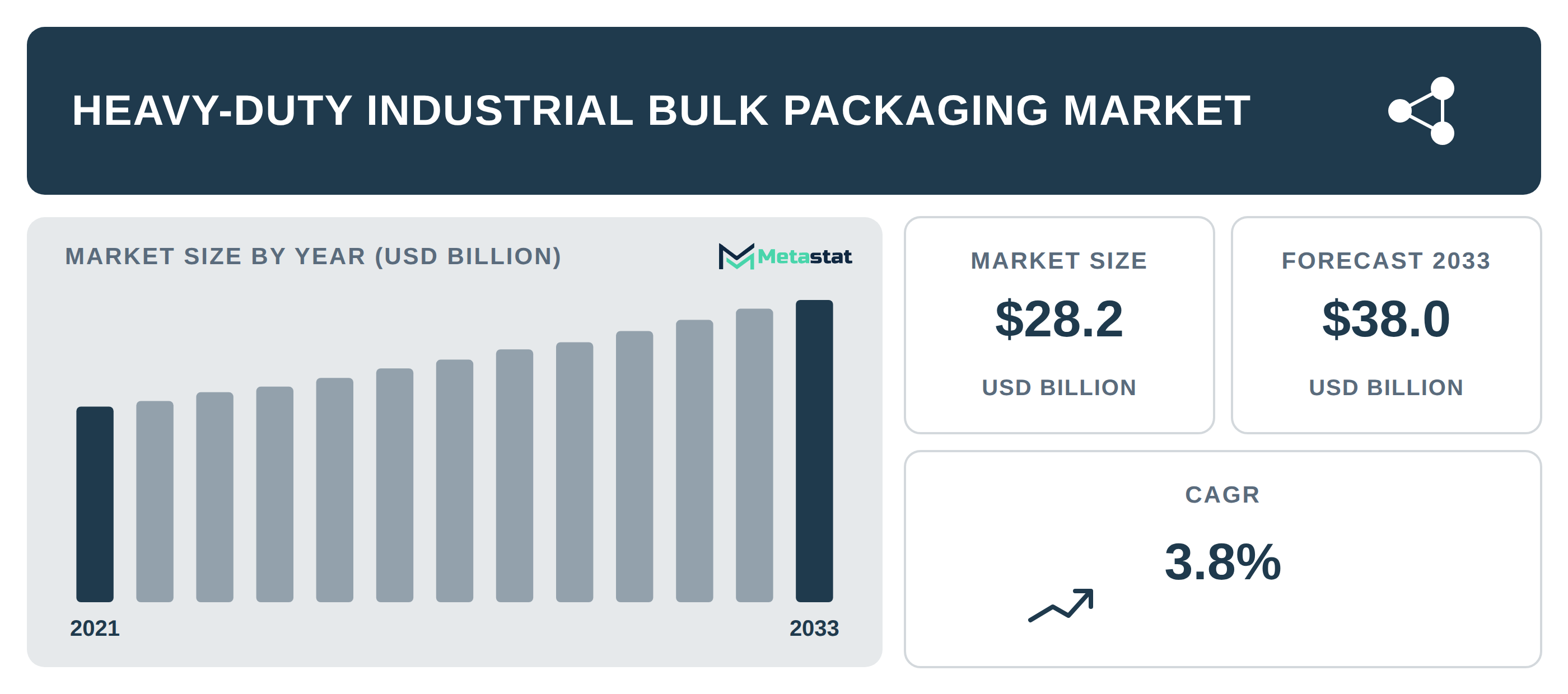
The segment of Flexible Intermediate Bulk Containers (FIBCs) is gaining traction in the Heavy-Duty Industrial Bulk Packaging sector, with an anticipated increase from USD 10.8 billion in 2026 to USD 14.4 billion by 2033. This growth signifies a 4.2% compound annual growth rate. Understanding the drivers behind this escalation is essential for businesses aiming to optimize their packaging solutions. The full figures are in our Heavy-Duty Industrial Bulk Packaging market size and forecast report.
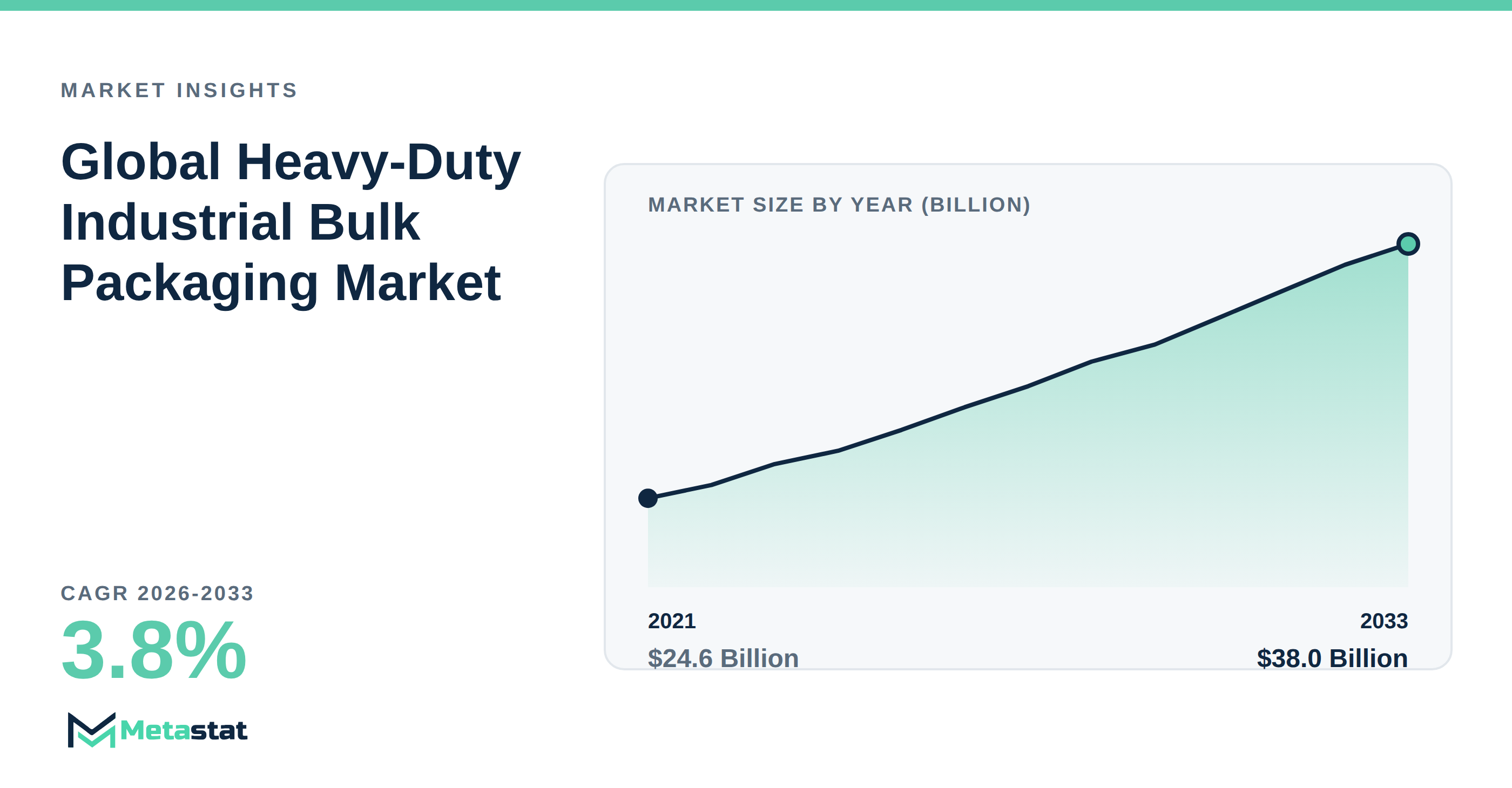
FIBCs present several benefits, including their lightweight design and substantial capacity, making them suitable for transporting bulk materials across diverse industries. These features have attracted attention from sectors including chemicals and food, which prioritize safe and efficient bulk transportation. The rising demand for these containers arises from the need for lower transportation expenses and enhanced supply chain efficiency.
A major catalyst for FIBC demand is the heightened emphasis on sustainability. Companies are becoming increasingly conscious of their environmental footprint and actively pursuing packaging solutions that reduce waste. The lightweight nature of FIBCs contributes to decreased shipping costs, aligning with the wider movement towards eco-friendly practices. Organizations that utilize these containers not only improve their operational efficiencies but cater to the expectations of environmentally aware consumers.
Advances in material technology significantly enhance FIBC performance. The transition to innovative materials, including polypropylene and high-density polyethylene, has yielded containers that are both durable and versatile in application. This adaptability appeals to manufacturers needing packaging that safelies and efficiently handle a variety of products.
Alongside sustainability and material innovation, regulatory factors drive FIBC demand. Numerous industries contend with strict safety and compliance regulations necessitating robust packaging solutions. FIBCs are designed to meet these standards, ensuring products remain secure during transit and storage. This capability increasingly attracts businesses striving to adhere to industry regulations.
Particularly within the chemicals and petrochemicals sector, significant growth is projected, with expectations for demand to rise from USD 8.1 billion in 2026 to USD 10.9 billion by 2033. This sector’s dependence on bulk packaging to streamline the storage and transport of large quantities of materials reinforces the overarching trend towards FIBCs. Improved designs of these containers guarantee compliance with safety standards while expediting loading and unloading processes, thus enhancing operational efficiency.
The significance of FIBCs is further amplified by the ongoing shift towards automation in manufacturing operations. Companies eager to integrate advanced technologies into their workflows require packaging that fits smoothly within automated systems. FIBCs, thanks to their efficient loading capabilities, are well-suited to meet these requirements, fostering broader adoption in sectors emphasizing operational productivity.
In summary, demand for Flexible Intermediate Bulk Containers arises from a mix of sustainability initiatives, material advancements, regulatory compliance, and the evolution of manufacturing technologies. Companies looking to capitalize on this expanding segment should consider adopting FIBCs to bolster their operational efficiency, cut costs, and achieve environmental objectives. Keeping these factors in focus will be vital for businesses aiming to navigate the transforming landscape of Heavy-Duty Industrial Bulk Packaging.
Tags
About the Authors

LEAD ANALYST
Utkarsh Khirodkar is a Lead Market Research Analyst at MetaStat Insight, specializing in market intelligence, technology sector assessments, and competitive strategy.

SENIOR RESEARCH ANALYST
Biotechnology · Food and Beverages · Medical Devices · Packaging
Snehal Pasalkar is a Research Analyst at MetaStat Insight, operating at the intersection of life sciences research, competitive strategy, and market intelligence.

INDUSTRY CONSULTANT - CHEMICALS & ADVANCED MATERIALS
Chemicals and Materials · Machinery & Equipment · Packaging
Amit Gadhekar Consultant for Chemicals and Materials at MetaStat Insight, directing sector-specific intelligence, research, and strategic consulting across global chemical and processing markets.