
Explore the driving forces behind soy milk's growth in the Plant-based Milk market, including health consciousness, competitive dynamics, and future trends.
Soy milk has distinguished itself because a leader in the Plant-based Milk market, projected to rise from USD 8.6 billion in 2026 to USD 12.9 billion by 2033. This anticipated growth mirrors the increasing consumer transition towards plant-based diets, reflecting heightened health awareness and dietary preferences. Grasping the key elements that contribute to soy milk's success offers valuable insights for manufacturers and retailers aiming to leverage this trend.
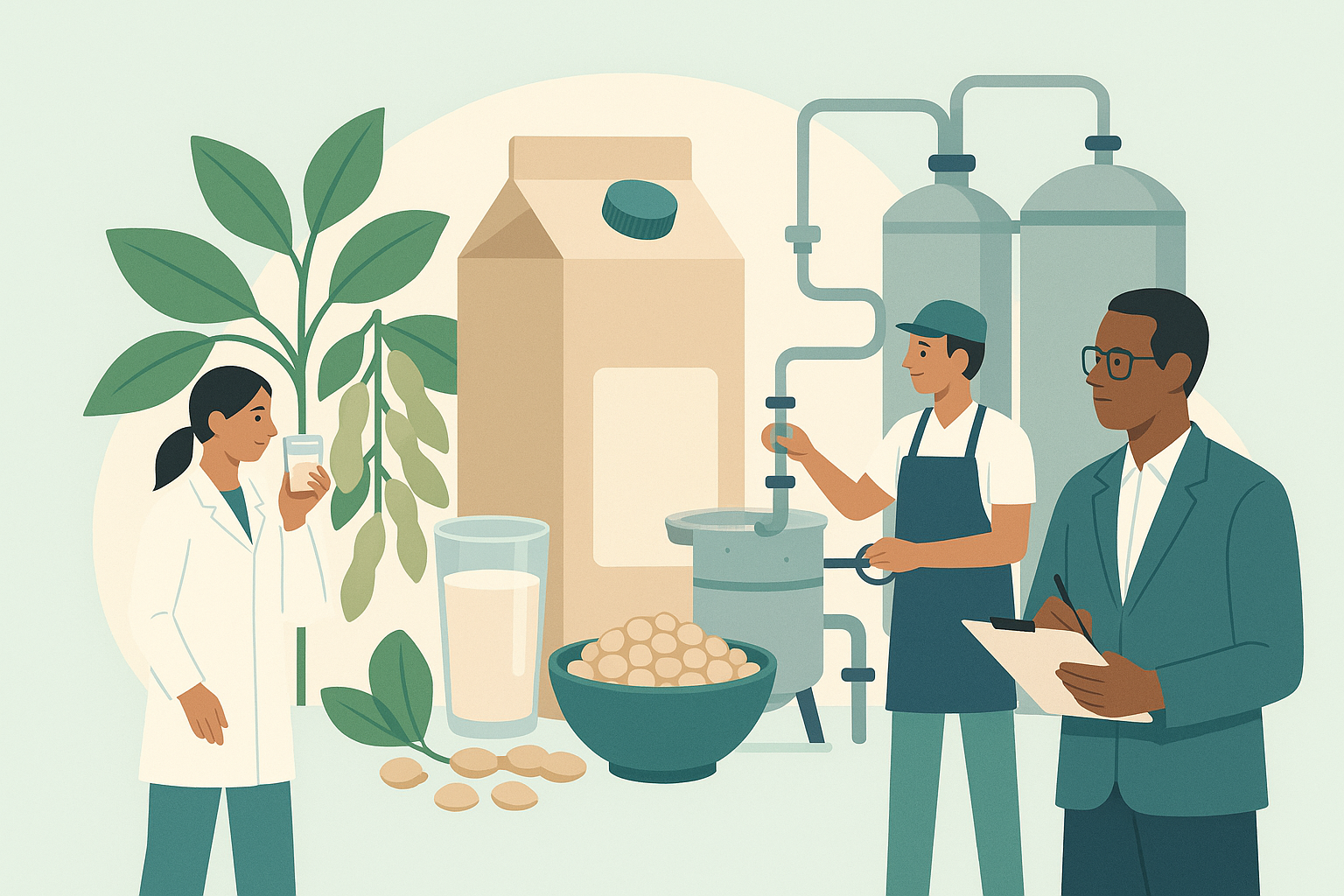
What drives the growth of soy milk in the Plant-based Milk market?
Consumer health awareness significantly influences the growth of the soy milk segment. Rising concerns regarding lactose intolerance, dairy allergies, and various health issues tied to conventional dairy products lead many consumers to seek plant-based alternatives. Soy milk presents a nutritious option, rich in protein and often enriched with essential vitamins and minerals, catering specifically to health-conscious demographics.
The versatility of soy milk fosters its widespread use in diverse culinary applications, ranging from beverages to baking. The food and beverage sector increasingly integrates soy milk into smoothies, coffee drinks, and snacks, broadening its market reach. Innovations in flavoring and formulation further enhance its attractiveness, ensuring it meets a variety of consumer tastes.
How does competition shape the soy milk segment?
The competitive environment of the soy milk sector includes several prominent players, including Danone SA, Oatly Group AB, and Nestlé S.A. These companies allocate substantial resources to marketing and product innovation to capture market share. While more brands enter the Plant-based Milk market, differentiation becomes increasingly vital.
Brands stressing unique formulations, including flavored varieties or organic certifications, enhance their positioning in the market. Enhanced marketing techniques that inform consumers about the health attributes of soy milk heavily influence buying choices, driving demand and fostering loyalty. The competition not only encourages innovation but pushes companies towards sustainable sourcing practices, resonating with consumer values.
What challenges does the soy milk segment face?
Despite its promising growth trajectory, the soy milk segment encounters challenges, particularly concerning raw material sourcing and production expenses. Variations in soybean prices and supply chain interruptions affect manufacturing costs, impacting profit margins. Companies in this industry navigates these economic pressures while staying competitive in their pricing strategies.
Strict regulations surrounding food safety and labeling standards necessitate considerable investment in compliance, which raises operational costs. Suppliers remain diligent in adhering to these standards to secure consumer trust and maintain product integrity, both of which are critical for sustained success.
What does the future hold for the soy milk segment in the Plant-based Milk market?
Looking to the future, the soy milk segment exhibits strong potential for growth, with a projected CAGR of 6% across the forecast period. This growth aligns with the overarching movement towards plant-based diets and the increasing demand for nutritious, sustainable alternatives. Notable opportunities are found in product diversification and adaptation to shifting consumer preferences.
Investment in research and development fuels innovation, allowing companies to unveil new flavors and formulations that respond to consumers' growing desire for variety. While awareness of the health benefits linked to plant-based diets continues to expand, soy milk is well-positioned to entrench its status because a staple in the Plant-based Milk market.
In summary, the soy milk segment illustrates the potential embedded within the Plant-based Milk market, driven by health consciousness, diverse applications, and competitive innovation. Stakeholders throughout the food and beverage sector should actively monitor these trends and adjust their strategies accordingly to seize the growth opportunities offered by soy milk and other plant-based alternatives.
For comprehensive insights on the Plant-based Milk market, refer to the Global Plant-based Milk Market.
Tags
About the Authors

LEAD ANALYST
Utkarsh Khirodkar is a Lead Market Research Analyst at MetaStat Insight, specializing in market intelligence, technology sector assessments, and competitive strategy.

LEAD PRINCIPAL ANALYST, PHARMA AND HEALTHCARE
Food and Beverages · Healthcare · Healthcare IT · Medical Devices
Ajay Devgire is the Lead Healthcare Analyst at MetaStat Insight, leading strategic research and market intelligence initiatives across the global healthcare domain.

SENIOR RESEARCH ANALYST
Biotechnology · Food and Beverages · Medical Devices · Packaging
Snehal Pasalkar is a Research Analyst at MetaStat Insight, operating at the intersection of life sciences research, competitive strategy, and market intelligence.