
Traceability as a Service (TaaS) extends beyond compliance, enhancing supply chain visibility and operational efficiency. This blog discusses the real value of TaaS.
Misunderstandings surrounding Traceability as a Service (TaaS) often stem from an oversimplified view of its capabilities. Many organizations associate TaaS solely with compliance, overlooking the broader operational improvements it offers. TaaS delivers cloud-based solutions that track product movement and provenance across extensive supply chains, enabling businesses to respond swiftly to challenges, including recalls or compliance audits. The full figures are in our Traceability as a Service (TaaS) market size and forecast report.
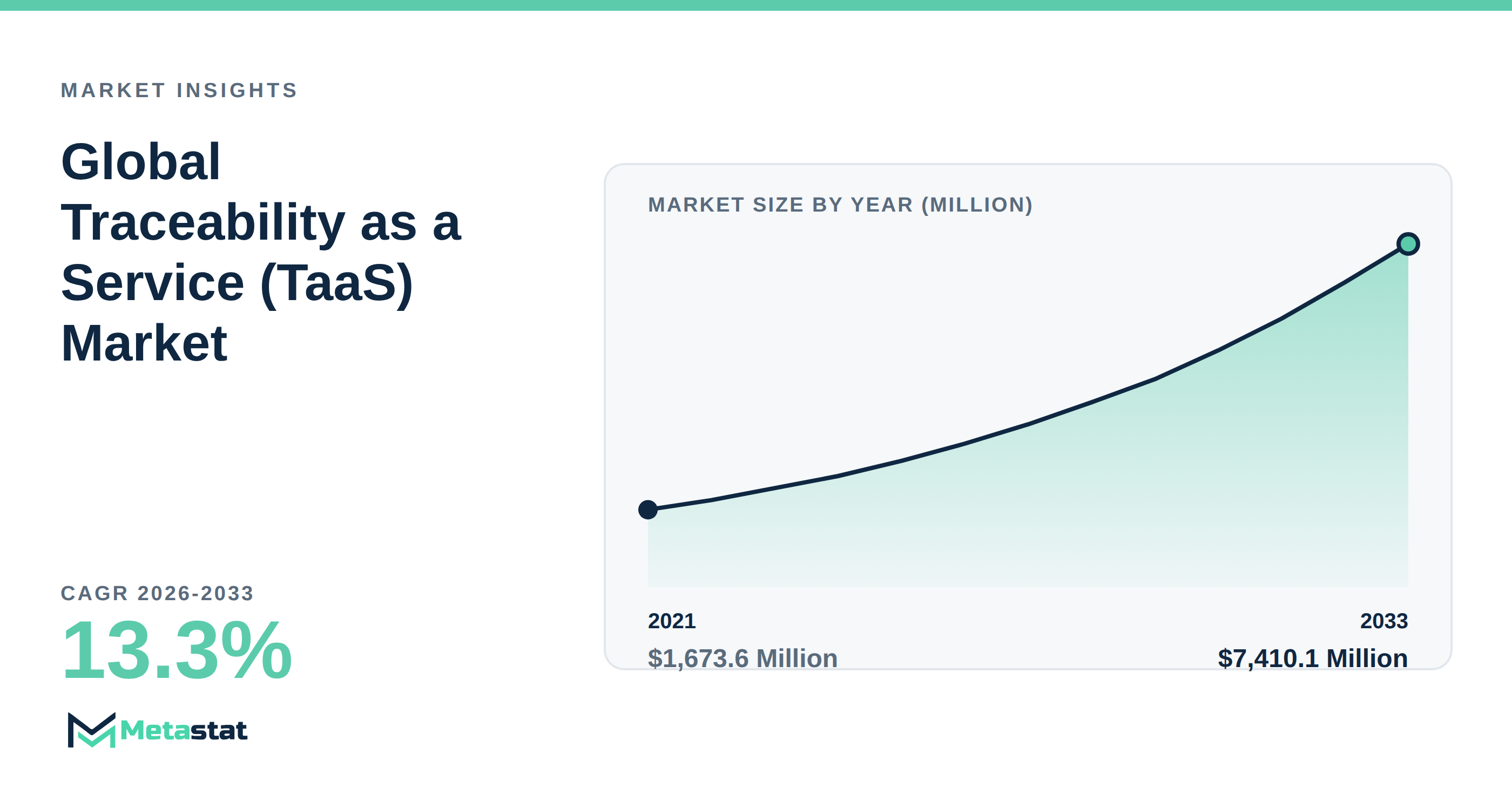
In sectors like food and beverage, pharmaceuticals, and automotive, the implications of adopting TaaS extend beyond simple regulatory adherence. For instance, companies investing in traceability solutions report enhanced efficiency in tracking inventory and managing recalls. This operational agility translates into better customer trust and stronger market positioning, countering the common perception that traceability is merely a compliance checkbox.
The demand for real-time data visibility is reshaping how organizations approach their supply chains. While the TaaS market expands, companies increasingly focus on scalable solutions that enable continuous monitoring and data integration. This shift reflects a growing recognition that effective traceability enhances product quality and operational transparency, serving as a competitive advantage in a crowded marketplace.
Cloud-native platforms play a pivotal role in this transformation. They enable organizations to aggregate data from various sources, creating a comprehensive view of supply chain dynamics. This capability not only supports compliance needs but allows businesses to make informed decisions based on real-time insights. Companies like SAP SE and Oracle Corporation provide these advanced solutions, ensuring that clients maintain their competitive edge in a rapidly changing regulatory environment.
Another key factor driving TaaS adoption is the increasing complexity of regulatory requirements across global markets. Organizations now face a multitude of compliance obligations that demand robust traceability systems. While these regulations become more stringent, buyers prioritize platforms that ensure compliance while streamlining audit readiness. This prioritization has prompted a surge in demand for configurable traceability solutions that adapt to multi-jurisdictional regulations.
However, a misconception persists that all traceability solutions deliver the same value. The market for TaaS features diverse offerings, and understanding their distinct capabilities is vital for organizations aiming to enhance their supply chain integrity. For example, blockchain solutions are gaining traction due to their ability to provide tamper-proof records, invaluable in sectors plagued by counterfeiting. This technological advancement aligns with the needs of buyers requiring verifiable, secure traceability in their operations.
While the regulatory environment shapes much of the demand for TaaS, organizations should consider the operational benefits associated with these solutions. Manufacturers increasingly adopting TaaS discover that enhanced traceability leads to improved supply chain resilience, better inventory management, and heightened customer satisfaction. The shift from manual processes to automated, data-driven approaches transforms how businesses manage their operations.
Looking ahead, understanding the multifaceted nature of TaaS will be essential for organizations navigating an increasingly complex market landscape. Recognizing that TaaS is not merely a compliance tool but a strategic asset positions companies for success in a data-driven economy. The ongoing evolution of traceability solutions will continue to change supply chain management, pushing organizations to embrace agility, transparency, and innovation.
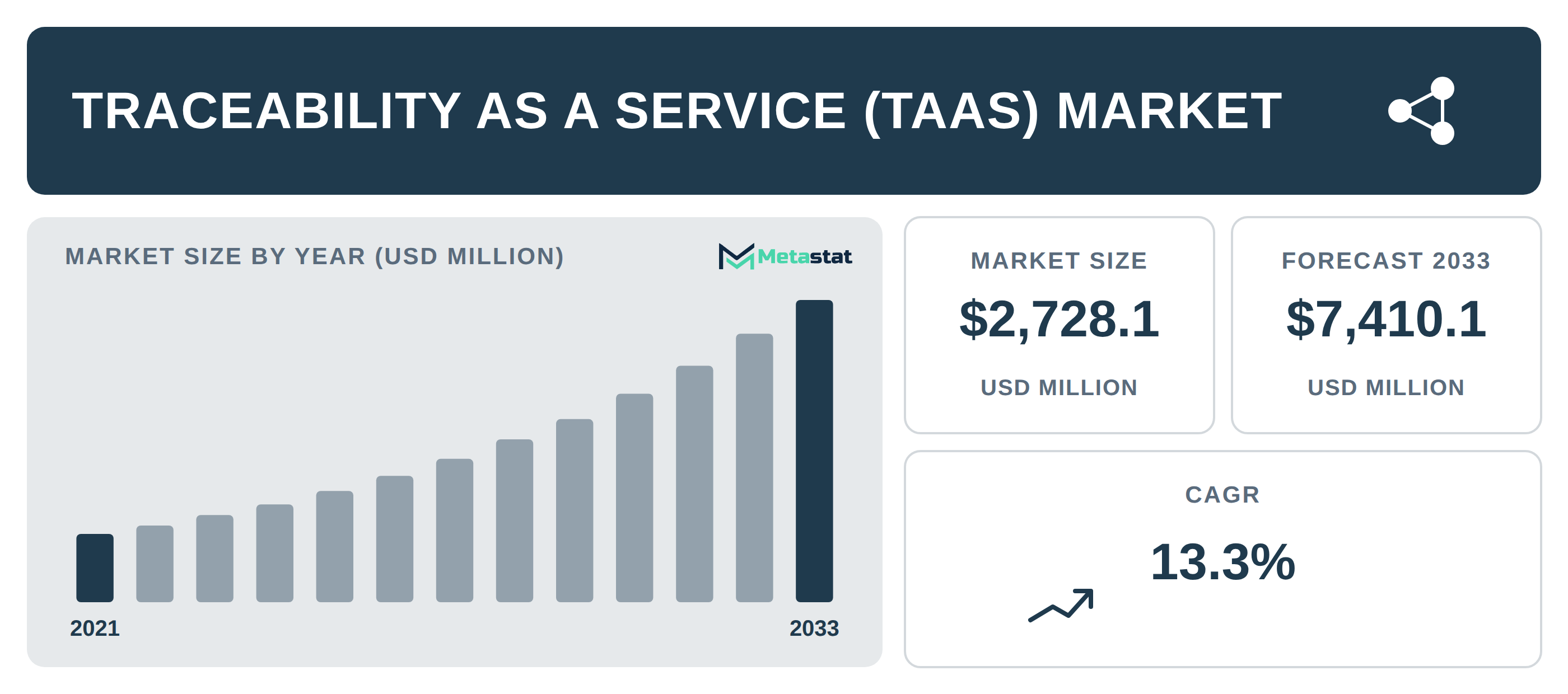
For more in-depth insights, refer to our Traceability as a Service (TaaS) market size and forecast report.
Tags
About the Authors

LEAD ANALYST
Utkarsh Khirodkar is a Lead Market Research Analyst at MetaStat Insight, specializing in market intelligence, technology sector assessments, and competitive strategy.

PRINCIPAL CONSULTANT - ENTERPRISE AI & EMERGING TECHNOLOGIES
Banking & Finance · Electronics and Semiconductor · Energy and Power · Healthcare IT · Information & Technology · Professional Services
Vijay Gunti is a Principal Consultant at MetaStat Insight, bringing over two decades of experience across enterprise digital transformation, technology strategy, and intelligent systems.

LEAD CONSULTANT - COMMUNICATION, TELECOM, AND IT
Electronics and Semiconductor · Information & Technology · Machinery & Equipment · Professional Services
Ravindra Sathe Consultants for Communication, Telecom, and IT at MetaStat Insight. He leads the firm's industry research initiatives across telecommunications infrastructure, digital connectivity, enterprise networking, and emerging information technology domains.