
This post explores the future of Film Tourism, focusing on trends and implications for stakeholders as the market evolves toward 2033.
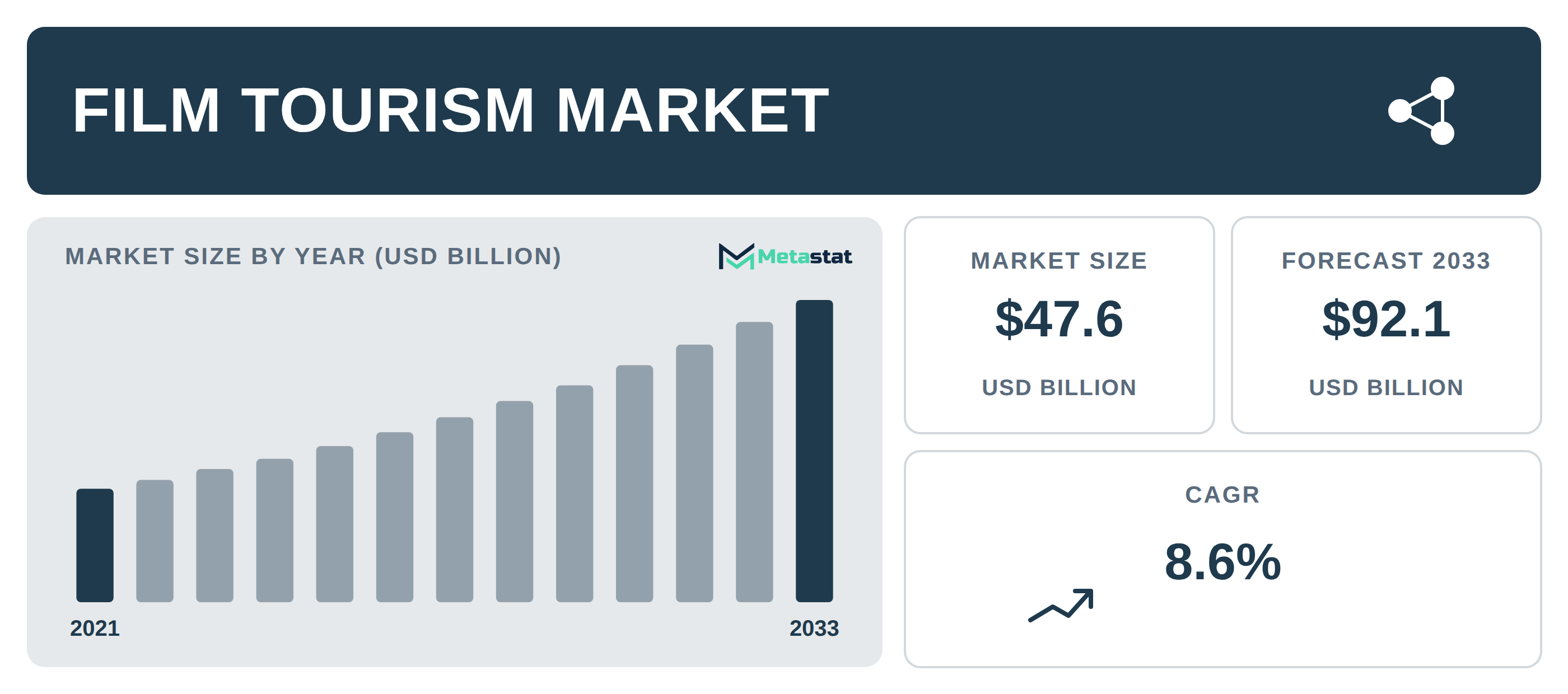
While the market for Film Tourism continues to thrive, its trajectory toward 2033 presents intriguing opportunities and challenges. With a projected value of USD 92.1 billion, growth will be driven largely by changes in consumer preferences and advancements in technology. Understanding these dynamics is crucial for stakeholders seeking to capitalize on this evolving landscape. The full figures are in our Film Tourism market size and forecast report.
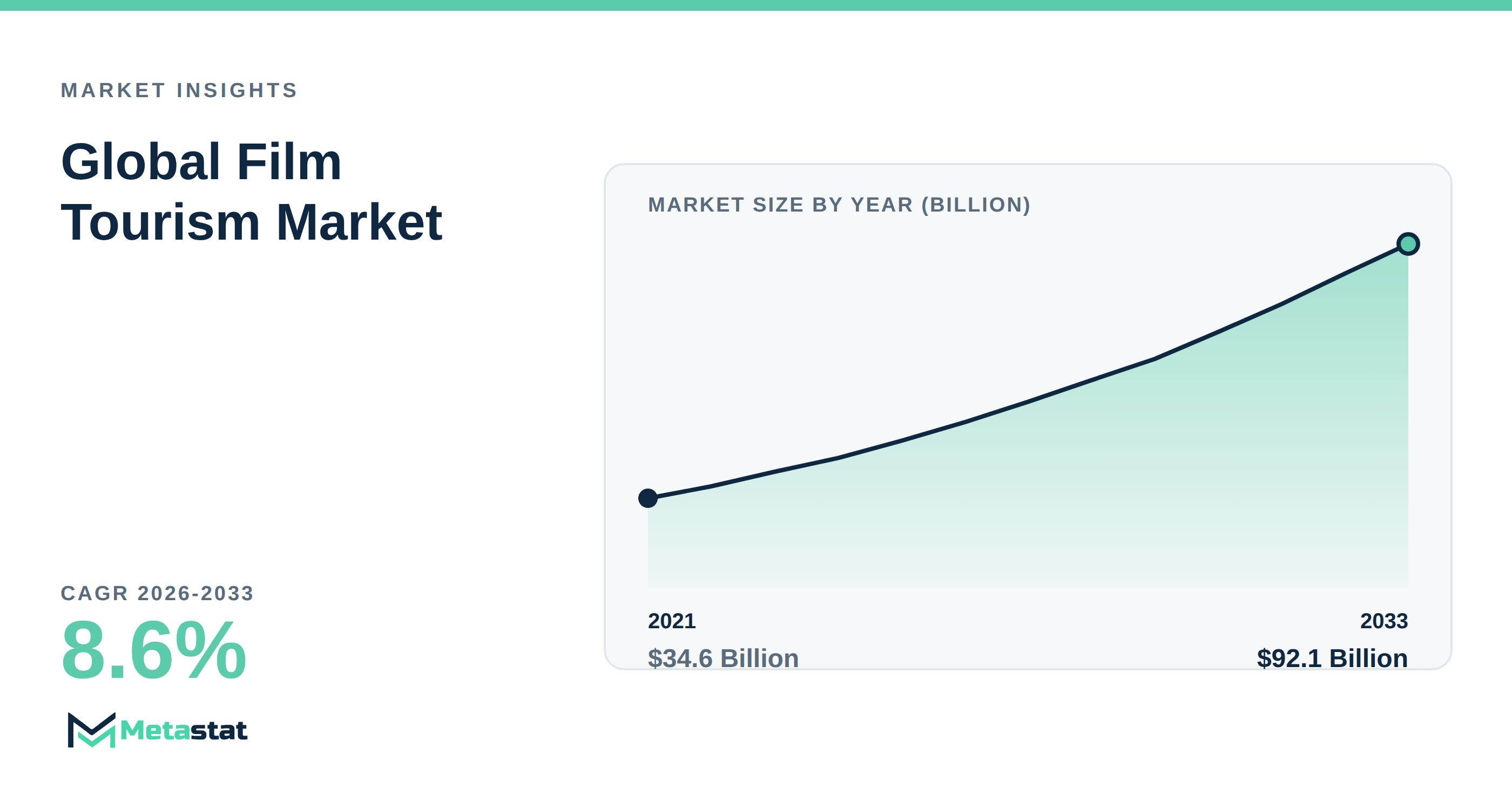
The increasing demand for immersive experiences remains a focal point in Film Tourism. Tourists are not simply satisfied with visiting iconic filming locations or attending studio tours; they seek tailored, engaging experiences that create connections to the films and television shows they adore. This demand is evident in the heightened interest surrounding filming location visits, which will account for a significant portion of tourism spending by 2033. Operators that focus on enhancing their offerings with unique, customized experiences will likely gain a competitive edge in this expanding field.
Another important factor shaping the future of Film Tourism is the rise of streaming platforms. These platforms have transformed how audiences consume content, turning filming locations into must-visit destinations. Popular series and films are captivating viewers worldwide, leading to a surge in domestic tourism. This segment is expected to see growth from USD 31.7 billion in 2026 to USD 54.5 billion by 2033, reflecting a strong desire for activities linked to popular media.
By prioritizing digital solutions, providers enhance the booking experience, making it more accessible for tech-savvy travelers. The trend toward direct online booking illustrates the increasing preference for immediate access to information and services. This shift will shape the development of customized travel packages that highlight filming locations and local attractions. Companies that adopt these changes will likely capture a larger share of the growing market.
The significance of permanent film attractions in the projected landscape cannot be overlooked. These attractions play a crucial role in boosting visitor spending beyond initial admission fees. By offering varied experiences that encourage tourists to explore further offerings, operators enhance their revenue streams. The segment focused on film-themed attractions is anticipated to achieve a value of USD 25.5 billion by 2033, indicating that businesses focusing on innovation and engaging visitor experiences will distinguish themselves as frontrunners in the sector.
Effective capacity management at popular filming locations will be essential as international tourism is projected to account for USD 37.6 billion by 2033. Timed entry systems and organized tours will become increasingly important to handle the influx of visitors, ensuring satisfying experiences for all. Operators view these requirements not as obstacles, but as opportunities to optimize their operations and enhance visitor satisfaction.
Challenges remain significant, particularly related to costs associated with travel and experiences. Rising expenses for accommodations, transportation, and attraction fees could deter potential visitors. Addressing these financial barriers will be important for providers aiming to attract a wider audience. Compliance costs tied to health, safety, and environmental regulations pose ongoing challenges for profitability, necessitating thoughtful operational strategies.
The outlook for Film Tourism by 2033 hinges on several factors, including the ability of businesses to innovate, adapt to shifting consumer preferences, and manage operational efficiencies. Stakeholders should closely monitor developments in technology, digital booking trends, and the global tourism landscape. By embracing these dynamics, they position themselves to thrive in an increasingly competitive environment.
Tags
About the Author

LEAD ANALYST
Utkarsh Khirodkar is a Lead Market Research Analyst at MetaStat Insight, specializing in market intelligence, technology sector assessments, and competitive strategy.