
LEAD ANALYST
Utkarsh Khirodkar is a Lead Market Research Analyst at MetaStat Insight, specializing in market intelligence, technology sector assessments, and competitive strategy.

Global Film Tourism Market Size, Share, By Experience Type (Filming Location Visits, Studio and Backlot Tours, Film-Themed Attractions, Film Festival Visits and Others), By Tourist Type (Domestic Tourists and International Tourists), By Booking Channel (Direct Online Booking, Online Travel Agencies and Offline Travel Agencies and Tour Operators), By Duration (Same-Day Visits and Overnight Trips), Industry Analysis, Growth, Trends, and Forecast, 2026-2033
Report ID
MSI-4300
Published
October, 2026
Pages
297 Pages
Format
Historical
Base year
Forecast
Forecast period
Report Details
Market Valuation: Valued at $47.6 Billion in 2025, projected to reach $92.1 Billion by 2033 at a 8.6% CAGR.
Dominant Segment: Filming Location Visits lead the market, driven by tourists' desire to explore iconic sites from their favorite films and shows.
Geographic Lead: North America is the leading region, holding 34.5% of the market in 2025, primarily due to its concentration of major film studios and famous filming locations.
What's Inside: The report provides comprehensive coverage of market dynamics, competitive analysis, and forecasts from 2026 to 2033, detailing various experience types and tourist segments.
Booking Channel Growth: Direct Online Booking is projected to grow significantly, reaching USD 44.4 billion by 2033, reflecting the shift towards convenience and accessibility in travel planning.
Visitor Experience Enhancement: Technological advancements, including virtual and augmented reality, are transforming visitor experiences, making them more immersive and engaging at filming locations.
Choose Your License
Global Film Tourism Market
The global Film Tourism market was valued at USD 47.6 billion in 2025 and is projected to reach USD 92.1 billion by 2033, growing at a CAGR of 8.6% over the forecast period.
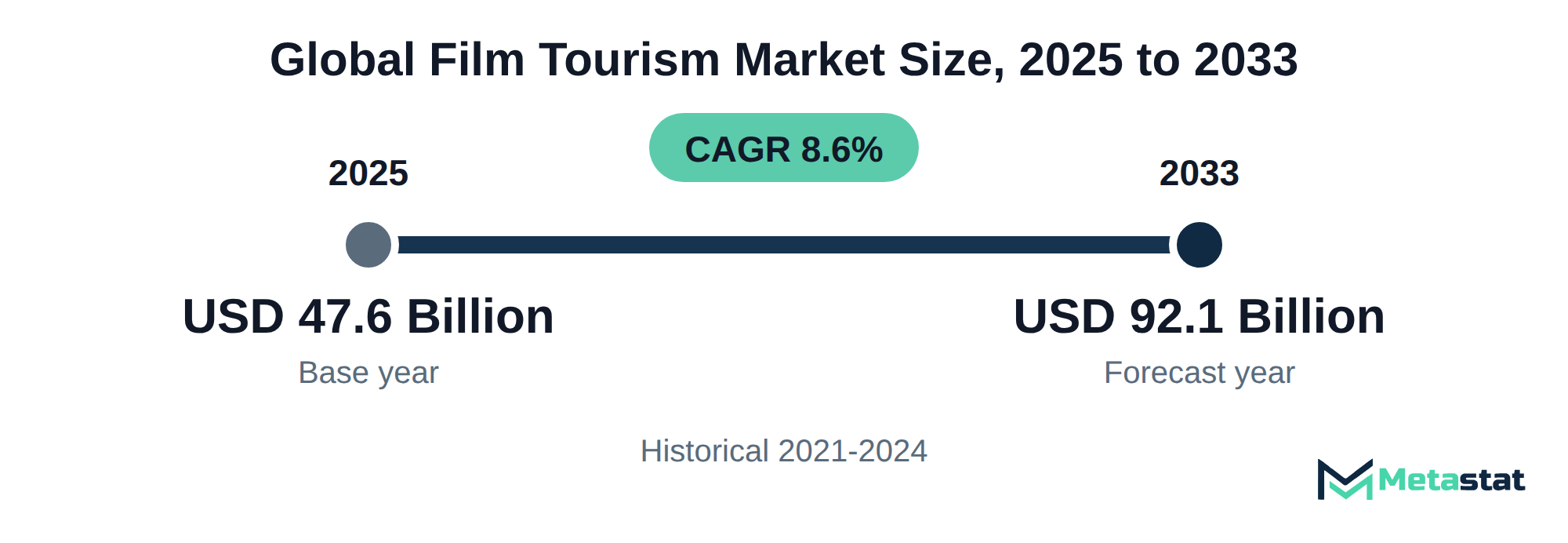
The Film Tourism market encompasses various experiences related to film and television productions, attracting both domestic and international tourists. Buyers invest in this market primarily to visit iconic filming locations, engage in studio tours, and attend film festivals, which enhance their overall entertainment experience. These activities fulfill a desire for unique travel experiences and create lasting memories tied to popular film narratives.
Film Tourism market growth is driven by increasing interest in immersive experiences and a strong cultural connection to popular films and series. The segment of filming location visits represents the most significant value within the overall market, while North America holds 34.5% of the market in 2025, with the US leading in 2026. This favorable regional positioning reflects the concentration of major film studios and iconic filming locations, which attract diverse tourists.
One main driver of expansion is the rising trend of direct online booking, which simplifies the process for tourists to secure their experiences. This ease of access encourages higher participation rates in film-related activities, fueling demand. Growth in international tourism further supports this trend, with travelers seeking to explore destinations featured in their favorite films, contributing to the overall growth of the market.
The Film Tourism market addresses the growing interest of travelers seeking immersive experiences tied to their favorite films and television shows. This trend leads buyers to invest significantly in activities including studio tours, filming location visits, and film-themed attractions. The increasing popularity of streaming services and blockbuster films fuels consumer enthusiasm, driving demand for unique experiences that connect them to cinematic worlds.
Growth is primarily attributed to the rise in international tourism and the expanding global film industry, which raises the visibility of filming locations. Among the segments, Filming Location Visits represent the largest share, reflecting the desire of tourists to explore iconic sites featured in popular films. This region benefits from a strong association with major film studios and a rich array of tourist attractions.
Factors influencing growth include evolving consumer preferences for experiential travel and tailored offerings that cater to diverse tourist demographics. The combination of film-related events, festivals, and unique attractions supports the expansion of the market, drawing visitors from around the globe eager to engage with their favorite cinematic narratives.
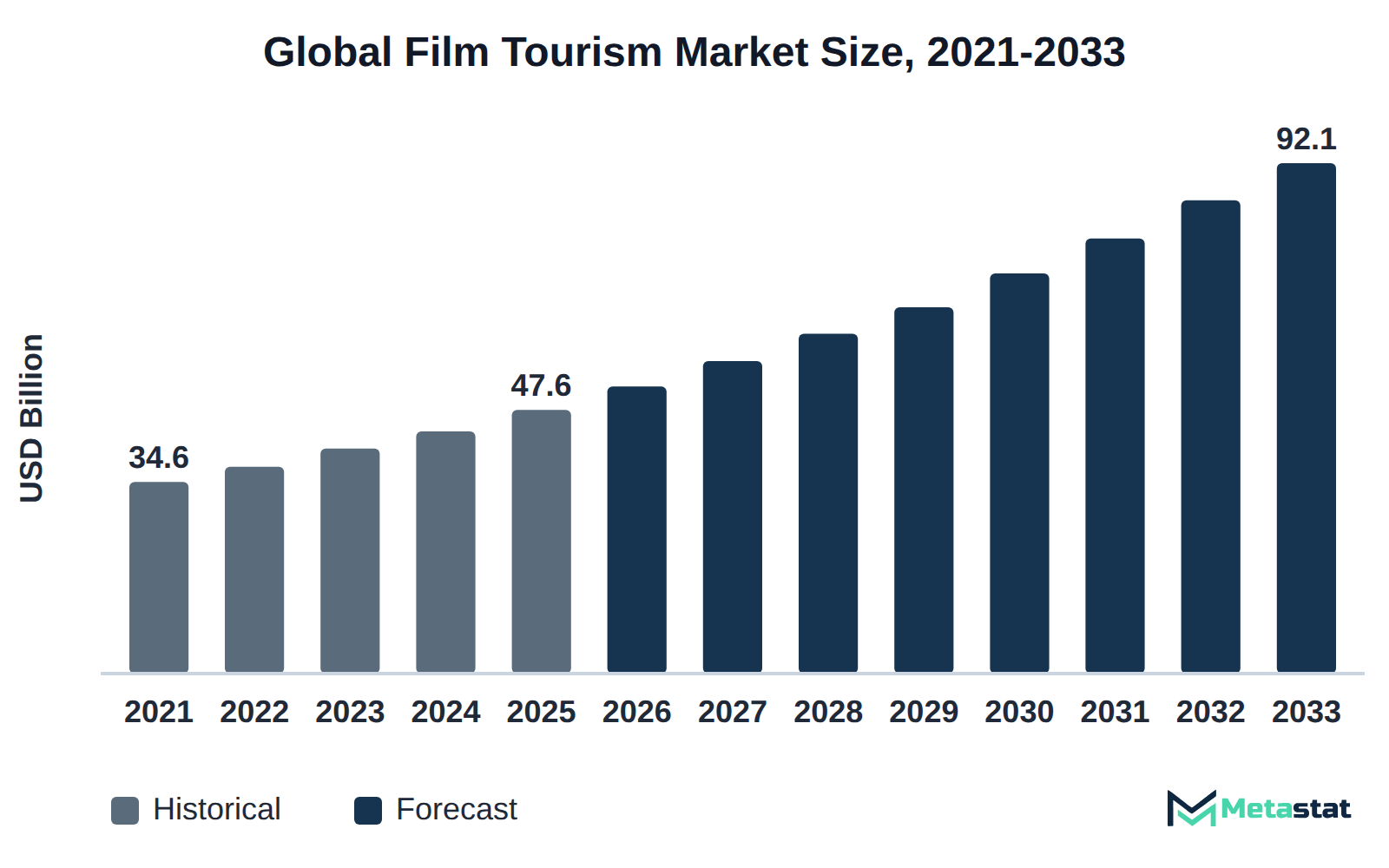
The rise of streaming platforms has transformed filming locations into sought-after travel destinations. Popular series and films drive viewers to visit iconic sites, creating significant opportunities within the Film Tourism market. For instance, the Domestic Tourists segment is anticipated to grow from USD 31.7 billion in 2026 to USD 54.5 billion by 2033, reflecting an 8% compound annual growth rate (CAGR). This trend illustrates the increasing appeal of immersive experiences, where fans engage directly with their favorite shows and movies.
Streaming franchises use their large audiences to create unique travel packages. Locations featured in popular content, including the Hobbiton Movie Set Tours, capitalize on viewer interest, leading to increased bookings. The demand for experiences tied to specific series increases the value of these destinations, prompting businesses to innovate and enhance offerings. The segment of Filming Location Visits is projected to expand from USD 20.2 billion in 2026 to USD 34.5 billion by 2033, indicating a strong market response to evolving consumer preferences.
Permanent film attractions significantly enhance visitor spending beyond the initial studio admission fees. These attractions provide diverse experiences that encourage tourists to explore additional offerings, leading to increased overall expenditure. For instance, the segment of film-themed attractions is projected to reach USD 25.5 billion by 2033, reflecting growing interest in immersive experiences that extend beyond traditional studio tours.
The pricing structure for permanent film attractions varies, with many operators adopting tiered pricing models. These models allow for differentiated access to various experiences, enticing visitors to opt for premium packages that include exclusive behind-the-scenes tours or access to special events. Such revenue management strategies maximize revenue per visitor and build loyalty among repeat customers seeking unique experiences within the film tourism market.
Flexible payment options, including online booking and buy now pay later installment plans, increase accessibility for a broader audience. This approach attracts both domestic and international tourists, with the latter segment expected to contribute USD 37.6 billion to the market by 2033. These commercial dynamics position permanent film attractions as a vital component of the market, driving revenue growth and enhancing the overall visitor experience.
Timely access to filming locations significantly influences visitor experiences in the Film Tourism market. Research indicates a growing demand for organized tours and timed entry at popular sites, driven by the increased number of international tourists seeking unique experiences. In 2033, international tourists are projected to contribute USD 37.6 billion to the market, highlighting the importance of accommodating their preferences.
This growth creates pressure on operators to manage capacity effectively through timed entry systems. Implementing ticketing strategies and visitor management systems that allocate specific entry times maximizes visitor satisfaction while minimizing crowding. This approach enhances the overall experience, enabling more tourists to enjoy popular attractions without overwhelming resources.
For operators in the Film Tourism market, optimizing access to filming locations through effective timing strategies results in improved operational efficiency and increased revenue opportunities. Aligning visitor access with demand positions businesses competitively within the expanding film-related tourism sector.
Measuring travel spending attributable to film tourism requires a strategic approach that focuses on specific metrics. One primary method involves tracking visitor spending patterns in locations featured in films, supported by location analytics. This growth indicates a significant opportunity for destinations to capitalize on their film-related attractions.
Destinations implement surveys and analysis to gauge the impact of film tourism on local economies. Gathering data on accommodation, dining, and entertainment expenditures among visitors who specifically travel for film-related reasons provides valuable insights. Spending from domestic tourists is estimated to rise from USD 31.7 billion in 2026 to USD 54.5 billion by 2033. Focusing on this expected increase gives destinations a better understanding of the economic influence of film tourism.
Accurate measurement of travel spending attributable to film tourism enables stakeholders to allocate resources effectively and enhance marketing strategies. Using the growth potential of the film tourism market, destinations create tailored experiences that attract more visitors and bring economic benefits to local communities.
Demand from domestic tourists increases significantly due to changing consumer preferences for local experiences. The rising interest in immersive activities encourages more individuals to explore filming locations that connect with their favorite films and television shows. A notable shift in behavior points to an increased willingness among domestic tourists to spend on unique experiences. An expanding number of film-themed attractions and experiences becomes increasingly relevant for domestic tourists, enhancing their travel choices and contributing to overall market growth. The Film Tourism market benefits from this behavioral change, leading to heightened interest and investment in travel experiences linked to film and television productions.
The growing participation of domestic tourists strengthens the market, driving the development of new attractions and services while supporting existing offerings. This evolution presents opportunities for destinations to capitalize on the increasing consumer interest in film-related travel experiences.
Enhanced technology significantly improves visitor experiences at filming locations. Innovations in virtual and augmented reality enable immersive virtual tours, allowing tourists to engage with environments featured in films more interactively. High-quality visual and audio equipment increases satisfaction during studio and backlot tours, making these experiences more appealing. Advanced booking systems streamline access, reduce wait times, and optimize visitor flow at popular sites.
As technology evolves, operators in the Film Tourism market can use advancements that attract a broader audience. Enhanced mobile applications offer tailored experiences, enabling visitors to navigate locations easily while accessing exclusive content related to their favorite films. This integration of technology enriches visitor engagement and encourages loyalty among tourists, promoting repeat visits. The combination of technological improvements and consumer demand drives growth within the market, positioning it for substantial expansion in the coming years.
High costs associated with travel and experiences hold back demand among potential visitors. Price sensitivity among domestic and international tourists impacts their willingness to spend on travel related to film tourism. Increasing expenses for accommodations, transportation, and attraction fees lead to slower uptake in bookings and overall participation in the market. This financial constraint, particularly among budget-conscious travelers, results in smaller orders and delayed decisions on travel plans. Consequently, operators in the film tourism sector face challenges in generating consistent revenue and attracting visitors who prioritize affordability. While the appeal of film-related experiences remains strong, financial barriers significantly restrict market expansion and hinder the ability to fully capitalize on increasing interest in film tourism experiences. Addressing these financial challenges could enhance market viability and engagement.
Profitability remains a significant challenge for suppliers in the Film Tourism market due to rising compliance costs associated with health, safety, and environmental regulations. Increased expenses related to maintaining safety standards and ensuring visitor satisfaction impact net margins. The demand for unique experiences drives the need for higher quality offerings, which requires investments in staff training and technology upgrades.
Suppliers respond by streamlining operations and enhancing service delivery to offset compliance-related costs. Investments in automation and digital solutions enable more efficient management of visitor experiences and reduce reliance on manual processes. Implementing training programs for staff improves service quality while ensuring compliance with occupational health and safety regulations. By focusing on operational efficiencies, suppliers within the market aim to maintain profitability amid rising costs. Innovation and excellent service delivery strengthen competitive positioning within the Film Tourism market.
The segment of domestic tourists shows significant growth potential, particularly in the context of direct online booking. The increasing preference for online booking platforms aligns with evolving consumer behavior, where convenience and accessibility are central to travel planning. This shift drives demand for tailored travel packages that highlight filming locations and local attractions.
Online travel agencies experience strong growth, with projections indicating a value of USD 30.1 billion by 2033, supported by a 9.9% CAGR. The demand for unique experiences, coupled with streamlined booking methods, enhances revenue opportunities for service providers in the Film Tourism market. Overall, the focus on domestic travelers and their booking preferences highlights a targeted opportunity for suppliers seeking to expand their market presence and increase profitability.
The Global Film Tourism market is segmented based on Experience Type, Tourist Type, Booking Channel, and Duration.
This segment attracts tourists interested in visiting actual filming sites from their favorite movies and television shows. Domestic tourists primarily drive demand, with a growing inclination towards local experiences enhancing visitation. Accessibility of filming locations significantly influences this segment's growth trajectory. Compared to other experience types, Filming Location Visits exhibits a steady growth rate, supported by the increasing popularity of film-related tourism. With a focus on immersive experiences, this segment stands out through its unique visitor appeal, engaging both casual viewers and die-hard fans. The market uses innovative marketing strategies to enhance visibility and attract a broader audience, further contributing to its expansion.
Studio and Backlot Tours segment is estimated to reach USD 23.8 billion by 2033, at a CAGR of 8.8% during the forecast period. This segment attracts tourists interested in gaining insight into film production processes, set design, and behind-the-scenes experiences. Primarily, both domestic and international tourists seek these interactive experiences, driving demand for studio tours. The rise in interest for authentic experiences motivates this growth. Compared to other segments in the market, the Studio and Backlot Tours segment shows a higher growth rate than Film Festival Visits, which has a CAGR of 6.3%. The unique appeal of exclusive access to film sets and interaction with industry professionals differentiates this segment, potentially attracting a more diverse audience willing to invest in unique experiences.
This segment includes immersive experiences including themed parks and attractions centered around popular films, drawing visitors who seek to engage with cinematic universes. Domestic and international tourists frequently visit these attractions, contributing significantly to revenue growth. The segment experiences strong demand driven by the increasing popularity of blockbuster films and franchises. The segment's growth outpaces others within the Experience Type category, illustrated by a compound annual growth rate (CAGR) of 8.8%, which outstrips the expected growth rates for other experiences. The engaging nature of film-themed attractions encourages repeat visits, distinguishing this segment from traditional filming location visits. This dynamic creates a competitive environment, prompting continuous investment in innovative attractions and experiences to enhance visitor engagement.
Film Festival Visits segment is projected to grow at a CAGR of 6.3% during the forecast period. This segment attracts tourists who seek to experience the cultural and artistic aspects of film through various festivals. Domestic and international tourists participate in these events to engage with filmmakers, attend screenings, and enjoy related activities. The rising popularity of film festivals drives demand, reflecting changing consumer interests in immersive experiences. Compared to other segments, including Studio and Backlot Tours, which show a higher CAGR of 8.8%, Film Festival Visits emphasizes community engagement and artistic expression. Pricing strategies differ, where festival tickets vary significantly depending on the event's prestige, influencing overall participation rates. This differentiation positions Film Festival Visits uniquely within the market, catering to a diverse audience of film enthusiasts and cultural explorers.
Film museums and traveling exhibitions present the intricate details of film history, offering visitors a unique opportunity to engage with cinematic culture. These experiences attract film enthusiasts and casual tourists seeking to deepen their appreciation of movie making. Demand for these attractions is driven by a growing interest in the storytelling aspects of filmmaking and the desire for immersive, educational experiences. This segment differs from other experience types, including studio tours and filming location visits, which focus more on behind-the-scenes access and iconic settings. The unique nature of film museums and exhibitions allows for a distinct visitor experience, catering particularly to those interested in the artistic and historical context of film. This segment complements the broader Film Tourism market, enriching the choices available to travelers.
This segment attracts individuals seeking to explore filming locations, participate in studio tours, and engage with film-themed attractions within their own countries. The increasing curiosity for local cinematic experiences drives demand, owing to domestic tourists prioritizing accessible and culturally relevant activities. This segment exhibits significant growth, positioned favorably compared to international tourists who face travel barriers and higher costs. Domestic tourists favor direct online booking, which supports rapid segment expansion with a projected CAGR of 9.9%. While both domestic and international tourists contribute to the market, the domestic tourists segment presents a unique advantage by capitalizing on the growing trend of local tourism fueled by popular media.
International Tourists segment is estimated to reach USD 37.6 billion by 2033, at a CAGR of 9.3% during the forecast period. This segment caters primarily to travelers from outside the destination country who engage in visits to filming locations, studios, and film-themed attractions. The increasing allure of international travel experiences, alongside the rising popularity of specific film franchises, drives demand. This segment distinguishes itself from the domestic tourists segment through higher growth rates and a focus on unique, immersive experiences that attract visitors eager to explore iconic movie sites. International tourists tend to invest more in travel and accommodation, reflecting a willingness to spend on memorable experiences. Consequently, suppliers benefit from this expenditure, enhancing the overall value proposition in the Film Tourism market. The growth trajectory reflects a robust response to evolving consumer interests and the global appeal of cinematic storytelling.
Direct Online Booking segment is valued at USD 22.9 billion in 2026 and is projected to reach USD 44.4 billion by 2033, at a CAGR of 9.9% during the forecast period. This segment enables consumers to book film tourism experiences directly through online platforms, catering primarily to tech-savvy travelers. The increasing reliance on digital solutions and the rise of mobile applications drive rapid growth in this segment. Higher growth rates in Direct Online Booking, compared to Offline Travel Agencies and Tour Operators, highlight a shift in consumer behavior favoring convenience and accessibility. The projected CAGR of 9.9% indicates robust demand for online booking solutions, reflecting changing preferences for immediate access to information and easy transaction processes in the Film Tourism market. Enhanced online platforms streamline the booking experience, supporting significant increases in both domestic and international tourist engagement.
This segment serves tourists seeking streamlined booking experiences for film-related travel, catering primarily to both domestic and international visitors. Increasing reliance on mobile platforms drives this segment's growth, facilitating easy access to a variety of offerings including studio tours, themed attractions, and event tickets. In contrast to other booking channels, Online Travel Agencies experience faster growth due to their ability to provide real-time availability and competitive pricing, appealing to tech-savvy travelers. This shift towards digital channels enhances overall market engagement, reflecting evolving consumer preferences for convenience and efficiency in trip planning.
Offline Travel Agencies and Tour Operators segment is expected to reach USD 9.4 billion by 2033. This segment caters to travelers seeking curated experiences, leveraging local knowledge to enhance the overall visitor experience. Increasing demand from international tourists drives this segment's growth, supported by their preference for guided tours. The availability of various packages offered by offline agencies attracts customers who value personalized service over online booking options. In comparison to the Direct Online Booking segment, which has a higher compound annual growth rate (CAGR) of 9.9%, the Offline Travel Agencies and Tour Operators segment exhibits a slower growth trajectory. This difference arises from the growing trend of digital engagement among travelers, influencing their booking behaviors. The stability of this segment continues to offer valuable opportunities for agencies focusing on unique, tailored travel experiences, ensuring its relevance in the broader context of the Film Tourism market.
Direct Offline Booking segment is projected to grow at a CAGR of 4.3% during the forecast period. This channel serves tourists who prefer personal interactions and assistance when organizing travel plans. Travelers seeking a more traditional approach often favor direct communication with service providers. Demand stems from individuals who appreciate tailored assistance and personalized service. While growth remains steady, this segment lags behind others in the Booking Channel category, including Direct Online Booking, which is expected to reach USD 44.4 billion by 2033 at a CAGR of 9.9%. The preference for direct interaction influences pricing strategies, with suppliers balancing service quality with operational efficiencies. Suppliers have an opportunity to enhance customer engagement through personalized service offerings and loyalty programs, strengthening retention among travelers who value the human touch in their travel experience. This dynamic continues to shape the evolution of the Film Tourism market.
Same-Day Visits segment is valued at USD 22.6 billion in 2026 and is projected to reach USD 38.1 billion by 2033, at a CAGR of 7.7% during the forecast period. This segment appeals primarily to domestic tourists seeking quick and convenient experiences, allowing them to engage with film culture without extensive travel commitments. Increasing consumer interest in local attractions drives demand within this segment. Compared to overnight trips, the Same-Day Visits segment experiences faster growth, reflecting a trend where visitors opt for brief excursions that fit into their schedules. Enhanced availability of direct online booking options facilitates access, making it easier for travelers to plan spontaneous visits to filming locations. This segment's growth trajectory contrasts with the overnight trips segment, which targets those seeking more immersive experiences over extended periods.
Overnight Trips segment is estimated to reach USD 54 billion by 2033, at a CAGR of 9.2% during the forecast period. This segment focuses on tourists seeking extended stays at filming locations, allowing them to immerse themselves in the cinematic experience. Domestic and international travelers engage with this segment, drawn by popular film destinations that enhance their travel experiences. Rising interest in unique holiday experiences drives growth in this segment, distinguishing it from Same-Day Visits, which experiences slower growth at a CAGR of 7.7%. Overnight Trips typically involve higher spending due to accommodation and extended activities compared to shorter visits, leading to a more substantial economic impact within the market. Demand for tailored travel packages and promotional campaigns from operators further supports the expansion of this segment.
Based on geography, the Global Film Tourism market is divided into North America, Europe, Asia-Pacific, South America, Middle East, and Africa.
North America holds a share of the Film Tourism market, with a projected value of USD 29.6 billion by the end of 2033. The demand in this region stems primarily from the robust entertainment industry, with numerous iconic filming locations attracting tourists from both domestic and international markets. The infrastructure supporting tourism, including well-established transportation networks and hospitality services, enhances accessibility to these locations. The growth of online booking platforms facilitates efficient travel planning, further driving market expansion. The region's unique cultural offerings and film heritage continue to attract a diverse audience, reinforcing its position as a key player in the global market.
Europe accounted for 30.4% of the global film tourism market in 2025. Countries including Germany, France, the UK, Italy, and Spain drive demand through a rich array of cinematic heritage and iconic filming locations. These nations possess well-established film industries that attract both domestic and international tourists seeking immersive experiences. Infrastructural investments, including improved transport links to popular film sites, enhance accessibility and stimulate growth. The cultural resonance of film festivals held across the region encourages engagement and attracts visitors, further strengthening Europe’s position in the market. The integration of digital platforms for booking experiences streamlines access for tourists, encouraging increased participation in film-related activities.
The Asia-Pacific region holds a share of the global market, accounting for 23.6% in 2025. A diverse range of film productions, particularly in countries like China, Japan, and India, drives demand. The region's growing infrastructure for film tourism, supported by government initiatives, enhances accessibility to iconic filming locations. Domestic tourists increasingly explore local attractions, with interest in filming location visits on the rise. International tourists show a particular affinity for film-themed attractions, reflecting a cultural curiosity that extends beyond national borders. The film tourism market in this region is projected to expand rapidly, driven by the popularity of online booking channels and the rise of overnight trips among tourists.
South America represents a unique niche within the Film Tourism market, with Brazil and Argentina driving demand through their rich cultural landscapes and diverse film industries. The region's appeal is heightened by its dynamic film festivals and local cinematic heritage, attracting both domestic and international tourists. With a share of 5.3% of the global market in 2025, the region's growth potential is substantial. Increasing investment in film-related infrastructure and promotional campaigns enhances the attractiveness of various filming locations, significantly boosting tourism. The market is further supported by initiatives aimed at promoting local attractions and experiences tied to popular films. This focus on local culture aligns with evolving traveler preferences, contributing to an enhanced consumer experience and increasing revenue opportunities for the market.
The region accounts for a share of 6.3% of the global market in 2025. Countries including Saudi Arabia, UAE, and South Africa drive demand, with growing interest in filming location visits and studio tours. Infrastructure developments support the market by enhancing accessibility to iconic film sites, appealing to both domestic and international tourists. Specific programs promoting cultural tourism in the Middle East focus on attracting visitors to film-related attractions, contributing to revenue growth. The Film Tourism market in this region is expected to benefit from increased investments in film production, further expanding its appeal to diverse tourist demographics.
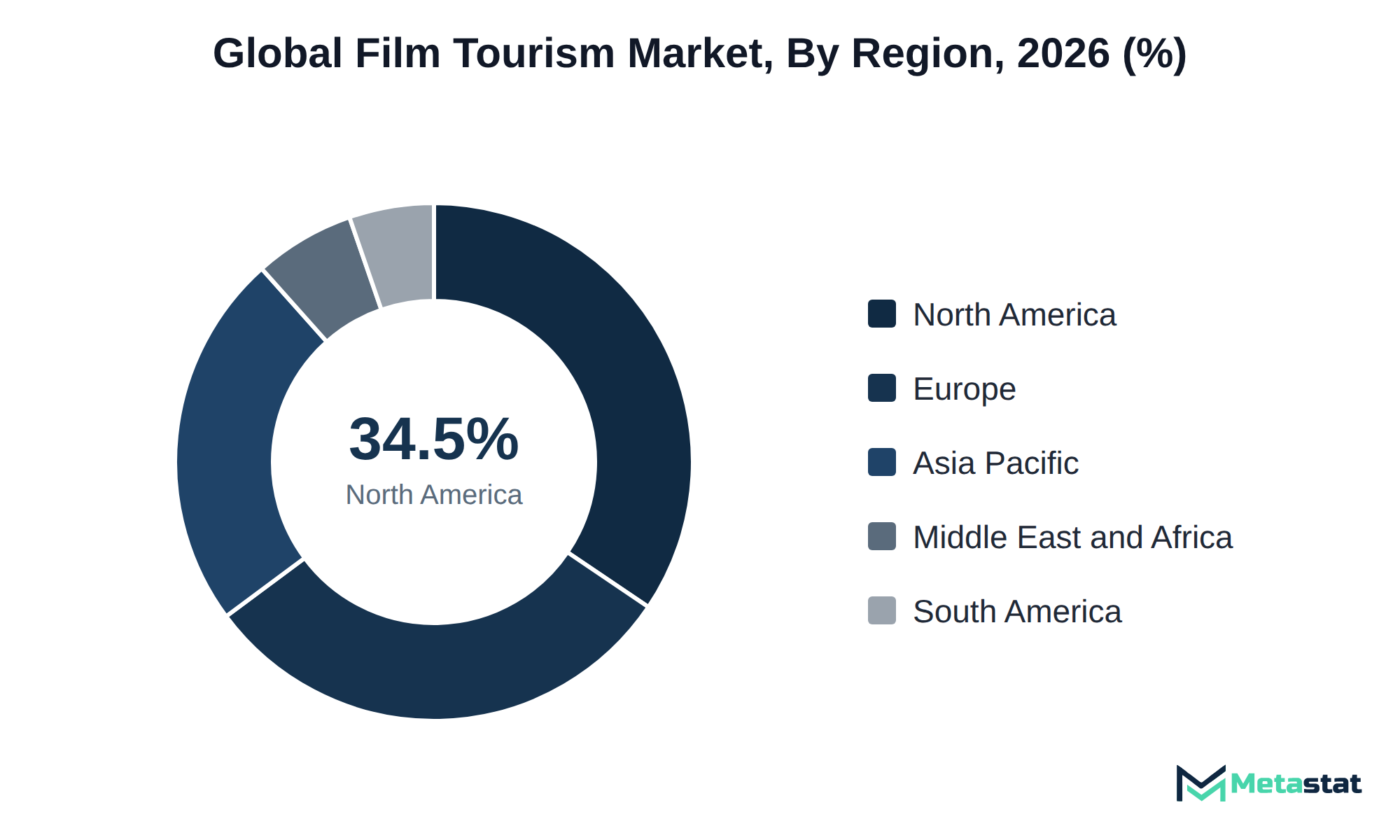
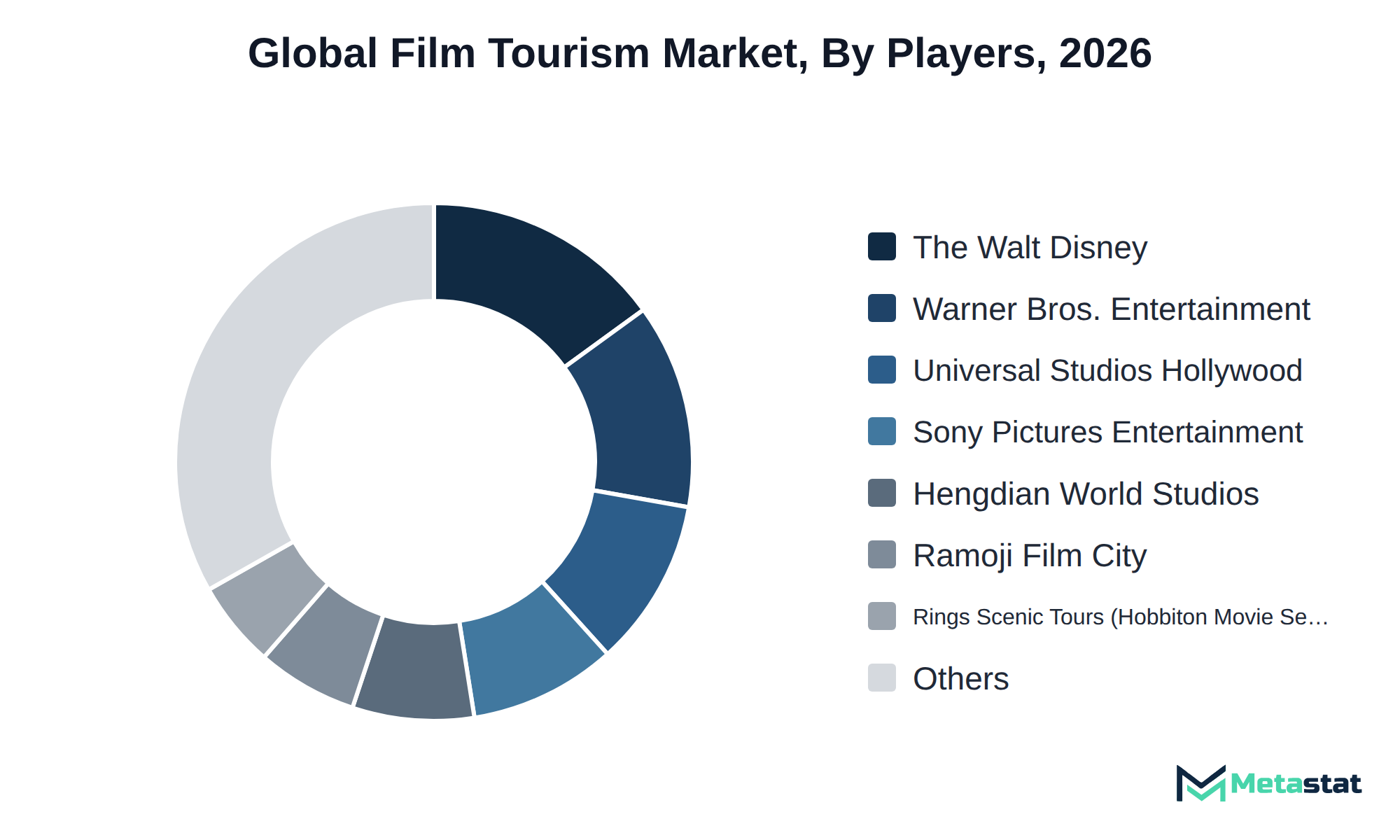
Companies in the Film Tourism market compete through various strategies, including unique experiences and service offerings. Warner Bros. Entertainment Inc. focuses on immersive studio tours, while Universal Studios Hollywood emphasizes theme park attractions related to popular films. The Walt Disney Company leverages its extensive portfolio of beloved characters and narratives to attract tourists to its resorts and parks.
Buyers typically select providers based on factors including price, customization, and service quality. Rings Scenic Tours Limited (Hobbiton Movie Set Tours) appeals to fans of the "Lord of the Rings" franchise by offering tailored experiences at iconic filming locations. Netflix, Inc. invests in developing exclusive film-related events to enhance visitor engagement. JTB Global Marketing & Travel Inc. specializes in providing travel packages that cater to film enthusiasts, combining cultural experiences with film tourism.
This growth relies on several key developments. The growth of international tourists, reaching USD 37.6 billion by 2033, represents an important opportunity for the market. Potential economic downturns pose a risk to this forecast. Economic challenges limit consumer spending on travel and leisure, particularly affecting international tourist flows and their associated expenditures. The market's trajectory strongly depends on consumer confidence and disposable income levels, particularly in regions like North America and Europe, where a significant portion of film tourism originates.
By Experience Type: Filming Location Visits, Studio and Backlot Tours, Film-Themed Attractions, Film Festival Visits, Others (Film Museums, Traveling Exhibitions)
By Tourist Type: Domestic Tourists, International Tourists
By Duration: Same-Day Visits, Overnight Trips
The report strategically identifies and profiles the key market players and analyses their core competencies in each sub-segment of the Film Tourism market.
|
Report Attributes |
Details |
|
Study Period |
2021-2033 |
|
Base Year |
2025 |
|
Estimated Year |
2026 |
|
Forecast Period |
2026-2033 |
|
Historical Period |
2021-2025 |
|
Growth Rate |
CAGR 8.6% from 2026 to 2033 |
|
Revenue Unit |
USD billion |
|
Segmentation |
By Experience Type, Tourist Type, Booking Channel, Duration, and Region |
|
By Region |
North America (By Experience Type, Tourist Type, Booking Channel, Duration, and Country)
|
|
Europe (By Experience Type, Tourist Type, Booking Channel, Duration, and Country)
|
|
|
Asia Pacific (By Experience Type, Tourist Type, Booking Channel, Duration, and Country)
|
|
|
South America (By Experience Type, Tourist Type, Booking Channel, Duration, and Country)
|
|
|
Middle East and Africa (By Experience Type, Tourist Type, Booking Channel, Duration, and Country)
|
Find answers to common questions about this report
The Film Tourism market size was valued at USD 47.6 billion in 2025.
The market is projected to grow at a CAGR of 8.6% during the forecast period from 2026 to 2033.
The North America Film Tourism market size is estimated to reach USD 29.6 billion by 2033.
Filming Location Visits leads the Film Tourism market with a projected value of USD 34.5 billion in 2033, based on its growth trajectory compared to other segments.
Key drivers for the Film Tourism market include rising demand from domestic tourists seeking local experiences and increasing interest in immersive activities. Enhanced technology improves visitor experiences at filming locations, attracting a broader audience and encouraging repeat visits.
North America holds the dominant share of the Film Tourism market, with a value of USD 29.6 billion projected for 2033, representing 34.5 percent of the total market.
The rising interest in immersive film-related experiences and the increasing preference for online booking platforms favor adoption within the Film Tourism industry. This shift enhances revenue opportunities for service providers while aligning with consumer behavior focused on convenience and unique travel experiences.
The Film Tourism market is estimated to reach a valuation of USD 92.1 billion by 2033.
Key players operating in the Film Tourism market include Warner Bros. Entertainment Inc., Universal Studios Hollywood, The Walt Disney Company, Sony Pictures Entertainment Inc., Netflix, Inc., JTB Global Marketing & Travel Inc., and Ghibli Park Co., Ltd.
The domestic tourist segment is projected to reach USD 54.5 billion by 2033, reflecting a compound annual growth rate of 8 percent from USD 31.7 billion in 2026.
The analysts below cover Consumer Goods research at Metastat Insights.
LEAD ANALYST
Utkarsh Khirodkar is a Lead Market Research Analyst at MetaStat Insight, specializing in market intelligence, technology sector assessments, and competitive strategy.
Floating offshore wind feasibility relies heavily on specialized installation vessel availability and port crane limits, which most broad renewable energy forecasts ignore. The report delivered a thorough analysis of dry dock capacity, mooring chain supply constraints, and raw material pricing trends for deepwater anchor installations. It served as a solid independent sanity check for our offshore project capital expenditure assumptions.
Assessing commercial microgrid software adoption requires looking past top-level installation numbers and examining utility interconnection queues. The research provided verifiable data on average permitting timelines, tariff structures, and battery storage integration costs across regional utility territories. That grounded perspective was valuable for our team when building five-year demand projections for industrial microgrid controllers.
Ambulatory surgical centers have very different purchasing cycles for robotic-assisted surgery platforms than major hospital networks. The MetaStat Insight study focused squarely on capital expenditure depreciation, procedural reimbursement pathways, and surgeon training overhead. That operational clarity made it much simpler to validate multi-year procedure growth forecasts against actual ambulatory center adoption patterns.
Explore related market intelligence reports worth reading alongside this one.