
Event sponsorship is on the rise, outpacing other segments in the Sports Sponsorship market. Explore the factors driving this growth and its implications for brands.
Event sponsorship is significantly outperforming other segments within the Sports Sponsorship market, with projections indicating an increase from USD 37.7 billion in 2026 to USD 53.5 billion by 2033. This growth represents a compound annual growth rate (CAGR) of 8.1%, driven primarily by heightened consumer engagement with live sports and the cultural significance of major sporting events.
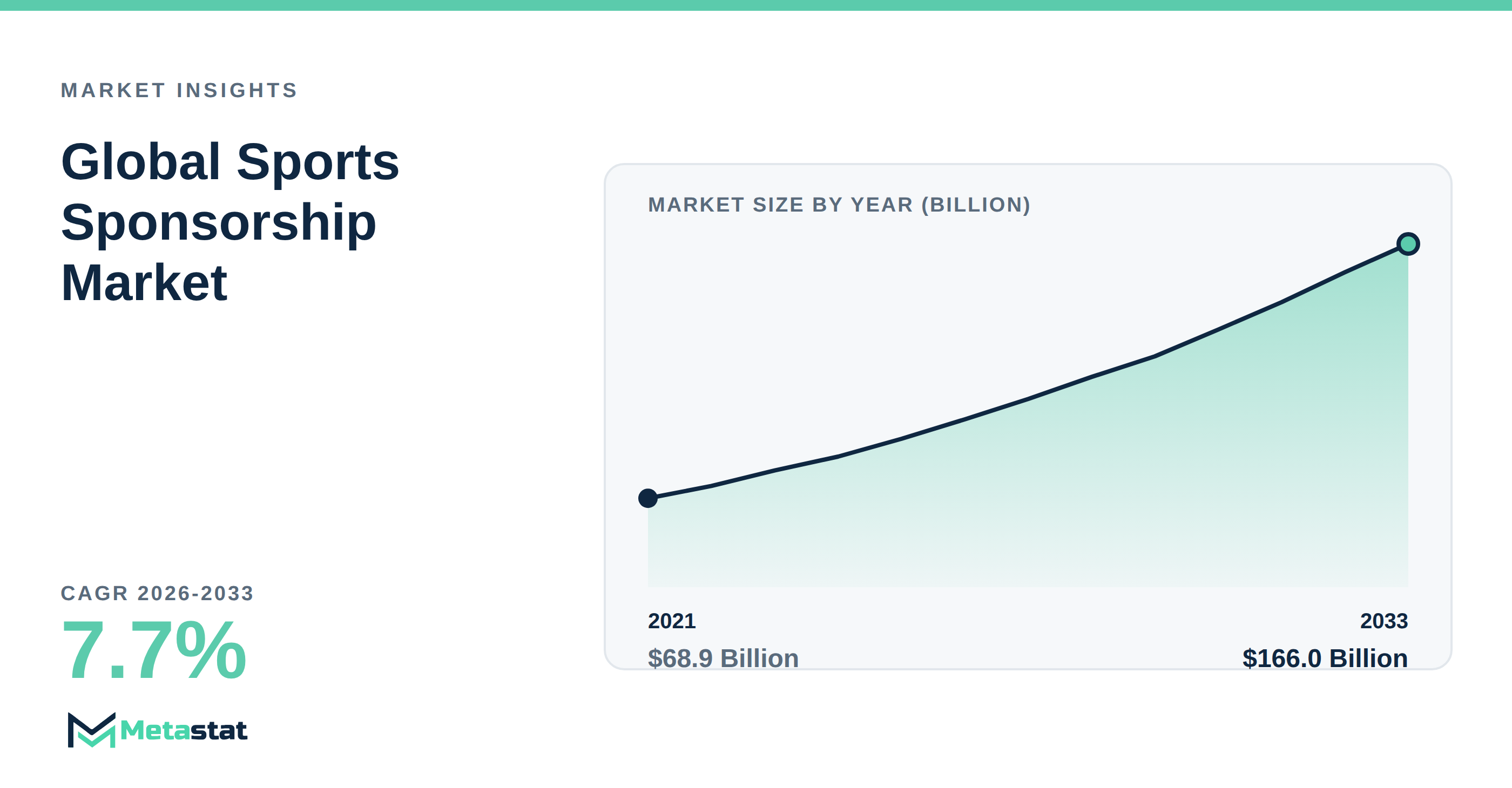
Several key factors contribute to the remarkable rise in event sponsorship. Enhanced viewership and participation in major sports events attract brands eager to capitalize on the excitement and visibility these events offer. Companies recognize that aligning with mainstream sports fosters greater brand loyalty and increases awareness among targeted audiences. Brands that engage with prominent events create memorable experiences that connect deeply with consumers.
Digital transformation significantly enhances the effectiveness of event sponsorships. Organizations invest in advanced technologies that facilitate real-time engagement with fans via social media platforms and streaming services. This strategy not only boosts audience interaction but enables sponsors to customize their marketing approaches to align with consumer expectations. Enhanced data analytics capabilities allow brands to evaluate engagement and refine their campaigns, leading to further investment in this fast-growing segment.
The rising emphasis on experiential marketing has shifted consumer preferences toward more immersive interactions. Brands that participate in event sponsorship create unique experiences that enable direct engagement with fans, bolstering their overall marketing effectiveness. This trend is notably appealing to companies in sectors including technology and consumer goods, which actively pursue innovative methods to connect with consumers.
Regulatory compliance plays a crucial role in shaping the event sponsorship environment. Sponsors navigate complex regulations related to advertising and promotional activities, ensuring they adhere to ethical standards. Effectively managing these compliance challenges fosters positive brand associations and encourages long-lasting relationships with consumers. Brands that prioritize transparency and ethical practices in their sponsorship endeavors are likely to benefit from increased engagement and loyalty.
Despite the positive trends, challenges remain within the event sponsorship segment. Economic factors including inflation and supply chain issues present obstacles that brands navigate carefully. A cautious stance toward investments restrict growth potential, especially during uncertain economic periods. However, organizations that maximize existing partnerships and align their strategies with shifting consumer preferences are well-positioned for sustained success in this segment.
In conclusion, the event sponsorship segment stands out within the Sports Sponsorship market due to its strong growth projections and the various factors driving its expansion. With anticipated revenues reaching USD 53.5 billion by 2033, this segment showcases the advantages for brands seeking to engage with audiences through vibrant and culturally relevant experiences.
To explore further insights regarding the Sports Sponsorship market, visit the Global Sports Sponsorship Market.
Tags
About the Author

LEAD ANALYST
Utkarsh Khirodkar is a Lead Market Research Analyst at MetaStat Insight, specializing in market intelligence, technology sector assessments, and competitive strategy.