
Hydraulic fracturing is projected to grow significantly in the Well Stimulation market, driven by energy demands and technological advancements.
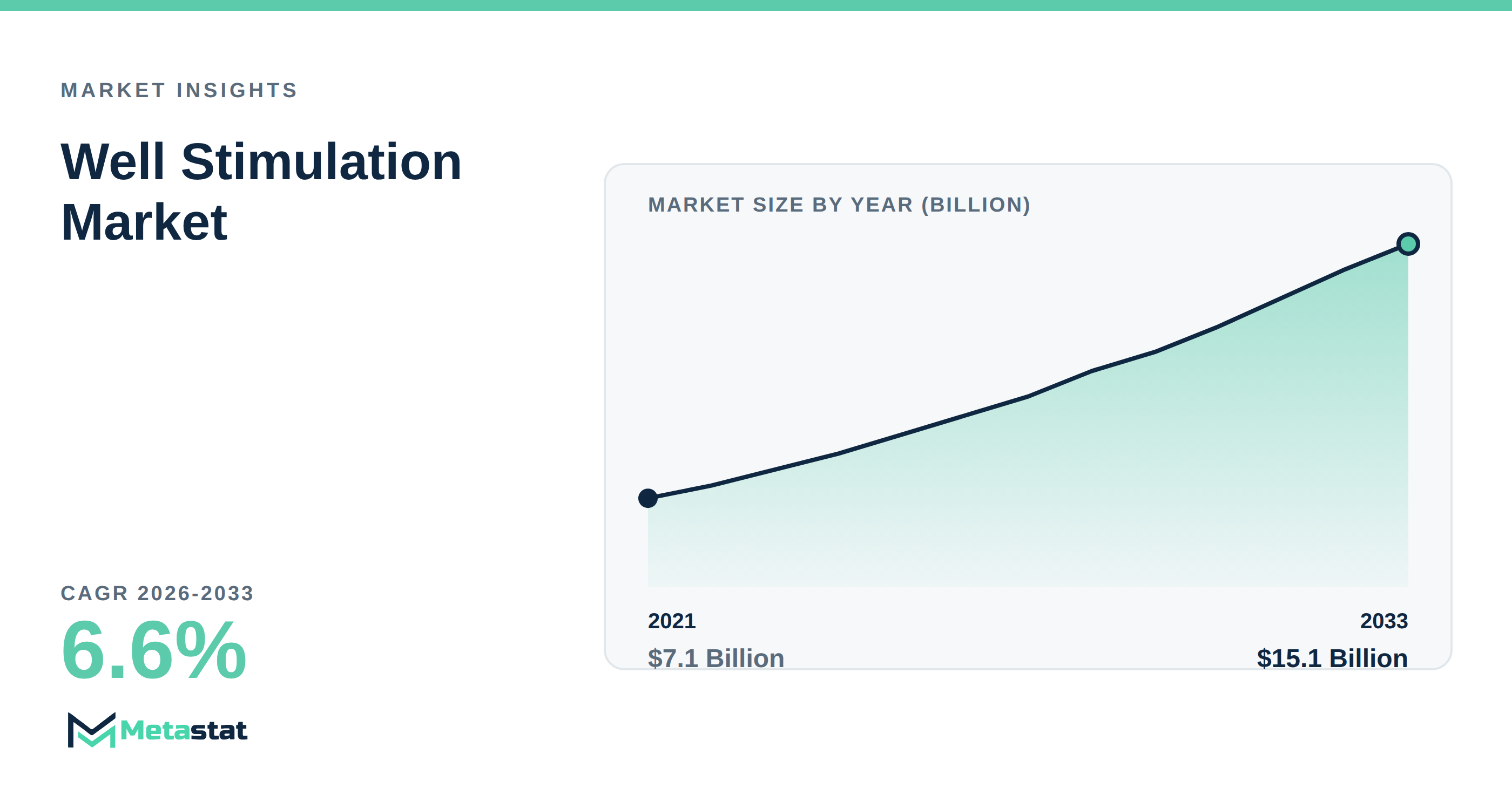
Hydraulic fracturing continues to advance in the Well Stimulation market, projected to increase from USD 6 billion in 2026 to USD 9.2 billion by 2033. This growth reflects a compound annual growth rate of 6.3%. Key factors contribute to the upward trajectory of this segment, influencing both market dynamics and operational strategies.
What drives the growth of hydraulic fracturing?
Rising global energy demands and the necessity for effective oil and gas extraction techniques primarily drive the growth of hydraulic fracturing. This stimulation method enables operators to access previously untapped reserves, particularly in shale formations that play a critical role in meeting energy requirements. Advancements in technology have catalyzed the adoption of hydraulic fracturing, significantly enhancing extraction efficiency. Companies are investing in advanced proppants and fluid systems, allowing for improved performance in the hydraulic fracturing process.
How does technology integration influence hydraulic fracturing?
Investment in technology significantly influences the growth of the hydraulic fracturing segment. Automation, artificial intelligence, and comprehensive data analytics have become essential for optimizing operational efficiency. These innovations reduce costs while increasing productivity by streamlining processes and supporting real-time decision-making. Companies that integrate such technologies gain a competitive advantage due to their enhanced operational efficiency and reduced environmental impacts.
What impacts do regulatory frameworks have on hydraulic fracturing?
Stricter regulations focusing on environmental sustainability influence the hydraulic fracturing market. Companies are prompted to adopt more efficient and cleaner methods to meet compliance standards. This emphasis on sustainable practices encourages operators to invest in next-generation solutions that minimize environmental impacts while improving resource recovery rates. Meeting regulatory requirements not only enhances operational standards but positions companies favorably in an increasingly sustainability-driven market.
How does market competition affect hydraulic fracturing?
The competitive environment for hydraulic fracturing features several key players, including Baker Hughes Company, Halliburton, and SLB (Schlumberger Limited). These companies actively explore strategic opportunities to strengthen their market presence. The fragmented nature of this sector promotes collaborations and mergers among companies looking to consolidate their capabilities. Such dynamics encourage ongoing innovation and the development of advanced stimulation methods tailored to evolving extraction needs, driving further adoption of hydraulic fracturing techniques.
What does the future hold for hydraulic fracturing in the Well Stimulation market?
The outlook for hydraulic fracturing in the Well Stimulation market appears promising. While global energy demands continue to escalate and operators prioritize enhanced recovery rates, this segment is set to maintain its lead. The integration of innovative technologies alongside adherence to regulatory frameworks will bolster operational capabilities. This trend positions hydraulic fracturing because a leading technique and a crucial element in the industry's shift toward sustainable practices.
For more detailed insights and forecasts, visit the Global Well Stimulation Market report.
Tags
About the Authors

LEAD ANALYST
Utkarsh Khirodkar is a Lead Market Research Analyst at MetaStat Insight, specializing in market intelligence, technology sector assessments, and competitive strategy.

PRINCIPAL CONSULTANT - ENTERPRISE AI & EMERGING TECHNOLOGIES
Banking & Finance · Electronics and Semiconductor · Energy and Power · Healthcare IT · Information & Technology · Professional Services
Vijay Gunti is a Principal Consultant at MetaStat Insight, bringing over two decades of experience across enterprise digital transformation, technology strategy, and intelligent systems.

ENERGY & INFRASTRUCTURE INDUSTRY CONSULTANT
Automotive and Transportation · Electronics and Semiconductor · Energy and Power · Machinery & Equipment
Saurabh Vasant Ganvir consults for Energy & Infrastructure Industry at MetaStat Insight, specializing in renewable energy, solar EPC, and electric vehicle (EV) infrastructure markets.