
Data acquisition is pulling ahead of other segments in Geophysical Services, driven by technological advancements and rising investments in exploration.
The demand for data acquisition in the market for Geophysical Services is outpacing other segments, making it a focal point for companies involved in exploration and resource management. This trend reflects a shift in priorities across diverse industries, particularly in oil and gas, mining, and environmental assessments. The ability to capture precise and reliable geophysical data has become essential, leading organizations to invest significantly in this area. Geophysical Services market size and forecast report
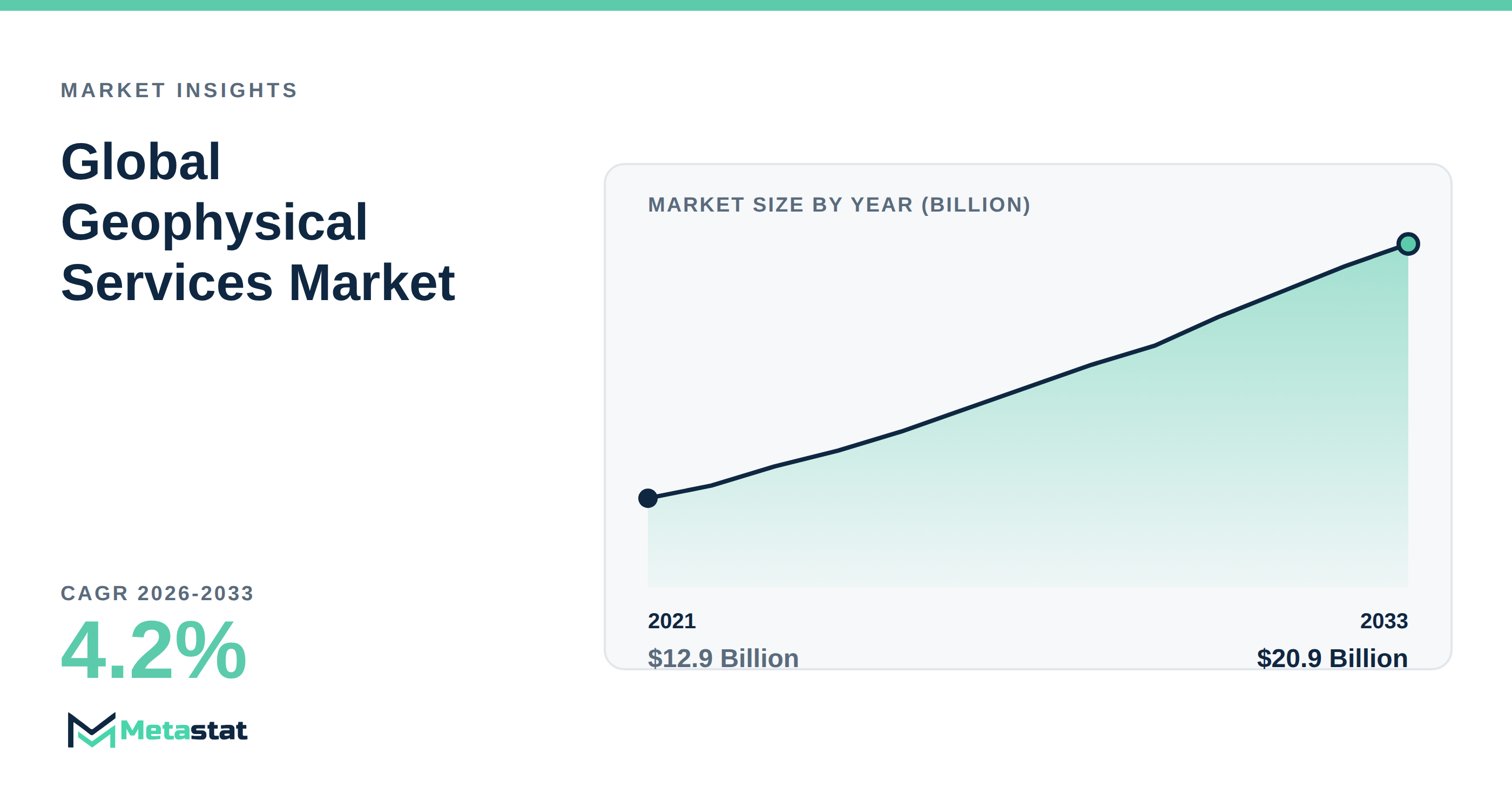
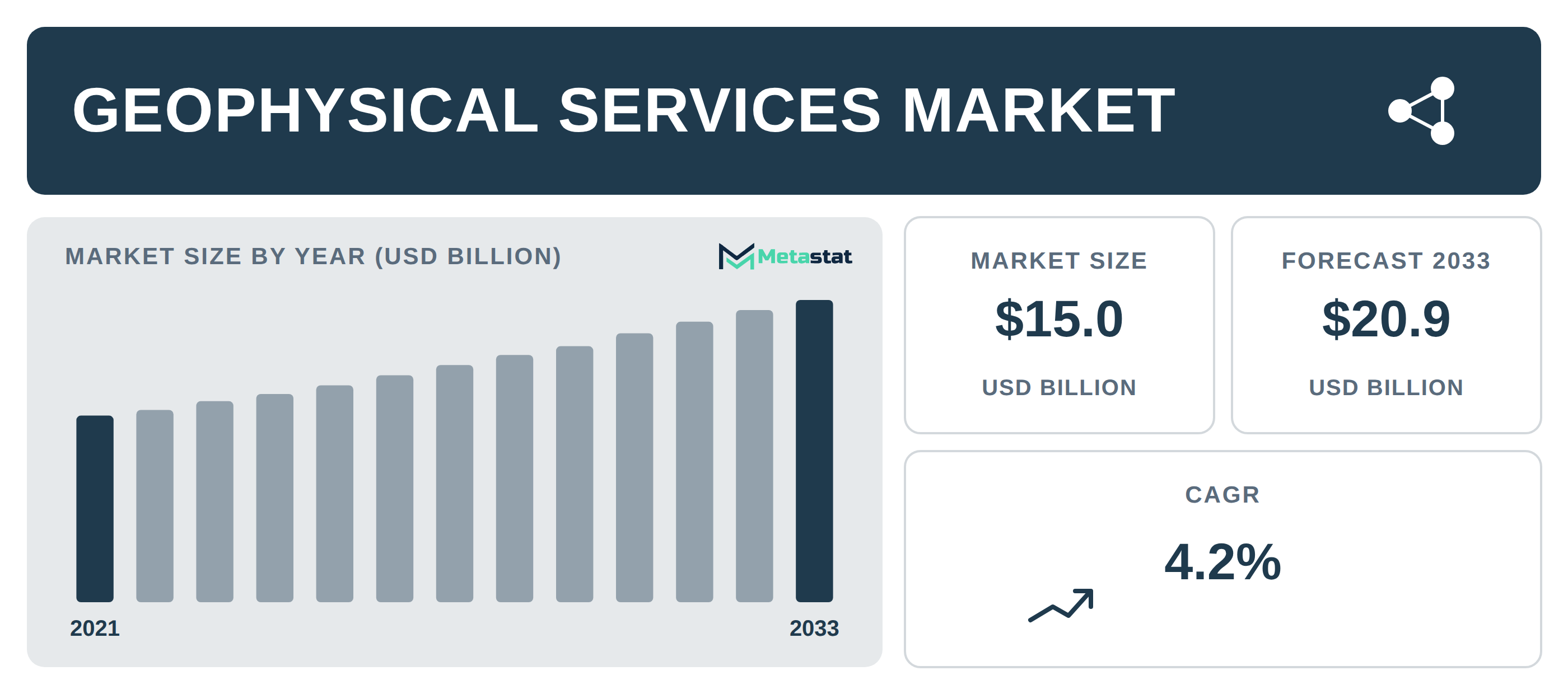
Data acquisition services, valued at USD 8 billion in 2026, are projected to expand to USD 10.2 billion by 2033, reflecting a compound annual growth rate of 3.6% during this period. Various factors drive this performance, including the growing need for precise subsurface insights and the rising complexity of geological formations. Companies recognize that foundational data is vital for effective decision-making in exploration and resource management, resulting in increased investment in data acquisition technologies.
Why is data acquisition leading the way?
The dominance of data acquisition stems from its fundamental importance in the success of exploration projects. As industries intensify their efforts to efficiently identify and quantify subsurface resources, the demand for high-quality data has surged. In the oil and gas sector, for example, accurate measurements directly impact project profitability and operational efficiency. This segment fulfills immediate exploration needs and sets the stage for later data processing and interpretation efforts.
Technological advancements fueling demand
Recent technological advancements have greatly influenced data acquisition methods. Innovations like full-waveform inversion (FWI) and ocean-bottom node (OBN) reimaging have improved the precision of subsurface imaging, drawing investments from companies seeking better resource identification and recovery. Utilizing these advanced techniques minimizes risks related to subsurface activities and enhances resource extraction.
The incorporation of artificial intelligence and machine learning in data processing has streamlined acquisition processes, enabling quicker and more precise analyses. This technological evolution elevates operational efficiency and creates a competitive edge for firms that adopt these innovations early on.
Impact of rising investment in energy exploration
Growing investment in energy exploration, particularly within the oil and gas sector, plays a significant role in driving demand for data acquisition services. With spending expected to increase from USD 9.1 billion in 2026 to USD 11.4 billion by 2033, this trend highlights the importance of advanced geophysical solutions. Companies allocate substantial resources to improve exploration effectiveness and optimize well placement, subsequently increasing the demand for data acquisition.
Fluctuations in crude oil prices and energy demands compel operators to seek innovative solutions that enhance the accuracy of their exploration activities. By prioritizing data acquisition, firms improve their chances of successfully identifying reserves in a competitive landscape.
Emerging applications and future potential
Emerging applications in mineral exploration and environmental assessments present additional opportunities for data acquisition services. The surge in renewable energy initiatives, including offshore wind and geothermal projects, further stimulates the demand for geophysical data, signaling a broader industry shift toward sustainable practices.
Companies investing in data acquisition methods will gain not only from current demand but position themselves strategically for future opportunities in evolving sectors. By focusing on data acquisition, businesses enhance their operational capabilities, streamline exploration processes, and align with regulatory requirements, ensuring they remain competitive in a continually evolving environment.
Tags
About the Authors

LEAD ANALYST
Utkarsh Khirodkar is a Lead Market Research Analyst at MetaStat Insight, specializing in market intelligence, technology sector assessments, and competitive strategy.

PRINCIPAL CONSULTANT - ENTERPRISE AI & EMERGING TECHNOLOGIES
Banking & Finance · Electronics and Semiconductor · Energy and Power · Healthcare IT · Information & Technology · Professional Services
Vijay Gunti is a Principal Consultant at MetaStat Insight, bringing over two decades of experience across enterprise digital transformation, technology strategy, and intelligent systems.

PRINCIPAL CONSULTANT - QUALITY SYSTEMS & COMPLIANCE
Electronics and Semiconductor · Machinery & Equipment · Professional Services
Omkar Phadtare is an Industry Consultant at MetaStat Insight, specializing in quality systems, regulatory compliance, and standards benchmarking to drive data-driven market intelligence and strategic industry research.

LEAD CONSULTANT - COMMUNICATION, TELECOM, AND IT
Electronics and Semiconductor · Information & Technology · Machinery & Equipment · Professional Services
Ravindra Sathe Consultants for Communication, Telecom, and IT at MetaStat Insight. He leads the firm's industry research initiatives across telecommunications infrastructure, digital connectivity, enterprise networking, and emerging information technology domains.