
The demand for Specialty Fats and Oils is evolving, with specialty oils emerging as the dominant segment due to changing consumer preferences and innovative product developments.
Specialty oils are emerging as a dominant segment within the Specialty Fats and Oils landscape, significantly surpassing other categories. This trend is driven by consumer preferences for healthier options and innovative formulations developed by manufacturers. As buyers increasingly seek products that enhance quality and meet health-oriented demands, specialty oils have positioned themselves as key players in this growing sector. For more detailed insights, refer to the Specialty Fats and Oils market size and forecast report.
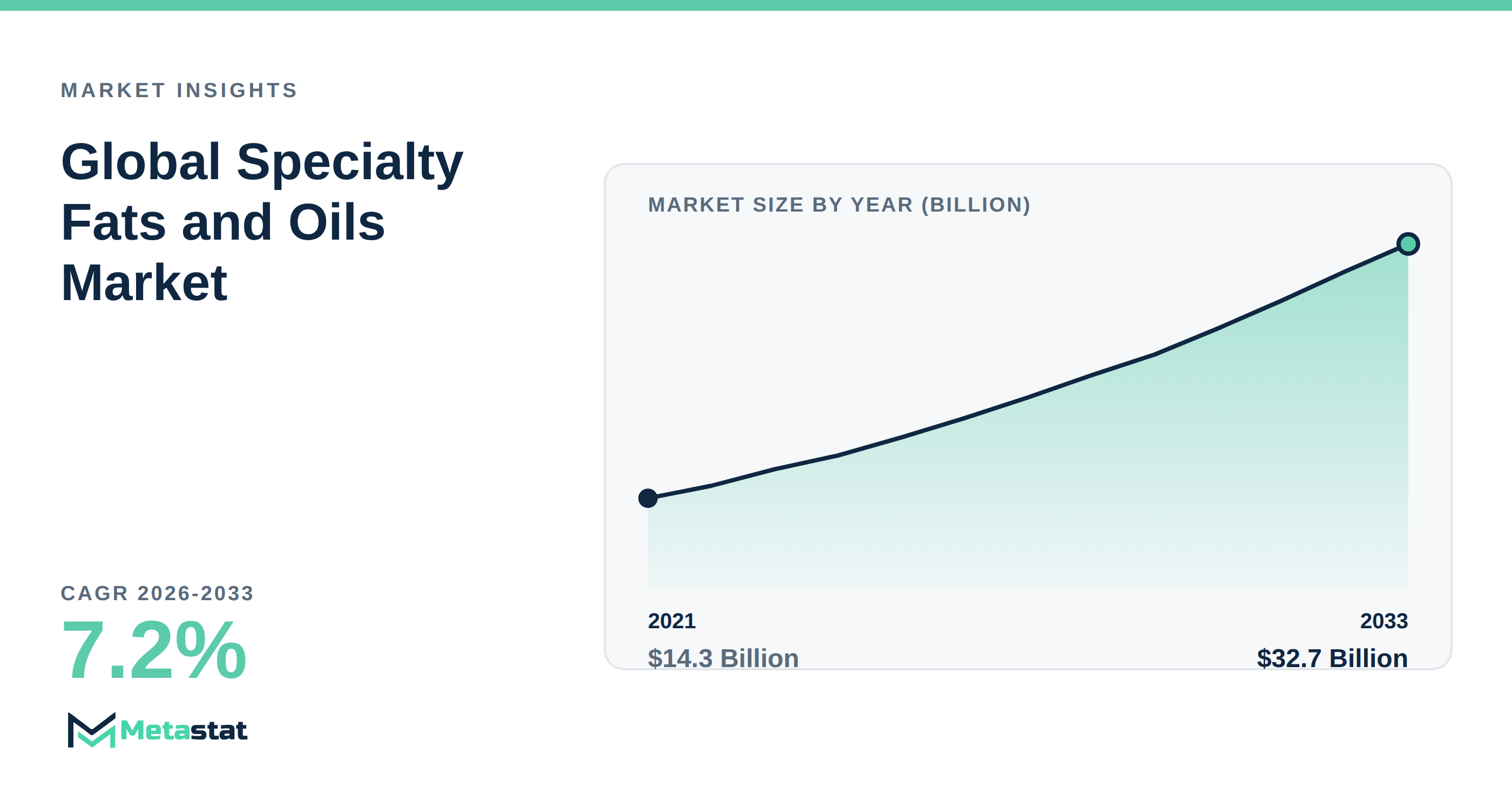
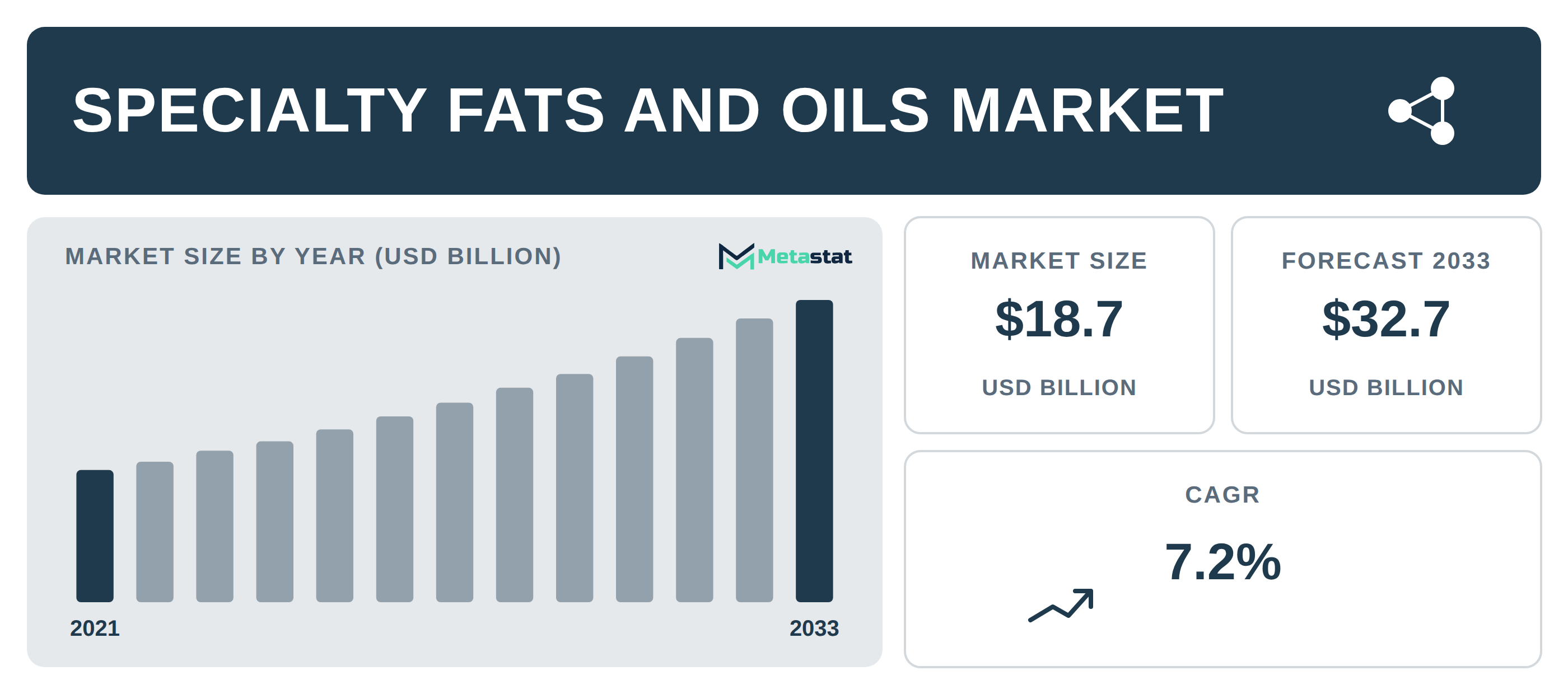
The global demand for specialty fats reached a valuation of USD 18.7 billion in 2025, with projections indicating significant growth in the years ahead. Within this landscape, specialty oils hold a notable share, valued at USD 14.3 billion in 2026 and expected to increase to USD 22.6 billion by 2033. This segment's remarkable growth stems from its extensive application across various food industries, particularly in the confectionery and bakery sectors, where enhancing texture and flavor is crucial.
Consumer interest in health and wellness is a significant force driving the demand for specialty oils, as they are perceived as healthier alternatives to traditional fats. This shift aligns with evolving dietary preferences, particularly among younger demographics who prioritize clean-label ingredients and functional benefits in their food choices. Such changes compel manufacturers to reformulate their products to cater to these emerging trends, establishing a competitive edge.
What is driving the demand for specialty oils?
Several factors contribute to the increasing consumption of specialty oils. A key driver is the growing popularity of plant-based products, leading to higher adoption of oils derived from sustainable sources. Consumers are actively seeking products that align with their values regarding health and environmental sustainability. This shift emphasizes the importance of transparency in ingredient sourcing, compelling manufacturers to innovate while maintaining high standards in product quality.
Another factor boosting demand is the expanding range of applications for specialty oils. Users in the food production industry look for versatile, high-performance oils that enhance the taste and mouthfeel of products while meeting specific nutritional needs. These oils are increasingly used across various food applications, providing improved sensory attributes and catering to health-conscious consumers.
How are manufacturers adapting to meet growing demand?
To capture the rising demand, manufacturers are prioritizing innovations in the formulation of specialty oils. Embracing technologies like enzymatic interesterification allows companies to create oils that meet consumer expectations without compromising quality. This advancement leads to the production of trans-fat-free oils that maintain desirable melting profiles, effectively responding to the consumer shift towards healthier options.
While the demand for traceable and sustainably sourced ingredients rises, manufacturers invest in certifications that demonstrate compliance with environmental standards. Companies including Cargill and AAK AB focus on sourcing specialty oils from sustainable practices, fostering consumer trust and loyalty within the sector.
Market challenges and opportunities
Although the specialty oils segment is experiencing substantial growth, challenges related to raw material costs and supply chain disruptions persist. Rising prices for essential ingredients, particularly palm and palm kernel oils, may affect manufacturers' pricing strategies and overall profitability. Buyers in the bakery and confectionery sectors are notably impacted, as these segments rely heavily on cost-effective sourcing.
However, the emphasis on health-conscious formulations presents opportunities for product differentiation. While manufacturers innovate to enhance their offerings, they attract a broader consumer base looking for quality and functionality. The ability to provide specialized oils that meet specific dietary needs positions companies favorably within an increasingly competitive environment.
Conclusion
The demand for Specialty Fats and Oils is evolving, with specialty oils leading the charge due to changing consumer preferences and innovative product developments. While the focus on healthier, plant-based options continues, manufacturers respond by creating diverse and functional oils that align with market trends. By prioritizing sustainability and quality, companies successfully capitalize on the growing demand for specialty oils in the market.
Tags
About the Authors

LEAD ANALYST
Utkarsh Khirodkar is a Lead Market Research Analyst at MetaStat Insight, specializing in market intelligence, technology sector assessments, and competitive strategy.

LEAD PRINCIPAL ANALYST, PHARMA AND HEALTHCARE
Food and Beverages · Healthcare · Healthcare IT · Medical Devices
Ajay Devgire is the Lead Healthcare Analyst at MetaStat Insight, leading strategic research and market intelligence initiatives across the global healthcare domain.

SENIOR RESEARCH ANALYST
Biotechnology · Food and Beverages · Medical Devices · Packaging
Snehal Pasalkar is a Research Analyst at MetaStat Insight, operating at the intersection of life sciences research, competitive strategy, and market intelligence.