
Explore the rise of Type III collagen in the yeast-derived collagen market and the factors driving its demand across various applications.
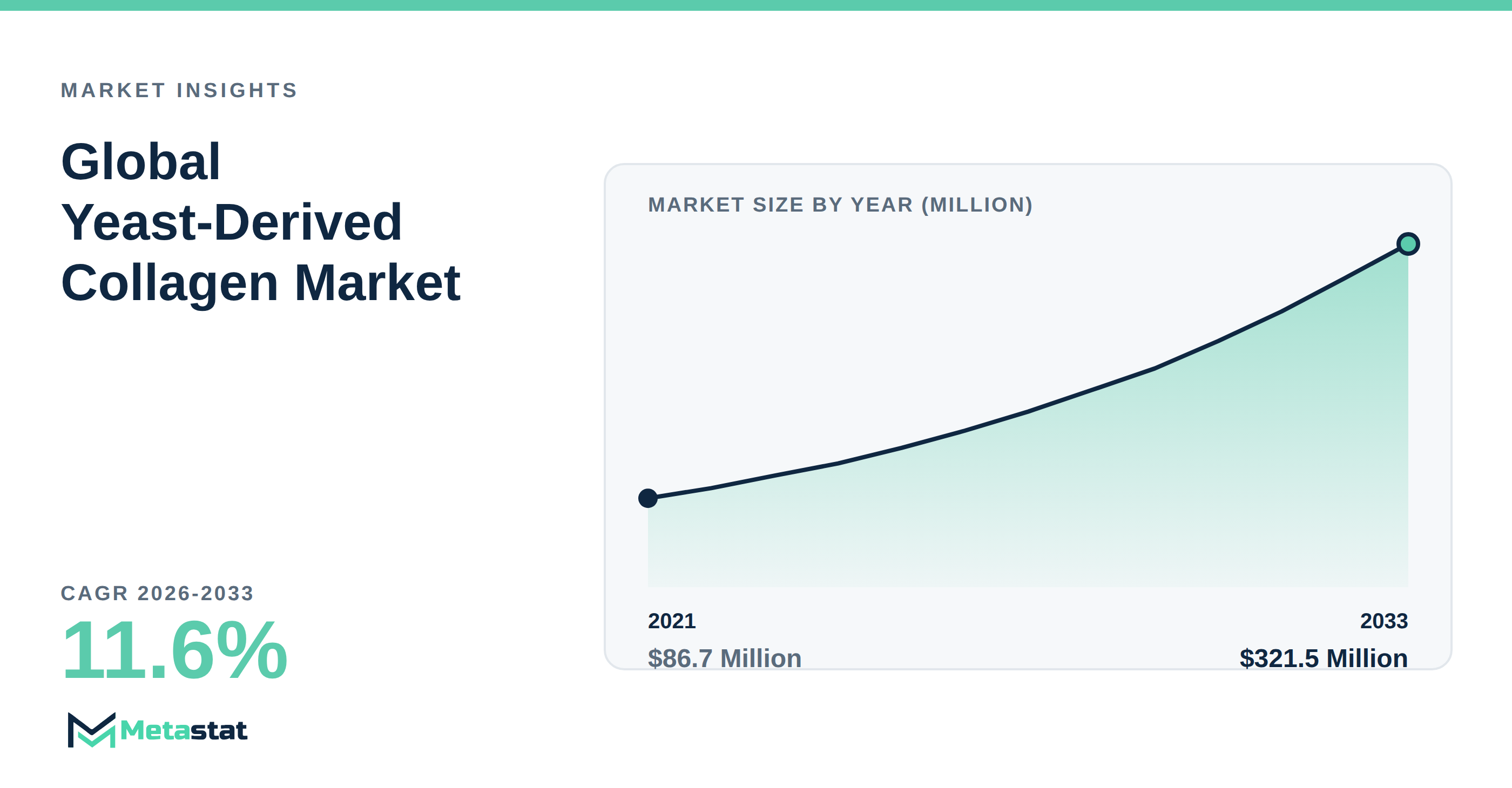
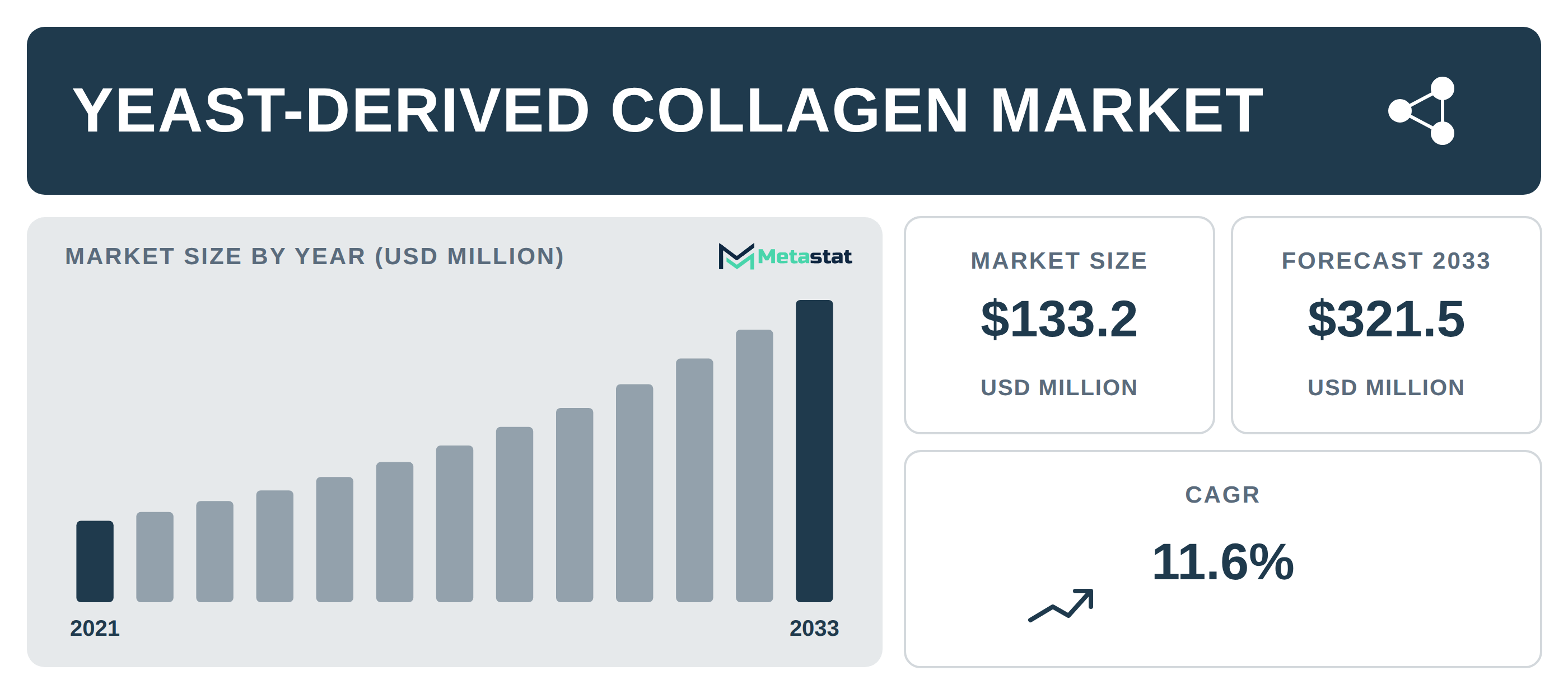
Type III collagen is emerging as the leading segment in the market for yeast-derived collagen, reflecting a shift in consumer preferences towards products that enhance skin health and support anti-aging benefits. The projected value of Type III collagen is expected to soar to USD 168.5 million by 2033, highlighting a substantial demand across various applications. The full figures are in our Yeast-Derived Collagen market size and forecast report.
This segment's rise largely attributes to its effectiveness in improving skin elasticity and hydration, essential qualities for cosmetics and personal care products. While consumers grow increasingly aware of the benefits associated with collagen, particularly in the context of skin rejuvenation, manufacturers are incorporating Type III collagen into their formulations. This trend is particularly notable in skincare products targeting aging and skin health, where effectiveness is critical.
Demand for Type III collagen is not solely driven by consumer preferences; it reflects the evolving landscape among manufacturers who innovate to meet these expectations. The focus on developing clean-label products, which emphasize natural sourcing and transparency, aligns with the growing consumer inclination toward effective and sustainable ingredients. This convergence of interests presents a compelling opportunity for brands prioritizing Type III collagen.
Another critical aspect contributing to the segment's expansion is the increasing emphasis on non-invasive medical aesthetics. With more consumers seeking effective yet less invasive solutions to enhance their appearance, applications of Type III collagen in cosmetic procedures are rising. This trend aligns with the overall growth trajectory of the medical aesthetics sector, anticipating significant advancements and innovations in treatment options.
Technological advancements in yeast fermentation processes further enhance the quality and bioavailability of Type III collagen. Improved extraction methods enable manufacturers to produce higher-yielding and more effective collagen products. By offering diverse formulations with enhanced efficacy, companies position themselves to meet the specific needs of health-conscious consumers.
Despite the promising outlook for Type III collagen, challenges remain. Price sensitivity associated with collagen products limits engagement, particularly among smaller brands. Higher retail prices resulting from production costs deter companies from embracing this ingredient, slowing overall uptake. Nevertheless, manufacturers who invest in optimizing production and adhering to stringent quality standards remain well-positioned to capitalize on the growing demand.
The predominance of Type III collagen in yeast-derived solutions indicates a clear market preference and a strategic advantage for companies focused on innovation and consumer health. Aligning product development with the rising demand for effective and natural ingredients enhances market positioning, allowing stakeholders to capture a larger share of the expanding demand for Yeast-Derived Collagen.
Tags
About the Authors

LEAD ANALYST
Utkarsh Khirodkar is a Lead Market Research Analyst at MetaStat Insight, specializing in market intelligence, technology sector assessments, and competitive strategy.

SENIOR RESEARCH ANALYST
Biotechnology · Food and Beverages · Medical Devices · Packaging
Snehal Pasalkar is a Research Analyst at MetaStat Insight, operating at the intersection of life sciences research, competitive strategy, and market intelligence.