
Explore the growing demand for thermally broken systems in the UK Aluminium Doors and Windows market, driven by energy efficiency and aesthetics.
Thermally broken systems are pulling ahead as a preferred choice in the market for UK Aluminium Doors and Windows. This trend reshapes purchasing decisions among consumers and influences manufacturers across the industry. The full figures are in our UK Aluminium Doors and Windows market size and forecast report.
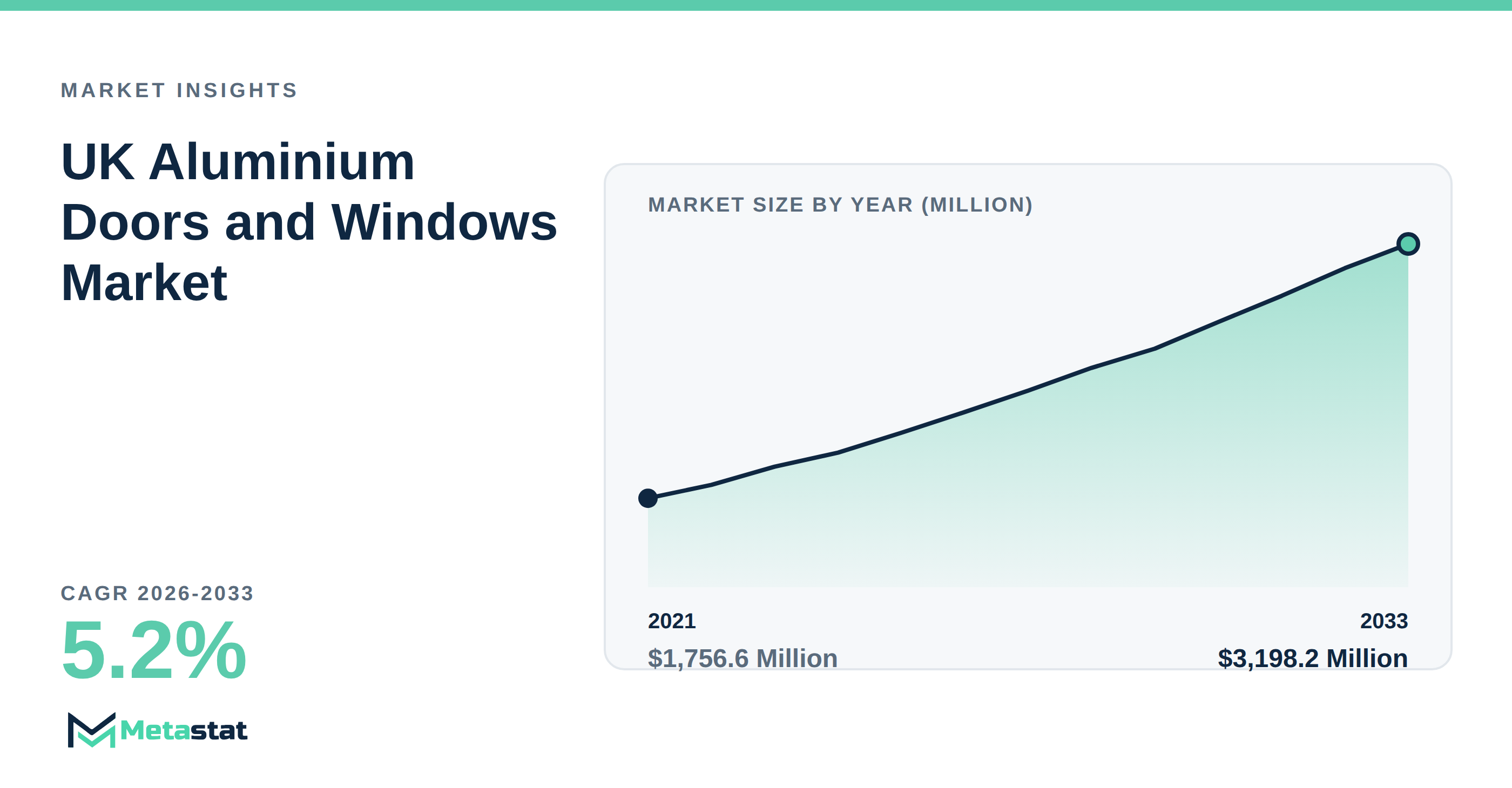
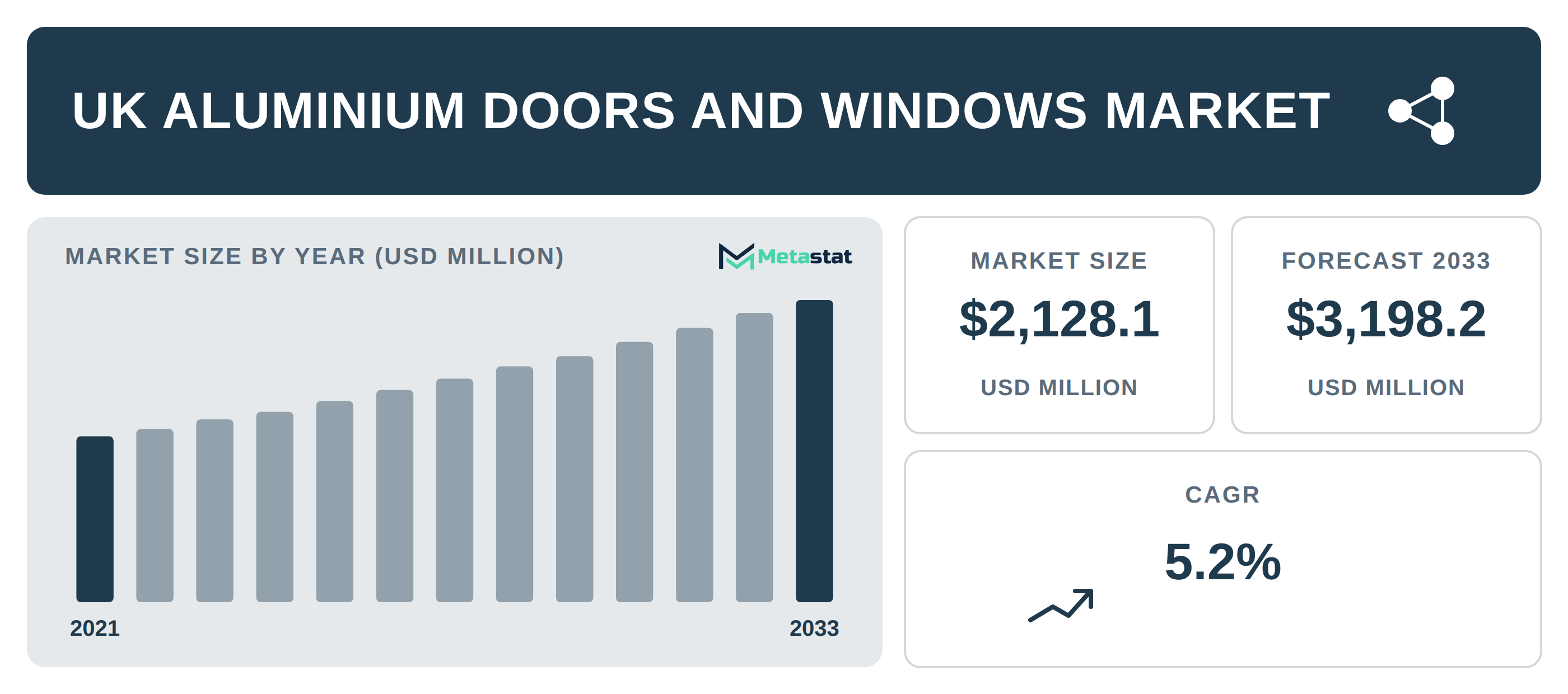
The demand for thermally broken systems stems from their enhanced energy efficiency compared to traditional options. Rising energy costs lead homeowners and businesses to prioritize solutions that help reduce utility bills. By 2033, revenues for thermally broken systems are projected to rise to USD 2,983.3 million, indicating a robust growth in energy-efficient options. Such financial shifts highlight changing consumer priorities towards sustainability, supported by regulations that encourage eco-friendly building practices.
What drives the demand for thermally broken systems?
Several factors contribute to the increasing demand for thermally broken systems in the market for UK Aluminium Doors and Windows. A primary driver is the heightened awareness surrounding energy conservation among consumers. Homeowners and property managers embrace these systems to align with energy efficiency standards and minimize their carbon footprints. This emphasis on sustainability connects with buyers who seek products that offer long-term savings and support environmental initiatives.
Thermally broken systems provide aesthetic advantages. Consumers value the sleek, modern appearance of these solutions, enhancing the overall appeal of properties. The fusion of energy savings and visual attractiveness positions thermally broken systems favorably within the competitive landscape.
How do thermally broken systems compare to non-thermally broken options?
Comparing thermally broken systems to non-thermally broken alternatives reveals significant performance differences. Non-thermally broken systems often attract budget-conscious buyers due to their lower initial costs. However, their lack of advanced insulation features results in greater energy consumption over time, leading to increased expenses for homeowners.
While the market for non-thermally broken systems is expected to grow, it will do so at a much slower rate. By 2033, this segment is projected to reach USD 214.9 million, reflecting a decline that emphasizes a shift in buyer preferences towards energy-efficient solutions. This trend pushes non-thermally broken systems into the background.
What opportunities exist for manufacturers in this segment?
Manufacturers within the market for UK Aluminium Doors and Windows capitalizes on the growing demand for thermally broken systems by investing in new technologies and materials. The focus on energy efficiency and sustainability influences product development strategies. Companies that create visually appealing, high-performance thermal solutions are well-positioned to lead in revenue generation.
The trend toward customization allows manufacturers to differentiate their offerings. Tailoring thermally broken systems to meet specific consumer needs - including varied aesthetic preferences or performance criteria - can improve competitive positioning. Integrating smart technology features into these systems attracts tech-savvy consumers seeking convenience and modern solutions.
What does this mean for buyers and the overall market?
The increasing preference for thermally broken systems signifies a meaningful shift in buyer behavior. Consumers prioritize energy performance, aesthetics, and sustainability more than ever. This change compels suppliers to broaden their product lines and enhance service offerings. Investing in research and development becomes vital for companies aiming to adapt to evolving consumer demands.
Ultimately, thermally broken systems are not merely leading the market for UK Aluminium Doors and Windows; they are shaping the future of the industry. The rising demand is driven by a combination of energy efficiency, aesthetic appeal, and sustainable practices. This trend underlines the necessity for manufacturers to innovate and adapt to sustain relevance in a competitive environment.
Tags
About the Authors

LEAD ANALYST
Utkarsh Khirodkar is a Lead Market Research Analyst at MetaStat Insight, specializing in market intelligence, technology sector assessments, and competitive strategy.

INDUSTRY CONSULTANT - CHEMICALS & ADVANCED MATERIALS
Chemicals and Materials · Machinery & Equipment · Packaging
Amit Gadhekar Consultant for Chemicals and Materials at MetaStat Insight, directing sector-specific intelligence, research, and strategic consulting across global chemical and processing markets.