
LEAD ANALYST
Utkarsh Khirodkar is a Lead Market Research Analyst at MetaStat Insight, specializing in market intelligence, technology sector assessments, and competitive strategy.

Global Aircraft Life Jackets Market Size, Share, By Product Type (Passenger Life Jackets, Crew Life Jackets, Infant Life Jackets, Aircrew Life Jackets, Helicopter Life Vests, Constant-Wear Aviation Life Vests, and Training Life Jackets), By Aircraft Platform (Commercial Narrow-Body Aircraft, Commercial Wide-Body Aircraft, Regional Aircraft, Business Jets, General Aviation Aircraft, Helicopters, and Military and Special-Mission Aircraft), By Sales Channel (OEM and Line-Fit Supply, Direct Airline and Aircraft Operator Procurement, Aftermarket Replacement, and MRO and Authorized Service Providers), By End User (Commercial Airlines, General Aviation Operators, Military Aviation Operators, and Government and Special-Mission Operators), Industry Analysis, Growth, Trends, and Forecast, 2026-2033
Report ID
MSI-4916
Published
August, 2026
Pages
260 Pages
Format
Historical
Base year
Forecast
Forecast period
Report Details
Choose Your License
Global Aircraft Life Jackets Market
The global Aircraft Life Jackets market was valued at USD 753.1 million in 2025 and is projected to reach USD 1,315.8 million by 2033, growing at a CAGR of 7.2% over the forecast period.
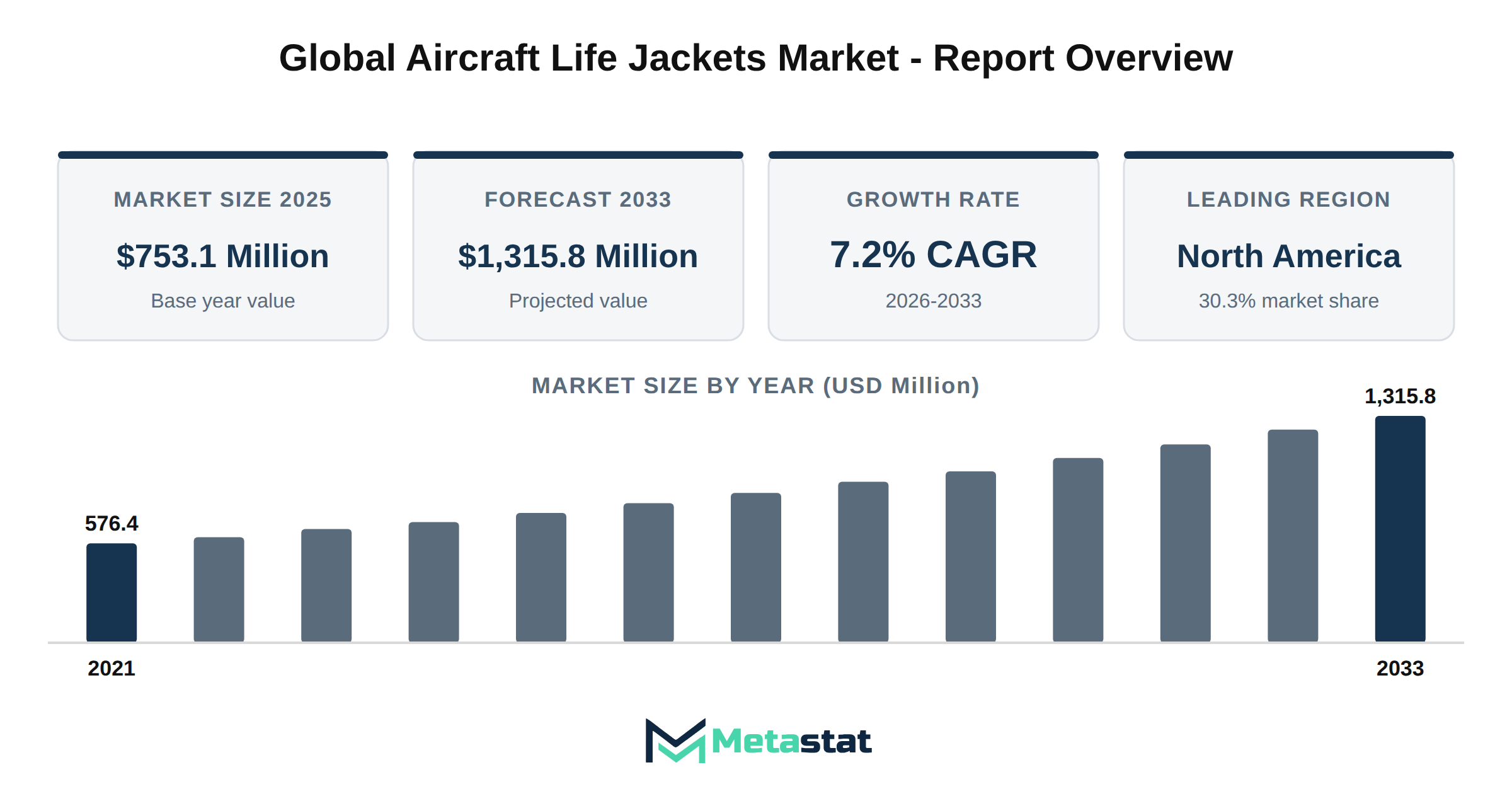
The Aircraft Life Jackets market reached a value of USD 753.1 million in 2025, following consistent growth from USD 576.4 million in 2021. The market is projected to expand significantly, with a forecast value of USD 1,315.8 million by 2033, reflecting a compound annual growth rate (CAGR) of 7.2% throughout the forecast period.
Growth drivers include an increasing focus on passenger safety and regulatory requirements mandating the presence of life jackets on aircraft. The demand for enhanced safety standards among commercial airlines and general aviation operators supports market expansion. Innovations in materials and design contribute to the development of more efficient and comfortable life jackets.
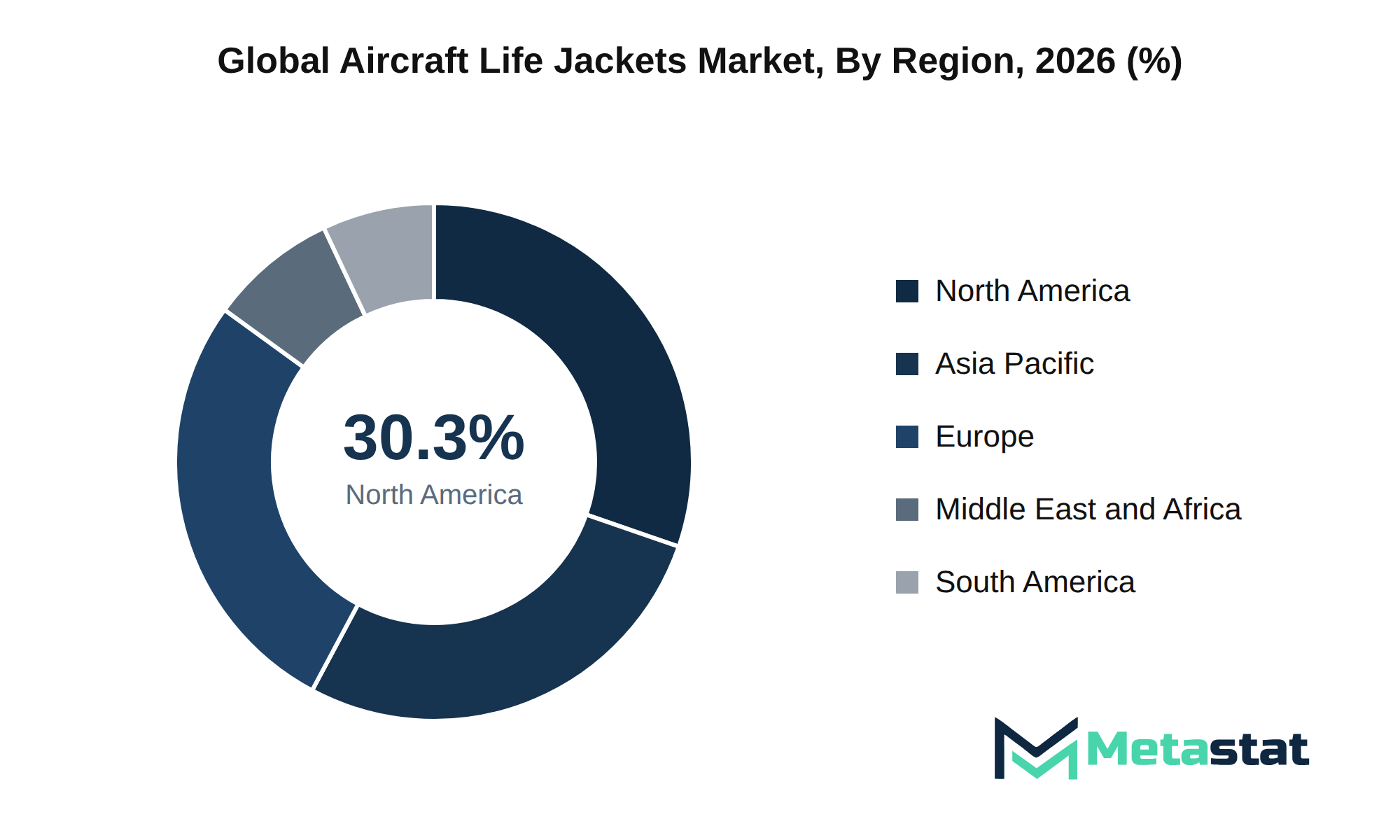
The regional distribution indicates North America leading the market with a share of 30.3%, followed closely by Asia Pacific at 27.5% and Europe at 27.2%. North America’s market value is expected to reach USD 375.8 million by 2033, maintaining a CAGR of 7.2%. The concentration of major airlines and manufacturers in these regions creates a competitive environment that drives growth and innovation.
Segment analysis shows that the product type segment, particularly passenger life jackets, demonstrates substantial growth potential. The segment is anticipated to grow from USD 360.9 million in 2026 to USD 565.4 million by 2033, with a CAGR of 6.6%. Crew life jackets and infant life jackets contribute to market dynamics, reflecting the increasing emphasis on safety for all passengers, including infants.
The Aircraft Life Jackets market navigates a complex environment shaped by multiple factors, including regulatory compliance and geopolitical risks. Compliance with international safety standards remains critical, driving demand for advanced life jackets that meet stringent requirements. Manufacturers face challenges linked to evolving regulations, necessitating continuous adaptation in product design and material selection to ensure safety and performance.
Research and development trajectories focus on next-generation innovations, emphasizing lightweight materials and enhanced buoyancy technologies. These advancements improve the effectiveness of life jackets while reducing weight, improving comfort for passengers and crew. Sustainable transformation trends push manufacturers towards environmentally friendly materials and production processes, aligning with broader decarbonization goals and circular economy dynamics.
The supply chain landscape for the market reflects a need for efficient logistics architecture and sourcing strategies. Disruptions in global supply chains expose vulnerabilities, prompting companies to reassess their procurement strategies and supplier relationships. Market fragmentation characterizes the competitive environment, with numerous players offering various product types, each vying for market share.
Merger and acquisition dynamics influence the landscape, driven by companies seeking to enhance their portfolios through strategic partnerships and acquisitions. Value chain optimization becomes essential for enhancing operational efficiency, reducing costs, and improving customer journey dynamics. Capital allocation strategies increasingly prioritize investments in infrastructure and technology to support growth initiatives and enhance competitive positioning.
Macroeconomic headwinds, including inflationary pressures and currency volatility, impact the market's financial landscape. Companies navigate these challenges to maintain profitability while pursuing growth opportunities. The future strategic outlook for the Aircraft Life Jackets market anticipates continued expansion, driven by rising demand for safety products in aviation, reinforcing corporate imperatives focused on innovation, compliance, and sustainability.
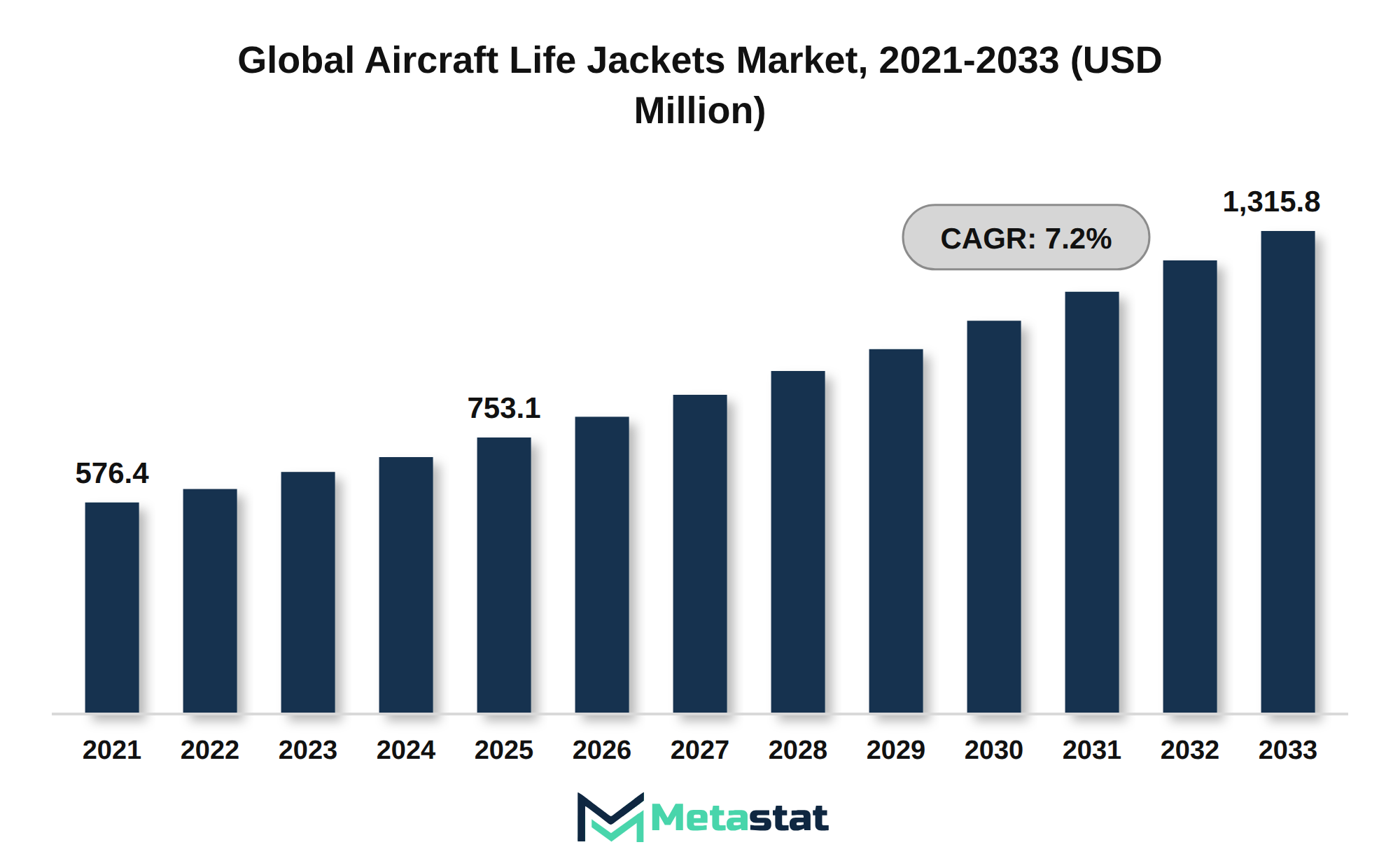
The Aircraft Life Jackets market experiences significant growth driven by macro-economic factors, particularly global GDP growth. Increased economic activity translates into heightened air travel demand, directly impacting the need for safety equipment including life jackets. Enhanced capital investment environments, characterized by interest rate stability and venture funding, support industry expansion. Airlines invest in modernization to comply with safety standards and enhance passenger experience, leading to a notable increase in life jacket procurement.
The rising number of commercial airline operations globally contributes to an expanding customer base for aircraft life jackets. Increased frequency of flights, along with a growing emphasis on safety protocols, drives airlines to prioritize the acquisition of high-quality life jackets. This trend creates a robust demand environment within the market, increasing competition among manufacturers.
Investments in infrastructure development play a crucial role in shaping the aircraft life jackets market. Upgraded airport facilities and enhanced safety regulations necessitate compliance with stringent safety standards, driving further demand for life jackets. Consequently, manufacturers and suppliers benefit from increased orders and revenue opportunities, reinforcing the market growth trajectory.
Increased emphasis on safety standards and compliance initiatives significantly influences the Aircraft Life Jackets market. Investments in safety infrastructure and equipment upgrades arise from growing awareness of aviation safety among manufacturers and operators. While airlines focus on ensuring passenger safety, demand for advanced life-saving equipment, including aircraft life jackets, is rising. These investments reflect a commitment to meeting or exceeding safety regulations, ultimately enhancing brand reputation and customer trust.
Capital investment environments, including public and private funding, boost the development of new safety technologies and products. Enhanced funding opportunities for research and development enable manufacturers to innovate and improve life jacket designs, making them more effective and appealing to airlines and operators. This drive for innovation increases competition in the market, leading to the creation of differentiated products that cater to diverse customer needs.
While operational productivity is a priority for airlines, the demand for reliable and efficient safety equipment drives growth in the market. The trend towards digitizing legacy processes and adopting advanced technologies streamlines compliance efforts, ensuring that life jackets fulfill safety standards while optimizing production costs. Overall, these factors contribute positively to the market's growth trajectory, positioning it for expansion in the coming years.
Regulatory compliance remains a significant restraint for the Aircraft Life Jackets market, driven by stringent safety regulations that dictate manufacturing standards and operational protocols. Adherence to these regulations incurs substantial costs for manufacturers, impacting pricing strategies and profitability. Companies investing in compliance initiatives face challenges in balancing innovation with regulatory requirements, which delays product development and market entry.
Macroeconomic headwinds, including inflationary pressures and resource scarcity, contribute to increased operating costs within the market. These economic factors raise the financial burden on producers, influencing their ability to maintain competitive pricing while ensuring compliance with safety standards. Capital stagnation further exacerbates these challenges, affecting investment in new technologies and operational enhancements.
Supply chain disruptions caused by geopolitical instability and resource scarcity hinder timely access to essential materials needed for production. Such interruptions lead to production delays and increased costs, adversely affecting the market's growth trajectory. Consequently, this impacts the overall availability of life jackets in the aviation sector, restricting supply and affecting customer satisfaction.
Technological obsolescence poses another challenge, resulting from manufacturers continuously adapting to evolving safety standards and consumer expectations. Failure to innovate results in a loss of market share to competitors offering newer or more efficient products. The presence of alternative offerings, including inflatable vests or safety devices, introduces substitution risks that could shift consumer preferences away from traditional life jackets.
Infrastructure gaps and connectivity deficits in certain regions impede market penetration. Limited access to transportation and distribution networks restricts the ability of manufacturers to reach prospective buyers effectively. Skilled labor deficiencies complicate these challenges, because a shortage of qualified personnel limits production capacity and operational efficiency within the market.
Geopolitical fragmentation presents a significant challenge for the Aircraft Life Jackets market. Trade deficits and tariff friction disrupt the supply chains essential for sourcing components and materials. In an increasingly interconnected world, instability in international relations leads to abrupt changes in import and export regulations, complicating procurement strategies for manufacturers. The resulting volatility in component availability affects production schedules, increasing costs and leading to delays in bringing new products to market.
Technological disruptions further complicate the market environment. Rapid advancements in materials and manufacturing processes require continuous investments in research and development, which strain financial resources. Companies face challenges integrating complex technologies into their existing systems, hindering innovation. Interoperability friction between new and legacy systems leads to inefficiencies, impacting overall operational performance.
The Aircraft Life Jackets market experiences pressures from tightening global regulatory standards. Compliance overhead associated with evolving legal liabilities necessitates robust quality assurance measures, which require additional resources. This dynamic diverts funds from innovation toward maintaining compliance, limiting market participants’ ability to differentiate their offerings effectively.
External pressures including rising input costs and margin compression influence profitability. Companies struggle to balance these costs while meeting sustainability demands, which require investments in environmentally friendly materials and processes. This dual pressure creates a challenging financial environment, further complicating competitiveness within the Aircraft Life Jackets market.
The Aircraft Life Jackets market experiences a robust opportunity with the rise of technological innovations that enhance safety and operational efficiency. Advancements in materials science have led to the development of lighter and more durable life jackets, improving user experience and reliability. Smart technology integration, including wearables that monitor health metrics, attracts interest from commercial airlines seeking to improve safety measures while optimizing maintenance schedules. These innovations align with the ongoing trend of digital transformation within the aviation sector, prompting increased investments in high-performance life jackets.
Geographical expansion into emerging markets creates this opportunity. Regions including Asia Pacific and South America exhibit growing aviation sectors, fueled by rising passenger traffic and investments in infrastructure. These regions present a demand for modernized safety equipment, creating a favorable environment for the Aircraft Life Jackets market. Local manufacturers benefit from reduced import costs and enhanced supply chain efficiency by adapting production capabilities to these regions, facilitating market entry.
Strategic consolidation among key players enhances market competition, leading to a wider range of product offerings and improved market access. Mergers and acquisitions among suppliers allow for better resource allocation, encouraging innovation and product diversification. This consolidation supports the development of niche applications within the market, catering to specific needs of various aviation sectors, including military and special-mission operations.
The growing emphasis on sustainability influences purchasing behaviors, with airlines increasingly prioritizing eco-friendly products. Life jackets manufactured from recyclable materials or designed for extended lifecycles align with environmental, social, and governance (ESG) criteria adopted by many companies. This shift towards greener solutions opens new avenues for companies operating within the Aircraft Life Jackets market, establishing a competitive edge in an evolving environment.
The Global Aircraft Life Jackets market is segmented based on Product Type, Aircraft Platform, Sales Channel, and End User.
Valued at USD 360.9 million in 2026, the Passenger Life Jackets segment is projected to reach USD 565.4 million by 2033, at a CAGR of 6.6% during the forecast period. Increasing demand for passenger safety measures drives the expansion of this segment, fueled by heightened awareness of safety regulations and standards across the aviation industry. Adoption of advanced materials and technologies enhances product offerings, addressing evolving safety requirements and improving performance metrics.
The need for compliance with strict aviation safety guidelines promotes investment in modernized life jacket solutions. Innovations in design, including lightweight materials and compact forms, support better functionality and usability, appealing to airlines focused on enhancing passenger experience. The shift towards eco-friendly materials in manufacturing presents strategic opportunities, aligning with global sustainability efforts within the Aircraft Life Jackets market.
Regulatory compliance continues to shape market dynamics, driven by authorities establishing stringent standards for life-saving devices. Airlines and manufacturers invest in research and development to ensure that products meet these regulations, influencing cost structures and pricing strategies. Consequently, the Passenger Life Jackets segment is positioned for sustained growth, driven by both regulatory necessities and technological advancements.
Crew Life Jackets segment is estimated to reach USD 152.1 million by 2033, at a CAGR of 6.7% during the forecast period. Demand for crew life jackets stems from the consistent growth in the aviation sector, particularly within commercial airlines. Increased passenger traffic requires airlines to enhance safety measures, ensuring that crew members are equipped with reliable safety gear. The segment benefits from regulatory compliance, driven by stringent aviation safety standards that necessitate the inclusion of life jackets in aircraft equipment. Technological advancements in materials and design have led to the development of lighter and more efficient life jackets, enhancing usability for crew members without compromising safety. These innovations drive adoption rates and contribute to the overall growth of the Aircraft Life Jackets market. Cost structures impact pricing dynamics; manufacturers continually seek ways to optimize production processes while maintaining high safety standards. This strategic focus helps mitigate pricing volatility and margin pressures, ensuring competitive pricing for end users. Manufacturers face challenges related to raw material sourcing and supply chain resilience, particularly when fluctuations in material costs occur. The market recognizes the importance of strategic opportunity windows through investments in product development and marketing initiatives targeting commercial airlines. Overall, the Crew Life Jackets segment is significant in the broader Aircraft Life Jackets market, driven by evolving safety regulations and technological advancements that enhance crew safety and operational efficiency.
Growing awareness regarding child safety during air travel significantly increases the demand for Infant Life Jackets. Regulatory bodies emphasize stringent safety measures, necessitating that airlines equip aircraft with appropriate safety gear for younger passengers. The rising number of family travelers directly contributes to increased consumption of this sub-segment. Airlines focus on ensuring compliance with safety standards, driving investment in specialized safety equipment like Infant Life Jackets.
The segment is expected to reach USD 52 million by 2033, driven by a combination of technological enhancements and evolving consumer preferences. Technological maturation in materials and design enhances the functionality and comfort of Infant Life Jackets, making them more appealing to airlines and parents alike. Strategic opportunities arise from manufacturers innovating to meet the unique needs of infant safety, positioning themselves competitively within the Aircraft Life Jackets market.
Cost structures for Infant Life Jackets reflect the balance between premium materials and manufacturing processes. Price volatility remains a challenge, necessitating effective supply chain resilience to mitigate potential disruptions. Raw material sourcing strategies adapt to fluctuations in availability and pricing, influencing overall production costs. The overall impact on margins highlights the importance of effective pricing strategies to maintain competitiveness in the market.
Growth in the Aircrew Life Jackets segment aligns with increasing safety regulations across the aviation industry. Airlines emphasize compliance with stringent safety standards, driving demand for advanced life jackets specifically designed for aircrew members. This segment is projected to grow at a CAGR of 8.3% during the forecast period, indicating strong adoption rates among operators committed to enhancing safety for their personnel.
Technological advancements in materials and design contribute to the evolution of aircrew life jackets, ensuring durability and performance in emergency situations. Innovations in buoyancy technologies and lightweight materials enhance comfort and usability, appealing to airlines focused on crew welfare. The market's trajectory reflects a growing recognition of the importance of equipping aircrew with reliable safety equipment.
End-use dynamics within the Aircraft Life Jackets market show an increasing emphasis on training and certification standards for aircrew members. Airlines invest in comprehensive training programs that integrate the use of advanced life jackets, promoting a culture of safety. This trend supports segment expansion, positioning aircrew life jackets because essential components of crew training and preparedness.
Market players actively explore strategic opportunities for collaboration with aviation authorities and safety organizations. Partnerships aimed at developing next-generation life jackets and meeting evolving regulatory compliance standards are crucial for maintaining competitive advantage. The ongoing focus on enhancing safety protocols creates a resilient market environment, inviting investment and innovation.
While airlines continue to prioritize crew safety, expected market growth translates into promising revenue potential for suppliers of aircrew life jackets. The significant increase in demand positions key players favorably, allowing for expansion into emerging markets and diversification of product offerings. Investments in research and development to enhance product features will further strengthen their market presence.
Growing recognition of safety in helicopter operations fuels demand for helicopter life vests within the Aircraft Life Jackets market. Factors driving adoption include increasing regulatory standards for personal safety equipment and advancements in vest technology, enhancing comfort and performance for users. Emerging markets, particularly in regions with expanding helicopter services, represent a strategic opportunity window for manufacturers looking to innovate product offerings.
Technological maturation plays a critical role in the development of helicopter life vests, leading to the creation of lightweight and durable materials that improve buoyancy and wearability. This development responds to heightened consumer expectations for effectiveness and comfort during use. End-use dynamics highlight a trend toward integrating advanced features, including automatic inflation mechanisms, which cater to changing user needs in high-risk environments.
Regulatory compliance stands because a fundamental pillar, with various aviation authorities enforcing strict safety regulations that impact the design and functionality of helicopter life vests. Manufacturers focus on obtaining relevant certifications to meet these requirements, influencing product strategies. Consequently, this emphasis on compliance enhances market credibility and positions brands favorably against competitors.
Price volatility of raw materials presents challenges, impacting the cost structures of manufacturers. Strategic sourcing and supply chain resilience become essential to mitigate risks associated with fluctuating material costs. Companies increasingly explore alternative materials and manufacturing processes to maintain competitive pricing while ensuring product quality.
Market players engage in continuous innovation to counteract substitution risks posed by alternative safety gear. The adoption of next-generation upgrades, focusing on enhanced safety features and improved performance characteristics, represents a proactive strategy to retain market share. This commitment to ongoing product evolution secures a competitive edge in the marketplace.
Increased focus on safety regulations and enhanced industry standards drives demand for Constant-Wear Aviation Life Vests within the Aircraft Life Jackets market. These vests offer extended usability, catering to commercial and general aviation operators seeking reliable flotation devices. The growing emphasis on safety protocols among airlines and aviation regulatory bodies contributes to steady adoption rates. This segment benefits from advancements in material technology, improving comfort and performance in emergency situations.
Next-generation upgrades, including retrofitting existing aircraft with more advanced life vest designs, facilitate segment expansion. Manufacturers concentrate on developing lighter, more durable materials that enhance the effectiveness of life vests while reducing bulk. This evolution aligns with consumer expectations for increased safety without compromising comfort. End-users prioritize compliance with stringent safety regulations, driving growth in the adoption of Constant-Wear Aviation Life Vests.
In response to shifting consumption patterns, airlines integrate these life vests into their standard safety equipment offerings. This alignment with regulatory compliance standards encourages greater investment in product development and innovation. Consequently, Constant-Wear Aviation Life Vests evolve alongside broader safety trends within the aviation industry, securing a vital role in ensuring passenger safety during flights.
Growing recognition of the importance of safety training in aviation directly influences demand for Training Life Jackets. The segment benefits from heightened regulatory scrutiny and increasing safety compliance requirements, driving investments in training programs. Technological advancements enhance the functionality of life jackets, incorporating features aimed at improving user experience during training scenarios. Continuous product evolution responds to these advancements by integrating more effective materials and designs, ensuring optimal performance in emergency situations.
Training Life Jackets play a critical role in aviation safety education, supporting the development of safety protocols for various aircraft platforms. End-use dynamics shift towards increased adoption among commercial airlines and general aviation operators, contributing to overall growth in the Aircraft Life Jackets market. Strategic opportunity windows arise from the need for enhanced safety measures in training environments, prompting manufacturers to innovate and adapt their offerings to meet emerging demands.
Cost structures and pricing volatility remain crucial factors for this segment, driven by manufacturers balancing the integration of advanced technologies with competitive pricing strategies. Supply chain resilience becomes essential in ensuring consistent availability of high-quality materials, addressing potential vulnerabilities in logistics. The segment faces substitution risks from alternative safety training solutions, necessitating ongoing investment in product differentiation and enhancement.
In 2026, the Commercial Narrow-Body Aircraft segment is valued at USD 261.7 million and is projected to reach USD 439.3 million by 2033, at a CAGR of 7.7% during the forecast period. This segment benefits from the increasing demand for narrow-body aircraft due to their operational efficiency and cost-effectiveness in short to medium-haul flights. The growing number of commercial airlines investing in modernizing their fleets drives the demand for advanced safety equipment, including aircraft life jackets, aligning with regulatory standards and consumer expectations for safety.
Technological advancements enhance product evolution in life jackets, with innovations focusing on improved materials and designs that enhance safety and comfort for passengers. Adoption of next-generation upgrades in manufacturing processes allows suppliers to deliver more efficient and durable life jackets. The market experiences a trend towards lightweight materials, which are crucial for minimizing additional weight on aircraft while maintaining safety standards.
End-use dynamics reflect an increased emphasis on safety within the commercial airline sector, where airlines prioritize passenger safety for a competitive advantage. Regulatory compliance standards contribute significantly to this segment's growth, driven by aviation authorities enforcing more stringent requirements for lifesaving equipment. The increasing focus on safety in commercial aviation leads to a corresponding rise in demand for aircraft life jackets, contributing to the overall expansion of the market.
Pricing volatility and margin pressures impact suppliers in the Commercial Narrow-Body Aircraft segment, necessitating strategic sourcing and cost management approaches. Firms that enhance supply chain resilience strengthen their competitive position, ensuring consistent availability of raw materials and minimizing disruptions. This proactive stance creates an environment conducive to growth and investment in the aircraft life jackets market.
Demand for Aircraft Life Jackets within the Commercial Wide-Body Aircraft segment is supported by a growing focus on passenger safety and regulatory compliance. Airlines increasingly prioritize high safety standards, contributing to investment in life jacket technology and design. This segment benefits from advancements in manufacturing processes that enhance the durability and reliability of life jackets, ensuring they meet stringent safety requirements.
Commercial Wide-Body Aircraft segment is estimated to reach USD 255.9 million by 2033, at a CAGR of 6.9% during the forecast period. Adoption of innovative life jacket designs, including enhanced buoyancy and comfort features, aligns well with airlines seeking to improve passenger experiences during emergencies. The integration of lightweight materials and compact designs further enhances the appeal of life jackets in this segment.
Regulatory pressure drives airlines to upgrade their safety equipment, leading to increased investment in life jackets. Compliance with international safety regulations not only influences purchasing decisions but impacts operational costs. The market anticipates a steady demand for life jackets resulting from airlines expanding their fleets, particularly in the Commercial Wide-Body Aircraft category, where safety equipment is essential.
Increased competition among manufacturers encourages continuous product development. While companies strive to differentiate their offerings, innovations in life jacket technology emerge, promoting market growth. The overall economic outlook for the commercial aviation sector supports an optimistic growth trajectory for the Aircraft Life Jackets market, particularly within the Commercial Wide-Body Aircraft segment.
Demand for Aircraft Life Jackets within the Regional Aircraft segment continues to rise, driven by increasing air travel and the proliferation of regional airlines. Growth in regional connectivity enhances the need for safety measures, including life jackets. Regulatory standards and safety protocols impose stringent requirements on operators, compelling them to invest in high-quality safety equipment. Emphasis on passenger safety has led to the introduction of advanced life jacket designs that cater to specific needs, including weight and ease of use.
The segment is projected to reach USD 126.2 million by 2033, reflecting the growing importance of safety in regional aviation. Next-generation upgrades in life jacket technology, including lightweight materials and improved buoyancy features, are supporting market expansion. Adoption of these innovations aligns with the evolving expectations of both airlines and passengers, leading to a shift toward more advanced safety solutions.
Cost structures play a critical role in the purchasing decisions of regional airlines. Budget constraints influence the choice of suppliers, necessitating a balance between quality and affordability. The inherent value of investing in reliable safety equipment justifies the costs involved, especially in the face of rising passenger expectations and regulatory scrutiny. The Aircraft Life Jackets market responds to these dynamics by enhancing product offerings to meet diverse operational requirements.
Projected growth for the Business Jets segment stands at a CAGR of 7.3% during the forecast period. Increasing investments in business aviation contribute to this expansion. Corporate clients prioritize safety and compliance, driving demand for high-quality life jackets tailored for business jet applications. Enhanced safety standards and technological advancements in life jacket design promote adoption among manufacturers and operators. Financial considerations influence procurement decisions, driven by operators seeking cost-effective safety solutions that meet regulatory guidelines.
Growing awareness of passenger safety within business aviation creates a favorable environment for the Aircraft Life Jackets market. Manufacturers respond by innovating products that enhance performance and comfort, addressing the needs of both pilots and passengers. The segment's expansion aligns with broader trends in the aviation industry, emphasizing safety and reliability. Strategic investments in marketing and distribution networks position suppliers to capitalize on emerging opportunities, supporting long-term growth in the market.
Demand for life jackets specifically designed for General Aviation Aircraft aligns with regulatory requirements aimed at enhancing passenger safety during flight operations. Increasing emphasis on safety protocols among private pilots and general aviation operators serves because a primary driver for market expansion. The segment experiences growth due to rising disposable incomes, enabling more individuals to engage in private flying. Consumer preference for high-quality safety equipment further supports this trend, because operators prioritize safety in their aviation practices.
Technological advancements contribute to product evolution, enabling the introduction of lightweight, durable materials and innovative designs. These improvements enhance usability and comfort for pilots and passengers, leading to higher adoption rates in the segment. The market benefits from the increasing number of general aviation aircraft, which correlates with heightened demand for specialized safety equipment.
Regulatory compliance standards continue to play a critical role in shaping demand for life jackets within the general aviation sector. Ongoing updates to safety regulations necessitate that operators remain vigilant in their compliance efforts, resulting in increased investment in compliant safety gear. Certification requirements associated with life jackets further influence manufacturers to innovate, ensuring that their products meet evolving standards in functionality and safety.
Investment in general aviation infrastructure, coupled with heightened awareness of aviation safety, creates strategic opportunity windows for players in the market. Engaging with end-users through education on the importance of safety equipment strengthens market presence and drives ongoing demand for life jackets. Overall, the Aircraft Life Jackets market demonstrates resilience in adapting to changing dynamics, positioning itself for sustained growth in the coming years.
Growing emphasis on safety in aviation enhances the demand for life jackets specifically designed for helicopters. Regulatory compliance standards surrounding helicopter operations drive manufacturers to develop innovative safety solutions. Evolving safety protocols result in increased investments in next-generation upgrades and technological advancements in helicopter life jackets.
The trend towards enhanced safety measures correlates with rising adoption rates of advanced life jackets among helicopter operators. Operators prioritize reliable equipment to ensure passenger safety during emergency situations. This focus on protection during flights influences purchasing decisions, leading to steady market expansion.
Shifts in consumption patterns highlight a preference for high-quality life jackets that meet stringent safety regulations. Manufacturers respond by evolving their product offerings to align with the needs of both commercial and private helicopter operators. The introduction of innovative designs and materials contributes to improved performance and reliability, further stimulating market growth.
Strategic opportunity windows arise from advancements in material science, allowing for lighter yet more durable life jackets. This evolution supports greater comfort and usability for helicopter passengers and crew members, reinforcing the competitive positioning of suppliers in the market. Investment in research and development remains critical for companies aiming to capture a larger share of the helicopter segment within the Aircraft Life Jackets market.
Investment in military and special-mission aircraft has intensified, leading to heightened requirements for safety equipment, including life jackets. This sector's growth aligns with increasing operational demands for enhanced safety measures in military and special missions, driving the need for advanced aircraft life jackets that meet specific regulatory compliance standards. Consequently, manufacturers focus on developing products that align with stringent defense regulations and certifications, ensuring they meet the needs of military operators.
Technological advancements in materials and design have influenced product evolution within the segment. Innovations aimed at reducing weight while enhancing safety features are critical for military applications, where performance is essential. The ongoing shift towards next-generation upgrades creates a demand for life jackets equipped with modern safety technologies, ensuring that military personnel and equipment are adequately protected during emergency situations.
Growing attention to cost structures within the segment affects pricing strategies for military and special-mission aircraft life jackets. Manufacturers experience margin pressures caused by the balance of advanced technology with affordability. Efficient supply chain management and raw material sourcing strategies play crucial roles in mitigating costs, positioning suppliers to respond effectively to fluctuations in demand within the market.
Strategic opportunity windows emerge owing to military contracts expanding globally, providing a fertile ground for investment in innovative life jacket solutions. This dynamic environment allows suppliers to enhance their offerings and establish partnerships with defense agencies, ensuring they remain competitive within the market. The ongoing evolution of the military operational landscape highlights the importance of reliable safety equipment, further increasing the demand for aircraft life jackets tailored to military and special-mission applications.
Valued at USD 304 million in 2026, the OEM and Line-Fit Supply segment is projected to reach USD 472.1 million by 2033, at a CAGR of 6.5% during the forecast period. The significant growth in this segment correlates with rising demand for safety equipment in the aviation sector, driven by stringent regulatory requirements and heightened awareness regarding passenger safety. Manufacturers are increasingly focusing on enhancing product features and integrating advanced technologies to meet evolving safety standards.
The Aircraft Life Jackets market reflects a shift towards prioritizing safety in aircraft manufacturing, with OEMs investing in innovative designs to enhance life jacket functionality and comfort. While commercial airlines expand their fleets, the demand for life jackets within line-fit supply becomes crucial, creating a substantial opportunity for suppliers within this segment. The integration of next-generation materials and technologies in life jackets further supports demand, contributing to the projected growth.
Collaboration between aircraft manufacturers and life jacket suppliers enhances supply chain resilience, ensuring timely delivery of quality products. The OEM and Line-Fit Supply segment is well-positioned within the broader Aircraft Life Jackets market, supported by increasing production rates of new aircraft models. This trend highlights the importance of establishing strong partnerships and maintaining compliance with regulatory standards to optimize market position and profitability.
Increasing safety compliance and regulatory standards drive significant demand for life jackets in the aviation sector. The Direct Airline and Aircraft Operator Procurement segment is projected to reach USD 405.4 million by 2033, at a CAGR of 7.5% during the forecast period. Airlines prioritize procurement strategies that enhance passenger safety and meet stringent regulations, ensuring that aircraft life jackets are readily available and compliant with international standards.
Airlines expand their fleets and modernize existing aircraft, making the adoption of advanced life jackets essential. Continuous technological maturation in materials and design leads to product evolution, focusing on enhanced buoyancy and comfort for users. In response to increased air travel, operators emphasize procurement channels that guarantee reliable supply and adherence to safety protocols.
Market dynamics reflect a shift in consumer expectations toward higher safety standards, prompting airlines to invest in improved features and certifications for aircraft life jackets. The focus on direct procurement channels aligns with trends of operational efficiency and cost-effectiveness, allowing airlines to streamline their supply chains while ensuring compliance.
Strategic opportunities arise for manufacturers who adapt to the evolving needs of commercial airlines, general aviation operators, and military aviation operators. Suppliers enhance the resilience and performance of life jackets by leveraging advancements in materials and production techniques, driving growth in the Aircraft Life Jackets market.
Growth in the Aftermarket Replacement segment reflects the ongoing need for safety compliance and maintenance within the Aircraft Life Jackets market. By 2033, this segment is projected to reach USD 286.4 million, driven by the necessity for regular inspections and replacements of life jackets to adhere to stringent aviation regulations. The segment benefits from steady demand, fueled by the increasing number of commercial and general aviation flights requiring updated safety equipment.
Technological advancements in life jacket materials and designs contribute to the segment's expansion. Manufacturers focus on enhancing the durability and effectiveness of life jackets, addressing issues including wear and tear that necessitate replacement. This evolution aligns with growing consumer awareness of safety features and certifications, resulting in higher expectations for product reliability. Operators prioritize the procurement of updated equipment through aftermarket channels.
Regulatory compliance standards significantly influence the aftermarket landscape. Governments and aviation authorities enforce strict guidelines regarding safety equipment, driving operators to replace outdated life jackets to maintain compliance. Consequently, consistent growth occurs in the market due to the regulatory environment, emphasizing the importance of having up-to-date life jackets readily available for airlines and operators.
Pricing volatility in raw materials influences the cost structure within the segment. Fluctuations in material costs impact overall pricing strategies, creating margin pressures for manufacturers. Strategic opportunity windows arise for companies that leverage innovative materials or production methods to mitigate these cost fluctuations. This adaptability positions firms favorably to optimize their offerings within the competitive environment of the Aircraft Life Jackets market.
Investment in safety measures continues to drive demand for Aircraft Life Jackets within the Commercial Airlines segment. Valued at USD 386.7 million in 2026, this segment is projected to reach USD 617.2 million by 2033, at a CAGR of 6.9% during the forecast period. Increasing passenger traffic and stringent regulatory compliance standards contribute to this growth, prompting airlines to prioritize passenger safety. Technological advancements in life jacket design and manufacturing enhance the effectiveness and comfort of these products, further supporting their adoption. A growing focus on customer satisfaction and safety compliance among airlines creates a competitive environment in the Aircraft Life Jackets market.
Next-gen upgrades, including enhanced buoyancy and lightweight materials, present opportunities for manufacturers to capture market share. The rising importance of emergency preparedness training across airlines encourages investment in modern safety equipment, including life jackets. Regulatory agencies reinforce the need for compliance, influencing airlines to adopt advanced life jacket solutions. This dynamic contributes to the overall demand for Aircraft Life Jackets, positioning the segment for substantial growth in the coming years.
Investment in General Aviation Operators generates growth within the Aircraft Life Jackets market. The segment is estimated to reach USD 241.4 million by 2033, at a CAGR of 7.4% during the forecast period. A focus on enhancing safety measures among general aviation operators underpins this expansion, driven by increasing regulatory compliance and consumer demand for improved safety standards. The evolution of life jacket technology, specifically designed for various aircraft types, is essential in meeting these safety requirements.
Pricing strategies within the segment reflect the balance between advanced safety features and affordability, impacting overall demand. Continuous product evolution in life jackets, including lightweight materials and innovative designs, enhances user experience and safety, appealing to general aviation operators. The market exhibits a shift towards next-generation upgrades, aligning with broader trends in aviation safety and operational efficiency.
Strengthened supply chain resilience contributes to overcoming potential logistical vulnerabilities, enabling timely access to high-quality life jackets. General Aviation Operators face cost pressures driven by raw material sourcing and technological obsolescence. Strategic opportunity windows arise through collaborations and partnerships with manufacturers focused on delivering specialized safety equipment, ensuring compliance with evolving standards. Overall, the projected growth reflects a commitment to safety and operational excellence within the market.
Investment in military aviation operators significantly influences the Aircraft Life Jackets market. Increasing defense budgets across various nations contribute to sector growth, driving demand for specialized safety equipment. Military aviation operations undergo rigorous safety assessments, leading to a heightened focus on compliance with safety regulations and certifications, which supports the adoption of advanced life jackets.
Technological advancements play a crucial role in shaping product evolution within the segment. Enhanced materials and designs improve buoyancy and durability, aligning with operational requirements for military aircraft. Manufacturers invest in research and development to create next-generation life jackets that meet specific military needs, driving market expansion.
Projected growth for the Military Aviation Operators segment is expected to reach USD 297.5 million by 2033. The demand for high-quality life jackets stems from the need for operational safety and crew protection during various missions, ensuring readiness for diverse operational conditions.
Regulatory compliance remains a significant factor affecting market dynamics. Military operators adhere to strict safety standards, which encourage procurement of certified life jackets. The commitment to maintaining safety in aviation operations drives ongoing investment in advanced safety solutions.
Competitive pressures within the market lead to strategic partnerships among manufacturers and military organizations. Collaboration enhances innovation and strengthens supply chain resilience, ensuring that military operators receive reliable and effective safety equipment tailored to their requirements.
Overall, the Military Aviation Operators segment reflects a positive growth trajectory, underpinned by regulatory compliance, technological advancements, and increasing defense investments. The Aircraft Life Jackets market benefits from these trends, leading to a stronger emphasis on safety within military operations.
Strong investment in safety protocols enhances the demand for life jackets in the Government and Special-Mission Operators segment. This segment is projected to grow at a CAGR of 7.3% during the forecast period. Increased governmental focus on compliance with safety regulations significantly influences the adoption of advanced Aircraft Life Jackets. Emphasis on operational safety across various missions necessitates the use of reliable safety equipment, strengthening long-term demand for these products.
Technological advancements in life jacket design, including lightweight materials and enhanced buoyancy features, support the evolving requirements of government operators. Enhanced performance characteristics, including quicker deployment mechanisms, appeal to military and special-mission operators aiming for efficiency in emergency scenarios. These technical enhancements benefit the Aircraft Life Jackets market by ensuring operators are equipped for diverse operational conditions, expanding the addressable base.
Regulatory compliance standards play a crucial role in shaping procurement strategies for government entities. Operators prioritize products that meet or exceed these standards, driving market growth. Investment in next-generation upgrades reflects a broader trend toward increasing operational capabilities while adhering to stringent safety measures, reinforcing the segment's position in the market.
Supply chain dynamics, including raw material sourcing and logistics resilience, present both challenges and opportunities within this segment. Strategic partnerships between manufacturers and suppliers enhance cost efficiency and availability, ensuring that government and special-mission operators receive timely access to high-quality life jackets. Overall, continued investment and innovation within the Government and Special-Mission Operators segment create a positive outlook for the Aircraft Life Jackets market, increasing compliance for participants.
Based on geography, the Global Aircraft Life Jackets market is divided into North America, Europe, Asia-Pacific, South America, Middle East, and Africa.
Strong regulatory frameworks and safety mandates in North America significantly impact the Aircraft Life Jackets market. The region's emphasis on aviation safety drives consistent demand across commercial airlines, general aviation operators, and military aviation operators. The market expands at a CAGR of 7.2% within the forecast period, reaching a market size (TAM) of USD 375.8 million by the end of 2033.
North America accounts for a 30.3% share of the global market in 2025, highlighting its importance because a key player in aircraft safety equipment. The presence of leading manufacturers and suppliers enables innovation and competitive pricing. Investment in localized manufacturing and supply chain regionalization supports this growth, ensuring timely delivery and compliance with safety standards.
The demand for passenger life jackets and crew life jackets remains strong, driven by the increasing number of air travel passengers. The expansion of commercial narrow-body and wide-body aircraft further contributes to demand within the market. Strategic entry barriers and foreign direct investment (FDI) flows create an environment conducive to growth, enhancing procurement dynamics across the region.
With a focus on high-value replacement cycles, the North American market experiences incremental growth through ongoing investments in safety enhancements and compliance measures. This trend positions the region because an emerging front-runner in the Aircraft Life Jackets market, reflecting its capacity for innovation and commitment to aviation safety.
The Aircraft Life Jackets market in Europe displays a significant growth trajectory, driven by increasing safety regulations and a robust aviation sector. Countries including Germany, France, and the UK serve key markets, with stringent compliance requirements enhancing the demand for high-quality life jacket solutions. The region's commitment to safety protocols translates into substantial investments in passenger safety equipment, including life jackets.
Germany, France, and the UK contribute to the market, reflecting a mature competitive landscape characterized by established domestic players and ongoing vendor consolidation trends. The emphasis on local manufacturing and procurement creates a conducive environment for the growth of regional suppliers, encouraging innovation and adaptability in response to evolving market needs.
Infrastructure modernization initiatives across Europe further enhance the market's potential. Enhanced airport facilities and increasing passenger traffic generate demand for reliable safety equipment, including life jackets. Commercial airlines and general aviation operators invest in upgrading their fleets, positioning the market for sustained expansion throughout the forecast period.
Cultural nuances and regional buying behaviors influence purchasing decisions within the Aircraft Life Jackets market. European airlines prioritize safety features while balancing cost considerations, creating opportunities for local manufacturers to offer tailored solutions. The combination of regulatory frameworks and localized demand patterns emphasizes the importance of understanding regional dynamics for effective market penetration.
The Aircraft Life Jackets market in the Asia-Pacific region demonstrates significant potential, driven by increasing safety awareness and the expanding aviation sector. Countries including China, Japan, and India contribute to robust demand through rising passenger traffic and fleet modernization initiatives. The region's emphasis on compliance with stringent safety regulations highlights the urgency for advanced life jacket solutions.
Investment in infrastructure modernization provides additional growth avenues. Countries like South Korea and Australia have committed to enhancing airport facilities and expanding regional connectivity, further boosting the market. The introduction of advanced life jackets, including those designed for specific aircraft types, aligns with the growing requirements of commercial airlines and general aviation operators.
Regional competitive dynamics reflect a mix of established domestic players and emerging manufacturers. Companies actively invest in localized manufacturing to optimize supply chains, enhancing responsiveness to market demands. This trend contributes to the overall growth trajectory of the market, driven by producers establishing production capabilities that align with regional specifications and preferences.
Several countries exhibit underpenetrated territories, presenting opportunities for market expansion. Growth in segments including commercial narrow-body aircraft life jackets indicates a shift towards more tailored solutions, aligning with the unique operational requirements of regional airlines. These trends position the Asia-Pacific region because a vital contributor to the overall development of the Aircraft Life Jackets market.
In South America, the Aircraft Life Jackets market represents a vital segment within the aviation safety industry, contributing 7.0% to the global market share in 2025. The region experiences growing demand owing to increasing passenger air travel and heightened safety regulations. Brazil and Argentina emerge because key players in shaping market dynamics, driven by their expanding airline industries and focus on aviation safety.
Investments in infrastructure modernization support the adoption of advanced safety measures, enhancing the overall market potential. A notable trend includes the rise of domestic manufacturers, which promotes localized procurement dynamics. This shift contributes to more efficient supply chains and reduces dependency on international suppliers.
While demand for Aircraft Life Jackets expands, companies operating within South America actively pursue collaborations and partnerships to strengthen their market presence. The integration of innovative technologies into life jacket designs is expected to cater to the increasing emphasis on passenger safety, further propelling market growth in the region.
The Aircraft Life Jackets market in the Middle East and Africa accounted for a share of 8.0% of the global market in 2025. Demand for aircraft life jackets is driven by the expansion of commercial aviation and increasing safety regulations. Countries including Saudi Arabia and the UAE experience notable growth in the aviation sector, prompting airlines to invest in safety equipment, including life jackets.
Infrastructure modernization initiatives across these regions support the adoption of advanced safety measures. The growing number of commercial flights and passenger volume in South Africa further fuels demand, establishing the region because an emerging market for aircraft life jackets.
The market encounters challenges related to regional supply chain dynamics and procurement practices. However, the focus on localized manufacturing and procurement strategies strengthens market resilience and supports growth.
Overall, the Aircraft Life Jackets market in the Middle East and Africa is expected to experience incremental growth driven by regional investment in aviation safety and modernization efforts.
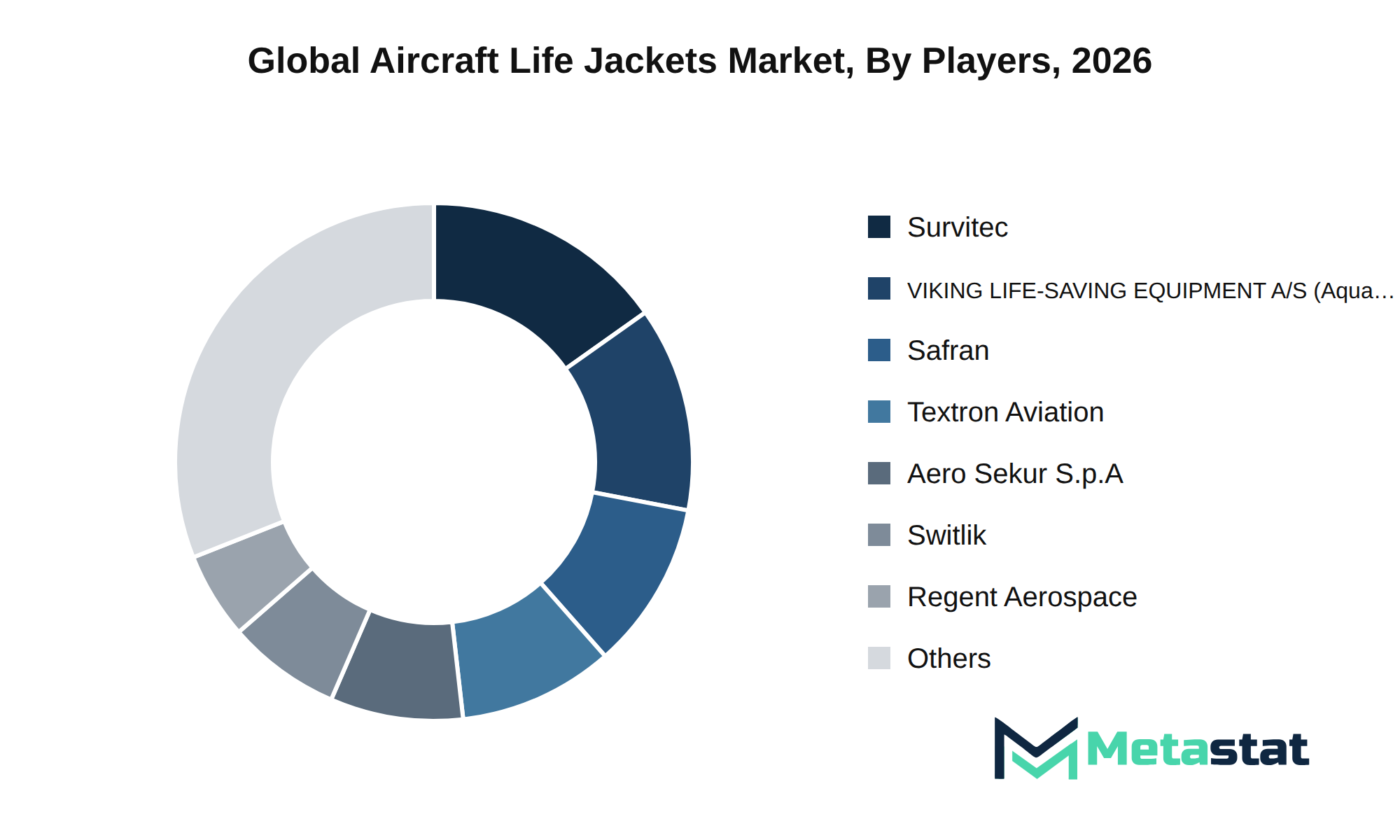
The Aircraft Life Jackets market features a diverse array of competitors focusing on various strategic behaviors to enhance market share and address customer needs. Key players, including Survitec Group Limited, Safran, and Aero Sekur S.p.A., emphasize product differentiation and innovation through robust R&D pipelines. This focus on developing proprietary technologies creates significant barriers to entry for new entrants into the market.
Commercial models in the market incorporate various go-to-market strategies that leverage partnerships and joint ventures, aligning with leaders including Textron Aviation Inc. and VIKING LIFE-SAVING EQUIPMENT A/S (Aqua Lung International). These collaborations enable companies to streamline supply chain operations and enhance procurement leverage, ultimately optimizing cost structures and improving customer retention strategies.
The competitive outlook for the Aircraft Life Jackets market indicates a strong emphasis on intellectual property portfolios, with firms like Revere Survival Inc. and Marine Safety Supplies Ltd. actively pursuing patent protections to secure technological advantages. The presence of established brands contributes to heightened brand equity dynamics, influencing purchasing decisions within key customer segments. Overall, strategic growth vectors, including cross-industry partnerships, are expected to shape the future landscape of this market.
Market size is forecast to rise from USD 753.1 million in 2025 to over USD 1,315.8 million by 2033. The base case anticipates a growth trajectory with a compound annual growth rate (CAGR) of 7.2%. This growth stems from increasing demand in various sectors, including commercial aviation and general aviation operators. The demand for Aircraft Life Jackets expands significantly, driven by enhanced safety regulations and technological advancements.
The bull case suggests a stronger adoption of innovative technologies and regulatory incentives that accelerate market growth beyond the base case projections. Increased investments in safety equipment and infrastructure commitments support this scenario. The bear case highlights potential challenges including economic downturns or geopolitical tensions that hinder growth. Structural shifts in consumer behavior and supply chain realignments influence the demand dynamics within the market.
The Aircraft Life Jackets market stands poised for substantial growth, influenced by evolving industry standards, strategic capital allocation, and emerging opportunities. Companies that align their growth strategies with these trends are likely to capitalize on the high-growth pockets within the industry.
The report strategically identifies and profiles the key market players and analyses their core competencies in each sub-segment of the Aircraft Life Jackets market.
Report Attributes | Details |
Study Period | 2021-2033 |
Base Year | 2025 |
Estimated Year | 2026 |
Forecast Period | 2026-2033 |
Historical Period | 2021-2025 |
Growth Rate | CAGR 7.2% from 2026 to 2033 |
Revenue Unit | USD million |
Segmentation | By Product Type, Aircraft Platform, Sales Channel, End User, and Region |
By Region | North America (By Product Type, Aircraft Platform, Sales Channel, End User, and Country)
|
Europe (By Product Type, Aircraft Platform, Sales Channel, End User, and Country)
| |
Asia Pacific (By Product Type, Aircraft Platform, Sales Channel, End User, and Country)
| |
South America (By Product Type, Aircraft Platform, Sales Channel, End User, and Country)
| |
Middle East and Africa (By Product Type, Aircraft Platform, Sales Channel, End User, and Country)
|
Find answers to common questions about this report
The Aircraft Life Jackets market size was valued at USD 753.1 million in 2025, according to the Metastat Insights study.
The Aircraft Life Jackets market is projected to grow at a CAGR of 7.2% during the forecast period from 2026 to 2033.
The North America Aircraft Life Jackets market size is estimated to reach USD 375.8 million by 2033.
Passenger Life Jackets lead the Aircraft Life Jackets market with a projected value of USD 565.4 million by 2033. This segment's growth reflects a compound annual growth rate of 6.6% from 2026 to 2033.
Significant growth in the Aircraft Life Jackets market is driven by global GDP growth, which increases air travel demand and the need for safety equipment. Enhanced capital investment environments and rising airline operations support demand for high-quality life jackets, creating revenue opportunities for manufacturers.
North America holds the dominant share of the Aircraft Life Jackets market, with a value of USD 375.8 million projected for 2033, representing 30.3 percent of the total market.
Regulatory compliance poses a significant restraint on the Aircraft Life Jackets market due to stringent safety regulations that increase manufacturing costs. Macroeconomic headwinds, including inflation and resource scarcity, further raise operating costs and impact profitability. Supply chain disruptions and geopolitical instability hinder timely access to materials, resulting in production delays and restricted availability of life jackets.
Significant factors favoring product adoption in the Aircraft Life Jackets market include increased air travel demand driven by global GDP growth and heightened safety protocols among airlines. Investments in modernization and compliance with stringent safety regulations further enhance the need for high-quality life jackets, creating a robust demand environment.
The Aircraft Life Jackets market is estimated to reach a valuation of USD 1,315.8 million by 2033.
Key players in the Aircraft Life Jackets market include Survitec Group Limited, Safran, Aero Sekur S.p.A., Switlik, Regent Aerospace Corporation, and Textron Aviation Inc.
The analysts below cover Aerospace and Defense research at Metastat Insights.
LEAD ANALYST
Utkarsh Khirodkar is a Lead Market Research Analyst at MetaStat Insight, specializing in market intelligence, technology sector assessments, and competitive strategy.
Transitioning ultra-class mining haul trucks to alternative power requires concrete data on remote hydrogen refueling infrastructure economics. The report evaluated megawatt-scale electrolyzer installation expenses, onsite storage safety mandates, and heavy-duty fuel cell stack degradation under continuous duty cycles. That technical rigor helped our engineers benchmark realistic total operating cost horizons for off-highway fleet decarbonization.
Enterprise zero-trust network rollouts are often slowed down by multi-cloud transit latency and proprietary hardware retirement schedules. This study provided realistic total cost of ownership models comparing cloud-delivered security edge solutions against traditional hardware refreshes. The analysis of contract renewal lengths and software maintenance fees gave us clear visibility into enterprise replacement cycles over the next three to five years.
Scaling antibody-drug conjugate manufacturing hinges on contract manufacturing availability for high-potency active ingredients. The MetaStat Insight analysis looked closely at global cleanroom slot constraints, bioconjugation batch failure rates, and supply chain redundancies between the US, Europe, and India. The supplier capability matrix proved genuinely useful for our team when mapping secondary source options across our clinical pipeline.
Explore related market intelligence reports worth reading alongside this one.
Starting from
$2950