
LEAD ANALYST
Utkarsh Khirodkar is a Lead Market Research Analyst at MetaStat Insight, specializing in market intelligence, technology sector assessments, and competitive strategy.

Global Automotive Over-The-Air (OTA) Update Market Size, Share, By Technology (Software Over-The-Air Technology (SOTA) and Firmware Over-The-Air Technology (FOTA)), By Application (Electronic Control Unit (ECU), Infotainment, Safety and Security, and Telematics Control Unit (TCU)), By Propulsion (Internal Combustion Engine (ICE), Battery Electric Vehicle (BEV), Hybrid Electric Vehicle (HEV), and Plug-In Hybrid Electric Vehicle (PHEV)), By Communication Type (Cellular (3G, 4G LTE, 5G), Wi-Fi, Satellite, and Vehicle-to-Everything (V2X)), Industry Analysis, Growth, Trends, and Forecast, 2026-2033
Report ID
MSI-5063
Published
August, 2026
Pages
250 Pages
Format
Historical
Base year
Forecast
Forecast period
Report Details
Choose Your License
Global Automotive Over-The-Air (OTA) Update Market
The global Automotive Over-The-Air (OTA) Update market was valued at USD 5.8 billion in 2025 and is projected to reach USD 28.8 billion by 2033, growing at a CAGR of 22.3% over the forecast period.
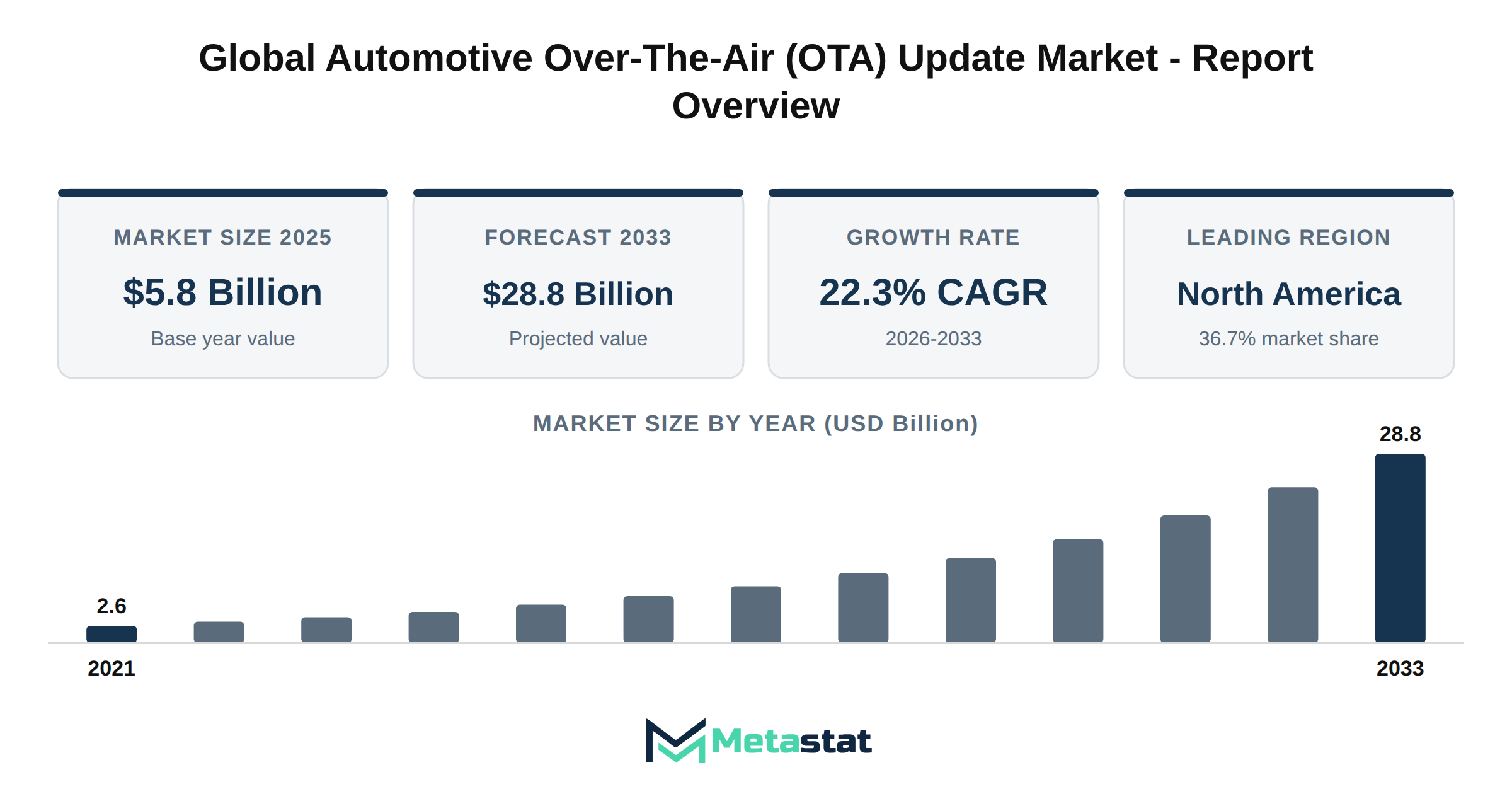
The Automotive Over-The-Air (OTA) Update market is projected to achieve a value of USD 28.8 billion by 2033, growing from a base value of USD 5.8 billion in 2025. This growth reflects a compound annual growth rate (CAGR) of 22.3% during the forecast period from 2026 to 2033. Historical data indicates that the market value expanded from USD 2.6 billion in 2021 to USD 4.7 billion in 2024.
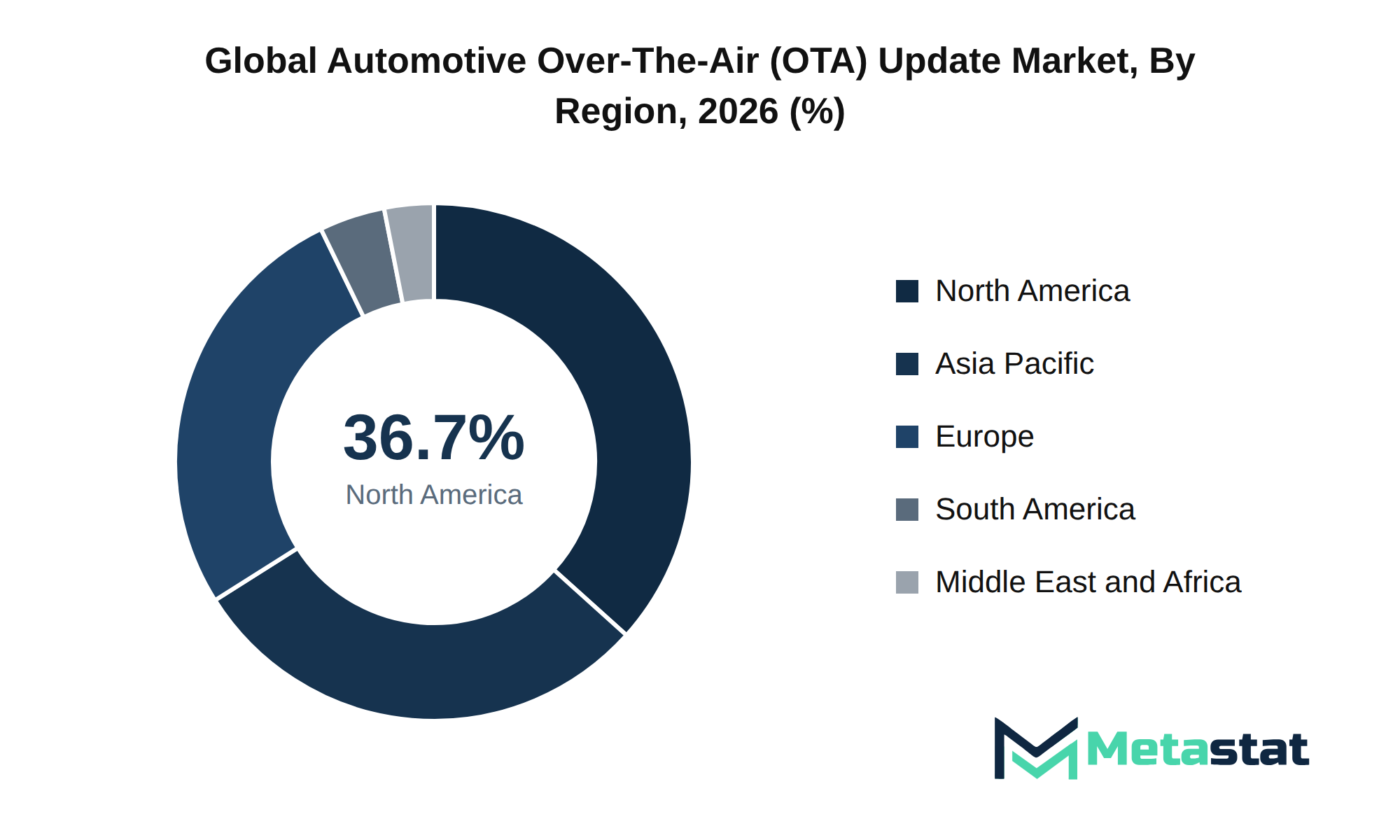
North America holds the largest share of the market at 36.7%, followed by Asia Pacific at 29.4% and Europe at 26.8%. Forecasts suggest North America will reach a market value of USD 9.8 billion by 2033. Regional dynamics indicate that demand for over-the-air updates is increasingly driven by advancements in automotive technology and the growing need for software enhancements in vehicles.
Key segments within the market include Software Over-The-Air Technology (SOTA) and Firmware Over-The-Air Technology (FOTA). The SOTA segment is expected to grow from USD 4.4 billion in 2026 to USD 19 billion by 2033, exhibiting a robust CAGR of 23.1%. In comparison, the FOTA segment is projected to reach USD 9.8 billion by 2033, with a CAGR of 20.8%. These segments are integral to the overall growth of the Automotive Over-The-Air (OTA) Update market, reflecting the increasing reliance on software-driven solutions in the automotive industry.
The Automotive Over-The-Air (OTA) Update market experiences significant transformation driven by advancements in technology and consumer demand for enhanced vehicle functionality. Increased reliance on software updates for improving vehicle performance and safety systems highlights the importance of software over-the-air technology (SOTA). This segment is projected to expand from USD 4.4 billion in 2026 to USD 19 billion by 2033, reflecting a compound annual growth rate (CAGR) of 23.1%. The demand for firmware over-the-air technology (FOTA) contributes to market growth, with expectations of reaching USD 9.8 billion by 2033 with a CAGR of 20.8%.
Investment in research and development plays a critical role in driving next-generation innovations within the Automotive Over-The-Air (OTA) Update market. Companies invest significantly to integrate advanced features including autonomous driving capabilities, infotainment systems, and improved telematics, which enhance user experience and vehicle safety. This strategic focus on innovation positions industry players to address evolving consumer preferences and regulatory requirements, strengthening long-term demand.
Macroeconomic headwinds, including inflationary pressures and currency volatility, introduce challenges for the market. Fluctuations in currency exchange rates impact operational costs and pricing structures, influencing the financial performance of stakeholders within the market. Companies adapt by implementing strategic pricing models and leveraging local sourcing to mitigate these challenges, reinforcing their competitive position.
The shift towards sustainable transformation in the automotive industry drives the adoption of OTA technologies. Companies align their strategies with decarbonization goals, emphasizing vehicle efficiency and reduced emissions. This alignment supports regulatory compliance and addresses consumer preferences for environmentally friendly solutions. The integration of OTA updates facilitates continuous improvements in vehicle performance, contributing to broader sustainability objectives.
Looking ahead, the Automotive Over-The-Air (OTA) Update market is expected to thrive, with increasing investments in infrastructure and capital allocation toward innovative technologies. Stakeholders recognize the importance of staying ahead in a competitive environment characterized by rapid technological advancements and evolving consumer demands. Strategic partnerships and collaborations among industry players enhance market resilience and accelerate the development of advanced solutions, expanding the addressable base.
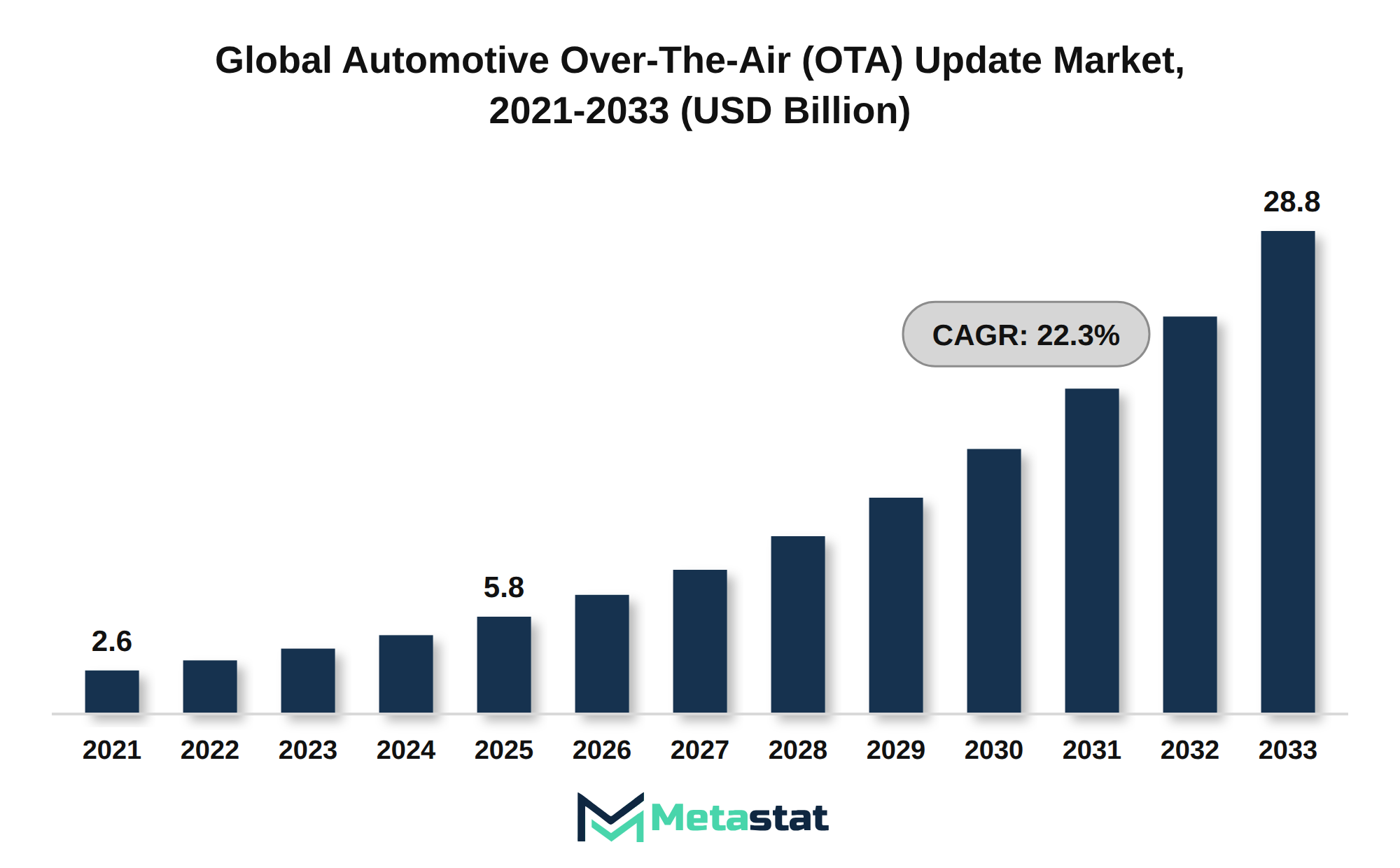
The Automotive Over-The-Air (OTA) Update market experiences significant growth driven by digital transformation initiatives across the automotive sector. Organizations increasingly adopt software-based solutions to enhance vehicle functionality and user experiences. The integration of software over-the-air technology allows manufacturers to remotely update vehicle systems and applications, minimizing the need for physical service appointments, reducing costs, and improving operational efficiency.
Several factors contribute to this trend. Advancements in connected vehicle technology and increasing consumer demand for enhanced features, including real-time navigation updates and improved safety systems, fuel the push for OTA solutions. These capabilities strengthen customer satisfaction and enhance brand loyalty, offering a competitive edge for manufacturers in a dynamic market.
The shift towards software integration aligns with broader macro-economic factors, where increased capital investment in technology and innovation enhances the capabilities of automotive companies. This investment supports the development of sophisticated OTA systems that optimize vehicle performance and align with sustainability goals by reducing the frequency of physical interventions and extending the lifecycle of vehicle components. Consequently, the Automotive Over-The-Air (OTA) Update market is anticipated to experience significant expansion, reaching USD 28.8 billion by 2033, with an impressive compound annual growth rate of 22.3% throughout the forecast period.
Rising consumer demand for connectivity significantly influences the Automotive Over-The-Air (OTA) Update market. Enhanced digital experiences have led consumers to expect efficient software updates and improved vehicle functionality, which drives manufacturers to invest in OTA technologies. The shift towards connected vehicles, integrating advanced features and services, has become a priority for automakers aiming to enhance customer satisfaction and loyalty.
The push for connectivity aligns with macro-economic factors, including GDP growth and increased disposable income, enabling consumers to invest in technologically advanced vehicles. Automakers are responding by prioritizing software development, ensuring their vehicles stay relevant through regular updates and feature enhancements. This trend drives market expansion and encourages competition among manufacturers to offer superior connectivity features.
Consumer behaviors are evolving, with younger generations valuing technology integration and digital experiences. This demographic shift encourages the market to adopt innovative solutions, including Software Over-The-Air Technology (SOTA), which enables real-time updates and enhances vehicle performance. By meeting these consumer expectations, the Automotive Over-The-Air (OTA) Update market is projected to achieve significant growth in the coming years.
The Automotive Over-The-Air (OTA) Update market encounters significant challenges related to regulatory compliance and infrastructure gaps. Tightening regulations surrounding data security and privacy create hurdles for companies seeking to implement OTA updates effectively. Compliance with these regulations demands substantial investments in secure technologies and processes, deterring smaller players from entering or expanding in the market.
Infrastructure gaps further complicate the deployment of OTA technologies. Inadequate connectivity options, particularly in remote or rural areas, hinder the ability to deliver timely updates. Regions with lower investment in telecommunications infrastructure experience slower adoption rates, limiting overall market growth. Disparities in infrastructure across different geographical areas lead to uneven access to OTA capabilities, impacting consumer experiences and market penetration.
These challenges collectively restrict the pace of innovation and operational efficiency within the market. Companies face escalating operating costs to meet compliance requirements and address infrastructure shortcomings. The combination of regulatory pressures and infrastructure challenges contributes to slower growth projections and heightened competition, particularly among established players that possess the resources to navigate these obstacles effectively.
The Automotive Over-The-Air (OTA) Update market faces significant challenges due to geopolitical fragmentation, which disrupts trade relationships and complicates cross-border operations. Trade deficits and tariff friction create barriers to entry and increase costs for manufacturers and suppliers. This instability affects sourcing strategies, leading to heightened prices and reduced profit margins.
Technological disruptions further challenge the market. Rapid advancements in automotive technology create interoperability friction. Companies navigate complex research and development integrations to remain competitive, often resulting in delays and increased development costs. The need for advanced capabilities in software updates and cybersecurity adds pressure to budgets and timelines.
Market participants encounter supply chain instability, characterized by feedstock and component volatility. Fluctuations in the availability of essential parts hinder production efficiency and create logistical disruptions. Talent retention pressures compound these difficulties. Skilled workers are essential for navigating the evolving landscape of automotive technology.
Environmental considerations exert additional pressure on the Automotive Over-The-Air (OTA) Update market. Increasing demands for sustainability and decarbonization mandates require companies to invest in greener technologies and processes. Retrofitting existing infrastructure to support new technologies presents implementation bottlenecks that delay market penetration and growth.
Overall, these factors contribute to a challenging environment for the market. Strategic adjustments and innovations are necessary to maintain competitiveness in an increasingly fragmented landscape. Addressing these obstacles remains crucial for stakeholders seeking to maximize opportunities in the automotive sector.
The Automotive Over-The-Air (OTA) Update market experiences notable opportunities stemming from technological advancements across various segments. Increased investments in software over-the-air technology (SOTA) facilitate rapid enhancements in vehicle functionality and performance. The forecast period sees a compound annual growth rate (CAGR) of 23.1% for SOTA, reflecting the demand for updates that improve user experience and safety features.
Geographical expansion further enhances the market by bridging gaps in connectivity and infrastructure. Regions including Asia Pacific, with a projected market share of 29.4% in 2025, demonstrate increasing adoption of OTA solutions, driven by growing vehicular technology investments. This expansion aligns with the global shift toward digitization and modernization, allowing new entrants to capture market share through innovative solutions.
Digital transformation initiatives encourage manufacturers to integrate OTA capabilities into their vehicles, enhancing user engagement and satisfaction. The commitment to sustainability through green transformations aligns with consumer preferences for eco-friendly solutions, boosting market demand. Organizations prioritize environmental, social, and governance (ESG) alignments, and innovations that comply with eco-friendly standards become critical for competitive positioning.
Industry consolidation through cross-industry mergers and acquisitions enhances technological expertise and market reach. Strategic partnerships allow companies to leverage complementary strengths, driving value chain optimization and operational yield maximization. Emerging buying behaviors, combined with shifts toward digital procurement models, create avenues for new business strategies, establishing the Automotive Over-The-Air (OTA) Update market because a vital component of the evolving automotive ecosystem.
The Global Automotive Over-The-Air (OTA) Update market is segmented based on Technology, Application, Propulsion, and Communication Type.
Valued at USD 4.4 billion in 2026, the Software Over-The-Air Technology (SOTA) segment is projected to reach USD 19 billion by 2033, achieving a CAGR of 23.1% during the forecast period. Increasing demand for efficient updates and enhanced vehicle functionality drives the adoption of SOTA solutions. Automakers invest in this technology to improve user experiences, reduce downtime, and ensure software compliance with safety regulations.
Technological advancements facilitate SOTA's expansion, allowing automakers to integrate more sophisticated features without requiring physical recalls. Consumers increasingly expect updated infotainment systems, safety enhancements, and performance improvements, transforming the vehicle software market. The growing trend towards connected vehicles supports the transition to SOTA, enabling real-time updates and advanced driver-assistance systems.
Regulatory compliance standards drive investment in Software Over-The-Air Technology, owing to increasing pressures on automakers to meet safety and environmental regulations. The ability to remotely update software enhances compliance and reduces the need for costly recall campaigns. In this evolving environment, companies that effectively implement SOTA technologies gain a competitive advantage in the rapidly changing automotive sector.
Strategic opportunity windows emerge because automakers explore partnerships with technology firms to accelerate product evolution. While market players focus on integrating SOTA into various applications, including electronic control units and infotainment systems, the demand for skilled personnel and advanced technology rises. The Automotive Over-The-Air (OTA) Update market continuously adapts to these developments, ensuring long-term growth and investment potential.
Growth in the Firmware Over-The-Air Technology (FOTA) segment of the Automotive Over-The-Air (OTA) Update market is supported by increasing demand for enhanced vehicle functionality and security. Automotive manufacturers pursue continuous improvement in vehicle performance through regular software updates, driving adoption of FOTA solutions. This trend reflects a shift toward integrating advanced features including over-the-air updates for safety systems and driving assistance technologies.
Technological maturation influences the expansion of this segment. Innovations in cloud computing and data management enable efficient software deployments, enhancing the overall user experience. Original Equipment Manufacturers (OEMs) recognize the importance of maintaining competitive advantage, prompting investments in next-generation firmware solutions.
By 2033, the segment is projected to reach USD 9.8 billion, at a CAGR of 20.8% during the forecast period. This sustained growth reflects a strategic focus on improving customer satisfaction and reducing time-to-market for new features. Evolving regulatory compliance standards and increasing emphasis on cybersecurity further drive demand for reliable FOTA systems.
Downstream applications span various vehicle types from Internal Combustion Engines (ICE) to Battery Electric Vehicles (BEV), ensuring broad market appeal across diverse propulsion systems. The convergence of connected vehicle technologies with FOTA solutions enhances overall vehicle safety and performance, reinforcing the segment's relevance in the Automotive Over-The-Air (OTA) Update market.
Demand for Electronic Control Units (ECUs) within the Automotive Over-The-Air (OTA) Update market arises from the requirement for enhanced vehicle functionalities and improved driving experiences. Rapid technological advancements in automotive electronics drive this segment’s expansion, where manufacturers increasingly integrate complex ECUs to manage various vehicle systems. These systems include powertrain management, safety features, and infotainment systems, necessitating regular updates to improve performance and security.
Technological maturation contributes to the growth of the ECU segment, driven by OEMs embracing next-gen upgrades and software enhancements. Increased connectivity within vehicles demands updates to ensure compatibility with evolving technologies. The rising prevalence of electric and autonomous vehicles further increases the need for sophisticated ECUs that require frequent updates, promoting ongoing adoption in the market.
Regulatory compliance influences the ECU segment. Stricter emissions and safety regulations drive the need for continuous software updates to meet compliance standards. Automakers focus on achieving certifications that validate the efficacy of their ECU systems, thus influencing investment and development strategies. Cost structures within the segment reflect the need for advanced materials and components to support complex systems, leading to pricing volatility and margin pressures.
Supply chain resilience becomes crucial because manufacturers navigate challenges related to raw material sourcing and logistics vulnerabilities. Disruptive alternatives, including innovative software solutions, present strategic opportunity windows within the market. Continuous advancements in technology mitigate risks of obsolescence, ensuring that ECUs remain relevant and effective in managing modern vehicle systems. The automotive industry’s ongoing commitment to innovation drives significant capital investment in the ECU segment, facilitating growth and development within the Automotive Over-The-Air (OTA) Update market.
Consumer interest in infotainment systems drives demand for enhanced connectivity and entertainment options within vehicles. The quest for improved user experience encourages manufacturers to integrate advanced technologies including voice recognition, touchscreen interfaces, and smooth smartphone connectivity. Automakers view infotainment because a critical component of vehicle differentiation, influencing purchasing decisions among tech-savvy consumers. The competitive landscape emphasizes the need for continuous innovation in infotainment offerings, with advancements in artificial intelligence and machine learning shaping the future of these systems.
Technological maturation in infotainment solutions enhances user engagement and satisfaction, leading to increased adoption rates. Upgrades to existing systems through over-the-air updates provide an efficient means to deliver new features and improvements, building customer loyalty. Regulatory compliance standards surrounding data privacy and security necessitate robust solutions within infotainment systems, prompting manufacturers to invest in secure technologies and certifications. These efforts ensure consumer trust, which is vital for sustained success in the Automotive Over-The-Air (OTA) Update market.
The shift towards electric vehicles (EVs) and connected car technologies fuels the demand for sophisticated infotainment systems. Consumers expect these systems to integrate smoothly with their lifestyle, offering entertainment and essential navigation and safety features. This shift drives investment in research and development, focusing on next-generation upgrades that enhance functionality and user experience. Strategic opportunity windows arise for companies that effectively address these evolving consumer needs, ensuring their position in a highly competitive market.
Heightened concerns over vehicle safety and security significantly impact the Automotive Over-The-Air (OTA) Update market. Increasing instances of cyber threats in the automotive sector drive the demand for robust security solutions. Manufacturers prioritize the integration of OTA updates to improve real-time security measures, addressing vulnerabilities in vehicle software.
The rapid evolution of vehicle technologies necessitates continuous upgrades to security protocols, ensuring protection against emerging threats. End-users increasingly expect vehicles equipped with advanced safety features, fueling the adoption of OTA solutions. This demand reflects broader trends in consumer preferences, emphasizing safety in automotive design and functionality.
Regulatory compliance plays a critical role in shaping the landscape for safety and security solutions within the market. Stringent regulations compel automakers to implement effective measures against potential security breaches, leading to increased investments in OTA update technologies. Manufacturers perceive compliance not merely because an obligation but because a competitive advantage, enhancing their brand reputation in safety.
Technological maturation within the automotive sector facilitates the development of innovative safety features that require frequent updates. The emergence of next-generation vehicles, including electric and autonomous models, further highlights the importance of OTA updates in maintaining safety standards. This strategic opportunity window supports the continued evolution of safety measures through software enhancements delivered via OTA solutions.
The convergence of consumer demand, regulatory pressures, and technological advancements positions the safety and security segment because a vital component of the Automotive Over-The-Air (OTA) Update market. Stakeholders navigate this dynamic environment to capitalize on growth opportunities and ensure compliance with evolving safety standards.
Adoption of Telematics Control Units (TCUs) demonstrates strong momentum within the Automotive Over-The-Air (OTA) Update market, driven by a surge in demand for enhanced vehicle connectivity and real-time data exchange. The integration of TCUs facilitates advanced telematics applications, including navigation, vehicle tracking, and environmental monitoring, aligning with the growing consumer preference for smart vehicle features.
Segment expansion catalysts include technological advancements in communication protocols and increased investments in infrastructure supporting V2X (Vehicle-to-Everything) communication. These developments open avenues for TCUs to evolve, positioning them because vital components in the broader ecosystem of connected vehicles. This trend is further reinforced by regulatory compliance standards mandating enhanced vehicle safety and connectivity features.
End-use dynamics reflect a shift towards greater reliance on telematics for fleet management and logistics. Businesses leverage TCUs to optimize operational efficiency and reduce costs associated with route planning and vehicle maintenance. The growing focus on smart city initiatives enhances the value proposition of TCUs, promoting their adoption across various vehicle types, including passenger cars and commercial fleets.
Strategic opportunity windows are evident because automotive manufacturers seek to differentiate their offerings through innovative telematics solutions. The convergence of software and hardware in TCUs allows for next-gen upgrades that enhance user experiences and operational capabilities. This evolution increases capital investment in advanced telematics technologies, highlighting the critical role of TCUs in the Automotive Over-The-Air (OTA) Update market.
Recent advancements in technology drive interest in various applications within the Automotive Over-The-Air (OTA) Update market. The "Others" segment captures a diverse range of uses beyond traditional applications, catering to niche demands that enhance vehicle functionality and user experience. Emerging trends reflect increasing consumer expectations for personalization and integration, prompting manufacturers to explore unique offerings that differentiate their products.
The evolution of digital platforms and cloud-based solutions expands opportunities in the "Others" application segment. These innovations facilitate real-time updates and maintenance, contributing to improved vehicle performance and customer satisfaction. While competition intensifies, companies pursue strategic partnerships to leverage complementary technologies, strengthening their market position.
Focus on regulatory compliance and safety standards influences product development within this segment. Manufacturers prioritize integration of advanced technologies to meet evolving standards, ensuring that vehicles remain compliant while enhancing safety features. This strategic alignment mitigates risks and enhances market presence.
The Automotive Over-The-Air (OTA) Update market experiences shifts in consumer preferences toward more adaptable and innovative solutions. Heightened demand for unique functionalities drives investment in research and development, reflecting a commitment to continuous improvement and innovation.
Advancements in the Internal Combustion Engine (ICE) segment significantly influence the Automotive Over-The-Air (OTA) Update market. The shift towards increasingly complex vehicle systems requires regular updates and enhancements in software, driving the demand for OTA solutions. Manufacturers focus on integrating OTA technologies to improve vehicle performance, safety, and user experience, which aligns with consumer expectations for effective connectivity and enhanced functionalities.
Technological maturation is significant in this segment, where ongoing developments in engine efficiency and emissions control systems heighten the necessity for software updates. Next-generation upgrades, including advanced driver-assistance systems (ADAS) and hybrid technologies, prompt automotive manufacturers to invest in OTA capabilities. This operational efficiency through OTA updates reduces the need for physical service visits while ensuring compliance with regulatory standards.
End-use dynamics shift owing to consumers increasingly demanding vehicles equipped with the latest technologies and safety features. The integration of OTA updates enables automotive manufacturers to respond effectively to these evolving consumer preferences and regulatory requirements. Consequently, manufacturers benefit from reduced operational costs associated with traditional vehicle update methods while enhancing customer satisfaction.
Competition within the market intensifies driven by traditional automakers and new entrants exploring strategic partnership opportunities to strengthen their OTA offerings. Capital investment outlooks remain strong, with companies recognizing the importance of investing in OTA technology to maintain a competitive edge. The evolving segment of the internal combustion engine emphasizes the need for continuous innovation and responsiveness to consumer demands within the Automotive Over-The-Air (OTA) Update market.
Expansion within the Battery Electric Vehicle (BEV) segment drives the overall growth of the Automotive Over-The-Air (OTA) Update market. Increasing regulatory pressures to reduce carbon emissions are driving demand for BEVs, prompting manufacturers to seek advanced software solutions for vehicle management and updates. The technological maturation of OTA capabilities enhances the functionality and performance of BEVs, enabling updates to vehicle software and firmware.
Next-gen upgrades in battery technology and electric drivetrains create opportunities for innovative applications of OTA updates, enabling features including enhanced range management and performance tuning. The evolution of product offerings, including improved infotainment systems and safety features, requires regular updates to maintain competitive advantage and consumer satisfaction.
End-use dynamics show a strong shift towards BEVs, reflecting broader changes in consumer preferences and environmental considerations. This shift necessitates robust OTA solutions to ensure optimal vehicle operation and compliance with evolving regulatory standards. The market faces challenges related to cost structures, particularly around the development and deployment of OTA technologies, which influence pricing and margin pressures.
Supply chain resilience is vital for the BEV segment, particularly in sourcing raw materials for batteries and electronic components. Vulnerabilities in logistics disrupt the availability of critical components, impacting production timelines. Strategic opportunity windows arise from the ongoing transition to electric vehicles, prompting investments in OTA solutions to enhance vehicle capabilities and sustain market relevance.
Increasing adoption of Hybrid Electric Vehicles (HEVs) influences demand for Over-The-Air (OTA) updates, primarily driven by the growing emphasis on environmental sustainability and fuel efficiency. Consumers favor HEVs for lower emissions and reduced fuel costs, prompting manufacturers to enhance software capabilities and improve overall vehicle performance.
Technological advancements in battery technology and electric drivetrains are driving the evolution of HEVs. Manufacturers are integrating OTA updates to facilitate real-time software improvements, ensuring optimal vehicle functionality and addressing performance issues swiftly. This shift toward software-driven enhancements enhances the driving experience and reduces the need for physical recalls or service visits.
Regulatory compliance plays an essential role in shaping the hybrid electric vehicle landscape. Governments worldwide implement stringent emissions standards, necessitating continuous software updates to meet these regulations. Consequently, manufacturers leverage OTA capabilities to maintain compliance while maximizing vehicle efficiency and performance.
Investment in OTA technology reflects a strategic response to shifting consumer preferences toward smarter and more connected vehicles. While the market evolves, focusing on providing next-generation upgrades becomes essential for attracting environmentally conscious consumers seeking innovative solutions in their vehicles. This emphasis on innovation supports ongoing market development.
The Hybrid Electric Vehicle segment within the Automotive Over-The-Air (OTA) Update market represents a dynamic intersection of technological innovation, consumer demand, and regulatory pressures, driving continuous advancements in vehicle capabilities and overall market growth.
Increasing environmental awareness among consumers drives interest in Plug-In Hybrid Electric Vehicles (PHEVs). This heightened focus on sustainability drives manufacturers to integrate advanced features, enhancing the appeal of vehicles equipped with Over-The-Air (OTA) Update capabilities. The demand for PHEVs is reinforced by government incentives aimed at encouraging the transition to greener vehicle options, directly influencing adoption rates. Regulatory frameworks emphasizing emission reductions influence product development strategies, necessitating continuous innovation among manufacturers.
Technological maturation in software and connectivity creates an environment conducive to OTA updates. Automakers prioritize integration of software solutions, ensuring consumers receive timely enhancements and maintenance updates. These next-gen upgrades improve vehicle performance and safety features, establishing a competitive advantage in the market. Continuous investment in research and development supports the evolution of PHEVs, allowing manufacturers to respond effectively to shifting consumer preferences.
The market reflects a growing trend toward increased reliance on digital solutions. Enhanced connectivity among vehicles leads to significant shifts in consumption behavior, with consumers valuing features that improve their driving experience. This transition aligns with broader trends in the automotive industry, where digitalization plays a key role in shaping consumer expectations. Manufacturers strategically position themselves to capitalize on these consumption shifts, emphasizing the importance of maintaining a robust OTA infrastructure.
Strategic opportunity windows arise from evolving consumer demands and regulatory compliance standards. While automakers navigate complex certification processes, those investing in OTA capabilities benefit from enhanced operational efficiency and reduced costs. This focus on technological advancement and regulatory alignment highlights the importance of adaptability in a rapidly changing market. The Plug-In Hybrid Electric Vehicle (PHEV) segment illustrates the dynamic relationship between innovation, consumer expectations, and regulatory frameworks, affirming its significance in the Automotive Over-The-Air (OTA) Update market.
Adoption of Cellular communication technologies, including 3G, 4G LTE, and 5G, enhances the functionality and efficiency of automotive systems, particularly in the Automotive Over-The-Air (OTA) Update market. The demand for reliable connectivity contributes to the evolution of various automotive applications, including navigation, infotainment, and remote diagnostics. Enhanced data transmission speeds and reduced latency associated with 5G technology create opportunities for real-time software updates and improved vehicle performance.
Segment expansion is driven by the increasing integration of connected vehicle features, which necessitate reliable and fast communication channels. These technologies support the continuous development of advanced driver assistance systems (ADAS) and autonomous driving capabilities, aligning with industry trends for higher levels of automation. The shift towards smart transportation systems aligns with consumer expectations for enhanced safety and convenience, further propelling demand in this segment.
Technological maturation within cellular communication enables automakers to leverage next-generation upgrades, enhancing competitiveness in the market. The automotive sector faces continuous pressure to comply with regulatory standards regarding vehicle safety and data security, leading to greater emphasis on robust communication solutions. Regulatory compliance influences technological investment, ensuring that vehicles receive timely OTA updates while maintaining performance standards.
Pricing volatility remains a critical factor for manufacturers, driven by fluctuations in component costs that impact profit margins. Firms navigate these challenges while striving for cost-effective solutions that support scalable OTA infrastructure. The growing reliance on cellular networks for OTA capabilities highlights the importance of supply chain resilience and strategic partnerships among network providers and automotive manufacturers.
Disruptive alternatives, including satellite and Dedicated Short-Range Communication (DSRC), present competition within the communication type segment. However, the advantages offered by Cellular technologies, including widespread coverage and high data rates, position them favorably in the context of the Automotive Over-The-Air (OTA) Update market. Overall, capital investment in cellular communication technology remains a strategic opportunity for automotive players aiming to enhance their connectivity offerings.
Wi-Fi serves because a crucial communication type within the Automotive Over-The-Air (OTA) Update market, enabling efficient data transfer and connectivity for modern vehicles. Enhanced connectivity requirements drive demand for Wi-Fi, particularly in applications where large data volumes are transmitted, including software updates and infotainment systems. The proliferation of connected devices and consumer expectation for reliable online experiences support this growth.
Technological maturation expands Wi-Fi capabilities in vehicles. Advancements in Wi-Fi technology, including the transition to Wi-Fi 6, improve data rates and network efficiency. These improvements support higher bandwidth applications, which increase adoption rates among automakers seeking to enhance the user experience.
Next-generation upgrades and product evolution in vehicles prioritize integrated Wi-Fi systems, driving manufacturers to incorporate these technologies into new models. This focus on connectivity enhances competitive positioning in the market, driven by consumers increasingly seeking vehicles that offer robust online capabilities.
Downstream applications of Wi-Fi extend beyond updates, facilitating various services including navigation, music streaming, and vehicle diagnostics. Shifts in consumer consumption toward these connected services influence automaker investments in Wi-Fi infrastructure, allowing for a more integrated driving experience.
Regulatory compliance standards surrounding data security and connectivity protocols shape Wi-Fi integration in vehicles. Compliance with these standards is essential for manufacturers to ensure the safety of consumer data and maintain regulatory approval for software updates.
Pricing volatility and margin pressures are significant factors within the Wi-Fi segment. The need for high-quality components and advanced software solutions impacts cost structures, influencing pricing strategies for automakers. Balancing these pressures while delivering high-quality technology remains a priority for industry stakeholders.
Strategic opportunity windows emerge because vehicle connectivity becomes more critical. Investments in Wi-Fi capabilities present avenues for automakers to differentiate their offerings, ultimately contributing to growth in the Automotive Over-The-Air (OTA) Update market.
Satellite communication technologies play an essential role in enhancing connectivity for vehicles in the Automotive Over-The-Air (OTA) Update market. Demand for satellite solutions arises from the need for reliable and expansive coverage, particularly in remote areas where traditional cellular networks lack sufficient infrastructure. Advancements in satellite technology improve data transmission rates and enable more efficient OTA updates, supporting market growth.
Segment expansion is fueled by the increasing integration of advanced infotainment systems and the growing prevalence of connected vehicles. Manufacturers focus on satellite communication to ensure reliable connectivity for vehicle software updates, enhancing the user experience. The ongoing evolution of satellite systems, including low Earth orbit (LEO) satellites, contributes to reduced latency and improved service reliability, strengthening long-term demand.
Regulatory compliance standards regarding vehicle connectivity and cybersecurity drive the adoption of satellite technologies. Stringent regulations encourage manufacturers to invest in robust communication solutions that enhance safety and security. This trend creates strategic opportunities for stakeholders in the satellite domain, leading to increased investment in innovative technologies and expanding the addressable base.
Pricing volatility poses challenges within the satellite communication segment, influenced by fluctuations in satellite launch costs and ongoing developments in the space sector. Margin pressures from increased competition and technological obsolescence necessitate continuous investment in research and development. Companies in the market focus on enhancing their offerings to mitigate these risks while capturing new opportunities, reinforcing their competitive position.
The Automotive Over-The-Air (OTA) Update market reflects a dynamic relationship of technological advancements and evolving consumer preferences. Ongoing investment in satellite communication systems positions industry players to capitalize on emerging trends and enhance their competitive stance. The emphasis on supply chain resilience and raw material sourcing supports the market's growth trajectory while addressing potential vulnerabilities.
Dedicated Short-Range Communication (DSRC) technology contributes significantly to the Automotive Over-The-Air (OTA) Update market by enabling efficient data transfer between vehicles and their environments. This technology supports vehicle-to-vehicle (V2V) and vehicle-to-infrastructure (V2I) communication, enhancing safety measures and traffic management. Increasing regulatory emphasis on safety standards drives demand for DSRC solutions, driven by automotive manufacturers seeking to comply with evolving guidelines and improve vehicle safety systems.
The segment benefits from rapid technological advancements, promoting the development of next-generation connectivity features that further enhance vehicle operations. Enhanced communication capabilities lead to better integration with advanced driver-assistance systems (ADAS), which improves user experience and safety. Strategic partnerships among key players in the automotive sector facilitate the adoption of DSRC technologies, contributing to market expansion.
Consumer preferences for advanced safety features and real-time connectivity influence the growth of the market. The transition toward smart cities creates opportunities for DSRC implementation in urban environments, where vehicle communication with infrastructure optimizes traffic flow and reduces congestion. Investments in smart infrastructure increase, and the relevance of DSRC technology within the Automotive Over-The-Air (OTA) Update market is expected to grow.
Competitive pressure among automotive manufacturers to offer innovative technologies drives continuous innovation in DSRC applications. Companies focus on research and development to improve communication reliability and reduce latency, which enhances overall system performance. With these advancements, manufacturers align their offerings with consumer expectations for connected vehicle systems, reinforcing their market position.
Integration of Vehicle-to-Everything (V2X) technology stands at the center of advancements in automotive communication. This technology enhances connectivity between vehicles and surrounding infrastructure, enabling improved safety and efficiency in transportation systems. The push for smart cities and advanced traffic management systems drives increased demand for V2X, promoting effective communication among vehicles, pedestrians, and traffic control systems. Adoption of this technology relies on overcoming challenges related to regulatory compliance and ensuring compatibility with existing systems, which influences market dynamics.
Continuous technological maturation fuels innovation in V2X systems, supporting the development of next-generation upgrades. Enhancements in data processing and communication protocols enhance the capabilities of vehicles to interact with their environment effectively. Various stakeholders, including automotive manufacturers and infrastructure providers, actively invest in these technologies, reflecting a strategic opportunity window for expanding the Automotive Over-The-Air (OTA) Update market.
Downstream applications of V2X technology extend beyond simple communication, encompassing safety features including collision avoidance and automated driving systems. These applications significantly improve the overall driving experience, aligning with consumer expectations for advanced safety and connectivity features. The regulatory landscape significantly shapes the adoption of V2X, driven by governments implementing standards and certifications to enhance safety and interoperability.
Cost structures related to V2X implementation present both challenges and opportunities for manufacturers. Investment in infrastructure upgrades and technology integration impacts pricing strategies and market competitiveness. Strategic partnerships among automotive manufacturers, technology providers, and government agencies contribute to mitigating risks associated with pricing volatility and margin pressures, ultimately supporting growth within the market.
Based on geography, the Global Automotive Over-The-Air (OTA) Update market is divided into North America, Europe, Asia-Pacific, South America, Middle East, and Africa.
North America stands because a significant player in the Automotive Over-The-Air (OTA) Update market, characterized by a strong growth trajectory. With a share of 36.7% of the global market in 2025, the region demonstrates robust demand driven by technological advancements and consumer preferences for enhanced vehicle connectivity. The region is set to expand at a CAGR of 22.3% within the forecast period, reaching a market size of USD 9.8 billion by the end of 2033.
The presence of leading automotive manufacturers in the United States, Canada, and Mexico facilitates innovation and adoption of OTA technologies. Investments in infrastructure modernization further support the market, backed by localized manufacturing densities and strategic supply chain regionalization. Emerging market front-runners are positioned to capitalize on these trends, creating competitive dynamics that influence vendor consolidation and procurement practices.
Cultural nuances and regional B2B buying behaviors shape procurement dynamics, emphasizing the importance of tailored solutions to meet local demands. High-value replacement cycles and incremental growth vectors contribute to sustained market expansion, reflecting a mature market poised for continued evolution. In this regard, the Automotive Over-The-Air (OTA) Update market in North America is equipped to address both current needs and future advancements.
The European market for Automotive Over-The-Air (OTA) Update solutions exhibits significant growth potential, driven by advanced technological infrastructure and a strong inclination towards digital transformation in the automotive sector. Countries including Germany, France, the UK, Italy, and Spain demonstrate a robust demand for updated software and firmware capabilities, enhancing vehicle performance and safety. The presence of established automotive manufacturers in this region creates an environment ripe for innovation and adoption of OTA technologies.
Germany stands out because a leader in the market, with a focus on integrating advanced technologies within vehicles. The regulatory environment in Europe emphasizes strict compliance with safety and security standards, propelling manufacturers to invest in OTA capabilities to maintain competitiveness. A mature automotive market, coupled with high-value replacement cycles, continues to generate incremental growth opportunities for OTA services.
Emerging technologies, particularly Software Over-The-Air Technology (SOTA), drive substantial interest among manufacturers seeking to optimize vehicle functionalities. The market is projected to benefit from localized procurement dynamics and increased foreign direct investment (FDI) flows aimed at enhancing regional capabilities. The demand for efficient updates aligns with growing consumer expectations for enhanced connectivity, driving the overall growth of the Automotive Over-The-Air (OTA) Update market.
Geopolitical factors and supply chain regionalization contribute to evolving market dynamics, with companies prioritizing localized manufacturing densities to optimize production processes. While the competitive landscape entails established players, opportunities exist for new entrants to capture market share through innovative solutions tailored to the specific needs of European consumers. Overall, the combination of regulatory frameworks, market readiness, and competitive strategies positions Europe because a key player in the global Automotive Over-The-Air (OTA) Update market.
The Asia-Pacific region demonstrates significant potential within the Automotive Over-The-Air (OTA) Update market, driven by rapid technological advancements and increasing vehicle electrification. Countries including China, Japan, India, and South Korea lead in adopting software and firmware over-the-air technologies, enhancing vehicle functionalities and user experiences. The concentration of automotive manufacturers in this region supports robust competition, leading to accelerated innovation and product development.
Infrastructure modernization plays a crucial role in the region's market dynamics. Nations are investing in upgrading cellular networks and establishing reliable communication channels, which facilitate efficient OTA updates. This commitment to enhancing infrastructure readiness contributes to higher adoption rates among manufacturers and consumers.
Emerging market front-runners, particularly in Southeast Asia and Australia, experience a surge in demand for advanced vehicle technologies. The growing emphasis on safety and connectivity features within vehicles drives the adoption of OTA solutions, further expanding market opportunities. Local manufacturers focus on meeting the specific needs of regional consumers, resulting in tailored solutions that perform well within the market.
High-value replacement cycles, particularly in the electric vehicle segment, create incremental growth vectors. The transition from traditional vehicles to electric models presents opportunities for OTA updates to enhance performance and user experience. This trend reflects a broader consumer shift towards digital and connected vehicle ecosystems.
Regional competitive landscapes feature a mix of established players and new entrants, intensifying competition. Domestic market participants leverage localized procurement dynamics to optimize supply chains and reduce costs, thereby enhancing their competitive positioning. The market is characterized by collaboration between technology providers and automotive manufacturers, driving innovation and efficiency.
Overall, the Asia-Pacific region's Automotive Over-The-Air (OTA) Update market exhibits favorable growth prospects driven by technological advancements, infrastructure improvements, and evolving consumer preferences. The unique characteristics of this market position it well for continued expansion in the coming years.
The Automotive Over-The-Air (OTA) Update market demonstrates unique characteristics within South America, driven by the growing demand for connected vehicle solutions. Brazil and Argentina represent key markets, with increasing consumer preferences for advanced software functionalities in vehicles. The presence of global automotive manufacturers in these countries supports market development, driving local innovation and creating competitive advantages.
Infrastructure modernization plays a critical role in the adoption of OTA solutions. Investment in telecommunications and internet connectivity enhances the capability for Over-The-Air updates, ensuring vehicles maintain up-to-date software for improved performance and security. Emerging market front-runners, particularly Brazilian firms, leverage this modernization to capitalize on the automotive sector's growth potential.
Localized procurement dynamics influence the market. Regional players prioritize cost-effective solutions tailored to local consumer needs. Domestic market participants focus on collaborations with technology providers, enhancing their offerings and expanding their reach. The Automotive Over-The-Air (OTA) Update market benefits from these strategic initiatives, promoting growth across South America.
Cultural nuances shape regional B2B buying behaviors, with local businesses emphasizing relationships and trust in supplier partnerships. This trend facilitates market entry for companies aiming to establish a foothold in the region. Rising foreign direct investment (FDI) flows contribute to market expansion, highlighting the region's attractiveness for global automotive technology firms.
In the Middle East and Africa, the Automotive Over-The-Air (OTA) Update market reflects a nascent stage of growth. Infrastructure modernization initiatives across Saudi Arabia, UAE, and South Africa enhance the potential for OTA adoption. Telecommunications advancements in these countries contribute to improved connectivity, supporting the deployment of OTA technologies. Regional players actively explore localized manufacturing densities, creating an environment conducive to innovation and competition.
Saudi Arabia and UAE represent emerging front-runners in the market, driven by significant investments in smart technologies and digital transformation. These nations prioritize infrastructure development that aligns with global technological standards, creating a favorable ecosystem for OTA solutions. In contrast, South Africa's market dynamics focus on value replacement cycles, with existing vehicle fleets increasingly requiring software updates to maintain performance and safety features.
The market in this region experiences unique challenges, including geopolitical fragmentation and varying regulatory frameworks across countries. Each nation has distinct compliance mandates that impact the implementation of OTA updates. Local market participants strategically navigate these complexities to capture opportunities. While the market evolves, increasing awareness of OTA benefits among consumers and businesses is expected to spur greater adoption and investment in the Automotive Over-The-Air (OTA) Update market.
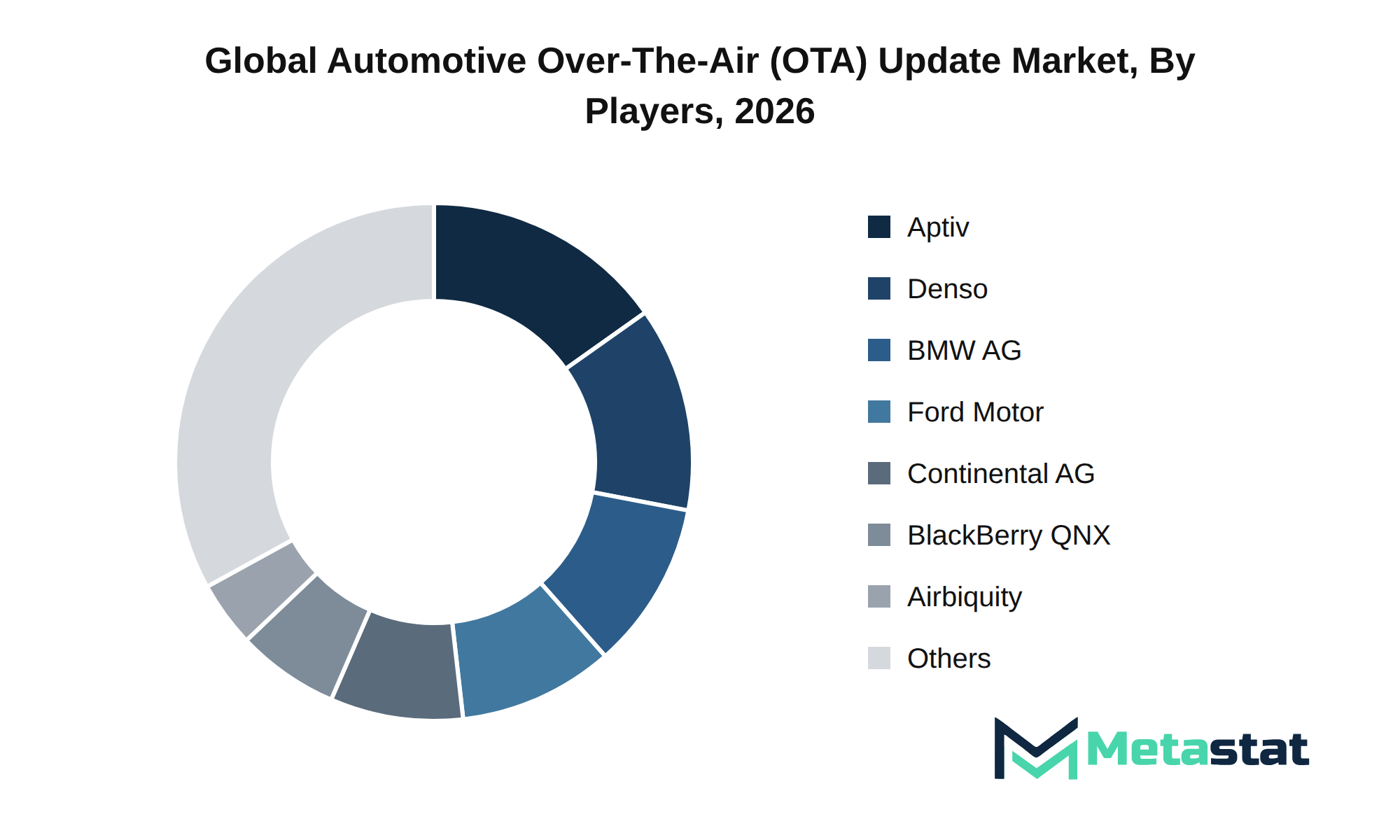
The Automotive Over-The-Air (OTA) Update market experiences a dynamic competitive environment characterized by significant strategic consolidation and partnerships. Key players including Airbiquity Inc., Aptiv PLC, and BlackBerry QNX explore mergers and acquisitions to enhance their technological capabilities and market presence. Firms including Mercedes-Benz Group AG and Ford Motor Company prioritize joint ventures to accelerate product development and innovation.
Product differentiation stands central to competitiveness in the market. Companies like Continental AG and Denso Corporation invest heavily in R&D pipelines to establish proprietary technology moats. This focus on technological advancement ensures a robust market position against emerging startups and potential new entrants. Firms leverage their intellectual property (IP) portfolios to strengthen market share and fend off competitive threats, reflecting a strong emphasis on technological defensibility.
Customer retention strategies play a vital role in long-term success. Companies including Hyundai Motor Company and Kia Corporation enhance brand equity and minimize switching costs, thereby increasing customer loyalty. Strategic alliances with technology partners provide additional value to consumers, reinforcing competitive standing in the market.
Future competitive outlooks suggest continued emphasis on defensive imperatives and strategic growth vectors. The ongoing evolution within the Automotive Over-The-Air (OTA) Update market drives players to adapt swiftly to changing consumer preferences and technological advancements, ensuring sustained growth and market relevance.
Market size is forecast to rise from USD 5.8 billion in 2025 to over USD 28.8 billion by 2033. The base case reflects a substantial growth trajectory, characterized by a 22.3% compound annual growth rate (CAGR). This growth is attributed to several factors influencing the Automotive Over-The-Air (OTA) Update market.
A robust macroeconomic environment is essential for the expansion of the market. Global economic recovery and increased investment in automotive technology drive demand for OTA updates. These investments focus on enhancing vehicle safety, connectivity, and user experience. While automotive manufacturers prioritize next-generation technology integration, the market experiences significant transformation.
The maturation of core industries plays a critical role in demand dynamics. With the automotive industry evolving, consumers expect advanced features and efficient updates, fueling the need for innovative OTA solutions. R&D commercialization timelines and product life-cycle management contribute to market growth. Companies that invest in developing efficient OTA systems position themselves favorably to capture emerging opportunities.
Regulatory evolution significantly impacts the market landscape. Compliance with new safety and emissions standards influences the adoption of OTA updates. Manufacturers face imminent compliance milestones, necessitating investments in technology and infrastructure. This environment encourages strategic capital allocation directives to enhance operational efficiency.
Geopolitical realignments and shifts in global trade corridors affect supply chains. Automotive OEMs adapt to these changes by optimizing their operations, which further increases demand for OTA updates. Emerging white-space opportunities arise from firms identifying unmet enterprise needs within the market.
Executive-level strategic imperatives drive organizations to develop defensibility roadmaps that ensure long-term growth. Identifying high-growth pockets within the Automotive Over-The-Air (OTA) Update market enables companies to capitalize on evolving consumer preferences and technological advancements.
The report strategically identifies and profiles the key market players and analyses their core competencies in each sub-segment of the Automotive Over-The-Air (OTA) Update market.
Report Attributes | Details |
Study Period | 2021-2033 |
Base Year | 2025 |
Estimated Year | 2026 |
Forecast Period | 2026-2033 |
Historical Period | 2021-2025 |
Growth Rate | CAGR 22.3% from 2026 to 2033 |
Revenue Unit | USD billion |
Segmentation | By Technology, Application, Propulsion, Communication Type, and Region |
By Region | North America (By Technology, Application, Propulsion, Communication Type, and Country)
|
Europe (By Technology, Application, Propulsion, Communication Type, and Country)
| |
Asia Pacific (By Technology, Application, Propulsion, Communication Type, and Country)
| |
South America (By Technology, Application, Propulsion, Communication Type, and Country)
| |
Middle East and Africa (By Technology, Application, Propulsion, Communication Type, and Country)
|
Find answers to common questions about this report
The Automotive Over-The-Air (OTA) Update market size was valued at USD 5.8 billion in 2025.
The Automotive Over-The-Air (OTA) Update market is projected to grow at a CAGR of 22.3% during the forecast period from 2026 to 2033.
The North America Automotive Over-The-Air (OTA) Update market size is estimated to reach USD 9.8 billion by 2033.
The Software Over-The-Air Technology (SOTA) segment leads the Automotive Over-The-Air (OTA) Update market, with a projected value of USD 19 billion by 2033. This segment demonstrates a higher growth rate compared to the Firmware Over-The-Air Technology (FOTA) segment.
The key drivers for the Automotive Over-The-Air (OTA) Update market include digital transformation initiatives, advancements in connected vehicle technology, and increasing consumer demand for enhanced features. These factors strengthen customer satisfaction and encourage manufacturers to invest in OTA solutions that optimize vehicle performance and align with sustainability goals.
North America holds the dominant share of the Automotive Over-The-Air (OTA) Update market, with a projected value of USD 9.8 billion in 2033, representing 36.7 percent of the total market.
The Automotive Over-The-Air (OTA) Update market growth faces challenges from regulatory compliance and infrastructure gaps. Tightening data security regulations require significant investments, deterring smaller players, while inadequate connectivity, especially in remote areas, limits timely updates and overall market penetration. These factors collectively hinder innovation and operational efficiency.
Rising consumer demand for connectivity and improved digital experiences significantly favors product adoption in the Automotive Over-The-Air (OTA) Update market. Consumers increasingly expect regular software updates and enhanced vehicle functionality, prompting manufacturers to invest in OTA technologies that boost customer satisfaction and loyalty.
The Automotive Over-The-Air (OTA) Update market is estimated to reach a valuation of USD 28.8 billion by 2033.
Key players in the Automotive Over-The-Air (OTA) Update market include Airbiquity Inc., Aptiv PLC, BlackBerry QNX, BMW AG, Continental AG, Denso Corporation, Ford Motor Company, and NVIDIA Corporation.
The analysts below cover Automotive and Transportation research at Metastat Insights.
LEAD ANALYST
Utkarsh Khirodkar is a Lead Market Research Analyst at MetaStat Insight, specializing in market intelligence, technology sector assessments, and competitive strategy.

ENERGY & INFRASTRUCTURE INDUSTRY CONSULTANT
Automotive and Transportation · Electronics and Semiconductor · Energy and Power · Machinery & Equipment
Saurabh Vasant Ganvir consults for Energy & Infrastructure Industry at MetaStat Insight, specializing in renewable energy, solar EPC, and electric vehicle (EV) infrastructure markets.
When evaluating distributed energy resource management systems, standard research summaries tend to gloss over the operational differences between front-of-the-meter utility deployments and behind-the-meter industrial sites. The MetaStat Insight report addressed those distinctions directly, especially regarding software interoperability standards and grid interconnection backlogs. The five-year market sizing across regional transmission organizations provided actionable context for our grid modernization strategy.
Most industry reports on warehouse automation bundle autonomous mobile robots and fixed conveyor installations into the same top-level numbers, which complicates advisory work. This study split the market cleanly by payload tiers, navigation technology, and fleet management software layers. The regional forecast for Western Europe gave our team defensible adoption benchmarks when evaluating capital allocation for logistics clients, saving us days of secondary data scrubbing.
Standard industry briefs frequently blur the operational distinctions between isobaric pressure exchangers and centrifugal turbines. In this study, MetaStat Insight categorized mega-scale desalination tenders across the GCC and Mediterranean basins by membrane replacement frequencies and salinity tolerances. Their primary research helped us evaluate local content requirements in Saudi Arabia and the UAE without relying on marketing literature. We found the segment-level equipment replacement estimates grounded and well-reasoned throughout.
Explore related market intelligence reports worth reading alongside this one.
Starting from
$2950