
LEAD ANALYST
Utkarsh Khirodkar is a Lead Market Research Analyst at MetaStat Insight, specializing in market intelligence, technology sector assessments, and competitive strategy.

Global Body Piercing Jewelry Market Size, Share, By Product Type (Rings (Captive Bead, Seamless, Segment), Barbells (Straight, Curved, Circular), Studs and Labrets, Plugs and Tunnels, Hoops and Hangers, Belly Chains and Shields, Other Body Jewelry (Nose Pins, Eyebrow Jewelry)), By Piercing Placement (Ear Piercings (Lobe & Cartilage), Nostril Piercings, Septum Piercings, Lip & Labret Piercings, Eyebrow Piercings, Navel Piercings, Nipple Piercings, Tongue & Oral Piercings, Surface & Dermal Piercings), By Material (Implant-Grade Titanium (ASTM F136), Surgical Stainless Steel (316L/316LVM), 14K Gold, 18K Gold, Niobium, Acrylic, Bioplast (Biocompatible Polymer), Glass, Silicone), By Distribution Channel (Brand-Owned DTC Websites, Online Marketplaces, Professional Piercing Studios, Specialty Body Jewelry Retailers, Wholesale / B2B Distribution), Industry Analysis, Growth, Trends, and Forecast, 2026-2033
Report ID
MSI-3749
Published
September, 2026
Updated
Pages
292 Pages
Format
Historical
Base year
Forecast
Forecast period
Report Details
Market Valuation: Valued at $8,639.4 Million in 2025, projected to reach $14,410.6 Million by 2033 at a 6.6% CAGR.
Dominant Segment: Rings lead the market, driven by consumer demand for personalized and unique body jewelry designs. This segment's growth is supported by technological advancements in manufacturing, allowing for intricate designs that cater to evolving preferences.
Geographic Lead: North America is experiencing the fastest growth in the Body Piercing Jewelry market, fueled by increased acceptance of body modifications and urbanization. This region's infrastructure modernization enhances distribution channels, facilitating market expansion.
What's Inside: The report provides a comprehensive analysis of market segmentation by product type, piercing placement, material, and distribution channel. It includes competitive coverage, industry trends, and a detailed forecast from 2026 to 2033.
Consumer Trends: Shifting consumer lifestyles and increased acceptance of body piercings as a form of self-expression are driving market demand. Younger demographics, particularly millennials and Gen Z, prioritize unique and customizable jewelry options.
Choose Your License
Global Body Piercing Jewelry Market
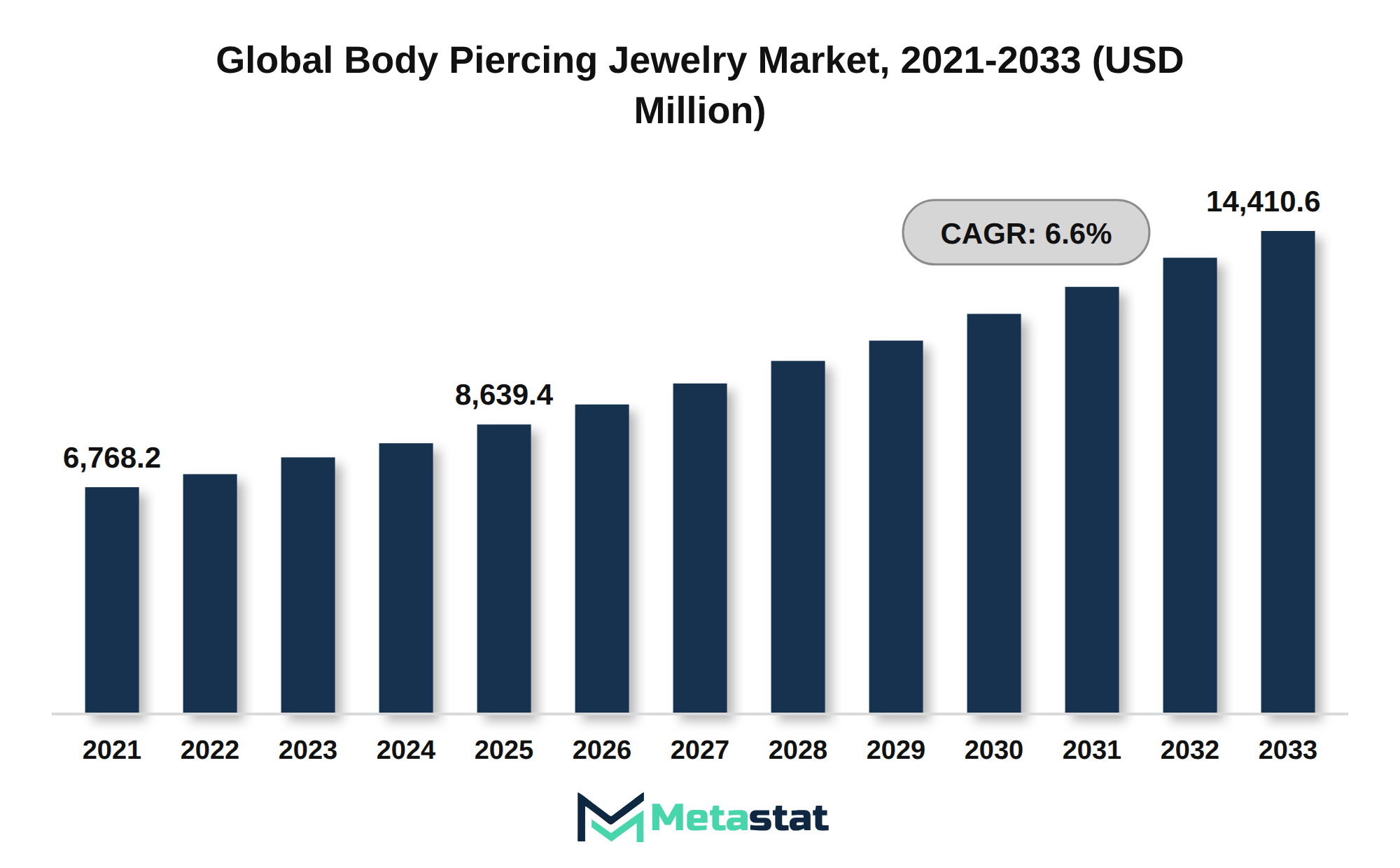
The global Body Piercing Jewelry market was valued at USD 8,639.4 million in 2025 and is projected to reach USD 14,410.6 million by 2033, growing at a CAGR of 6.6% over the forecast period.
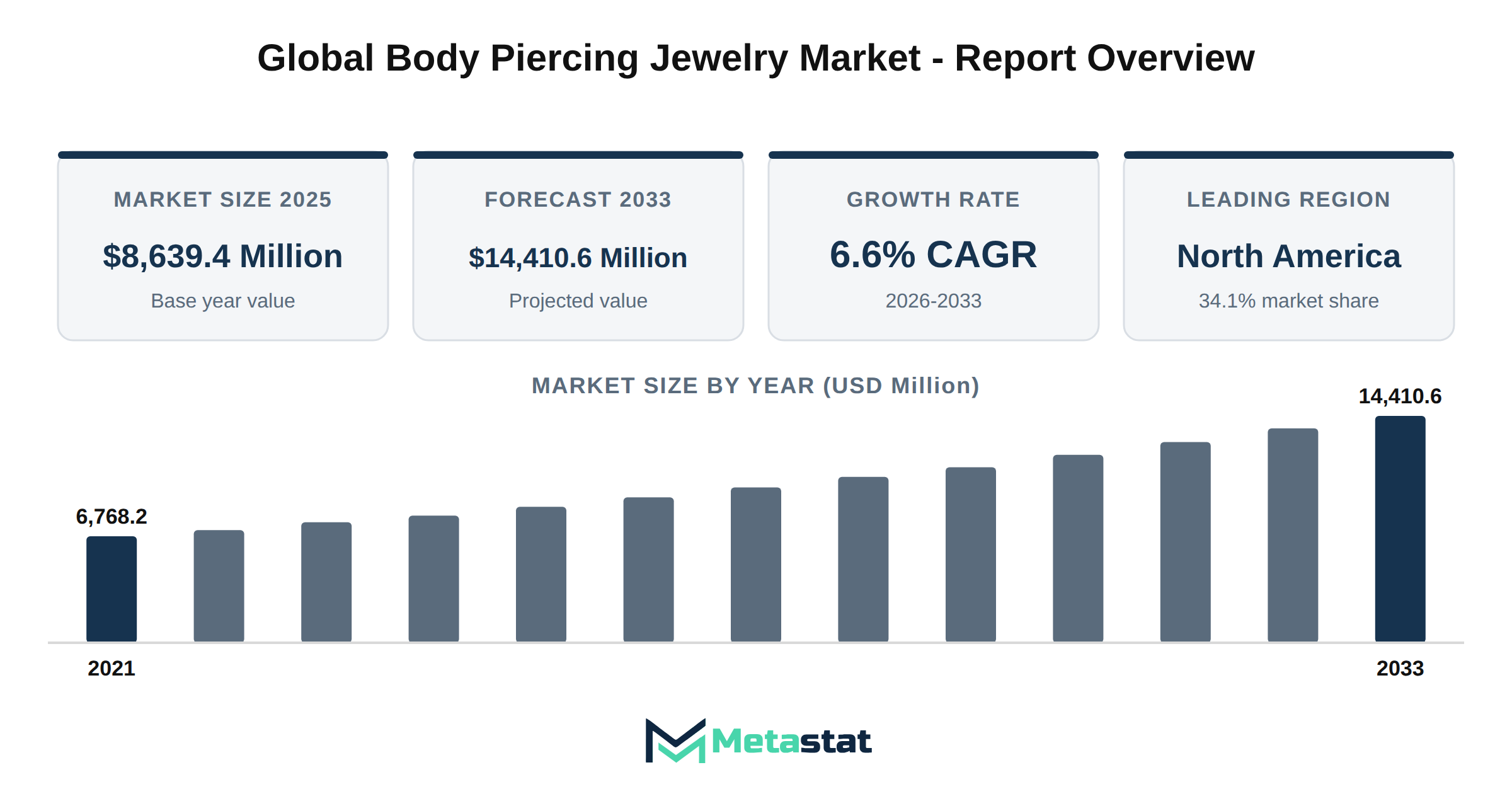
The Body Piercing Jewelry market reached a value of USD 8,639.4 million in 2025 and is projected to grow to USD 14,410.6 million by 2033, reflecting a compound annual growth rate (CAGR) of 6.6% over the forecast period. Rising trends in consumer preferences significantly shape this growth, with particular emphasis on materials and jewelry types.
Growing demand for implant-grade titanium body jewelry emerges because a key trend, driven by its hypoallergenic properties and durability, appealing to health-conscious consumers. The adoption of 14K and 18K gold piercing jewelry continues to expand, owing to consumers increasingly seeking premium options that offer both aesthetic appeal and intrinsic value.
Hypoallergenic and biocompatible materials play an important role in driving purchasing decisions, with consumers favoring options that minimize the risk of allergic reactions. The demand for ear piercings, particularly lobe and cartilage styles, reflects a shift toward curated ear styling, influencing jewelry design and marketing strategies.
The expansion of nose, septum, and cartilage piercing jewelry contributes to the evolving nature of body jewelry, catering to diverse consumer preferences. The premiumization of fine body piercing jewelry highlights a trend toward high-quality materials and craftsmanship, attracting a segment of consumers willing to invest in unique pieces.
Innovation in threadless and internally threaded jewelry enhances the safety and comfort of body piercings, further driving consumer interest. Customization and personalized body jewelry demand illustrate a growing desire for unique expressions of individuality, prompting brands to offer tailored options.
Direct-to-consumer (DTC) e-commerce growth significantly impacts the body piercing jewelry market, providing consumers with convenient access to a wide range of products. Online marketplaces transform distribution channels, allowing brands to reach a broader audience while increasing competition within the market.
Professional piercing studios emerge because crucial drivers of premium jewelry sales, providing expertise and a personalized shopping experience that enhances customer satisfaction. Trends in wholesale and B2B distribution further shape the market dynamics, because retailers seek to diversify their offerings and cater to changing consumer demands.
Rising interest in implant-grade titanium body jewelry reflects increasing consumer awareness of safety and quality. This material offers enhanced durability and biocompatibility, appealing to health-conscious buyers, particularly among those seeking body piercings.
Growing adoption of 14K and 18K gold piercing jewelry signifies a shift towards more luxurious options in the market. Consumers prioritize high-quality materials that provide both aesthetic appeal and long-term value, driving sales of these premium products.
Hypoallergenic and biocompatible materials significantly influence purchase decisions. Consumers with sensitive skin prefer jewelry made from materials that minimize irritation and allergic reactions, expanding the market for such products.
The demand for ear piercings, particularly curated ear styling, continues to rise. This trend emphasizes the popularity of multiple piercings and unique combinations of jewelry, appealing to fashion-forward individuals.
Expansion of nose, septum, and cartilage piercing jewelry reflects evolving consumer preferences. These styles gain traction among younger demographics, promoting diversity and personal expression in body adornment.
Premiumization of fine body piercing jewelry drives market growth. Consumers increasingly seek high-end options that combine artistry with quality materials, resulting in higher average transaction values.
Innovations in threadless and internally threaded jewelry enhance usability and safety. These designs offer ease of wear and reduce the risk of irritation, attracting consumers seeking both comfort and style.
Customization and personalized body jewelry demand rise due to consumers seeking unique pieces that reflect their individuality. Brands that offer bespoke services capture a growing segment of the market.
Direct-to-consumer e-commerce growth transforms the body piercing jewelry market. Brands leverage online platforms to reach wider audiences, enhancing convenience for consumers looking for specific styles and materials.
Online marketplaces are reshaping body jewelry distribution, allowing consumers to access a broader selection of products. This trend benefits both established brands and emerging designers seeking visibility in a competitive environment.
Professional piercing studios play a crucial role in driving premium jewelry sales. These establishments often offer exclusive selections, enhancing the perceived value of their offerings and building loyalty among customers.
Wholesale and B2B body jewelry distribution trends indicate a shift towards greater collaboration between manufacturers and retailers. This strategy streamlines supply chains and improves product availability for consumers.
Pricing and material cost dynamics impact the body piercing jewelry market. Fluctuations in raw material prices influence retail pricing strategies, prompting brands to adapt to maintain competitive edges.
Regulatory and safety standards for body piercing jewelry materials become increasingly important. Compliance with established guidelines ensures consumer safety and enhances brand reputation in the market.
Sustainable and ethically sourced body jewelry trends attract environmentally conscious consumers. Brands that prioritize sustainability capture consumer attention and differentiate themselves in a crowded marketplace.
Competitive strategies of leading body piercing jewelry brands focus on innovation and consumer engagement. Effective marketing and product development contribute to sustained growth in the market.
Social media and influencer impact shape piercing jewelry trends. Brands leverage these channels to reach younger audiences, driving awareness and building engagement through visually appealing content.
Asia Pacific presents significant growth opportunities in the body piercing jewelry market. Increasing disposable incomes and changing fashion norms contribute to rising demand in this region.
North America and Europe exhibit strong premium body jewelry demand, influenced by shifting consumer preferences towards high-quality materials and unique designs. This trend supports robust market growth in these regions.
Emerging body piercing styles and jewelry design innovation drive ongoing interest in the market. Designers continuously introduce new concepts and materials, capturing consumer imagination and building brand loyalty.
Future growth opportunities in the body piercing jewelry market hinge on evolving consumer preferences and technological advancements. Brands that adapt to these changes are well-positioned for success.
Shifting consumer lifestyles significantly influence the Body Piercing Jewelry market. Increased acceptance of body piercings because a mainstream form of self-expression aligns with evolving beauty standards and fashion trends. Younger demographics, particularly millennials and Gen Z, show a strong inclination towards personal adornments that reflect individuality. This demographic prioritizes unique and customizable jewelry options, increasing demand for diverse product offerings in the market.
Urbanization contributes to market growth through enhanced access to body piercing services and jewelry retailers. In urban centers, consumers encounter a wider variety of piercing options and jewelry styles, stimulating interest and boosting sales. Social media influences consumer preferences, with influencers displaying body jewelry in fashion content, increasing visibility and desirability.
The growing trend of body modification encourages innovation among manufacturers, leading to the introduction of new materials and designs. Sustainable and ethically sourced materials appeal to environmentally conscious consumers, further expanding the market. While these lifestyle changes continue to evolve, the Body Piercing Jewelry market is expected to experience significant growth, driven by a combination of personal expression, urban accessibility, and social influence.
Digital transformation drives significant advancements within the Body Piercing Jewelry market. Increasing adoption of automation, artificial intelligence, and software systems optimizes production processes and customer engagement strategies. Modernized operations improve efficiency, resulting in cost savings, faster response times, and enhanced product quality, which strengthen competitive positioning.
Investment in technology solutions supports the industry's ability to meet changing consumer demands. Implementing e-commerce platforms allows for expanded market access, accommodating preferences for online shopping. Digital marketing strategies enable brands to target specific demographics effectively, driving sales growth within the market.
The integration of technological innovations allows suppliers to diversify product offerings. Enhanced research and development capabilities lead to introducing new styles and materials, catering to evolving consumer tastes. This diversification increases market penetration and revenue opportunities, contributing to the overall expansion of the Body Piercing Jewelry market.
Regulatory compliance presents a significant challenge for the Body Piercing Jewelry market, driven by varying regulations across regions that create hurdles for manufacturers and retailers. Compliance costs increase operational overhead for companies involved in the production and distribution of body jewelry, affecting profit margins. The requirement for adherence to safety standards and materials regulations often limits market entry for smaller players, leading to a concentration of market share among established firms.
Macroeconomic headwinds, including inflationary pressures, further complicate the situation. Rising costs for raw materials and production reduce profitability, forcing businesses to adjust pricing structures, which deters potential consumers from making purchases. Geopolitical instability and supply chain disruptions hinder the timely availability of products, contributing to market fragmentation and affecting overall consumer confidence.
Investment in new technologies to enhance product offerings is essential for maintaining competitiveness in the Body Piercing Jewelry market. High capital investment requirements restrict several players from modernizing their operations. Technological obsolescence impacts manufacturers that struggle to keep pace with changing consumer preferences and innovations in design and materials.
Resource scarcity presents a constraint, particularly for materials including surgical stainless steel and gold, which are essential for high-quality body jewelry. Limited availability of these resources drives up costs and leads to strategic repositioning among market participants focused on sustainability and ethical sourcing.
Geopolitical fragmentation presents a significant challenge for the Body Piercing Jewelry market, leading to disruptions in supply chains and trade flows. Heightened trade deficits and tariff friction between countries increase costs for manufacturers, impacting pricing strategies and profit margins. Many suppliers face difficulties in sourcing materials due to these geopolitical tensions, which affects their ability to maintain a stable supply of raw materials and components necessary for production.
This instability in supply chains drives greater volatility in feedstock prices, complicating budgeting processes for companies involved in the market. Rising input costs, coupled with margin pressures, force manufacturers to explore cost-cutting measures or pass expenses onto consumers. Such strategies hinder competitive positioning in the market and limit overall growth potential.
Evolving legal liabilities and tightening global regulatory standards introduce compliance overhead that complicates operational processes. Companies operating within the Body Piercing Jewelry market navigate these complexities while meeting consumer demand for unique and high-quality products. Ultimately, geopolitical tensions and their resulting ramifications present ongoing challenges that influence market dynamics and growth trajectories.
Growing interest in body piercing jewelry across diverse regions represents a significant opportunity within the market. Increased acceptance of body modifications in cultures worldwide fuels demand, particularly in regions including North America and Europe, where consumer preferences evolve. This trend leads to heightened sales and increased revenue, especially in urban centers where body piercing has become a fashion statement.
Infrastructure modernization enhances distribution channels, facilitating a smoother flow of body piercing jewelry to consumers. E-commerce platforms and brand-owned direct-to-consumer websites experience rapid growth, providing consumers with access to a wider range of products. Retailers and manufacturers benefit from this shift, allowing them to capture an expanding customer base without the constraints of traditional brick-and-mortar retailing.
Technological disruptions play a vital role in shaping the market landscape. Advances in manufacturing techniques contribute to the development of unique and innovative body piercing jewelry designs, appealing to younger demographics. Offering products that combine aesthetics with functionality enables suppliers to differentiate themselves, driving sales growth throughout the Body Piercing Jewelry market.
Digital procurement shifts highlight evolving buying behaviors among consumers. Increased reliance on online shopping and social media influences purchasing decisions, driving engagement with brands. Manufacturers and retailers adapting to these digital trends experience improved customer loyalty and increased market penetration.
Cross-industry mergers and acquisitions present opportunities for strategic consolidation within the market. Collaborations among jewelry manufacturers, fashion brands, and lifestyle companies encourage innovation and broaden product offerings. This collaboration enhances market competitiveness and drives growth in the body piercing jewelry sector.
Sustainability imperatives create a demand for eco-friendly options in body piercing jewelry. Consumers increasingly prefer materials that demonstrate environmental responsibility, prompting manufacturers to explore innovative materials and sustainable practices. Companies leveraging this trend to introduce green transformations within their product lines secure a competitive edge, facilitating growth in the market.
The Global Body Piercing Jewelry market is segmented based on Product Type, Piercing Placement, Material, and Distribution Channel.
Rings (Captive Bead, Segment, etc.) segment is valued at USD 2,510.2 million in 2026 and is projected to reach USD 3,764 million by 2033, at a CAGR of 6% during the forecast period. A growing preference for personalized and unique body jewelry designs drives demand for this segment. Consumers increasingly seek distinctive styles that reflect their individual identities, propelling the adoption of rings because a fashion accessory.
Technological advancements in manufacturing processes, including the use of 3D printing and precision engineering, enhance product quality and design flexibility. This development allows manufacturers to produce intricate designs that cater to evolving consumer tastes. The expansion of online marketplaces facilitates easier access to a wide range of options, thus broadening consumer choice and increasing market penetration.
Price volatility of raw materials imposes margin pressures on manufacturers, requiring effective cost management strategies. Fluctuations in the prices of metals, particularly surgical-grade stainless steel and titanium, significantly impact overall production costs. Brands focusing on sustainability and ethical sourcing of materials tend to connect well with environmentally conscious consumers, further influencing purchasing decisions.
Regulatory compliance regarding safety and quality standards significantly impacts the market. Certifications from relevant authorities ensure that products meet health and safety requirements, which enhances consumer trust. Brands that prioritize compliance with these standards effectively position themselves within the Body Piercing Jewelry market, gaining a competitive advantage.
Strategic opportunity windows for expansion exist in emerging markets, where the popularity of body piercings continues to grow. Rising disposable income and changing cultural perceptions around body art contribute to increased consumer spending on body jewelry. Capital investments in marketing and distribution channels further strengthen brand visibility and accessibility, enabling long-term growth within this dynamic segment.
Barbells (Straight, Curved, Circular, etc.) segment is projected to reach USD 3,373.5 million by 2033, at a CAGR of 6.2% during the forecast period. Increased consumer interest in unique body jewelry styles drives demand for barbells, creating opportunities for suppliers to expand their product offerings. The appeal of customization options and the growing acceptance of body piercings across various demographics contribute to this growth trend. Innovations in materials like implant-grade titanium enhance product safety, attracting health-conscious consumers while fulfilling regulatory compliance requirements.
Pricing strategies significantly influence market dynamics, with competitive pricing allowing brands to capture a broader customer base. The availability of barbells through diverse distribution channels, including brand-owned DTC websites and online marketplaces, supports expansion efforts and improves accessibility for consumers. The increasing penetration of e-commerce platforms enhances product visibility, driving sales growth in the Body Piercing Jewelry market.
Demand for studs and labrets in the Body Piercing Jewelry market experiences significant growth, driven by evolving consumer preferences for unique and personalized body jewelry. Enhanced social media visibility of body piercing styles and trends significantly influences younger consumers, leading to increased adoption rates across various demographics. This segment is projected to reach USD 3,008.9 million by 2033.
Technological advancements in jewelry manufacturing and design contribute to the segment's expansion, with innovations enabling the production of more intricate and customizable designs. Brands that leverage technology to enhance product offerings gain a competitive advantage. The regulatory landscape surrounding body jewelry, particularly regarding material safety and compliance, shapes market dynamics. Manufacturers investing in compliant materials, including implant-grade titanium and surgical stainless steel, experience improved consumer trust and market acceptance.
Pricing strategies play a crucial role, with brands adopting diverse pricing models to appeal to various consumer segments. Competitive pricing influences consumer purchasing decisions in a market characterized by a wide range of products at different price points. Supply chain resilience and raw material sourcing affect cost structures, with fluctuations in prices impacting margins. Companies focusing on sustainable sourcing practices and logistical efficiency strengthen their positions in the market.
Continued investments in marketing and brand awareness drive consumption shifts, ensuring that studs and labrets maintain visibility among consumers. The emphasis on environmental sustainability and ethical sourcing presents strategic opportunity windows for brands that align their values with consumer expectations. Overall, this segment of the Body Piercing Jewelry market demonstrates significant growth potential, driven by innovation, consumer engagement, and strategic positioning.
Plugs and Tunnels segment is projected to grow at a CAGR of 5.8% during the forecast period. This growth reflects increasing consumer interest in body modification, driving demand for various types of body jewelry. Enhanced awareness of body piercing aesthetics and cultural significance drives market expansion. The rise of social media influences consumer preferences, encouraging individuals to seek unique and customizable body jewelry options.
Technological advancements contribute to product evolution, with manufacturers focusing on innovative designs and materials. Customization options, including personalized engravings and variations in size and style, attract a broader consumer base. Improvements in raw material sourcing ensure the availability of high-quality materials, enhancing product durability and appeal. These factors collectively drive adoption within the segment.
Market players focus on strategic partnerships and collaborations to strengthen distribution channels, increasing accessibility to consumers. E-commerce platforms and brand-owned direct-to-consumer websites emerge because significant sales channels, allowing for a more extensive reach and engagement with target audiences. The segment captures a larger share of the overall Body Piercing Jewelry market.
The Plugs and Tunnels segment exhibits strong growth potential, supported by evolving consumer preferences, innovative product offerings, and enhanced distribution strategies. Market players that leverage these dynamics will likely benefit from improved market positioning and revenue growth.
Growing interest in unique body jewelry drives demand for hoops and hangers within the Body Piercing Jewelry market. This segment appeals to consumers seeking personalized and expressive accessories, aligning with broader fashion trends emphasizing individuality. The influence of social media and celebrity endorsements accelerates trends, prompting increased purchases of distinctive designs.
Technological advancements in production techniques enhance the quality and variety of hoops and hangers. Manufacturers create innovative materials and designs to cater to diverse consumer preferences. The introduction of lightweight, hypoallergenic options further expands the customer base, appealing to individuals with sensitivities.
Increased online shopping facilitates access to a wider range of hoops and hangers, enhancing consumer choice. E-commerce platforms enable brands to reach broader audiences while allowing consumers to explore various styles easily. This shift in distribution contributes to the segment's growth. Convenience plays a critical role in purchasing decisions.
While trends evolve, the integration of sustainable materials into product offerings becomes increasingly relevant. Consumers express heightened awareness regarding environmental impacts, prompting brands to explore eco-friendly alternatives in their collections. This focus on sustainability aligns with shifting consumer values, enhancing loyalty and improving brand reputation.
Interest in belly chains and shields continues to rise due to fashion trends and cultural influences. This product type appeals to consumers seeking unique and customizable body jewelry options. Increasing social media exposure enhances visibility for these items, driving demand among younger demographics. The market benefits from growing acceptance of body piercings, contributing to broader consumer interest in body jewelry and accessories.
Regulatory compliance around materials and safety standards influences product offerings in the market. Many consumers prioritize body jewelry crafted from high-quality materials that ensure safety and minimize allergic reactions. Continuous advancements in materials science, particularly with the use of biocompatible substances, support the development of innovative designs and improve the overall consumer experience.
Pricing volatility affects consumer purchasing patterns within this segment. Fluctuations in raw material costs, including precious metals and specialty alloys, impact overall production expenses. Manufacturers seek to balance quality and affordability, ensuring competitive pricing while maintaining product standards. Strategic opportunities arise from introducing new designs and collaborations with influencers, enhancing brand visibility and reaching niche markets.
Interest in unique body jewelry continues to drive demand within the Body Piercing Jewelry market. The Other Body Jewelry segment, which encompasses items including nose pins and eyebrow jewelry, attracts consumers looking for personalized and distinctive adornments. Increased social media influence and celebrity endorsements contribute significantly to rising trends in body jewelry, particularly among younger demographics who prioritize self-expression and individuality.
Technological maturation supports the introduction of innovative designs and materials within the market. Advances in manufacturing techniques enhance product quality and safety, which aligns with health-conscious consumers seeking hypoallergenic options. Regulatory compliance regarding safety standards and materials further shapes the segment, driven by manufacturers adopting higher quality materials to meet consumer expectations and regulations.
Price sensitivity among consumers influences purchasing behavior, pushing brands to develop competitive pricing strategies while maintaining product quality. The segment benefits from an expanding distribution network, with brand-owned DTC websites and online marketplaces providing greater accessibility. This shift towards online sales channels aligns with evolving shopping preferences, enabling consumers to explore diverse product offerings efficiently.
The Other Body Jewelry sub-segment thrives within a dynamic market environment characterized by changing consumer preferences, technological advancements, and an expanding distribution landscape. The market continues to evolve, presenting opportunities for growth and innovation because brands adapt to meet the demands of discerning consumers.
Demand for ear piercings, including lobe and cartilage placements, experiences notable growth, driven by evolving fashion trends and individual expressions of identity. This segment is valued at USD 3,669 million in 2026 and is projected to reach USD 5,931.4 million by 2033, reflecting a CAGR of 7.1% during the forecast period.
Shifts in consumer preferences towards personalized and unique body jewelry significantly influence this segment. Social media platforms play a vital role in promoting diverse styles, encouraging consumers to explore various piercing options. Strong demand arises from younger demographics prioritizing self-expression and willing to invest in distinctive jewelry pieces.
Technological advancements in body piercing techniques and materials enhance safety and comfort, further driving adoption among consumers. Innovations in hypoallergenic materials and user-friendly designs contribute to increased consumer confidence, resulting in higher sales within the segment. Regulatory compliance regarding materials and safety standards impacts product offerings, ensuring quality and safety for consumers.
Investment in marketing strategies targeting millennials and Gen Z consumers supports segment growth. Retailers emphasize online sales channels through brand-owned direct-to-consumer websites and online marketplaces, enhancing accessibility to products. While the market evolves, the segment benefits from continued interest in ear piercings, reinforcing its position within the broader Body Piercing Jewelry market.
Nostril piercings represent a growing segment within the Body Piercing Jewelry market, driven by evolving fashion trends and increased acceptance of body art. The rise in social media influence, particularly among younger demographics, significantly enhances visibility and desirability for nostril piercings. Influencers and celebrities promote these styles, leading to broader consumer interest and acceptance.
Technological advancements in materials and design contribute to the segment's growth. Innovations in implant-grade titanium and biocompatible materials improve safety and comfort for consumers, reducing risks associated with piercings. Enhanced product offerings cater to diverse aesthetic preferences, further stimulating demand.
Market expansion is supported by the increase in professional piercing studios and specialized retailers, providing consumers with access to high-quality products. Brand-owned direct-to-consumer (DTC) websites facilitate a more personalized shopping experience, allowing consumers to explore various options for nostril piercings conveniently. This accessibility enhances consumer engagement and drives sales, fostering a competitive environment.
The nostril piercings segment is projected to reach USD 2,412.3 million by 2033, at a CAGR of 7.2% during the forecast period. The ongoing trend towards individual expression through body art positions this segment for continued growth, driven by evolving cultural norms and increasing acceptance of body modifications.
Growing popularity of septum piercings contributes to a robust demand in the Body Piercing Jewelry market. Increasing acceptance of body modifications, particularly among younger demographics, drives interest in this specific segment. The rise of social media platforms facilitates exposure to diverse styles and trends in body jewelry, enhancing consumer engagement. Customers increasingly seek unique and personalized jewelry options, further propelling the growth of septum piercings.
Technological advancements in materials, including implant-grade titanium and surgical stainless steel, improve product offerings within this segment. These materials enhance safety and comfort, addressing common concerns related to body piercings. Increased awareness of health and safety standards supports market growth, reflecting consumers' prioritization of quality and certification in their purchasing decisions.
Septum piercings segment is expected to reach USD 1,495.8 million by 2033. The segment benefits from expanding retail channels, including brand-owned direct-to-consumer websites and online marketplaces. This diversification in distribution channels broadens consumer access and contributes to sales growth. Strategic marketing efforts by key players in the market further enhance visibility and drive demand for septum piercings, ensuring their continued prominence within the broader Body Piercing Jewelry market.
Interest in lip and labret piercings continues to increase due to shifting fashion trends and cultural influences. This sub-segment shows potential for growth, fueled by rising acceptance of body modifications and a desire for self-expression among younger demographics. The incorporation of innovative designs and materials enhances the appeal of lip and labret jewelry, attracting consumers seeking unique and personalized options. The segment is projected to grow at a CAGR of 5.5% during the forecast period. More professional piercing studios adopting advanced techniques and offering customized jewelry will likely lead to increased sales within the Body Piercing Jewelry market.
Consumer preferences for high-quality materials, including titanium and surgical stainless steel, influence purchasing decisions, driving demand for durable and aesthetically pleasing options. The market reflects a growing emphasis on safety and comfort, with many consumers seeking jewelry that minimizes the risk of allergic reactions or infections. Regulatory compliance regarding materials and manufacturing processes remains essential for suppliers, necessitating adherence to industry standards. This focus on safety, combined with evolving consumer preferences, positions the lip and labret piercings segment for sustained growth within the broader market.
Eyebrow piercings have gained substantial traction within the Body Piercing Jewelry market, driven by changing fashion trends and increased acceptance of body art. Social media influencers and celebrities frequently highlight eyebrow piercings, enhancing their visibility and desirability among diverse demographics. This growing acceptance leads to heightened consumer interest, particularly among younger individuals seeking unique forms of self-expression.
Technological advancements in piercing techniques contribute to expanding this segment. Innovations in materials, including the introduction of hypoallergenic options, enhance comfort and safety for consumers. These improvements encourage a broader audience to explore eyebrow piercings, reducing concerns related to irritation or allergic reactions. Rising awareness about the importance of aftercare and hygiene practices supports consumer confidence in eyebrow piercing procedures.
Eyebrow piercings align with trends toward individuality in fashion, with customization options becoming increasingly popular. Consumers seek personalized and unique designs, prompting manufacturers to offer a diverse range of styles, colors, and materials. This evolution in product offerings caters to various tastes and preferences, increasing the attractiveness of eyebrow piercings.
While demand for eyebrow piercings grows, regulatory compliance remains essential for industry players. Compliance with safety standards ensures that products meet quality requirements, building trust among consumers. Manufacturers prioritizing compliance and transparency in their practices see enhanced brand loyalty and market share in the Body Piercing Jewelry market.
Challenges related to pricing volatility impact the affordability of certain materials used in eyebrow piercings. Fluctuations in raw material costs influence overall pricing strategies, posing challenges for both consumers and manufacturers. Strategic management of supply chains and sourcing practices plays a significant role in mitigating these challenges and maintaining competitive pricing in the market.
Growing preference for body piercings drives interest in navel piercings. This particular segment reflects evolving fashion trends, with consumers seeking personalized body art. Young adults and teenagers form a significant portion of the clientele, influenced by social media and celebrity endorsements. Aesthetic appeal and self-expression remain primary motivators for adopting this form of body decoration.
Technological advancements in materials enhance safety and comfort for navel piercings. Innovations in implant-grade titanium and biocompatible materials reduce the risk of allergic reactions and promote faster healing. These advancements enhance consumer confidence, driving demand and expanding market reach.
Regulatory compliance and certifications play a crucial role in the navel piercings segment. Stricter safety standards ensure that manufacturers adhere to quality guidelines, building trust among consumers. This dynamic encourages manufacturers to invest in certified materials and processes, positively impacting growth within the Body Piercing Jewelry market.
Pricing volatility poses challenges for suppliers within this segment. Fluctuations in raw material costs influence final pricing, requiring strategic pricing models to maintain competitiveness. Effective cost management strategies are essential for suppliers to navigate these pressures while meeting consumer demand.
Strategic opportunity windows arise for brands focusing on innovative designs and marketing strategies. By tapping into cultural shifts and lifestyle trends, brands differentiate themselves, attracting a broader audience. This approach enhances penetration within the Body Piercing Jewelry market and positions brands favorably for future growth.
Interest in nipple piercings reflects a shift towards more diverse body jewelry options, driven by evolving fashion trends and individual expression. This segment experiences heightened demand attributed to consumers seeking unique and personalized body adornments. The Body Piercing Jewelry market observes considerable growth influenced by cultural acceptance and social media trends that highlight body piercings because a form of self-expression. Factors including increased visibility of body piercings in popular culture and the rise of influencers contribute to the market's expansion.
Technological advancements in materials and design enhance product offerings, attracting a broader audience. Options like implant-grade titanium and surgical stainless steel appeal to health-conscious consumers. Evolving fashion trends encourage experimentation with different styles and placements, further driving demand within the segment. Continuous innovation in product design and safety standards aligns with consumer preferences for durability and aesthetic appeal.
Regulatory compliance and safety certifications influence consumer trust and purchasing decisions. Adherence to industry standards strengthens market integrity, encouraging more individuals to consider nipple piercings. The opportunity for brands to differentiate through quality and unique designs presents significant potential for growth. Strategic marketing efforts focusing on the benefits of body piercings play a crucial role in shaping consumer perceptions and decisions, ultimately propelling the Body Piercing Jewelry market forward.
Tongue and oral piercings capture attention within the Body Piercing Jewelry market due to evolving fashion trends and personal expression. Rising social acceptance of body modifications drives consumer interest, particularly among younger demographics. This segment benefits from the increasing popularity of customized jewelry options, allowing consumers to express individuality through unique designs and materials.
Technological advancements in manufacturing techniques positively influence the quality and safety of tongue and oral piercing jewelry. Enhanced product offerings, including designs featuring implant-grade materials, align with health-conscious consumer preferences. Stricter regulations and standards for body jewelry increase compliance with safety certifications, heightening consumer trust and expanding market opportunities.
Changes in consumer preferences toward aesthetic appeal and functional designs present strategic opportunities for manufacturers. Increased focus on aesthetic trends, alongside a shift toward minimalist and versatile styles, encourages innovation in product development. The market for tongue and oral piercings thrives on the relationship between consumer demand for both functionality and style, influencing purchasing decisions.
Surface and dermal piercings have gained traction within the Body Piercing Jewelry market, driven by increasing consumer interest in body modification and self-expression. The segment attracts diverse clientele, ranging from fashion-forward individuals to those seeking unique personal statements. This growth stems from cultural shifts that embrace body art because a form of individuality.
Technological advancements contribute to segment expansion by introducing innovative designs and materials. For instance, the development of biocompatible materials enhances safety and comfort for wearers. Manufacturers focus on aesthetic appeal, producing eye-catching pieces that align with fashion trends.
Regulatory compliance plays a critical role in shaping the segment, ensuring that products meet safety standards. Certifications from reputable organizations boost consumer confidence, facilitating market penetration. Strong supply chain resilience enables manufacturers to maintain quality while responding swiftly to market demands.
Price sensitivity influences consumer behavior, with consumers balancing quality and cost when selecting body jewelry. Fluctuations in raw material prices impact pricing strategies, compelling manufacturers to adapt while maintaining profit margins. The market observes a shift towards sustainable materials, aligning with growing environmental awareness among consumers.
Strategic opportunity windows exist for brands that innovate and differentiate their offerings. Engaging marketing strategies that highlight the uniqueness of surface and dermal piercings enhance visibility and attract new customers. By understanding end-use dynamics and consumption shifts, companies position themselves effectively in this evolving market.
Interest in bridge, cheek, and genital piercings continues to shape the Body Piercing Jewelry market. Cultural acceptance and evolving fashion trends drive demand for these unconventional piercing placements. Factors including celebrity endorsements and social media influence promote experimentation with diverse body adornments, including these less traditional options.
Adoption of bridge and cheek piercings stems from an increasing desire for personalization and self-expression. The rise of body positivity movements encourages individuals to embrace distinctive styles, creating a conducive environment for these body piercings. The market reflects broader acceptance of genital piercings, reflecting changing attitudes towards body modification.
Product evolution significantly influences segment expansion for bridge, cheek, and genital piercings. Innovations in materials, including biocompatible polymers, enhance safety and comfort for users. Technological maturation in manufacturing processes allows for intricate designs and customizations, appealing to a diverse consumer base.
End-use dynamics reflect a growing preference for unique body jewelry that stands out. The emergence of niche markets contributes to the overall expansion of the Body Piercing Jewelry market. Regulatory compliance and safety certifications remain critical in supporting consumer confidence, ensuring that body jewelry adheres to industry standards.
Cost structures influence pricing strategies for these specialized products. Higher production costs associated with unique designs lead to premium pricing. Willingness among consumers to invest in distinctive body jewelry supports sustained growth in this segment.
Strategic opportunity windows arise from increased interest in alternative body piercings. The market captures new demographics seeking to differentiate themselves through individualistic styles. Continuous engagement through marketing initiatives and collaborations with influencers enhances visibility for bridge, cheek, and genital piercings.
The presence of high-quality materials significantly influences the Body Piercing Jewelry market. Implant-Grade Titanium (ASTM F136) stands out due to its biocompatibility and strength, which appeals to consumers seeking safe and durable body jewelry options. This segment is valued at USD 2,731.7 million in 2026 and is projected to reach USD 4,628.7 million by 2033, at a CAGR of 7.8% during the forecast period. The increasing awareness of health and safety standards among consumers drives adoption, particularly in professional piercing studios where the emphasis on quality and compliance is essential.
Technological advancements have enabled the production of Implant-Grade Titanium jewelry with enhanced designs and finishes, appealing to a broader audience. The ability to customize products further fuels demand, especially among younger consumers who prioritize individuality in their choices. This trend aligns with the overall evolution within the Body Piercing Jewelry market, where customization and aesthetics play crucial roles in consumer purchasing decisions.
The segment's growth trajectory is supported by the rising popularity of ear piercings, which often use implant-grade materials for their safety and aesthetic appeal. Key players are investing in marketing strategies that highlight the benefits of using high-quality materials, thereby enhancing brand trust and consumer loyalty. The shift towards online marketplaces has expanded the reach of Implant-Grade Titanium products, facilitating consumer access and driving sales growth.
Pricing strategies remain critical, driven by fluctuations in raw material costs impacting margins. However, the premium nature of Implant-Grade Titanium allows manufacturers to maintain competitive pricing while ensuring product quality. Continuous innovation and product development are essential to capitalize on emerging opportunities within the market, particularly because consumer preferences evolve towards sustainable and ethically sourced materials.
Interest in high-quality materials significantly impacts the Body Piercing Jewelry market, particularly in the Surgical Stainless Steel (316L/316LVM) segment. This material is favored for its corrosion resistance and biocompatibility, attributes that align with consumer preferences for durability and safety in body jewelry. The segment is projected to reach USD 3,957.1 million by 2033, growing at a CAGR of 4.7% during the forecast period.
Regulatory compliance and certifications related to materials used in body piercing jewelry influence market dynamics. Demand for Surgical Stainless Steel (316L/316LVM) benefits from stringent health and safety regulations, which prioritize the use of hypoallergenic and durable materials. This scenario creates a favorable environment for manufacturers who invest in quality assurance processes to meet these standards.
Technological advancements contribute to product evolution within this segment. Innovations in manufacturing processes enhance the precision and finish of Surgical Stainless Steel products. This appeals to a diverse consumer base and supports an increase in consumer confidence. The trend expands market reach, particularly among younger demographics seeking unique and personalized body jewelry options.
Economic factors including pricing volatility impact the cost structures within the segment. Fluctuations in raw material costs and production expenses influence pricing strategies, particularly for premium products. Overall demand for quality body piercing jewelry remains resilient, driven by consumer willingness to invest in superior materials and craftsmanship.
Strategic opportunity windows arise from increasing consumer awareness of body jewelry options. The trend toward self-expression and individuality drives demand for unique designs made from Surgical Stainless Steel. This presents a significant opportunity for manufacturers aiming to differentiate their product offerings and capture new market segments.
Growing interest in 14K gold jewelry influences the Body Piercing Jewelry market significantly. This segment, known for its appealing aesthetic and durability, attracts consumers seeking both quality and style. Regulatory compliance with standards for body jewelry ensures the safety and quality of these products, enhancing consumer trust.
Emerging trends in customization and personalization drive demand for 14K gold body jewelry. Consumers increasingly seek unique pieces that reflect their personal style, prompting manufacturers to innovate and expand their product ranges. This shift towards personalized offerings contributes to growth within the segment.
Market expansion is evident because the 14K gold segment is expected to reach USD 2,043.4 million by 2033. Cost structures remain influenced by fluctuations in gold prices, which impact margins for manufacturers. The enduring appeal of gold jewelry ensures sustained interest and investment in this market segment.
Supply chain resilience serves because a critical factor, with raw material sourcing becoming increasingly crucial for maintaining quality standards. Challenges related to logistics vulnerabilities and potential substitution risks push manufacturers to adopt strategic approaches. Continuous evaluation of sourcing methods and alternative materials supports the segment's growth trajectory.
Demand for 18K Gold in the Body Piercing Jewelry market reflects a trend towards premium materials that enhance aesthetic appeal and durability. Consumers increasingly prioritize quality, influencing purchase decisions in favor of gold jewelry. This segment is projected to grow at a CAGR of 7.9% during the forecast period. Adoption of 18K Gold products aligns with broader shifts towards personalization and luxury in body piercing options, appealing to a demographic that values exclusivity.
Price volatility impacts the market dynamics of 18K Gold, driven by fluctuations in gold prices that affect consumer perceptions and willingness to invest in higher-end jewelry. Strategic opportunities arise from the demand for innovative designs and custom pieces, allowing manufacturers to capture niche markets. Continuous advancements in manufacturing techniques and design capabilities enable the introduction of unique offerings that engage consumers.
While the Body Piercing Jewelry market expands, effective marketing strategies will play a crucial role in educating consumers about the benefits of 18K Gold. High-quality craftsmanship, combined with effective storytelling about the material's value, strengthens brand loyalty. Suppliers that emphasize sustainability and ethical sourcing of gold could further enhance their market position, appealing to environmentally conscious buyers.
Demand for niobium within the Body Piercing Jewelry market reflects a growing interest in its unique properties, including biocompatibility and resistance to corrosion. Increasingly, consumers seek materials that provide both aesthetic appeal and safety, driving niobium's adoption in various body piercing applications.
Segment expansion drives the introduction of innovative designs and techniques that incorporate niobium, enhancing product offerings. Customers value the distinctive colors and finishes achievable with niobium, influencing purchasing decisions across multiple demographics.
End-use dynamics indicate a shift towards personalized and expressive body jewelry, with niobium playing a significant role in meeting these consumer preferences. Regulatory compliance standards further support the use of this material, because its safety characteristics align with the evolving demands of the market.
Consumption shifts towards sustainable and ethically sourced materials increase niobium's appeal. The substitution risks associated with traditional materials create strategic opportunities for niobium, positioning it favorably within a competitive environment.
Overall, niobium stands out in the Body Piercing Jewelry market due to its unique characteristics and the growing trend towards customization and safety in body jewelry options.
Interest in acrylic materials within the Body Piercing Jewelry market influences various consumer preferences. Acrylic offers a lightweight and versatile option for body jewelry, appealing to a broad demographic. Its affordability attracts cost-conscious consumers, while the availability of diverse colors enhances aesthetic appeal. The segment benefits from the trend towards personalization, with acrylic pieces often featuring custom designs that reflect individual expression.
Technological advancements in manufacturing processes contribute to the evolution of acrylic body jewelry. Improved molding techniques enable intricate designs and greater detail, enhancing the overall product offering. These advancements position acrylic jewelry because an attractive option for entry-level piercings, driving broader adoption among new piercings enthusiasts. The material's adaptability allows for innovative product development, catering to the changing tastes of consumers.
Environmental considerations shape the demand for acrylic in the Body Piercing Jewelry market. Eco-friendly acrylic alternatives and biodegradable options position this segment favorably among environmentally conscious consumers. Regulatory compliance standards concerning materials used in body jewelry further influence the adoption of acrylic, with manufacturers seeking certifications to meet safety and quality expectations.
Supply chain dynamics play a role in the availability and pricing of acrylic body jewelry. Sourcing of raw materials and fluctuations in pricing impact production costs, affecting margins for manufacturers. Strategic partnerships with suppliers and investments in sustainable sourcing practices help mitigate risks associated with material availability. These strategies support the long-term growth and resilience of the acrylic segment within the market.
Bioplast, a type of biocompatible polymer, plays a significant role in the Body Piercing Jewelry market due to its favorable properties. Increasing consumer demand for hypoallergenic materials drives the adoption of bioplast products. This material provides comfortable wear for individuals with sensitive skin, enhancing overall satisfaction with body jewelry items.
The expansion of the bioplast segment benefits from advancements in manufacturing techniques and product innovations. While technology matures, manufacturers introduce new designs and functionalities that appeal to a broader demographic. Enhanced aesthetic appeal aligns with shifting consumer preferences toward unique and personalized body jewelry options.
Regulatory compliance standards ensure that bioplast materials meet safety requirements. Certifications from relevant authorities increase consumer confidence, encouraging purchases. Rising demand for sustainable and environmentally friendly materials positions bioplast products favorably among eco-conscious consumers.
Cost structures for bioplast products typically remain competitive, allowing manufacturers to maintain healthy profit margins. Pricing volatility is less pronounced compared to precious metals, making bioplast a cost-effective choice for consumers. This affordability contributes to the growing market share of bioplast within the broader body piercing jewelry landscape.
Supply chain resilience is essential for the successful distribution of bioplast products. Sourcing raw materials from sustainable suppliers minimizes risk while addressing environmental concerns. Strategic opportunities arise from increasing consumer awareness regarding the benefits of bioplast, creating avenues for further growth in this segment.
Glass jewelry in the Body Piercing Jewelry market connects with consumers seeking unique and aesthetic options. This material's lightweight and hypoallergenic properties enhance its appeal, making it a favored choice among certain demographics. Increased awareness of safe materials and designs drives demand, particularly in niche markets focused on sustainable and eco-friendly products.
Adoption of glass body piercing jewelry benefits from evolving fashion trends that favor bold and artistic expressions. Customers increasingly prefer pieces that reflect individuality and personal style, positioning glass jewelry because an attractive option. Product innovations, including unique shapes and colors, contribute to its growing popularity, encouraging brands to expand their offerings in this sub-segment.
Consumption patterns indicate a shift towards personalized and customized items within the market. Consumers increasingly seek body piercing jewelry that not only serves a functional purpose but acts because a fashion statement. Enhanced availability through online marketplaces further supports the growth of glass jewelry, allowing brands to reach a broader audience.
Regulatory compliance regarding safety and quality standards enhances consumer trust in glass products. Adhering to these standards, brands strengthen their market position while ensuring customer satisfaction. While the market continues to evolve, glass jewelry is positioned to capture a broader market share, driven by both aesthetic and functional considerations.
Silicone emerges because a notable material within the Body Piercing Jewelry market, appealing to consumers seeking hypoallergenic and flexible options for body jewelry. The unique properties of silicone, including its softness and durability, enhance comfort during wear, particularly for individuals with sensitive skin or allergies to metals. This characteristic supports adoption among a diverse consumer base, including those engaged in active lifestyles and sports, where traditional metal jewelry poses risks of injury.
Regulatory compliance standards related to body jewelry safety contribute significantly to the segment’s growth. Silicone products often meet stringent guidelines for biocompatibility, which builds trust among consumers and piercers alike. This credibility enhances market penetration, particularly in professional piercing studios that prioritize customer safety and satisfaction. The evolution of silicone designs introduces innovative styles and colors, appealing to fashion-conscious consumers seeking personalization in their body jewelry choices.
Supply chain resilience ensures consistent availability of silicone body piercing products. Reliable sourcing of high-quality silicone materials ensures that manufacturers meet rising demand without compromising product integrity. Pricing volatility in the raw materials market poses challenges; however, strategic partnerships with suppliers help mitigate risks and stabilize costs. This stability allows producers to focus on expanding their product offerings and enhancing profit margins within the growing Body Piercing Jewelry market.
Interest in alternative materials for body piercing jewelry develops owing to consumers seeking unique and hypoallergenic options. PTFE, sterling silver, and organic materials provide distinct attributes that appeal to various demographics. PTFE, known for its biocompatibility and resistance to corrosion, attracts individuals with metal sensitivities, while sterling silver offers an affordable and stylish choice that remains popular in jewelry. Organic materials, including wood and horn, appeal to eco-conscious consumers looking for sustainable options.
The Body Piercing Jewelry market experiences shifts in consumer preferences towards these materials, driven by a growing emphasis on individuality and self-expression. Increased awareness of the environmental impact of materials influences purchasing decisions, leading more consumers to explore organic options. This trend aligns with the broader movement toward sustainability and ethical sourcing across various industries.
Technological advancements in the production of organic materials enhance their viability for body piercing applications, making them more accessible to consumers. The market observes a gradual integration of these innovative materials into mainstream body jewelry offerings, broadening choices for consumers and impacting overall market dynamics. With various options emerging, the segment presents potential for growth because awareness and acceptance of alternative materials continue to evolve.
Brand-Owned DTC Websites segment is valued at USD 2,279.9 million in 2026 and is projected to reach USD 3,951.4 million by 2033, at a CAGR of 8.2% during the forecast period. Growth in this segment reflects a broader shift toward direct-to-consumer sales strategies within the Body Piercing Jewelry market. Increasing consumer preference for convenience and personalized shopping experiences drives demand for brand-owned platforms. Enhanced online shopping experiences, including user-friendly interfaces and engaging content, contribute to higher conversion rates and customer loyalty.
Technological advancements play a crucial role in the evolution of this segment. Implementation of augmented reality and virtual try-on features allows customers to visualize jewelry before purchasing, significantly influencing buying decisions. Robust marketing strategies leveraging social media and influencer partnerships enhance brand visibility and attract a younger demographic, reinforcing the segment's growth trajectory.
Pricing strategies within the Brand-Owned DTC Websites segment focus on competitive pricing while maintaining product quality. The ability to offer exclusive collections and limited-edition items through these platforms enhances brand desirability and leads to increased profit margins. Streamlined supply chain operations enable brands to manage cost structures effectively, minimizing pricing volatility and enhancing overall market performance.
While consumer preferences continue to shift toward online shopping, Brand-Owned DTC Websites become essential channels for brands within the Body Piercing Jewelry market. This segment is expected to attract significant capital investment, further enhancing its growth potential. The alignment of e-commerce strategies with consumer behavior and technological advancements positions this segment favorably for sustained expansion in the coming years.
Consumer preference for convenience and accessibility drives growth in the Online Marketplaces segment within the Body Piercing Jewelry market. This channel allows buyers to explore a wide variety of products from multiple vendors, enhancing competition and often leading to favorable pricing. The segment is expected to reach USD 3,340.4 million by 2033, growing at a CAGR of 7.3% during the forecast period. The increase in online shopping, accelerated by the pandemic, has established a solid foundation for future expansion.
Technological advancements in e-commerce platforms facilitate transactions, providing enhanced user experiences through features like virtual try-ons and detailed product descriptions. Adoption of these technologies by vendors increases online visibility and enhances customer trust. Robust logistics solutions and improved shipping options further support the growth of the segment, allowing for quicker delivery times and higher customer satisfaction.
Market players respond to evolving consumer demands by diversifying product ranges and offering exclusive collections through online marketplaces. This strategy attracts various consumer segments, from budget-conscious shoppers to those seeking high-end jewelry. While consumers continue shifting toward online purchasing, the market demonstrates a significant opportunity for brands to establish a strong digital presence. This ultimately impacts overall sales growth in the Body Piercing Jewelry market.
Growth in the Professional Piercing Studios segment results from increasing consumer preference for personalized and high-quality body piercing experiences. Consumers seek professional services that ensure safety and hygiene, driving demand within this segment. The segment is projected to reach USD 2,732.2 million by 2033, reflecting a strong upward trajectory.
Technological advancements in piercing techniques enhance the appeal of professional studios, enabling a wider variety of piercing options to meet diverse consumer preferences. Innovations in aftercare products and techniques support market growth, ensuring customer satisfaction and loyalty.
Regulatory compliance standards regarding health and safety practices influence the operational dynamics of professional piercing studios. Meeting these standards requires investment in training and equipment, impacting the cost structure and pricing strategies within this segment.
Consumer shifts toward premium materials and unique designs drive professional studios to offer an expanded range of body piercing jewelry, influencing buying decisions. The market experiences rising competition from traditional piercing studios and emerging online platforms, requiring established businesses to adapt and innovate continuously.
Customer expectations evolve, and professional piercing studios face challenges including pricing volatility and margin pressures. Strategies to enhance customer experiences and strengthen brand loyalty are increasingly crucial for achieving sustainable growth in the market.
Growth in the Specialty Body Jewelry Retailers segment reflects a shift towards personalized and unique body jewelry options favored by consumers. This segment is projected to grow at a CAGR of 5.3% during the forecast period. Increased consumer interest in distinct designs and materials drives demand, leading retailers to expand their offerings to meet these preferences. Retailers focusing on providing a curated selection of high-quality and innovative products strengthen their market position. The market's evolution reflects a trend towards customization and individual expression, aligning with broader consumer behavior across various segments.
The rise of online shopping platforms enhances accessibility for consumers seeking specialty body jewelry. Retailers capitalizing on direct-to-consumer strategies through online channels experience significant sales growth. This adaptation to evolving shopping habits positions specialty retailers favorably in the competitive landscape. While the industry evolves, effective marketing strategies and consumer engagement play critical roles in maintaining momentum. The Specialty Body Jewelry segment exemplifies how targeted offerings and strategic distribution channels shape future market dynamics.
Increased connectivity and technological advancements contribute to the evolution of the Wholesale / B2B Distribution segment within the Body Piercing Jewelry market. Businesses leverage digital channels to optimize supply chain efficiency and enhance product accessibility. The rise of e-commerce platforms allows distributors to reach a broader audience, streamlining product procurement for retailers and professionals. This shift in distribution strategy aligns with changing consumer behaviors, where online purchasing becomes a preferred method for sourcing body piercing jewelry.
Cost pressures in the industry affect wholesale pricing strategies, prompting distributors to implement innovative solutions to maintain competitive margins. Fluctuations in raw material costs necessitate strategic sourcing approaches, influencing pricing dynamics and margin structures. Distributors adapt to regulatory compliance standards, ensuring that products meet safety and quality certifications required by various markets.
Emerging trends in customization and personalization drive demand for specialized body piercing jewelry, presenting opportunities for distributors to diversify their offerings. The segment exhibits resilience in response to consumer preferences for unique products. While body piercing jewelry evolves, so do the expectations of end-users, pushing distributors to remain innovative to meet these demands. Overall, the Wholesale / B2B Distribution segment significantly shapes the growth trajectory of the Body Piercing Jewelry market.
Fashion boutiques and fine jewelry stores contribute to the Body Piercing Jewelry market by catering to consumers seeking unique and high-quality piercing options. This segment attracts customers who prioritize aesthetic appeal and exclusivity, enhancing the overall market allure. Growing interest in personalized and artisanal jewelry fuels demand, driving these retail channels to stock a diverse array of products that appeal to fashion-forward consumers.
Shifts in consumer preferences toward sustainable and ethically sourced materials influence purchasing decisions within this segment. Retailers emphasize the provenance of their products, aligning with a broader trend toward responsible consumption. Fine jewelry stores featuring artisanal pieces attract buyers seeking distinct body jewelry options that reflect individual style and values.
Challenges in sourcing materials arise, impacting pricing strategies and profit margins. Retailers navigate fluctuations in raw material availability, leading to increased costs. Such pressures necessitate strategic pricing models while maintaining product quality and customer satisfaction. These factors are critical for remaining competitive in the evolving market.
Retailers operating within this segment leverage collaboration with local artisans and designers, creating a unique offering that differentiates them from mass-market alternatives. This strategic opportunity allows for innovative product development and enhances brand visibility in the Body Piercing Jewelry market.
Based on geography, the Global Body Piercing Jewelry market is divided into North America, Europe, Asia-Pacific, South America, Middle East, and Africa.
North America shows a robust presence in the Body Piercing Jewelry market, holding a 34.1% share of the global market in 2025. This region expands at a CAGR of 6.6% within the forecast period, reaching a market size (TAM) of USD 4,732.4 million by the end of 2033.
Consumer interest in unique and personalized body jewelry drives growth across key markets in the United States, Canada, and Mexico. The increasing popularity of body piercings, particularly among younger demographics, contributes to rising demand for various styles and materials.
Investment in local manufacturing and distribution channels enhances market access for brands, aligning with consumer preferences for customized purchasing experiences. Brand-owned direct-to-consumer (DTC) websites and professional piercing studios emerge because popular channels, facilitating easier access to diverse product offerings.
Regional players leverage cultural trends that emphasize self-expression and individuality, allowing for innovative designs and materials to flourish. The presence of established vendors in the market helps maintain competitive pricing while advancing product quality, creating a favorable environment for growth.
The anticipated expansion of the Body Piercing Jewelry market in North America reflects evolving consumer behaviors and the influence of social media in shaping trends. Strong brand loyalty and engagement with consumers further boost the market's trajectory, signaling continued interest in body piercing jewelry.
Europe represents a substantial portion of the Body Piercing Jewelry market, accounting for 28.0% of the global share in 2025. Key countries in this region include Germany, France, the UK, Italy, Spain, and Russia, each contributing to overall market dynamics through varying consumer preferences and cultural influences.
Germany leads with strong demand for high-quality materials, including implant-grade titanium and surgical stainless steel. France exhibits a growing interest in trendy and fashionable body jewelry, while the UK features a lively market for both professional piercing studios and online sales channels.
Italy and Spain's markets are characterized by unique regional styles and preferences, creating a diverse range of product offerings. Russia's growing middle class and increasing disposable income drive demand for premium body piercing jewelry, enhancing the overall market outlook.
Market expansion in Europe is influenced by several factors, including increasing body piercing trends among younger demographics. This trend aligns with social media's role in promoting body art. The presence of established players drives competition, encouraging innovation and diversification within product segments.
Infrastructure modernization, including the rise of e-commerce platforms, facilitates greater accessibility to body piercing jewelry. Consumers increasingly prefer purchasing through online marketplaces and direct-to-consumer websites, highlighting a shift toward digital retail channels.
The regional competitive environment features both established brands and emerging players, contributing to a dynamic environment. Strong local compliance mandates and regulatory frameworks ensure product safety and quality, reinforcing consumer confidence within the market.
The Body Piercing Jewelry market in the Asia-Pacific region demonstrates significant growth potential, driven by changing consumer preferences and increasing acceptance of body piercings because a form of self-expression. Countries including China, Japan, and India experience a rising trend towards body modification, particularly among younger demographics, who actively seek unique and personalized jewelry options.
Rapid urbanization and growing disposable incomes in key markets create favorable conditions for the proliferation of piercing studios and specialized jewelry retailers. The distribution channels, particularly brand-owned DTC websites and online marketplaces, experience significant expansion. This shift aligns with the preference for convenient purchasing options, enabling consumers to access a broader range of products from the comfort of their homes.
The market sees heightened competition among domestic players, alongside international brands establishing a presence in this region. Companies invest in localized manufacturing to adapt to cultural nuances and consumer preferences, enhancing the relevance of their product offerings. Such strategic moves contribute to increasing market share and strengthening brand loyalty within the Asia-Pacific Body Piercing Jewelry market.
Emerging trends indicate a shift towards sustainable materials, including biocompatible polymers and recycled metals, reflecting consumers' growing awareness of environmental issues. This transition opens new avenues for innovation and product differentiation, allowing brands to cater to ethically conscious consumers looking for sustainable choices in body jewelry.
Investment in infrastructure modernization, including improved supply chain logistics and enhanced retail spaces, further supports market growth. This modernization ensures that brands effectively respond to consumer demands and streamline their operations, ultimately leading to better pricing strategies and improved profitability.
The Body Piercing Jewelry market in South America experiences unique dynamics influenced by various local factors. Brazil and Argentina emerge because key players in this market, reflecting strong cultural affinities for body art and personal expression. The region’s growth reflects increasing consumer interest in body piercing jewelry, particularly among younger demographics seeking individuality. Economic conditions in South America support market expansion, with rising disposable incomes enabling consumers to invest in body piercing jewelry. Local compliance mandates and regulatory frameworks play a significant role in shaping market operations, ensuring safety and quality standards in products. The relationship between regional vendors and consumers is characterized by localized procurement dynamics, where cultural nuances influence purchasing behaviors. Domestic market leaders have a strong presence in the region, building brand loyalty through community engagement and tailored marketing strategies. Production capabilities are evolving, with localized manufacturing densities increasing to cater to the growing demand. This shift enhances supply chain efficiencies and reduces lead times for consumers. While the Body Piercing Jewelry market continues to grow, strategic entry barriers for new players will likely be influenced by existing vendor consolidation trends and competitive landscapes.
The Body Piercing Jewelry market in the Middle East and Africa faces unique dynamics that influence its growth trajectory. Cultural acceptance of body modifications in countries including Saudi Arabia and the UAE creates a favorable environment for the industry. South Africa represents another significant market, where a growing youth demographic increasingly embraces body piercing trends.
Emerging market front-runners benefit from incremental growth vectors, particularly within urban centers where fashion trends are changing. Localized manufacturing densities and supply chain regionalization enhance product availability, aligning with consumer demand for diverse options. Retailers focusing on professional piercing studios and brand-owned DTC websites gain traction by catering to the preferences of regional consumers.
Infrastructure modernization plays a critical role in the expansion of the Body Piercing Jewelry market. Improved transportation networks and digital infrastructure enable more efficient distribution channels, allowing companies to reach underserved areas effectively. Cultural nuances shape regional B2B buying behaviors, requiring brands to tailor their approaches to connect with local consumers.
In the context of geopolitical fragmentation, businesses navigate an evolving regulatory landscape that impacts trade policies and compliance mandates. Domestic market participants, alongside global players, exert competitive pressure, contributing to ongoing vendor consolidation trends. The market's growth potential is further enhanced by strategic entry barriers that protect established brands while enabling newcomers to explore opportunities.
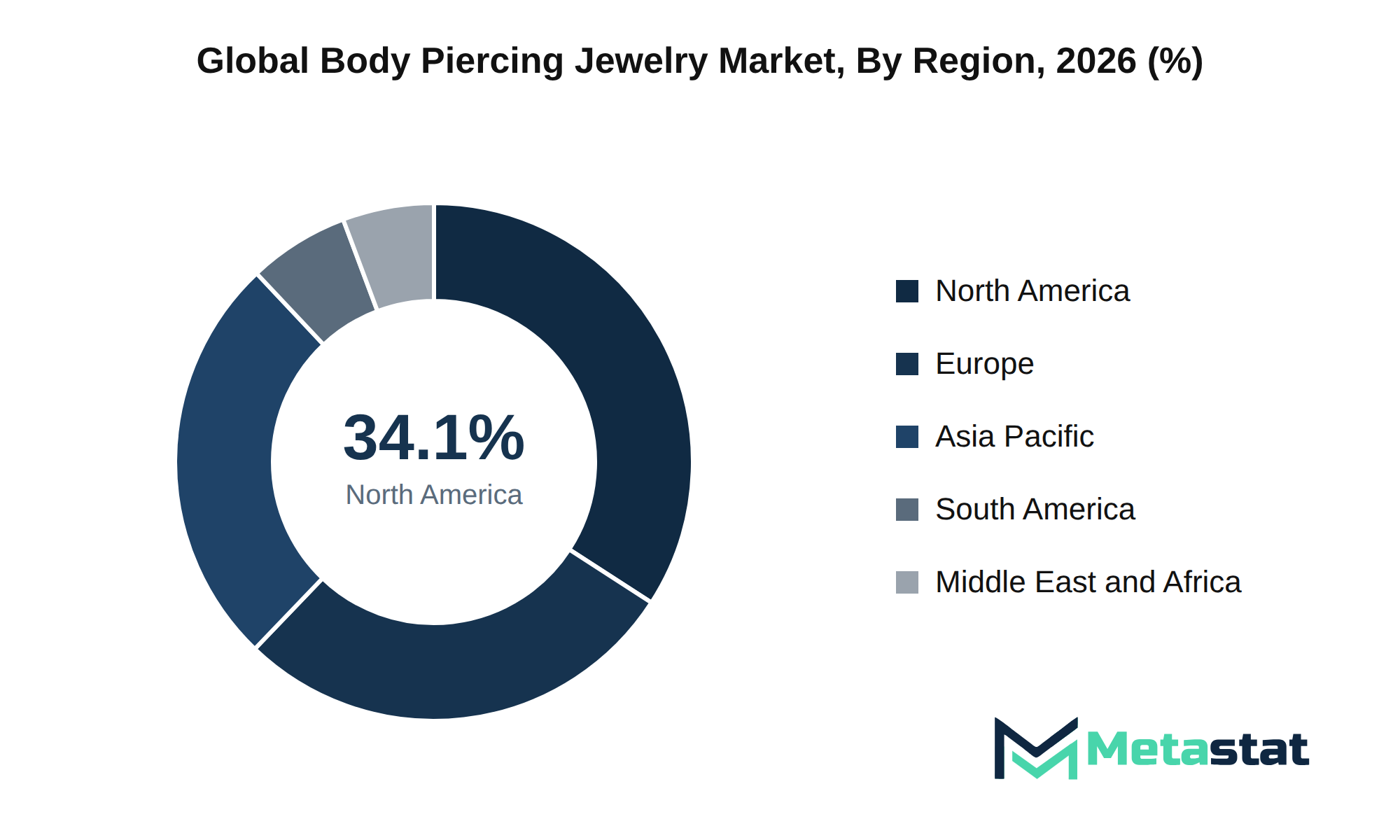
The Body Piercing Jewelry market features a diverse range of players, each employing various strategies to strengthen their market position. Companies focus on product differentiation through unique designs and high-quality materials, appealing to a broad consumer base. BodyCandy, Maria Tash, and NeoMetal Inc. emphasize distinctive styles and premium offerings to enhance brand loyalty.
Strategic alliances and partnerships shape the competitive dynamics. Wildcat GmbH and Alchemy Adornment collaborate with local retailers and professional piercing studios to expand their reach and improve customer engagement. Such collaborations enable firms to offer tailored products that meet regional preferences and trends.
Pricing strategies influence market competition, with firms adopting various commercial models to cater to different consumer segments. Invictus Body Jewelry and Crazy Factory GmbH leverage online marketplaces to provide affordable options while maintaining product quality. This approach attracts cost-conscious consumers while preserving brand equity.
The competitive outlook for the Body Piercing Jewelry market anticipates ongoing growth driven by evolving consumer preferences and innovative product offerings. Players will explore new markets and distribution channels, positioning themselves strategically to capitalize on emerging trends.
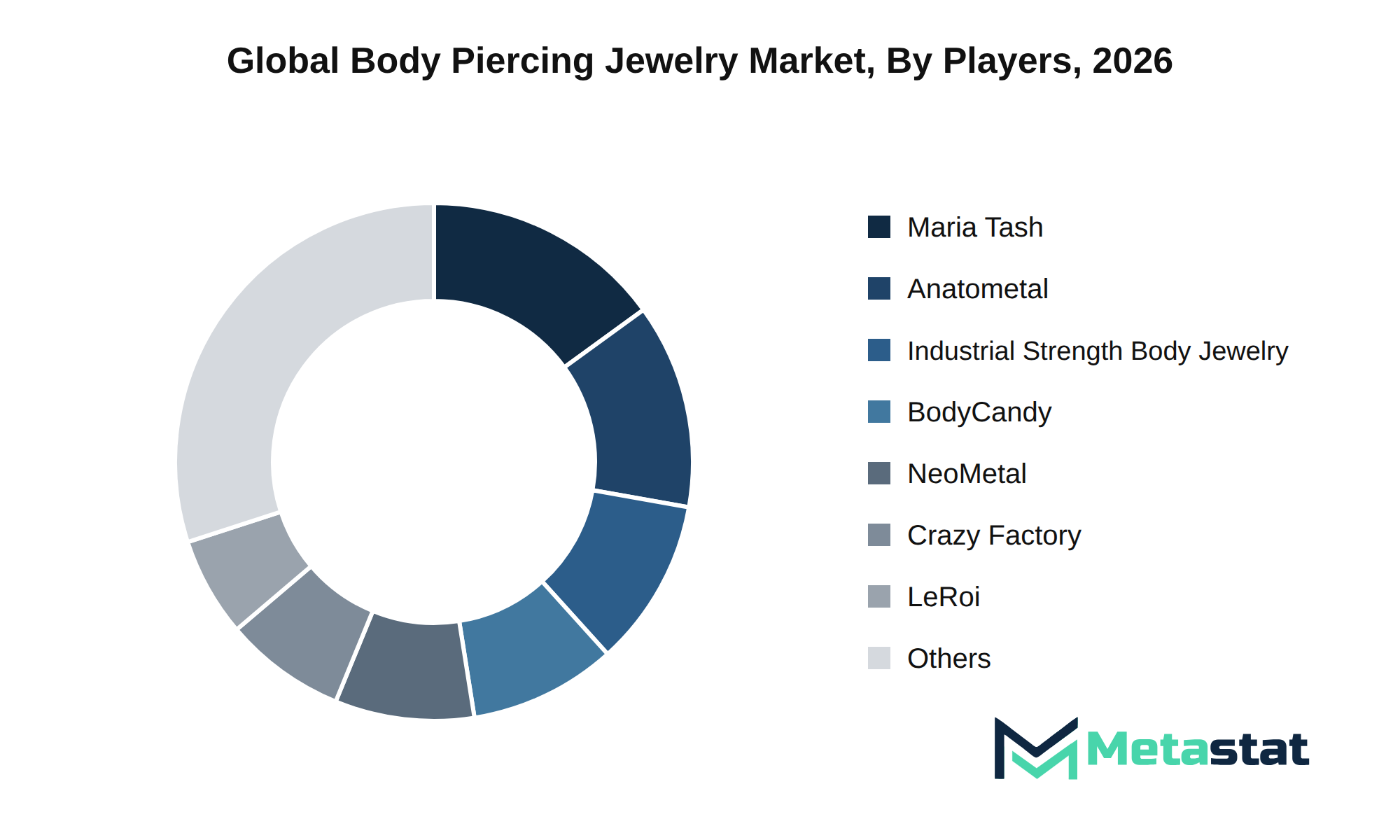
Market size is forecast to rise from USD 8,639.4 million in 2025 to over USD 14,410.6 million by 2033. The base case is USD 8,639.4 million in 2025 to USD 14,410.6 million by 2033 at a 6.6% CAGR. The body piercing jewelry market faces various macroeconomic factors influencing growth. Economic cycles impact disposable income levels, affecting consumer spending on body piercing jewelry. Shifts in consumer preferences toward personalized and unique body jewelry contribute to increased demand for innovative designs and materials.
Next-generation technology integration enhances product development and manufacturing efficiency. Enhanced digital marketing strategies and e-commerce capabilities continue to reshape distribution channels, particularly through brand-owned direct-to-consumer websites and online marketplaces. Regulatory evolution surrounding health and safety standards in body jewelry manufacturing drives compliance and quality assurance measures, affecting overall market dynamics.
Geopolitical realignments and evolving trade corridors influence global supply chains, impacting sourcing and distribution costs within the market. Strategic capital allocation directives focus on enhancing research and development capabilities and addressing emerging consumer needs. High-growth pockets within specific demographics, including younger generations seeking body modification, present opportunities for market players to expand their offerings.
Future growth recommendations emphasize the importance of leveraging consumer insights and aligning product portfolios with evolving trends. Companies develop defensibility roadmaps to adapt to changing regulatory landscapes and capitalize on market opportunities, ensuring long-term sustainability and competitiveness in the body piercing jewelry market.
The report strategically identifies and profiles the key market players and analyses their core competencies in each sub-segment of the Body Piercing Jewelry market.
|
Report Attributes |
Details |
|
Study Period |
2021-2033 |
|
Base Year |
2025 |
|
Estimated Year |
2026 |
|
Forecast Period |
2026-2033 |
|
Historical Period |
2021-2025 |
|
Growth Rate |
CAGR 6.6% from 2026 to 2033 |
|
Revenue Unit |
USD million |
|
Segmentation |
By Product Type, Piercing Placement, Material, Distribution Channel, and Region |
|
By Region |
North America (By Product Type, Piercing Placement, Material, Distribution Channel, and Country)
|
|
Europe (By Product Type, Piercing Placement, Material, Distribution Channel, and Country)
|
|
|
Asia Pacific (By Product Type, Piercing Placement, Material, Distribution Channel, and Country)
|
|
|
South America (By Product Type, Piercing Placement, Material, Distribution Channel, and Country)
|
|
|
Middle East and Africa (By Product Type, Piercing Placement, Material, Distribution Channel, and Country)
|
Find answers to common questions about this report
The Body Piercing Jewelry market size was valued at USD 8,639.4 million in 2025, according to the Metastat Insights study.
The Body Piercing Jewelry market is projected to grow at a CAGR of 6.6% during the forecast period from 2026 to 2033.
The North America Body Piercing Jewelry market size is estimated to reach USD 4,732.4 million by 2033.
The leading segment in the Body Piercing Jewelry market is "Ear Piercings (Lobe & Cartilage)," with a projected value of USD 5,931.4 million by 2033. This segment demonstrates the highest growth potential compared to other piercing placements.
Shifting consumer lifestyles, particularly among younger demographics, drive the Body Piercing Jewelry market. Increased acceptance of body piercings because a form of self-expression, urbanization enhancing access to piercing services, and the influence of social media contribute to robust demand for diverse and customizable jewelry options.
North America holds the dominant share of the Body Piercing Jewelry market, with a value of USD 4,732.4 million projected for 2033, representing 34.1 percent of the total market.
Regulatory compliance presents a significant challenge for the Body Piercing Jewelry market, because varying regulations across regions increase operational overhead and limit market entry for smaller players. Macroeconomic headwinds, including inflationary pressures and rising raw material costs, further complicate the landscape, affecting profitability and consumer purchasing behavior.
Shifting consumer lifestyles and increased acceptance of body piercings because a form of self-expression significantly favor product adoption. Younger demographics prioritize unique and customizable jewelry options, while urbanization enhances access to piercing services and retailers. Social media influences preferences, increasing visibility and desirability of body jewelry.
The Body Piercing Jewelry market is estimated to reach a valuation of USD 14,410.6 million by 2033.
Key players in the Body Piercing Jewelry market include BodyCandy, Anatometal, Industrial Strength Body Jewelry, NeoMetal Inc., LeRoi, Inc., and Maria Tash.
The analysts below cover Consumer Goods research at Metastat Insights.
LEAD ANALYST
Utkarsh Khirodkar is a Lead Market Research Analyst at MetaStat Insight, specializing in market intelligence, technology sector assessments, and competitive strategy.
Last Updated: October, 2026
Our team was tracking whether regional recycling infrastructure could realistically absorb the growing volume of lithium iron phosphate batteries over the next decade. The report did a solid job separating announced hydrometallurgical plant capacity from active, permitted operational throughput. That distinction made the feedstock availability projections and regional recovery rate models far more credible than standard commercial overviews.
Tracking capacity expansion in single-use bioprocessing requires dependable data on raw material availability and cleanroom-grade polymer supply chains. The competitive landscape chapter gave a grounded evaluation of secondary component suppliers across North America and Asia-Pacific rather than simply reprinting press releases. Having that level of supplier benchmarking helped clarify dual-sourcing considerations for our clinical pipeline planning.
When evaluating distributed energy resource management systems, standard research summaries tend to gloss over the operational differences between front-of-the-meter utility deployments and behind-the-meter industrial sites. The MetaStat Insight report addressed those distinctions directly, especially regarding software interoperability standards and grid interconnection backlogs. The five-year market sizing across regional transmission organizations provided actionable context for our grid modernization strategy.
Explore related market intelligence reports worth reading alongside this one.