
LEAD ANALYST
Utkarsh Khirodkar is a Lead Market Research Analyst at MetaStat Insight, specializing in market intelligence, technology sector assessments, and competitive strategy.

Far West Fashion Market Size, Share, By Product Type (Tops, Shirts, Dresses, Skirts, Trousers, Jeans, Accessories (Hats, Belts, Jewelry), and Others), By Material (Cotton, Silk, Wool, Leather, Synthetics, and Others), By End User (Women, Men, and Kids), By Distribution Channel (Online Platforms, Specialty Stores, Supermarkets, Hypermarkets, Brand Outlets, and Others), Industry Analysis, Growth, Trends, and Forecast, 2026-2033
Report ID
MSI-4652
Published
April, 2026
Pages
313 Pages
Format
Report Details
Choose Your License
Far West Fashion Market
The Global Far West Fashion market size was valued at USD 96.9 billion in 2025 and projected to grow at a CAGR of 6.1% during the forecast period, reaching USD 155.6 billion by 2033.
North America holds 54.0% in 2025 with US leading the market share in 2026.
Tops & Shirts segment account for a market share of 28.5% in 2025.
Key trends driving growth: Cowboy-core influence from pop culture and streetwear accelerating western-inspired styling in mainstream wardrobes., Expansion of specialty western and workwear retail chains and e-commerce improving availability and assortment across boots, denim, shirts, and accessories.
Opportunities include premiumization through performance materials, workwear-to-lifestyle crossover, and direct-to-consumer drops supporting higher realization and brand loyalty.
Key insight: The market is set to grow considerably in value over the next decade, highlighting significant growth opportunities.
The Global Far West Fashion Market is evolving beyond traditional apparel merchandising into a broader cultural and commercial category shaped by heritage reinterpretation, fabric innovation, and experiential retail. The category is no longer limited to western silhouettes or nostalgia-led styling, as brands increasingly expand into adjacent lifestyle segments such as footwear, accessories, branded merchandise, and entertainment-inspired collections. This transition is strengthening Far West fashion as a commercially relevant aesthetic across both fashion-led and utility-led consumer markets.
Brands and design teams are increasingly treating Far West fashion as a flexible design language rather than a fixed apparel identity. Archival cowboy elements, frontier utility wear, and desert-inspired textures are being translated into footwear, accessories, and capsule collections across broader fashion and lifestyle categories. At the same time, digital merchandising, virtual try-on tools, and immersive retail experiences will support consumer engagement and brand storytelling without relying solely on physical inventory cycles.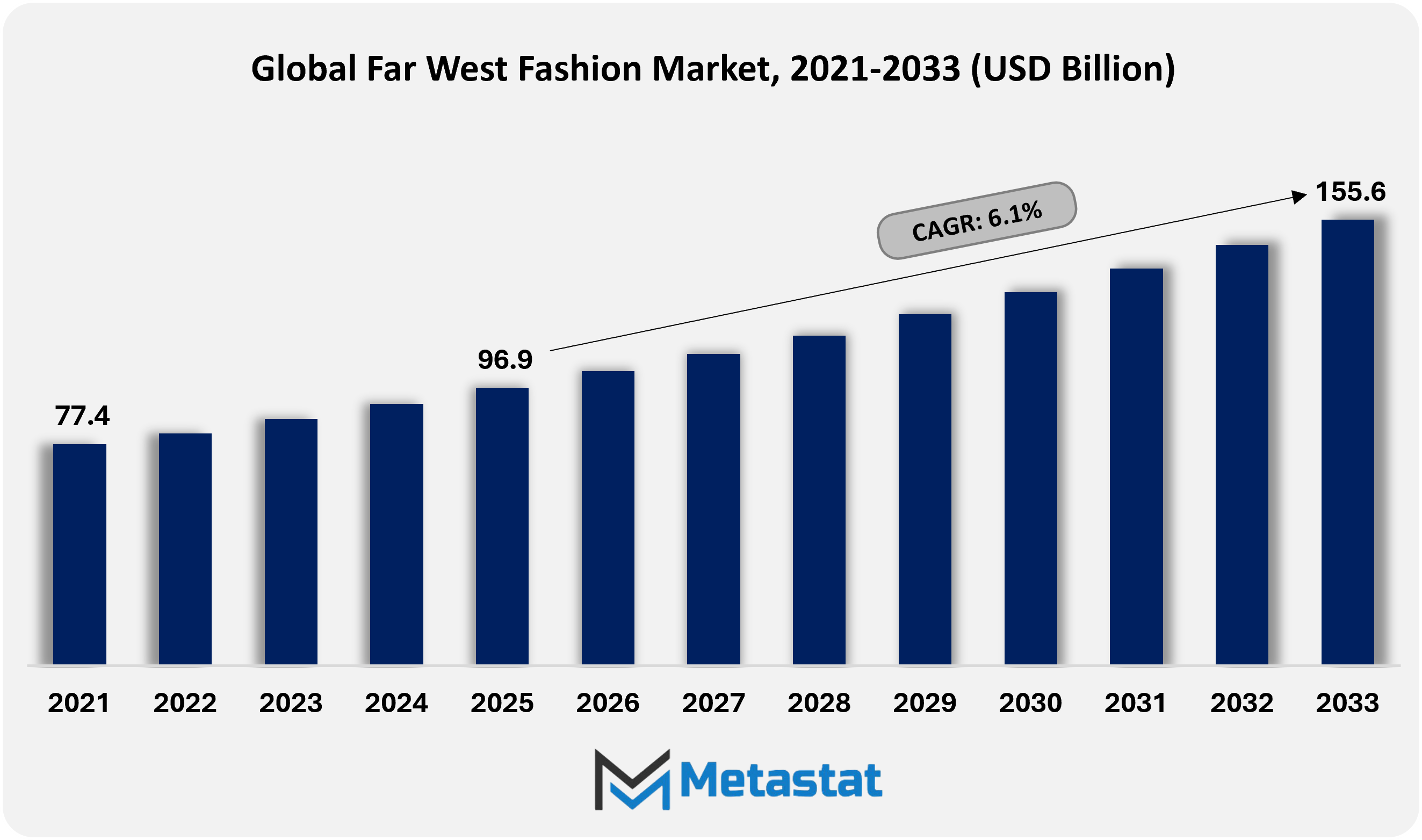
Cowboy-core influence from pop culture and streetwear accelerating western-inspired styling in mainstream wardrobes.
Cowboy-core aesthetics, reinforced by cinema, digital creators, and streetwear labels, will continue to shape consumer preferences across the Global Far West Fashion Market. Western silhouettes, rugged textures, and utilitarian detailing are gaining stronger relevance in urban wardrobes, while broader cultural visibility is expanding western styling beyond niche communities. This shift is encouraging wider adoption across age groups and income segments, supporting category growth across mainstream fashion channels.
Expansion of specialty western and workwear retail chains and e-commerce improving availability and assortment across boots, denim, shirts, and accessories.
Retail expansion through specialty formats and digital platforms is strengthening product access across domestic and international markets. Broader assortments, better size inclusivity, and category-specific merchandising are reducing purchase friction for consumers across boots, denim, shirts, and accessories. In addition, e-commerce-led discovery and localized fulfilment are supporting consistent demand generation while reinforcing brand visibility across multiple price points.
Cotton and denim input cost swings and trade-policy friction affecting sourcing stability and pricing decisions.
Raw material volatility in cotton and denim continues to influence cost structures across the Global Far West Fashion Market. Trade policy uncertainty, import duties, and sourcing disruptions are complicating procurement strategies for manufacturers and retailers. These pressures are tightening margins and prompting more cautious pricing decisions, supplier diversification, and longer-term procurement planning.
High retail return rates and return fraud increasing reverse-logistics costs, with heavier pressure in online channels.
Elevated return volumes are increasing reverse-logistics costs across the Global Far West Fashion Market, particularly in online sales channels. Fit inconsistencies, changing consumer expectations, and misuse of return policies are adding to inventory handling and operational burdens. As a result, online retailers are facing greater profitability pressure and are increasingly investing in better sizing tools, stricter return controls, and fulfillment optimization.
Premiumization through performance materials, workwear-to-lifestyle crossover, and direct-to-consumer drops supporting higher realization and brand loyalty.
Premium innovation is creating long-term value in the Global Far West Fashion Market. Performance-enhanced fabrics, durability-led design, and functional comfort are appealing to lifestyle consumers seeking authenticity and everyday wearability. At the same time, direct-to-consumer launches are supporting controlled storytelling, pricing discipline, and community-led engagement, which together strengthen brand loyalty and realized margins.
The Global Far West Fashion market is classified based on Product Type, Material, End User, and Distribution Channel.
Tops & Shirts segment is estimated at USD 29.2 billion in 2026 and is projected to reach USD 42.8 billion by 2033, at a CAGR of 5.6% during the forecast period.
Tops and shirts will witness steady evolution supported by refined cuts, breathable fabrics, and versatile styling. Western-inspired detailing is increasingly blending with modern tailoring to support both everyday wear and premium casual demand. Future collections will emphasize durability, seasonal adaptability, and compatibility with changing lifestyle preferences across urban and semi-urban consumers.
Dresses & Skirts segment is estimated at USD 12.5 billion in 2026 and is projected to reach USD 20.6 billion by 2033, at a CAGR of 7.4% during the forecast period.
Dresses and skirts will gain prominence through fluid silhouettes, layered styling, and culturally inspired design elements. Product development is increasingly centered on comfort-oriented construction combined with visual appeal suitable for social occasions and fashion-led consumption. Continued innovation in fabric blends and finishing techniques will support longer wear cycles and reinforce demand among style-conscious consumers.
Trousers & Jeans segment is estimated at USD 30.7 billion in 2026 and is projected to reach USD 45.2 billion by 2033, at a CAGR of 5.7% during the forecast period.
Trousers and jeans will remain foundational offerings within the Global Far West Fashion Market, supported by rugged aesthetics and practical construction. Reinforced stitching, adaptive fits, and improved fabric resilience will remain central to future product development. Ongoing demand will be supported by hybrid designs that combine western heritage cues with contemporary comfort and everyday usability.
Accessories (Hats, Belts, Jewelry) segment is estimated at USD 22.8 billion in 2026 and is projected to reach USD 36.8 billion by 2033, at a CAGR of 7.1% during the forecast period.
Accessories such as hats, belts, and jewelry will act as value-enhancing elements within coordinated western-inspired outfits. Craft-led detailing, material authenticity, and symbolic western influences will shape future collections across both premium and mid-range categories. Growth in this segment will be supported by rising preference for statement accessories that elevate basic apparel into more distinctive fashion expressions.
Others segment is estimated at USD 7.5 billion in 2026 and is projected to reach USD 10.2 billion by 2033, at a CAGR of 4.3% during the forecast period.
Other product categories will address niche styling requirements through experimental silhouettes, limited-edition concepts, and category extensions. Customization options, localized design cues, and function-led add-ons will support brand differentiation in a crowded market. Continued innovation in adjacent categories will help brands capture emerging demand patterns while improving overall portfolio depth.
Cotton segment is projected to reach USD 70 billion by 2033, at a CAGR of 5.8% during the forecast period.
Cotton will retain strong relevance owing to its comfort, breathability, and adaptability across climates and end uses. Sustainable farming practices and improved fabric treatments will enhance durability, hand feel, and performance over time. Manufacturers will prioritize cotton-based offerings to meet rising consumer preference for natural materials, ethical sourcing, and longer product life.
Silk segment is projected to reach USD 3.8 billion by 2033, at a CAGR of 6.6% during the forecast period.
Silk will represent premium appeal through its refined texture and elevated visual finish. Future usage will remain concentrated in blended applications that improve strength, comfort, and wearability across western-inspired fashion lines. Luxury-oriented collections will rely on silk to communicate craftsmanship, exclusivity, and higher-value positioning.
Wool segment is projected to reach USD 6.6 billion by 2033, at a CAGR of 3.9% during the forecast period.
Wool will support seasonal demand through insulation, resilience, and its traditional association with western-inspired apparel. Advancements in processing will improve softness, reduce weight, and expand usability across a wider range of climates and product categories. Continued product innovation will reinforce wool’s role within outerwear and layered fashion offerings.
Leather segment is projected to reach USD 26.1 billion by 2033, at a CAGR of 5.6% during the forecast period.
Leather will remain a core material within the Global Far West Fashion Market owing to its durability, rugged appeal, and strong heritage value. Ethical sourcing initiatives and alternative processing methods will shape future supply strategies across fashion brands. Product development will emphasize longevity, craftsmanship, and visual authenticity, reinforcing leather’s importance in premium apparel and accessories.
Synthetics segment is projected to reach USD 37.1 billion by 2033, at a CAGR of 7.2% during the forecast period.
Synthetic materials will support performance-driven apparel through flexibility, cost efficiency, and weather resistance. Advancements in recycled synthetics will improve sustainability positioning while maintaining scalability and product consistency. Designers will integrate synthetics across multiple product lines to achieve innovative textures, reliable quality, and functional performance aligned with modern consumer priorities.
Others segment is projected to reach USD 11.9 billion by 2033, at a CAGR of 7.1% during the forecast period.
Other materials will include blended and experimental fabrics developed for specific performance, comfort, or sustainability attributes. Lightweight composites and eco-conscious alternatives will gain greater commercial attention as brands diversify their material base. This shift will help manufacturers respond more effectively to changing regulations and evolving consumer expectations around responsible fashion.
Women segment is projected to reach USD 83.8 billion by 2033.
Women-focused offerings will expand through tailored silhouettes, decorative detailing, and versatile styling options across both casual and occasion-led wear. Product strategies are increasingly balancing aesthetic appeal with comfort, practicality, and broader fit inclusivity. Future growth will be supported by wider design variety, adaptive fits, and stronger alignment with personal-expression trends within western-inspired fashion.
Men segment is projected to reach USD 55.8 billion by 2033.
Men-focused Far West fashion offerings will emphasize structure, durability, and function-led design. Apparel in this segment will reflect rugged heritage balanced with modern refinement and everyday usability. Growth will be supported by work-to-lifestyle crossover styles, improved material resilience, and understated detailing that appeals to practical yet style-conscious buyers.
Kids segment is projected to reach USD 16 billion by 2033.
Kids-focused clothing will prioritize consolation, safety, and sturdiness. Scaled-down Western aesthetics will help visible enchantment without compromising capability. Growth will depend on clean-care fabrics, bendy creation, and attractive designs aligned with parental purchasing priorities and life-style-oriented style choices.
Online Platforms segment is projected to grow at a CAGR of 9.6% during the forecast period.
Online platforms will play a central role in the Global Far West Fashion Market through wider reach, personalization tools, and data-led merchandising strategies. Digital storefronts are improving product discovery, trend visibility, and access across geographies and consumer groups. Future expansion will be supported by immersive shopping experiences, responsive logistics, and targeted marketing that strengthens brand engagement.
Specialty Stores segment is projected to grow at a CAGR of 4.4% during the forecast period.
Specialty stores will retain relevance through curated assortments, category expertise, and stronger brand presentation. Physical retail environments in this channel continue to support tactile product evaluation and premium positioning across western-inspired fashion categories. Investment in experiential retail formats will deepen consumer connection and differentiate store-led purchase journeys from mass and online channels.
Supermarkets/Hypermarkets segment is projected to grow at a CAGR of 4% during the forecast period.
Supermarkets and hypermarkets will contribute through broad accessibility, high consumer traffic, and volume-led sales potential. Product offerings in this channel will focus on standardized designs, value pricing, and mainstream appeal. Growth will be supported by impulse purchasing behavior and continued exposure of western-inspired fashion products to a wider customer base.
Brand Outlets segment is projected to grow at a CAGR of 5.9% during the forecast period.
Brand outlets will support controlled distribution strategies by reinforcing consistency, product positioning, and direct consumer engagement. Exclusive collections, loyalty-led initiatives, and better inventory control will strengthen customer retention across this channel. Continued expansion of outlet networks will improve pricing discipline and contribute to long-term brand equity development.
Others segment is projected to grow at a CAGR of 5.2% during the forecast period.
Other distribution channels will include pop-up retail, collaborative concepts, and temporary activation-led selling formats. Flexibility, localized customization, and faster market responsiveness will define performance across these alternative channels. Their role will strengthen brand visibility, support experimentation, and improve reach across diverse consumer settings.
Based on geography, the Global Far West Fashion market is divided into North America, Europe, Asia-Pacific, South America, Middle East, and Africa.
North America Far West Fashion Market is set to expand at a CAGR of 6.1% within the forecast period, reaching a market size (TAM) of USD 72.7 billion by the end of 2033.
In North America, strong consumer spending on premium western-inspired apparel continues to support demand across the Global Far West Fashion Market.
In North America, influence of rodeo culture, country music trends, and lifestyle branding remains a major factor behind sustained adoption of Far West fashion styles across both core and adjacent consumer groups.
In Asia Pacific, rising youth interest in western aesthetics and greater exposure to global fashion trends are creating strong growth opportunities for the Global Far West Fashion Market.
In Asia Pacific, e-commerce penetration, social media-driven discovery, and broader access to international brands are accelerating category awareness across major urban markets.
Across the Middle East, Africa, and South America, the Global Far West Fashion Market gains slow traction through cultural fusion trends, city retail growth, and growing preference for special announcement clothing.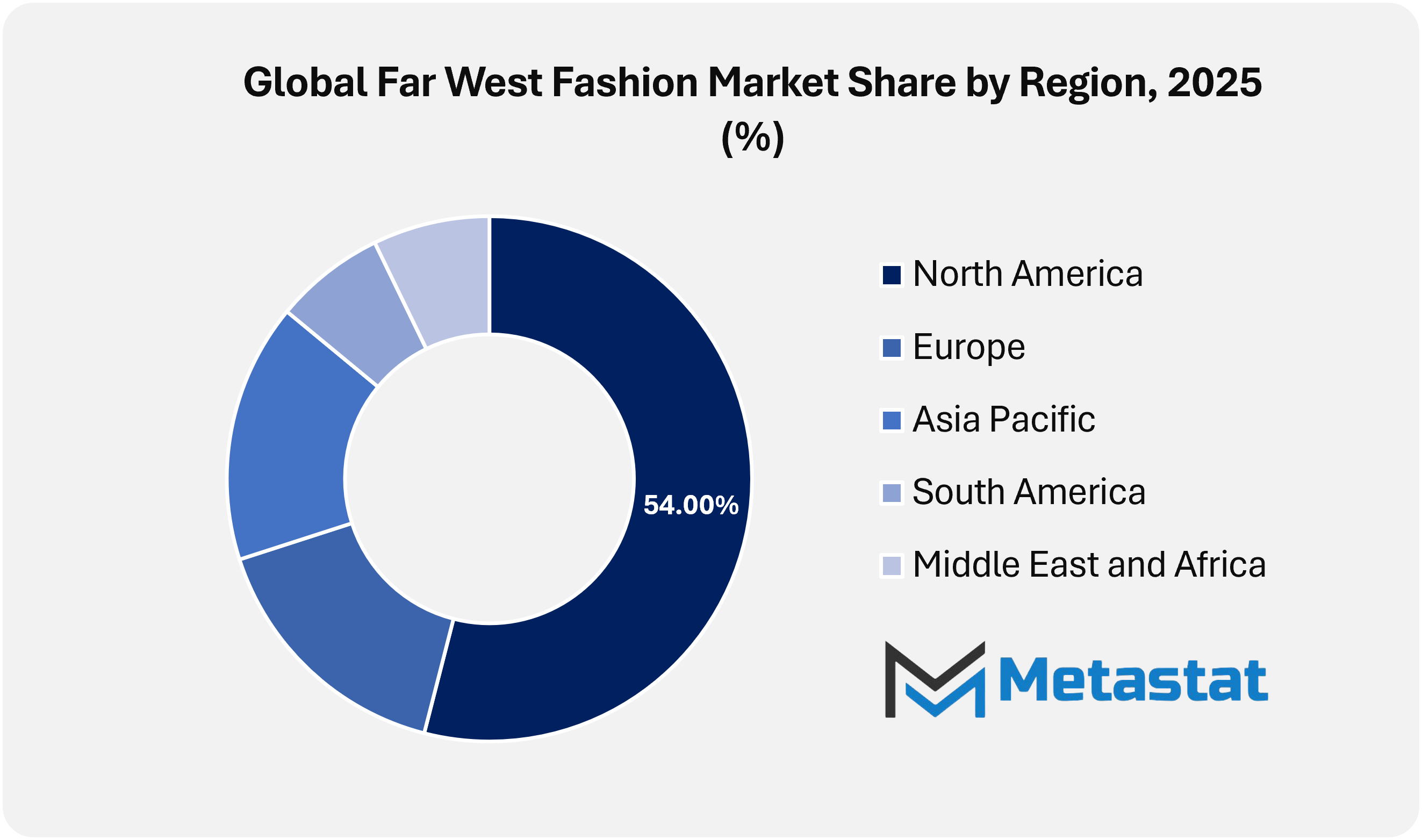
The Global Far West Fashion Market reflects a strong combination of heritage-led styling and modern retail strategy, shaped by brands that understand how lifestyle positioning can align with evolving consumer preferences. Companies such as Levi Strauss & Co., Wrangler, and Ralph Lauren Corporation continue to anchor the category with designs inspired by rugged aesthetics, denim culture, and traditional American influences. Their long-standing presence has helped define global category perception, while ongoing updates in fit, fabric, and merchandising continue to sustain relevance across regions and age groups.
Fast-fashion and high-street competitors have also played a major role in expanding the reach of Far West fashion. Brands such as Zara, H & M Hennes & Mauritz AB, Mango, Primark, Gap Inc., Old Navy, and Banana Republic continue to shape buying behavior by translating western-inspired elements into accessible collections that move quickly from design to retail shelves. Their ability to combine price accessibility, fashion responsiveness, and broad distribution is helping extend category appeal to a wider style-conscious consumer base.
Premium casual and lifestyle-focused brands further strengthen the market by offering a more polished interpretation of Far West fashion. American Eagle Outfitters, Abercrombie & Fitch Co., J. Crew Group, Inc., Calvin Klein, PVH Corp., and Athleta combine comfort with visual appeal, targeting consumers who value relaxed fits without compromising style. At the same time, labels such as COS, ARKET, and Massimo Dutti introduce a cleaner and more structured expression, demonstrating how western-inspired fashion can align with refined design and quality-led positioning.
Global and regional competitors continue to shape the competitive landscape through scale, digital reach, assortment innovation, and local market relevance. Fast Retailing Co., Ltd. (UNIQLO) and SHEIN bring speed, international visibility, and strong online engagement, while Aditya Birla Fashion and Retail Limited (The Collective) strengthen category presence in emerging markets. Brands such as Lefties and other value-fashion labels contribute to market diversity, ensuring that the Global Far West Fashion Market remains dynamic, widely interpreted, and responsive to changing consumer lifestyles.
Market size is forecast to rise from USD 96.9 billion in 2025 to over USD 155.6 billion by 2033.
At a macro level, policy discussions around cultural attribution, responsible sourcing, and brand storytelling will influence how the industry operates internationally. The Far West Fashion Market will evolve into a stronger authenticity-led category, shaping how global fashion houses approach provenance, craftsmanship, and long-term brand equity beyond seasonal collections. This direction will support a more differentiated and strategically positioned market over the forecast period.
This research report categorizes the Far West Fashion market across key segments and regions, forecasts revenue growth, and analyzes trends across each submarket. It evaluates the major growth drivers, opportunities, and challenges influencing overall market performance. The study also incorporates recent developments and competitive strategies such as expansion, product launches, partnerships, mergers, and acquisitions to present a clear view of the competitive landscape.
The report strategically identifies and profiles the key market players and analyzes their core competencies across each sub-segment of the Far West Fashion market. It is designed to support a detailed understanding of category structure, competitive positioning, and future market direction.
|
Report Attributes |
Details |
|
Study Period |
2021-2033 |
|
Base Year |
2025 |
|
Estimated Year |
2026 |
|
Forecast Period |
2026-2033 |
|
Historical Period |
2021-2025 |
|
Growth Rate |
CAGR 6.1% from 2026 to 2033 |
|
Revenue Unit |
USD billion |
|
Sales Volume Unit |
Thousand Units |
|
Segmentation |
By Product Type, Material, End User, Distribution Channel, and Region |
|
By Region |
North America (By Product Type, Material, End User, Distribution Channel, and Country)
|
|
Europe (By Product Type, Material, End User, Distribution Channel, and Country)
|
|
|
Asia Pacific (By Product Type, Material, End User, Distribution Channel, and Country)
|
|
|
South America (By Product Type, Material, End User, Distribution Channel, and Country)
|
|
|
Middle East and Africa (By Product Type, Material, End User, Distribution Channel, and Country)
|
Find answers to common questions about this report
Top players operating in the Far West Fashion industry include H & M Hennes & Mauritz AB, Fast Retailing Co., Ltd. (UNIQLO), SHEIN, Levi Strauss & Co., Zara, Mango, and Primark.
Global Far West Fashion market is estimated to reach USD 155.6 billion by 2033.
North America region dominates the market.
The Trousers & Jeans is the leading type segment in the Global market.
Cotton and denim input cost swings and trade-policy friction affecting sourcing stability and pricing decisions. will hamper the market growth within the forecast period.
The Metastat Insights analysis shows that the North America Far West Fashion market size is estimated to be USD 72.7 billion by 2033.
Cowboy-core influence from pop culture and streetwear accelerating western-inspired styling in mainstream wardrobes. and Expansion of specialty western and workwear retail chains and e-commerce improving availability and assortment across boots, denim, shirts, and accessories. are key driving factors, boosting the market.
The Global Far West Fashion market will grow at a CAGR of 6.1% over the forecast period (2026-2033).
The Metastat Insights study shows that the Global Far West Fashion market size was USD 96.9 billion in 2025.
The analysts below cover Consumer Goods research at Metastat Insights.
LEAD ANALYST
Utkarsh Khirodkar is a Lead Market Research Analyst at MetaStat Insight, specializing in market intelligence, technology sector assessments, and competitive strategy.
Scaling antibody-drug conjugate manufacturing hinges on contract manufacturing availability for high-potency active ingredients. The MetaStat Insight analysis looked closely at global cleanroom slot constraints, bioconjugation batch failure rates, and supply chain redundancies between the US, Europe, and India. The supplier capability matrix proved genuinely useful for our team when mapping secondary source options across our clinical pipeline.
Floating offshore wind feasibility relies heavily on specialized installation vessel availability and port crane limits, which most broad renewable energy forecasts ignore. The report delivered a thorough analysis of dry dock capacity, mooring chain supply constraints, and raw material pricing trends for deepwater anchor installations. It served as a solid independent sanity check for our offshore project capital expenditure assumptions.
Assessing commercial microgrid software adoption requires looking past top-level installation numbers and examining utility interconnection queues. The research provided verifiable data on average permitting timelines, tariff structures, and battery storage integration costs across regional utility territories. That grounded perspective was valuable for our team when building five-year demand projections for industrial microgrid controllers.
Explore related market intelligence reports worth reading alongside this one.