Global Central Nervous System (CNS) Therapeutics Market
Global Central Nervous System (CNS) Therapeutics Market Size, Share, By Therapeutic Indication (Epilepsy, Depression, Schizophrenia, Bipolar Disorder, Anxiety Disorders, Alzheimer's Disease, Parkinson's Disease, Multiple Sclerosis, Migraine, and Others), By Pharmacological Class (Antiepileptic Drugs (AEDs), Antidepressants, Antipsychotics, Anxiolytics, Anti-Parkinson Drugs, Alzheimer's Disease Therapeutics, Multiple Sclerosis Disease-Modifying Therapies (DMTs), Migraine Therapeutics, and Others), By Molecule Type (Small Molecules, Monoclonal Antibodies, Gene Therapies, Cell Therapies, RNA-Based Therapeutics, and Others), By Distribution Channel (Hospital Pharmacies, Retail Pharmacies, Online Pharmacies, and Specialty Pharmacies), Industry Analysis, Growth, Trends, and Forecast, 2026-2033
Report ID
MSI-4859
Published
August 5, 2026
Pages
279 Pages
Format
Market Size 2021
USD 96.6 Billion
Historical
Market Size 2025
USD 139.3 Billion
Base year
Market Size 2033
USD 296.6 Billion
Forecast
CAGR 2025-2033
9.9%
Forecast period
Report Details
Comprehensive Market Analysis And Insights
Market Overview
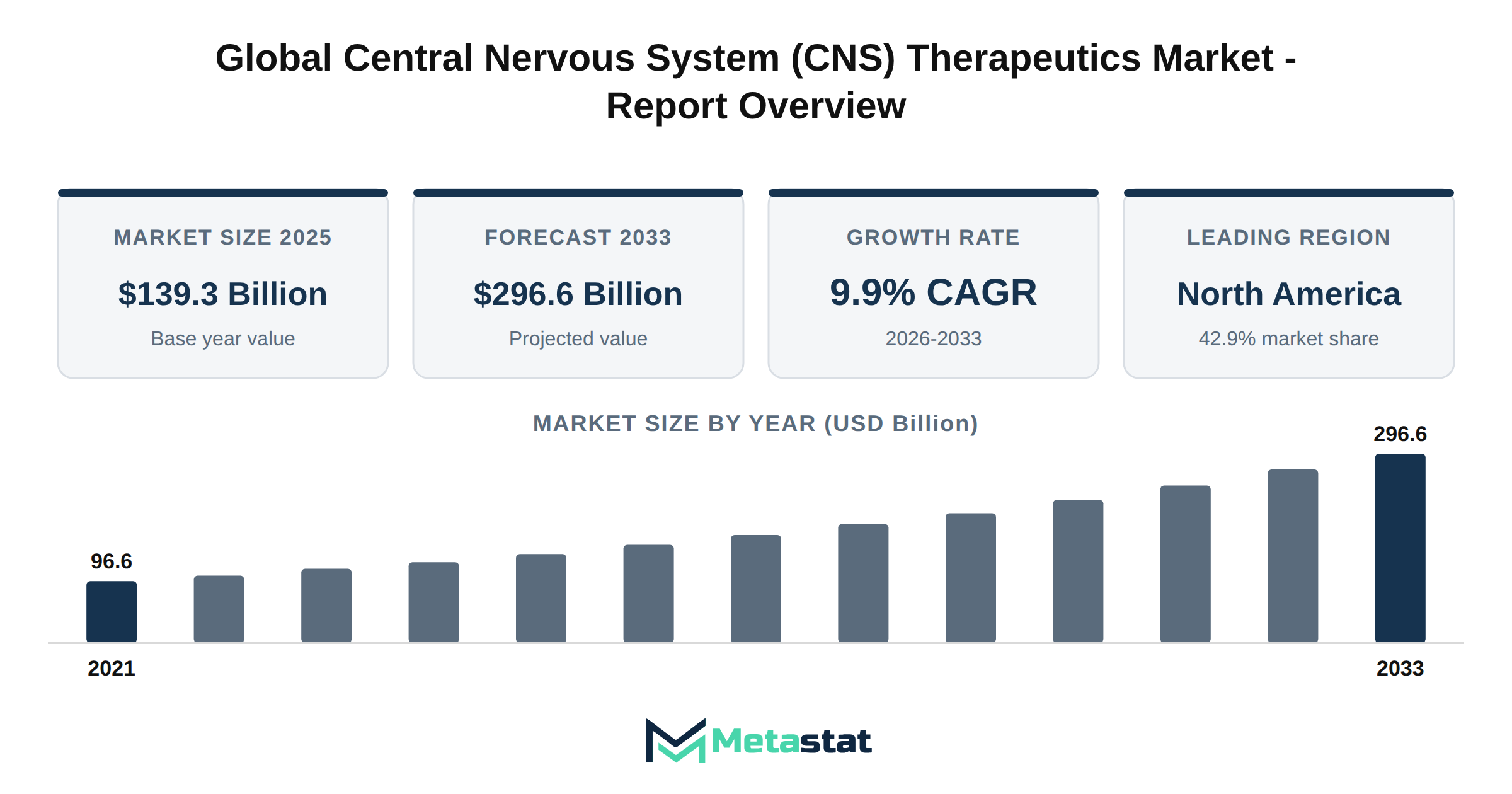
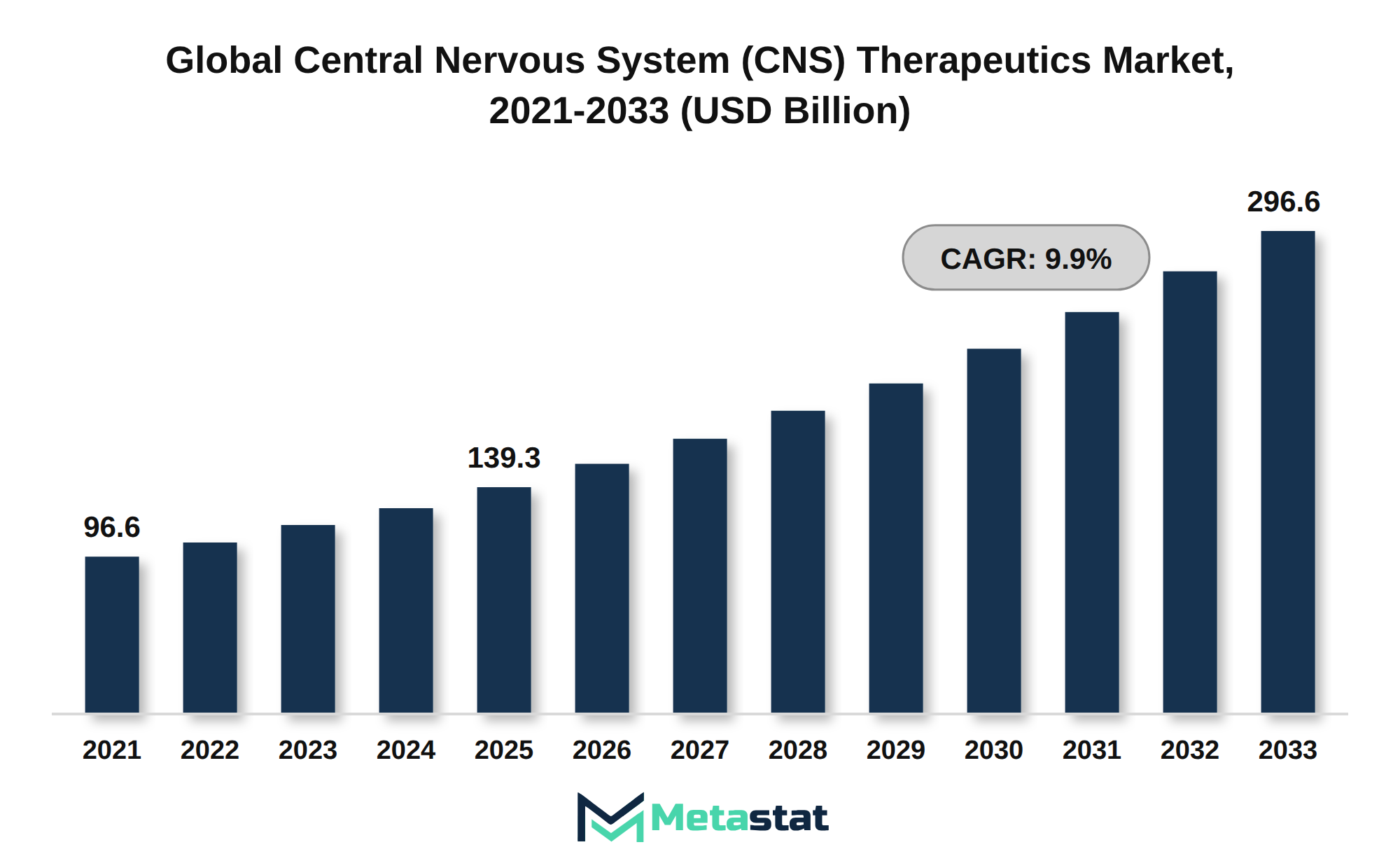
The global Central Nervous System (CNS) Therapeutics market was valued at USD 139.3 billion in 2025 and is projected to reach USD 296.6 billion by 2033, growing at a CAGR of 9.9% over the forecast period.
The global Central Nervous System (CNS) Therapeutics market reached a value of USD 139.3 billion in 2025, with projections indicating substantial growth, reaching USD 296.6 billion by 2033. This represents a compound annual growth rate (CAGR) of 9.9% over the forecast period from 2026 to 2033. The market expands owing to increasing incidences of neurological disorders, advances in therapeutic innovations, and rising investments in research and development.
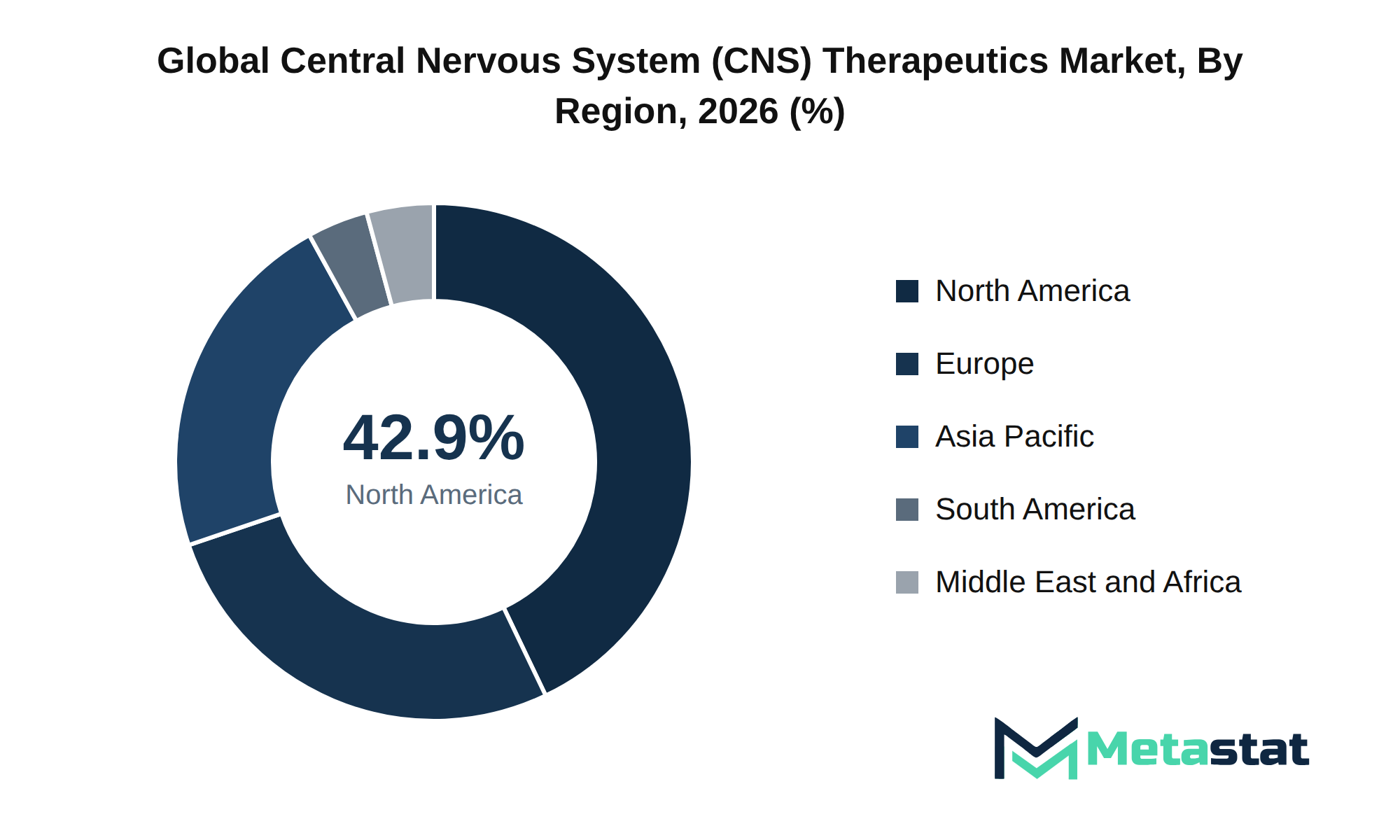
North America dominates the market with a share of 42.9%, followed by Europe at 26.9% and Asia Pacific at 22.2%. The North American market is projected to reach USD 115.7 billion by 2033, maintaining a CAGR of 9.9%. Growth in this region results from a robust healthcare infrastructure, high patient awareness, and increasing healthcare expenditure.
Key therapeutic segments include epilepsy, depression, schizophrenia, and bipolar disorder. The epilepsy segment is anticipated to grow from USD 23 billion in 2026 to USD 43.3 billion by 2033, reflecting a CAGR of 9.5%. Depression therapies are projected to reach USD 48.9 billion by 2033, while schizophrenia and bipolar disorder therapies contribute significantly to market growth.
In terms of pharmacological classes, antiepileptic drugs (AEDs) represent a crucial segment, with a projected growth from USD 24.1 billion in 2026 to USD 44.8 billion by 2033, at a CAGR of 9.3%. Antidepressants are forecasted to reach USD 50.4 billion by 2033, while antipsychotics will approach USD 35.9 billion within the same timeframe.
The molecule type segment shows a promising trajectory, with small molecules expected to grow from USD 129.3 billion in 2026 to USD 226.6 billion by 2033. Monoclonal antibodies are anticipated to reach USD 49.5 billion by 2033, supported by advancements in targeted therapies.
Pipeline innovation remains a critical focus within the Central Nervous System (CNS) Therapeutics market, with ongoing research and development efforts driving the discovery of new therapeutic options. Numerous companies engage in licensing and partnership activities to enhance their product portfolios, leading to increased competition and diversity in offerings. Regulatory developments play a significant role in shaping market dynamics, with evolving compliance standards impacting drug approval processes and market entry strategies.
Growth opportunities exist across various therapeutic areas, particularly in epilepsy, mental health, and other neurological disorders. The emergence of next-generation innovations, including gene therapies and monoclonal antibodies, positions market players to address previously unmet medical needs. The focus on sustainable transformation and decarbonization aligns with broader industry trends, influencing investment decisions and operational strategies.
The supply chain landscape demonstrates increased complexity, necessitating agile logistics architecture and efficient sourcing practices. Market fragmentation contributes to diverse procurement strategies among stakeholders, influencing the customer journey throughout the therapeutic landscape. Capital allocation prioritizes infrastructure investments to enhance research capabilities and expand manufacturing capacity, addressing rising demand.
Macroeconomic headwinds, including inflationary pressures and currency volatility, pose challenges for market participants, impacting pricing strategies and profitability. The strategic outlook for the Central Nervous System (CNS) Therapeutics market emphasizes adaptation to these economic factors while pursuing high-value recommendations to ensure long-term growth and sustainability.
Economic factors significantly influence the growth trajectory of the Central Nervous System (CNS) Therapeutics market. Rising global GDP and increased public-private spending power enhance the financial environment for investments in CNS therapies. Such economic conditions facilitate greater venture funding, targeting innovative developments in treatment options.
Capital investment environments, characterized by favorable interest rates and financial stability, encourage pharmaceutical companies to allocate resources toward research and development. This investment supports the advancement of new therapeutic classes, including antiepileptic drugs and antidepressants, essential for addressing the escalating prevalence of CNS disorders.
Shifting demographic patterns play an integral role in shaping market dynamics. An aging population and urbanization contribute to higher incidences of CNS conditions, prompting increased demand for effective treatments. Consequently, healthcare providers and pharmaceutical companies adapt their approaches to meet evolving consumer behaviors and preferences.
Operational productivity and cost-efficiency initiatives further enhance the market landscape. Companies focus on optimizing labor and streamlining processes to reduce overhead costs, facilitating the introduction of affordable CNS therapeutics. These strategies strengthen company financial performance and expand access to novel treatments for patients in need.
Overall, the combination of macro-economic factors and shifting demographics creates a robust environment for growth in the CNS therapeutics market, with a forecasted value of USD 296.6 billion by 2033.
Digital transformation accelerates CNS therapeutics growth
Digital transformation significantly influences the Central Nervous System (CNS) Therapeutics market by enhancing operational processes and patient engagement. Advancements in automation, artificial intelligence, and software adoption streamline research and development activities, resulting in faster drug discovery and improved clinical trial management. These technological integrations allow for efficient data analysis, which accelerates the identification of potential therapeutic targets.
The increasing emphasis on digitizing legacy processes encourages companies to invest in innovative digital solutions. This shift leads to enhanced collaboration among stakeholders, including research institutions, pharmaceutical companies, and healthcare providers. Improved data sharing facilitates better decision-making and supports the development of personalized medicine, aligning treatment plans with individual patient needs.
Consumer behaviors evolve alongside these technological advancements. Aging populations worldwide demand more effective and tailored therapeutic options for CNS disorders, reinforcing the necessity for companies to adapt quickly to technological changes. This adaptation supports sustained growth in the market, with a projected market value increasing from USD 139.3 billion in 2025 to USD 296.6 billion by 2033, representing a compound annual growth rate of 9.9%.
Investment in digital tools not only enhances operational productivity but optimizes cost-efficiency initiatives. Companies that effectively integrate these technologies reduce overhead and streamline processes, enabling them to allocate resources toward research and development. The increasing focus on sustainability and ethical governance further drives firms to enhance their digital capabilities, ensuring compliance with evolving market expectations.
Overall, digital transformation serves because a crucial growth driver for the Central Nervous System (CNS) Therapeutics market, reshaping how companies approach development and delivery of therapies while meeting the demands of a changing consumer landscape.
Regulatory compliance and market challenges
The Central Nervous System (CNS) Therapeutics market faces significant challenges stemming from regulatory compliance and related market dynamics. Stricter regulations surrounding drug approval processes and safety standards require companies to invest extensive resources to meet compliance guidelines. This situation particularly affects smaller and mid-sized enterprises, which struggle with the financial burden that regulatory scrutiny imposes.
Macroeconomic headwinds, including inflationary pressures and capital stagnation, further complicate the landscape. Rising costs associated with the development and distribution of CNS therapeutics reduce margins while limiting investment in innovation. Supply chain disruptions caused by geopolitical instability create delays in production and distribution, affecting the availability of critical therapies in the market.
Resource scarcity impacts research and development capabilities, restricting the potential for breakthrough therapeutics. The need for qualified personnel in research, regulatory affairs, and clinical trials adds to operational costs, creating talent gaps that hinder market growth. Infrastructure gaps and connectivity deficits in certain regions exacerbate these challenges, leading to deployment bottlenecks that slow down the rollout of new therapies.
Data security and privacy concerns represent ongoing risks within the CNS therapeutics market. The potential for intellectual property theft and cyber threats deters investment and innovation. Market fragmentation creates competitive pressures, where numerous players vie for market share, complicating strategic decision-making for companies seeking to expand their footprint.
While the industry matures, slowing downstream demand could contribute to market saturation. Companies navigate these complexities while striving for sustainable growth in the dynamic and competitive CNS therapeutics environment.
Geopolitical fragmentation presents significant challenges for the Central Nervous System (CNS) Therapeutics market, influencing trade flows and market accessibility. Tensions between nations result in tariff friction, raising costs for suppliers and disrupting the availability of essential components. This environment complicates international collaborations essential for research and development, limiting innovation and increasing costs associated with compliance and logistics.
Technological disruptions further exacerbate market complexities. Rapid advancements in therapeutic technologies require continuous adaptation from companies. Firms face substantial pressures to integrate new technologies with existing systems, leading to potential inefficiencies and increased costs. These challenges impact the overall profitability of market participants and hinder their ability to respond swiftly to evolving market demands.
Supply chain instability, driven by geopolitical tensions and trade deficits, causes fluctuations in material prices and availability. Logistics disruptions create delays in product delivery, affecting market competitiveness. Firms operating in the CNS therapeutics sector experience margin pressures due to rising input costs, resulting in pricing compression that impacts financial sustainability.
Workforce skill gaps challenge the market, with companies struggling to find qualified personnel to manage increasingly complex therapeutic developments. Automation displacements create additional talent retention pressures, complicating recruitment strategies within the sector. These human resource challenges limit operational capacity, affecting responsiveness to the growing demand for CNS therapeutics.
Market saturation poses another challenge, with an influx of therapeutic options leading to substitution vector pressures. Companies focus on differentiating their products to maintain market share in a crowded landscape. The combination of these factors contributes to a constrained growth environment for the Central Nervous System (CNS) Therapeutics market, necessitating strategic adaptations from firms to navigate these complexities effectively.
The Central Nervous System (CNS) Therapeutics market experiences significant opportunities driven by various emerging trends. Regional demands continue to evolve, with particular focus on North America and Asia Pacific, where an increasing prevalence of neurological disorders fuels the need for effective treatments. This shift is accompanied by infrastructure modernization, which enhances healthcare delivery and expands access to therapeutic options for patients.
Technological disruptions play a critical role, with advancements in drug development and delivery systems improving patient outcomes. Digital transformation enhances the efficiency and reach of healthcare services, enabling pharmaceutical companies to better engage with healthcare professionals and patients through innovative platforms. Next-generation innovations in therapeutics, including monoclonal antibodies and gene therapies, capture attention due to their efficacy in treating complex conditions.
Sustainability imperatives influence market dynamics, reflecting how stakeholders align strategies with environmental, social, and governance (ESG) principles. Downstream market diversification offers opportunities for companies to expand their product portfolios, while strategic consolidation through mergers and acquisitions facilitates access to new markets and technologies.
Evolving buying behaviors significantly impact purchasing strategies, with digital procurement shifts becoming prominent. This change demands responsive commercial models that prioritize customer needs. Supply chain localization aids firms in reducing operational risks associated with global dependencies, enhancing resilience against market fluctuations.
Asset life-cycle extensions and maintenance upgrades contribute to optimizing therapeutic delivery, ensuring sustained efficacy of treatments. Value-chain optimization through process automation enhances operational yield, supporting growth in the market. The Central Nervous System (CNS) Therapeutics market anticipates continued expansion, driven by these multifaceted opportunities.
Market Segmentation Analysis
The Global Central Nervous System (CNS) Therapeutics market is segmented based on Therapeutic Indication, Pharmacological Class, Molecule Type, and Distribution Channel.
By Therapeutic Indication, the market is further segmented into:
Valued at USD 23 billion in 2026, the epilepsy segment is projected to reach USD 43.3 billion by 2033, reflecting a compound annual growth rate (CAGR) of 9.5% during the forecast period. The rising prevalence of epilepsy globally drives demand for innovative treatment options, focusing on personalized medicine and improved patient outcomes. Increased awareness and diagnosis of epilepsy contribute to expanding patient populations seeking effective therapies, significantly influencing market dynamics.
Technological maturation in antiepileptic drugs (AEDs) facilitates the development of next-generation therapies that offer enhanced efficacy and fewer side effects. This evolution in product offerings supports adoption by healthcare providers and patients alike. Regulatory compliance and the increasing number of approvals for new drugs reinforce market growth, providing healthcare professionals with a broader array of effective treatment options.
Cost structures and pricing volatility within the epilepsy segment directly affect healthcare expenditure and patient access to therapies. Competitive pressures from the introduction of generic alternatives impact pricing strategies and profit margins for pharmaceutical providers. Effective management of these challenges ensures sustained market expansion and accessibility for patients in need of treatment.
Strategic opportunity windows emerge owing to stakeholders identifying gaps in existing treatment modalities. Continued capital investment in research and development enhances the potential for breakthroughs in epilepsy management. Emphasizing understanding the underlying mechanisms of epilepsy and tailoring therapeutic approaches according to individual needs positions the epilepsy segment favorably within the broader Central Nervous System (CNS) Therapeutics market.
Depression
Significant growth is anticipated in the Depression segment of the Central Nervous System (CNS) Therapeutics market, with an estimated reach of USD 48.9 billion by 2033, reflecting a compound annual growth rate (CAGR) of 8.9% during the forecast period. Rising awareness regarding mental health issues and an increase in the prevalence of depression are primary demand drivers for this segment. Ongoing advancements in treatment modalities enhance the appeal of antidepressants and alternative therapies, encouraging greater adoption among healthcare providers and patients.
Innovation in drug development, including the emergence of next-generation antidepressants and novel mechanisms of action, supports segment expansion. A shift towards personalized medicine contributes to improved treatment outcomes and patient satisfaction, further driving demand. Regulatory compliance standards are evolving to accommodate new therapies, impacting market dynamics and shaping competitive strategies.
Pricing volatility remains a concern, influenced by factors including patent expirations and the introduction of generic alternatives. Pricing pressures require manufacturers to implement effective cost structures and maintain competitive margins. The market environment is characterized by strategic opportunities, prompting companies to invest in research and development to address unmet needs and enhance product offerings.
The Depression segment of the Central Nervous System (CNS) Therapeutics market is positioned for growth, driven by increasing demand for effective treatments and ongoing advancements in pharmacological therapies.
Schizophrenia
Demand for therapies addressing schizophrenia has experienced an upward trend driven by the increasing prevalence of the disorder globally. Rising awareness regarding mental health and the importance of early diagnosis has prompted a surge in the number of individuals seeking treatment, enhancing the demand for effective therapeutic options. The shift towards more patient-centric care and innovative treatment modalities further contributes to the growth of this segment within the Central Nervous System (CNS) Therapeutics market.
Technological advancements play a significant role in the expansion of the schizophrenia segment. Innovations in drug formulation and delivery systems have led to the development of next-generation antipsychotic medications, offering improved efficacy and reduced side effects. This evolution in product offerings encourages greater adoption among healthcare providers and patients, enhancing overall market appeal.
Regulatory compliance standards and increasing support from health authorities influence the growth of the schizophrenia segment. Favorable reimbursement policies and initiatives aimed at improving mental health services create market opportunities. Manufacturers are encouraged to invest in research and development, leading to the introduction of new therapies and expanding treatment options for patients.
Cost structures and pricing volatility remain critical considerations in the schizophrenia market. The competitive landscape necessitates strategic pricing models that balance affordability for patients while ensuring profitability for manufacturers. Addressing these challenges effectively preserves market stability and growth potential.
By 2033, the schizophrenia segment is projected to reach USD 28.2 billion, reflecting a robust increase in demand for targeted therapies. This growth trajectory highlights the importance of ongoing investment in research and innovative treatment solutions within the Central Nervous System (CNS) Therapeutics market.
Bipolar Disorder
Growth in the Bipolar Disorder segment is driven by rising awareness and diagnosis rates of bipolar disorder, along with a rise in treatment-seeking behavior among patients. Enhanced understanding of the condition's complexities leads to more patients receiving appropriate therapies, thereby expanding the market. Ongoing research and development of novel therapeutic options strengthen the segment's appeal, particularly among healthcare providers aiming to offer comprehensive treatment plans.
Technological maturation in drug development plays a significant role in shaping this segment. Advances in pharmacological research contribute to the evolution of bipolar disorder therapies, with next-generation medications demonstrating improved efficacy and safety profiles. This trend attracts investment from pharmaceutical companies, further propelling market expansion.
Regulatory compliance standards increasingly emphasize the need for effective treatment options, ensuring that newly developed drugs undergo rigorous testing and approval processes. This regulatory landscape creates a competitive environment, encouraging companies to innovate and differentiate their product offerings. Consequently, pricing volatility arises from emerging therapies seeking to capture market share, influencing overall treatment costs within the segment.
Market dynamics reflect a shift towards personalized medicine, with a focus on tailoring treatments to individual patient profiles. This approach enhances patient outcomes and boosts adoption rates among healthcare providers. The Bipolar Disorder segment is projected to grow at a CAGR of 9.1% during the forecast period, highlighting its significance within the broader Central Nervous System (CNS) Therapeutics market.
Investment in research and development remains critical, with companies exploring diverse treatment modalities, including small molecules and biologics. This strategic opportunity window highlights the importance of understanding patient needs and developing tailored therapies. The anticipated growth aligns with the increasing prevalence of bipolar disorder, establishing a robust market outlook.
Anxiety Disorders
Growing recognition of mental health issues drives demand for anxiety disorder treatments within the Central Nervous System (CNS) Therapeutics market. Increased awareness of the long-term impacts of untreated anxiety, including impairment in daily functioning and relationships, influences public and healthcare provider focus on effective therapies. This heightened attention encourages investment in research and development of innovative treatment options that address these challenges.
Technological advancements facilitate the development of next-generation therapeutics aimed at anxiety disorders. Emerging drug formulations, including novel anxiolytics and combination therapies, enhance treatment efficacy and patient compliance. This evolution in product offerings supports expansion within the market and addresses evolving patient needs, leading to improved outcomes.
Regulatory compliance standards, including streamlined approval processes for innovative anxiety treatments, contribute to rapid market growth. Favorable policies encourage manufacturers to invest in development, resulting in a diverse therapeutic landscape. Competitive pricing strategies among key players enhance market accessibility, providing a broader range of options for patients seeking effective therapies.
Investment in distribution channels, particularly online pharmacies, strengthens accessibility to anxiety disorder therapies. The rise of telehealth services promotes patient engagement and adherence to treatment regimens. This shift in consumption dynamics, alongside the expansion of treatment access, positions the market for sustained growth driven by increasing demand.
The anxiety disorders segment demonstrates resilience and adaptability within the broader Central Nervous System (CNS) Therapeutics market. Continuous innovation and strategic investments in therapeutic advancements create a favorable environment for effectively addressing the complexities of anxiety disorders.
Alzheimer's Disease
Increasing prevalence of Alzheimer's Disease drives demand for effective therapeutics targeting cognitive decline associated with the condition. Growing geriatric populations and rising awareness of the disease contribute to the rising patient pool, stimulating market growth. Pharmaceutical companies focus on the development of innovative treatment options, resulting in an evolving landscape of Alzheimer's therapeutics.
Technological advancements significantly influence the market, with research focusing on novel drug formulations and delivery systems aimed at enhancing treatment efficacy. Continuous investment in R&D by key players drives product evolution, bringing next-generation therapies to the market. This innovation cycle supports the development of personalized medicine approaches that cater to specific patient needs.
Regulatory compliance standards impact the market by shaping the approval processes for new therapeutics. Regulatory bodies continue to emphasize rigorous testing and safety profiles, ensuring only effective solutions reach the market. This focus on safety and efficacy influences market dynamics, requiring companies to navigate complex approval pathways while maintaining competitive pricing strategies.
The strategic opportunity windows for Alzheimer's therapeutics expand owing to healthcare providers implementing new treatment guidelines. Increased collaboration between pharmaceutical companies and research institutions facilitates the exploration of novel biologics and disease-modifying therapies. This collaborative environment enhances the development of therapeutics that address unmet needs within the patient population.
Challenges associated with pricing volatility and margin pressures affect the overall profitability of products within the market. Fluctuating raw material costs and the competitive landscape necessitate strategic pricing models. Companies actively seek to optimize their cost structures while ensuring access to innovative therapies for patients. This approach supports market sustainability.
Parkinson's Disease
Increasing awareness of Parkinson's Disease and the subsequent demand for effective treatments drive growth within the Central Nervous System (CNS) Therapeutics market. Advances in research and development encourage innovation in drug formulations and delivery mechanisms, contributing to improved patient outcomes. The rise in the elderly population, particularly in developed regions, intensifies the prevalence of Parkinson's Disease, necessitating expanded therapeutic options.
Regulatory frameworks play a significant role in shaping product approval processes, impacting the speed at which new therapies enter the market. Compliance with evolving regulations often presents challenges for manufacturers, influencing their operational strategies. Strategic opportunity windows emerge from unmet clinical needs, encouraging investment in next-generation therapies that target specific symptoms or disease pathways.
Cost structures associated with Parkinson's Disease therapies affect pricing strategies and margins. The competition among various pharmacological classes, including anti-Parkinson drugs, leads to pricing volatility driven by companies seeking to capture market share. Supply chain resilience remains critical due to vulnerabilities in raw material sourcing and distribution logistics, which impact production timelines and operational efficiency.
Consumption shifts towards personalized medicine reflect changing expectations of patients and healthcare providers. Emerging treatment modalities, including gene therapies and monoclonal antibodies, are set to change the therapeutic landscape for Parkinson's Disease, driving investment in research and development and enhancing market dynamics.
Overall, the segment demonstrates significant growth potential driven by increasing demand for innovative therapies, regulatory changes, and evolving patient needs within the Central Nervous System (CNS) Therapeutics market.
Multiple Sclerosis
Demand for therapies targeting Multiple Sclerosis reflects the increasing prevalence of the disease, fueled by rising awareness and improved diagnostic capabilities. This condition, characterized by inflammation and neurodegeneration, drives the necessity for effective treatment options. Healthcare providers increasingly recognize the importance of early intervention in slowing disease progression, contributing to rising adoption rates of disease-modifying therapies (DMTs).
Ongoing innovation in therapeutic options enhances the appeal of Multiple Sclerosis treatments. Advances in pharmacological classes, particularly monoclonal antibodies and small molecules, support the development of more effective therapies with fewer side effects. Increased investment in research and development from key players in the Central Nervous System (CNS) Therapeutics market accelerates the availability of next-generation therapies.
Regulatory bodies continue to adapt guidelines to facilitate quicker approvals for new treatments. These measures encourage pharmaceutical companies to develop innovative solutions tailored to the unique needs of Multiple Sclerosis patients. The growing focus on personalized medicine further shapes the market, driven by treatments that become more tailored to individual patient profiles.
Market dynamics reflect a shift toward more comprehensive care models, integrating pharmacological treatments with supportive therapies. This approach aims to improve patient outcomes and quality of life, enhancing long-term adherence to treatment regimens. The emphasis on patient-centric care significantly influences market strategies across the industry.
Growing investment in telemedicine and digital health solutions enhances the management of Multiple Sclerosis. These technologies improve patient engagement and monitoring, allowing healthcare providers to track treatment efficacy in real-time. This integration supports proactive intervention strategies, ultimately benefiting both patients and healthcare providers.
Challenges persist in the form of pricing volatility and margin pressures within the market. Cost structures associated with developing and delivering innovative therapies create hurdles for widespread adoption. However, the potential for enhanced patient outcomes drives continued investment and development, creating a competitive landscape that prioritizes innovation in Multiple Sclerosis therapeutics.
Migraine
Increasing prevalence of migraine conditions significantly influences demand for effective therapeutics within the Central Nervous System (CNS) Therapeutics market. The rising awareness of migraine because a serious health issue increases the need for innovative treatment options among healthcare providers and patients alike. Various factors, including lifestyle changes, stress levels, and environmental triggers, contribute to the growing incidence of migraines, creating a broader market for effective migraine management solutions.
Technological maturation significantly influences this segment's expansion. Advances in drug formulation and delivery mechanisms, including injectable monoclonal antibodies and oral medications, enhance patient experience and compliance. These innovations facilitate rapid adoption among healthcare professionals, further driving market growth. Next-generation upgrades in existing therapies are anticipated, leading to improved efficacy and increased patient satisfaction.
End-use dynamics show that the segment benefits from a diverse range of distribution channels, including hospital pharmacies, retail pharmacies, and specialty pharmacies. Each channel offers distinct advantages for accessing migraine treatments, catering to the varying preferences of patients and healthcare providers. Cost structures within this segment remain competitive, ensuring accessibility while responding to pricing pressures that arise from market competition.
Regulatory compliance standards and certifications shape product development within the migraine therapeutics landscape. Stringent guidelines establish safety and efficacy benchmarks, influencing the speed at which new therapies reach the market. Innovative solutions that address these regulatory requirements emerge because key differentiators among competing products.
Strategic opportunity windows present significant potential for market players. With ongoing research into novel therapies and preventive measures, companies actively invest in product evolution targeting unmet needs within the migraine population. Supply chain resilience becomes critical, because players mitigate risks associated with raw material sourcing and logistics vulnerabilities. Disruptive alternatives, including digital health solutions and telemedicine, are increasingly considered because complementary strategies to enhance treatment accessibility and patient engagement.
Demand for therapies addressing rare neurological disorders including Huntington's Disease, ALS, Narcolepsy, and Tourette Syndrome has experienced a notable shift, driven by increasing awareness and improved diagnostic capabilities. The rise of patient advocacy groups has highlighted these conditions, leading to greater visibility and urgency in treatment development.
Technological advancements play a critical role in the evolution of therapeutics for these conditions. Innovative drug delivery systems and next-generation treatment modalities, including gene therapies, enhance therapeutic effectiveness, attracting investment from pharmaceutical companies eager to expand their portfolios with novel solutions.
Regulatory compliance presents both challenges and opportunities within this sub-segment. Stricter guidelines prompt increased research and development efforts, ensuring that therapies meet high safety and efficacy standards. This regulatory environment builds confidence in stakeholders and supports market growth.
Price volatility remains a concern, especially for treatments associated with high research and development costs. Pharmaceutical companies navigate pricing pressures while maintaining margins, which influence market dynamics. Strategic opportunities arise in developing cost-effective therapies to address the financial burden on healthcare systems.
Supply chain resilience is vital for ensuring the availability of pharmaceuticals targeting these conditions. Manufacturers focus on robust sourcing strategies and logistics management to mitigate risks associated with raw material supply and distribution challenges. This focus enhances operational efficiency and reliability.
Overall, the Others segment within the Central Nervous System (CNS) Therapeutics market is projected for growth, driven by increasing demand, technological innovation, and evolving regulatory landscapes. These factors collectively create a conducive environment for investment and product evolution in the pursuit of effective therapies for these rare conditions.
By Pharmacological Class, the market is further segmented into:
Valued at USD 24.1 billion in 2026, the Antiepileptic Drugs (AEDs) segment of the Central Nervous System (CNS) Therapeutics market is projected to reach USD 44.8 billion by 2033, representing a compound annual growth rate (CAGR) of 9.3% during the forecast period. This growth reflects rising demand for effective treatments for epilepsy, driven by increasing incidence rates and ongoing research into innovative therapeutic options. Expansion catalysts include advancements in drug formulation and delivery methods, which improve patient adherence and outcomes.
Technological maturation enhances product efficacy, leading to the introduction of next-generation antiepileptic drugs that offer improved safety profiles and effectiveness. This evolution attracts investment and interest from major pharmaceutical players. Regulatory compliance standards continue to tighten, influencing product development and market entry strategies. Ongoing clinical trials for new compounds contribute significantly to market growth.
Pricing volatility remains a concern, with pressure on margins arising from competition and the need for ongoing innovation. The segment shows resilience in supply chain dynamics, supported by strategic partnerships among manufacturers, suppliers, and distributors. This collaboration ensures robust raw material sourcing and mitigates substitution risks associated with emerging alternatives.
Looking ahead, anticipated strategic opportunity windows in the market will allow stakeholders to capitalize on evolving consumer preferences and healthcare policies. The growth trajectory highlights the importance of continued capital investment, ensuring that the segment adapts to shifting dynamics and remains competitive within the broader Central Nervous System (CNS) Therapeutics market.
Antidepressants
Valued at USD 50.4 billion by 2033, the Antidepressants segment experiences growth driven by several factors. Increasing awareness and acceptance of mental health issues significantly influence demand for effective antidepressant therapies. The rising prevalence of depression and related disorders across various demographics creates a pressing need for innovative solutions in this therapeutic area.
Adoption of next-generation antidepressants, characterized by improved efficacy and reduced side effects, supports segment expansion. Technological advancements in drug development enhance the potential of these therapies, aligning them with evolving patient needs. Key participants in the Central Nervous System (CNS) Therapeutics market invest in research and development to create products that address unmet clinical needs, enhancing competitive dynamics within the segment.
Market dynamics indicate a shift towards personalized medicine, enabling tailored treatment approaches for patients suffering from depression. This strategic opportunity window emphasizes the necessity for products that consider individual variability in response to treatment. Regulatory compliance standards and policy frameworks further shape the market, guiding product development and ensuring safety and efficacy for consumers.
Pricing volatility presents challenges within the segment, influencing patient access and affordability. Companies focus on optimizing cost structures to maintain profitability while delivering high-quality therapeutics. Continued investment in innovative solutions and adaptive strategies is expected to contribute to the sustained growth of the Antidepressants segment in the Central Nervous System (CNS) Therapeutics market.
Antipsychotics
Market dynamics for antipsychotics reflect an increasing demand for innovative treatment options addressing various psychiatric conditions, particularly schizophrenia and bipolar disorder. This demand arises from a growing awareness of mental health issues, coupled with the rising incidence of these disorders, which drives the need for effective therapeutic solutions. The expansion of telehealth services enhances access to mental health treatments, facilitating adoption among patients who previously encountered barriers in seeking care.
Technological advancements play a critical role in the evolution of antipsychotic medications. Ongoing research focuses on improving the safety and efficacy profiles of existing drugs, aiming to reduce side effects and enhance patient compliance. The introduction of next-generation antipsychotics is projected to drive significant revenue growth in this segment, with the antipsychotics segment anticipated to reach USD 35.9 billion by 2033.
Regulatory compliance remains a vital aspect impacting the antipsychotics market. Stringent approval processes for new medications necessitate extensive clinical trials, which increase development costs and extend timelines. Successful navigation of these regulations leads to lucrative market opportunities for pharmaceutical companies. Strategic investments in research and development, along with collaborations between industry players, strengthen the competitive landscape within the Central Nervous System (CNS) Therapeutics market.
Pricing volatility represents a critical concern for stakeholders in the antipsychotics market. Fluctuations in raw material costs and the economic pressures associated with healthcare costs impact pricing structures. A competitive pricing environment necessitates continuous market analysis and adaptation by manufacturers. The focus on cost-effective treatment solutions is essential for sustaining growth and market share.
Anxiolytics
A notable expansion is projected in the Anxiolytics segment of the Central Nervous System (CNS) Therapeutics market, with a compound annual growth rate (CAGR) of 8.9% during the forecast period. This growth stems from rising awareness regarding mental health and the increasing prevalence of anxiety disorders, prompting a higher demand for effective treatment options. While healthcare providers recognize the importance of addressing anxiety in various populations, the market experiences a boost in both adoption and utilization of anxiolytic medications.
Technological advancements in drug formulation and delivery methods enhance the therapeutic efficacy of anxiolytics, driving adoption among healthcare professionals. The emergence of next-generation anxiolytic therapies, featuring improved safety profiles and reduced side effects, supports both patient and provider confidence in prescribing these medications. These advancements contribute to a shift in consumption patterns, with patients increasingly favoring medications that offer rapid relief and minimal adverse reactions.
Regulatory compliance and standards play a crucial role in shaping the market dynamics. Stringent guidelines from health authorities ensure the safety and efficacy of anxiolytic products. This regulatory environment encourages pharmaceutical companies to invest in research and development, facilitating the introduction of innovative products into the market. The certification of new anxiolytic therapies through comprehensive clinical trials establishes a strong foundation for market growth.
Pricing volatility remains a pertinent factor influencing market dynamics. Fluctuations in raw material costs and pricing pressures from healthcare systems affect profit margins for manufacturers. To maintain competitiveness, companies within the anxiolytics segment continually seek to optimize their cost structures while ensuring high-quality production standards.
Strategic opportunity windows arise from the increasing investment in mental health initiatives and the growing acceptance of anxiolytics, driven by essential treatment options. Collaboration among industry players enhances product offerings and strengthens market presence. This environment of collaboration, combined with a focus on meeting evolving patient needs, supports the outlook for the anxiolytics segment in the Central Nervous System (CNS) Therapeutics market.
Anti-Parkinson Drugs
Global interest in therapies targeting Parkinson's Disease drives significant demand for anti-Parkinson drugs within the Central Nervous System (CNS) Therapeutics market. The rise in diagnosis rates and increasing awareness surrounding the condition contribute to this demand, driven by healthcare professionals seeking effective treatment options for their patients. Demographic shifts, particularly the aging population, increase the prevalence of Parkinson's Disease, prompting healthcare systems to prioritize the development and distribution of innovative therapeutic solutions.
Technological maturation is essential in the expansion of the anti-Parkinson drugs segment. Advancements in drug formulation and delivery systems enhance patient compliance and therapeutic efficacy. For instance, the emergence of extended-release formulations and more tolerable side-effect profiles attracts both healthcare providers and patients, resulting in increased adoption rates. Continuous investment in research and development further fuels this momentum, leading to next-generation upgrades in treatment methodologies.
Product evolution influences the competitive landscape within the segment. Manufacturers focus on developing drugs that not only alleviate primary motor symptoms but address non-motor symptoms associated with Parkinson's Disease. This comprehensive approach enhances therapeutic outcomes and encourages deeper patient engagement, ultimately supporting growth in the segment. Strategic partnerships among pharmaceutical firms, research institutions, and healthcare providers promote collaborative efforts in clinical trials, accelerating the introduction of novel therapies to the market.
Regulatory compliance standards and certifications impact market dynamics significantly. The necessity for rigorous clinical trials and adherence to safety protocols ensures that only the most effective and safe therapies reach the market. This regulatory framework enhances trust among healthcare providers and patients, reinforcing the segment's reputation for delivering reliable treatment options. However, compliance challenges pose obstacles for smaller firms attempting to navigate complex approval processes.
Cost structures and pricing volatility represent significant factors affecting the anti-Parkinson drugs market. Pricing pressures from healthcare systems and payers compel manufacturers to optimize their supply chains while maintaining profit margins. This environment necessitates a focus on cost-effective production methods and strategic pricing models to ensure accessibility for patients. In this context, strategic opportunity windows arise for companies that innovate while balancing cost and quality.
While market participants navigate supply chain resilience and raw material sourcing challenges, vulnerabilities in logistics impact the availability of key ingredients for anti-Parkinson drugs. Substitution risks associated with alternative therapies further complicate market dynamics. Companies focusing on disruptive alternatives continuously innovate to remain competitive. The outlook for capital investment reflects ongoing interest from investors in the therapeutic potential of anti-Parkinson drugs, particularly owing to the demand for advanced treatments continuing to grow within the wider Central Nervous System (CNS) Therapeutics market.
Alzheimer's Disease Therapeutics
Increasing recognition of Alzheimer's Disease because a significant health issue drives demand for effective therapeutics, impacting the Central Nervous System (CNS) Therapeutics market. The aging population contributes to a higher incidence of this progressive neurodegenerative disorder, intensifying the necessity for innovative treatment options. Research focus has intensified on developing therapies that target underlying mechanisms of Alzheimer's, with an emphasis on disease-modifying treatments. Advances in biomarker identification and imaging techniques support early diagnosis, enabling timely intervention that improves patient outcomes.
Regulatory agencies, recognizing the urgent need for effective solutions, have expedited the approval processes for promising Alzheimer’s therapeutics. This regulatory environment creates an atmosphere conducive to innovation, encouraging pharmaceutical companies to invest in research and development. The market reflects a trend towards more personalized approaches, tailoring treatments based on genetic and phenotypic patient profiles, ultimately enhancing efficacy and safety.
Growing investment in biopharmaceutical research has led to the emergence of next-generation therapies, including monoclonal antibodies and gene therapies, targeting amyloid-beta plaques and tau proteins associated with Alzheimer's pathology. This evolution represents a significant shift in therapeutic strategies, offering potential breakthroughs that could reshape treatment paradigms in the market.
Pricing dynamics in the Alzheimer’s therapeutics segment remain complex, influenced by development costs and market competition. Manufacturers face pressure to balance profitability with affordability, impacting accessibility for patients. Cost-management strategies will play a crucial role in sustaining growth while ensuring that therapies reach the patients that require them.
Market participants face challenges related to supply chain resilience and raw material sourcing, particularly for advanced biologics. Securing reliable sources for high-quality materials becomes imperative because competition intensifies. Strategic collaborations among pharmaceutical companies, academic institutions, and research organizations will provide avenues for innovation while mitigating risks associated with supply chain vulnerabilities.
Further exploration of alternative therapies and treatment modalities, including lifestyle interventions and complementary approaches, creates strategic opportunity windows in the Alzheimer’s segment. This approach not only addresses symptom management but emphasizes comprehensive patient care, aligning with shifting consumer preferences towards integrated health solutions. The Central Nervous System (CNS) Therapeutics market stands on the brink of significant advancements, driven by sustained investment and a commitment to addressing the unmet needs of Alzheimer’s patients.
Increasing prevalence of Multiple Sclerosis drives innovation within the Central Nervous System (CNS) Therapeutics market. Key demand drivers include a growing understanding of the disease's impact and the need for effective long-term management strategies. The necessity for disease-modifying therapies (DMTs) arises from the slow progression and improves patient quality of life, which has led to the development of new treatment options. While healthcare providers recognize the benefits of early intervention, adoption of DMTs continues to rise.
Segment expansion catalysts include advancements in biotechnology and improved understanding of the underlying mechanisms of Multiple Sclerosis. Innovations including monoclonal antibodies and oral therapies enhance treatment options, appealing to both healthcare providers and patients seeking effective management solutions. Regulatory approvals for next-generation therapies further stimulate growth, driven by their often improved efficacy and safety profiles compared to traditional options.
Product evolution shapes the DMT segment. Continuous research leads to the development of personalized treatment approaches tailored to individual patient needs. This shift enhances treatment effectiveness and improves greater adherence to prescribed regimens, ultimately driving market growth.
Downstream application of DMTs emphasizes their role in comprehensive care strategies for Multiple Sclerosis patients. Integration of these therapies into broader treatment protocols, alongside symptomatic management, reflects a focused approach to care. End-use dynamics highlight a trend toward greater collaboration among healthcare providers, patients, and pharmaceutical companies to optimize treatment outcomes.
Consumption shifts indicate a growing preference for DMTs over traditional therapies, driven by increased awareness of the limitations of older treatment options. This transition aligns with a broader movement toward evidence-based practices in healthcare, where DMTs emerge because preferred choices for managing Multiple Sclerosis. Regulatory compliance standards dictate the rigorous evaluation of new therapies, ensuring safety and effectiveness before market entry.
Cost structures within the DMT segment remain complex, influenced by pricing volatility and margin pressures specific to the pharmaceutical industry. The high cost of research and development, coupled with the need for ongoing clinical trials, contributes to pricing strategies that impact market accessibility. Manufacturers continuously assess these factors to maintain competitiveness while ensuring affordability for healthcare systems.
Strategic opportunity windows arise from the increasing global prevalence of Multiple Sclerosis, presenting avenues for investment in research and development of innovative therapies. Companies actively engage in white-space analysis to identify unmet needs within the patient population, focusing on therapeutic areas lacking effective treatments. Overall, the Multiple Sclerosis Disease-Modifying Therapies segment represents a dynamic and evolving area within the Central Nervous System (CNS) Therapeutics market, characterized by innovation and a commitment to improving patient outcomes.
Migraine Therapeutics (Acute & Preventive)
Effective management of migraine conditions drives demand for therapeutics focusing on both acute and preventive treatment. Rising awareness of available treatment options influences patients and healthcare providers to seek innovative solutions, leading to increased adoption of novel therapies. The segment benefits from ongoing research and development efforts, with a focus on enhancing efficacy and minimizing side effects through next-generation upgrades.
Technological advancements contribute to product evolution, enabling the introduction of new drug formulations and delivery methods. Improved understanding of migraine pathophysiology allows for more targeted therapeutic approaches, enhancing overall treatment outcomes. Adoption of these therapeutics occurs across various end-use dynamics, including hospitals and outpatient settings, which support effective management of migraine conditions.
Regulatory compliance standards play a crucial role in shaping the market for migraine therapeutics. Successful navigation of these standards ensures timely approval and market entry of new treatments, encouraging competition. Price volatility and margin pressures specific to the segment arise from research and development costs, influencing the pricing strategies of companies operating in the market.
The supply chain for migraine therapeutics faces challenges, including raw material sourcing and logistics vulnerabilities that impact availability. Strategic opportunity windows emerge for companies that identify and address these challenges, enhancing their market position. In the context of the Central Nervous System (CNS) Therapeutics market, effective management of these factors remains essential for sustained growth and expansion.
CNS Stimulants
Increasing focus on attention deficit hyperactivity disorder (ADHD) and narcolepsy drives demand for CNS stimulants, which play a critical role in managing these conditions. A surge in awareness regarding mental health issues further increases the need for effective therapeutic options within this pharmacological class. The development of innovative drugs enhances treatment outcomes, promoting broader adoption among healthcare professionals and patients alike.
Regulatory compliance standards significantly influence the CNS stimulants segment. Adherence to regulations ensures the safety and efficacy of newly developed therapeutic agents, attracting investments from pharmaceutical companies. Increased capital investment encourages research and development of advanced formulations, stimulating competition and innovation within the market.
Cost structures and pricing volatility remain key considerations for stakeholders in the CNS stimulants segment. Fluctuations in raw material prices impact production costs, affecting pricing strategies for manufacturers. Competitive pricing among suppliers influences consumer choices, compelling companies to balance quality and affordability.
Strategic opportunity windows emerge owing to certain demographics, particularly children and young adults, demonstrating a rising prevalence of ADHD. Targeting this population segment allows companies to expand their market share. Technological maturation facilitates the development of next-generation CNS stimulants, providing opportunities for improved treatment options and better patient adherence to prescribed regimens.
Consumption shifts towards non-stimulant alternative therapies highlight substitution risks for CNS stimulants. Understanding these trends enables manufacturers to adapt their portfolios and address evolving patient preferences. The overall demand landscape for the Central Nervous System (CNS) Therapeutics market continues to evolve, driven by these multifaceted dynamics.
Others (Muscle Relaxants, Anti-Chorea Agents)
Therapeutics within the Others category, including muscle relaxants and anti-chorea agents, reflect a specialized area of demand driven by specific therapeutic needs. The increasing prevalence of neurological disorders including Huntington's disease and other movement disorders influences the adoption of these therapies, emphasizing their critical role in patient management. Technological maturation enables the development of next-generation formulations, enhancing efficacy and patient compliance, which supports market growth.
Product evolution within this sub-segment emphasizes improved pharmacological profiles and novel delivery mechanisms. The focus on patient-centric care drives consumption shifts, with healthcare providers increasingly seeking effective therapies for managing symptoms associated with chronic conditions. Regulatory compliance shapes product development and market entry strategies, while stringent certification processes reinforce therapeutic safety and efficacy standards.
Cost structures influence pricing strategies, affecting accessibility and patient uptake. The market experiences pricing volatility driven by new entrants and generics impacting competitive dynamics, necessitating strategies to maintain margins. Supply chain resilience is essential for consistent therapy availability, with raw material sourcing proving critical. Logistics vulnerabilities pose challenges, impacting timely delivery to end-users.
Potential substitution risks emerge from advancements in alternative therapies, pushing existing players to innovate continuously. Technological obsolescence challenges established products, prompting investment in research and development to ensure relevance. Strategic opportunity windows exist owing to market players identifying white-space areas for new product introduction, enhancing therapeutic offerings within the Central Nervous System (CNS) Therapeutics market.
Ongoing capital investment reflects confidence in the growth potential of this sub-segment, driving further innovation and expansion. The competitive landscape includes various players focused on delivering effective and safe treatments, ensuring that the market addresses unmet medical needs while adapting to evolving patient requirements.
By Molecule Type, the market is further segmented into:
Small Molecules
Monoclonal Antibodies
Gene Therapies
Cell Therapies
RNA-Based Therapeutics
Others (Peptides, Protein Therapeutics)
Small Molecules
Valued at USD 129.3 billion in 2026, the Small Molecules segment is projected to reach USD 226.6 billion by 2033, achieving a CAGR of 8.4% during the forecast period. This growth reflects a rising demand for small molecule therapies targeting various neurological disorders. Primary demand drivers include an increasing incidence of conditions including epilepsy, depression, and schizophrenia, driving the need for innovative treatment options within the Central Nervous System (CNS) Therapeutics market.
Technological maturation enhances the development of small molecules, facilitating the discovery and optimization of compounds. Investment in research and development by major pharmaceutical companies supports this trend, encouraging the introduction of next-generation therapies. Companies prioritize advancing small molecule formulations to improve efficacy and reduce side effects, addressing evolving patient needs.
Regulatory compliance continues to shape the landscape, influencing the pace of new product approvals and market entry. Stringent regulations ensure safety and effectiveness, impacting the cost structure for developers focusing on this segment. Pricing volatility in raw materials and manufacturing processes influences overall margins, prompting organizations to explore cost-effective solutions while maintaining high-quality standards.
Consumer preferences shift towards personalized medicine, increasing interest in small molecules tailored to specific genetic profiles. This trend signifies a strategic opportunity for growth in the market, emphasizing the importance of understanding patient demographics and treatment outcomes. Supply chain resilience becomes vital owing to companies navigating potential vulnerabilities, ensuring the consistent delivery of therapeutic options.
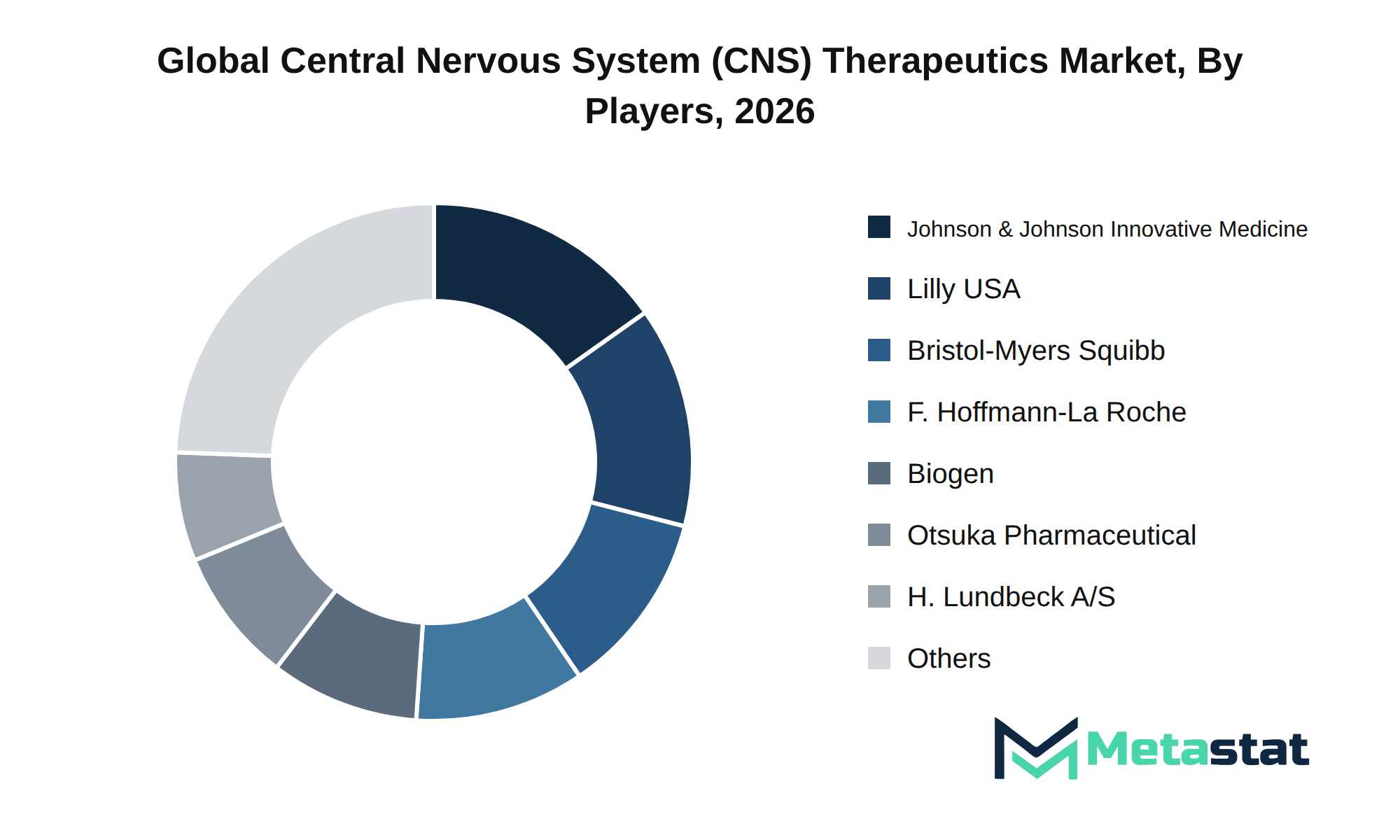
Market players, including Lilly USA, LLC, Johnson & Johnson Innovative Medicine, and Bristol-Myers Squibb Company, actively contribute to expanding the Small Molecules segment. These organizations leverage their expertise to enhance product portfolios and support the ongoing evolution of CNS therapeutics. Capital investment outlook remains optimistic, with anticipated funding directed towards innovative small molecule research, reinforcing their role in the future of the market.
Monoclonal Antibodies
Projected growth in the Monoclonal Antibodies segment highlights a robust trajectory within the Central Nervous System (CNS) Therapeutics market. This segment is estimated to reach USD 49.5 billion by 2033, at a CAGR of 16% during the forecast period. Increased investment in research and development contributes to the creation of innovative therapies targeting various neurological disorders, driving demand for monoclonal antibodies. The expansion of biologics in treatment protocols enhances the adoption of these therapies among healthcare providers and patients.
Technological maturation advances monoclonal antibody therapies, enabling refined targeting mechanisms that improve efficacy and reduce side effects. This evolution encourages greater integration into treatment regimens, particularly for conditions including Alzheimer’s disease and multiple sclerosis. Regulatory compliance standards are adapting to accommodate the growing pipeline of monoclonal antibody products, facilitating smoother pathways from development to market introduction.
With rising prevalence rates of neurological disorders, end-use dynamics reflect an increasing reliance on monoclonal antibodies due to effective treatment options. Consumption shifts toward personalized medicine further support this segment's growth, driven by tailored therapies that offer improved outcomes for patients. Key players in the market capitalize on strategic opportunity windows, sourcing raw materials efficiently while navigating pricing volatility and margin pressures inherent in the biotechnology field.
The strategic landscape for monoclonal antibodies encompasses diverse applications, reinforcing the segment's importance within the broader context of CNS therapeutics. Comprehensive market analysis indicates the potential for continued investment, ensuring that development remains aligned with evolving therapeutic needs. The ongoing expansion of this segment delivers substantial benefits to stakeholders, including healthcare providers, patients, and pharmaceutical manufacturers.
Gene Therapies
Gene Therapies continue to gain traction within the Central Nervous System (CNS) Therapeutics market, driven by advancements in genetic engineering and an increasing understanding of genetic disorders. These therapies address conditions that were previously difficult to treat, offering potential cures instead of symptomatic relief. The growing prevalence of neurological disorders, coupled with the rising demand for personalized medicine, significantly influences adoption rates among healthcare providers and patients.
The segment is expected to reach USD 6.8 billion by 2033, reflecting the strong interest in innovative treatment options. Investment in research and development has spurred technological maturation, leading to next-generation upgrades in delivery methods and efficacy. Collaborations between biotech firms and academic institutions enhance the product pipeline, ensuring a steady flow of new therapies entering the market.
Changing healthcare policies and regulatory frameworks support the approval of gene therapies, boosting market confidence. Stakeholders, including pharmaceutical companies and healthcare providers, benefit from streamlined compliance processes and incentives for rare disease treatments. Economic factors, including pricing strategies and reimbursement models, play a crucial role in shaping market dynamics, impacting profit margins and overall market growth.
The Gene Therapies segment within the Central Nervous System (CNS) Therapeutics market enjoys a favorable outlook, driven by innovative developments and supportive regulatory environments. The continued focus on precision medicine and genetic research ensures significant growth, positioning this segment because a key player in addressing unmet medical needs.
Cell Therapies
Rapid advancements in biotechnology significantly influence the growth of the Cell Therapies segment within the Central Nervous System (CNS) Therapeutics market. Innovative approaches in cell-based therapies address a variety of neurological conditions, leading to increased investment and research activities aimed at developing effective treatments. The expanding pipeline of investigational therapies, coupled with rising awareness of the potential of cellular interventions, creates a favorable environment for market growth.
Cell therapies are projected to grow at a CAGR of 18.7% during the forecast period, reflecting robust demand for personalized medicine solutions that target complex neurological disorders. The increasing prevalence of conditions including neurodegenerative diseases and psychiatric disorders drives the need for more effective treatment options, pushing healthcare providers and pharmaceutical companies to explore this segment further.
Regulatory agencies play a crucial role in shaping the environment for cell therapies, instilling confidence in potential investors and stakeholders. Approval of innovative therapeutic products enhances overall market dynamics, encouraging additional research and development initiatives. Strategic collaborations among biotechnology firms, research institutions, and healthcare providers facilitate knowledge sharing and resource allocation, further accelerating advancements in this field, which is essential for future innovation.
The anticipated growth in the Cell Therapies segment contributes to the overall expansion of the Central Nervous System (CNS) Therapeutics market. By addressing unmet medical needs through innovative therapeutic solutions, this segment holds significant promise for the future, driving demand and enhancing treatment outcomes for patients suffering from various neurological conditions.
RNA-Based Therapeutics
Innovations in RNA-Based Therapeutics are set to reshape treatment paradigms within the Central Nervous System (CNS) Therapeutics market. Increasing awareness of genetic conditions and advancements in gene editing technologies are driving demand for RNA-based solutions. These therapeutics target a range of neurological disorders, enhancing treatment efficacy and expanding therapeutic options for patients.
The adoption of RNA-Based Therapeutics benefits from segment expansion catalysts, including increased investment in research and development and strategic partnerships among biotechnology firms. Regulatory frameworks supporting innovative therapies facilitate clinical trial advancements, enabling timely product launches. This dynamic fuels further investments in targeted therapies, increasing their presence in the market.
Technological maturation continues to enhance RNA delivery methods and improve stability, which boosts consumer confidence in these products. Next-generation upgrades in formulation techniques and delivery systems are essential for maximizing therapeutic effectiveness while minimizing adverse effects. Consequently, the market experiences a shift towards more personalized treatment plans aligned with specific patient profiles.
Downstream applications of RNA-Based Therapeutics demonstrate their versatility across various CNS disorders, including neurodegenerative diseases and psychiatric conditions. While understanding of the underlying mechanisms of these diseases evolves, the market equips healthcare providers with more effective treatment options, ultimately improving patient outcomes.
Consumption shifts towards RNA-Based solutions reflect growing patient and clinician preference for targeted therapies over traditional small molecules. This trend aligns with the demand for precision medicine, which focuses on tailoring treatment to individual genetic profiles. Regulatory compliance standards continue to adapt, ensuring that new RNA-based products meet safety and efficacy requirements while navigating the complex approval landscape.
Pricing volatility and margin pressures specific to RNA-Based Therapeutics require ongoing strategic analysis. Firms operating in this segment face challenges related to raw material sourcing and logistical vulnerabilities, influencing overall cost structures. These challenges present strategic opportunity windows for companies to innovate and optimize supply chains to enhance resilience.
Investment in RNA-Based Therapeutics indicates a positive growth outlook, driven by the potential for groundbreaking therapies that address unmet medical needs. While the market evolves, companies focusing on RNA technologies position themselves advantageously within the Central Nervous System (CNS) Therapeutics market, capturing both market share and patient demand.
Others (Peptides, Protein Therapeutics)
Growing interest in peptides and protein therapeutics significantly impacts the Central Nervous System (CNS) Therapeutics market. These molecules offer unique mechanisms of action, targeting specific pathways in the nervous system. Increasing research into neurodegenerative diseases and mental health disorders fuels this interest, focusing on developing more effective treatments.
Technological maturation plays a critical role in advancing peptide and protein therapeutics. Innovations in drug delivery systems and formulation technologies enhance the efficacy and safety profiles of these treatments. This evolution streamlines the development process, facilitating faster transitions from research to clinical applications.
Adoption of peptides and protein therapeutics expands due to their potential to address unmet medical needs in various neurological conditions. The growing demand for personalized medicine encourages the exploration of these therapeutics, aligning treatments with individual patient profiles. Downstream applications across multiple therapeutic indications further support their integration into treatment regimens.
Regulatory compliance standards influence the development landscape. Stringent approval processes ensure safety and efficacy, shaping market entry strategies. The need for certifications adds complexity to the supply chain, emphasizing the importance of maintaining high-quality production standards.
Cost structures and pricing volatility affect the financial dynamics surrounding peptides and protein therapeutics. Manufacturers face pressures related to production costs, impacting pricing strategies. Market players strategically navigate these challenges to maintain competitive pricing while ensuring profitability.
Investments in research and development drive the expansion of the peptide and protein therapeutics segment. Strategic opportunity windows arise from advancements in technology and growing understanding of neurobiology. This investment landscape shapes the future trajectory of the market, enhancing its capacity to meet evolving healthcare needs.
The Others (Peptides, Protein Therapeutics) segment within the Central Nervous System (CNS) Therapeutics market reflects a dynamic combination of innovation, regulatory challenges, and evolving patient needs. The continuous evolution of these therapeutics highlights their significance in addressing complex neurological disorders.
By Distribution Channel, the market is further segmented into:
Hospital Pharmacies
Retail Pharmacies
Online Pharmacies
Specialty Pharmacies
Hospital Pharmacies
Valued at USD 60.3 billion in 2026, the Hospital Pharmacies segment is projected to reach USD 110.9 billion by 2033, reflecting a CAGR of 9.1% during the forecast period. This growth results from several primary demand drivers, including the increasing prevalence of neurological disorders and the growing awareness of CNS therapies among healthcare providers. Adoption of innovative treatment options within hospital settings further enhances the segment's expansion by ensuring that patients receive timely and effective care.
Technological maturation significantly shapes the Hospital Pharmacies segment. Advancements in drug formulation and delivery systems boost the effectiveness of CNS therapeutics. Continued investments in next-gen upgrades, including personalized medicine approaches and targeted therapies, lead to improved patient outcomes, reinforcing the importance of hospital pharmacies in the overall market.
Downstream applications within hospital settings exhibit a strong correlation with patient management strategies in the treatment of CNS disorders. Enhanced collaborations between pharmaceutical companies and hospital networks strengthen distribution channels, ensuring a steady supply of therapeutics to meet growing demand. Regulatory compliance standards, including safety and efficacy guidelines, drive the need for stringent quality control measures within hospital pharmacies, impacting cost structures and pricing strategies.
Pricing volatility in the CNS therapeutics market influences margin pressures faced by hospital pharmacies. Fluctuations in drug prices affect the operational budgets of healthcare providers, necessitating effective procurement strategies to maintain profitability. Supply chain resilience and raw material sourcing challenges contribute to pricing dynamics, impacting the availability of key therapeutics. Strategic opportunity windows exist for companies focusing on innovative solutions and robust supply chain management to mitigate these challenges.
The Hospital Pharmacies segment demonstrates considerable potential within the Central Nervous System (CNS) Therapeutics market. With a focus on product evolution, regulatory compliance, and strategic partnerships, this segment is positioned to capitalize on the increasing demand for effective CNS treatments, driving growth and development in the coming years.
Retail Pharmacies
Diversification in treatment options significantly impacts the growth of the Retail Pharmacies segment within the Central Nervous System (CNS) Therapeutics market. Enhanced access to medications for various CNS disorders increases patient adherence and improves health outcomes. The segment is projected to reach USD 113.6 billion by 2033, at a CAGR of 8.8% during the forecast period.
Factors driving growth include an aging population, rising prevalence of CNS disorders, and increased awareness of mental health issues. Retail pharmacies serve because convenient access points, enabling timely medication dispensing and consultations. This accessibility supports patient engagement and promotes adherence to prescribed therapies, ultimately leading to a positive shift in consumption patterns.
Regulatory compliance and quality assurance standards play critical roles in maintaining the safety and efficacy of CNS therapeutics available in retail settings. The segment benefits from strategic partnerships between pharmacies and pharmaceutical companies, enhancing product availability and driving market penetration. Increased investment in pharmacist training and patient education further strengthens the segment's ability to address evolving healthcare needs.
Online Pharmacies
Growth in the Online Pharmacies segment reflects a significant shift in consumer behavior towards digital platforms for purchasing CNS therapeutics. Increased adoption of online healthcare services facilitates access to medications, driven by the convenience and efficiency offered by these platforms. Patients prefer the ease of ordering medications online, which leads to higher demand for CNS therapeutics through this distribution channel.
Technological advancements play a crucial role in enhancing user experience and operational efficiency within online pharmacies. Integration of artificial intelligence and machine learning optimizes inventory management and personalized recommendations, increasing customer satisfaction. This technological maturation supports segment expansion, allowing pharmacies to cater to a broader audience.
Regulatory compliance standards influence operations within the Online Pharmacies segment. Adherence to guidelines ensures the safety and legitimacy of medications being sold, which builds consumer trust. This trust is essential for sustained growth, attributed to patients prioritizing safety when accessing CNS therapeutics online.
Pricing volatility in the pharmaceutical market creates challenges for online pharmacies, impacting their competitive edge and profit margins. Effective cost management strategies become vital for maintaining profitability while offering competitive prices to attract consumers. Strategic pricing models mitigate the effects of external market pressures.
Projected growth of the Online Pharmacies segment is expected to reach USD 31.7 billion by 2033. This growth signifies an increasing penetration of online platforms in the CNS therapeutics market, driven by evolving consumer preferences and expanding digital infrastructure. Strong investments in technology and logistics will enhance this segment's resilience and capacity to meet rising demand.
Specialty Pharmacies
Strong growth in the Specialty Pharmacies segment reflects increasing demand for specialized medication and tailored therapeutic approaches for various central nervous system disorders. Rising awareness regarding the importance of personalized medicine drives healthcare providers and patients to seek tailored therapies, leading to a more prominent role for specialty pharmacies in the distribution of CNS therapeutics. This segment is projected to grow at a CAGR of 10.9% during the forecast period.
The availability of innovative treatment options and enhanced patient support services offered by specialty pharmacies significantly contribute to their expansion. Patients with complex conditions, including epilepsy, depression, and schizophrenia, often require medications that necessitate careful management and monitoring, which specialty pharmacies specialize in providing. This specialized focus enhances patient adherence to treatment regimens, consequently improving health outcomes and increasing demand for CNS therapeutics.
Regulatory factors supporting the growth of this segment include the increasing emphasis on patient-centered care and the push for better management of chronic diseases. Healthcare policies promoting access to specialized medications facilitate a conducive environment for specialty pharmacies. The Central Nervous System (CNS) Therapeutics market benefits from these developments, with specialty pharmacies playing a crucial role in ensuring that patients receive the necessary therapies for effective management of their conditions.
Investment in technology and infrastructure within specialty pharmacies enhances their ability to provide a broad range of services, including medication therapy management and patient education. This focus on providing comprehensive support results in higher patient satisfaction and loyalty, which is essential for growth in the market. Overall, the Specialty Pharmacies segment plays a vital role in the continued evolution of CNS therapeutics distribution.
By Region
Based on geography, the Global Central Nervous System (CNS) Therapeutics market is divided into North America, Europe, Asia-Pacific, South America, Middle East, and Africa.
North America
North America represents a significant portion of the Central Nervous System (CNS) Therapeutics market, with a projected market size of USD 115.7 billion by 2033, reflecting a compound annual growth rate (CAGR) of 9.9% during the forecast period. The region holds a 42.9% share of the global market in 2025, highlighting its prominence in this sector. Factors driving market expansion include an increasing prevalence of neurological disorders, advanced healthcare infrastructure, and a robust pipeline of innovative therapies.
The United States dominates the North American market, supported by a well-established pharmaceutical industry and significant investment in research and development. Canada and Mexico contribute to growth through improved access to treatments and expanded healthcare initiatives. The presence of key market participants, including Lilly USA, LLC, Johnson & Johnson, and Bristol-Myers Squibb Company, enhances competition and drives innovation within the region.
Emerging therapeutic areas, including gene therapies and monoclonal antibodies, indicate strong potential for growth, meeting unmet medical needs within the population. The increasing adoption of specialized treatment options, including antiepileptic drugs and antidepressants, aligns with a growing focus on personalized medicine. Market dynamics in North America reflect a mature environment characterized by high-value replacement cycles and incremental growth vectors.
Localized manufacturing and supply chain regionalization play crucial roles in enhancing competitiveness, with multiple players establishing production facilities closer to key markets. Regulatory frameworks within the region support the swift introduction of new therapies, promoting a favorable climate for innovation. North America’s strong market fundamentals position it for continued expansion in the Central Nervous System (CNS) Therapeutics market.
Europe
Europe represents a growing share of the Central Nervous System (CNS) Therapeutics market. The region's growth stems from increasing prevalence of neurological disorders including epilepsy, depression, and schizophrenia. Countries like Germany, France, the UK, Italy, and Spain exhibit strong demand for advanced therapies, driven by rising healthcare investments and an aging population. Russia and the Rest of Europe contribute to market dynamics, although differences in healthcare infrastructure impact growth rates.
The adoption of innovative therapeutic options aligns with a robust regulatory framework across Europe, facilitating the introduction of advanced treatments. The rising interest in biologics, particularly monoclonal antibodies, supports market expansion by offering new treatment paradigms. Local compliance mandates influence procurement strategies, compelling companies to tailor approaches based on regional regulations and market needs.
Companies including Lilly USA, LLC and Johnson & Johnson Innovative Medicine operate in this competitive landscape, focusing on strategic partnerships and localized supply chains to enhance their market positions. Increased investment in research and development drives innovation, positioning Europe because a center for CNS therapeutic advancements. The market benefits from cross-border trade corridors, enabling access to diverse therapeutic options that cater to varying regional demands.
High-value replacement cycles in therapeutic classes like antidepressants and antiepileptic drugs ensure steady revenue streams, while incremental growth vectors emerge from expanding distribution channels, including retail and online pharmacies. The combination of these factors underlines the strategic importance of Europe in the global Central Nervous System (CNS) Therapeutics market.
Asia-Pacific
Asia-Pacific holds a growing share of the Central Nervous System (CNS) Therapeutics market. Countries including China, Japan, India, South Korea, and Australia contribute to the growth dynamics in this region. Increased prevalence of neurological disorders and rising awareness regarding mental health are primary demand drivers. The region's diverse healthcare infrastructure supports the adoption of innovative treatment options, enabling segment expansion, particularly in therapeutic indications including epilepsy, depression, and schizophrenia.
This region benefits from emerging market front-runners, including established pharmaceutical companies that continue to invest in research and development. Localized manufacturing densities enhance supply chain efficiency, while foreign direct investment flows into the region signify confidence in its market potential. Cultural nuances and regional B2B buying behaviors influence procurement dynamics, allowing companies to tailor their strategies to meet local needs.
Infrastructure modernization enhances healthcare delivery, which aligns with the increasing demand for advanced CNS therapeutics. The competitive landscape features both domestic market participants and international players, leading to vendor consolidation trends that strengthen the market's overall position. The region's high-value replacement cycles present opportunities for incremental growth, further reinforcing Asia-Pacific's status in the global Central Nervous System (CNS) Therapeutics market.
South America
The South American market for Central Nervous System (CNS) Therapeutics represents a distinct opportunity for growth, capturing a share of the global market in 2025. Brazil and Argentina emerge because key players, with advancements in healthcare infrastructure and an increasing focus on mental health contributing to rising demand for CNS therapeutics.
Brazil's substantial population and strategic investments in health services position it favorably within the region. The country's regulatory framework supports innovation, encouraging both local and multinational companies to invest in research and development. Argentina complements this dynamic with a growing emphasis on addressing mental health challenges, driving demand for effective therapeutic options.
Regions with underpenetrated markets, including the Rest of South America, present additional opportunities for companies to expand their reach. Increased awareness of mental health disorders and corresponding treatment options fuels demand across this territory. The combination of an evolving healthcare landscape and rising awareness of CNS conditions positions South America for growth in the CNS therapeutics market through 2033.
Cultural nuances affect B2B buying behaviors, influencing procurement dynamics among regional healthcare providers. Strategic partnerships and collaboration among local vendors will support market penetration, while foreign direct investment flows into the region are projected to increase, enhancing the overall therapeutic landscape.
Middle East and Africa
The Middle East and Africa region is expected to capture a share of the global Central Nervous System (CNS) Therapeutics market by 2025. This market growth is driven by increasing healthcare investments, advancing infrastructure, and rising prevalence of CNS disorders. Growing awareness of mental health issues and neurological conditions among the population has spurred demand for innovative therapeutics.
Saudi Arabia and the UAE lead market expansion due to their robust healthcare systems and higher adoption of advanced treatment options. Financial investment in healthcare infrastructure modernization supports the adoption of new therapies. South Africa presents significant growth opportunities, driven by expanding healthcare access and improved patient care facilities.
Despite the underpenetrated nature of certain territories, opportunities for localized manufacturing and supply chain regionalization exist. Vendors recognize the potential of these markets, driven by their aim to enhance regional presence. Competitive dynamics in the region involve collaborations and partnerships among key players. The Central Nervous System (CNS) Therapeutics market in this region reflects a shift toward addressing unmet medical needs, with a focus on both therapeutic and pharmacological advancements.
Competitive Landscape and Strategic Insights
The Central Nervous System (CNS) Therapeutics market experiences intense competition characterized by significant mergers, acquisitions, and strategic consolidations among leading players. Companies prioritize the development of differentiated products, leveraging proprietary technologies and research and development (R&D) pipelines to establish competitive advantages. For instance, partnerships and joint ventures facilitate access to innovative technologies and enhance product offerings. This strategic behavior supports sustained growth and market position against emerging entrants and startups.
Major players, including Lilly USA, LLC, Johnson & Johnson Innovative Medicine, and Bristol-Myers Squibb Company, engage in aggressive go-to-market strategies that focus on customer retention and brand equity. Pricing architectures are tailored to optimize market penetration while addressing the barriers to entry faced by potential competitors. These strategies improve operational effectiveness and enhance procurement leverage across the supply chain.
The competitive dynamics reflect a significant emphasis on intellectual property portfolios and patent landscapes, which serve because defensive imperatives against market disruptions. Companies like Biogen Inc. and Pfizer Inc. invest in technological defensibility to safeguard their market share in the evolving landscape. The increasing focus on cross-industry partnership ecosystems further strengthens the market's resilience, enabling future growth.
Overall, the competitive landscape of the Central Nervous System (CNS) Therapeutics market remains robust, driven by strategic behaviors that optimize value chain integration and improve commercial models.
Forecast and Future Outlook
Market size is forecast to rise from USD 139.3 billion in 2025 to over USD 296.6 billion by 2033, achieving a compound annual growth rate (CAGR) of 9.9%. This growth is driven by advancements in technology, increasing investment in research and development, and rising demand for effective treatment options in the Central Nervous System (CNS) Therapeutics market.
The base case anticipates significant market expansion, while bull and bear cases highlight potential variations in growth. Bullish scenarios could stem from accelerated R&D commercializations, enabling faster delivery of innovative therapies and higher acceptance of new treatments. Conversely, bearish views arise from regulatory challenges, geopolitical tensions, or economic downturns, impacting investment and consumption patterns.
Emerging technologies, including gene therapies and monoclonal antibodies, contribute to the evolving market. Integration of these next-generation therapies into existing treatment frameworks reshapes patient care pathways and drives demand. Regulatory evolution remains a critical aspect, influencing compliance timelines and shaping the competitive environment within the market.
Geopolitical realignments and shifts in global supply chains introduce new dynamics, affecting sourcing strategies and distribution channels. Strategic capital allocation and infrastructure commitments play vital roles in determining which players successfully navigate these changes. High-growth pockets within underserved therapeutic areas present opportunities for companies to capture market share while addressing unmet needs.
The forecast period includes substantial changes within the Central Nervous System (CNS) Therapeutics market. The interaction of macroeconomic factors, regulatory shifts, and technological advancements will define the competitive landscape and shape future growth trajectories.
Central Nervous System (CNS) Therapeutics Market Key Segments
The report strategically identifies and profiles the key market players and analyses their core competencies in each sub-segment of the Central Nervous System (CNS) Therapeutics market.
Report Attributes
Details
Study Period
2021-2033
Base Year
2025
Estimated Year
2026
Forecast Period
2026-2033
Historical Period
2021-2025
Growth Rate
CAGR 9.9% from 2026 to 2033
Revenue Unit
USD billion
Segmentation
By Therapeutic Indication, Pharmacological Class, Molecule Type, Distribution Channel, and Region
By Region
North America (By Therapeutic Indication, Pharmacological Class, Molecule Type, Distribution Channel, and Country)
United States
Canada
Mexico
Europe (By Therapeutic Indication, Pharmacological Class, Molecule Type, Distribution Channel, and Country)
Germany
France
UK
Italy
Spain
Russia
Rest of the Europe
Asia Pacific (By Therapeutic Indication, Pharmacological Class, Molecule Type, Distribution Channel, and Country)
China
Japan
India
South Korea
Australia
Southeast Asia
Rest of Asia Pacific
South America (By Therapeutic Indication, Pharmacological Class, Molecule Type, Distribution Channel, and Country)
Brazil
Argentina
Rest of South America
Middle East and Africa (By Therapeutic Indication, Pharmacological Class, Molecule Type, Distribution Channel, and Country)
Saudi Arabia
UAE
South Africa
Rest of Middle East and Africa
WHAT REPORT PROVIDES
Company Market Share, Revenue and Ranking for the Central Nervous System (CNS) Therapeutics Market
Key Market Leaders in the Central Nervous System (CNS) Therapeutics Market
Full In-Depth Analysis of the Parent Industry
Industry Statistics and Important Changes in Market Dynamics
Segmentation Details of the Central Nervous System (CNS) Therapeutics Market
Find answers to common questions about this report
The Central Nervous System (CNS) Therapeutics market size was valued at USD 139.3 billion in 2025, according to the Metastat Insights study.
The Central Nervous System (CNS) Therapeutics market is projected to grow at a CAGR of 9.9% during the forecast period from 2026 to 2033.
The North America Central Nervous System (CNS) Therapeutics market size is estimated to reach USD 115.7 billion by 2033.
The leading segment in the Central Nervous System (CNS) Therapeutics market is the Pharmacological Class of Antidepressants, projected to reach USD 50.4 billion by 2033. This figure surpasses the next highest segment, Antipsychotics, which is expected to reach USD 35.9 billion in the same year.
Economic factors, demographic shifts, and digital transformation drive growth in the Central Nervous System (CNS) Therapeutics market. Increased public-private spending, an aging population, and advancements in technology enhance treatment demand and operational efficiency, supporting a projected market value of USD 296.6 billion by 2033.
North America holds the dominant share of the Central Nervous System (CNS) Therapeutics market, with a market share of 42.9% in 2025. This region is projected to generate USD 115.7 billion by 2033.
The Central Nervous System (CNS) Therapeutics market faces challenges from regulatory compliance, rising development costs, and supply chain disruptions. Stricter regulations impose financial burdens, particularly on smaller companies, while geopolitical tensions raise costs and complicate market accessibility. These factors hinder innovation and limit the market's growth potential.
Economic growth, increased public-private spending, and advancements in digital transformation favor product adoption in the Central Nervous System (CNS) Therapeutics market. These factors enhance investment in innovative treatments and streamline operational processes, ultimately driving demand for effective therapies amid rising incidences of CNS disorders.
The Central Nervous System (CNS) Therapeutics market is estimated to reach a valuation of USD 296.6 billion by 2033.
Key players operating in the Central Nervous System (CNS) Therapeutics market include Lilly USA, LLC, Johnson & Johnson Innovative Medicine, Bristol-Myers Squibb Company, Otsuka Pharmaceutical Co., Ltd., H. Lundbeck A/S, Biogen Inc., and F. Hoffmann-La Roche Ltd.
Choose Your License
Global Central Nervous System (CNS) Therapeutics Market
Central Nervous System (CNS) Therapeutics Market Report 2033
Central Nervous System (CNS) Therapeutics market size is valued at USD 139.3 billion in 2025 and projected to reach USD 296.6 billion by 2033.
Central Nervous System (CNS) Therapeutics market, Central Nervous System (CNS) Therapeutics Market Size, Central Nervous System (CNS) Therapeutics Market Share, Central Nervous System (CNS) Therapeutics Market Analysis, Central Nervous System (CNS) Therapeutics Market Growth, Central Nervous System (CNS) Therapeutics Market Trends, Central Nervous System (CNS) Therapeutics Market Research Report, Central Nervous System (CNS) Therapeutics Market Forecast, Central Nervous System (CNS) Therapeutics, Central Nervous System (CNS) Therapeutics Market Research, Central Nervous System (CNS) Therapeutics Industry, Central Nervous System (CNS) Therapeutics Industry Report, Central Nervous System (CNS) Therapeutics Market Data, Central Nervous System (CNS) Therapeutics Statistics, Central Nervous System (CNS) Therapeutics Market Statistics, Central Nervous System (CNS) Therapeutics Industry Trends, Central Nervous System (CNS) Therapeutics Market Report, Central Nervous System (CNS) Therapeutics Market Trends, Central Nervous System (CNS) Therapeutics Market News, Central Nervous System (CNS) Therapeutics Forecasts, Central Nervous System (CNS) Therapeutics Market Intelligence Report, Central Nervous System (CNS) Therapeutics market 2033, Central Nervous System (CNS) Therapeutics market outlook, Central Nervous System (CNS) Therapeutics market segmentation, Central Nervous System (CNS) Therapeutics market drivers, Central Nervous System (CNS) Therapeutics market restraints, Central Nervous System (CNS) Therapeutics market opportunities, Central Nervous System (CNS) Therapeutics market CAGR, Central Nervous System (CNS) Therapeutics suppliers, Central Nervous System (CNS) Therapeutics manufacturers, Central Nervous System (CNS) Therapeutics market by region, North America Central Nervous System (CNS) Therapeutics market, Asia Pacific Central Nervous System (CNS) Therapeutics market, Europe Central Nervous System (CNS) Therapeutics market, Central Nervous System (CNS) Therapeutics market competitive landscape, Central Nervous System (CNS) Therapeutics market key players, Epilepsy therapeutics market, Alzheimer's disease therapeutics market, Parkinson's disease therapeutics market, Multiple sclerosis therapeutics market, Antidepressants market, Antipsychotics market, Online pharmacies for CNS therapeutics, Specialty pharmacies for CNS therapeutics.
India Human Dermal and Amniotic Tissue Market Size, Share, Trends, 2033
India Human Dermal and Amniotic Tissue market size is valued at USD 119.1 million in 2025 and is projected to reach USD 351.1 million in 2033, at a CAGR of 14.5% from 2026 to 2033
India Human Dermal and Amniotic Tissue Market, India Human Dermal and Amniotic Tissue Market Size, India Human Dermal and Amniotic Tissue Market Share, India Human Dermal and Amniotic Tissue Market Analysis, India Human Dermal and Amniotic Tissue Market Growth, India Human Dermal and Amniotic Tissue Market Trends, India Human Dermal and Amniotic Tissue Market Research Report, India Human Dermal and Amniotic Tissue Market Forecast, India Human Dermal and Amniotic Tissue, India Human Dermal and Amniotic Tissue Market Research, India Human Dermal and Amniotic Tissue Industry, India Human Dermal and Amniotic Tissue Industry Report, India Human Dermal and Amniotic Tissue Market Data, India Human Dermal and Amniotic Tissue Statistics, India Human Dermal and Amniotic Tissue Market Statistics, India Human Dermal and Amniotic Tissue Industry Trends, India Human Dermal and Amniotic Tissue Market Report, India Human Dermal and Amniotic Tissue Market Trends, India Human Dermal and Amniotic Tissue Market News, India Human Dermal and Amniotic Tissue Forecasts, India Human Dermal and Amniotic Tissue Market Intelligence Report