
LEAD ANALYST
Utkarsh Khirodkar is a Lead Market Research Analyst at MetaStat Insight, specializing in market intelligence, technology sector assessments, and competitive strategy.

Europe Small Modular Reactor Market Size, Share, By Reactor Technology (Pressurized Water Reactor (PWR), Boiling Water Reactor (BWR), Sodium-Cooled Fast Reactor (SFR), Lead-Cooled Fast Reactor (LFR), High-Temperature Gas-Cooled Reactor (HTGR), Molten Salt Reactor (MSR) and Others (Heat-Pipe-Cooled)), By Power Output (Up to 100 MW and 101 to 200 MW and 201 to 300 MW), By Application (Grid Electricity Generation, Industrial Process Heat & Steam, District Heating, Combined Heat & Power (Cogeneration), Hydrogen & E-Fuel Production, Data Center & Digital Infrastructure Power and Others (Desalination, Remote & Off-Grid Power)), By Region (United Kingdom, France, Poland, Sweden, Germany and Rest of Europe), Industry Analysis, Growth, Trends, and Forecast, 2026-2033
Report ID
MSI-5043
Published
August, 2026
Pages
305 Pages
Format
Historical
Base year
Forecast
Forecast period
Report Details
Choose Your License
Europe Small Modular Reactor Market
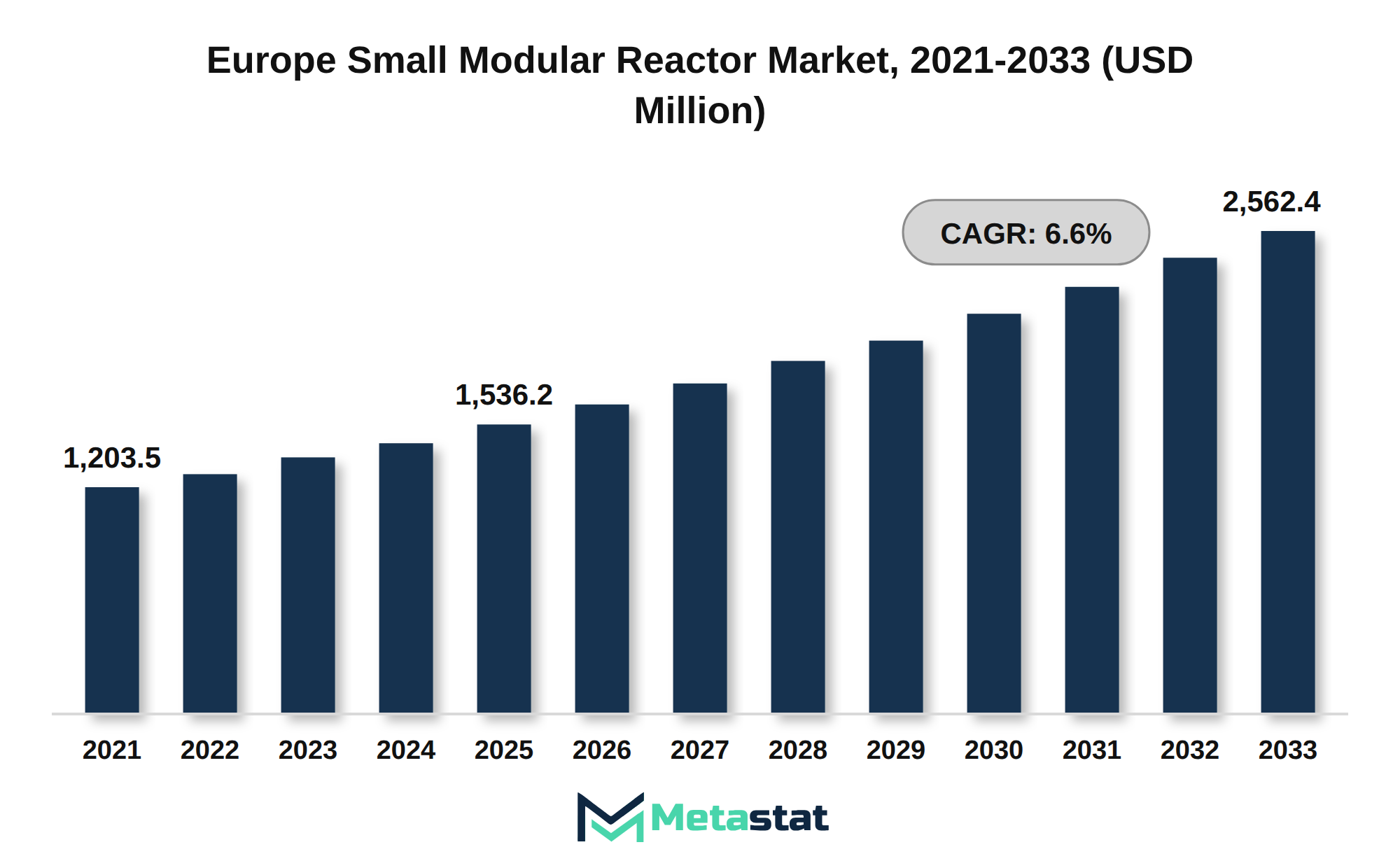
The Europe Small Modular Reactor market was valued at USD 1,536.2 million in 2025 and is projected to reach USD 2,562.4 million by 2033, growing at a CAGR of 6.6% over the forecast period.
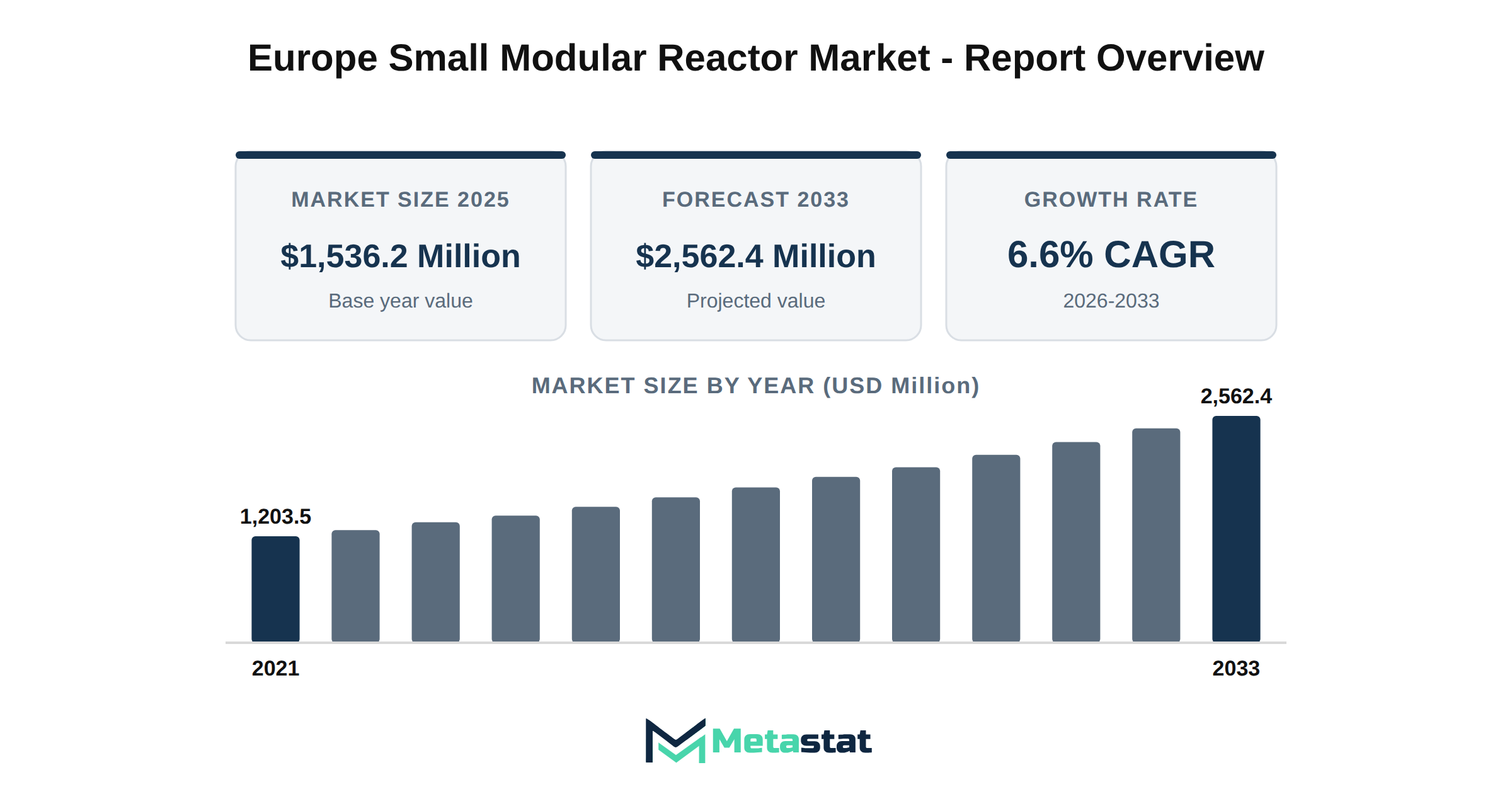
The Europe Small Modular Reactor market is projected to grow from USD 1,536.2 million in 2025 to USD 2,562.4 million by 2033, reflecting a compound annual growth rate (CAGR) of 6.6%. Historical data indicates growth from USD 1,203.5 million in 2021 to USD 1,436.1 million in 2024, demonstrating a steady upward trajectory in market value.
Various reactor technologies contribute to this growth, with the Pressurized Water Reactor (PWR) segment starting at USD 783 million in 2026 and expected to reach USD 1,081.9 million by 2033, resulting in a CAGR of 4.7%. The Boiling Water Reactor (BWR) segment is anticipated to attain a value of USD 448.9 million by 2033, with a CAGR of 6.2%. Meanwhile, the Sodium-Cooled Fast Reactor (SFR) segment is projected to reach USD 270.9 million in the same year.
Market dynamics are influenced by several factors, including increasing demand for sustainable energy solutions, investment in R&D trajectories, and the push for decarbonization and sustainable transformation across energy sectors. Regulatory compliance and standards play a critical role in shaping market operations, ensuring safety and efficiency in reactor designs and implementations.
The supply chain landscape remains complex, with logistics architecture requiring robust management to address sourcing challenges. Capital allocation strategies focus on infrastructure investments that align with the next-generation innovation needed for advancing reactor technologies. Macroeconomic headwinds, including inflationary pressures and currency volatility, impact operational costs and overall market stability.
The Europe Small Modular Reactor market exhibits strong potential for growth, driven by technological advancements and increasing adoption of small modular reactors in various applications, including grid electricity generation and industrial process heat. Corporate imperatives emphasize the need for strategic investments to navigate market fragmentation and enhance value chain efficiency.
The Europe Small Modular Reactor market demands attention due to the evolving regulatory compliance landscape. Regulatory frameworks adapt to promote safety and efficiency while addressing environmental concerns. This dynamic shapes investment strategies and operational protocols among key stakeholders.
Research and development trajectories play a crucial role in shaping the market. Increased investments in next-generation innovation focus on enhancing reactor technologies, improving safety measures, and optimizing performance. These advancements position the market for sustainable transformation and align with global decarbonization efforts.
The transition towards a circular economy influences procurement and sourcing strategies. Companies in the market prioritize sustainable practices, reducing waste and enhancing resource efficiency. This shift drives demand for innovative solutions that support environmental goals, impacting the overall supply chain landscape.
Market fragmentation presents both challenges and opportunities within the Europe Small Modular Reactor market. Diverse technologies and varying regulatory environments complicate the competitive landscape. However, this fragmentation encourages collaboration and strategic partnerships, driving innovation and expanding market reach.
Inflationary pressures and currency volatility introduce macroeconomic headwinds, affecting capital allocation and investment decisions. Stakeholders navigate these challenges by reassessing financial strategies, ensuring resilience in the face of economic fluctuations. Such adaptations are critical for sustaining growth and competitiveness.
Future strategic outlooks emphasize the importance of infrastructure investments. Enhanced capabilities in power generation and distribution systems support the integration of small modular reactors into existing grids. This infrastructure development aligns with broader energy transition goals in Europe.
Corporate imperatives focus on balancing operational efficiency with sustainability objectives. Organizations prioritize high-value recommendations that enhance performance while contributing to environmental targets. This strategic alignment drives investments and supports long-term growth within the market.
Technological integration enhances operational efficiency within the market. Automation and digital transformation initiatives streamline processes, reduce costs, and improve overall productivity. Adopting advanced software solutions enables stakeholders to optimize operations, leading to increased competitiveness in the energy sector. The market benefits from these efficiency gains, which contribute to meeting energy demands while adhering to sustainability goals. Shifting demographic patterns, including urbanization and an aging population, influence energy consumption trends across Europe. These societal changes drive demand for reliable and efficient energy sources, positioning small modular reactors because viable solutions. While energy consumers increasingly seek sustainable options, the market for small modular reactors addresses these evolving preferences, promoting wider adoption. Infrastructure development, technological integration, and shifting demographics collectively drive growth in the Europe Small Modular Reactor market. These elements create a favorable environment for investment, enhancing the operational landscape and increasing demand for innovative nuclear solutions.
Regulatory compliance significantly influences the Europe Small Modular Reactor market. Stricter emission standards and energy policies push the adoption of nuclear technologies that align with sustainability goals. Governments throughout Europe emphasize clean energy sources, which encourages the development of small modular reactors because a viable solution for reducing carbon emissions and meeting energy demands.
This trend reflects a broader macro-economic shift toward sustainable practices and resource stewardship. Public and private investments in advanced nuclear technologies become critical because countries pursue ambitious climate targets. The focus on regulatory frameworks incentivizes stakeholders to prioritize small modular reactors, resulting in increased market activity and innovation.
Enhanced collaboration between governments and private entities leads to streamlined processes that enable market entry and expansion. The response to evolving regulations ensures that the market remains agile in adapting to new requirements, further driving growth opportunities. The Europe Small Modular Reactor market positions itself favorably within the energy sector, capitalizing on regulatory changes that support a transition towards cleaner energy sources.
The Europe Small Modular Reactor market faces significant challenges due to regulatory compliance hurdles that impact project timelines and cost structures. Stricter regulations surrounding safety, emissions, and operational standards create complexities for developers, resulting in lengthy approval processes. These compliance-related delays lead to increased capital expenditures, adversely affecting the financial viability of projects.
Legal mandates surrounding infrastructure and environmental impact assessments contribute to the challenges faced by market participants. Developers encounter barriers that complicate the allocation of resources and investment, reducing the attractiveness of the market. This regulatory environment creates uncertainty, deterring potential investors and slowing the pace of technological advancement within the market.
Macroeconomic headwinds, including inflationary pressures and supply chain disruptions, exacerbate these compliance challenges. Rising costs of materials and labor limit the ability of companies to meet regulatory standards without incurring additional expenses. Consequently, this situation reduces overall market competitiveness and results in delays in project deployment.
Geopolitical instability further compounds these issues, creating unpredictable market conditions that affect investment decisions. Regional adoption resistors, stemming from cultural barriers and varying public perceptions of nuclear energy, contribute to slow acceptance of small modular reactors. Such factors combined create a restrictive environment for the Europe Small Modular Reactor market, limiting growth opportunities and potential market penetration.
The Europe Small Modular Reactor market faces challenges arising from geopolitical fragmentation that affects trade relationships and supply chains. Increasing tariff friction among nations leads to reduced access to critical components and technologies, resulting in higher costs and delivery delays. These conditions hinder the efficient deployment of small modular reactors, impacting overall market growth.
Technological disruptions further complicate development efforts within the market. Rapid advancements in nuclear technology demand constant adaptation from manufacturers, straining resources and expertise. This situation creates barriers for companies striving to keep pace with innovation while managing costs effectively.
Complex research and development integrations present additional obstacles. Collaborations among multiple stakeholders often introduce interoperability friction, complicating project timelines. Companies operating in the market navigate these complexities to ensure successful technology transfers and project execution.
Heightened regional regulatory standards contribute to compliance overhead. Stricter regulations require extensive documentation and operational adjustments, which delay project timelines and increase costs. This regulatory environment compels firms to allocate significant resources toward compliance, impacting profit margins within the Europe Small Modular Reactor market.
Tightening margins and rising input costs challenge financial sustainability. Companies balance these pressures with the necessity to invest in advanced technologies, which could lead to strategic reallocations of capital and workforce focus. Careful management of these dynamics is essential to maintain competitiveness and enhance innovation.
The Europe Small Modular Reactor market experiences strong growth fueled by emerging regional demands for cleaner energy solutions and advanced nuclear technologies. Increased awareness of climate change impacts leads to a stronger push for low-carbon energy sources, motivating governments and organizations to invest in small modular reactors. These reactors offer flexibility and scalability, aligning with the energy transition goals of multiple countries in Europe.
Infrastructure modernization initiatives further stimulate market expansion. Upgrades to aging energy systems, coupled with the adoption of innovative technologies, enhance operational efficiencies and reliability within the nuclear sector. The integration of small modular reactors into existing frameworks supports energy diversification while addressing regional energy needs.
Geographical expansion opportunities arise from evolving energy policies and growing acceptance of nuclear power within the public sphere. Several European nations show interest in deploying small modular reactors to achieve energy independence and stability. This strategic approach encourages investment and collaboration among stakeholders, resulting in a more robust market landscape.
Technological disruptions, including advancements in reactor designs and fuel technologies, position the Europe Small Modular Reactor market favorably for future growth. Innovations in modular construction and safety features contribute to the attractiveness of small modular reactors, ensuring they meet regulatory standards and consumer expectations.
A shift towards sustainability imperatives aligns with environmental, social, and governance (ESG) principles. This alignment drives demand for small modular reactors, reflecting organizations' prioritization of eco-friendly solutions in their energy strategies. Downstream market diversification into niche applications, including hydrogen production and industrial process heat, presents additional growth avenues.
Strategic consolidation and cross-industry mergers enhance the competitive landscape, allowing firms to pool resources and expertise. This consolidation leads to improved product integration and operational capabilities, ultimately benefiting the Europe Small Modular Reactor market.
The Europe Small Modular Reactor market is segmented based on Reactor Technology, Power Output, Application, and Region.
Valued at USD 783 million in 2026, the Pressurized Water Reactor (PWR) segment is projected to reach USD 1,081.9 million by 2033, at a CAGR of 4.7% during the forecast period. Demand drivers for PWR technology stem from its established reliability and efficiency in generating electricity. Numerous countries in Europe increasingly focus on energy security and carbon reduction, resulting in greater investments in nuclear energy technologies.
Technological maturation enhances the competitive edge of PWR systems, allowing for more efficient designs and improved safety protocols. This evolution attracts investments in next-generation upgrades that further improve operational performance and prolong the lifecycle of existing facilities. The adoption of PWR technology aligns with stringent regulatory compliance standards across Europe, emphasizing safety and environmental sustainability.
The market experiences a notable shift in consumption patterns, with increased demand for clean energy sources in industrial applications. This trend fuels interest in PWR systems, particularly in regions where dependency on fossil fuels remains high. The integration of PWR technology into diverse downstream applications enhances market penetration, thereby enabling broader acceptance among stakeholders.
Supply chain resilience remains critical, with raw material sourcing and logistics vulnerabilities necessitating strategic partnerships to secure the necessary components. Cost structures reflect the initial investment required for advanced technologies; however, long-term operational savings contribute positively to overall margins. The PWR segment holds strategic opportunity windows, encouraging players to innovate and adapt to changing market demands within the Europe Small Modular Reactor market.
Investment in the Boiling Water Reactor (BWR) segment aligns with the increasing emphasis on cleaner energy sources. Global shifts towards sustainable power generation drive demand for advanced reactor technologies. The segment is estimated to reach USD 448.9 million by 2033, at a CAGR of 6.2% during the forecast period. Evolving regulatory frameworks and technological advancements facilitate broader adoption of BWRs. Enhanced safety measures and efficiency improvements contribute to their appeal in the Europe Small Modular Reactor market.
Downstream applications of BWR technology span various sectors, including grid electricity generation and industrial process heating. Industries pursuing carbon reduction strategies gravitate towards BWRs, facilitating energy transition goals. Robust performance in diverse operational contexts positions BWRs favorably among energy producers, reflecting a growing trend toward modular reactors. The market's response to shifting consumer demands further strengthens the BWR segment's growth trajectory.
Growth in the Sodium-Cooled Fast Reactor (SFR) segment contributes significantly to the overall expansion of the Europe Small Modular Reactor market. Increasing investments in advanced nuclear technologies drive interest in SFRs, particularly for their potential to improve safety and efficiency in energy production. These reactors use sodium because a coolant, enabling higher operating temperatures and improved thermal efficiency compared to traditional reactors. The report also covers detailed insights on Generation IV Sodium-Cooled Fast Reactor (SFR) market. The section covers Reactor Developments Landscape, Sodium-Cooled Fast Reactor Trends, Technology, and Design Trends.
Innovation in reactor design and technological maturation are key factors supporting the adoption of SFRs. Enhanced capabilities, including the ability to recycle spent fuel, position SFRs favorably within the renewable energy landscape. The growing emphasis on reducing carbon emissions and transitioning to cleaner energy sources increases the demand for SFR technology across various sectors.
Strategic opportunities arise from regulatory frameworks supporting nuclear energy development and investment in sustainable technologies. While countries within Europe continue to implement policies favoring low-carbon energy sources, SFRs emerge because viable options for meeting energy needs while adhering to stringent environmental standards.
The Sodium-Cooled Fast Reactor (SFR) segment is expected to reach USD 270.9 million by 2033, reflecting its increasing acceptance and application in the energy market. This growth trajectory highlights a broader trend of integrating advanced reactor technologies into energy systems, aligning with the market’s shift toward innovative and sustainable energy solutions.
Interest in the Lead-Cooled Fast Reactor (LFR) segment aligns with increasing demand for advanced nuclear technologies that offer enhanced safety and efficiency. This segment is projected to grow at a CAGR of 9.5% during the forecast period. Factors driving adoption include the need for sustainable energy solutions and the ability of LFRs to operate with superior fuel efficiency compared to traditional reactors. The application of LFR technology extends to various sectors, particularly in providing stable power for industrial processes and grid electricity generation.
Investment in research and development supports technological maturation within the LFR segment. Continuous advancements lead to next-generation upgrades that improve both performance and safety. Regulatory compliance remains a crucial factor, influencing design standards and operational protocols. Stakeholders in the Europe Small Modular Reactor market prioritize LFR technologies to meet evolving regulatory frameworks and market demands.
Cost structures associated with LFR deployment reflect ongoing innovations and competition within the segment. Pricing volatility in raw materials impacts overall project costs, necessitating strategic sourcing and supply chain resilience. The LFR segment offers strategic opportunity windows for investment, driven by a commitment to low-carbon energy solutions, which positions it favorably within the broader market.
Interest in High-Temperature Gas-Cooled Reactors (HTGR) stems from their ability to operate at higher temperatures, which improves thermal efficiency and enables a wide range of applications. This technology supports industrial processes requiring high-temperature steam, ultimately enhancing competitiveness in energy generation. Increasing focus on sustainable energy sources increases the demand for HTGRs, particularly for their potential in generating hydrogen and providing heat for industrial processes.
The market experiences expansion catalysts driven by advancements in materials and reactor design, reducing operational risks and improving safety protocols. Technological maturation enhances the viability of HTGRs, making them attractive to investors and operators within the energy sector. Regulatory compliance standards favor the deployment of HTGRs due to their enhanced safety features and lower waste generation, aligning with Europe’s stringent environmental policies.
Cost structures in the market reflect ongoing investments in research and development, aimed at refining HTGR technology and facilitating widespread adoption. Pricing volatility remains a concern for market participants, influenced by fluctuating raw material costs and competition from alternative energy sources. Strategic opportunity windows arise owing to industries seeking to transition to low-carbon energy solutions, positioning HTGRs because a critical component in the future energy landscape.
Overall, the HTGR segment within the Europe Small Modular Reactor market presents significant potential for growth, driven by demand for efficient and sustainable energy solutions, coupled with ongoing technological advancements that enhance its attractiveness in diverse applications.
Demand for Molten Salt Reactors (MSR) in the Europe Small Modular Reactor market arises from the quest for advanced thermal energy systems. These reactors use molten salt for both fuel and coolant, allowing for higher operating temperatures and improved thermal efficiency compared to traditional reactors. This capability aligns with the growing requirement for sustainable energy solutions and cleaner power generation methods.
Adoption of MSRs benefits from technological maturation, which has led to enhanced safety and efficiency features. Ongoing research and development efforts focus on optimizing materials and designs, further driving interest from energy producers looking to modernize their energy portfolios. The potential for integrating MSRs into existing power grids presents a significant opportunity for utilities aiming to diversify their energy sources while reducing carbon emissions.
Downstream applications for MSRs expand beyond electricity generation. Industries requiring high-temperature process heat, including chemical manufacturing and steel production, find MSRs appealing due to their ability to provide consistent and reliable heat for various industrial processes. These dynamics influence end-use consumption patterns, encouraging broader acceptance of MSRs in energy and industrial sectors.
Regulatory compliance standards play a critical role in shaping the market landscape. Policymakers increasingly emphasize the transition to low-carbon technologies, which supports innovative reactor designs like MSRs. Capital investment toward MSR development reflects a strategic opportunity for stakeholders, owing to financial backing aligning with government initiatives aimed at promoting clean energy technologies.
Cost structures associated with MSRs are influenced by their unique design and operating principles. While initial capital costs are elevated compared to conventional reactors, the long-term operational savings and efficiency gains contribute positively to their economic viability. This financial assessment impacts margin pressures for developers and energy producers, who strategically evaluate the potential returns on investment in the context of the evolving regulatory framework.
The European Small Modular Reactor market is positioned for growth driven by the advantages offered by MSRs and the broader push for innovative energy solutions. Stakeholders actively pursue research collaborations and partnerships to advance MSR technologies, ensuring resilience in the supply chain and maintaining competitiveness in an increasingly dynamic energy environment.
Demand for the Others (Heat-Pipe-Cooled) segment within the Europe Small Modular Reactor market relates closely to the pursuit of advanced cooling technologies that enhance reactor safety and efficiency. This segment attracts interest from industries focusing on sustainable energy solutions, driven by regulatory frameworks pushing for more eco-friendly energy production methods. Adoption of heat-pipe-cooling technology supports greater operational reliability and reduces environmental impact, aligning with European energy policies aimed at transitioning to lower carbon emissions.
Technological maturation in the heat-pipe-cooling process offers opportunities for next-generation upgrades to existing reactor designs. Innovations in material science and thermal management accelerate development timelines and reduce costs associated with traditional cooling methods. These advancements improve performance and resilience against operational challenges, positioning the heat-pipe-cooled reactors because viable alternatives in diverse energy applications.
End-use dynamics play a crucial role in expanding this segment, particularly in grid electricity generation and industrial process heat applications. Shifts in consumption patterns towards cleaner energy sources increase demand for reliable and adaptable reactor technologies, with heat-pipe-cooled systems gaining traction among energy producers seeking to diversify their offerings. Strategic investment in this technology aligns with broader industry trends focused on energy efficiency and sustainability.
Regulatory compliance and certification standards significantly influence the dynamics of the market. Meeting stringent European regulations ensures that heat-pipe-cooled reactors not only adhere to safety requirements but enhance public confidence in nuclear technology. This compliance drives investment, contributing to growth in the Others (Heat-Pipe-Cooled) segment and reinforcing its position within the broader Europe Small Modular Reactor market.
Valued at USD 563.7 million in 2026, the Up to 100 MW segment is projected to reach USD 899.7 million by 2033, at a CAGR of 6.9% during the forecast period. This growth reflects increasing demand for smaller, more flexible nuclear power solutions. Adoption of in situ applications, including district heating and grid electricity generation, drives market interest in this segment. Technological maturation in modular reactor designs enhances operational safety and efficiency, aligning with the broader objectives of sustainability and carbon neutrality. The segment benefits from strategic investments aimed at generating cleaner energy, addressing power supply shortages, and fulfilling regulatory compliance standards. Cost structures for this segment remain competitive, with pricing volatility influenced by advancements in manufacturing and deployment technologies. Increased capital investment in this segment signals strong confidence in the growth of the Europe Small Modular Reactor market, positioning it because a viable alternative for future energy needs.
Significant growth in the 101 to 200 MW segment reflects rising demand for medium-sized nuclear power solutions across Europe. This demand stems from a shift towards cleaner energy generation methods that support increasing regulatory pressures for decarbonization. The focus on reducing greenhouse gas emissions drives investments in technologies that leverage the compact nature of small modular reactors (SMRs), promoting their adoption in various energy generation applications.
This segment is estimated to reach USD 803.3 million by 2033, at a CAGR of 7.9% during the forecast period. Enhanced energy efficiency and the capability for improved grid integration contribute to the attractiveness of this output range. Continued advancements in reactor technology support the expansion of this segment, particularly driven by developers aiming to optimize performance while maintaining safety and compliance with evolving regulatory standards.
Increased interest from industrial and municipal sectors highlights the segment's potential for application in district heating, combined heat and power systems, and hydrogen production. The diverse applications reinforce the importance of this segment within the broader Europe Small Modular Reactor market, enabling wider adoption of sustainable energy solutions while addressing the urgent need for energy security across the region.
Growth in the 201 to 300 MW segment of the Europe Small Modular Reactor market reflects a combination of expanding energy needs and advancements in nuclear technology. Increased demand for reliable and efficient energy sources drives interest in this segment. The transition towards cleaner energy solutions influences power generation strategies across various industries, positioning this segment because a focal point in energy planning and investment. Regulatory frameworks and international commitments to reduce carbon emissions further stimulate investments in small modular reactors, enhancing the market's appeal.
Valued at USD 859.4 million by 2033, the segment benefits from technological maturation and next-generation upgrades that improve efficiency and safety. Enhanced performance and reduced construction times contribute to the segment's attractiveness for stakeholders. This evolving landscape supports strategic opportunities for industry players aiming to meet growing energy demands while adhering to environmental regulations.
Growing emphasis on renewable energy sources drives demand for the Grid Electricity Generation applications within the Europe Small Modular Reactor market. Governments and energy companies increasingly prioritize low-carbon energy solutions to meet climate targets and reduce dependence on fossil fuels. This focus results in increased investments in advanced nuclear technologies, enhancing innovation and efficiency in energy production.
Technological maturation in reactor design advances the segment. Improvements in safety, efficiency, and waste management enhance the attractiveness of small modular reactors for grid electricity generation. The modular nature of these reactors allows for flexible deployment, catering to specific energy needs and supporting distributed energy resources.
Regulatory compliance and policy frameworks play a critical role in segment dynamics. Supportive policies and streamlined approval processes encourage the adoption of small modular reactor technologies. Ongoing discussions about energy security and sustainability further shape the landscape, emphasizing the need for reliable and resilient energy systems.
Investment in research and development focuses on next-generation upgrades, integrating innovative technologies to enhance operational capabilities. Collaboration between industry players leads to knowledge sharing and advancements in reactor technologies, ultimately benefiting grid electricity generation applications. This collective effort ensures the segment remains competitive and responsive to evolving market demands.
End-use dynamics reflect shifts in consumption patterns, with an increasing number of stakeholders recognizing the value of small modular reactors. Enhanced energy efficiency and lower operational costs attract various sectors, including industrial, commercial, and residential users. This broader acceptance signals a significant period for grid electricity generation, positioning small modular reactors because viable solutions for future energy needs.
Industrial Process Heat and Steam applications play a critical role in various industries, leveraging small modular reactors (SMRs) for efficient and sustainable energy solutions. Demand arises from the need for cleaner energy sources and reliable steam generation, particularly in sectors like manufacturing, chemical production, and food processing. Regulatory pressures to reduce carbon emissions drive industries towards adopting innovative technologies, including SMRs, which support cleaner production processes.
Technological advancements in SMR designs facilitate their integration into existing industrial infrastructures. This evolution allows for more efficient heat generation, enabling industries to improve operational performance while minimizing environmental impacts. The transition towards next-generation reactors enhances overall efficiency and safety, further incentivizing investment in the Europe Small Modular Reactor market.
End-use dynamics reflect a shift towards decentralized energy systems, where industries prioritize self-sufficiency and resilience in their energy supply. This trend leads to increased interest in SMRs, which offer flexible deployment options and the capability to operate in diverse applications. Ongoing innovation in reactor technologies aligns with market demands for adaptable solutions, creating strategic opportunities for manufacturers and operators.
Cost structures within the industrial sector influence adoption rates of SMRs. While initial investment is significant, the long-term benefits of reduced operational costs and compliance with stringent regulations present a compelling case for many industries. The industrial process heat and steam landscape evolves, pushing stakeholders to explore strategic partnerships and investments that enhance supply chain resilience and mitigate potential disruptions.
Market participants face challenges related to raw material sourcing and logistics vulnerabilities, impacting the timely delivery of SMR components. Addressing these issues requires robust planning and collaboration among suppliers to ensure a stable flow of materials. The emergence of disruptive alternatives shapes competition within the market, prompting established players to innovate and adapt their offerings to maintain relevance and market share.
Demand for district heating applications within the Europe Small Modular Reactor market reflects a growing emphasis on efficient thermal energy solutions. Factors driving demand include urbanization, increased energy efficiency expectations, and the shift towards sustainable energy sources. Regulatory frameworks supporting low-carbon technologies enhance the attractiveness of district heating systems, positioning them because a viable alternative to traditional heating methods.
Technological maturation within the district heating segment, including advanced heat distribution systems and integration with renewable energy sources, enhances market appeal. Opportunities for expansion arise from the rising need for resilient heating solutions in urban areas, particularly because energy policies increasingly favor low-emission technologies. Strategic investments in infrastructure development further promote growth in this sub-segment, supporting the deployment of small modular reactors designed for district heating applications.
Consumers increasingly expect reliable and cost-effective heating solutions. This shift, combined with the need for compliance with stringent regulatory standards, drives innovation and investment in next-generation district heating technologies. The evolving landscape in energy consumption emphasizes the importance of integrating modular reactors, which offer flexibility and scalability to meet diverse heating demands across regions.
Potential challenges include pricing volatility related to raw material sourcing and overall project costs. Supply chain resilience remains crucial in navigating these challenges while addressing market dynamics. The relationship between regulatory compliance, technological advancements, and evolving consumer preferences will shape the trajectory of district heating applications within the market.
Growing recognition of Combined Heat and Power (Cogeneration) systems drives interest in the application of small modular reactors. This trend results from the increasing need for efficient energy solutions that provide both electricity and thermal energy simultaneously. The ability of these systems to reduce overall energy costs and enhance energy security appeals to various sectors, including industrial facilities and district heating networks.
Technological advancements in small modular reactors facilitate improved efficiency and safety, enabling adoption within the market. Enhanced designs support the integration of cogeneration capabilities, addressing the dual demand for power and thermal energy. This evolution aligns with global sustainability goals and regulatory efforts aimed at reducing emissions and promoting cleaner energy sources.
Shifts towards decentralized energy systems further influence the demand for cogeneration applications. Industries seeking to optimize energy consumption and minimize waste find small modular reactors a viable solution. This transition significantly impacts the broader energy generation sector, aligning with trends toward renewable energy and energy efficiency.
Investment in this sub-segment reflects confidence in its potential to deliver reliable energy solutions. Stakeholders involved in the Europe Small Modular Reactor market recognize the strategic opportunities presented by cogeneration systems. This focus on innovation and efficiency positions the segment for future growth, reinforcing its significance in the energy sector.
Hydrogen and e-fuel production in the Europe Small Modular Reactor market emerges because a significant application driven by the increasing emphasis on sustainable energy solutions. The transition towards cleaner fuel alternatives increases the demand for hydrogen production, aligning with regulatory frameworks aimed at reducing carbon emissions. Technological maturation in the field enhances the efficiency of production processes, enabling small modular reactors to provide a reliable and low-carbon energy source for hydrogen generation. The strategic integration of advanced reactor technologies supports next-generation upgrades, ensuring adaptability to various energy requirements.
End-use dynamics indicate a shift towards hydrogen because it is a crucial component in decarbonizing industrial processes and transportation. The growing adoption of hydrogen fuel cells in sectors including mobility and energy storage drives the necessity for consistent supply through modular reactor applications. Regulatory compliance standards play an essential role in shaping the market landscape, influencing investment decisions and technological approaches. Investments in research and development facilitate the evolution of innovative solutions that meet the rising demand for e-fuels.
Supply chain resilience remains a focal point, with raw material sourcing strategies evolving to address potential vulnerabilities in logistics. Ensuring a stable supply of essential components for reactor construction and hydrogen production is critical for maintaining operational efficiency. With the emergence of disruptive alternatives, including battery technologies, small modular reactors focus on highlighting their unique advantages in providing continuous energy output. Strategic opportunity windows present themselves because stakeholders prioritize sustainable energy sources, reinforcing the relevance of hydrogen within the broader scope of the Europe Small Modular Reactor market.
Interest in Data Center and Digital Infrastructure Power applications stems from the increasing demand for reliable and efficient energy sources. This demand is driven by the rapid growth of digital services and the expansion of cloud computing. Companies in this sector prioritize energy efficiency and sustainability, aligning with broader environmental goals. The integration of Small Modular Reactors (SMRs) into data centers provides a secure power supply that addresses fluctuating energy needs.
Technological maturation of SMRs enhances their suitability for data centers, providing modular, scalable solutions that adapt to varying energy demands. This adaptability positions SMRs because an attractive option for operators seeking to balance energy consumption with operational efficiency. Regulatory compliance with energy standards further supports the adoption of SMRs, emphasizing their role in meeting the stringent energy requirements of the segment.
Investment in advanced cooling technologies and next-generation upgrades positions the Europe Small Modular Reactor market for growth. Enhanced operational efficiencies and reduced carbon footprints contribute to the attractiveness of this energy source for digital infrastructure. While the market continues to evolve, strategic opportunity windows open for companies seeking to capture the increasing demand within this segment.
Applications involving desalination, remote, and off-grid power increasingly gain traction within the Europe Small Modular Reactor market. This segment addresses critical needs in regions lacking reliable access to traditional energy sources, offering viable alternatives for electricity generation and water purification.
Technological advancements in small modular reactors enhance the feasibility of deploying such systems in remote locations, reducing reliance on conventional energy infrastructures. The evolution of reactor designs supports more compact, efficient, and environmentally friendly options, appealing to stakeholders focused on sustainability and energy independence.
Regulatory compliance and supportive policies facilitate adoption in this segment, further encouraging investment in small modular reactors. Governments prioritize initiatives that align with energy transition goals, creating a favorable environment for innovations that meet the unique challenges of off-grid applications.
Strategic opportunities arise, particularly in underserved markets that lack stable energy provisions. Demand for reliable power generation in isolated communities drives interest in small modular reactors capable of delivering consistent energy supply, essential for both residential and industrial applications.
Engagement with key players in the Europe Small Modular Reactor market significantly influences development trajectories within this segment. Collaborations among reactor manufacturers, energy providers, and regulatory agencies enhance the overall ecosystem, promoting knowledge sharing and resource optimization.
Strong interest in the United Kingdom segment arises from a commitment to advancing nuclear technologies and meeting energy needs with cleaner solutions. Government policies and regulatory frameworks support the adoption of small modular reactors (SMRs), creating a favorable environment for investment and development. Regional initiatives emphasize the role of SMRs in achieving decarbonization targets and enhancing energy security.
Technological maturation of reactor designs drives innovations in safety and efficiency, appealing to energy suppliers and consumers focused on sustainable power sources. Expanded applications in grid electricity generation and hydrogen production contribute to the segment's viability within the broader Europe Small Modular Reactor market. The evolving energy landscape influences consumption shifts toward more flexible and scalable energy solutions.
Regulatory compliance standards play an important role in shaping industry dynamics. Adhering to stringent safety and environmental regulations ensures that SMRs meet both public expectations and government mandates. This compliance enhances market confidence, positioning the United Kingdom because a competitive player in the Europe Small Modular Reactor market.
Investment in research and development facilitates next-generation upgrades, enhancing the performance of existing technologies. This investment lays the groundwork for strategic opportunity windows because the market evolves, presenting avenues for companies to innovate and capture market share. Cost structures, driven by technological advancements and economies of scale, influence pricing strategies, enabling competitive positioning within the global landscape.
Increasing investment in nuclear technology and a strong commitment to reducing carbon emissions increase interest in the France sub-segment of the Europe Small Modular Reactor market. French regulatory frameworks support the development and deployment of small modular reactors, providing a favorable business environment for industry players. The push for energy independence, coupled with governmental incentives for low-carbon technologies, encourages the adoption of innovative reactor designs, addressing both energy security and environmental concerns.
Key players in France focus on utilizing advanced reactor technologies, which enhance safety and operational efficiency compared to traditional nuclear systems. This technological maturation cultivates confidence among stakeholders, encouraging collaboration between public and private sectors. French manufacturers prioritize next-generation upgrades, ensuring that reactor designs meet evolving energy demands while adhering to stringent regulatory compliance standards.
Downstream applications, encompassing grid electricity generation, district heating, and hydrogen production, highlight the diverse potential of small modular reactors. This versatility aligns with France's strategic energy objectives, facilitating a transition toward a more sustainable energy mix. Consumer preferences increasingly reflect a shift toward cleaner energy solutions, further driving the expansion of small modular reactors in France.
Supply chain resilience contributes to maintaining operational efficiency within the market. Enhanced sourcing strategies for raw materials contribute to cost stability and mitigate pricing volatility. Competitive margin pressures compel players to innovate and streamline their processes, ensuring robust financial performance despite the challenges faced in the broader energy sector.
Strategic opportunity windows arise owing to stakeholders exploring disruptive alternatives and technological advancements. The focus on sustainable energy solutions positions the France sub-segment because a critical component of the broader Europe Small Modular Reactor market. Capital investment outlook remains positive, driven by the growing recognition of the benefits associated with small modular reactors and their potential to meet future energy requirements.
Poland's market for small modular reactors reflects a growing interest in advanced nuclear technologies to enhance energy security and reduce greenhouse gas emissions. The country's energy strategy increasingly prioritizes sustainable energy sources, resulting in heightened demand for reliable and efficient power generation solutions. With a focus on reducing reliance on fossil fuels, Poland explores diverse reactor technologies, including pressurized water reactors and boiling water reactors, to align with EU climate goals.
Investment in research and development supports technological maturation. Polish companies pursue next-generation upgrades alongside collaborations with international firms, promoting innovation within the market. This strategic focus creates an environment ripe for product evolution and the adoption of advanced technologies.
End-use dynamics reflect a significant shift toward applications including grid electricity generation and industrial processes, which further drive demand. Regulatory compliance standards increasingly shape the market, requiring adherence to rigorous safety and environmental regulations, thereby influencing project timelines and cost structures. These factors contribute to pricing volatility and margin pressures, compelling local players to remain competitive through efficient operational frameworks.
Strategic opportunities arise from Poland's commitment to developing a robust energy infrastructure, supported by government incentives and funding initiatives. Market players actively seek to strengthen supply chain resilience, focusing on raw material sourcing and securing partnerships to mitigate logistical vulnerabilities. The ongoing transformation of the energy sector positions Poland because a critical player in the Europe Small Modular Reactor market.
Regulatory compliance and policy frameworks significantly shape the landscape for small modular reactors in Sweden. A commitment to enhancing energy security and reducing carbon emissions drives investments in nuclear technologies. This aligns with national strategies to transition towards cleaner energy sources while maintaining grid stability. The increasing importance placed on energy independence influences state-driven initiatives, promoting the integration of small modular reactors in the energy mix.
Technological maturation plays a critical role in the adoption of small modular reactors in Sweden. Advanced reactor designs, including safety features and efficiency improvements, attract attention from energy stakeholders. Continuous research and development efforts enhance the attractiveness of these technologies, ensuring they meet rigorous safety standards and attract investment. The emphasis on next-generation upgrades positions Sweden because a leader in innovative nuclear solutions.
End-use dynamics reflect a growing shift towards sustainable energy solutions. The demand for grid electricity generation and industrial process heat highlights the versatility of small modular reactors in various applications. This transition impacts consumption patterns, with increasing adoption observed across sectors requiring reliable and low-carbon energy sources. The ongoing evolution of small modular reactor technologies and their adaptability to diverse energy needs enhances their relevance in the market.
Strategic opportunity windows emerge because Sweden prioritizes clean energy initiatives. Investments in research and development, coupled with favorable regulatory conditions, allow stakeholders to explore innovative business models. Growing awareness of environmental sustainability creates avenues for collaboration among industry players, creating an ecosystem that supports the deployment of advanced nuclear technologies. This collaborative approach strengthens the market’s resilience and encourages further investment in small modular reactors.
Germany's commitment to sustainable energy solutions significantly impacts the Europe Small Modular Reactor market. Investment in small modular reactors aligns with national objectives to reduce carbon emissions and transition to cleaner energy sources. Stakeholders recognize the potential of these reactors to enhance energy security while addressing environmental concerns.
The regulatory environment in Germany supports the adoption of advanced nuclear technologies, encouraging innovation and collaboration among industry players. Policies aimed at reducing greenhouse gas emissions reinforce the importance of small modular reactors in Germany's energy strategy, creating a favorable environment for their deployment.
Technological advancements in reactor design and safety features increase interest in small modular reactors, positioning them because viable alternatives to traditional nuclear power. This evolution reflects the increasing demand for efficient and flexible energy solutions, appealing to both public and private sectors.
Investment in research and development promotes next-generation upgrades, enhancing operational efficiency and reliability. Germany prioritizes energy independence, and the integration of small modular reactors within the broader energy portfolio presents strategic opportunities for both energy producers and consumers.
The market's growth is underpinned by a shift towards decentralized energy production, allowing localized solutions to meet specific energy needs. This trend attracts various end-use dynamics, with applications ranging from industrial processes to residential energy supply, further enhancing the role of small modular reactors in Germany's energy landscape.
Investment in small modular reactors across the Rest of Europe reflects a growing commitment to sustainable energy solutions. Increased focus on energy independence and carbon reduction strategies drives interest in advanced nuclear technologies. The integration of modular reactors aligns with regional goals for enhancing energy security while reducing greenhouse gas emissions.
Technological maturation significantly influences adoption rates in this sub-segment. Innovations in reactor design and safety features continue to lower barriers for entry, allowing a wider array of stakeholders to participate in the market. Enhanced efficiency and scalability of small modular reactors attract interest from both public and private entities.
Downstream applications, including grid electricity generation and industrial process heat, play a vital role in shaping demand dynamics. The versatility of small modular reactors allows for tailored solutions that meet specific regional energy needs. The growing emphasis on hydrogen production because a clean fuel alternative highlights strategic opportunity windows for market growth.
Regulatory compliance and policy frameworks present both challenges and opportunities. Nations across the Rest of Europe increasingly develop regulations that support nuclear technology, aiming to meet emissions targets and ensure energy stability. Adapting to these evolving standards requires strategic investment and innovation to leverage the full potential of small modular reactors.
Cost structures and pricing volatility represent significant considerations for stakeholders. Fluctuations in raw material costs and supply chain dynamics influence pricing strategies within the market. Firms focusing on supply chain resilience and strategic partnerships enhance their competitive positioning, thus enabling sustained growth in the Europe Small Modular Reactor market.
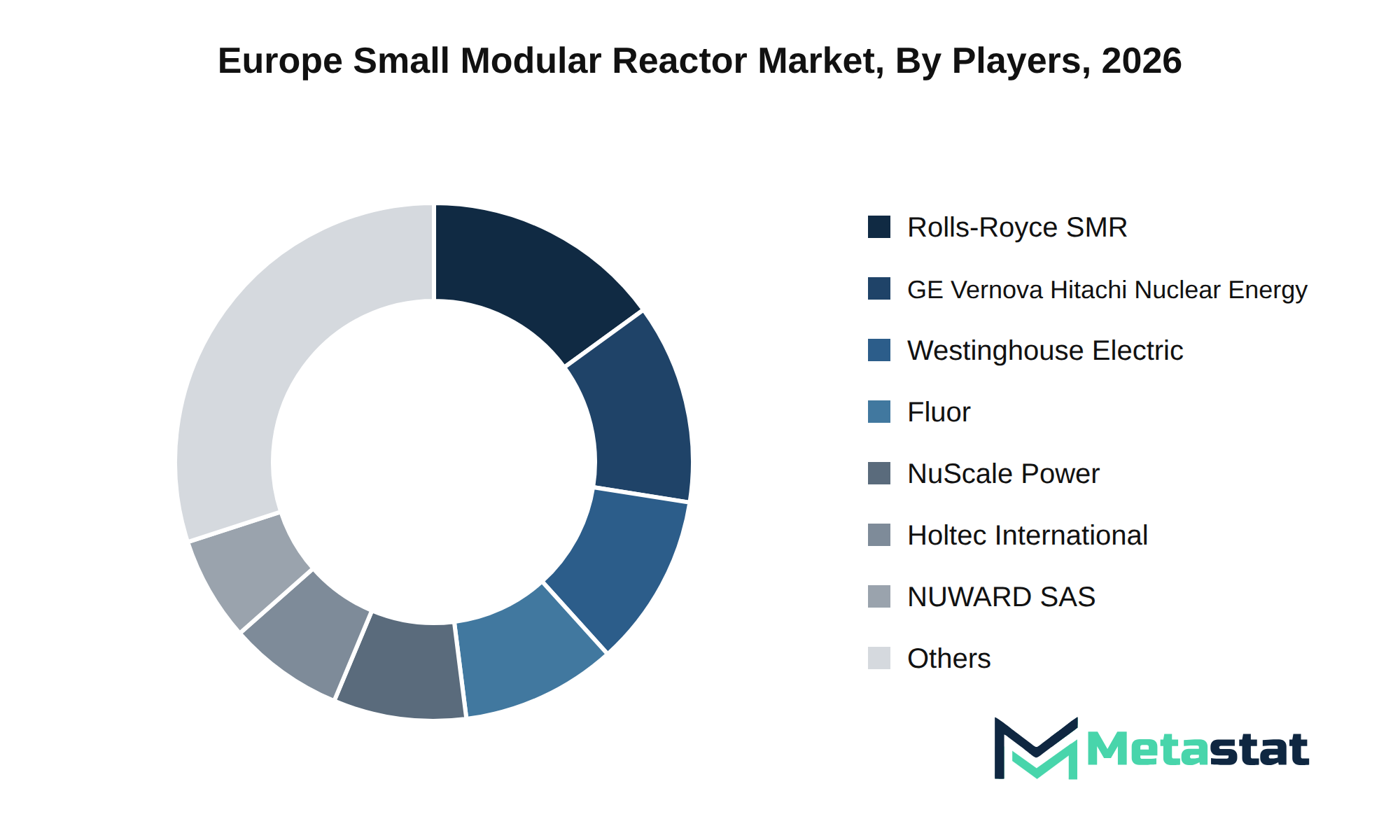
The Europe Small Modular Reactor market features a diverse array of players engaging in strategic consolidation and partnerships. Companies including Rolls-Royce SMR Limited and GE Vernova Hitachi Nuclear Energy focus on enhancing their market presence through joint ventures and alliances, facilitating access to advanced technologies and shared expertise. These strategies strengthen competitive positioning while addressing the increasing demand for innovative nuclear solutions.
Product differentiation remains critical among market participants. Organizations like Holtec International and NuScale Power Corporation invest significantly in research and development pipelines to create proprietary technologies that enhance efficiency and safety in reactor designs. This focus on innovation leads to unique offerings, making it challenging for new entrants to disrupt established players.
Barriers to entry constitute a significant factor in the competitive landscape. Companies including Fluor Corporation and Westinghouse Electric Company LLC benefit from extensive intellectual property portfolios and established brand equity, resulting in high switching costs for customers. Such dynamics create a stable environment for incumbent firms while presenting challenges for startups seeking to gain traction in the market.
The future competitive outlook for the Europe Small Modular Reactor market indicates ongoing strategic growth vectors. Companies like X-Energy, Inc. and OTRERA New Energy position themselves for expansion. Their focus on value chain integration and procurement leverage ensures agility and responsiveness to market demands.
Market size is forecast to rise from USD 1,536.2 million in 2025 to over USD 2,562.4 million by 2033. The base case is USD 1,536.2 million in 2025 to USD 2,562.4 million by 2033 at a 6.6% CAGR. The bull case envisions accelerated growth due to heightened investment in innovative technologies and infrastructure development, spurred by increased governmental support for clean energy initiatives. This scenario experiences a compound annual growth rate (CAGR) that exceeds the baseline, reflecting rapid adoption of small modular reactors across various applications.
The bear case anticipates potential challenges stemming from geopolitical tensions, regulatory delays, and market uncertainties that could hinder investment and slow adoption rates. The impact of economic cycles and changing downstream demand patterns leads to a CAGR lower than the base case, affecting overall market performance. Despite these varying scenarios, the Europe Small Modular Reactor market stands poised for growth, driven by evolving energy demands and the transition towards sustainable energy solutions.
The report strategically identifies and profiles the key market players and analyses their core competencies in each sub-segment of the Small Modular Reactor market.
|
Report Attributes |
Details |
|
Study Period |
2021-2033 |
|
Base Year |
2025 |
|
Estimated Year |
2026 |
|
Forecast Period |
2026-2033 |
|
Historical Period |
2021-2025 |
|
Growth Rate |
CAGR 6.6% from 2026 to 2033 |
|
Revenue Unit |
USD million |
|
Segmentation |
By Reactor Technology, Power Output, Application, Region, and Region |
Find answers to common questions about this report
The Small Modular Reactor market size in Europe was valued at USD 1,536.2 million in 2025.
The Small Modular Reactor market is projected to grow at a CAGR of 6.6% during the forecast period from 2026 to 2033.
The Pressurized Water Reactor (PWR) segment leads the Europe Small Modular Reactor market, with a projected value of USD 1,081.9 million by 2033. This figure represents the highest anticipated revenue among the reactor technology segments.
Key drivers for the Europe Small Modular Reactor market include technological integration, which enhances operational efficiency, and regulatory compliance that encourages the adoption of nuclear technologies aligned with sustainability goals. shifting demographics and urbanization trends increase demand for reliable energy sources, further supporting market growth.
The Europe Small Modular Reactor market growth faces significant restraints due to regulatory compliance hurdles, which create lengthy approval processes and increase capital expenditures. Macroeconomic factors, including inflation and supply chain disruptions, further complicate adherence to these regulations, reducing overall market competitiveness and delaying project deployment.
Technological integration and infrastructure development favor product adoption in the Europe Small Modular Reactor market. Enhanced operational efficiency through automation and digital transformation, along with shifting demographics that drive demand for reliable energy sources, contribute to the growing acceptance of small modular reactors because viable solutions.
The Small Modular Reactor market is estimated to reach a valuation of USD 2,562.4 million by 2033.
Key players in the Europe Small Modular Reactor market include Rolls-Royce SMR Limited, GE Vernova Hitachi Nuclear Energy, Fluor Corporation, NUWARD SAS, Holtec International, and NuScale Power Corporation.
Small modular reactors serve various applications, including grid electricity generation, industrial process heat and steam, district heating, and hydrogen and e-fuel production. These versatile solutions meet the diverse energy needs of modern society.
The Lead-Cooled Fast Reactor (LFR) segment shows a compound annual growth rate of 9.5%. This growth reflects increasing interest in advanced reactor technologies that enhance safety and efficiency.
The analysts below cover Energy and Power research at Metastat Insights.
LEAD ANALYST
Utkarsh Khirodkar is a Lead Market Research Analyst at MetaStat Insight, specializing in market intelligence, technology sector assessments, and competitive strategy.

PRINCIPAL CONSULTANT - ENTERPRISE AI & EMERGING TECHNOLOGIES
Banking & Finance · Electronics and Semiconductor · Energy and Power · Healthcare IT · Information & Technology · Professional Services
Vijay Gunti is a Principal Consultant at MetaStat Insight, bringing over two decades of experience across enterprise digital transformation, technology strategy, and intelligent systems.

ENERGY & INFRASTRUCTURE INDUSTRY CONSULTANT
Automotive and Transportation · Electronics and Semiconductor · Energy and Power · Machinery & Equipment
Saurabh Vasant Ganvir consults for Energy & Infrastructure Industry at MetaStat Insight, specializing in renewable energy, solar EPC, and electric vehicle (EV) infrastructure markets.
Analyzing the transition from natural gas to green hydrogen in iron ore reduction requires realistic infrastructure timelines. Meta stat insight supplied a detailed regional assessment of DRI plant conversion costs and scrap metal availability in North America and Western Europe. Their report carefully examined pellet quality specs and electrical grid access constraints without making oversimplified market assumptions. The research material served as a practical reference during internal technology roadmap discussions.
Integrating zero-trust access controls across legacy electronic health record systems involves complex compliance overhead. Team produced an analysis that clearly separated identity governance and administration tools from privileged access management platforms. Their evaluation of HIPAA and GDPR compliance features across cloud native solutions gave our architecture group clear baseline criteria. The custom data request regarding biometric authentication adoption in hospital networks was returned promptly with clear documentation.
Evaluating calorific value requirements and air permit compliance across municipal waste facilities requires localized data. Metastat Insight structured their analysis around operational throughput capacity and feedstock composition variations in Latin America and Eastern Europe. Their competitive mapping of sorting equipment vendors helped clarify technology differences between optical separators and heavy media systems. The study provided an objective baseline during our capital expenditure reviews.
Explore related market intelligence reports worth reading alongside this one.