
LEAD ANALYST
Utkarsh Khirodkar is a Lead Market Research Analyst at MetaStat Insight, specializing in market intelligence, technology sector assessments, and competitive strategy.

Global Flexographic Printing Machine Market Size, Share, By Material (Paper and Paperboard, Plastic Films, Metallic Films and Foils, Corrugated Board), By Press Type (Central-Impression (CI), Stack, In-Line/Modular), By End-User Vertical (Food and Beverage, Pharmaceutical and Healthcare, Personal-Care and Cosmetics, Consumer Electronics, Logistics and E-commerce), By Automation Level (Conventional, Smart/IoT-Enabled), Industry Analysis, Growth, Trends, and Forecast, 2026-2033
Report ID
MSI-5307
Published
September, 2026
Pages
289 Pages
Format
Historical
Base year
Forecast
Forecast period
Report Details
Market Valuation: Valued at $2,769.7 Million in 2025, projected to reach $5,889.1 Million by 2033 at a 9.8% CAGR.
Dominant Segment: The Food and Beverage segment leads the market, driven by increasing consumer demand for packaged products and heightened awareness of food safety, projected to grow from USD 1,371.3 million in 2026 to USD 2,571.2 million by 2033.
Geographic Lead: The Asia-Pacific region is set to experience the fastest growth, with a projected CAGR of 9.8% from 2026 to 2033, fueled by rising consumer spending and advancements in production capabilities.
What's Inside: The report includes comprehensive analyses of market segmentation by material, press type, end-user vertical, and automation level, alongside competitive dynamics and strategic insights.
Technological Evolution: Advancements in flexographic printing technologies, including Central Impression and Inline presses, enhance operational efficiency and print quality, catering to diverse customer requirements.
Sustainability Focus: The market is increasingly shifting towards sustainable practices, with manufacturers prioritizing eco-friendly materials and technologies to meet regulatory standards and consumer expectations.
Choose Your License
Global Flexographic Printing Machine Market
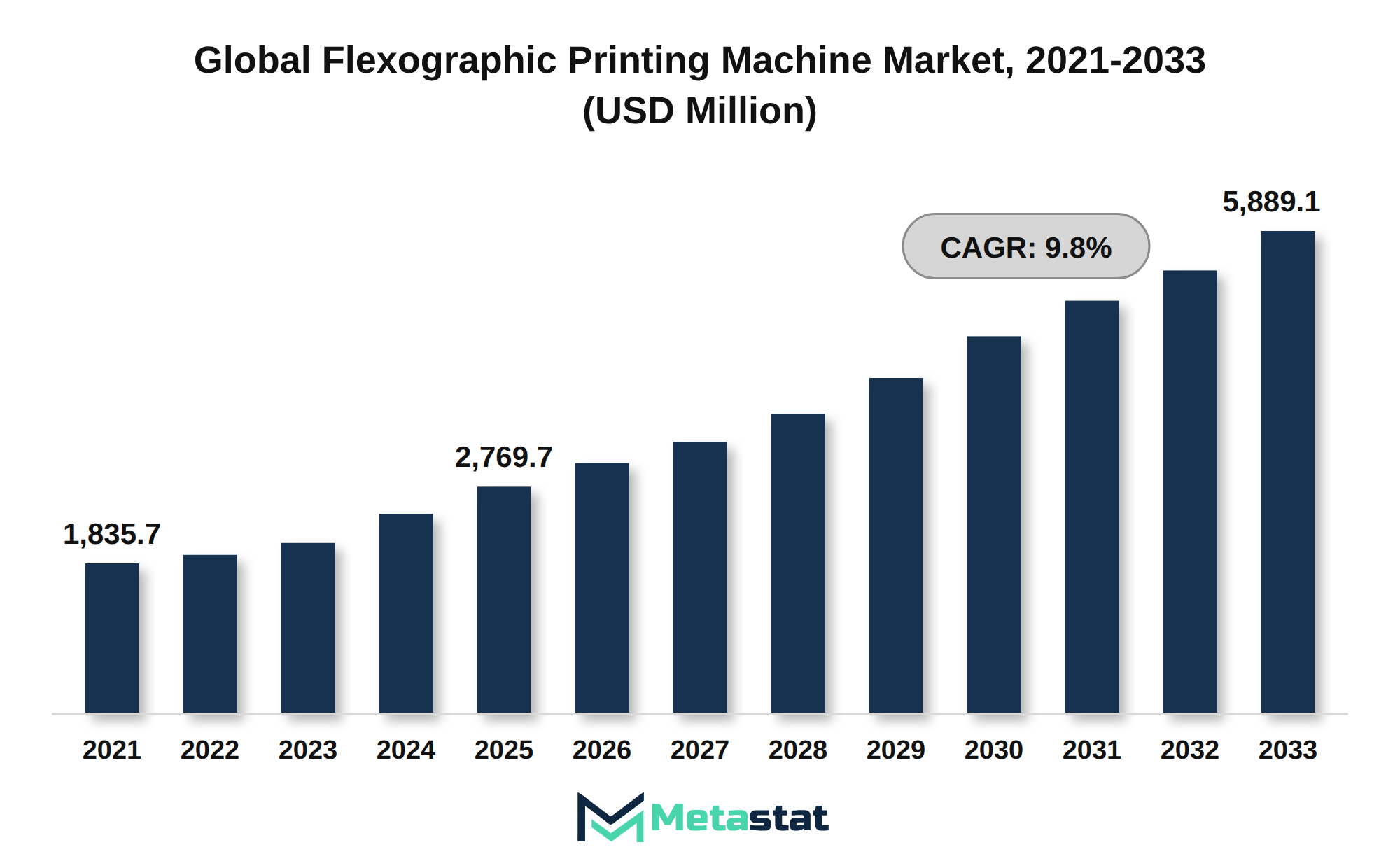
The global Flexographic Printing Machine market was valued at USD 2,769.7 million in 2025 and is projected to reach USD 5,889.1 million by 2033, growing at a CAGR of 9.8% over the forecast period.
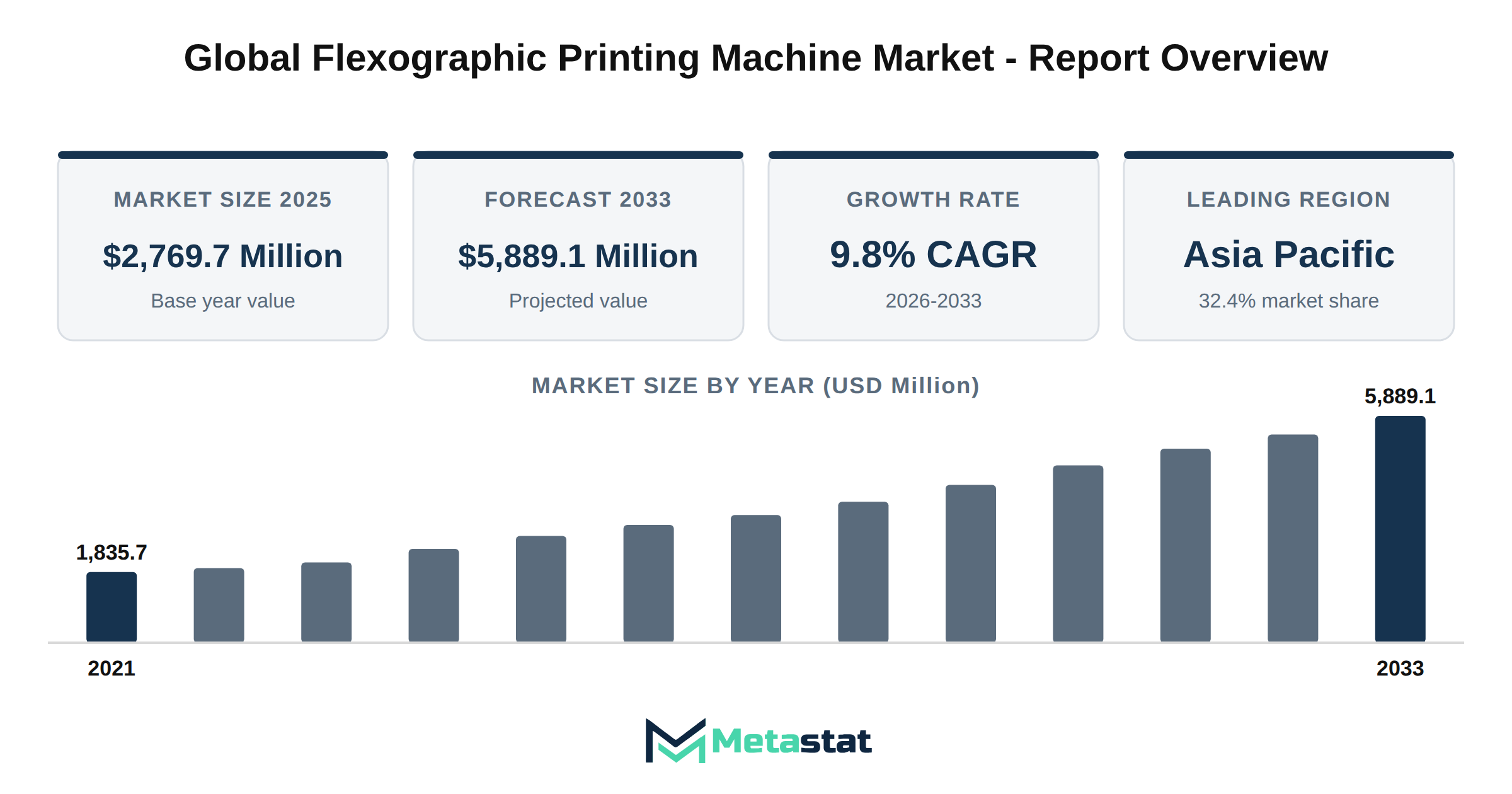
The global Flexographic Printing Machine market reached a valuation of USD 2,769.7 million in 2025. Projections indicate a growth to USD 5,889.1 million by 2033, reflecting a compound annual growth rate (CAGR) of 9.8%. Historical data shows steady growth, with the market valued at USD 1,835.7 million in 2021, increasing to USD 2,083.9 million in 2023 and USD 2,437.7 million in 2024.
Increasing demand for flexible packaging and corrugated boxes significantly drives the adoption of flexographic presses. The food and beverage sector presents robust opportunities for growth, with the market for flexographic printing machines in this vertical projected to rise from USD 1,371.3 million in 2026 to USD 2,571.2 million by 2033, achieving a CAGR of 9.4%. This trend is fueled by the growing consumer preference for convenience packaging and the expansion of e-commerce.
Technological advancements in press types, including Central Impression, Inline, and Stack flexographic presses, contribute to enhanced printing efficiency and quality. The Central Impression press type is expected to expand from USD 1,299.8 million in 2026 to USD 2,537 million by 2033, with a CAGR of 10%. Inline presses gain traction due to their ability to facilitate high-speed production and reduce waste.
Automation and the integration of servo-driven systems and IoT technologies in modern flexographic press operations enhance operational efficiency and reduce downtime. The market for smart and IoT-enabled printing machines is projected to grow considerably, focusing on improving production flexibility and real-time monitoring. This technological evolution aligns with the industry's shift towards more sustainable practices, including the use of sustainable substrates and water-based inks.
The rise of hybrid flexo-digital printing presses caters to the growing demand for short-run and variable data packaging. These machines combine the strengths of both flexographic and digital printing, allowing for customization and faster turnaround times. This innovation supports brands in meeting changing consumer preferences while maintaining cost efficiency.
Capital expenditure pressures and a shortage of skilled operators across packaging converting facilities pose challenges for market participants. Companies invest in training programs and automation solutions to address these issues, ensuring competitiveness in a changing landscape.
Advancements in computer-to-plate technologies and high-definition plate mounting techniques enhance print registration and overall print quality, further driving market adoption. These developments enable printers to achieve greater precision and consistency in their outputs, meeting stringent quality requirements.
The competitive landscape within the Flexographic Printing Machine market features various strategies from key players, including strategic mergers, acquisitions, and the provision of aftermarket services. Collaboration and partnerships among manufacturers support innovation and improve service offerings, contributing to overall market growth.
Demand dynamics in end-use industries including food, beverage, pharmaceuticals, and personal care shape market trends, with each sector exhibiting distinct requirements and growth trajectories. Companies remain attentive to these dynamics to align their production capabilities with market needs.
The Flexographic Printing Machine market is projected to experience significant growth, driven largely by the rising demand for flexible packaging and corrugated boxes. This increased demand facilitates the adoption of flexographic presses, which offer efficiency and versatility in printing applications. Industries including food and beverage, pharmaceuticals, and personal care exhibit notable interest in these machines due to their ability to produce high-quality prints on a variety of substrates.
Technological advancements in flexographic printing, including Central Impression, Inline, and Stack press configurations, enhance operational capabilities. Each type of press offers unique benefits tailored to specific printing needs, resulting in improved print quality and production speeds. The evolution of these technologies positions manufacturers to meet diverse customer requirements effectively.
Automation, servo-driven systems, and IoT integration are transforming modern flexographic press operations. These innovations improve efficiency and reduce waste, allowing for more sustainable manufacturing processes. The integration of smart technologies enables real-time monitoring, which enhances performance and minimizes downtime.
The rise of hybrid flexo-digital printing presses addresses the increasing demand for short-run and variable data packaging. These systems provide flexibility and customization, appealing to brands that require rapid turnaround times and diverse printing solutions. This trend facilitates the market’s expansion into niche applications.
Growing emphasis on sustainable substrates, water-based inks, and VOC reduction reshapes machinery design in the market. Manufacturers focus on developing eco-friendly solutions that meet regulatory standards and consumer expectations for sustainability. This shift enhances the appeal of flexographic printing among environmentally conscious brands.
Capital expenditure pressures and skilled operator shortages present challenges for packaging converting facilities. Many companies face difficulties in investing in advanced technologies while ensuring a trained workforce is available to operate sophisticated machinery. Addressing these challenges is crucial for maintaining competitiveness in the market.
Computer-to-Plate advancements and high-definition plate mounting techniques enhance print registration accuracy. These improvements contribute to higher quality outputs and reduce waste, which is essential in a competitive market where precision and quality drive customer satisfaction.
The competitive landscape of the Flexographic Printing Machine market features diverse strategies among key manufacturers. Companies engage in strategic mergers and acquisitions, alongside offering strong aftermarket services to differentiate their products. These strategies aim to enhance market share and customer loyalty.
Dynamics across end-use industries, particularly food, beverage, pharmaceuticals, and personal care, significantly influence market growth. Each sector presents unique requirements that drive demand for advanced flexographic printing solutions. Understanding these sector-specific needs allows manufacturers to tailor their offerings effectively.
Regional growth hotspots indicate varying machinery adoption trends across Asia-Pacific, North America, and Europe. These regions exhibit different rates of investment and technological adoption, influenced by local market demands and regulatory environments. This geographic diversity presents opportunities for targeted growth strategies in the market.
The future commercial outlook for the Flexographic Printing Machine market highlights next-generation investment opportunities in flexographic equipment. While industries continue to evolve, demand for innovative solutions persists, positioning the market for sustained growth and development.
The Flexographic Printing Machine market experiences growth driven by macro-economic factors that influence capital investment environments. Key drivers include interest rates, GDP growth, and public-private spending power, which shape industry investment levels. A favorable economic climate encourages manufacturers to enhance production capabilities through investment in advanced flexographic printing technologies.
Rising GDP growth correlates with increasing demand for packaging solutions across various sectors, particularly in food and beverage, pharmaceuticals, and consumer electronics. This trend prompts companies to adopt modern flexographic printing machines, which offer improved efficiency and print quality. The market benefits from capital investments that focus on technological integration, emphasizing automation and digital transformation, which lead to enhanced operational productivity.
Investors recognize the potential of the market, resulting in increased venture funding that supports innovation-led product diversification. Companies that invest in state-of-the-art flexographic printing technologies position themselves to capture new opportunities, meeting evolving consumer behaviors and preferences. Through this strategic focus on capital investment, the Flexographic Printing Machine market is projected to maintain growth through 2033.
Advancements in automation and digital technology significantly influence the Flexographic Printing Machine market. The integration of artificial intelligence and software solutions enhances printing efficiency and reduces operational costs. Many manufacturers adopt these technologies to automate processes, leading to improved productivity and lower margin pressures. This shift responds to growing demand for high-quality printing with faster turnaround times.
Increased interest in smart and IoT-enabled machines facilitates real-time monitoring and data analytics. This transformation supports manufacturers in making informed decisions based on performance metrics and operational insights. The trend aligns with broader digital transformation initiatives across various sectors, reinforcing the market's growth potential.
Investment in technological upgrades aligns with evolving consumer behaviors and preferences. Industries prioritizing sustainability and efficiency drive demand for modernized printing solutions, attracting new investments in the Flexographic Printing Machine market. This trend stimulates competition and encourages innovation, driving revenue growth and market expansion.
Regulatory tightening presents a significant restraint for the Flexographic Printing Machine market. Compliance hurdles associated with environmental standards and emissions regulations necessitate investment in advanced technologies that meet these stringent requirements. These technologies often come with high capital investment necessities, restricting adoption among smaller manufacturers operating with limited budgets.
Macroeconomic headwinds, including inflationary pressures, exacerbate challenges in the market. Rising costs of materials and labor contribute to increased operating expenses, limiting profitability for manufacturers and end-users. Supply chain disruptions and geopolitical instability impede the timely acquisition of necessary components, creating bottlenecks in production capabilities.
Infrastructure gaps in certain regions hinder the deployment of flexographic printing technologies. Connectivity deficits, combined with a lack of skilled labor, restrict the efficient integration of new systems, impacting overall operational effectiveness. These factors constrain market growth and create an environment where the Flexographic Printing Machine market faces considerable obstacles to expansion.
Competition from alternative printing technologies presents another challenge. Substitution risks arise when other printing methods offer similar or superior capabilities at lower costs, diverting potential investments away from flexographic solutions. Market fragmentation and cultural barriers in specific regions complicate the overall market, limiting uniform adoption across different geographical areas.
Finally, slowing downstream demand in various industries contributes to market maturation. While demand stabilizes, growth rates are anticipated to decline, complicating prospects for companies operating within the market. This dynamic necessitates a careful assessment of strategies to mitigate the impacts of these restraints on future growth and investment opportunities.
Geopolitical fragmentation creates significant challenges for the Flexographic Printing Machine market. Heightened trade deficits and tariff friction lead to increased costs for manufacturers, impacting pricing strategies and margins. Companies operating in this market face uncertainties that complicate supply chain planning, driving potential shortages in key components and feedstock. Volatility in supply chains affects production schedules and inventory management, leading to inefficiencies and increased operational costs.
Technological disruptions further complicate the competitive landscape, requiring firms to invest heavily in research and development. Complex R&D integrations strain resources, forcing companies to balance innovation with cost control. Rising input costs exert pressure on profitability, while workforce skill gaps restrict the ability to fully leverage automation advancements. Talent retention pressures arise due to firms seeking skilled professionals to navigate these challenges, creating further instability in operational capabilities.
Environmental considerations play a growing role, with sustainability demands influencing production processes. Compliance overhead associated with tightening global regulatory standards affects operational planning and necessitates investments in eco-friendly technologies. This evolving landscape creates implementation bottlenecks that hinder market agility, ultimately affecting growth potential in the Flexographic Printing Machine market.
Growing regional demands create significant market opportunities for the Flexographic Printing Machine market. In Asia Pacific, rising consumer spending and increased production capabilities fuel investments in advanced printing technologies. This region's anticipated compound annual growth rate of 9.8 percent from 2026 to 2033 highlights the urgency for manufacturers to address evolving consumer preferences.
Infrastructure modernization across several economies enhances operational efficiency for producers, encouraging investment in new technologies. Regions like North America and Europe experience increasing pressure to upgrade existing systems to improve production quality and reduce environmental impact. Increasing adoption and integration of smart technologies within the market supports this trend.
Technological disruptions play a vital role in shaping market dynamics, leading to innovations that improve productivity and reduce waste. Increased focus on sustainability aligns with consumer expectations, urging manufacturers to implement eco-friendly solutions in their operations. This shift enhances the competitive landscape, prompting firms to differentiate offerings through sustainability-driven innovations.
Digital transformation and evolving buying behaviors influence procurement processes within the market. The transition toward digital platforms streamlines supplier interactions and creates a more agile supply chain. Embracing online procurement strategies enhances efficiency and responsiveness to market changes.
Niche application growth presents additional opportunities for the Flexographic Printing Machine market. Industries including pharmaceuticals and personal-care products represent emerging segments where tailored solutions address specific printing requirements. This diversification enables suppliers to capture a broader customer base while adapting to unique market demands.
Strategic consolidation and partnerships create a robust framework for industry players seeking to enhance their market positions. Collaboration between technology leaders and printing equipment manufacturers expands access to advanced capabilities and shared resources, promoting growth and innovation within the market. This alignment supports long-term value creation for stakeholders across the entire supply chain.
Overall, the combination of emerging regional demands, technological advancements, and strategic collaborations positions the Flexographic Printing Machine market for substantial growth over the forecast period, driven by evolving consumer needs and increased operational efficiencies.
The Global Flexographic Printing Machine market is segmented based on Material, Press Type, End-User Vertical, and Automation Level.
Valued at USD 775.6 million in 2026, the Paper and Paperboard segment is projected to reach USD 1,503.9 million by 2033, at a CAGR of 9.9% during the forecast period. Demand for flexographic printing machines in this segment stems from increasing consumption of sustainable packaging solutions and the rising popularity of eco-friendly materials. The shift towards recyclable and biodegradable materials in packaging influences manufacturers to adopt advanced printing technologies that enhance product appeal while complying with environmental standards.
Technological maturation in the printing industry accelerates the production of high-quality prints on paper and paperboard substrates. Continuous investments in next-gen upgrades, including automation and IoT-enabled features, position manufacturers to respond to evolving customer preferences efficiently. Pressure from end-user verticals, particularly in food and beverage and pharmaceuticals, drives demand for high-speed and precise printing solutions, enhancing overall productivity for manufacturers.
Market dynamics highlight a growing emphasis on regulatory compliance concerning sustainability, aligning with consumer trends favoring environmentally responsible products. Fluctuations in raw material prices add complexity to cost structures, prompting manufacturers to seek efficiencies through innovative production techniques. This segment's resilience against supply chain vulnerabilities stems from diversified sourcing strategies that mitigate risks associated with material shortages.
Strategic opportunity windows arise from the increasing need for customization in packaging products. Flexographic printing machines equipped with advanced features enable businesses to meet diverse customer requirements, driving growth in this segment. The evolving landscape of consumer preferences and regulatory demands creates a fertile environment for the expansion of the Paper and Paperboard segment within the broader flexographic printing machine market.
Growth in the Plastic Films segment is driven by increasing demand across various industries, including packaging, consumer goods, and electronics. The rise in e-commerce activities has heightened the need for flexible packaging solutions, resulting in a surge in the production of plastic films. Technological advancements in flexographic printing processes enhance printing quality and efficiency, further boosting adoption among manufacturers. The market is projected to achieve an estimated value of USD 2,085 million by 2033, growing at a CAGR of 9.4% during the forecast period.
Regulatory compliance regarding environmental sustainability influences market dynamics, with a shift toward recyclable and biodegradable materials. Manufacturers focus on developing eco-friendly alternatives to traditional plastic films to meet evolving consumer preferences and regulations. This shift encourages innovation and investment in next-generation upgrades, ensuring competitiveness in the market.
Cost structures in the plastic films segment are influenced by raw material sourcing and pricing volatility. Fluctuations in petroleum prices impact the costs of polymers, affecting profit margins for producers. Strategic opportunity windows arise from increasing demand for sustainable packaging solutions, prompting manufacturers to invest in research and development for new product offerings.
End-use dynamics highlight the significance of personalized packaging solutions, which contribute to the adoption of plastic films across various sectors. Evolving consumer preferences drive companies in the flexographic printing machine market to adapt their offerings to cater to these changes. Continuous improvements in printing technology ensure that manufacturers efficiently produce high-quality plastic films tailored to specific consumer needs.
Demand for metallic films and foils in the Flexographic Printing Machine market reflects the evolving preferences of end-users seeking advanced packaging solutions. The food and beverage sector drives significant growth in this segment, attributed to brands shifting towards sustainable and visually appealing packaging materials. Increasing consumer awareness regarding product freshness and safety further fuels demand, prompting manufacturers to adopt innovative solutions in packaging.
Market growth is propelled by technological advancements in printing processes, enabling enhanced quality and efficiency in producing metallic films and foils. Innovations in ink formulations and substrate technologies contribute to this transformation, allowing for higher print resolution and durability. While companies prioritize packaging aesthetics, the demand for metallic films that provide a premium look continues to rise.
With advancements in automation and IoT-enabled printing solutions, the industry experiences a shift towards smart manufacturing practices, enhancing productivity and reducing operational costs. This trend aligns with the broader movement towards Industry 4.0, where integration of technology improves operational efficiencies and supply chain management.
Regulatory compliance standards regarding food safety and environmental sustainability impact the production processes within the metallic films and foils segment. Manufacturers adapting to these regulations enhance their competitive edge while addressing consumer concerns about eco-friendliness. The segment is expected to reach USD 299.8 million by 2033, reflecting the growth potential within this niche of the market.
Strong demand in the packaging sector drives growth in the Corrugated Board segment of the Flexographic Printing Machine market. Increasing consumer preference for sustainable and recyclable packaging materials further fuels this demand. The segment is projected to grow at a CAGR of 10.5% during the forecast period. Technological advancements enhance the efficiency and quality of printing processes, leading to increased adoption among manufacturers.
Product evolution toward lightweight, durable, and customizable corrugated boards supports market expansion. End-user dynamics, particularly in e-commerce and logistics, significantly influence the growth trajectory of this segment. Increased utilization of corrugated packaging in various industries, including food and beverage and consumer goods, strengthens revenue streams and ensures robust market performance.
Investment in next-generation upgrades, including smart and IoT-enabled flexographic printing machines, facilitates operational efficiency and cost-effectiveness. Regulatory compliance regarding sustainability and recyclability standards drives innovation in product development. Capital investments in new technologies and equipment enhance competitiveness, opening strategic opportunity windows for key players in the market.
Growing interest in sustainability drives demand for bioplastics and laminates in the Flexographic Printing Machine market. Increased environmental awareness among consumers and businesses leads to a shift toward eco-friendly packaging solutions. Manufacturers prioritize sustainability, and flexible packaging options incorporating bioplastics gain traction, resulting in enhanced product offerings that align with consumer preferences. Regulatory compliance with environmental standards accelerates the adoption of these materials, prompting investment in production technologies that support their use.
Technological maturation facilitates the development of innovative printing solutions, enabling manufacturers to produce high-quality prints on bioplastics and laminates. Next-generation upgrades emphasize efficiency and waste reduction, appealing to end-users seeking cost-effective and environmentally responsible options. Shifting consumption patterns toward sustainable products create strategic opportunities for manufacturers, encouraging exploration of new markets and applications. The ongoing evolution of product offerings ensures that the Flexographic Printing Machine market remains responsive to changing consumer demands and preferences.
Valued at USD 1,299.8 million in 2026, the Central-Impression (CI) segment is projected to reach USD 2,537 million by 2033, at a CAGR of 10% during the forecast period. This segment experiences strong demand driven by the increasing need for high-quality printing solutions across various industries. Adoption of Central-Impression (CI) press technology enhances production efficiency, enabling faster print runs and reduced downtime. The growing end-user verticals, particularly in packaging for food and beverage, pharmaceuticals, and consumer goods, significantly contribute to market expansion.
Technological maturation within the CI segment leads to advancements in automation and IoT integration, allowing for smarter and more flexible manufacturing processes. This evolution supports the customization of products, meeting diverse consumer preferences and compliance with stringent regulatory standards. Regulatory compliance has become a critical factor influencing purchasing decisions, attributed to increasing pressure on companies to ensure sustainability and quality in their operations.
Cost structures in the Central-Impression (CI) segment reflect the investment in advanced technologies and the pursuit of sustainable materials. Pricing volatility remains a concern due to fluctuations in raw material costs, impacting margins for manufacturers. The strategic opportunity windows present a favorable outlook for capital investments, especially for companies focused on innovation and efficiency improvements. The Central-Impression (CI) segment stands poised for significant growth within the broader Flexographic Printing Machine market.
Increasing adoption of stack press technology significantly enhances efficiency and print quality in the Flexographic Printing Machine market. This segment benefits from a surge in demand across various industries, particularly in packaging, where the need for high-speed printing solutions aligns with evolving consumer preferences. Stack presses offer flexibility in producing a diverse range of printed materials, which addresses the growing demand for customized packaging solutions.
Stack segment is estimated to reach USD 1,013.6 million by 2033, at a CAGR of 7.5% during the forecast period. This growth reflects the segment's ability to meet the rising expectations for shorter turnaround times and high-volume production. The increasing focus on sustainability further drives investment in innovative technologies, positioning stack presses because a viable option for manufacturers aiming to enhance their operational efficiency while minimizing environmental impact.
Technological advancements within the stack press category, including the integration of IoT features, offer manufacturers enhanced control over production processes, facilitating real-time monitoring and adjustments. This capability supports manufacturers in optimizing their operations and improving product quality. While end-user dynamics shift towards sustainability and efficiency, the stack segment in the market is poised for substantial growth, aligning with broader industry trends.
Strong performance in the In-Line/Modular segment is attributed to rising demand for efficient and flexible printing solutions across various industries. This segment thrives on the increasing need for high-quality printing in short to medium runs, particularly in packaging applications. Companies seek to enhance productivity and reduce waste, driving the adoption of In-Line/Modular printing technology.
Technological advancements play a crucial role in expanding this segment. Continuous innovations in automation and smart technologies enhance the operational capabilities of In-Line/Modular presses. These upgrades enable faster setup times, reduced downtime, and better print quality, directly influencing the market positively.
Valued at USD 2,338.5 million by 2033, the segment reflects a significant growth trajectory. The annual growth rate of 9.4% demonstrates strong industrial confidence in leveraging these technologies. Industries including food and beverage and pharmaceuticals increasingly rely on In-Line/Modular solutions for their packaging needs, highlighting the segment's essential role in the overall Flexographic Printing Machine market.
End-user dynamics continue to shift towards sustainable and eco-friendly packaging, further driving the demand for In-Line/Modular presses. Companies focusing on sustainability initiatives find this segment aligns well with their operational goals, facilitating enhanced market penetration. Overall, the In-Line/Modular segment remains a crucial component of the Flexographic Printing Machine market, reflecting strong growth potential and adaptability amid evolving industrial requirements.
Valued at USD 1,371.3 million in 2026, the Food and Beverage segment is projected to reach USD 2,571.2 million by 2033, at a CAGR of 9.4% during the forecast period. Consumer demand for packaged food and beverages fuels the growth of this segment. Increasing awareness of food safety and hygiene further drives the demand for advanced printing solutions, enhancing packaging aesthetics and functionality. Flexographic printing, known for its efficiency and ability to produce high-quality prints, is well-suited to meet these demands.
Technological advancements, including the integration of smart features and IoT capabilities, support the evolution of flexographic printing machinery. Such innovations lead to improved operational efficiency and reduced waste, aligning with sustainability initiatives in the food and beverage industry. Regulatory compliance concerning packaging standards necessitates high-quality printing solutions, positioning the Flexographic Printing Machine market because a crucial player in meeting these requirements.
Shifts in consumer preferences towards eco-friendly packaging options create a strategic opportunity window for manufacturers of flexographic printing machines. Investments in next-generation upgrades will enhance product offerings, catering to the evolving needs of the food and beverage sector. The market continues to adapt, driven by advancements in automation and a focus on enhancing production processes, ensuring that it remains competitive in the rapidly changing landscape.
Significant growth in the Pharmaceutical and Healthcare segment reflects ongoing advancements in medical technologies and pharmaceuticals, driving demand for specialized packaging solutions. Increased emphasis on product safety and compliance with stringent regulations further fuels the adoption of flexographic printing technologies in this sector. By 2033, the segment is expected to reach USD 748.5 million, growing at a CAGR of 10.7% during the forecast period.
Technological maturation plays a critical role in shaping the market landscape. Enhanced printing precision and efficiency achieved through innovations lead to improved product quality and reduced time-to-market for pharmaceutical products. Next-generation upgrades, including IoT-enabled machinery, contribute to real-time monitoring and data collection, optimizing production processes and enhancing operational efficiency.
Downstream applications across the Pharmaceutical and Healthcare segment influence market dynamics. The growing demand for printed packaging solutions that provide detailed product information and regulatory compliance underpins the need for reliable flexographic printing machines. Consumption shifts towards sustainable and recyclable materials drive opportunities for manufacturers focused on environmentally friendly solutions.
Flexographic printing technology's ability to adapt to evolving regulatory compliance standards positions it advantageously within the market. Manufacturers invest in certifications and quality assurance processes to meet industry requirements, enhancing confidence in their products. Overall, strong capital investment outlooks signal a robust future for the Pharmaceutical and Healthcare segment within the Flexographic Printing Machine market.
Increasing consumer awareness regarding personal care products drives demand within the Personal-Care and Cosmetics segment of the Flexographic Printing Machine market. Brands focus on aesthetic packaging and labeling, leading to enhanced visual appeal and differentiation in a competitive industry. The expansion of e-commerce platforms further influences packaging requirements, necessitating efficient and attractive designs that capture consumer attention online.
Technological advancements play a crucial role in the segment's growth. Adoption of next-generation flexographic printing technologies enables faster production rates and improved print quality. These developments allow manufacturers to meet the growing demand for personalized and eco-friendly packaging solutions, aligning with sustainability trends that consumers increasingly value.
The segment is valued at USD 656.2 million by 2033, reflecting strong growth prospects supported by the increasing prevalence of product customization and innovation in packaging materials. Strategic investments in research and development focus on improving production efficiencies and introducing new materials to address evolving consumer preferences.
Increased consumer demand for innovative electronic devices drives growth in the Consumer Electronics segment of the Flexographic Printing Machine market. This segment is projected to grow at a CAGR of 8.6% during the forecast period. Rapid technological advancements contribute to product evolution, enabling manufacturers to produce high-quality printed materials for packaging and branding purposes. The rise in e-commerce and online shopping fuels demand for efficient packaging solutions, further enhancing the segment's growth trajectory. Shifts in consumption patterns toward sustainable and environmentally friendly packaging options influence the adoption of flexographic printing technologies. Strong performance in this segment reflects a broader trend toward automation and smart technology integration within the flexographic printing landscape.
Expansion in the Logistics and E-commerce sub-segment of the Flexographic Printing Machine market aligns with the growth of online retail and demand for efficient packaging solutions. Increasing delivery expectations from consumers drive the need for packaging that enhances product visibility while ensuring protection during transit. E-commerce companies prioritize sustainable packaging materials, influencing preferences for flexible printing solutions that cater to eco-friendly standards.
The integration of advanced technologies into the flexographic printing process enhances operational efficiency and product quality, meeting the rigorous standards set by the retail sector. Automation and IoT-enabled printing solutions streamline production, reducing lead times while increasing output. These technological advancements improve operational margins for companies operating in the logistics and e-commerce space, thus significantly influencing purchasing decisions.
Shifts in consumer preferences toward customization and personalization of packaging affect the market landscape. E-commerce businesses seek flexible printing solutions that enable rapid production of tailored packaging designs, improving brand recognition and customer engagement. Continuous investment in next-generation upgrades within the flexographic printing machines supports ongoing segment development.
Regulatory compliance surrounding packaging materials and waste management impacts operational costs and supplier selection strategies. Companies prioritize partnerships with suppliers who demonstrate adherence to sustainability standards, encouraging innovation in materials and processes. Such dynamics contribute to a competitive market environment, compelling businesses to adopt more efficient and sustainable flexographic printing solutions.
Ongoing challenges in raw material sourcing and logistics vulnerabilities necessitate adaptability from players in the market. Fluctuations in pricing for raw materials impact production costs, prompting companies to explore alternative materials and supply chain strategies. Strategic investments targeted toward enhancing resilience in supply chains and addressing potential disruptions play a critical role in maintaining competitive advantages in the Logistics and E-commerce segment.
Interest in the “Others” category within the End-User Vertical reflects a growing trend towards customization and flexibility in packaging solutions. Diverse industries, including logistics and e-commerce, leverage flexographic printing machines for a variety of applications including custom labels, specialty packaging, and niche product marketing. This sub-segment benefits from advancements in printing technology, enabling faster production times and higher quality outputs, which align with evolving consumer expectations.
Technological maturation influences this segment, driven by companies increasingly adopting next-gen upgrades like IoT-enabled features. These innovations enhance operational efficiency and provide real-time monitoring capabilities, ultimately improving the overall production workflow. Strategic opportunity windows arise from the ongoing shift towards sustainable packaging solutions, with businesses seeking eco-friendly materials and processes that appeal to environmentally conscious consumers.
Regulatory compliance standards across various industries frequently influence operational decisions. Companies operating within this sub-segment prioritize adherence to these standards to avoid potential penalties and maintain market viability. Price volatility associated with raw material sourcing remains a challenge, compelling manufacturers to adopt strategic sourcing methods to secure competitive pricing while ensuring product quality. The capital investment outlook for this area remains promising, supported by an increased focus on automation and smart technologies, signaling a robust trajectory for the Flexographic Printing Machine market.
Valued at USD 2,203.7 million in 2026, the Conventional segment is projected to reach USD 3,541.8 million by 2033, at a CAGR of 7% during the forecast period. Primary demand drivers include the ongoing need for efficient and reliable printing solutions across various industries, particularly in packaging and labeling. Strong adoption of Conventional flexographic printing technology results from its ability to produce high-quality prints on a wide range of substrates. Segment expansion catalysts involve advancements in press technology and an increasing focus on reducing operational costs.
Technological maturation in the Conventional segment enables printers to achieve faster production speeds and improved print quality. Upgrades involve integrating modern features, including digital controls and automation options, which enhance overall functionality. Product evolution focuses on meeting the diverse needs of end-users, particularly in sectors including food and beverage, pharmaceuticals, and consumer goods. Downstream applications increasingly require versatile printing solutions capable of adapting to varying market demands.
End-use dynamics reflect a shift towards sustainable and eco-friendly packaging solutions, influencing demand within the market. Tightening regulatory compliance standards prompt manufacturers to adopt cleaner technologies and materials. Cost structures in the Conventional segment are subject to fluctuations in raw material prices, impacting overall profitability. Pricing volatility creates margin pressures, requiring companies to enhance operational efficiency to maintain competitiveness.
Supply chain resilience remains vital for ensuring consistent access to key materials, while risks associated with logistics vulnerabilities disrupt production schedules. Substitution risks arise from emerging digital printing technologies, which compete for market share. Disruptive alternatives challenge the Conventional segment, necessitating strategic opportunity windows for companies to innovate and adapt. The capital investment outlook remains positive, driven by a commitment to advancing printing technology and meeting evolving consumer expectations, positioning the Conventional category for continued growth within the Flexographic Printing Machine market.
Expanding adoption of Smart/IoT-Enabled technologies drives significant growth in the Flexographic Printing Machine market. This segment is estimated to reach USD 2,347.3 million by 2033, at a CAGR of 15.5% during the forecast period. Increased demand for automation and efficiency enhances operational capabilities across various industries, including packaging, consumer goods, and pharmaceuticals. Technological maturation influences this segment, driven by advancements in IoT integration that facilitate real-time monitoring and data analytics, allowing for optimized production processes and reduced waste. Evolving end-use dynamics reflect a shift toward connected printing solutions, where manufacturers use data to enhance quality and streamline workflows. Regulatory compliance standards further incentivize the adoption of Smart/IoT-Enabled solutions by mandating efficient processes and sustainable practices. While the market evolves, capital investment in next-gen upgrades and product evolution creates a competitive landscape, compelling industry players to innovate continually. The growing focus on sustainability and resource efficiency within the Flexographic Printing Machine market provides strategic opportunities for suppliers who effectively utilize these technological advancements.
Based on geography, the Global Flexographic Printing Machine market is divided into North America, Europe, Asia-Pacific, South America, Middle East, and Africa.
North America ranks because a significant player in the Flexographic Printing Machine market, projected to achieve a market size of USD 1,425 million by the end of 2033 with a CAGR of 9.8% throughout the forecast period. The regional market benefits from a robust manufacturing base, particularly in the United States, Canada, and Mexico, which supports high-value replacement cycles and encourages investment in advanced printing technologies.
Increased demand for innovative packaging solutions drives growth in the market, especially among industries including food and beverage, pharmaceuticals, and consumer electronics. These sectors exhibit a strong need for high-quality printing to meet consumer expectations and regulatory compliance. This trend aligns with the expansion of Smart/IoT-Enabled technologies that enhance operational efficiency and production capabilities.
Infrastructure modernization initiatives, particularly in the United States, support the adoption of advanced flexographic printing technologies. The establishment of localized manufacturing facilities improves supply chain dynamics and nearshoring initiatives, reducing reliance on overseas suppliers. This shift allows companies to respond swiftly to market demands and enhances the overall competitiveness of the market.
Regional competitive landscapes show the presence of several domestic market participants, including Bobst Group SA, Windmoeller & Hoelscher Group, and Koenig and Bauer AG, which invest in innovative solutions to maintain a strong market position. Increased collaboration among these players supports vendor consolidation trends that further streamline operations and enhance service offerings.
Overall, the North America Flexographic Printing Machine market reflects a mature yet evolving environment characterized by growth opportunities, driven by technological advancements and shifts in consumer behavior.
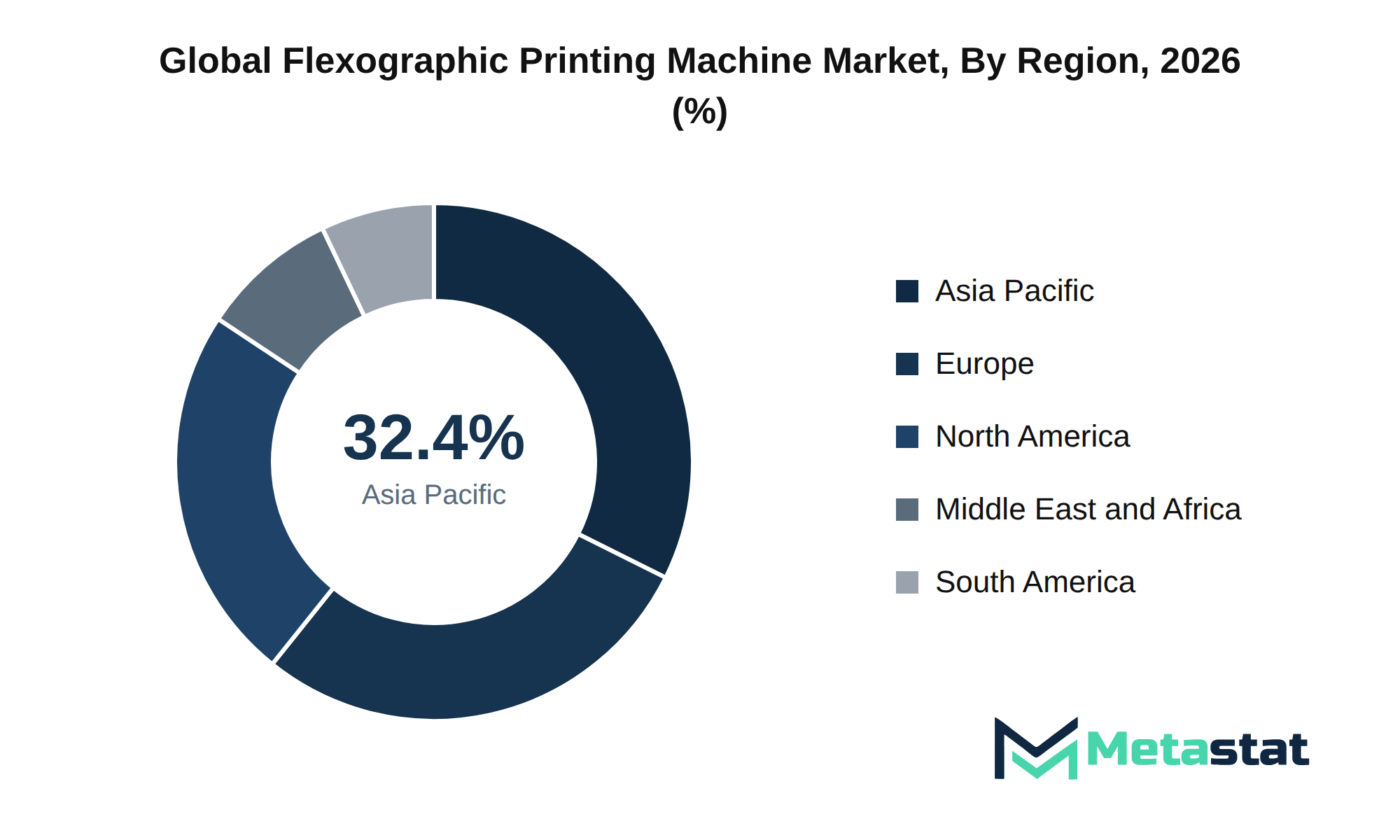
Europe represents a significant portion of the global Flexographic Printing Machine market, accounting for 28.4% in 2025. Strong demand from the food and beverage, pharmaceutical, and personal care industries drives growth in this region. The presence of established players including Bobst Group SA and Windmoeller & Hoelscher Group creates a competitive environment that encourages innovation and product development.
Countries like Germany, France, and the UK lead in technological advancements, with high adoption rates of central-impression and smart press technologies. This trend aligns with the region's focus on sustainability and efficiency, enhancing production quality while reducing waste.
Market dynamics in Europe reflect a mature environment, with replacement cycles playing a crucial role in sustaining revenue streams. Continuous investments in infrastructure modernization and localized manufacturing capabilities are expected to support growth. Emerging economies within the region present opportunities for expansion, particularly in the packaging sector.
Geopolitical factors and cross-border trade corridors influence procurement strategies, encouraging partnerships with local suppliers. Regulatory frameworks and compliance mandates are vital for market access, pushing manufacturers to adapt their offerings to meet regional standards. The market is projected to experience incremental growth, driven by evolving consumer preferences and technological advancements.
Overall, Europe’s Flexographic Printing Machine market exhibits robust potential, supported by strong demand, innovative technologies, and a competitive landscape conducive to future growth.
Asia-Pacific represents a significant portion of the global Flexographic Printing Machine market, holding a share of 32.4% in 2025. The ongoing modernization of infrastructure across countries like China, India, and Japan drives the adoption of advanced printing technologies. Increased investment in the packaging sector, particularly in food and beverage applications, drives demand for flexographic printing solutions. High penetration rates in urban areas, coupled with rising disposable incomes, contribute to the market's growth, particularly in consumer goods and electronics.
Countries including South Korea and Australia experience robust demand due to advancements in technology and a growing e-commerce sector. The region benefits from a strong network of local manufacturing capabilities, enhancing supply chain efficiencies. Flexographic printing technology achieves heightened appeal due to its cost-effectiveness and quality in producing flexible packaging solutions.
The region's competitive landscape features several domestic market participants, including established companies like Bobst Group SA and Koenig and Bauer AG. Vendor consolidation trends, alongside partnerships and collaborations, strengthen the market position of these companies. Supply chain regionalization and localized procurement dynamics emerge from key factors influencing strategic decisions within the market.
Emerging territories within Southeast Asia show potential for increased adoption, benefiting from foreign direct investment (FDI) flows and supportive government policies. The flexibility of flexographic printing machines aligns with the evolving needs of various end-user industries, making it a preferred choice for manufacturers across the region.
South America represents an emerging region within the Flexographic Printing Machine market, with a share of 7.1% in 2025. Growth in this region is influenced by increasing demand for flexible packaging solutions across various industries, particularly in Brazil and Argentina. The region's diverse consumer base drives the need for innovative printing technologies that enhance packaging aesthetics and performance.
Investment in local manufacturing capabilities and modernization of existing infrastructure supports the expansion of flexographic printing technologies. Brazil and Argentina lead in adopting advanced printing machinery, driven by the growing food and beverage sector that emphasizes sustainability and efficiency. The preference for flexible packaging solutions further reinforces this trend.
Localized procurement dynamics play a crucial role in shaping the market landscape. Companies operating within the region focus on establishing strong relationships with local suppliers to enhance operational efficiency and reduce lead times. This strategy aligns with the increasing trend of nearshoring initiatives, facilitating timely access to materials and components needed for flexographic printing operations.
Competitive dynamics in South America show a growing presence of domestic players contributing to the market's development. These players adapt to regional preferences and regulatory frameworks, enabling effective market share capture. The Flexographic Printing Machine market in South America is set to experience incremental growth through strategic investments and innovations tailored to local demands.
In the Middle East and Africa, the Flexographic Printing Machine market is projected to capture a growing share of the global market by 2025. Factors including increasing demand for packaging in food and beverage industries, along with urbanization, contribute to market expansion. Countries like Saudi Arabia, UAE, and South Africa exhibit rising investments in modernization and technological upgrades, aligning with global trends. The local manufacturing landscape sees significant activity, especially in sustainable packaging solutions, driven by regional regulations emphasizing eco-friendly practices.
Investment in infrastructure modernization enhances the capabilities of the market. Geopolitical fragmentation influences trade corridors, encouraging regional collaborations that support local production. These dynamics facilitate procurement and distribution efficiencies within the market. Emerging trends indicate a shift toward localized manufacturing densities, which strengthens supply chain resilience and enhances the competitive landscape.
Regional compliance mandates encourage manufacturers to adopt innovative technologies that ensure quality and sustainability. These developments create opportunities for domestic market participants to maintain their positions while attracting foreign direct investment (FDI) flows into the region. While the market evolves, strategic entry barriers will shape vendor consolidation trends, influencing procurement dynamics and B2B buying behaviors within the Middle East and Africa.
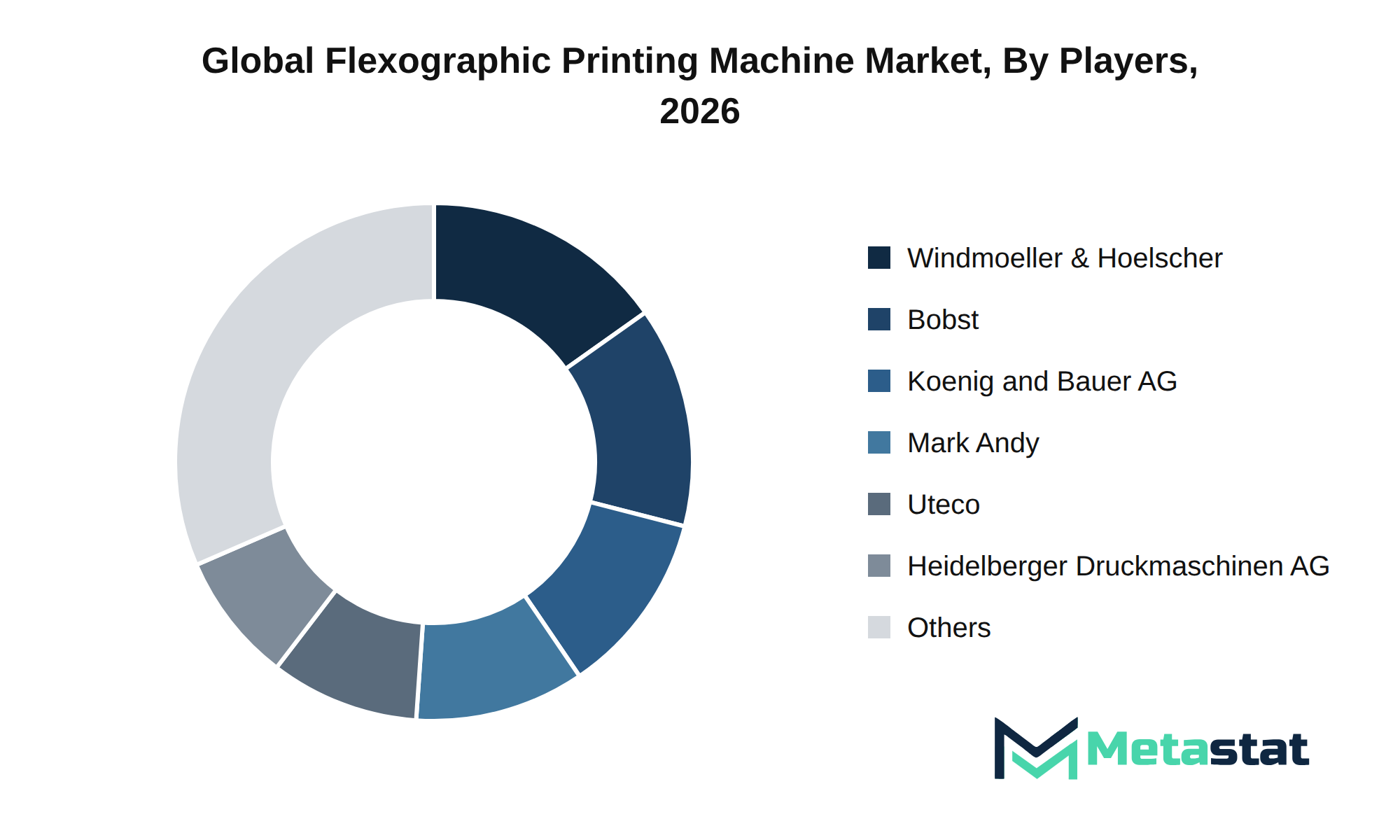
The Flexographic Printing Machine market experiences significant competition among key players. Companies like Bobst Group SA, Windmoeller & Hoelscher Group, and Koenig and Bauer AG focus on strategic consolidation through mergers and acquisitions to enhance market presence and operational efficiency. This trend enables these firms to leverage economies of scale and invest in advanced R&D, improving their product differentiation capabilities.
Mark Andy Inc. and Uteco Group prioritize forming strategic alliances and partnerships to enhance their technological offerings and expand their market reach. Such collaborations drive innovation in product development, creating proprietary technology that establishes competitive advantages. Companies including Heidelberger Druckmaschinen AG and OMET Srl focus on integrating their value chains to optimize supply chain dynamics and enhance procurement leverage.
Amid rising competition, customer retention strategies play a crucial role in the market. Players like MPS Printing B.V. and Nilpeter A/S emphasize building brand equity and reducing switching costs to maintain loyal customer bases. The intellectual property portfolios of these firms contribute significantly to their competitive positioning, with proprietary technologies supporting long-term growth vectors.
Looking forward, the competitive landscape is expected to evolve, with firms like Gallus Ferd Ruesch AG and Barry-Wehmiller (PCMC) navigating barriers to entry and adapting to potential startup disruptions. The need for continual innovation and strategic adaptations will shape the future competitive outlook within the Flexographic Printing Machine market. This evolving environment will require companies to remain agile and responsive to market demands.
Market size is forecast to rise from USD 2,769.7 million in 2025 to over USD 5,889.1 million by 2033. The base case reflects growth at a 9.8% CAGR, indicating strong demand in the Flexographic Printing Machine market driven by advancements in technology and increasing adoption across various end-user verticals.
The bull case scenario envisions accelerated growth stemming from heightened infrastructure investments, rapid technological integration, and the emergence of new market players capitalizing on unmet needs. In contrast, the bear case anticipates slower growth due to economic downturns, stringent regulatory changes, and potential trade disruptions that could affect supply chains and operational costs.
Changes in downstream demand continue to shape the market, with industries including food and beverage, pharmaceutical, and consumer electronics driving significant investments in flexographic printing technologies. Core industry maturation demonstrates a shift towards more sophisticated automation levels, enhancing productivity and reducing costs for end-users.
The integration of next-generation technologies and ongoing R&D efforts continues to influence product life cycles and accelerate commercialization timelines. Regulatory evolution and compliance milestones will play crucial roles in determining market dynamics, influencing the adoption of innovative printing solutions.
Geopolitical realignments and evolving trade corridors impact supply chains, prompting manufacturers to rethink strategies and capital allocation. Strategic investments focus on emerging opportunities, including unmet enterprise needs in sustainable packaging and high-growth pockets in developing regions.
Organizations in the Flexographic Printing Machine market should prioritize executive-level strategic imperatives, focusing on defensibility roadmaps and future growth recommendations. Timely responses to market demands and proactive adaptation to changing economic conditions will be essential for sustaining momentum during the forecast period.
The report strategically identifies and profiles the key market players and analyses their core competencies in each sub-segment of the Flexographic Printing Machine market.
Report Attributes | Details |
Study Period | 2021-2033 |
Base Year | 2025 |
Estimated Year | 2026 |
Forecast Period | 2026-2033 |
Historical Period | 2021-2025 |
Growth Rate | CAGR 9.8% from 2026 to 2033 |
Revenue Unit | USD million |
Segmentation | By Material, Press Type, End-User Vertical, Automation Level, and Region |
By Region | North America (By Material, Press Type, End-User Vertical, Automation Level, and Country)
|
Europe (By Material, Press Type, End-User Vertical, Automation Level, and Country)
| |
Asia Pacific (By Material, Press Type, End-User Vertical, Automation Level, and Country)
| |
South America (By Material, Press Type, End-User Vertical, Automation Level, and Country)
| |
Middle East and Africa (By Material, Press Type, End-User Vertical, Automation Level, and Country)
|
Find answers to common questions about this report
The Flexographic Printing Machine market size was valued at USD 2,769.7 million in 2025, according to the Metastat Insights study.
The Flexographic Printing Machine market is projected to grow at a CAGR of 9.8% during the forecast period from 2026 to 2033.
The North America Flexographic Printing Machine market size is estimated to reach USD 1,425 million by 2033.
The Central-Impression (CI) segment leads the Flexographic Printing Machine market, with a projected value of USD 2,537 million by 2033. This segment's growth reflects a compound annual growth rate (CAGR) of 10% from 2026 to 2033.
Key drivers for the Flexographic Printing Machine market include macro-economic factors including interest rates, GDP growth, and public-private spending power, which influence capital investment. Increased GDP growth correlates with rising demand for packaging solutions, prompting companies to adopt advanced flexographic printing technologies that enhance efficiency and print quality.
Regulatory tightening presents a significant restraint, because compliance with environmental standards requires costly investments in advanced technologies. macroeconomic headwinds, including inflationary pressures and supply chain disruptions, limit profitability and operational efficiency. These factors collectively create considerable obstacles to growth in the Flexographic Printing Machine market.
Increased GDP growth correlates with rising demand for packaging solutions, particularly in food and beverage, pharmaceuticals, and consumer electronics. Manufacturers invest in advanced flexographic printing technologies to enhance production capabilities, improve efficiency, and meet evolving consumer preferences, driving product adoption in the industry.
The Flexographic Printing Machine market is estimated to reach a valuation of USD 5,889.1 million by 2033.
Key players in the Flexographic Printing Machine market include Bobst Group SA, Windmoeller & Hoelscher Group, Koenig and Bauer AG, Mark Andy Inc., Uteco Group, and Heidelberger Druckmaschinen AG.
The Smart/IoT-Enabled segment is projected to reach USD 2,347.3 million by 2033, driven by increasing demand for automation and efficiency.
The analysts below cover Packaging research at Metastat Insights.
LEAD ANALYST
Utkarsh Khirodkar is a Lead Market Research Analyst at MetaStat Insight, specializing in market intelligence, technology sector assessments, and competitive strategy.

SENIOR RESEARCH ANALYST
Biotechnology · Food and Beverages · Medical Devices · Packaging
Snehal Pasalkar is a Research Analyst at MetaStat Insight, operating at the intersection of life sciences research, competitive strategy, and market intelligence.

INDUSTRY CONSULTANT - CHEMICALS & ADVANCED MATERIALS
Chemicals and Materials · Machinery & Equipment · Packaging
Amit Gadhekar Consultant for Chemicals and Materials at MetaStat Insight, directing sector-specific intelligence, research, and strategic consulting across global chemical and processing markets.
Our team was tracking whether regional recycling infrastructure could realistically absorb the growing volume of lithium iron phosphate batteries over the next decade. The report did a solid job separating announced hydrometallurgical plant capacity from active, permitted operational throughput. That distinction made the feedstock availability projections and regional recovery rate models far more credible than standard commercial overviews.
Tracking capacity expansion in single-use bioprocessing requires dependable data on raw material availability and cleanroom-grade polymer supply chains. The competitive landscape chapter gave a grounded evaluation of secondary component suppliers across North America and Asia-Pacific rather than simply reprinting press releases. Having that level of supplier benchmarking helped clarify dual-sourcing considerations for our clinical pipeline planning.
When evaluating distributed energy resource management systems, standard research summaries tend to gloss over the operational differences between front-of-the-meter utility deployments and behind-the-meter industrial sites. The MetaStat Insight report addressed those distinctions directly, especially regarding software interoperability standards and grid interconnection backlogs. The five-year market sizing across regional transmission organizations provided actionable context for our grid modernization strategy.
Explore related market intelligence reports worth reading alongside this one.