
LEAD ANALYST
Utkarsh Khirodkar is a Lead Market Research Analyst at MetaStat Insight, specializing in market intelligence, technology sector assessments, and competitive strategy.

Global Advanced Oral Drug Delivery Market Size, Share, By Technology (Amorphous Solid Dispersions, Lipid-Based Drug Delivery Systems, Nanocrystal and Nanoparticle Engineering, Porous-Carrier and Adsorption-Based Systems, Others), By Form (Tablets, Capsules and Softgels, Others (Oral Thin Films, Multiparticulates, Pellets and Granules)), By Drug-Release Profile (Immediate Release, Extended and Sustained Release, Delayed and Enteric Release, Targeted and Site-Specific Release), Industry Analysis, Growth, Trends, and Forecast, 2026-2033
Report ID
MSI-4831
Published
July, 2026
Updated
Pages
254 Pages
Format
Historical
Base year
Forecast
Forecast period
Report Details
Choose Your License
Global Advanced Oral Drug Delivery Market
The global Advanced Oral Drug Delivery market was valued at USD 42.2 billion in 2025 and is projected to reach USD 75.9 billion by 2033, growing at a CAGR of 7.6% over the forecast period.
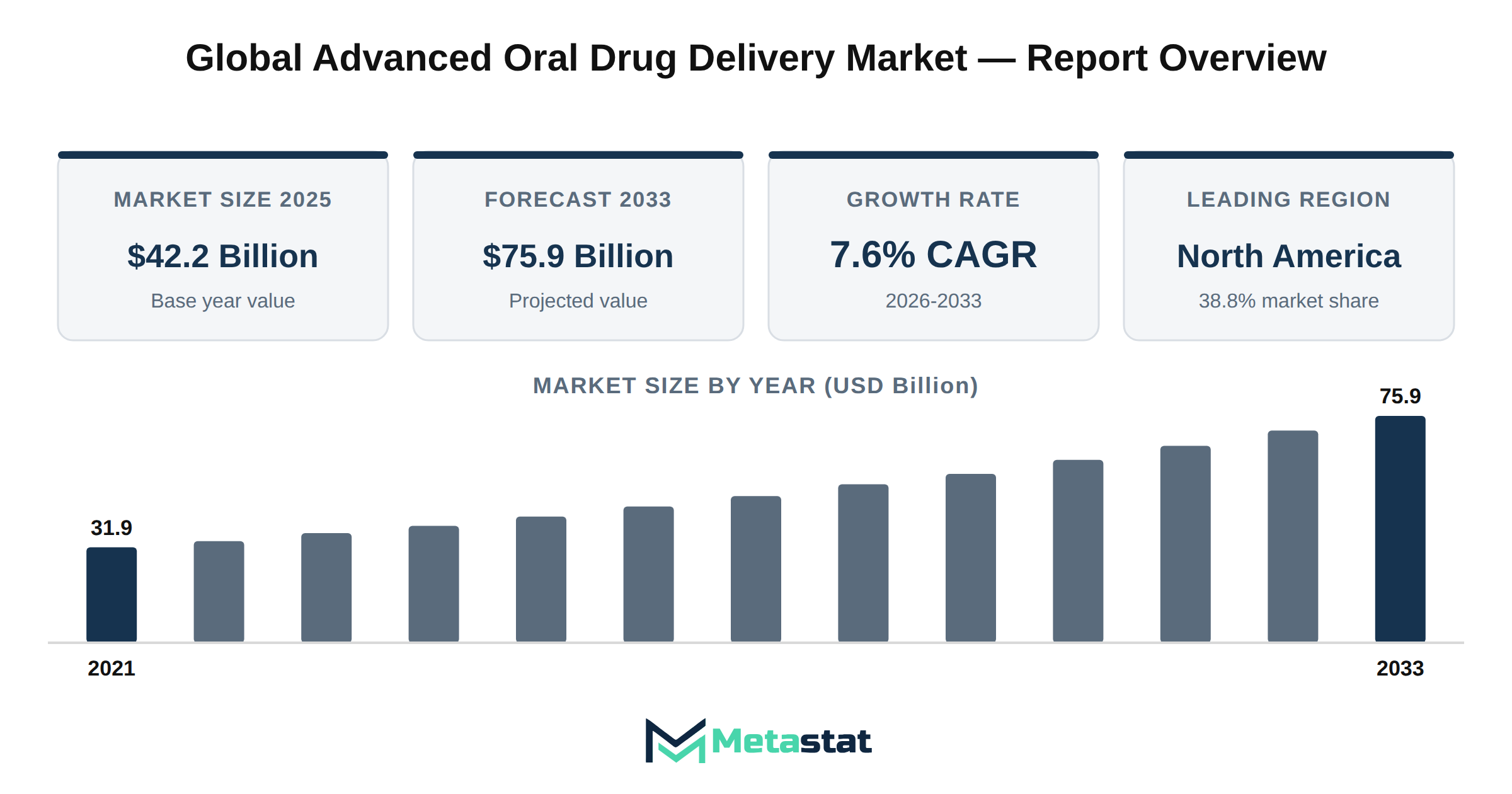
The Advanced Oral Drug Delivery market is poised for significant growth, with a market value of USD 42.2 billion in 2025 and an estimated increase to USD 75.9 billion by 2033. This growth trajectory represents a compound annual growth rate (CAGR) of 7.6% from 2026 to 2033. North America holds a substantial share of the market, accounting for 38.8% in 2025, with the United States leading the market share in 2026.
Market dynamics are influenced by various factors, including regulatory compliance and the evolving landscape of drug delivery technologies. The market experiences disruptions from emerging innovations and research and development trajectories focused on next-generation drug delivery systems. The shift towards sustainable transformation and decarbonization is steering companies to adopt more environmentally friendly practices in their operations.
The supply chain landscape is adapting to these changes, with a focus on optimizing logistics architecture and sourcing strategies. Competitive dynamics within the market highlight the fragmentation of key players, with numerous companies vying for market share and establishing strong positions through mergers and acquisitions. Understanding the value chain and procurement processes is essential for stakeholders to navigate this complex market effectively.
Macroeconomic headwinds, including inflationary pressures and currency volatility, present challenges that may impact growth. Corporate imperatives demand high-value recommendations tailored to strategic outlooks and investment priorities. As the market continues to evolve, companies must remain agile and responsive to changing conditions to maintain competitiveness in the Advanced Oral Drug Delivery market.
Regulatory compliance remains a critical factor in the Advanced Oral Drug Delivery market, as companies navigate stringent guidelines set by health authorities. Adherence to these standards ensures product safety and efficacy, impacting market entry and operational strategies.
Next-generation innovations drive market growth, focusing on enhancing drug delivery efficiency and patient compliance. Companies invest in research and development to create more effective formulations, such as amorphous solid dispersions and lipid-based drug delivery systems, contributing to the overall market transformation.
Supply chain dynamics are vital in shaping the competitive landscape. Companies must address challenges such as sourcing raw materials, managing logistics, and ensuring timely delivery of products. Effective procurement strategies and robust logistics architecture support operational efficiency and responsiveness.
Market fragmentation characterizes the Advanced Oral Drug Delivery sector, with numerous players competing in various technological segments. This fragmentation leads to increased competition and the need for strategic mergers and acquisitions to enhance capabilities and market presence.
Macroeconomic factors, including inflationary pressures and currency volatility, impact capital allocation and investment strategies. Companies must adapt to these economic headwinds while pursuing opportunities for growth and expansion, including infrastructure investments to support production capabilities.
High-value recommendations for stakeholders in the market include focusing on sustainable transformation and exploring circular economy dynamics. These approaches can lead to improved resource efficiency, reduced environmental impact, and enhanced competitive advantage.
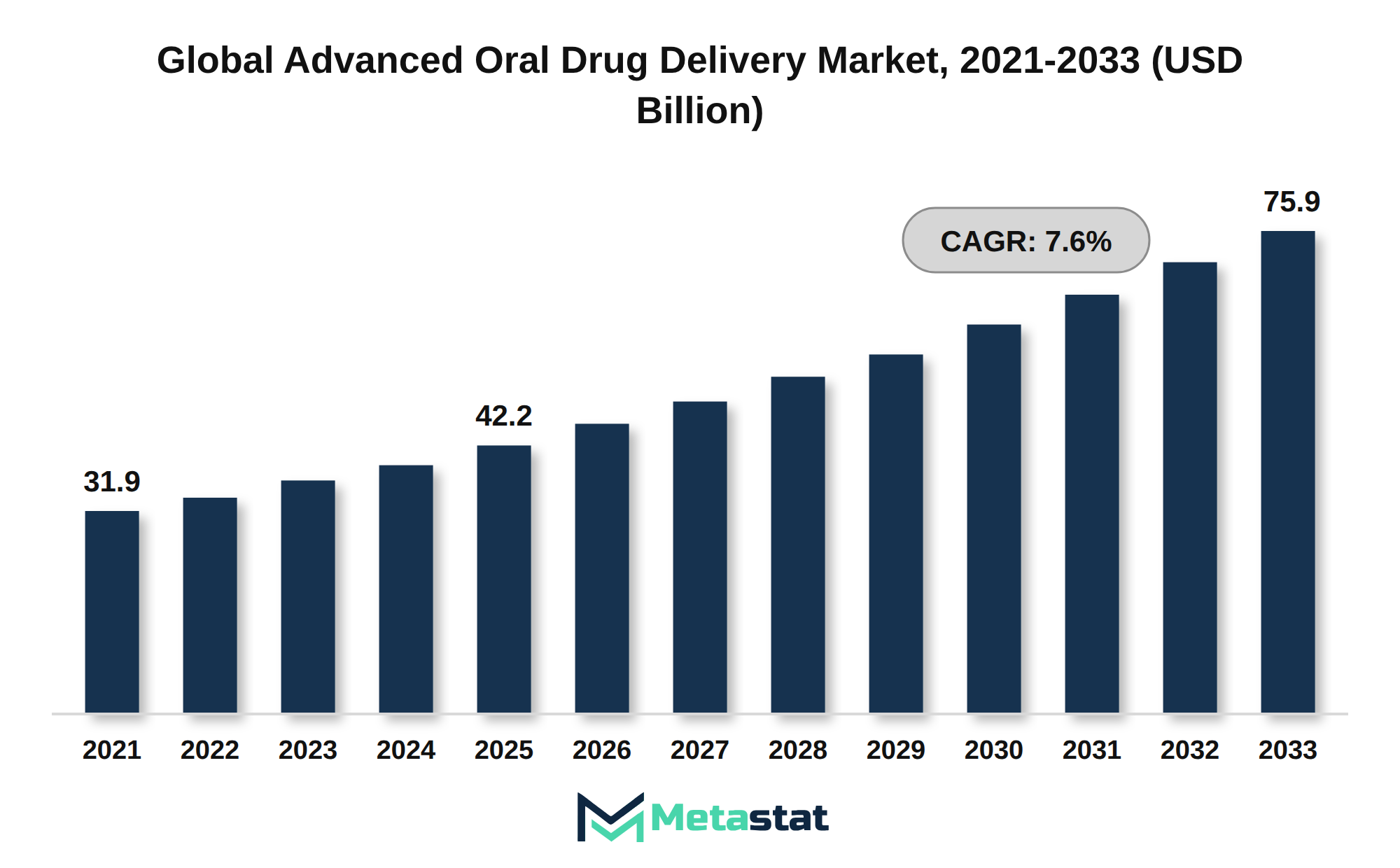
The Advanced Oral Drug Delivery market experiences significant growth driven by rising investments in advanced delivery technologies. Macro-economic factors, including GDP growth and public-private spending power, play a crucial role in enhancing capital investment environments. Venture funding allocation toward innovative drug delivery solutions has significantly increased, promoting a climate of technological advancements and product developments.
Technological integration, particularly the adoption of automation and artificial intelligence, contributes to efficient drug delivery systems. These advancements streamline processes and reduce operational costs, making the market more appealing to investors. The digitization of legacy processes improves productivity, enabling organizations to optimize their capabilities and respond effectively to evolving consumer demands.
Shifting demographic patterns, particularly the aging population, create increased demand for effective drug delivery solutions. Changing consumer behaviors, such as preferences for convenience and personalized medication, drive innovation in product development. These aspects align with the market's trajectory, as companies strive to meet the needs of a diverse and growing patient population.
The combination of these macro-economic and technological factors drives the Advanced Oral Drug Delivery market towards significant growth, with projections indicating a rise from USD 42.2 billion in 2025 to USD 75.9 billion by 2033, reflecting a compound annual growth rate of 7.6%. This upward trend illustrates the market's potential, further stimulated by an emphasis on operational productivity and cost-efficiency initiatives.
Technological integration plays a critical role in advancing the efficiency of the Advanced Oral Drug Delivery market. The incorporation of automation, artificial intelligence, and software adoption significantly improves operational processes, enabling precise and effective drug delivery solutions. These technological advancements facilitate the digitization of legacy processes, which streamlines production and enhances product quality.
The growing emphasis on innovation-led product and service diversification further stimulates the market. By focusing on research and development output, companies create proprietary technologies that enhance drug efficacy and patient adherence. This shift toward advanced technologies aligns with the increasing demand for effective and patient-friendly drug delivery systems, contributing to the overall growth of the market.
The integration of these technologies supports a more robust operational framework, ultimately driving the expansion of the Advanced Oral Drug Delivery market. As players invest in technological advancements, they position themselves to meet evolving consumer preferences and improve healthcare outcomes.
The Advanced Oral Drug Delivery market faces significant challenges stemming from regulatory constraints. Stringent compliance requirements introduce hurdles for manufacturers, impacting their ability to innovate and introduce new products efficiently. These regulatory frameworks can vary widely by region, complicating market entry and expansion strategies for companies aiming to operate globally.
Macroeconomic headwinds, such as inflationary pressures and capital stagnation, further undermine investment in this sector. Companies are compelled to allocate significant resources to comply with evolving regulations, which heightens operational costs. This financial strain may deter small to medium-sized enterprises from entering the market or pursuing new technologies, thereby limiting competition.
Supply chain disruptions and geopolitical instability contribute to uncertainties, exacerbating the market's challenges. These factors lead to resource scarcity and infrastructure gaps. In turn, implementation bottlenecks arise, further delaying product development timelines. Such conditions hinder the overall growth potential of the Advanced Oral Drug Delivery market, as companies confront rising expenses and decreased margins.
Technological obsolescence poses another risk, as rapid advancements in drug delivery systems necessitate constant innovation. Firms must invest heavily to keep pace with technological advancements, adding to the financial burden. Cultural barriers and regional adoption resistors create discrepancies in market penetration across different geographical areas, affecting overall market dynamics.
Consequently, these market restraints highlight the complexities of navigating a situation marked by regulatory pressures, economic fluctuations, and technological demands. Future growth will largely depend on how effectively companies adapt to these challenges while seeking opportunities within the Advanced Oral Drug Delivery market.
The Advanced Oral Drug Delivery market encounters significant challenges due to geopolitical fragmentation and trade deficits. These factors disrupt supply chains, increase costs, and create uncertainties for manufacturers and suppliers. Variations in trade policies across regions complicate the sourcing of raw materials and components essential for drug delivery technologies. This fragmentation impacts the ability to maintain consistent production levels, leading to potential delays in product availability.
Tariff friction between countries exacerbates the issue, raising the cost of imported goods and materials necessary for developing advanced drug delivery systems. Increasing tariffs can limit market access and competitiveness, particularly for companies reliant on international supply chains. This environment pressures companies to adapt quickly or risk losing market share.
Technological disruptions further complicate the landscape. Rapid advancements in drug delivery technologies require ongoing investment in research and development. Companies face challenges in integrating new technologies into existing systems, which may lead to interoperability friction. The complexity of these integrations can slow down the development of innovative products and limit the ability to respond to changing market demands.
Furthermore, tight workforce skill gaps hinder the industry's growth. The market requires specialized skills for the development and production of advanced oral drug delivery systems. A shortage of qualified personnel can impede progress and innovation, affecting overall market dynamics.
Environmental lifecycle footprints and decarbonization mandates push companies to adopt sustainable practices. Meeting these demands often requires substantial investment in new technologies and processes. Companies that fail to align with sustainability expectations may face reputational risks and potential market disadvantages.
Overall, these challenges necessitate a strategic approach from players in the Advanced Oral Drug Delivery market. Companies must navigate a complex landscape characterized by geopolitical tensions, technological hurdles, and evolving market expectations to maintain competitive positioning.
The Advanced Oral Drug Delivery market experiences significant opportunities driven by emerging regional demands. Regions such as Asia Pacific show increasing healthcare investments, leading to heightened demand for advanced drug delivery solutions. Infrastructure modernization contributes to improved healthcare access, particularly in developing nations, facilitating market expansion.
Technological disruptions play a crucial role in shaping the market. Innovations in drug formulation and delivery systems enhance the effectiveness of oral medications, thereby attracting investments. Digital transformation accelerates processes and enhances patient engagement, creating new avenues for growth within the market.
Sustainability imperatives and ESG-driven alignments increasingly influence market dynamics. Companies are prioritizing eco-friendly practices and sustainable product development, responding to consumer demand for greener solutions. This shift not only enhances brand value but also aligns with regulatory expectations, further driving market expansion.
Downstream market diversification presents additional opportunities. Companies are integrating advanced oral drug delivery technologies with complementary health products, expanding their market reach. Strategic consolidation through mergers and acquisitions enables organizations to leverage synergies, enhancing competitive positioning within the market.
The evolving buying behaviors indicate a shift towards digital procurement and commercial model transitions. Stakeholders are increasingly adopting online platforms for procurement, streamlining operations and reducing costs. These trends signal a need for adaptability among market players to meet changing consumer preferences.
Overall, the Advanced Oral Drug Delivery market is poised for substantial growth, propelled by these multifaceted opportunities. Strategic investments in technology, sustainability, and regional expansion will be critical for companies aiming to capitalize on the evolving landscape.
The Global Advanced Oral Drug Delivery market is segmented based on Technology, Form, Drug-Release Profile, and undefined.
Valued at USD 15.4 billion in 2026, the Amorphous Solid Dispersions segment is projected to reach USD 24.3 billion by 2033, reflecting a compound annual growth rate (CAGR) of 6.8% during the forecast period. Primary demand drivers for this segment include the increasing prevalence of poorly soluble drugs and the growing focus on enhancing bioavailability. Adoption of amorphous solid dispersions is driven by advancements in formulation technology, which facilitate improved drug solubility and stability.
Technological maturation significantly impacts this segment, as manufacturers strive to optimize formulation processes and achieve consistent product quality. Next-generation upgrades in manufacturing techniques, such as spray drying and hot-melt extrusion, contribute to the evolution of products in this category, allowing for better drug delivery profiles. The downstream applications of amorphous solid dispersions are expansive, spanning various therapeutic areas including oncology, cardiovascular, and central nervous system disorders. Consumption shifts towards innovative drug delivery systems in the Advanced Oral Drug Delivery market favor the use of amorphous solid dispersions.
Regulatory compliance and certifications drive quality assurance, influencing market dynamics as companies aim to meet stringent safety and efficacy standards. Cost structures and pricing volatility remain critical factors, driving the need for effective margin management strategies among key players. Supply chain resilience plays a role in the stability of raw material sourcing, while potential substitution risks from alternative formulation technologies warrant attention.
The segment faces disruptive alternatives, particularly as the pharmaceutical industry explores novel delivery methods. Technological obsolescence can pose challenges for manufacturers that do not invest in continuous innovation. Strategic opportunity windows arise from the increasing investment in research and development, positioning the segment for sustained growth in the coming years.
Innovation within the Lipid-Based Drug Delivery Systems segment significantly influences its market trajectory. This segment is estimated to reach USD 19.7 billion by 2033, at a CAGR of 6.7% during the forecast period. Key demand drivers include the enhanced bioavailability of poorly soluble drugs and the growing prevalence of chronic diseases that necessitate effective delivery methods. Adoption in pharmaceutical formulations is increasing due to these systems’ ability to improve drug absorption and efficacy.
Segment expansion is further fueled by advancements in formulation technologies and the development of next-generation lipid-based carriers. These innovations allow for tailored drug release profiles, enhancing the therapeutic outcomes for patients. The market reflects notable consumption shifts towards lipid-based formulations, especially in oral dosage forms, driven by their appeal in patient-centric treatment modalities.
Regulatory compliance standards and certifications play a crucial role in the market dynamics, ensuring product safety and efficacy. Companies navigate various regulatory landscapes to meet the expectations of health authorities, which can affect time-to-market and pricing strategies. Pricing volatility remains a concern, influenced by raw material costs and market competition, impacting overall margin pressures.
Strategic opportunity windows arise from increasing investments in R&D, particularly for innovative lipid formulations. The competitive environment creates a robust landscape for collaborations between pharmaceutical companies and technology providers to advance lipid-based delivery solutions. Overall, the Lipid-Based Drug Delivery Systems segment is poised for growth, contributing significantly to the overall advancement of the Advanced Oral Drug Delivery market.
Innovations in nanocrystal and nanoparticle engineering significantly impact the Advanced Oral Drug Delivery market. This segment is expected to reach USD 16.7 billion by 2033, driven by advancements in drug solubility and bioavailability. Enhanced delivery mechanisms that employ nanocrystals and nanoparticles facilitate improved therapeutic outcomes, particularly for poorly soluble compounds. The growing emphasis on personalized medicine drives demand for tailored drug formulations, benefiting this segment.
Technological maturation enhances the efficiency and effectiveness of drug delivery systems. As processes and materials evolve, the integration of nanotechnology in oral formulations becomes increasingly viable, leading to greater adoption across various therapeutic areas. Regulatory compliance standards surrounding nanoparticles contribute to the segment's growth by ensuring safety and efficacy in drug delivery applications.
Market dynamics reflect shifts in end-use preferences, particularly in the oncology and chronic disease management sectors. The demand for innovative delivery solutions fuels market expansion, as pharmaceutical companies seek to leverage the advantages of nanocrystal and nanoparticle technologies. This segment's growth trajectory aligns with broader trends in the Advanced Oral Drug Delivery market, characterized by continuous product evolution and increased investment in research and development.
Growth within the porous-carrier and adsorption-based systems segment is projected at a compound annual growth rate (CAGR) of 10.6% during the forecast period. This increase is influenced by rising demand for advanced delivery systems that enhance drug solubility and bioavailability. Adoption is further propelled by the need for more efficient drug delivery methods, especially for poorly soluble compounds.
Technological maturation in materials used for porous carriers, such as polymers and silica-based substances, contributes significantly to segment expansion. Innovations in formulation processes lead to increased efficiency and reliability, allowing for more precise control over drug release profiles. The evolution of these technologies responds to downstream applications in various therapeutic areas, including oncology and chronic diseases, where targeted delivery is critical. These advancements create a foundation for future developments.
End-use dynamics reflect a shift towards patient-centric approaches, with a growing preference for oral dosage forms that are easier to administer. Regulatory compliance standards continue to evolve, prompting manufacturers to align their products with stringent safety and efficacy requirements. This alignment enhances market credibility and encourages investment in research and development for next-generation delivery systems.
Cost structures and pricing volatility remain critical factors in shaping competition among manufacturers. Companies face margin pressures due to fluctuating raw material costs and the need for continuous innovation. Strategic opportunity windows arise for firms that successfully navigate these challenges while advancing their product offerings. This competitive environment fosters a cycle of improvement and adaptation.
As the segment develops, capital investment in porous-carrier and adsorption-based systems is likely to increase, reflecting the growing interest in enhancing oral drug delivery technologies. This sustained investment supports the ongoing evolution of products tailored to meet the demands of the advanced oral drug delivery market.
Innovation within the Others sub-segment of the Advanced Oral Drug Delivery market focuses on unique oral dosage forms, including oral thin films, multiparticulates, pellets, and granules. These products cater to diverse patient needs, providing flexibility in administration and enhancing patient compliance. The demand for these alternatives is driven by a growing preference for non-invasive drug delivery methods, which significantly influence adoption rates.
Next-generation upgrades contribute to segment expansion. Enhanced formulation techniques lead to improved bioavailability and controlled release profiles, aligning with the industry's emphasis on personalized medicine. Regulatory compliance remains a crucial factor, as manufacturers navigate stringent standards while innovating new product designs. This sub-segment experiences a dynamic shift, driven by changes in consumption patterns and evolving healthcare requirements.
Cost structures and pricing dynamics exert influence over the segment. The introduction of advanced manufacturing technologies can mitigate pricing volatility and address margin pressures. Supply chain resilience is essential to ensure consistent availability of raw materials used in these formulations. Strategic opportunity windows arise as pharmaceutical companies explore unique applications for these dosage forms in various therapeutic areas, marking a significant evolution in the market.
Valued at USD 24.8 billion in 2026, the tablets segment is projected to reach USD 39.5 billion by 2033, growing at a CAGR of 6.9% during the forecast period. This segment's growth is driven by several primary demand drivers including increasing patient preference for oral dosage forms due to their convenience and ease of administration. The tablets segment benefits from greater consumer acceptance, which directly influences market expansion.
Technological maturation in tablet formulation techniques contributes to segment development. Innovations such as controlled-release technology and improvements in tablet compaction processes enhance drug delivery efficacy. Next-generation upgrades, such as the incorporation of personalized medicine approaches, have also contributed to the evolution of tablet products, meeting diverse patient needs.
End-use dynamics reflect a strong demand for tablets in various therapeutic areas, particularly in chronic disease management, where adherence to treatment regimens can be enhanced through the use of more user-friendly oral medication forms. Consumption shifts toward preventive healthcare and self-medication further support the market's growth, as patients increasingly seek accessible treatment options.
Regulatory compliance standards and certifications impact the tablets segment significantly. Manufacturers prioritize adherence to stringent quality regulations, ensuring product safety and efficacy, which is critical for maintaining market competitiveness. Pricing volatility and margin pressures arise from fluctuating raw material costs and the need for continual product innovation, compelling producers to optimize their cost structures.
Strategic opportunity windows exist in the development of tablets aimed at niche markets, including pediatric and geriatric populations, where tailored formulations can meet specific health challenges. The competitive environment requires stakeholders to remain vigilant regarding disruptive alternatives, such as novel drug delivery systems that may offer enhanced therapeutic outcomes. Overall, the tablets segment of the Advanced Oral Drug Delivery market demonstrates a promising trajectory fueled by ongoing advancements and shifting consumer preferences.
In the Advanced Oral Drug Delivery market, the Capsules and Softgels segment is anticipated to exhibit significant growth, reaching USD 22.8 billion by 2033, at a CAGR of 7.2% during the forecast period. This growth trajectory is largely driven by an increasing consumer preference for convenient dosage forms and the ability of capsules and softgels to mask unpleasant tastes associated with certain medications. The segment's expansion is further supported by advancements in manufacturing technologies and the evolution of formulation techniques that enhance bioavailability and release profiles.
Adoption of capsules and softgels is facilitated by their wide application across various therapeutic areas, including dietary supplements and pharmaceuticals. Emerging trends, such as the demand for plant-based capsules and advancements in gelatin alternatives, enhance the appeal of this segment. The segment benefits from a strong pipeline of new product developments and innovations aimed at improving drug delivery mechanisms.
As regulatory compliance standards evolve, manufacturers are increasingly focused on maintaining high quality and safety standards, which contributes to overall market confidence. The economic landscape, characterized by cost structures and pricing strategies, impacts the competitive dynamics within the segment. Pricing volatility in raw materials, such as gelatin, can exert margin pressures, necessitating strategic sourcing and supply chain resilience among key players. Overall, the Capsules and Softgels segment presents a robust opportunity within the Advanced Oral Drug Delivery market, driven by diverse growth catalysts and a strong demand for innovative delivery systems.
Growth in the Others (Oral Thin Films, Multiparticulates, Pellets, and Granules) segment is driven by increasing patient demand for convenient and effective drug delivery systems. Technological maturation in this area has led to the development of innovative formulations that enhance bioavailability and improve patient compliance. Next-generation upgrades, including advances in polymer chemistry and manufacturing techniques, are facilitating wider adoption of these drug delivery methods. The segment is expected to reach USD 13.7 billion by 2033, reflecting a significant opportunity within the Advanced Oral Drug Delivery market.
Product evolution is crucial in this segment, as the market experiences ongoing shifts towards personalized medicine and targeted therapies. Regulatory compliance standards have become more stringent, encouraging manufacturers to invest in high-quality production processes and certifications. These factors, combined with the rising prevalence of chronic diseases that require long-term medication, contribute to the segment's growth potential. End-use dynamics indicate a shift towards more patient-centric solutions, which enhances the market's appeal.
Cost structures and pricing strategies also play an important role in shaping the market. The management of raw material sourcing and supply chain resilience is essential to address any potential disruptions that could impact production. Consequently, companies are exploring strategic opportunity windows to innovate and capture market share. Overall, the Others segment presents a robust avenue for growth, supported by a favorable capital investment outlook in the Advanced Oral Drug Delivery market.
Immediate release formulations cater to the growing demand for rapid onset of action in pharmacotherapy. This segment benefits from the increasing prevalence of chronic diseases, necessitating quick therapeutic effects for better patient compliance and satisfaction. Adoption of immediate release technologies is further driven by advancements in formulation science, enabling the development of more effective and efficient drug delivery systems. Continuous innovations in excipients and drug formulations enhance the product offerings within this segment.
Market expansion for immediate release products is influenced by the need for cost-effective medication options. The focus on patient-centered care drives the demand for formulations that provide immediate relief, especially in acute conditions. Regulatory compliance and the necessity for improved bioavailability of certain medications also contribute to the growth of this segment. Companies are increasingly investing in research and development to create next-generation immediate release formulations that address specific therapeutic needs.
Strategic opportunity windows arise as healthcare providers seek to optimize treatment outcomes through tailored drug delivery solutions. The segment's evolution reflects a shift in consumer preferences towards medications that offer prompt therapeutic effects. Raw material sourcing and supply chain resilience play important roles in maintaining the availability and affordability of these formulations. The overall dynamics of the Advanced Oral Drug Delivery market are shaped significantly by the immediate release sub-segment's performance and innovations.
Extended and sustained release formulations play a crucial role in meeting the growing demand for controlled drug delivery systems. Key demand drivers include the need for improved patient compliance and reduced dosing frequency. These factors significantly enhance therapeutic outcomes. Adoption rates for these formulations have risen as healthcare providers increasingly recognize their benefits in managing chronic conditions that require long-term treatment.
Segment expansion catalysts encompass advancements in polymer technology and drug formulation techniques. These advancements facilitate the development of more effective extended release products. The maturation of technologies related to microencapsulation and matrix systems has led to innovative drug delivery solutions. This evolution captures attention from both manufacturers and healthcare professionals. These next-generation upgrades contribute to product evolution, resulting in formulations that provide stable and predictable drug release profiles, thereby improving patient safety and efficacy.
End-use dynamics indicate a shift toward extended and sustained release systems in various therapeutic areas, particularly in pain management, psychiatry, and chronic diseases like diabetes and hypertension. This trend reflects a broader consumption shift towards personalized medicine, where tailored drug release profiles align with individual patient needs. Regulatory compliance standards have evolved to support these advancements, leading to enhanced product approvals and market entry.
Cost structures within this sub-segment have seen pressures from raw material sourcing and the need for high-quality production standards. Pricing volatility can arise from fluctuating costs of active pharmaceutical ingredients and excipients, impacting profit margins. Strategic opportunity windows exist for companies that invest in research and development to innovate and differentiate their product offerings in the competitive landscape.
Technological obsolescence remains a concern as new delivery systems and alternatives emerge. Companies must navigate substitution risks associated with older formulations that may be phased out in favor of more advanced solutions. Strategic capital investments aimed at enhancing production capabilities and expanding product lines will be essential for players seeking to maintain their competitive edge in the advanced oral drug delivery market.
Delayed and enteric release formulations play a crucial role in the Advanced Oral Drug Delivery market by addressing specific therapeutic needs. These formulations are designed to dissolve at a particular site in the gastrointestinal tract, enhancing drug bioavailability while minimizing gastrointestinal irritation. This targeted release mechanism aligns with the growing demand for personalized medicine, where patient-specific therapies are essential for achieving optimal treatment outcomes.
Adoption of delayed and enteric release technologies is driven by advancements in polymer science and formulation techniques. The development of advanced polymers that are stable under acidic conditions but dissolve under neutral or alkaline conditions allows for greater flexibility in drug design. This technological maturation supports the introduction of next-generation drug delivery systems, which are increasingly favored by pharmaceutical developers.
Product evolution in this segment has been influenced by the need for improved patient compliance and convenience. Delayed release formulations that reduce dosing frequency or provide extended therapeutic effects contribute significantly to medication adherence. Additionally, as healthcare providers seek innovative solutions to enhance patient outcomes, these formulations are gaining traction in various therapeutic areas, including chronic diseases and conditions requiring long-term treatment.
Regulatory compliance standards and certifications influence the development of delayed and enteric release formulations. Manufacturers must navigate stringent requirements to ensure product efficacy and safety. Consequently, ongoing collaboration between regulatory bodies and industry players is essential for supporting innovation while ensuring patient safety.
The potential for cost structures to fluctuate in this segment arises from factors such as raw material sourcing and market demand for high-quality excipients. Margin pressures may materialize due to shifts in the supply chain, particularly when sourcing specialized materials necessary for delayed and enteric release formulations. Strategic opportunity windows exist as companies evaluate new markets and applications, especially in regions with growing healthcare expenditures.
Overall, the delayed and enteric release segment presents significant opportunities within the Advanced Oral Drug Delivery market, driven by evolving patient expectations, technological advancements, and the imperative for compliance with regulatory standards.
In the Advanced Oral Drug Delivery market, targeted and site-specific release formulations have gained traction due to their ability to enhance therapeutic efficacy and minimize side effects. This segment thrives on primary demand drivers such as the increasing prevalence of chronic diseases that require precise drug delivery mechanisms. Adoption rates are supported by advancements in drug formulation technologies, enabling more accurate targeting of drug action within the body. This has led to significant segment expansion, particularly in oncology, where targeted therapies are crucial for improving patient outcomes.
Technological maturation is important in this segment, with innovations in delivery systems, such as nanoparticles and liposomes, that allow for controlled release profiles. Next-generation upgrades focus on optimizing these technologies to achieve better bioavailability and improved patient compliance. Product evolution reflects the necessity for more effective delivery methods, aligning with the growing trend towards personalized medicine.
End-use dynamics indicate a significant shift towards outpatient settings, where targeted therapies provide patients with more convenient treatment options. Regulatory compliance standards have tightened, necessitating rigorous testing and validation processes, which further influences development timelines. The segment experiences pressures from cost structures and pricing volatility, as advanced technologies often incur higher production costs.
Raw material sourcing remains a critical concern, particularly given the reliance on novel compounds and excipients necessary for the efficacy of targeted delivery systems. Supply chain resilience has seen improvements, yet vulnerabilities persist due to geopolitical factors affecting material availability. Disruptive alternatives and substitution risks are present, as traditional delivery methods face scrutiny regarding their effectiveness.
Strategic opportunity windows emerge for companies investing in research and development to create unique formulations that address specific patient needs. White-space analysis indicates potential growth in niche markets focusing on rare diseases, where targeted delivery can provide new avenues for treatment. Overall, the targeted and site-specific release segment within the market holds promise for future development and innovation.
In the Advanced Oral Drug Delivery market, the "Others" sub-segment under Drug-Release Profile includes a variety of innovative release mechanisms that cater to specific therapeutic needs. This segment encompasses technologies and formulations not classified under the primary categories, allowing for diverse applications in drug delivery.
Primary demand drivers for this sub-segment stem from the increasing need for specialized delivery systems that ensure optimal therapeutic effectiveness and patient compliance. Factors such as the rising prevalence of chronic diseases and the growing emphasis on personalized medicine contribute to the adoption of these advanced release profiles.
Segment expansion catalysts include ongoing research and development initiatives aimed at enhancing the performance and efficiency of drug formulations. The maturation of technologies related to controlled and targeted drug release supports the evolution of the "Others" segment, allowing for next-generation upgrades that improve patient outcomes.
Downstream applications within this sub-segment are varied, ranging from pain management to oncology, reflecting the versatility of formulations that employ unique drug-release profiles. The end-use dynamics are driven by preferences for non-invasive delivery methods and the demand for rapid onset of action in therapeutic settings.
Regulatory compliance standards and certifications play a crucial role in ensuring that products within this sub-segment meet safety and efficacy expectations. Adherence to these standards is essential for gaining market access and consumer trust.
Cost structures and pricing volatility are areas of concern within the "Others" sub-segment. Manufacturers face pressures related to raw material costs and the need for significant investments in research and development, impacting overall profit margins. Nevertheless, the potential for high returns on innovative products encourages continued investment in this segment.
Emerging trends indicate a focus on developing formulations that employ disruptive alternatives to conventional delivery methods. Strategic opportunity windows exist for companies that can effectively address the substitution risks posed by novel therapies and technologies.
Overall, the "Others" sub-segment of the Advanced Oral Drug Delivery market is characterized by its dynamic nature, driven by technological advancements and evolving patient needs. The focus on innovation and compliance will likely shape the future of this segment in the coming years.
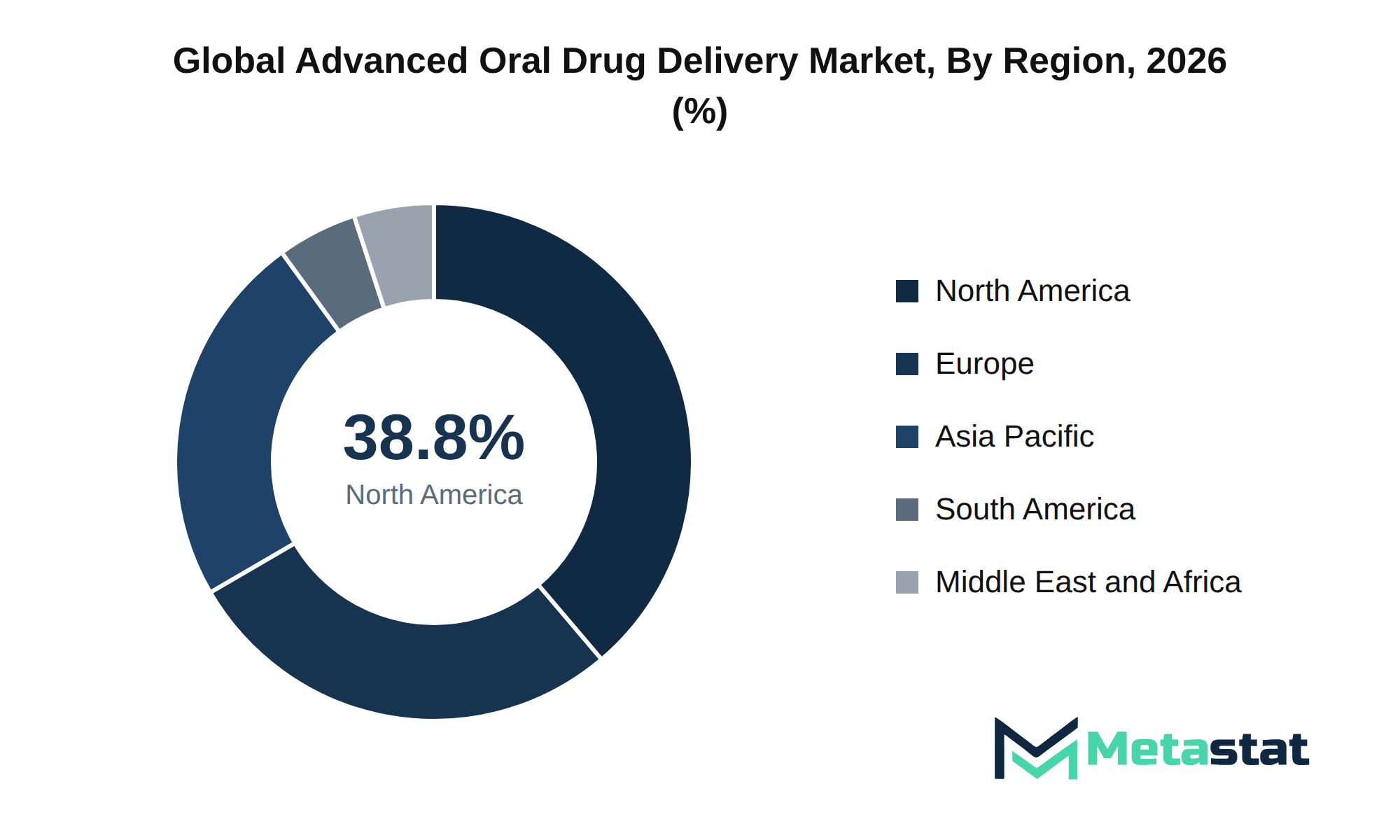
Based on geography, the Global Advanced Oral Drug Delivery market is divided into North America, Europe, Asia-Pacific, South America, Middle East, and Africa.
The North America Advanced Oral Drug Delivery market is expected to reach a total addressable market size of USD 27.9 billion by the end of 2033, with a compound annual growth rate (CAGR) of 7.6% during the forecast period. This significant market expansion is driven by factors such as an increasing prevalence of chronic diseases, technological advancements in drug formulation, and a growing demand for efficient drug delivery systems.
The region holds a substantial share of the global market. The United States, Canada, and Mexico are the primary contributors to this market, reflecting a mature yet competitive environment. The adoption rates for advanced oral drug delivery systems remain robust, driven by ongoing investments in healthcare infrastructure and the increasing focus on patient-centric drug delivery methods.
Emerging market front-runners in North America include various local players, which have made significant strides in innovation and product development. Modernization of infrastructure and localized manufacturing capabilities enhance the competitive edge of domestic firms. High-value replacement cycles and incremental growth vectors contribute to the continuous evolution of the market, enabling companies to address emerging healthcare needs effectively.
Regulatory frameworks in North America also play a critical role by ensuring that products meet safety and efficacy standards. Local compliance mandates further streamline the market entry process for new technologies, while strategic entry barriers and foreign direct investment flows enhance market competitiveness. Cultural nuances and regional procurement dynamics shape B2B buying behaviors, leading to tailored solutions that cater to the diverse needs of healthcare providers and patients.
Europe holds a significant share of the Advanced Oral Drug Delivery market, with a notable contribution to the global market in 2025. Key countries driving this market include Germany, France, the UK, Italy, Spain, and Russia. Factors such as increasing healthcare spending, a growing elderly population, and rising prevalence of chronic diseases significantly contribute to market expansion in this region.
Mature market dynamics characterize many areas within Europe, where established companies continue to dominate. The presence of strong healthcare infrastructure facilitates the adoption of advanced drug delivery technologies, allowing for higher efficiency in treatment outcomes. Localized manufacturing and supply chain regionalization enhance the competitiveness of domestic players, supporting growth in the market.
Emerging market front-runners in Europe include Germany and the UK, where innovation and investment in research and development show strong potential. These countries also benefit from favorable regulatory environments that encourage the introduction of novel drug delivery systems. The market is expected to experience incremental growth through high-value replacement cycles and the development of specialized formulations tailored to specific patient needs.
Cultural nuances and regional B2B buying behaviors impact procurement dynamics, with a preference for advanced oral drug delivery solutions that demonstrate proven efficacy and safety. Companies focusing on quality and compliance will likely gain a competitive edge in the market. Continuous investment in infrastructure modernization and adaptation to local compliance mandates will further strengthen the position of market players across Europe.
The Advanced Oral Drug Delivery market in Europe anticipates significant growth, driven by a combination of innovative technologies, supportive regulatory frameworks, and a commitment to improving patient outcomes. Strategic entry barriers, including foreign direct investment flows, will influence the competitive landscape, enabling new entrants to capitalize on existing opportunities while navigating the complexities of the market.
In the Asia-Pacific region, the Advanced Oral Drug Delivery market is expected to capture a significant share of the global market by 2025. Key drivers of demand in this region include rapid advancements in drug formulation technologies and a growing emphasis on patient-centric drug delivery solutions.
China, Japan, and India emerge as frontrunners within the market, fueled by increasing investment in healthcare infrastructure and rising chronic disease prevalence. South Korea and Australia also contribute to market growth through their strong pharmaceutical sectors and innovative research environments.
Emerging markets in Southeast Asia are gradually adopting advanced oral drug delivery technologies, supported by government initiatives and international collaborations. The overall market dynamics reflect a mix of mature and developing sectors, with established pharmaceutical companies focusing on high-value replacement cycles and new product introductions.
Localized manufacturing and regional supply chain initiatives are becoming essential in meeting the increasing demand for advanced oral drug delivery systems. Additionally, cultural nuances and regional B2B buying behaviors significantly influence procurement strategies among regional stakeholders.
Such factors position the Asia-Pacific region as a critical area for growth, presenting numerous opportunities for both existing players and new entrants in the market.
In South America, the Advanced Oral Drug Delivery market is projected to account for 5.00% of the global market share by 2025. Brazil and Argentina are the primary contributors to market growth, driven by increasing healthcare investments and a rising demand for innovative drug delivery systems.
Infrastructure modernization initiatives in these countries enhance access to advanced medical technologies, facilitating the adoption of novel oral drug delivery solutions. The presence of local manufacturers in Brazil and Argentina supports localized procurement dynamics, which contribute to the market's growth.
Emerging market front-runners in the region focus on addressing unmet medical needs, particularly in chronic disease management. This focus drives research and development in advanced oral drug formulations, as local companies seek to innovate and capture market share in this expanding segment.
The competitive landscape in South America includes several domestic market leaders, which strengthens vendor consolidation trends. By capitalizing on regional resource availability and investing in localized manufacturing capacities, these companies position themselves favorably within the Advanced Oral Drug Delivery market.
As the market matures, high-value replacement cycles for existing drug delivery systems and incremental growth vectors are anticipated to support continued expansion in South America. The region's growing population and increasing prevalence of various health conditions provide a significant opportunity for advanced oral drug delivery technologies.
The Middle East and Africa represent a growing segment of the Advanced Oral Drug Delivery market, with a projected market share of 5.00% in 2025. Key drivers for market expansion include increasing healthcare investments and rising demand for advanced pharmaceutical formulations in countries such as Saudi Arabia and the UAE.
A strong emphasis on infrastructure modernization and localized manufacturing has been noted, particularly in South Africa. These developments support the rising adoption rates of advanced oral drug delivery technologies across the region. Emerging market front-runners are expected to play a significant role in driving the growth of the market, particularly through innovative drug delivery solutions tailored to local needs.
The competitive landscape is evolving, with domestic market leaders focusing on consolidation trends to enhance their market presence. Cultural nuances and regional B2B buying behaviors significantly influence procurement dynamics, necessitating tailored approaches by market players. The ongoing modernization of healthcare infrastructure further enhances market potential throughout the region.
Foreign direct investment (FDI) flows into the region indicate a positive outlook for market expansion opportunities. Strategic entry barriers are gradually being lowered, enabling international players to establish a foothold in the Middle East and Africa's pharmaceutical sector. Overall, the regional dynamics reflect an active ecosystem poised for growth in the Advanced Oral Drug Delivery market.
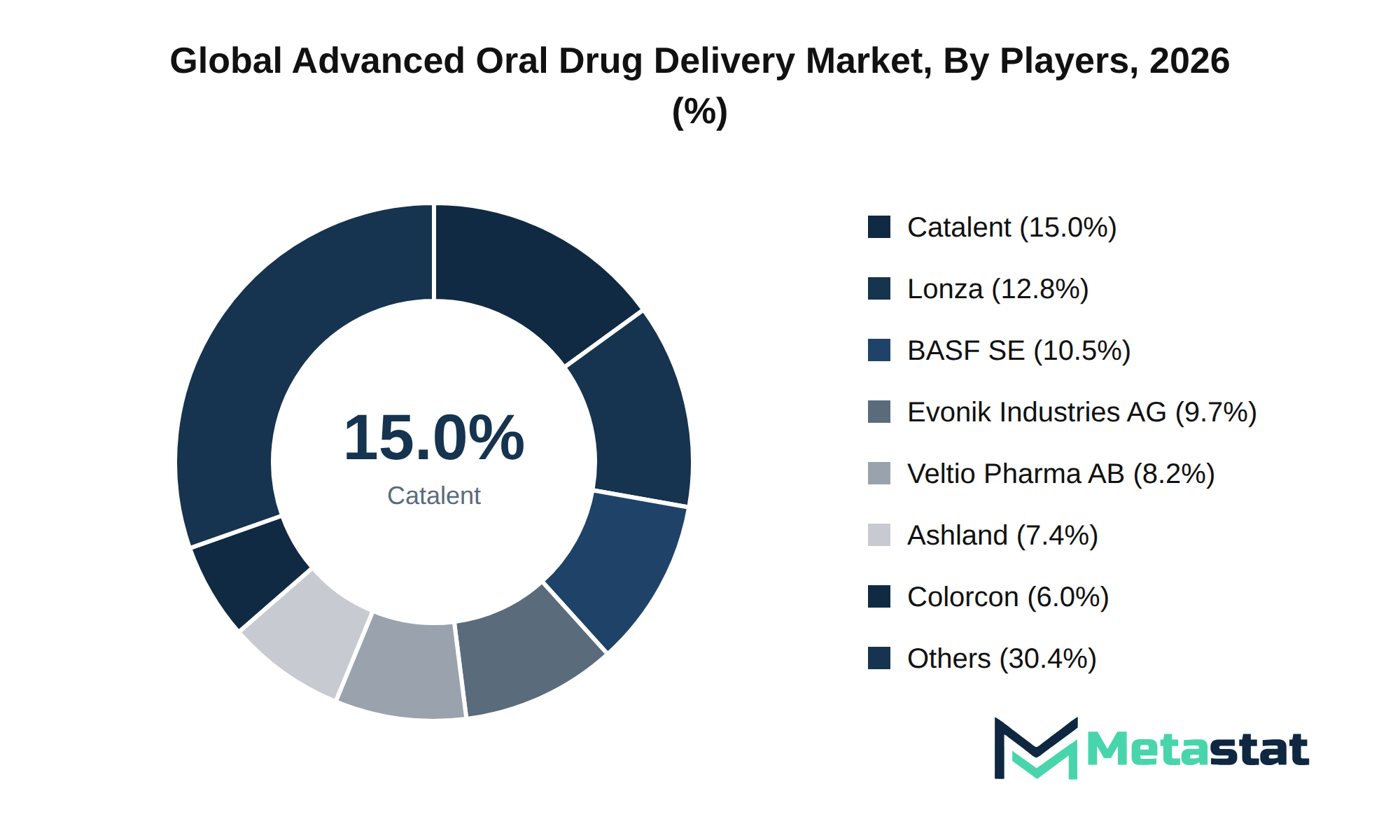
The Advanced Oral Drug Delivery market experiences significant activity among key players, characterized by various strategic behaviors, including mergers, acquisitions, and partnerships. Companies such as Veltio Pharma AB, Catalent, Inc., and Lonza Group Ltd. engage in strategic consolidation to enhance their market presence and optimize their product offerings. These activities contribute to an increasingly competitive environment as firms seek to use proprietary technologies and enhance their R&D pipelines.
Strategic alliances and joint ventures are common as companies pursue synergies that facilitate innovation and broaden their market reach. For instance, partnerships between regional specialty formulators and global leaders enable enhanced product differentiation and improve the value proposition across the market. With the rising demand for advanced drug delivery solutions, competitors emphasize customer retention strategies and brand equity dynamics to maintain a loyal customer base.
The Advanced Oral Drug Delivery market faces barriers to entry, impacting new entrants and startup disruption dynamics. Established firms such as Evonik Industries AG and BASF SE dominate supply chains, leveraging procurement advantages and influencing pricing architectures. Intellectual property portfolios play a critical role in maintaining competitive advantages, as companies invest in securing patents that strengthen their technological defensibility within this growing sector.
Future competitive outlooks indicate a shift towards defensive imperatives and strategic growth vectors as companies adapt to evolving market dynamics. The increasing prevalence of innovative drug formulations necessitates continuous monitoring of key strategies employed by leading players, ensuring they remain agile in a rapidly changing environment that demands innovation and responsiveness. This ongoing evolution shapes the competitive landscape and influences strategic decision-making across the market.
The Advanced Oral Drug Delivery market is projected to grow from USD 42.2 billion in 2025 to over USD 75.9 billion by 2033, reflecting a compound annual growth rate (CAGR) of 7.6%. This growth trajectory suggests a robust demand for innovative drug delivery systems that enhance therapeutic efficacy and patient compliance.
In a favorable scenario, the market could experience accelerated growth driven by advancements in next-generation technologies, such as nanocrystal and nanoparticle engineering. Increased integration of lipid-based drug delivery systems is likely to meet rising healthcare demands and address unmet medical needs, providing significant white-space opportunities for market participants.
Conversely, a less favorable scenario may arise from geopolitical realignments and evolving trade corridors, which could disrupt supply chains and impact growth. Regulatory evolution timelines and compliance milestones may also pose challenges, potentially delaying product launches and affecting market dynamics.
Overall, the Advanced Oral Drug Delivery market displays strong potential for growth, supported by ongoing research and development commercialization timelines. Strategic capital allocation directives aimed at infrastructure commitments and capital expenditures will shape future growth trajectories as the market matures.
The report strategically identifies and profiles the key market players and analyses their core competencies in each sub-segment of the Advanced Oral Drug Delivery market.
|
Report Attributes |
Details |
|
Study Period |
2021-2033 |
|
Base Year |
2025 |
|
Estimated Year |
2026 |
|
Forecast Period |
2026-2033 |
|
Historical Period |
2021-2025 |
|
Growth Rate |
CAGR 7.6% from 2026 to 2033 |
|
Revenue Unit |
USD billion |
|
Segmentation |
By Technology, Form, Drug-Release Profile, and Region |
|
By Region |
North America (By Technology, Form, Drug-Release Profile, and Country)
|
|
Europe (By Technology, Form, Drug-Release Profile, and Country)
|
|
|
Asia Pacific (By Technology, Form, Drug-Release Profile, and Country)
|
|
|
South America (By Technology, Form, Drug-Release Profile, and Country)
|
|
|
Middle East and Africa (By Technology, Form, Drug-Release Profile, and Country)
|
Find answers to common questions about this report
The Advanced Oral Drug Delivery market size was valued at USD 42.2 billion in 2025, according to the Metastat Insights study.
The Advanced Oral Drug Delivery market is projected to grow at a CAGR of 7.6% during the forecast period from 2026 to 2033.
According to Metastat Insights analysis, the North America Advanced Oral Drug Delivery market size is projected to reach USD 27.9 billion by 2033.
Amorphous Solid Dispersions lead the Advanced Oral Drug Delivery market, with a projected value of USD 24.3 billion by 2033. This segment outperforms others in the Technology category.
The Advanced Oral Drug Delivery market is driven by rising investments in advanced delivery technologies, macro-economic factors enhancing capital investment environments, and increasing demand from an aging population. Technological integration, particularly automation and artificial intelligence, streamlines processes and reduces costs, further promoting market growth.
North America holds the dominant share of the Advanced Oral Drug Delivery market, with a regional share of 38.8% in 2025.
The Advanced Oral Drug Delivery market encounters challenges from stringent regulatory constraints that hinder innovation and product introduction. Macroeconomic pressures, including inflation and capital stagnation, increase operational costs, deterring smaller enterprises from entering the market. Geopolitical fragmentation and supply chain disruptions complicate production and availability.
The Advanced Oral Drug Delivery market benefits from rising investments in advanced delivery technologies and macro-economic factors, such as GDP growth and public-private spending power. Increased venture funding and the integration of automation and artificial intelligence enhance operational efficiency, while shifting demographic patterns and changing consumer behaviors drive demand for innovative and personalized drug delivery solutions.
The Advanced Oral Drug Delivery market is estimated to reach a valuation of USD 75.9 billion by 2033.
Key players in the Advanced Oral Drug Delivery market include Veltio Pharma AB, Catalent, Inc., Lonza Group Ltd., Evonik Industries AG, BASF SE, Ashland Inc., and Roquette Frères.
The analysts below cover Medical Devices research at Metastat Insights.
LEAD ANALYST
Utkarsh Khirodkar is a Lead Market Research Analyst at MetaStat Insight, specializing in market intelligence, technology sector assessments, and competitive strategy.

LEAD PRINCIPAL ANALYST, PHARMA AND HEALTHCARE
Food and Beverages · Healthcare · Healthcare IT · Medical Devices
Ajay Devgire is the Lead Healthcare Analyst at MetaStat Insight, leading strategic research and market intelligence initiatives across the global healthcare domain.

SENIOR RESEARCH ANALYST
Biotechnology · Food and Beverages · Medical Devices · Packaging
Snehal Pasalkar is a Research Analyst at MetaStat Insight, operating at the intersection of life sciences research, competitive strategy, and market intelligence.
Last Updated: August, 2026
Transitioning ultra-class mining haul trucks to alternative power requires concrete data on remote hydrogen refueling infrastructure economics. The report evaluated megawatt-scale electrolyzer installation expenses, onsite storage safety mandates, and heavy-duty fuel cell stack degradation under continuous duty cycles. That technical rigor helped our engineers benchmark realistic total operating cost horizons for off-highway fleet decarbonization.
Enterprise zero-trust network rollouts are often slowed down by multi-cloud transit latency and proprietary hardware retirement schedules. This study provided realistic total cost of ownership models comparing cloud-delivered security edge solutions against traditional hardware refreshes. The analysis of contract renewal lengths and software maintenance fees gave us clear visibility into enterprise replacement cycles over the next three to five years.
Scaling antibody-drug conjugate manufacturing hinges on contract manufacturing availability for high-potency active ingredients. The MetaStat Insight analysis looked closely at global cleanroom slot constraints, bioconjugation batch failure rates, and supply chain redundancies between the US, Europe, and India. The supplier capability matrix proved genuinely useful for our team when mapping secondary source options across our clinical pipeline.
Explore related market intelligence reports worth reading alongside this one.