
Global Counter-UAS Market
Global Counter-UAS Market Size, Share, By Component (Detection & Tracking, C2 /Software /AI Fusion, Soft-kill Mitigation, Hard-kill Mitigation, Support, Training and Managed Services), By Platform (Fixed, Mobile & Vehicle-mounted, Portable, Naval/Maritime), By Technology (Laser Systems, Radio Frequency Systems, Kinetic Systems, Cyber Systems, Electromagnetic Systems), By End User (Armed Forces, Homeland Security & Border Protection Agencies, Law Enforcement Agencies, Airport & Civil Aviation Authorities, Energy & Critical Infrastructure Operators, Correctional Authorities, Commercial & Industrial Enterprises), Industry Analysis, Growth, Trends, and Forecast, 2026-2033
MSI-4968
Date unavailable
280 Pages
Historical
Base year
Forecast
Forecast period
Report Details
Comprehensive Market Analysis And Insights
Market Overview
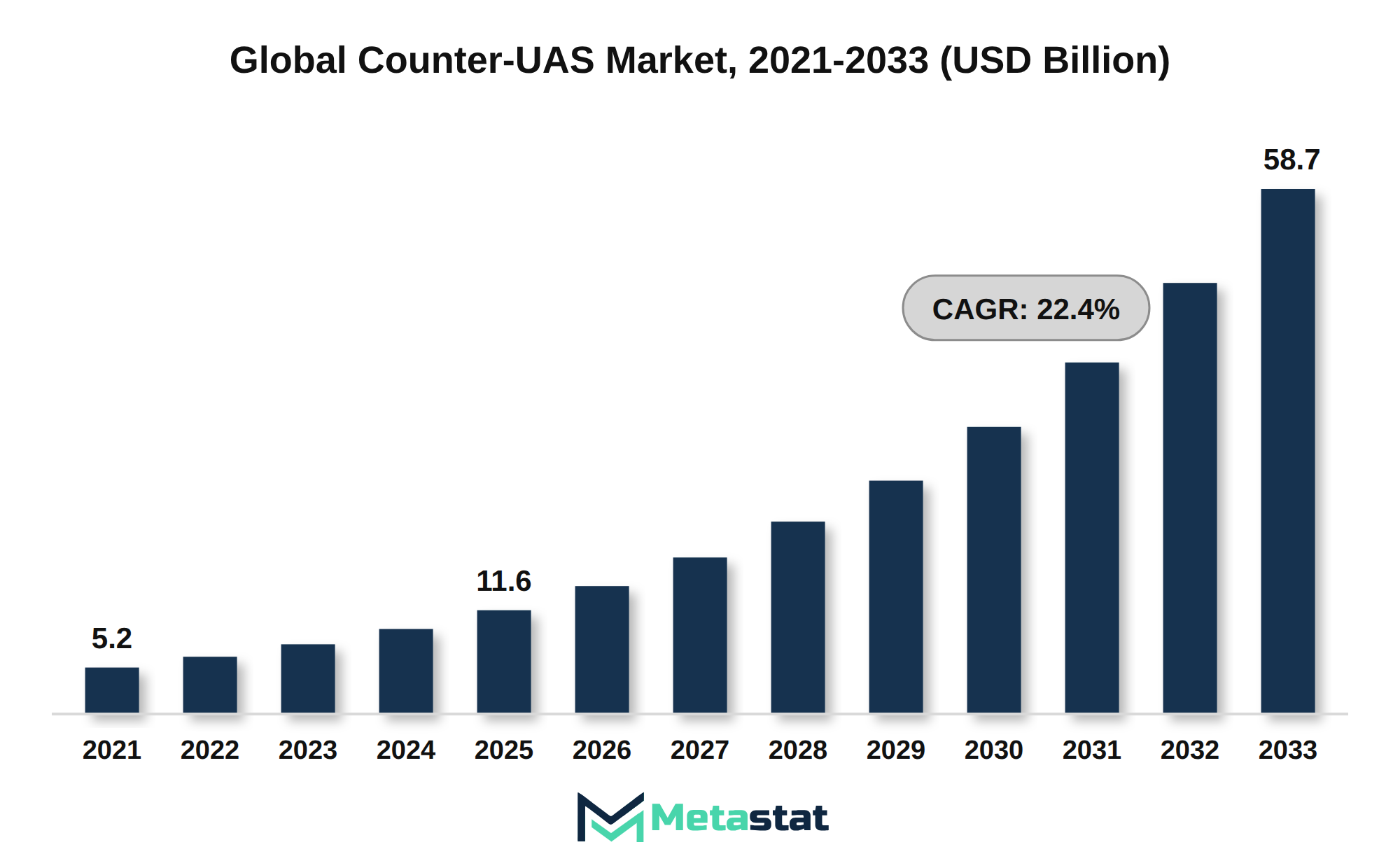
The global Counter-UAS market was valued at USD 11.6 billion in 2025 and is projected to reach USD 58.7 billion by 2033, growing at a CAGR of 22.4% over the forecast period.
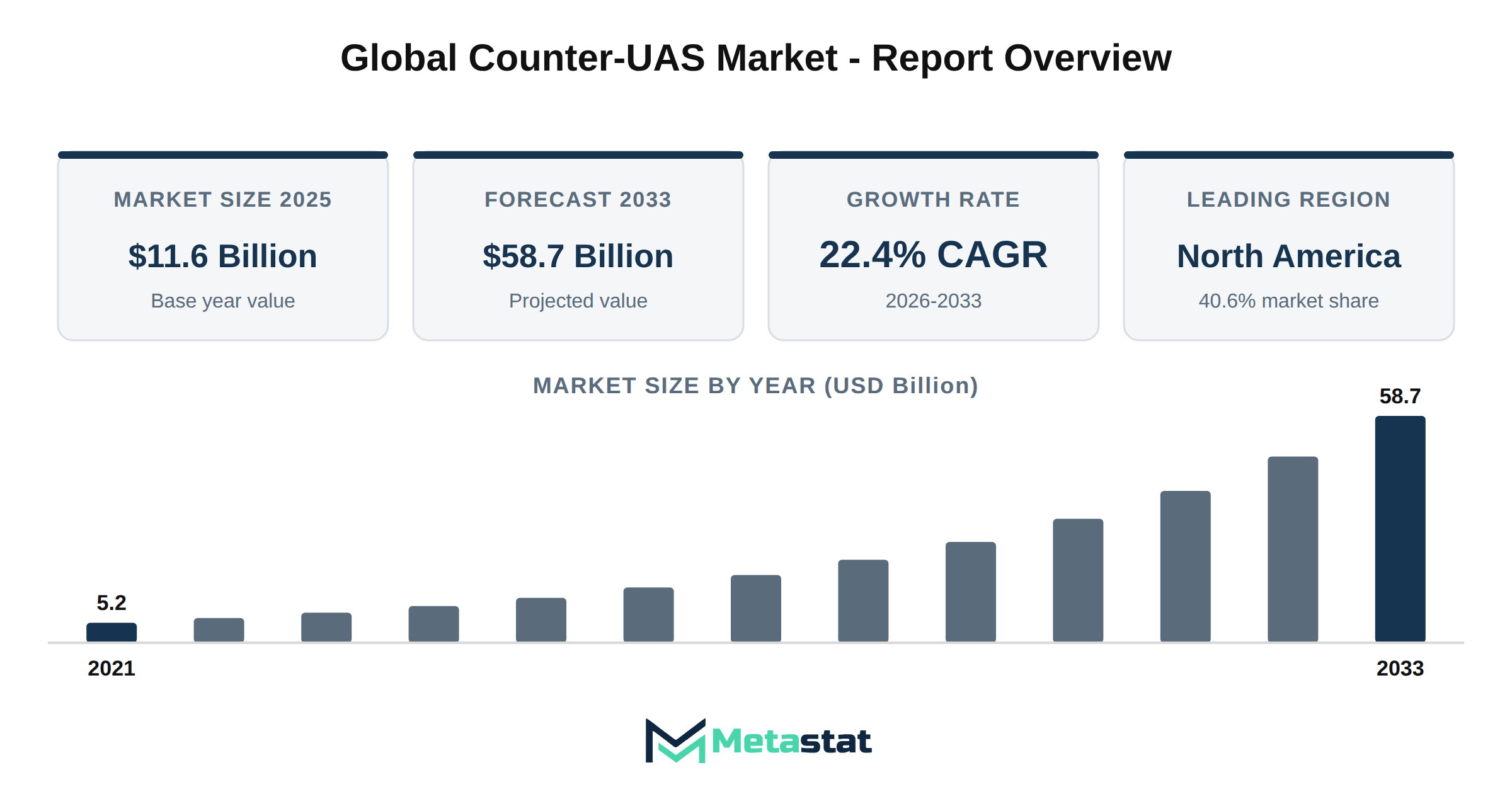
The Counter-UAS market possesses a strong growth trajectory, projected to expand from USD 11.6 billion in 2025 to USD 58.7 billion by 2033, reflecting a compound annual growth rate (CAGR) of 22.4%. The increasing prevalence of unmanned aerial systems in both civilian and military applications contributes to heightened demand for counter-drone solutions. Various sectors, including defense, homeland security, and law enforcement, significantly influence market dynamics through evolving procurement strategies and technology adoption.
Emerging threats from unauthorized drone activities necessitate innovative interception technologies and integrated counter-drone architectures. Investment in research and development (R&D) plays a crucial role in advancing next-generation counter-UAS technologies, focusing on automation and enhanced effectiveness. Numerous players operate in the competitive landscape, including established defense contractors and specialized technology firms, vying for market share through strategic partnerships and technological advancements.
Regulatory compliance and geopolitical risk frameworks shape operational strategies within the market. Organizations navigate complex regulations regarding unmanned aerial systems while addressing national security concerns. The influence of macroeconomic factors, including inflationary pressures and currency volatility, impacts capital allocation and infrastructure investment decisions within the sector.
The supply chain landscape for the Counter-UAS market continues to evolve, with logistics architecture and sourcing landscapes adapting to meet demand for advanced solutions. Fragmentation within the market creates opportunities for mergers and acquisitions, enabling companies to enhance their capabilities and broaden their reach. Strategic investment in sustainable transformation and decarbonization initiatives gains traction, reflecting a commitment to environmental considerations while addressing operational efficiencies.
The evolving nature of unmanned threat scenarios significantly influences the Counter-UAS market. Increasing incidents of drone misuse in both civilian and military domains compel stakeholders to invest in advanced detection and neutralization systems. Defence procurement trends reflect a shift towards integrating autonomous interception technologies that enhance operational efficiency and effectiveness. The market experiences a growing demand for integrated counter-drone architectures, which streamline the management of multiple countermeasures and improve response times against drone threats.
Regulatory compliance and standards play critical roles in shaping market dynamics. Governments worldwide implement regulations to address the security challenges posed by unmanned aerial systems. These frameworks influence procurement decisions and encourage manufacturers to innovate within specified guidelines, creating a more robust market environment. Geopolitical risk frameworks further complicate the landscape, prompting nations to strengthen their aerial security measures in response to emerging threats.
R&D trajectories in the sector focus on next-generation innovations that prioritize sustainability and efficiency. Development efforts increasingly emphasize decarbonization and circular economy dynamics, responding to environmental concerns while meeting the operational demands of military and civilian applications. This approach ensures that new technologies align with global sustainability goals, attracting investment and enhancing market growth potential.
The supply chain landscape and logistics architecture adapt to meet the evolving needs of the Counter-UAS market. Enhanced sourcing strategies emerge owing to manufacturers establishing partnerships with technology providers and suppliers. This collaboration encourages innovation and improves the availability of advanced solutions. Market fragmentation drives mergers and acquisitions, allowing companies to consolidate resources, expand capabilities, and enhance competitive positioning.
Capital allocation remains a focal point for stakeholders in the market. Infrastructure investments in counter-drone systems reflect the recognition of aerial threats and the necessity for robust defensive measures. CapEx and OpEx realities influence financial strategies, compelling organizations to evaluate their spending priorities amid macroeconomic headwinds, inflationary pressures, and currency volatility.
The future strategic outlook for the Counter-UAS market hinges on corporate imperatives that prioritize advanced technological solutions and market responsiveness. High-value recommendations for industry players emphasize the importance of agility in adapting to market changes and the strategic allocation of resources towards innovation and development.
Market Dynamics
Capital investment environments drive Counter-UAS growth
The Counter-UAS market experiences significant growth driven by favorable capital investment environments. Increasing venture funding and higher public-private spending power enhance the development of advanced technologies within this sector. In particular, rising GDP growth supports investment in defense and security, leading to enhanced demand for counter-unmanned aerial systems. Investment in infrastructure, including technological integration and modernization of defense capabilities, strengthens the market's growth potential.
Technological advancements in artificial intelligence and automation serve because critical drivers of market expansion. Companies actively invest in research and development to create innovative solutions that improve operational efficacy and reduce costs associated with UAS threats. Enhanced spending on security systems creates a competitive landscape, encouraging firms to diversify their offerings and adopt advanced technologies.
The increasing focus on safety and security across various sectors, coupled with the rise of urbanization and evolving consumer behaviors, drives investment in counter-UAS solutions. Governments and organizations prioritize the adoption of systems that mitigate potential risks posed by drones in urban environments. This emphasis on safety translates into extensive funding and deployment of counter-UAS technologies, further driving growth in the market.
Technological integration enhances Counter-UAS capabilities
The Counter-UAS market benefits significantly from advancements in technological integration, particularly the adoption of automation, artificial intelligence (AI), and the digitization of legacy processes. These innovations streamline operations and enhance operational effectiveness, allowing end users to respond rapidly to emerging threats posed by unmanned aerial systems (UAS). The integration of AI within detection and tracking systems enhances accuracy and situational awareness, which are critical for effective countermeasures. This technological shift gains traction among armed forces and security agencies, reflecting a broader trend toward modernization.
Digital transformation initiatives drive the market by enabling the efficient deployment of software solutions and data analytics. Several organizations prioritize real-time data processing capabilities, improving decision-making and resource allocation. The shift toward a more data-driven approach aligns with the increasing demand for effective threat mitigation strategies in various sectors, including defense and homeland security. Consequently, investments in technologically advanced counter-UAS systems generate substantial growth opportunities, enhancing market competitiveness.
Integration of advanced technologies promotes innovation-led product diversification within the market. Companies focusing on research and development create proprietary solutions that address specific customer requirements, further expanding revenue streams. Enhanced collaboration between technology providers and end users ensures that the countermeasures remain relevant against evolving threats, creating a resilient market environment. Ultimately, these technological advancements reinforce the Counter-UAS market's growth trajectory, responding effectively to the complex challenges posed by modern aerial threats.
Regulatory Compliance Hurdles Impacting Growth
The Counter-UAS market faces significant challenges stemming from regulatory compliance hurdles. Stringent legal mandates surrounding the deployment and use of counter-unmanned aerial systems limit operational flexibility and increase the complexity of adherence across multiple jurisdictions. These regulations often require extensive documentation and approval processes, creating barriers for companies seeking to enter or expand in this market.
Macroeconomic headwinds, including inflationary pressures, contribute to rising operational costs for businesses in the sector. Increased costs hinder investment in new technologies and limit the ability of companies to scale operations, thus affecting overall market growth. Supply chain disruptions experienced globally have resulted in delays and increased costs for critical components, impacting the timely delivery of Counter-UAS systems.
Geopolitical instability poses a challenge, with fluctuating political landscapes altering defense spending priorities and influencing market dynamics. Such instability creates uncertainty for investors and stakeholders, impacting their willingness to engage in long-term commitments within the market.
High capital investment requirements pose another restraint, driven by companies allocating significant resources to develop and deploy effective Counter-UAS solutions. This capital intensity deters new entrants and strains existing players, limiting competition and innovation.
Infrastructure gaps and connectivity deficits present additional obstacles, particularly in regions where technological deployment requires robust support systems. Deployment bottlenecks caused by inadequate infrastructure stifle market penetration and slow down the adoption of emerging technologies.
The Counter-UAS market experiences challenges related to skilled labor deficiencies. A limited pool of qualified professionals restricts companies' ability to innovate and implement advanced systems effectively. Talent gaps in key areas including cybersecurity and system integration exacerbate this issue, preventing firms from maximizing the potential of their offerings.
Data security vulnerabilities and privacy concerns further complicate the market landscape. The increasing scrutiny of data management practices creates hesitation among potential customers regarding the adoption of new technologies. Intellectual property theft risks present another significant concern, attributed to companies seeking to protect their innovations while navigating a competitive environment.
Lastly, market fragmentation and cultural barriers impede cohesive growth strategies. Diverse regulatory environments and varying levels of acceptance across regions complicate the standardization of Counter-UAS solutions, ultimately stifling market expansion and innovation.
Geopolitical fragmentation hinders Counter-UAS adoption
The Counter-UAS market faces significant challenges due to geopolitical fragmentation, which disrupts trade relationships and creates uncertainty in regulatory environments. This fragmentation limits access to critical technologies and components, affecting the supply chain and leading to increased costs. Countries impose tariffs on imported goods, adding financial burdens on manufacturers and consumers, which restricts market growth. Fluctuating geopolitical dynamics impact collaborative research and development efforts, complicating integrations across borders.
Technological disruptions further contribute to the challenges within the market. Rapid advancements in drone technology outpace the development of corresponding Counter-UAS solutions, creating gaps in defense capabilities. Manufacturers struggle to keep up with evolving threats, leading to an increased focus on research and development. The complexity of integrating new technologies into existing systems presents substantial hurdles, raises costs, and delays deployment timelines.
In parallel, workforce skill gaps exacerbate the challenges faced by the Counter-UAS market. A shortage of skilled professionals limits the ability of companies to innovate and adapt to changing market demands. Talent retention pressures arise due to competitive recruitment practices, hindering organizational growth. Rising input cost structures and pricing compression contribute to tightened profit margins, forcing manufacturers to optimize operations while maintaining product quality.
Environmental considerations impact the market landscape. Growing sustainability demands lead to increased scrutiny of lifecycle footprints, pushing companies to adopt greener practices. This shift requires investment in new technologies and processes, which present barriers for smaller firms. Meanwhile, infrastructure gaps create significant retrofitting challenges, complicating the implementation of Counter-UAS solutions in various environments.
Overall, the combination of geopolitical fragmentation, technological disruptions, workforce challenges, and environmental requirements creates a complex environment for the Counter-UAS market. Stakeholders navigate these obstacles to capitalize on growth opportunities while ensuring robust defense capabilities against evolving aerial threats.
Emerging regional demands drive Counter-UAS growth
The Counter-UAS market experiences notable opportunities driven by emerging regional demands, especially in areas with heightened security concerns. Countries in North America and Europe prioritize investments in counter-unmanned aerial systems to address increasing threats from unauthorized drones. This investment surge leads to the modernization of existing infrastructure, enhancing operational capabilities for defense and security agencies.
Geographical expansion plays a critical role in the market's growth, driven by regions with limited previous investment seeking advanced technologies to improve their security measures. Infrastructure modernization aligns with global trends in defense spending, resulting in improved procurement strategies that capitalize on innovative solutions tailored for specific geographic needs. This strategic adaptation promotes faster adoption of advanced counter-UAS technologies across various sectors.
Technological disruptions within the market further present substantial opportunities. The transition toward artificial intelligence, machine learning, and advanced sensor technologies enables the development of more integrated and responsive systems. This evolution supports enhancements in detection, tracking, and mitigation capabilities, leading to increased effectiveness in countering aerial threats.
Diversification into niche applications contributes to the market's expansion. Industries including homeland security, agriculture, and critical infrastructure implement counter-UAS solutions. These applications stimulate downstream growth, promoting the integration of counter-drone systems within broader operational frameworks. Strategic consolidation and cross-industry mergers enable companies to leverage complementary strengths, enhancing their market presence and driving innovation.
Changing buying behaviors reflect an ongoing digital transformation, with stakeholders increasingly turning to digital procurement methods for efficient acquisition processes. This shift enhances market accessibility, broadening participation among various buyers, including private enterprises and government agencies. Such transformations illustrate the evolving nature of market dynamics, ultimately driving growth within the Counter-UAS market.
Market Segmentation Analysis
The Global Counter-UAS market is segmented based on Component, Platform, Technology, and End User.
By Component, the market is further segmented into:
- Detection & Tracking
- C2 /Software /AI Fusion
- Soft-kill Mitigation
- Hard-kill Mitigation
- Support, Training and Managed Services
Detection & Tracking
Valued at USD 4.3 billion in 2026, the Detection & Tracking segment is projected to reach USD 15.7 billion by 2033, achieving a CAGR of 20.2% during the forecast period. Demand in this segment arises from increasing concerns over unauthorized drone activities, particularly in military and civilian environments. Enhanced surveillance and identification capabilities drive adoption among armed forces, homeland security agencies, and law enforcement organizations.
Technological advancements play a significant role in segment expansion. Integration of sophisticated detection and tracking systems enhances operational effectiveness, enabling real-time response to threats. Innovations in sensor technology, artificial intelligence, and machine learning contribute to improved accuracy and efficiency of detection systems, addressing the evolving complexity of unmanned aerial threats.
End-use dynamics heavily influence market opportunities. The growing emphasis on national security and safety drives investment in advanced detection solutions. Enhanced regulatory frameworks and compliance standards demand sophisticated tracking capabilities, particularly in urban environments where airspace becomes congested. Increased capital investment in counter-UAS technologies ensures that market participants respond to the rising threat of unauthorized drones.
Supply chain resilience remains a crucial factor in the segment, with manufacturers focusing on sourcing high-quality raw materials to meet the increasing demand for advanced detection systems. Logistical vulnerabilities arise from geopolitical tensions, necessitating reliable partnerships and distribution networks to ensure timely delivery of components. Strategic opportunity windows emerge for players offering innovative solutions that align with regulatory compliance and evolving customer needs.
The Counter-UAS market is expected to continue evolving, driven by the need for effective detection and tracking solutions. Market participants investing in next-gen upgrades and product evolution are anticipated to capture significant market share in this high-growth segment.
C2 /Software /AI Fusion
C2 /Software /AI Fusion segment is estimated to reach USD 12.4 billion by 2033, at a CAGR of 24.5% during the forecast period. Increased demand for advanced decision-making capabilities within the Counter-UAS market drives growth in this segment. Enhanced integration of artificial intelligence and machine learning in command and control systems supports the effectiveness of counter-UAS operations. The growing need for real-time data processing to mitigate aerial threats leads to significant investments in software solutions.
Technological maturation further influences the C2 /Software /AI Fusion segment. Continuous advancements in algorithms and data analytics boost the capability of systems to autonomously identify and neutralize threats. The evolving landscape of unmanned systems necessitates regular updates and next-generation upgrades, ensuring systems remain effective against emerging UAV technologies.
Demand from end-users, particularly armed forces and border protection agencies, contributes to the expansion of this segment. These entities increasingly rely on AI-driven solutions to enhance situational awareness and response times against potential threats. Regulatory compliance standards in various countries promote the adoption of sophisticated software solutions, aligning with national security initiatives.
Increased competition within the market encourages innovation in C2 /Software /AI Fusion offerings. Several players focus on developing unique software capabilities, ensuring differentiation in a crowded marketplace. Strategic opportunity windows emerge for players delivering solutions that integrate seamlessly with existing hardware platforms.
Soft-kill Mitigation
Growing concerns over drone-related threats drive demand for Soft-kill Mitigation solutions within the Counter-UAS market. These technologies employ various strategies, including electronic jamming and spoofing, to disrupt or neutralize drone operations without physical destruction. Increased investments in defense and security sectors enhance the adoption of these capabilities, particularly among armed forces and homeland security agencies. Regulatory pressures to counter unauthorized drone use further drive market growth.
Technological advancements contribute significantly to the evolution of Soft-kill Mitigation systems. Innovations in artificial intelligence and machine learning facilitate improved detection and response capabilities, enabling operators to respond more effectively to emerging threats. The segment is expected to reach USD 11.8 billion by 2033, reflecting the increasing prioritization of drone threat mitigation across various industries.
End-use dynamics play a crucial role in shaping market strategies. Armed forces emphasize the need for versatile and adaptive solutions, driving manufacturers to focus on developing advanced Soft-kill Mitigation technologies. The rise in commercial drone use across sectors including logistics and agriculture creates opportunities for integrated systems that address multiple operational scenarios. The Counter-UAS market will continue to expand owing to stakeholders recognizing the importance of effective drone threat management.
Hard-kill Mitigation
Increasing investment in defense capabilities drives demand for Hard-kill Mitigation solutions within the Counter-UAS market. Enhanced threat perceptions concerning unmanned aerial vehicles (UAVs) result in higher urgency for robust mitigation strategies. Armed forces and law enforcement agencies show rising interest in these technologies, recognizing their critical importance in safeguarding national and public security.
Technological maturation contributes to this segment's growth. Advancements in kinetic systems enable effective neutralization of threats, while rapid product evolution ensures compliance with emerging operational requirements. Manufacturers optimize their offerings to enhance effectiveness against evolving drone technologies, leading to increased market appeal.
The Hard-kill Mitigation segment is projected to grow at a CAGR of 26.5% during the forecast period. Strategic opportunity windows arise due to governments prioritizing funding for defense against drone threats. This focus on national security creates a conducive environment for investment in advanced countermeasures, further stimulating market expansion.
End-user dynamics greatly influence market trends. Armed forces, in particular, allocate substantial budgets toward enhancing aerial defense systems, emphasizing the need for effective hard-kill solutions. The escalating frequency of drone incursions in sensitive areas necessitates stronger countermeasures, driving demand across multiple sectors.
Pricing volatility remains a consideration in the market, influenced by fluctuating component costs and supply chain resilience. Manufacturers adopt strategies to mitigate these pressures by enhancing operational efficiencies. Raw material sourcing becomes a critical factor, because companies seek reliable supply chains to support production and meet increasing demand.
The growing complexity of drone threats necessitates innovative solutions, positioning Hard-kill Mitigation because a vital component of the Counter-UAS market. Through continued investment and technological advancement, this segment is poised for growth, aligning with broader defense strategies and enhancing security capabilities worldwide.
Support, Training and Managed Services
Demand for Support, Training and Managed Services arises from the increasing complexity of Counter-UAS systems. Organizations face a pressing enhance operational capabilities to effectively manage unmanned aerial threats. Training programs and managed services provide critical knowledge transfer and operational support, increasing users’ effectiveness in employing various Counter-UAS technologies.
The expansion of this segment correlates with rising investments in advanced training solutions and the integration of sophisticated software tools. Organizations aiming to optimize Counter-UAS strategies benefit from access to specialized training that addresses changing threat landscapes and technology updates. The demand for tailored support services grows due to organizations seeking to ensure compliance with evolving regulations and operational standards.
Technological maturation of Counter-UAS solutions creates opportunities for next-generation upgrades in support and training services. Providers focus on offering innovative, adaptive training modules and managed services that align with the latest system capabilities. This alignment enhances users' confidence and efficacy in deploying Counter-UAS technologies in real-world scenarios.
End-use dynamics reflect an increasing reliance on specialized support and training services across various industries, particularly within armed forces and security agencies. These groups prioritize effective operational readiness, which directly influences procurement decisions regarding Counter-UAS systems and associated services. Investment in training and support emerges because a key strategic focus to enhance defense readiness and operational effectiveness.
Pricing volatility remains a factor within the Support, Training and Managed Services segment, driven by demand fluctuations based on technological advancements and regulatory changes. Organizations seek to balance cost structures while investing in necessary training and support to maintain a competitive edge in the Counter-UAS market. This balancing act shapes the strategic investment outlook, encouraging firms to explore innovative service models that ensure sustainable operational success.
By Platform, the market is further segmented into:
- Fixed
- Mobile & Vehicle-mounted
- Portable
- Naval/Maritime
Fixed
Valued at USD 6.3 billion in 2026, the Fixed segment is projected to reach USD 23 billion by 2033, reflecting a compound annual growth rate (CAGR) of 20.4% during the forecast period. Primary demand drivers for this segment stem from the increasing deployment of fixed installations in military and security operations, driven by the need for enhanced surveillance and protection against drone threats. The growing sophistication of unmanned aerial systems necessitates advanced detection and mitigation strategies, prompting investments in fixed counter-UAS solutions.
Technological maturation supports segment expansion, with advancements in radar, electro-optical systems, and integrated sensor networks enhancing fixed counter-UAS capabilities. Next-generation upgrades enable improved response times and target accuracy, further driving adoption among armed forces and security agencies. The evolution of these products aligns with the strategic need for robust airspace protection, especially in critical infrastructures including airports and government facilities.
End-use dynamics reflect a shift toward proactive defense measures, with armed forces prioritizing fixed solutions to secure airspace. Regulatory compliance standards push organizations to adopt advanced counter-UAS technologies to ensure safety and security in increasingly crowded air environments. Cost structures associated with fixed installations indicate potential for higher initial investments but promise long-term operational savings through reduced risk and increased efficiency.
The competitive landscape of the Counter-UAS market involves key players focusing on strategic partnerships and technological innovation to capture market share. Ongoing investments in research and development support new product introductions that meet evolving security demands. The anticipated growth in this segment signifies a critical opportunity for industry participants to enhance their offerings and expand their market presence.
Mobile & Vehicle-mounted
Mobile & Vehicle-mounted solutions within the Counter-UAS market play a crucial role in enhancing the defense capabilities of various end users. This segment is estimated to reach USD 18.1 billion by 2033, at a CAGR of 24.2% during the forecast period. Swift adoption of mobile systems stems from their ability to offer flexibility and rapid deployment in dynamic operational environments. Increasing demand from armed forces and law enforcement agencies highlights the criticality of these systems, which provide effective responses to evolving drone threats.
Technological advancements significantly impact the Mobile & Vehicle-mounted segment, particularly in integrating next-generation systems that enhance detection, tracking, and mitigation capabilities. Innovations in mobile platforms facilitate easier upgrades and adaptations to counter diverse aerial threats. Improvements in AI and software integration lead to more efficient command and control operations. These developments contribute to a growing market presence and drive competition among suppliers.
Regulatory compliance and standards continue to shape the market, influencing the deployment of Mobile & Vehicle-mounted systems. Governments globally establish frameworks to ensure the safe and effective use of counter-UAS technologies, creating an environment conducive to investment in advanced solutions. Cost structures for these technologies vary, but efficiencies gained through competitive pricing strategies enhance accessibility for various end users.
Significant opportunities for growth exist within emerging markets, where the integration of mobile defense systems aligns with increasing security concerns. The consumption shift toward more versatile and responsive defense solutions positions the Mobile & Vehicle-mounted segment favorably for expansion. Heightened awareness of drone threats across different sectors further supports demand for these innovative countermeasures, ensuring sustained growth within the broader Counter-UAS market.
Portable
Growing threats from unauthorized drones drive the demand for Portable Counter-UAS solutions. These systems deliver crucial capabilities for rapid deployment in various environments, appealing to military and civil applications. Increasing situational awareness becomes critical; Portable systems offer a tactical advantage by enabling immediate response to drone incursions, enhancing safety and security across multiple sectors. Heightened interest in these technologies arises from increasing incidents of drone-related disruptions, prompting investment from governments and private sectors.
The Portable segment is expected to reach USD 11.2 billion by 2033. Significant advancements in miniaturization and battery life allow these systems to operate effectively while maintaining mobility. The evolution of portable systems includes features including compact designs and advanced sensor integration, improving detection and tracking capabilities. End users, including armed forces and law enforcement agencies, recognize the value of these solutions in dynamic scenarios where traditional systems lack flexibility.
Regulatory pressures surrounding unmanned aerial vehicles influence the Portable segment's growth trajectory. Compliance with emerging regulations regarding drone operations necessitates reliable mitigation solutions. The market benefits from strategic partnerships and collaborations between technology providers and end users, resulting in enhanced offerings tailored to specific operational requirements. Continued investment in R&D drives innovation and positions the segment favorably within the broader Counter-UAS market.
Naval/Maritime
Naval and maritime operations depend increasingly on advanced technologies to neutralize drone threats, driving demand for Counter-UAS systems. This segment is projected to grow at a CAGR of 23.5% during the forecast period, reflecting heightened investment in defense measures across various naval applications. The convergence of rising maritime security threats and technological advancements increases the adoption of sophisticated anti-drone systems capable of operating in complex environments, enhancing operational efficiency and safety for naval forces.
Investment in innovative technologies, including laser systems and radio frequency systems, enhances the capabilities of naval platforms to detect, track, and mitigate drone incursions. The growing focus on enhancing maritime situational awareness and protecting critical assets leads to an influx of projects aimed at upgrading existing naval fleets with integrated Counter-UAS solutions. These trends indicate robust opportunities for suppliers to engage with military and defense agencies seeking next-generation upgrades.
Strategic partnerships and collaborations among key stakeholders in the naval sector are essential for maintaining a competitive edge. Several companies are expanding their product portfolios through acquisitions and research and development, aiming to deliver solutions that cater specifically to the unique challenges faced by naval and maritime operations. While the market evolves, players prioritizing technological innovation and customer-centric approaches are likely to secure a favorable position in the Counter-UAS market.
By Technology, the market is further segmented into:
- Laser Systems
- Radio Frequency Systems
- Kinetic Systems
- Cyber Systems
- Electromagnetic Systems
Laser Systems
Growing investments in advanced military technology drive demand for laser systems in the Counter-UAS market. Laser systems, valued at USD 1.6 billion in 2026, are projected to reach USD 8.8 billion by 2033, at a CAGR of 27.3% during the forecast period. Enhanced precision and reduced collateral damage associated with laser systems support their adoption across various defense applications.
Technological maturation of laser systems enables more effective drone neutralization strategies, contributing to the overall growth of the segment. The capability to engage multiple targets rapidly enhances operational efficiency for armed forces and security agencies. Continuous advancements in laser technology drive product evolution, addressing the evolving nature of drone threats.
Regulatory compliance standards increasingly emphasize the need for less destructive countermeasures, positioning laser systems because a favorable option for defense and security applications. The market's expansion is influenced by shifting consumption patterns, with end-users recognizing the benefits of laser systems over traditional methods, including kinetic systems.
Strategic opportunity windows arise from ongoing capital investments in counter-drone technologies, allowing companies to innovate within the laser systems segment. The demand for effective solutions against unauthorized drone operations highlights the importance of laser systems in the current security landscape. With evolving threats, the Counter-UAS market reflects a strong trajectory for laser systems, creating a dynamic environment for further investment and development.
Radio Frequency Systems
Increasing reliance on Radio Frequency Systems within the Counter-UAS market stems from the growing necessity for effective countermeasures against drone threats. This segment is estimated to reach USD 18.1 billion by 2033, at a CAGR of 19.2% during the forecast period. Advancements in technology have propelled demand, with enhanced capabilities ensuring more robust detection and tracking of unauthorized drones. The increasing sophistication of drones and evolving security threats drive significant investments in this area. The proliferation of drone usage across various sectors, including defense, law enforcement, and critical infrastructure, fuels growth in this segment.
Adoption rates continue to rise due to advancements in radio frequency technology, which provide better performance and reliability compared to previous alternatives. The market benefits from an expanding customer base, including military organizations and governmental agencies focused on enhancing security measures. Continuous upgrades in Radio Frequency Systems ensure that users maintain a technological edge against emerging threats, encouraging further investment and development within the market. Heightened regulatory scrutiny around airspace security and drone operations supports ongoing growth, reinforcing the importance of effective counter-UAS solutions.
Kinetic Systems
Increasing focus on countering drone threats significantly drives demand for Kinetic Systems within the Counter-UAS market. These systems offer kinetic solutions to neutralize drones effectively, aligning with rising concerns regarding security and safety across various sectors. The ongoing evolution of drone technology necessitates advanced countermeasures, propelling investment in Kinetic Systems.
Technological maturation within this segment enhances system capabilities, leading to improved performance and efficiency. This evolution facilitates integration with existing military and security frameworks, ensuring effective operation alongside other defense systems. Anticipated market expansion is evident, supported by projected growth in demand from armed forces seeking advanced defense solutions.
Regulatory compliance further influences market dynamics, with governments setting stringent guidelines for drone operations. Kinetic Systems, designed to meet these regulations, provide viable solutions for defense agencies and law enforcement. The segment is expected to reach USD 14.7 billion by 2033, reflecting substantial investment and strategic focus on enhancing national security.
End-user dynamics indicate a shift toward embracing advanced Kinetic Systems for both military and civil applications. The increasing prevalence of unauthorized drone activity across critical infrastructure highlights the necessity for robust countermeasures. Consequently, investment in Kinetic Systems addresses these threats effectively, reinforcing their significance in the broader Counter-UAS market.
Cyber Systems
Heightened emphasis on cybersecurity within military and civilian domains drives significant investment in Cyber Systems for the Counter-UAS market. Increasingly sophisticated drone technology necessitates advanced responses, creating demand for solutions that effectively mitigate risks associated with unauthorized UAV operations. The projected growth rate of 24.8% CAGR during the forecast period highlights the rising importance of this segment in countering evolving threats.
Technological maturation of Cyber Systems facilitates the development of innovative products that enhance situational awareness and operational effectiveness. Integration of artificial intelligence and machine learning enhances the capabilities of these systems, enabling proactive measures against potential drone incursions. End-user dynamics reflect a growing recognition of the necessity for robust cybersecurity measures, particularly among armed forces and homeland security agencies.
Regulatory compliance standards and certifications regarding drone operations increase the urgency for effective countermeasures in various sectors. Organizations are allocating capital to upgrade their Cyber Systems, driven by a need for enhanced protection against potential vulnerabilities. This strategic investment trend within the market reinforces the anticipated expansion of Cyber Systems, contributing to overall growth expectations.
Electromagnetic Systems
Technological advancements in Electromagnetic Systems enhance counter-drone capabilities, enabling a proactive response to drone threats across various sectors. The increased demand stems from the secure airspace, particularly in urban environments and critical infrastructures, where unauthorized drones pose significant risks. Military and law enforcement agencies prioritize these systems to ensure operational safety and maintain security. Regulatory compliance standards related to airspace management further drive the integration of these technologies, especially in regions facing escalating drone activity.
Adoption of Electromagnetic Systems benefits from technological maturation, leading to improved efficacy and reliability in countering drone threats. Continuous product evolution ensures that systems remain versatile and adaptable to changing operational requirements. End-use dynamics indicate a trend towards collaborative approaches, with agencies seeking integrated solutions that combine various counter-UAS technologies for comprehensive protection.
Strategic opportunity windows arise within the market owing to various stakeholders looking to capitalize on innovations, prompting capital investments in advanced electromagnetic solutions. This influx of funding aids in overcoming any associated cost structures and pricing volatility challenges, positioning organizations for enhanced competitive advantage. The ongoing focus on upgrading existing systems aligns with the shift towards next-generation technologies, ensuring comprehensive coverage against evolving threats.
By End User, the market is further segmented into:
- Armed Forces
- Homeland Security & Border Protection Agencies
- Law Enforcement Agencies
- Airport & Civil Aviation Authorities
- Energy & Critical Infrastructure Operators
- Correctional Authorities
- Commercial & Industrial Enterprises
- Others (Government Facilities and VIP Security)
Armed Forces
Valued at USD 7.3 billion in 2026, the Armed Forces segment is projected to reach USD 28.6 billion by 2033, at a CAGR of 21.5% during the forecast period. Investment in advanced military technologies fuels demand for countermeasures against drone threats, which has increasingly become a priority for defense sectors globally. The escalation of drone usage in both reconnaissance and offensive operations necessitates enhanced capabilities for detection, tracking, and neutralizing unmanned aerial threats.
Technological maturation in the Counter-UAS market leads to the development of sophisticated systems that integrate detection, tracking, and mitigation functionalities. Armed forces worldwide actively seek next-generation solutions to counter evolving threats, driving the evolution of products to ensure operational readiness. This ongoing evolution aligns with the need for interoperability across various platforms, enhancing overall defense capabilities.
Regulatory compliance standards increasingly shape procurement strategies, requiring armed forces to adhere to both national and international guidelines. This compliance influences the selection of technologies that meet stringent operational criteria, shaping the overall landscape of the market. Strategic windows of opportunity emerge due to expanding defense budgets, allowing for capital investments in state-of-the-art counter-UAS solutions.
Consumption shifts within military operations reflect a growing inclination toward integrated systems that offer comprehensive solutions for drone threat mitigation. The market's expansion reflects investment in both hardware and software solutions, enhancing the effectiveness of armed forces in addressing emerging challenges. Overall, the segment's growth trajectory highlights the critical role of advanced technologies in maintaining national security and operational superiority.
Homeland Security & Border Protection Agencies
Increasing focus on national security and border integrity fuels demand for solutions addressing threats posed by unauthorized drones. This segment benefits from the growing necessity for advanced surveillance and detection technologies among agencies tasked with homeland security and border protection. Innovations in detection systems, coupled with improvements in tracking capabilities, drive enhancements in operational efficiency and effectiveness. Regulatory compliance standards push agencies to adopt sophisticated counter-drone solutions aimed at ensuring public safety and national security.
Investment in next-generation technologies, including artificial intelligence and data fusion, supports the evolution of effective counter-drone strategies. The Homeland Security & Border Protection Agencies segment is estimated to reach USD 7.7 billion by 2033, at a CAGR of 23.5% during the forecast period. This growth indicates a strong response to the rising incidence of drone-related threats, necessitating a shift toward comprehensive counter-UAS solutions across the market.
Collaborations between technology providers and governmental entities enhance the development of tailored solutions that meet specific regulatory and operational requirements. The strategic opportunity window for investment in this sector expands owing to agencies seeking to improve their capabilities in countering evolving drone threats. The market continues to evolve to address shifting consumption patterns and emerging security challenges, reinforcing the critical role of advanced counter-UAS technologies.
Law Enforcement Agencies
Demand for Counter-UAS solutions among Law Enforcement Agencies arises from heightened security concerns surrounding drone activities in urban environments. These agencies face challenges from unauthorized and potentially harmful drone operations, necessitating advanced countermeasures. With the growth of urban air mobility and the integration of drones into various sectors, law enforcement recognizes the need for effective solutions to neutralize threats posed by rogue drones.
Valued at USD 5 billion by 2033, this segment reflects significant investment in technology that enhances operational efficiency. Law enforcement agencies prioritize systems that integrate detection, tracking, and mitigation capabilities, driving interest in comprehensive solutions. The development of next-generation upgrades, particularly in software and AI, supports enhanced situational awareness. This improvement enables agencies to respond effectively to threats.
Regulatory compliance influences the adoption of Counter-UAS technologies, prompting agencies to align with evolving standards for drone operations. This alignment ensures that solutions address immediate security needs while adhering to public safety and privacy concerns. Market dynamics prompt agencies to seek innovative approaches that incorporate advanced technology while maintaining compliance with regulations.
Investment in this segment signifies a commitment to public safety and a proactive stance against emerging threats. Law enforcement agencies evaluate cost structures and pricing volatility to ensure that solutions remain sustainable while effectively addressing operational challenges. The continuous evolution of counter-drone capabilities emphasizes the importance of strategic partnerships to enhance technological maturity and expand market offerings.
Airport & Civil Aviation Authorities
Significant growth in the Airport & Civil Aviation Authorities segment is projected, with an anticipated CAGR of 21.5% during the forecast period. Heightened concerns regarding drone safety and security at airports drive increased adoption of Counter-UAS solutions within this segment. Regulatory compliance standards require effective measures to mitigate the risks posed by unauthorized drones, prompting authorities to invest in advanced detection and tracking technologies.
Strategic opportunity windows emerge due to airports seeking to modernize their security infrastructures. Integration of innovative technologies including AI-driven analytics and advanced sensor systems enhances operational efficiency and threat response capabilities. The evolution of the Counter-UAS market reflects a shift towards comprehensive solutions that address both security and operational requirements within the civil aviation sector.
Increased focus on public safety within the civil aviation domain correlates with rising investments in Counter-UAS technology. Stakeholders prioritize solutions that ensure a secure environment for passengers and airport personnel, influencing purchasing decisions. The growth trajectory of the Airport & Civil Aviation Authorities segment aligns with broader trends in the Counter-UAS market, emphasizing the critical need for robust security measures in aviation.
Energy & Critical Infrastructure Operators
Focus on Energy and Critical Infrastructure Operators creates a robust opportunity within the Counter-UAS market. Increasing concerns regarding drone-related threats to critical infrastructure necessitate the implementation of effective countermeasures to protect energy facilities and other vital assets. This heightened focus drives demand for advanced detection, tracking, and mitigation solutions within the sector.
Regulatory compliance standards influence demand, with agencies emphasizing the need for protective measures against unauthorized drone activities. Energy operators implement Counter-UAS technologies to align with these regulations, ensuring safety and security across their operations. Technological maturation enhances operational efficiencies and response capabilities, with advancements in C2, Software, and AI Fusion systems supporting these efforts.
Investment in next-generation upgrades becomes critical for energy operators to safeguard their infrastructure against evolving threats. The ongoing evolution of products within the market leads to enhanced performance and adaptability in counter-drone systems, addressing various operational requirements. The strategic opportunity window for investment continues to expand, allowing operators to strengthen their defenses against potential drone incursions.
Energy and Critical Infrastructure Operators face consumption shifts driven by the increasing integration of automated systems and intelligence into their operations. This shift leads to greater reliance on advanced monitoring and response mechanisms, promoting the adoption of innovative Counter-UAS solutions. Overall, the combination of regulatory pressures, technological advancements, and evolving threat dynamics creates a compelling environment for investment in the Counter-UAS market.
Correctional Authorities
Security concerns regarding drone use within correctional facilities drive the demand for Counter-UAS technologies. The increasing incidence of drone-related security breaches prompts these authorities to seek effective countermeasures. Enhanced surveillance and monitoring capabilities form a critical part of operational strategies aimed at maintaining safety and security in correctional environments.
Technological advancements enable more effective detection and tracking of unauthorized drones, significantly improving response strategies. The evolution of counter-drone solutions incorporates next-generation upgrades that enhance operational efficiency and reliability. These upgrades align with the growing need for comprehensive security measures in facilities that manage sensitive populations.
Regulatory compliance significantly shapes the adoption of Counter-UAS solutions among correctional authorities. Stricter policies regarding unauthorized drone use necessitate the implementation of advanced countermeasures to ensure adherence to safety standards. This environment of heightened regulation influences budget allocation and capital investment in new technologies.
Strategic opportunity windows arise from correctional facilities recognizing the potential impact of effective drone management on overall safety and operational efficiency. The need for innovative solutions drives partnerships with technology providers, leading to product evolution that enhances system capabilities. This collaborative approach supports long-term growth and resilience within the market.
Cost structures associated with Counter-UAS technologies vary significantly based on technological sophistication and integration complexity. Pricing volatility impacts budgetary considerations for correctional authorities, necessitating careful evaluation of available solutions. The strategic prioritization of security investments ensures that facilities remain equipped to address emerging threats effectively.
Commercial & Industrial Enterprises
Growing awareness of drone-related risks among Commercial & Industrial Enterprises drives adoption of Counter-UAS solutions. This sector experiences heightened interest in protective measures against unauthorized drone incursions, particularly in sensitive environments including corporate campuses and infrastructure sites. The necessity for enhanced security protocols strengthens the demand for effective counter-drone technologies.
Technological maturation facilitates the acceptance of advanced systems within the market, with enterprises increasingly integrating Counter-UAS solutions into their existing security frameworks. The evolution of product offerings, including both hardware and software components, enhances appeal to organizations seeking comprehensive protection strategies. Next-gen upgrades enhance functionality, enabling these enterprises to counter evolving drone threats with agility and precision.
Downstream applications of Counter-UAS technologies span various sectors, including logistics, energy, and critical infrastructure protection. The diversification of use cases expands growth opportunities, prompting enterprises to invest in tailored solutions that address specific operational vulnerabilities. The regulatory landscape surrounding drone operations continues to evolve, creating a greater emphasis on compliance standards and operational certifications, which influence purchasing decisions and product development in the market.
Cost structures and pricing volatility remain critical considerations for Commercial & Industrial Enterprises. Organizations navigate the balance between investing in effective Counter-UAS capabilities and maintaining operational budgets. Strategic opportunity windows arise for suppliers that offer cost-effective solutions without compromising quality.
Supply chain resilience, attributed to raw material sourcing and logistics vulnerabilities, becomes increasingly important in mitigating risks associated with technological obsolescence. Firms in this segment recognize the need for adaptability in their procurement strategies, ensuring that they remain competitive amid changing market dynamics. The integration of disruptive alternatives into existing security frameworks represents a significant opportunity for growth, because firms leverage new technologies to enhance their capabilities.
The Counter-UAS market demonstrates substantial potential for expansion driven by these factors. With heightened awareness, increasing regulatory scrutiny, and the demand for advanced security solutions, the sector is positioned for growth because enterprises continue to prioritize safety and security in their operations.
Others (Government Facilities and VIP Security)
Demand for Counter-UAS solutions in the Others (Government Facilities and VIP Security) segment arises from increasing security threats associated with unauthorized drone activities. Government facilities and VIP security operations prioritize the protection of sensitive areas and individuals from drone-related intrusions. The growing necessity for effective surveillance and mitigation systems drives investments in advanced counter-drone technologies.
Strategic initiatives focus on enhancing safety protocols within governmental institutions, creating opportunities for market expansion. Regulatory compliance standards regarding airspace security contribute to the demand for sophisticated Counter-UAS systems. Ensuring operational integrity within high-profile environments influences the adoption of advanced countermeasures, reinforcing the need for robust solutions.
Technological maturation facilitates the integration of next-gen upgrades within existing security frameworks. Product evolution in the market emphasizes the development of multifunctional systems capable of addressing diverse threats. This evolution reinforces the importance of having adaptable solutions that align with the dynamic nature of security requirements, supporting long-term market growth.
End-use dynamics highlight the necessity for tailored counter-UAS solutions that address specific vulnerabilities faced by government facilities. Consumption shifts reflect a growing acceptance of innovative technologies designed to enhance operational effectiveness. Strategic investment outlooks indicate a commitment to safeguarding critical infrastructure and high-value assets, expanding the addressable market.
Market participants demonstrate resilience through the optimization of supply chain processes and raw material sourcing strategies. Addressing potential substitution risks with disruptive alternatives remains crucial for maintaining competitive advantages. The ability to adapt to technological advancements positions stakeholders favorably within the evolving security framework, enhancing their market position.
By Region
Based on geography, the Global Counter-UAS market is divided into North America, Europe, Asia-Pacific, South America, Middle East, and Africa.
North America
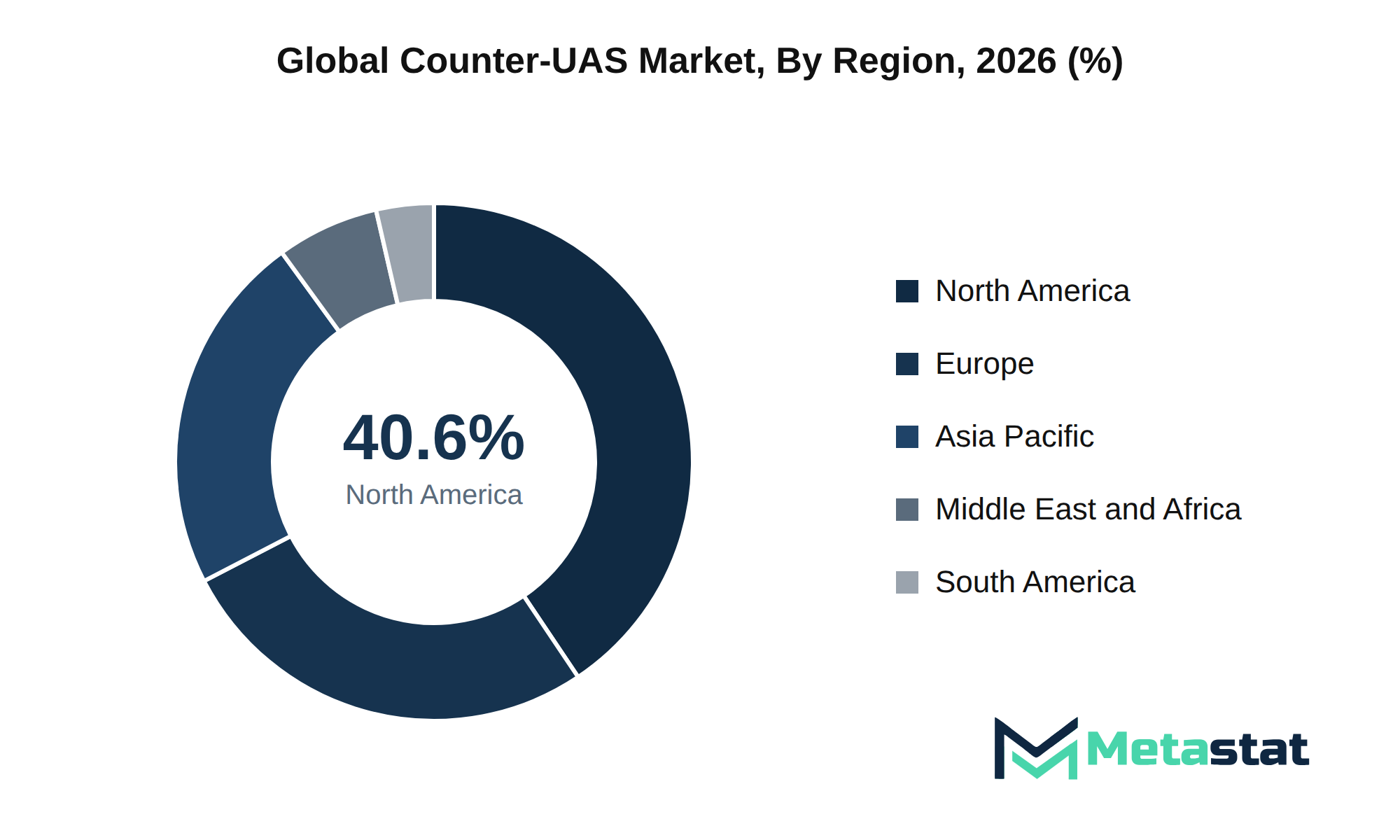
North America holds a substantial share of the global Counter-UAS market, accounting for 40.6% in 2025. This region benefits from a robust defense infrastructure and heightened concerns regarding drone-related threats, driving substantial investments in counter-drone technology. The presence of advanced military capabilities and sophisticated research and development facilities enhances innovation, particularly within the Armed Forces and Homeland Security sectors. Increasing regulatory support enhances adoption rates, driven by government agencies prioritizing security measures to protect critical infrastructure.
The Counter-UAS market in North America is set to expand at a CAGR of 22.4% within the forecast period, reaching a market size of USD 21.7 billion by the end of 2033. This growth results from a combination of factors, including increased government spending on defense and security, which stimulates demand across various end-user segments. The Armed Forces segment is anticipated to significantly contribute to this growth, driven by the need for advanced technologies to counter emerging aerial threats.
Geopolitical tension and cross-border trade dynamics further impact the market landscape. Increasing focus on localized manufacturing and nearshoring initiatives supports regional supply chains and enhances the responsiveness of the Counter-UAS market to emerging threats. Domestic market participants, including Octava Defence and Rafael Advanced Defense Systems, strengthen their positions through strategic partnerships and collaborations, leading to a more competitive environment.
Overall, North America exhibits a mature market with significant opportunities for growth through technological advancements and evolving regulatory frameworks. The combination of high-value replacement cycles and an increasing emphasis on energy grid resilience ensures a strong demand trajectory in the coming years.
Europe
In Europe, the Counter-UAS market benefits from a complex set of regional dynamics and strategic priorities. Countries including Germany, France, and the UK invest heavily in advanced defense technologies, positioning their armed forces to counter evolving aerial threats. This focus arises from increasing security challenges and the need for enhanced surveillance capabilities.
Infrastructure modernization across Europe supports the deployment of sophisticated Counter-UAS systems. Nations prioritize the integration of these technologies into existing defense frameworks, enabling a smooth transition into next-generation capabilities. This trend is evident in the ongoing expansion of military procurement programs and the establishment of partnerships with industry participants.
Emerging market front-runners within the region, including Italy and Spain, recognize the importance of localized manufacturing densities. Investments in domestic production not only strengthen supply chain resilience but enhance operational readiness. While geopolitical tensions escalate, these countries aim to secure their airspace through robust Counter-UAS solutions.
Russia's strategic initiatives highlight the importance of regional competitive factors in shaping market dynamics. Domestic players seek to enhance their offerings by focusing on advanced technologies, addressing specific security needs, and competing with established vendors. This competition encourages innovation and drives incremental growth within the market.
Regional resource availability and energy grid resiliency further influence the adoption of Counter-UAS technologies. Countries prioritize investments in infrastructure that support the effective deployment of these systems, ensuring that military and civilian entities leverage them effectively. The result is a more agile response to emerging threats and a stronger overall defense posture.
Asia-Pacific
The Counter-UAS market experiences substantial momentum in the Asia-Pacific region due to increasing defense budgets and national security concerns. Countries including China, Japan, India, and South Korea invest significantly in military modernization, enhancing capabilities in counter-drone technologies. Infrastructure modernization across urban areas drives demand for advanced detection and mitigation systems.
Emerging market front-runners exhibit a heightened focus on developing localized manufacturing capabilities, reducing dependency on external supply chains. Southeast Asia presents underpenetrated territories that provide unique growth opportunities for vendors. The region's diverse regulatory frameworks and local compliance mandates necessitate that suppliers adapt their offerings to meet specific market requirements.
Domestic market participants in China and India engage in competitive strategies to capture market share, leading to vendor consolidation trends. Cultural nuances and regional B2B buying behaviors influence procurement dynamics, encouraging partnerships and collaborations among local firms. Energy grid resiliency and local infrastructure readiness enhance the viability of implementing counter-UAS systems.
Geopolitical fragmentation influences the supply chain, prompting nearshoring initiatives that encourage localized manufacturing densities. The market is projected to experience continued growth driven by strategic entry barriers and foreign direct investment flows, providing avenues for geographic expansion. Cross-border trade corridors further facilitate the movement of technologies, allowing for a more integrated approach to addressing drone threats across the region.
South America
The Counter-UAS market in South America, comprising Brazil, Argentina, and the Rest of South America, represents a smaller share of the global landscape, with a projected contribution of 3.6% in 2025. The region experiences increasing interest in counter-drone initiatives driven by rising concerns over unauthorized drone activities in urban and rural environments.
Growing investment in defense and security measures among South American governments drives market expansion. Countries like Brazil and Argentina focus on updating their military capabilities and enhancing homeland security protocols. These developments enable the adoption of Counter-UAS systems across various sectors, including armed forces and border protection agencies.
Infrastructure modernization efforts across the region create opportunities for localized manufacturing and procurement of Counter-UAS technologies. These initiatives strengthen domestic supply chains while promoting regional vendor consolidation. The market shows potential for growth owing to existing players and new entrants focusing on tailored solutions that address local needs.
While competition increases, domestic market participants will likely emerge, driven by demand for customized solutions that align with regional regulations and compliance standards. This dynamic encourages innovation and strategic collaborations among vendors, enhancing overall market conditions.
Regional resource availability, particularly in Brazil, supports the development of Counter-UAS technologies, which aligns with global trends toward energy security and resilience. Effective cross-border trade corridors facilitate the movement of these technologies, allowing for a competitive edge in addressing local security challenges.
Middle East and Africa
The Counter-UAS market in the Middle East and Africa is characterized by a combination of security concerns and growing investments in defense capabilities. Nations including Saudi Arabia and the UAE prioritize modernizing their military capabilities, leading to increased demand for advanced Counter-UAS solutions. South Africa, while facing different security dynamics, displays a rising necessity for effective drone mitigation strategies within urban and rural contexts.
Investment in infrastructure modernization across the region enhances the operational readiness of defense systems. Government initiatives focused on protecting critical infrastructure from evolving drone threats significantly influence market growth. Local compliance mandates and regulatory frameworks drive the adoption of Counter-UAS technologies, ensuring alignment with national security objectives.
Emerging market front-runners, particularly in Saudi Arabia and the UAE, leverage foreign direct investment and partnerships with international defense firms to enhance their local manufacturing capabilities. These strategic moves support the expansion of localized procurement dynamics that align with the region's security requirements.
The Counter-UAS market benefits from heightened awareness of drone-related threats across various sectors, including defense and homeland security agencies. Regional competitive landscapes include a range of domestic market participants that actively pursue vendor consolidation trends, enhancing market resilience against potential supply chain disruptions.
Overall, the market in the Middle East and Africa demonstrates significant growth potential, driven by strategic entry barriers and an emphasis on localized manufacturing densities. While investment continues to flow into defense sectors, the demand for effective Counter-UAS solutions is expected to increase, shaping the region's security landscape.
Competitive Landscape and Strategic Insights
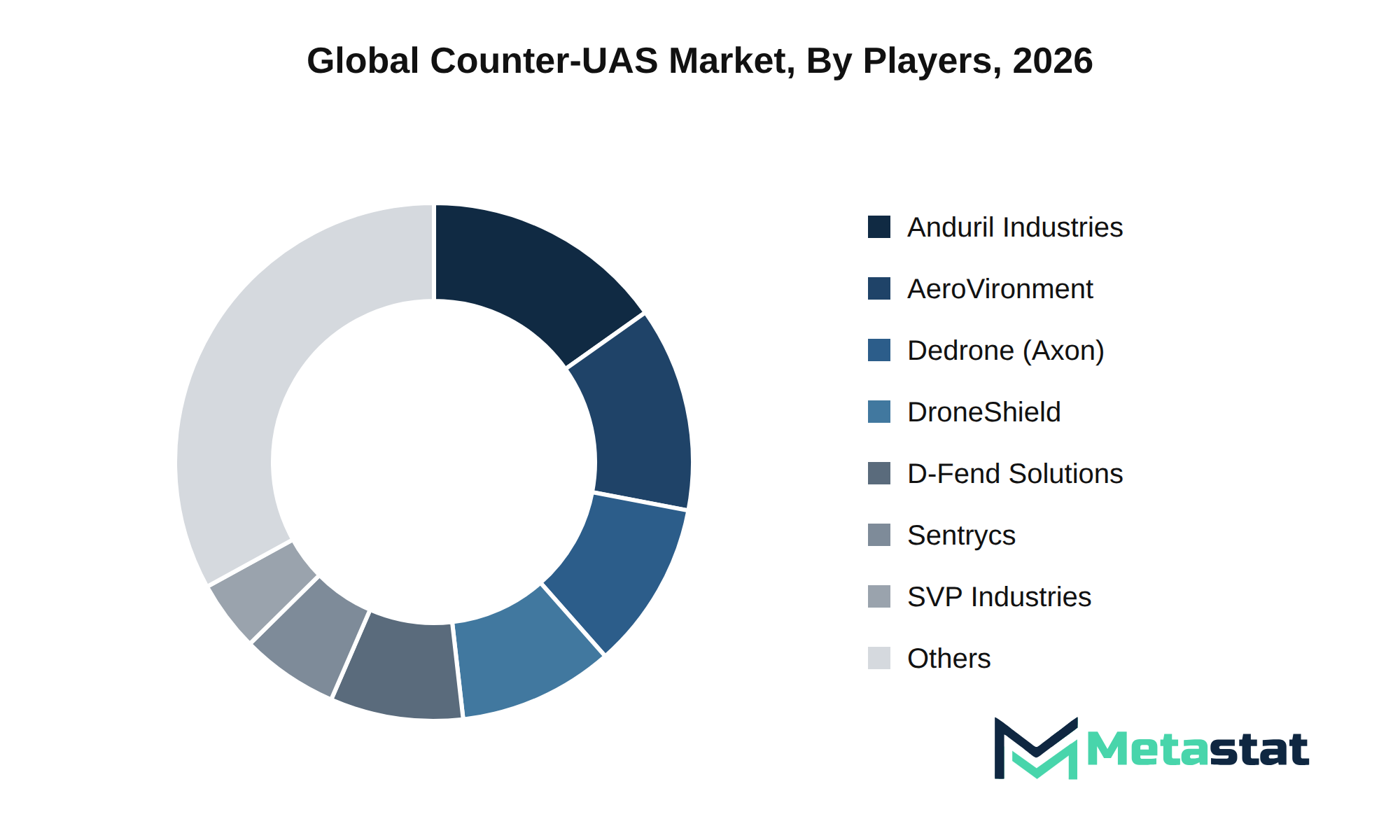
The Counter-UAS market features a diverse array of players engaged in strategic consolidation, mergers, and acquisitions. Companies including Octava Defence, Dedrone (Axon), and DroneShield Ltd. actively pursue partnerships and alliances to enhance their product offerings and market reach. Strategic growth vectors are evident through innovation and research and development pipelines, enabling firms to differentiate their technologies and strengthen their positions in the market.
Threats from new entrants and startup disruptions challenge established players, driving them to enhance their intellectual property portfolios and improve technological defensibility. Companies like Anduril Industries and Rafael Advanced Defense Systems leverage proprietary technologies to maintain competitive advantages. The market faces significant barriers to entry, including procurement leverage and value chain integration, which impact customer retention strategies and brand equity dynamics.
Future competitive outlooks indicate that firms are expected to continue adapting their go-to-market strategies, focusing on product differentiation and pricing architectures. The evolving landscape necessitates that companies continuously innovate and align their offerings with market demands to secure a stronger foothold in the Counter-UAS market.
Forecast and Future Outlook
Market size is forecast to rise from USD 11.6 billion in 2025 to over USD 58.7 billion by 2033. The base case reflects a robust 22.4% CAGR, driven by increasing demand for effective counter-drone solutions across various sectors. Bull cases indicate accelerated growth resulting from heightened geopolitical tensions and evolving threats from unmanned aerial systems. In contrast, bear cases could emerge from significant regulatory hurdles and challenges in technology integration, potentially constraining market growth.
The macroeconomic scenario highlights that evolving trade corridors and global supply chain shifts influence the counter-UAS market. Strategic capital allocation directives focus on investments in infrastructure and advanced technologies, supporting demand across critical industries. The maturation of core industries and structural consumption shifts create opportunities for innovation and new product offerings in counter-UAS solutions.
Next-generation technology integration significantly impacts the competitive landscape, with research and development commercialization timelines affecting market entry for various players. Regulatory evolution and imminent compliance milestones shape operational frameworks, while ongoing policy enforcement horizons establish the groundwork for market stability. This environment requires stakeholders to create defensibility roadmaps and future growth recommendations, aligning business strategies with evolving market demands.
Emerging white-space opportunities and unmet enterprise needs indicate high-growth pockets within the market. Investments in R&D and innovative solutions position firms to capitalize on these opportunities, supporting long-term sustainability in a dynamic environment. Continued emphasis on strategic imperatives will enable businesses to navigate challenges and seize growth potential in the counter-UAS market.
Counter-UAS Market Key Segments
By Component:
- Detection & Tracking
- C2 /Software /AI Fusion
- Soft-kill Mitigation
- Hard-kill Mitigation
- Support, Training and Managed Services
By Platform:
- Fixed
- Mobile & Vehicle-mounted
- Portable
- Naval/Maritime
By Technology:
- Laser Systems
- Radio Frequency Systems
- Kinetic Systems
- Cyber Systems
- Electromagnetic Systems
By End User:
- Armed Forces
- Homeland Security & Border Protection Agencies
- Law Enforcement Agencies
- Airport & Civil Aviation Authorities
- Energy & Critical Infrastructure Operators
- Correctional Authorities
- Commercial & Industrial Enterprises
- Others (Government Facilities and VIP Security)
By Region:
- North America
- Europe
- Asia-Pacific
- South America
- Middle East and Africa
Key Global Counter-UAS Industry Players
- Octava Defence
- Dedrone (Axon)
- DroneShield Ltd.
- D-Fend Solutions
- Sentrycs
- SVP Industries
- AeroVironment
- Anduril Industries
- Epirus Inc.
- MARSS Group
- OpenWorks Engineering
- Robin Radar Systems
- Fortem Technologies
- Echodyne Corp.
- Israel Aerospace Industries
- Rafael Advanced Defense Systems
- Leonardo S.p.A.
- Thales Group
- HENSOLDT AG
- Saab AB
- Rheinmetall AG
- RTX Corporation
- Northrop Grumman
- CERBAIR
- L3Harris Technologies
- CACI International
- Elbit Systems
- ASELSAN
- Rohde & Schwarz
- Aaronia AG
- MyDefence A/S
Report Coverage
The report strategically identifies and profiles the key market players and analyses their core competencies in each sub-segment of the Counter-UAS market.
Report Attributes | Details |
Study Period | 2021-2033 |
Base Year | 2025 |
Estimated Year | 2026 |
Forecast Period | 2026-2033 |
Historical Period | 2021-2025 |
Growth Rate | CAGR 22.4% from 2026 to 2033 |
Revenue Unit | USD billion |
Segmentation | By Component, Platform, Technology, End User, and Region |
By Region | North America (By Component, Platform, Technology, End User, and Country)
|
Europe (By Component, Platform, Technology, End User, and Country)
| |
Asia Pacific (By Component, Platform, Technology, End User, and Country)
| |
South America (By Component, Platform, Technology, End User, and Country)
| |
Middle East and Africa (By Component, Platform, Technology, End User, and Country)
|
What Report Provides
- Key Company Market Share, Revenue and Ranking for the Counter-UAS Market
- Key Market Leaders and Their Competitive Position
- Full In-Depth Analysis of the Counter-UAS Industry
- Industry Statistics and Market Dynamics Overview
- Segmentation Details of the Counter-UAS Market
- Historical, Ongoing and Projected Market Analysis
- Assessment of Niche Industry Developments and Trends
- Key Strategic Recommendations for Market Entry and Growth
Frequently Asked Questions
Find answers to common questions about this report
The Counter-UAS market size was valued at USD 11.6 billion in 2025.
The Counter-UAS market is projected to grow at a CAGR of 22.4% during the forecast period from 2026 to 2033.
The North America Counter-UAS market size is estimated to reach USD 21.7 billion by 2033.
The Component segment leads the Counter-UAS market with a projected value of USD 15.7 billion by 2033, driven by significant growth in Detection & Tracking and C2 /Software /AI Fusion technologies.
Key drivers for the Counter-UAS market include favorable capital investment environments, increased venture funding, and higher public-private spending. Technological advancements in artificial intelligence and automation enhance operational effectiveness, while growing emphasis on safety and security across sectors increases investment in counter-UAS solutions.
North America holds the dominant share of the Counter-UAS market, with a projected value of USD 21.7 billion in 2033, representing 40.6 percent of the total market.
The Counter-UAS market faces significant challenges from regulatory compliance hurdles, macroeconomic headwinds, and high capital investment requirements. Stringent legal mandates limit operational flexibility, while inflationary pressures and rising costs hinder investment in new technologies. supply chain disruptions and geopolitical instability create uncertainty, impacting market growth and innovation.
Increasing venture funding and higher public-private spending power enhance the development of advanced technologies within the Counter-UAS market. The growing emphasis on safety and security, particularly in urban environments, drives investment in counter-UAS solutions. Advancements in artificial intelligence and automation streamline operations, further supporting product adoption.
The Counter-UAS market is estimated to reach a valuation of USD 58.7 billion by 2033.
Key players in the Counter-UAS market include Octava Defence, Dedrone (Axon), DroneShield Ltd., D-Fend Solutions, Sentrycs, and AeroVironment.
Choose Your License
Global Counter-UAS Market
Related Reports
Explore related market intelligence reports worth reading alongside this one.
Global Aircraft Maintenance, Repair and Overhaul (MRO) Market
Starting from
$2950