Global Wind Tunnel Market Size, Share, By Type (Open Circuit Wind Tunnel and Closed Circuit Wind Tunnel), By Airspeed Type (Subsonic Wind Tunnels, Transonic Wind Tunnels, Supersonic Wind Tunnels and Hypersonic Wind Tunnels), By Application (Aerospace and Defense, Automotive, Civil Engineering and Construction, Marine, Sports and Olympics, Renewable Energy and Others), By End User (Research Institutions and Universities, Government and Defense Organizations, Automotive and Transportation Companies, Aerospace and Aircraft Manufacturers, Commercial Testing and Engineering Companies and Other Industrial Users), Industry Analysis, Growth, Trends, and Forecast, 2026-2033
Report ID
MSI-4940
Published
August 17, 2026
Pages
286 Pages
Format
Market Size 2021
$2.7 Billion
Historical
Market Size 2025
$3.3 Billion
Base year
Market Size 2033
$5 Billion
Forecast
CAGR 2025-2033
5.3%
Forecast period
Report Details
Comprehensive Market Analysis And Insights
Market Overview
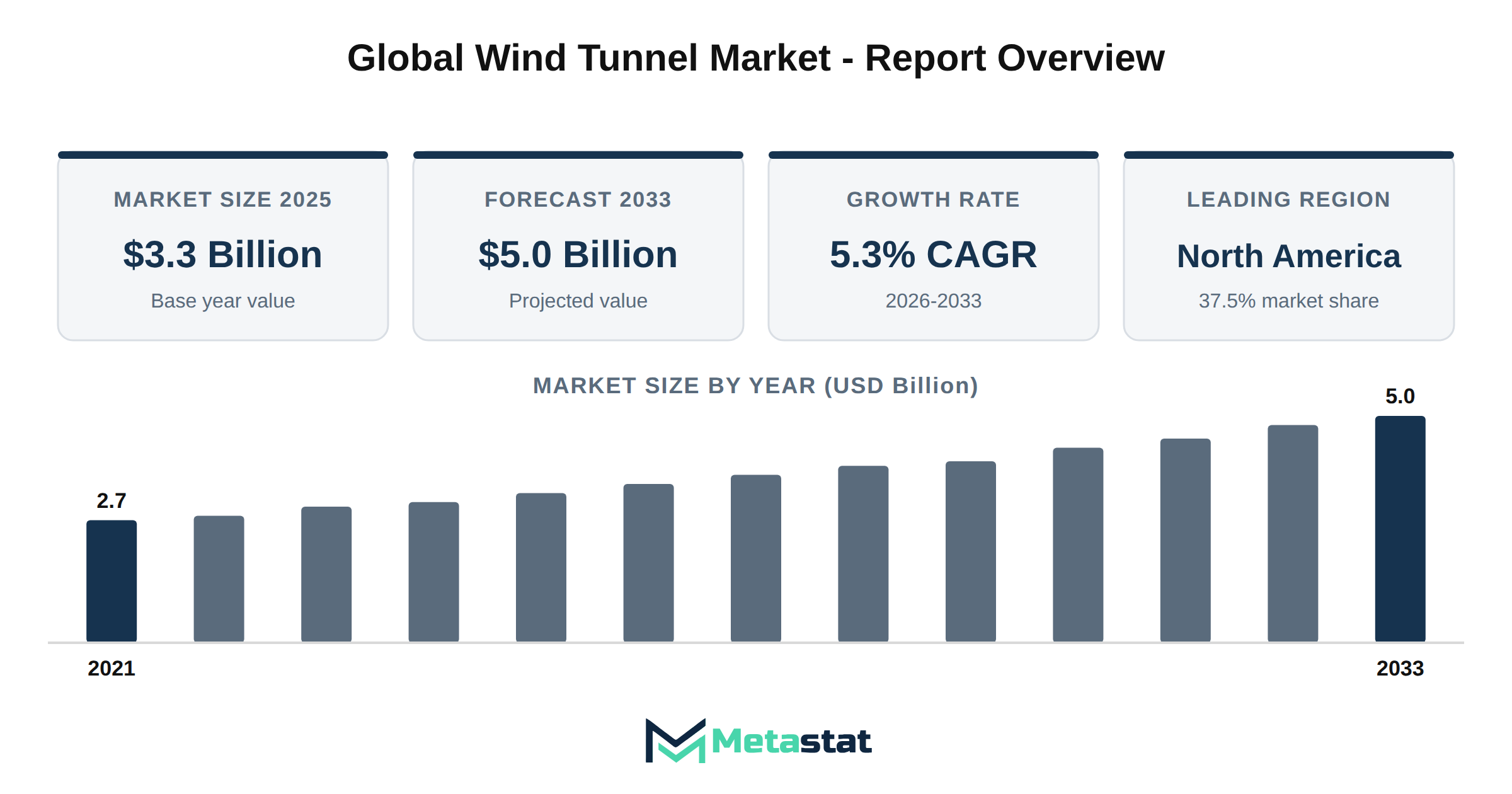
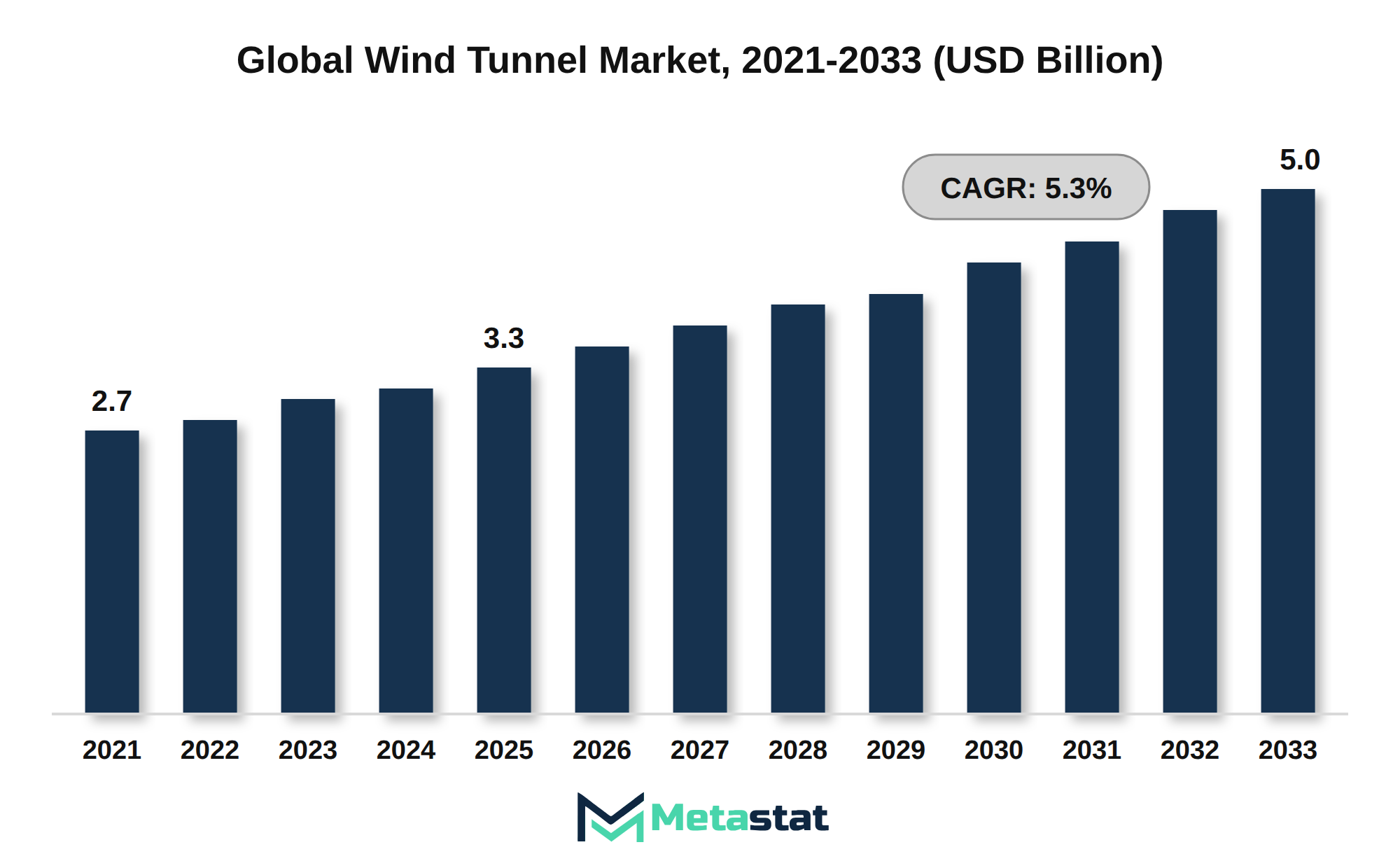
The global Wind Tunnel market was valued at USD 3.3 billion in 2025 and is projected to reach USD 5 billion by 2033, growing at a CAGR of 5.3% over the forecast period.
The Wind Tunnel market is poised for growth, with a projected market value of USD 5 billion by 2033, up from USD 3.3 billion in 2025, reflecting a compound annual growth rate (CAGR) of 5.3%. Historical data shows the market value growing from USD 2.7 billion in 2021 to USD 3.1 billion in 2024, demonstrating a consistent upward trajectory.
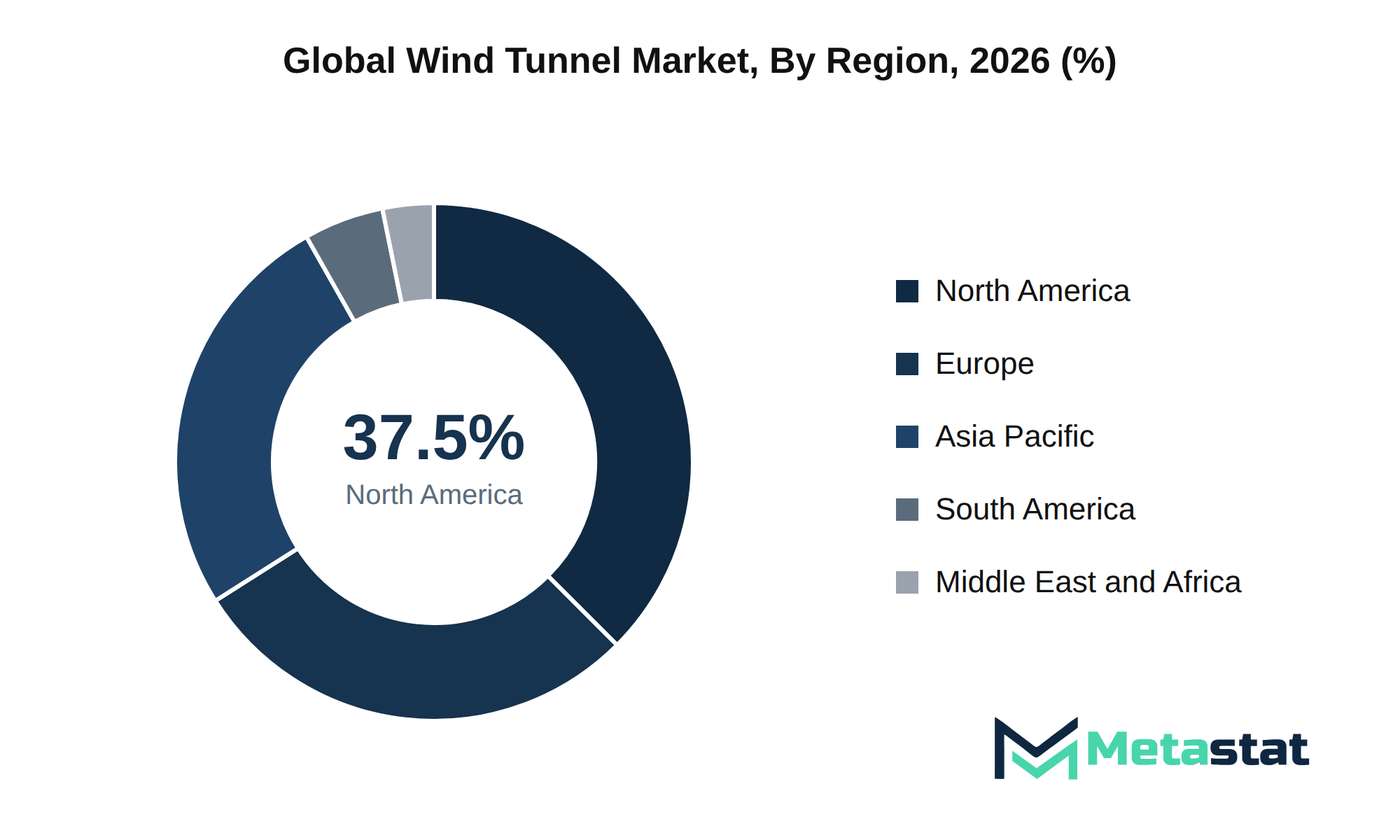
Regional dynamics play a crucial role in shaping the market. North America commands the largest share, accounting for 37.5% of the overall market. This region is anticipated to reach a market value of USD 1.6 billion by 2033, driven by advancements in aerospace and defense applications. Europe follows with a 28.5% share, while Asia Pacific holds a 25.8% share, reflecting diverse global demand for wind tunnel testing across various industries.
Market segmentation reveals key insights into the types of wind tunnels in demand. The Open Circuit Wind Tunnel segment is expected to grow from USD 1.1 billion in 2026 to USD 1.5 billion by 2033, showing a CAGR of 4.3%. In contrast, the Closed Circuit Wind Tunnel segment is projected to reach USD 3.5 billion by 2033, with a stronger CAGR of 5.7%. These trends indicate a shift towards more efficient and controlled testing environments.
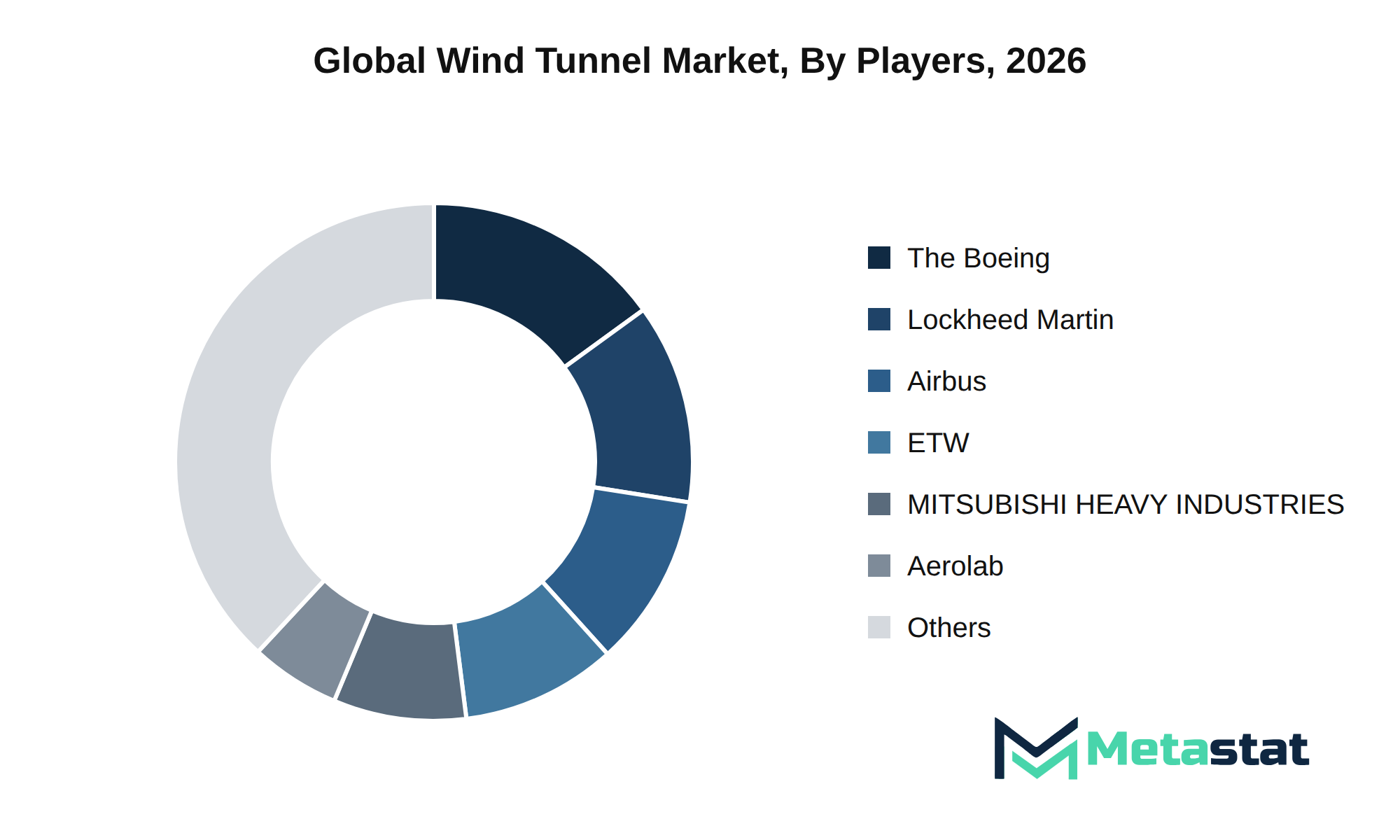
Market players include notable companies including The Boeing Company, Lockheed Martin Corporation, and Airbus, which contribute to the competitive environment. Strategic investments and collaborations among these players are expected to enhance innovation and drive further market expansion. The ongoing focus on research and development within the aerospace and automotive sectors influences the market's evolution.
The Wind Tunnel market faces various challenges related to regulatory compliance and geopolitical risk frameworks. Compliance with industry standards impacts operational costs and shapes market entry strategies for new players. Geopolitical tensions disrupt supply chains, impacting the availability of critical components required for wind tunnel construction and operation.
Disruption across the industry influences research and development trajectories. Companies invest in next-generation innovations to enhance testing capabilities, improve accuracy, and reduce energy consumption in wind tunnels. This focus on sustainability drives the transformation of traditional practices, aligning with decarbonization goals and the circular economy dynamics.
The supply chain landscape reflects a complex network of suppliers and manufacturers. Logistics architecture varies significantly across regions, affecting sourcing strategies and procurement processes. Market fragmentation poses a challenge, with numerous players operating within niche segments, each catering to specific applications and industries.
Mergers and acquisitions (M&A) dynamics contribute to market evolution, driven by firms seeking to consolidate capabilities and expand their service offerings. Strategic capital allocation influences infrastructure investments, impacting the overall growth trajectory of the market. Companies balance capital expenditures and operational expenditures to optimize returns and ensure long-term viability.
Macroeconomic headwinds, including inflationary pressures and currency volatility, affect profit margins and investment decisions. Companies operating in the Wind Tunnel market remain agile, adapting to changing economic conditions while pursuing growth opportunities. The future strategic outlook emphasizes the importance of corporate imperatives focused on innovation, operational efficiency, and customer satisfaction.
High-value recommendations for stakeholders in the market include building collaborations to drive innovation, investing in sustainable technologies, and enhancing customer journey dynamics to improve service delivery. By prioritizing these initiatives, companies position themselves for success in a competitive landscape.
Market Dynamics
Investment in aerospace and defense
Increasing demand for advanced aerospace and defense solutions drives investments in wind tunnel technology across various sectors. Countries enhancing their national defense capabilities allocate significant funding to research and development projects, boosting the market. This investment creates opportunities for suppliers of wind tunnel services and technology to expand their offerings, ultimately leading to market growth.
Aerospace and defense industries focus on improving performance, safety, and efficiency, which relies heavily on wind tunnel testing. This reliance encourages manufacturers to invest in modern wind tunnel facilities equipped with advanced technologies. Resulting technological advancements enhance testing capabilities, making them more efficient and reliable, which attracts more clients from the aerospace and defense sectors.
Increasing venture funding and public-private partnerships contribute to the market's expansion. Innovative companies emerge, introducing new solutions and contributing to technological integration. This investment climate supports a competitive environment, allowing players to diversify their offerings and improve operational efficiencies. Overall, these factors significantly influence the wind tunnel market's growth trajectory.
Increased Demand for Technological Integration
The Wind Tunnel market experiences growth driven by advancements in technological integration. The integration of automation, artificial intelligence, and software adoption enhances testing processes, improving efficiency and accuracy in the design and development of aerospace and automotive applications. Organizations implementing these technologies benefit from reductions in operational costs and time-to-market, positively impacting profitability and competitiveness.
Investment in research and development across various sectors fuels demand for sophisticated wind tunnel solutions. Research institutions and engineering companies seek innovative testing environments to validate designs, optimize performance, and reduce risks associated with product failures. This trend contributes to the market expansion, encouraging suppliers to enhance their offerings with advanced capabilities.
The shift towards digitizing legacy processes allows organizations within the wind tunnel market to streamline operations, enhancing productivity and lowering overhead costs. Companies embracing digital transformation gain a competitive edge, enabling them to respond swiftly to market demands and evolving consumer preferences. Overall, the focus on technological integration within the market positions it for sustained growth and increased investment in the coming years.
Regulatory compliance and economic pressures
Market restraint
The Wind Tunnel market encounters significant constraints due to increasing regulatory compliance requirements and macroeconomic pressures. Stricter regulations surrounding emissions and environmental standards necessitate investment in closed circuit systems, driving up costs for manufacturers. Such requirements affect operational budgets and limit available resources for innovation, impacting growth trajectories within the market.
Macroeconomic headwinds, including inflationary pressures and supply chain disruptions, complicate the market landscape. Rising material costs and delays in component availability challenge manufacturers' ability to maintain competitive pricing and production schedules. These factors lead to reduced investment in research and development, hindering technological advancement in wind tunnel designs and capabilities.
The necessity for high capital investments in infrastructure and technology presents another barrier. Many industry players face difficulties securing the required funding, especially in a climate marked by economic uncertainty. This situation restricts market participation and limits the scope for new entrants, affecting overall market dynamics.
Talent gaps and skilled labor shortages exacerbate these challenges, resulting from operators' struggles to find qualified personnel capable of managing sophisticated wind tunnel systems. This shortage leads to inefficiencies and increased operational costs, ultimately constraining the market's growth potential. Addressing these issues remains essential for ensuring the Wind Tunnel market achieves its projected expansion goals.
Geopolitical fragmentation and trade deficits
The Wind Tunnel market faces significant challenges stemming from geopolitical fragmentation and trade deficits. These conditions result in tariff friction, complicating international collaborations and increasing costs for manufacturers. The heightened costs affect supply chains by introducing delays and uncertainties, which hinder timely product delivery to end users.
Technological disruptions further exacerbate these issues, driven by companies investing in advanced R&D while navigating complex integration requirements. The necessity for interoperability between various systems and technologies creates friction that delays product development timelines. These challenges particularly impact aerospace, automotive, and defense sectors, where precision and timely execution are critical.
Rising input costs, attributed to material volatility and supply chain instability, constrain profit margins. Companies face ongoing pricing compression, intensifying competition and compelling them to optimize operations while maintaining quality. Tightening global regulatory standards and compliance overhead introduce additional layers of complexity, requiring firms to allocate resources towards meeting evolving legal obligations.
Workforce skill gaps and talent retention pressures pose further obstacles to growth within the market. Companies struggle to find skilled workers capable of operating advanced wind tunnel technology, which limits innovation prospects. Environmental lifecycle footprints and decarbonization mandates demand that firms adapt their processes, adding to operational challenges and potentially increasing costs.
Infrastructure gaps hinder market expansion. Companies face retrofitting barriers when integrating new technologies into existing facilities, which delay project implementation. The combination of these factors creates a challenging environment for firms looking to thrive in the Wind Tunnel market. Strategic responses are necessary to mitigate risks and capitalize on emerging opportunities.
The Wind Tunnel market experiences opportunities stemming from emerging technological innovations that enhance testing capabilities across various industries. Innovations in open circuit and closed circuit wind tunnels facilitate advancements in aerospace and automotive sectors, where precise aerodynamic testing is critical. These technological enhancements attract increased investment from manufacturers seeking to improve design efficiencies and reduce time-to-market for new products.
Infrastructure modernization, particularly in developing regions, significantly enhances the market's growth potential. Investments in state-of-the-art wind tunnel facilities enable industries to conduct comprehensive research and testing, supporting advancements in civil engineering, renewable energy, and defense applications. Geographical expansion into emerging markets presents avenues for growth driven by countries investing in enhancing their technological capabilities and infrastructure.
Sustainability imperatives increasingly influence market dynamics. The demand for energy-efficient solutions drives innovation in wind tunnel development, aligning with global environmental goals. Companies that integrate eco-friendly practices within their operations gain a competitive advantage, appealing to environmentally conscious consumers and stakeholders. This trend positions the market for sustained demand in the face of shifting consumer preferences.
The market benefits from strategic consolidation and cross-industry mergers. Partnerships between technology firms and traditional wind tunnel operators enable knowledge sharing and resource optimization. This collaborative approach accelerates product development cycles, resulting in innovative testing solutions that cater to niche applications, including sports and renewable energy sectors.
The Wind Tunnel market stands to gain from the convergence of these factors. By embracing technological advancements, expanding into new regions, and responding to sustainability trends, companies position themselves for growth in the evolving landscape.
Market Segmentation Analysis
The Global Wind Tunnel market is segmented based on Type, Airspeed Type, Application, and End User.
By Type, the market is further segmented into:
Open Circuit Wind Tunnel
Closed Circuit Wind Tunnel
Open Circuit Wind Tunnel
Valued at USD 1.1 billion in 2026, the Open Circuit Wind Tunnel segment is projected to reach USD 1.5 billion by 2033, at a CAGR of 4.3% during the forecast period. Key demand drivers for this segment include the growing need for efficient aerodynamic testing solutions across various industries, particularly aerospace and defense, automotive, and civil engineering sectors. Increasing investments in research and development activities support the adoption of open circuit wind tunnels, providing essential insights into airflow patterns and aerodynamic behavior.
The segment benefits from advancements in technology, with innovations enhancing accuracy and efficiency in testing processes. Emerging applications in renewable energy, along with rising interest in sports and Olympics-related aerodynamic studies, generate further growth opportunities within the market. Regulatory compliance standards related to environmental impacts and safety create additional pressures, pushing manufacturers to pursue open circuit wind tunnels that align with these requirements.
Cost structures play a significant role in shaping the competitive landscape, driven by manufacturers seeking to optimize operations while delivering high-quality solutions. Pricing volatility in raw materials impacts overall margins, necessitating strategic sourcing and procurement practices. While the focus on performance and precision intensifies, investments in next-generation upgrades and product evolution will drive the segment's development, ultimately contributing to a resilient supply chain.
Closed Circuit Wind Tunnel
Growth in the Closed Circuit Wind Tunnel segment stems from increasing demand in aerospace and defense applications. The segment benefits from advancements in testing capabilities that enhance the accuracy and efficiency of aerodynamic analyses. Technological maturation enables the development of more sophisticated tunnel designs, attracting investments aimed at improving performance metrics. Regulatory compliance standards drive the need for precise testing, compelling manufacturers to adopt closed circuit systems that offer better control over aerodynamic conditions.
With projected growth reaching USD 3.5 billion by 2033, at a CAGR of 5.7% during the forecast period, the market experiences heightened interest from automotive and civil engineering sectors. These industries prioritize precision testing to optimize designs, contributing to overall segment expansion. The evolution of next-generation closed circuit wind tunnels aligns with the increasing complexity of aerodynamic products, necessitating advanced testing facilities.
The trend toward sustainability and environmental regulations influences the adoption of closed circuit systems, which typically exhibit lower energy consumption compared to their open circuit counterparts. This characteristic aligns with industry efforts to reduce carbon footprints, enhancing the segment's appeal to environmentally conscious buyers. Strategic opportunity windows arise from manufacturers investing in upgrading existing facilities to accommodate evolving testing demands.
Supply chain resilience influences segment dynamics. The reliance on specialized components necessitates robust sourcing strategies to mitigate risks associated with global supply chain disruptions. While pricing volatility remains a concern, leveraging long-term supplier relationships enables manufacturers to stabilize costs, ultimately supporting margins in a competitive environment. The Closed Circuit Wind Tunnel segment continues to evolve in response to changing market dynamics, positioning itself because a key player in the broader Wind Tunnel market.
By Airspeed Type, the market is further segmented into:
Subsonic Wind Tunnels
Transonic Wind Tunnels
Supersonic Wind Tunnels
Hypersonic Wind Tunnels
Subsonic Wind Tunnels
Subsonic Wind Tunnels serve crucial functions in a variety of sectors including aerospace, automotive, and renewable energy. Demand for these tunnels stems from their ability to provide critical data during the development and testing phases of various products. Comprehensive testing environments allow engineers to analyze aerodynamic performance and improve design efficiency, leading to enhanced product performance and safety.
Segment expansion occurs due to advancements in computational fluid dynamics and simulation technologies, enabling more accurate predictions of aerodynamic behavior. Adoption occurs predominantly in research institutions, government agencies, and private sector companies engaged in high-performance applications. Increased focus on regulatory compliance and certification standards in industries like automotive and aerospace strengthens the need for precise testing methods.
The emphasis on sustainability and energy efficiency further increases demand for subsonic wind tunnels. Innovations in design and construction techniques for these testing facilities promise improved capabilities and accuracy. While the Wind Tunnel market evolves, organizations investing in modernization and upgrades to existing facilities benefit from enhanced operational capabilities and competitive advantages.
Pricing pressures in the market arise from the need for high-quality materials and advanced technologies. Cost structures related to the manufacturing of subsonic wind tunnels affect the overall investment decisions of companies. Understanding downstream applications and end-use dynamics allows suppliers to align offerings with customer expectations, thus improving market positioning.
Strategic opportunities arise in response to the increasing complexity of testing requirements across various industries. While companies focus on innovation and efficiency improvements, subsonic wind tunnels play a vital role in advancing product development. The ongoing evolution of the Wind Tunnel market highlights the importance of staying ahead in technological advancements and responding proactively to market trends.
Transonic Wind Tunnels
Transonic Wind Tunnels play a significant role in the Wind Tunnel market by enabling precise aerodynamic testing across various sectors. The aerospace and defense industry significantly drives demand for these systems, owing to their ability to evaluate aircraft, missile, and spacecraft designs under conditions that closely resemble real-world scenarios. This segment benefits from advancements in technology, leading to enhanced testing capabilities, including increased accuracy and efficiency in measurements.
Adoption of Transonic Wind Tunnels expands due to their capability to simulate transonic flow conditions, which are crucial for modern aircraft performance. Regulatory compliance standards in the aviation sector necessitate thorough testing, propelling investments in these wind tunnels. The evolution of aerospace materials and designs necessitates ongoing upgrades, ensuring that testing facilities remain competitive and capable of handling next-generation aircraft and systems.
End-use dynamics reflect a growing trend towards high-performance applications. Companies across sectors, including automotive and renewable energy, increasingly employ transonic testing to refine product designs and improve efficiency. Strategic opportunity windows arise due to technological maturation, leading to innovations that replace older testing methods. By investing in advanced transonic wind tunnel systems, organizations position themselves to enhance product development cycles and achieve superior performance outcomes.
Cost structures within this segment are influenced by the need for specialized equipment and maintenance, which impacts pricing volatility. The overall outlook remains positive, with capital investments in new technologies and facilities supporting long-term growth. Supply chain resilience is crucial in securing materials necessary for building and maintaining transonic wind tunnels, ensuring that the market meets increasing demand effectively.
Supersonic Wind Tunnels
Technological advancements in aerospace drive interest in supersonic wind tunnels, which are essential for testing high-speed aerodynamics. The demand for enhanced performance in aviation and defense applications fuels investment in this specific segment. Manufacturers focus on integrating advanced technologies to improve testing accuracy and reduce turnaround times, which leads to faster product development cycles.
Adoption of supersonic wind tunnels aligns with the growing emphasis on regulatory compliance and certification requirements. Aerospace and defense organizations prioritize investments in facilities that meet or exceed these standards, creating a competitive edge. Stringent safety regulations and the need for innovative designs in high-speed aircraft contribute to the segment's ongoing relevance in the market.
End-user dynamics significantly influence the market. Research institutions and aerospace manufacturers seek reliable testing environments. The emergence of new applications, including hypersonic travel and advanced military projects, increases reliance on supersonic wind tunnels. This trend highlights the strategic opportunity windows available for firms that specialize in this technology, which reinforces their market position.
Pricing volatility in the wind tunnel market often stems from fluctuations in raw material costs and technological upgrades. Companies face margin pressures due to the high capital investment required for maintaining and upgrading testing facilities. Despite these challenges, the pursuit of high performance in the aerospace sector ensures a solid demand foundation for supersonic wind tunnels.
Hypersonic Wind Tunnels
Hypersonic Wind Tunnels play a critical role in aerospace and defense applications, driven by the increasing need for advanced testing facilities capable of simulating extreme flight conditions. Growth in this segment stems from rising demand for hypersonic flight research, influenced by national security interests and advancements in space exploration. This segment attracts significant interest from research institutions and government organizations focused on developing hypersonic vehicles.
Technological advancements contribute to the expansion of the hypersonic wind tunnel market. Innovations in materials and engineering enable the construction of more sophisticated facilities that withstand extreme conditions. Continuous evolution of testing methodologies enhances operational capabilities, allowing for more precise data collection during simulations. These advancements align with the increasing focus on efficiency and accuracy in the aerospace sector.
Downstream applications of hypersonic wind tunnels encompass various sectors, including aerospace, defense, and research. Insights gained from testing in this segment lead to improved design and performance of hypersonic vehicles. The market attracts investment from private enterprises and government agencies committed to advancing aerospace technology.
Cost structures within the hypersonic wind tunnel segment reflect high complexity and capital intensity required for facility development. Pricing volatility arises from specialized materials and advanced technologies used, influencing budget allocations for organizations involved in hypersonic research. Investments in this segment target areas with significant growth potential.
Regulatory compliance standards and policies governing hypersonic testing evolve in response to increasing geopolitical concerns. Organizations operating in this market adapt to changing regulations, ensuring their facilities and practices align with national and international standards. Strategic opportunity windows exist for companies that navigate these complexities while maintaining competitiveness in the advancing field of hypersonics.
By Application, the market is further segmented into:
Technological advancements play a critical role in shaping the Aerospace and Defense application within the Wind Tunnel market. The demand for precise aerodynamic testing and validation in designing new aircraft and defense systems drives significant investment in wind tunnel facilities. Research institutions and defense organizations increasingly rely on these testing systems to enhance performance, safety, and efficiency across various applications.
Next-generation upgrades in wind tunnel technologies, including enhanced measurement systems and computational fluid dynamics (CFD), facilitate improved accuracy in aerodynamic studies. Continuous innovation in testing equipment and methodologies supports the industry's evolution, providing critical insights for aerodynamic performance optimization. This ongoing development enhances the overall effectiveness of testing processes.
Increasing emphasis on regulatory compliance and certification standards influences investment in wind tunnel facilities and technologies. The Aerospace and Defense sector requires adherence to stringent testing protocols to ensure reliability and safety in aircraft design and manufacturing. Geopolitical dynamics and the need for national security drive demand for advanced testing capabilities, contributing to market expansion.
The need for enhanced performance in military and civilian aircraft fuels growth in the sector. Organizations seek to improve fuel efficiency and reduce emissions, making wind tunnel testing essential in evaluating new aerodynamic designs. This shift in consumption patterns highlights a growing awareness of sustainability within the Aerospace and Defense community, leading to further investment in innovative testing solutions.
Strategic opportunity windows emerge owing to collaboration between government entities and private industry deepening. Partnerships enhance resource sharing and technological development, strengthening supply chain resilience and improving overall market dynamics. Consequently, the Wind Tunnel market remains poised for continued growth within the Aerospace and Defense sector, driven by these interrelated factors.
Automotive
Sub-segment Automotive (By Application)
In the automotive sector, demand for wind tunnel testing emerges from enhanced vehicle performance, safety, and aerodynamics. Manufacturers leverage wind tunnel technology to optimize vehicle designs, thereby improving fuel efficiency and reducing emissions. These enhancements yield competitive advantages in a market where regulatory standards increasingly emphasize sustainability and efficiency.
Technological maturation within the industry fuels the adoption of advanced simulations and testing methodologies. The integration of computational fluid dynamics (CFD) alongside traditional wind tunnel methods enhances design accuracy and efficiency, enabling automakers to reduce development times and costs. Consequently, investments focusing on next-generation upgrades and innovations are expected to drive further segment expansion.
Shifts in consumer preferences toward electric and hybrid vehicles necessitate adaptation in testing methodologies. Automotive companies actively seek solutions that ensure compliance with new regulatory frameworks, particularly those aimed at reducing environmental impacts. This regulatory landscape shapes product evolution, urging manufacturers to invest in wind tunnel capabilities that support the development of cleaner technologies.
Economic factors influence cost structures within the segment. Fluctuations in raw material prices and operational expenses exert pressure on profit margins. However, strategic opportunity windows exist, driven by advancements in automotive technology and increasing government investments in clean energy solutions. Companies that strategically allocate resources to wind tunnel capabilities stand to benefit from enhanced product offerings and improved market positioning.
The wind tunnel market continues to adapt to the automotive landscape, with manufacturers recognizing the importance of rigorous testing processes. The connection between innovative designs and reliable testing remains crucial for the industry's future, enabling companies to maintain compliance and meet consumer expectations effectively.
Civil Engineering & Construction
In the context of civil engineering and construction, the Wind Tunnel market benefits from several primary demand drivers, including the increasing complexity of infrastructure projects and the need for precise modeling of wind effects on structures. The increasing complexity of infrastructure projects and the need for precise modeling of wind effects on structures drive adoption among engineering firms and construction companies focused on safety and performance. Segment expansion is facilitated by technological maturation, with advancements in simulation and modeling software enhancing the capabilities of wind tunnels. Next-gen upgrades are critical, enabling more efficient testing and validation processes that improve the accuracy of aerodynamic assessments.
Product evolution remains a central theme, with continuous improvements in design and functionality leading to enhanced performance attributes. Downstream applications involve various engineering disciplines, including structural engineering and environmental studies, where wind tunnel testing ensures compliance with safety standards. End-use dynamics are influenced by rising construction standards and regulatory compliance requirements, driving demand for reliable wind analysis solutions.
Consumption shifts reflect an increased emphasis on sustainability, prompting firms to invest in wind tunnel technology that supports energy-efficient design practices. Regulatory compliance and certification requirements further shape the market landscape, impacting the adoption of wind tunnel services. Cost structures are under pressure due to rising material costs and operational expenses, necessitating strategic financial planning among market participants.
Pricing volatility from global supply chain disruptions impacts profitability, compelling companies to optimize their resource management strategies. The potential for technological obsolescence highlights the importance of continuous innovation, ensuring that firms remain competitive in an evolving environment. Strategic opportunity windows arise from the growing focus on smart city initiatives and climate-resilient infrastructure, pushing engineering firms to explore advanced wind simulation techniques. These factors position the market for sustained growth in the civil engineering and construction sector.
Marine
Marine applications within the Wind Tunnel market are driven by the increasing need for efficient and reliable testing solutions in naval architecture and marine engineering. The focus on optimizing vessel performance while ensuring safety and compliance with regulatory standards fuels adoption. Demand for advanced testing capabilities emerges from shipbuilders, defense contractors, and research institutions seeking to improve hydrodynamic efficiency and reduce fuel consumption.
Technological maturation supports innovations in marine wind tunnel design, with developments in simulation technologies and computational fluid dynamics enhancing testing accuracy. Next-generation upgrades prioritize sustainability, prompting investment in facilities that accommodate renewable energy applications, including wind-assisted propulsion systems. Evolution in testing methodologies allows for more comprehensive data collection, benefiting downstream applications in performance analysis and design optimization.
End-use dynamics reflect a shift towards hybrid and electric marine vessels, driving the market towards testing solutions that cater to these emerging technologies. Regulatory compliance standards impose rigorous testing requirements, pushing manufacturers to enhance their capabilities. Cost structures remain a critical factor, with investment in advanced wind tunnel technology offering long-term savings through improved design efficiency.
Strategic opportunity windows exist for players in the market to diversify their service offerings and enter new geographic regions. The increasing focus on environmental impacts presents avenues for innovation, particularly through the development of testing facilities that adopt sustainable practices. Overall, the marine sub-segment of the Wind Tunnel market positions itself favorably to capitalize on evolving industry demands, supporting a resilient supply chain and creating growth opportunities.
Sports and Olympics
Interest in wind tunnel testing within the sports and Olympics application has increased, driven by the demand for enhanced performance and competitive advantages among athletes. The growing emphasis on data analytics in sports training supports the integration of advanced wind tunnel testing, allowing athletes to refine their techniques and optimize their equipment. This segment benefits from collaborations between sports organizations and technology providers, resulting in innovative approaches to performance analysis.
Technological maturation in the wind tunnel market has led to the development of specialized testing facilities designed to cater to the unique needs of various sports disciplines. Next-generation upgrades focus on improving aerodynamic testing capabilities, ensuring that athletes and teams leverage the latest advancements to enhance their training regimens. Consumer interest in sports performance further fuels adoption, driven by athletes recognizing the value of scientific testing methods in achieving peak performance.
Investment in sports and Olympics testing infrastructure signifies a long-term commitment to athlete development, with organizations prioritizing advanced technology to gain a competitive edge. The segment experiences dynamic shifts in consumption patterns, with athletes increasingly opting for personalized training programs supported by empirical data from wind tunnel tests. Regulatory compliance and certifications for testing facilities contribute to the credibility of the results, reinforcing trust in performance analytics.
The impact of strategic opportunity windows aligns with the growing popularity of sports analytics, creating a fertile ground for investment in wind tunnel testing technologies. This segment's evolution reflects an ongoing commitment to maximizing athletic performance and demonstrates how scientific approaches enhance training methodologies. Overall, the sports and Olympics application within the wind tunnel market represents a significant avenue for future growth and innovation.
Renewable Energy
Renewable energy applications increasingly drive the adoption of wind tunnels across multiple sectors. The global shift towards sustainable practices pushes aerospace, automotive, and other industries to explore innovative solutions that meet regulatory compliance standards. This transition supports investment in wind tunnel testing, enhancing design efficiency and performance validation for renewable energy technologies.
Advancements in technology enable continuous improvement within this segment. Next-generation upgrades enhance the accuracy and reliability of wind tunnel testing, attracting investments from research institutions and commercial enterprises focused on renewable energy solutions. These developments generate new opportunities for product evolution, enabling more accurate modeling of renewable energy systems.
End-use dynamics reflect a growing demand for testing capabilities compatible with renewable energy applications. Organizations increasingly prioritize energy efficiency, which influences consumption patterns and testing requirements. The market accommodates these shifts by integrating advanced materials and methodologies, ensuring that wind tunnel testing remains relevant in a changing environment.
Regulatory compliance standards further enhance the need for robust wind tunnel testing in renewable energy applications, promoting adherence to safety and performance guidelines. This focus on compliance positions wind tunnels because essential tools for optimizing the performance of innovative energy solutions. Ultimately, the market stands poised for expansion because stakeholders recognize the value of wind tunnel testing in driving advancements within the renewable energy sector.
Rail and transportation applications increasingly rely on wind tunnel testing for optimizing aerodynamics and enhancing performance. These applications benefit from precise data that informs design modifications, ultimately improving efficiency and safety. In the consumer products sector, manufacturers refine product designs using wind tunnels, focusing on aerodynamics to enhance user experience and reduce energy consumption. The industrial equipment and machinery segment employs wind tunnels to ensure compliance with various standards, where testing assists in validating product performance against regulatory requirements.
Education and training programs leverage wind tunnel testing because a hands-on learning tool, allowing students to engage with real-world engineering principles. This engagement encourages innovation and experimentation, crucial for developing the next generation of engineers and scientists. Engaging in wind tunnel testing cultivates a deeper understanding of fluid dynamics, benefitting industries across the Wind Tunnel market. The shift toward more sustainable practices continues to influence applications in this segment, driving demand for advanced testing methodologies that align with growing environmental standards.
By End User, the market is further segmented into:
Research Institutions & Universities
Government & Defense Organizations
Automotive & Transportation Companies
Aerospace & Aircraft Manufacturers
Commercial Testing & Engineering Companies
Other Industrial Users
Research Institutions & Universities
Research institutions and universities represent a significant end user in the Wind Tunnel market, driving various advancements in technology and methodologies. Demand stems from the need for precise aerodynamic testing and validation of designs across multiple applications, including aerospace, automotive, and renewable energy sectors. These institutions frequently focus on research and development, utilizing wind tunnel facilities to innovate and refine products. Technological maturation of wind tunnel systems facilitates increasingly complex testing scenarios, accommodating a range of airspeed types and configurations.
Investment in next-generation upgrades enhances testing capabilities, allowing researchers to explore more extensive data sets and refine simulations. Innovations in hardware and software improve accuracy and reduce testing times, creating a more efficient research environment. The evolution of products in the wind tunnel sector aligns with the requirements of academic and governmental research programs, promoting collaboration between institutions and private sector players.
Regulatory compliance standards impact the operations of research institutions, ensuring that testing adheres to safety and quality benchmarks. Certifications play a critical role in validating the performance of wind tunnel systems, providing assurance to stakeholders about the reliability of research outcomes. This focus on compliance contributes to the stability of the market, creating a climate for investment in advanced wind tunnel technologies.
Fluctuations in pricing and margin pressures directly affect research budgets, compelling institutions to seek funding from governmental and private sources. Strategic opportunity windows arise from institutions adapting to changing technological and market demands, encouraging a proactive approach to sourcing and investment. Overall, this segment remains vital for advancing knowledge in aerodynamic applications, contributing to the broader growth of the Wind Tunnel market.
Government & Defense Organizations
Government and defense organizations increasingly rely on wind tunnel testing for various applications, including aerodynamics research, vehicle design, and compliance with safety standards. The demand from this sector stems from the need for precise testing to enhance performance and ensure safety in aerospace and military operations. Investments in technological maturation drive the adoption of advanced wind tunnel systems, facilitating next-gen upgrades that improve testing accuracy and efficiency.
The evolution of products tailored for government and defense requirements enhances the capabilities of wind tunnels, making them essential for simulations that inform critical decision-making. Regulatory compliance standards impose stringent requirements on this sector, necessitating robust testing environments. This, in turn, influences the consumption shifts, resulting from organizations seeking to integrate advanced technology into their testing processes.
Strategic opportunity windows arise for suppliers who deliver tailored solutions that meet the unique demands of government and defense applications. The emphasis on performance and safety generates a need for high-quality materials and reliable testing methodologies. The wind tunnel market reflects these dynamics, driven by organizations adapting to emerging technologies and evolving regulatory landscapes.
Automotive & Transportation Companies
Growing emphasis on aerodynamics and safety in the automotive sector drives demand for wind tunnel testing. Automotive and transportation companies focus on optimizing vehicle design and performance, leveraging wind tunnels to conduct crucial aerodynamic assessments. Enhanced fuel efficiency and reduced emissions objectives further highlight the necessity for precise testing methodologies, leading to investments in wind tunnel capabilities. The regulatory environment, demanding compliance with stringent emissions standards, increases the importance of extensive testing processes, influencing market dynamics significantly.
Increased competition within the automotive sector compels companies to invest in advanced wind tunnel technologies. Innovations in electric vehicles and autonomous driving technology require rigorous testing environments to refine designs and enhance safety. This trend encourages the evolution of wind tunnel capabilities, with investments aimed at developing next-generation testing facilities that accommodate various vehicle types. The advancement of computational fluid dynamics (CFD) complements traditional wind tunnel testing, offering companies a more comprehensive understanding of vehicle performance.
The Wind Tunnel market reflects a shift towards integrated testing solutions that combine physical and virtual testing methodologies. Adoption of hybrid approaches allows automotive manufacturers to streamline design processes and accelerate time-to-market. The ongoing pursuit of sustainability in vehicle design necessitates that companies adapt and innovate through enhanced wind tunnel testing methods. This strategic focus on efficiency and performance optimization positions the automotive and transportation sector because a key driver of growth in the overall wind tunnel market.
Aerospace & Aircraft Manufacturers
Investment in advanced technology within the aerospace sector drives substantial demand for wind tunnels, particularly among aerospace and aircraft manufacturers. These manufacturers rely on high-precision testing environments to evaluate aerodynamic performance, optimize designs, and enhance safety features in aircraft. The continuous push for fuel efficiency and reduced emissions further fuels the need for comprehensive aerodynamics testing, influencing the adoption of sophisticated wind tunnel systems.
Regulatory compliance standards in aviation necessitate rigorous testing protocols, prompting manufacturers to invest in state-of-the-art wind tunnel facilities. Innovations including real-time data acquisition and computational fluid dynamics (CFD) integration significantly enhance the testing process, aligning with the industry's focus on improving aircraft performance. Strategic partnerships with technology providers contribute to the evolution of testing methodologies, ensuring that manufacturers remain competitive in a rapidly changing market.
Market dynamics reflect growing interest in renewable energy solutions within the aerospace sector. The integration of sustainable practices encourages manufacturers to explore aerodynamic efficiency, creating strategic opportunities for wind tunnel testing applications. The Wind Tunnel market serves because a crucial component in evaluating the viability of new designs and technologies that support environmentally friendly aviation practices.
Overall, the demand for wind tunnel services among aerospace and aircraft manufacturers reflects the industry's commitment to innovation, regulatory compliance, and sustainability. This focus on advanced testing capabilities positions the market for continued growth in the coming years.
Commercial Testing & Engineering Companies
Commercial testing and engineering companies represent a crucial segment within the Wind Tunnel market, driven by the need for precise aerodynamics testing across various industries. The increasing complexity of vehicle designs, particularly in aerospace and automotive sectors, is driving demand for advanced testing methods. Regulations concerning emissions and safety standards compel these companies to invest in wind tunnel testing to ensure compliance. Enhanced simulation technologies and high-fidelity models facilitate more accurate data collection, supporting the evolution of products and services offered by these firms.
Growing concerns regarding environmental impact and sustainability influence the operational focus of commercial testing companies. These organizations increasingly seek innovative solutions that align with energy efficiency and carbon reduction goals. Market players continuously explore opportunities for next-generation upgrades that employ advanced technologies, including computational fluid dynamics (CFD), to enhance testing capabilities. This trend creates strategic opportunities for investment and collaboration within the industry.
In terms of cost structures, companies face ongoing pressures related to equipment maintenance, technological upgrades, and personnel training. Pricing volatility for raw materials and components impacts operational margins, necessitating careful financial management. Successful navigation of these challenges positions commercial testing and engineering companies favorably within the competitive environment of the Wind Tunnel market.
Other Industrial Users
Interest in wind tunnel testing among other industrial users represents a growing trend within the market. This segment encompasses a range of applications beyond the traditional sectors, including consumer products and industrial equipment. Companies involved in these areas increasingly recognize the importance of aerodynamic testing to improve product performance and efficiency.
Technological maturation within wind tunnel systems enhances capabilities, enabling more precise testing conditions. Innovations in simulation technology, data acquisition, and analysis methods contribute to the overall effectiveness of testing workflows. This evolution supports demand from industries focused on optimizing designs under varying conditions.
Downstream applications within the segment contribute to a heightened emphasis on energy efficiency and performance standards. Regulatory compliance standards increasingly push manufacturers to validate products through rigorous testing, aligning with environmental and safety regulations. The increased focus on sustainability drives investment in technologies that improve aerodynamic efficiency and reduce energy consumption.
Supply chain resilience facilitates the necessary resources for wind tunnel testing among industrial users. Strategic opportunity windows exist within this segment, particularly for companies seeking to enhance product offerings through advanced aerodynamic testing. While market dynamics evolve, wind tunnel testing remains a critical component for innovation across various industries.
By Region
Based on geography, the Global Wind Tunnel market is divided into North America, Europe, Asia-Pacific, South America, Middle East, and Africa.
North America
Growing investment in aerospace and defense sectors significantly influences the Wind Tunnel market in North America, particularly in the United States, Canada, and Mexico. With a strong emphasis on research and development, these countries have established themselves because key players in wind tunnel testing, contributing to a robust market environment. The presence of leading firms, including The Boeing Company and Lockheed Martin Corporation, enhances competitive dynamics, driving technological innovation and service offerings in the region.
Infrastructure modernization plays a critical role in market expansion. Continuous upgrades to testing facilities and equipment ensure that the region remains a leader in aerospace, automotive, and other related industries. The growing demand for efficiency and precision in testing processes results in an uptick in closed circuit wind tunnel adoption, projected to reach USD 3.5 billion by the end of 2033. Open circuit wind tunnels, crucial for various applications, are expected to expand at a CAGR of 4.3%, illustrating an evolving landscape of user preferences and technological advancements.
Regional resource availability and energy grid resiliency further enhance the market's growth potential. North America's well-developed supply chains and localized manufacturing densities provide a competitive advantage, supporting efficient operations and timely delivery of testing services. Cross-border trade corridors between the United States, Canada, and Mexico facilitate collaboration among research institutions and industry players, strengthening the overall market structure.
North America Wind Tunnel market is set to expand at a CAGR of 5.3% within the forecast period, reaching a market size (TAM) of USD 1.6 billion by the end of 2033. The share of this region in the global market reflects the significant role it plays in the overall wind tunnel market. While the market continues to evolve, the focus on innovative testing solutions will drive investment and demand across various sectors.
Europe
The Wind Tunnel market in Europe accounts for 28.5% of the global market in 2025. Countries including Germany, France, the UK, Italy, Spain, and Russia contribute to this figure, driven by robust demand from the aerospace and defense sector. Investment in advanced research facilities and modernization of existing infrastructure enhances testing capabilities and drives innovation.
Strong emphasis on regulatory compliance and safety standards compels manufacturers to invest in high-quality wind tunnel solutions. The competitive landscape features domestic leaders who leverage localized manufacturing densities to meet demand efficiently. Regional procurement dynamics reflect a preference for suppliers that ensure compliance with local regulations while providing technologically advanced products.
Emerging trends in localized procurement and strategic entry barriers pose opportunities for new entrants aiming to capture market share. Continued foreign direct investment (FDI) in Europe signals a stable environment for growth within the Wind Tunnel market. Incremental growth vectors arise from ongoing modernization and a focus on high-value replacement cycles, ensuring that the market remains dynamic in the coming years.
Asia-Pacific
The Wind Tunnel market in the Asia-Pacific region demonstrates significant growth, driven by increasing demand from various industries, particularly aerospace and defense, automotive, and civil engineering. Countries including China, Japan, and India lead in adopting wind tunnel technology, supported by government initiatives aimed at enhancing research and development capabilities. Infrastructure modernization significantly contributes to the expansion of the market, with investments in advanced testing facilities and localized manufacturing densities creating a conducive environment for the adoption of wind tunnel solutions.
Emerging market front-runners in the region exhibit strong potential for growth due to underpenetrated territories and high-value replacement cycles. The presence of regional domestic leaders enhances competitive dynamics, attracting foreign direct investment and promoting vendor consolidation trends. Local compliance mandates and geographic regulatory frameworks influence procurement strategies, emphasizing adherence to established standards in wind tunnel testing.
Supply chain regionalization and nearshoring initiatives enhance the movement of resources and technology within Asia-Pacific. Cultural nuances and regional B2B buying behaviors play an important role in shaping purchasing decisions, affecting market penetration strategies. Energy grid resiliency and local infrastructure readiness further support the growth of the market, creating a stable environment for investment and innovation.
South America
In South America, the Wind Tunnel market experiences specific dynamics shaped by regional characteristics. Brazil and Argentina play important roles within the market, driven by increasing investments in aerospace and automotive sectors. Growth in local manufacturing capabilities and the rise of research institutions contribute to heightened demand for wind tunnel testing services. The automotive industry's focus on aerodynamics and fuel efficiency drives the market forward.
Infrastructure modernization across South America presents opportunities for growth in the Wind Tunnel market. Governments and private entities invest in advanced research facilities and testing environments, creating a conducive atmosphere for innovation. This investment landscape enhances the competitive environment, attracting both domestic and international players seeking to capitalize on the region's potential.
Localized procurement dynamics influence purchasing behavior, with companies prioritizing collaborations with regional suppliers. Cultural nuances impact decision-making processes among buyers, emphasizing the importance of establishing strong vendor relationships. These trends highlight the significance of understanding regional B2B buying behaviors to navigate the market effectively.
Market participants face challenges related to regulatory frameworks and compliance mandates unique to South America. Adherence to local standards ensures market access and builds trust among end users. Consequently, strategic entry barriers exist for new entrants, necessitating thorough market research and local partnerships for successful penetration.
The South American Wind Tunnel market experiences incremental growth vectors, supported by foreign direct investment flows and localized manufacturing densities. By leveraging regional resources and improving energy grid resiliency, stakeholders position themselves for long-term success. This multifaceted growth approach emphasizes the market's potential and strategic importance within the broader global context.
Middle East and Africa
The Wind Tunnel market in the Middle East and Africa represents a smaller share of the global market, accounting for 3.2% in 2025. Rapid urbanization and increasing investments in infrastructure modernization create opportunities for the market, particularly in countries like Saudi Arabia and the UAE. These nations focus on enhancing their technological capabilities, which drives demand for wind tunnel testing in various sectors, including aerospace and automotive.
In South Africa, a growing emphasis on advanced research and development in both public and private sectors supports market expansion. Local compliance mandates regarding safety and efficiency standards influence procurement decisions, pushing organizations toward investment in wind tunnel technology. The market benefits from the increasing need for reliable testing solutions in engineering and design processes across multiple industries.
Geopolitical fragmentation and regional dynamics impact supply chain structures, prompting localized production and procurement strategies. Domestic players explore partnerships and collaborations to strengthen their market position, creating an environment conducive to competition and growth. The evolving landscape of the Wind Tunnel market in this region reflects both challenges and opportunities for stakeholders aiming to capitalize on emerging trends.
Competitive Landscape and Strategic Insights
The Wind Tunnel market features a range of strategic behaviors among key players. Companies like The Boeing Company, Lockheed Martin Corporation, and Airbus emphasize product differentiation through proprietary technology and robust R&D pipelines. These organizations invest heavily in innovative designs and advanced testing solutions, contributing to their competitive advantage.
Strategic alliances and joint ventures emerge owing to essential strategies within the market. Partnerships between entities including ETW GmbH and Force Technology enhance operational capabilities and expand market reach. This collaborative approach allows for cross-industry partnerships that strengthen product offerings and drive technological advancement.
The presence of established players creates significant barriers to entry for new entrants. Intellectual property portfolios and patent landscapes held by firms like National Aeronautics and Space Administration and MITSUBISHI HEAVY INDUSTRIES, LTD. provide a measure of protection against potential disruptions. Customer retention strategies and brand equity dynamics play vital roles for companies striving to maintain market positions.
Future competitive outlooks reflect ongoing industry restructuring and strategic growth vectors. Companies focus on value chain integration and procurement leverage to enhance operational efficiencies. The collective actions of market participants shape the Wind Tunnel market, influencing investment trajectories and technological progress.
Forecast and Future Outlook
Forecast and Future Outlook
Market size is forecast to rise from USD 3.3 billion in 2025 to over USD 5 billion by 2033. This increase is driven by evolving technological advancements and the integration of next-generation technologies in various applications including aerospace and defense, automotive, and renewable energy. The market experiences steady growth, with a compound annual growth rate (CAGR) of 5.3% anticipated during this period.
The base case presents a positive outlook with continued investment in research and development (R&D) and commercialization timelines aligning with the growth of core industries. In a bullish scenario, heightened demand from emerging sectors, including renewable energy and advanced automotive technologies, could accelerate market expansion. Conversely, a bearish outlook emerges from potential geopolitical realignments or regulatory challenges that could impact investment and operational costs.
Strategic capital allocation, alongside infrastructure commitments, significantly shapes the future of the Wind Tunnel market. Companies prioritize CapEx investments focused on enhancing capabilities and meeting imminent compliance milestones. Strategic shifts influence the competitive landscape, driving organizations to adapt their strategies and seek emerging white-space opportunities that align with evolving market demands.
FKFS Forschungsinstitut für Kraftfahrwesen und Fahrzeugmotoren Stuttgart
Report Coverage
The report strategically identifies and profiles the key market players and analyses their core competencies in each sub-segment of the Wind Tunnel market.
Report Attributes
Details
Study Period
2021-2033
Base Year
2025
Estimated Year
2026
Forecast Period
2026-2033
Historical Period
2021-2025
Growth Rate
CAGR 5.3% from 2026 to 2033
Revenue Unit
USD billion
Segmentation
By Type, Airspeed Type, Application, End User, and Region
By Region
North America (By Type, Airspeed Type, Application, End User, and Country)
United States
Canada
Mexico
Europe (By Type, Airspeed Type, Application, End User, and Country)
Germany
France
UK
Italy
Spain
Russia
Rest of the Europe
Asia Pacific (By Type, Airspeed Type, Application, End User, and Country)
China
Japan
India
South Korea
Australia
Southeast Asia
Rest of Asia Pacific
South America (By Type, Airspeed Type, Application, End User, and Country)
Brazil
Argentina
Rest of South America
Middle East and Africa (By Type, Airspeed Type, Application, End User, and Country)
Saudi Arabia
UAE
South Africa
Rest of Middle East and Africa
What Report Provides
Key Company Market Share, Revenue and Ranking for the Wind Tunnel Market
Key Market Leaders in the Wind Tunnel Industry
Full In-Depth Analysis of the Parent Industry
Industry Statistics and Important Changes in Market Dynamics
Segmentation Details of the Wind Tunnel Market
Historical, Ongoing and Projected Market Analysis
Assessment of Niche Industry Developments
Key Strategic Recommendations for Market Participants
End of Report Overview
Frequently Asked Questions
Find answers to common questions about this report
The Wind Tunnel market size was valued at USD 3.3 billion in 2025.
The Wind Tunnel market is projected to grow at a CAGR of 5.3% during the forecast period from 2026 to 2033.
The North America Wind Tunnel market size is estimated to reach USD 1.6 billion by 2033.
The Closed Circuit Wind Tunnel segment leads the Wind Tunnel market, projected to reach USD 3.5 billion by 2033. This segment outpaces the Open Circuit Wind Tunnel segment, which is expected to reach USD 1.5 billion in the same year.
Key drivers for the Wind Tunnel market include increasing demand for advanced aerospace and defense solutions, which drives investments in wind tunnel technology. The integration of automation, artificial intelligence, and software enhances testing processes, improving efficiency and accuracy. rising investments in research and development across various sectors further fuel demand for sophisticated wind tunnel solutions.
North America holds the dominant share of the Wind Tunnel market, with a value of USD 1.6 billion projected for 2033, representing 37.5 percent of the total market.
The Wind Tunnel market encounters significant constraints due to increasing regulatory compliance requirements and macroeconomic pressures. Stricter regulations surrounding emissions and environmental standards drive up costs, while inflationary pressures and supply chain disruptions challenge manufacturers' ability to maintain competitive pricing and production schedules. These factors hinder investment in research and development, impacting technological advancement.
Factors favoring product adoption in the wind tunnel industry include increasing demand for advanced aerospace and defense solutions, which drives investments in modern facilities. Enhanced performance, safety, and efficiency requirements lead manufacturers to seek improved testing capabilities, while rising venture funding and public-private partnerships support market growth.
The Wind Tunnel market is estimated to reach a valuation of USD 5 billion by 2033.
Key players in the Wind Tunnel market include The Boeing Company, Lockheed Martin Corporation, Airbus, National Aeronautics and Space Administration, ETW GmbH, Aiolos, and Aerolab.
Aircraft Life Jackets Market Size, Share, Trends, 2033
Aircraft Life Jackets market size is valued at USD 753.1 million in 2025 and is projected to reach USD 1,315.8 million by 2033, growing at a CAGR of 7.2%.
Aircraft Life Jackets market, Aircraft Life Jackets Market Size, Aircraft Life Jackets Market Share, Aircraft Life Jackets Market Analysis, Aircraft Life Jackets Market Growth, Aircraft Life Jackets Market Trends, Aircraft Life Jackets Market Research Report, Aircraft Life Jackets Market Forecast, Aircraft Life Jackets, Aircraft Life Jackets Market Research, Aircraft Life Jackets Industry, Aircraft Life Jackets Industry Report, Aircraft Life Jackets Market Data, Aircraft Life Jackets Statistics, Aircraft Life Jackets Market Statistics, Aircraft Life Jackets Industry Trends, Aircraft Life Jackets Market Report, Aircraft Life Jackets Market Trends, Aircraft Life Jackets Market News, Aircraft Life Jackets Forecasts, Aircraft Life Jackets Market Intelligence Report, Aircraft Life Jackets Market 2033, Aircraft Life Jackets Market Outlook, Aircraft Life Jackets Market Segmentation, Aircraft Life Jackets Market Drivers, Aircraft Life Jackets Market Restraints, Aircraft Life Jackets Market Opportunities, Aircraft Life Jackets Market CAGR, Aircraft Life Jackets Suppliers, Aircraft Life Jackets Manufacturers, Aircraft Life Jackets Market by Region, North America Aircraft Life Jackets Market, Asia Pacific Aircraft Life Jackets Market, Europe Aircraft Life Jackets Market, Aircraft Life Jackets Market Competitive Landscape, Aircraft Life Jackets Market Key Players, Passenger Life Jackets Market, Crew Life Jackets Market, Infant Life Jackets Market, Commercial Narrow-Body Aircraft Life Jackets, Aftermarket Replacement Aircraft Life Jackets, Military Aviation Operators Life Jackets, Government and Special-Mission Operators Life Jackets.
Global Robotic Combat Vehicle (RCV) market size is valued at USD 761.5 million in 2025 and is projected to reach USD 1,297.8 million in 2033, at a CAGR of 6.9% from 2026 to 2033
Global Defense Radar market size is valued at USD 14.9 billion in 2025 and is projected to reach USD 22.9 billion in 2033, at a CAGR of 5.5% from 2026 to 2033