
LEAD ANALYST
Utkarsh Khirodkar is a Lead Market Research Analyst at MetaStat Insight, specializing in market intelligence, technology sector assessments, and competitive strategy.

Global Hatchery Market Size, Share, By Poultry Type (Broiler, Layer, Turkey, Duck and Other Poultry), By Product Type (Day-Old Chicks, Hatching Eggs, Parent Stock Chicks and Grandparent Stock Chicks), By Distribution Channel (Direct Hatchery Sales, Distributor and Dealer Networks, Contract/Institutional Supply and Online and Direct-to-Consumer Sales), By End User (Commercial Poultry Farms, Integrated Poultry Producers, Independent Broiler and Layer Growers and Smallholder and Family Farms), Industry Analysis, Growth, Trends, and Forecast, 2026-2033
Report ID
MSI-5140
Published
September, 2026
Pages
269 Pages
Format
Historical
Base year
Forecast
Forecast period
Report Details
Choose Your License
Global Hatchery Market
The global Hatchery market was valued at USD 4.1 billion in 2025 and is projected to reach USD 6.7 billion by 2033, growing at a CAGR of 6.3% over the forecast period.
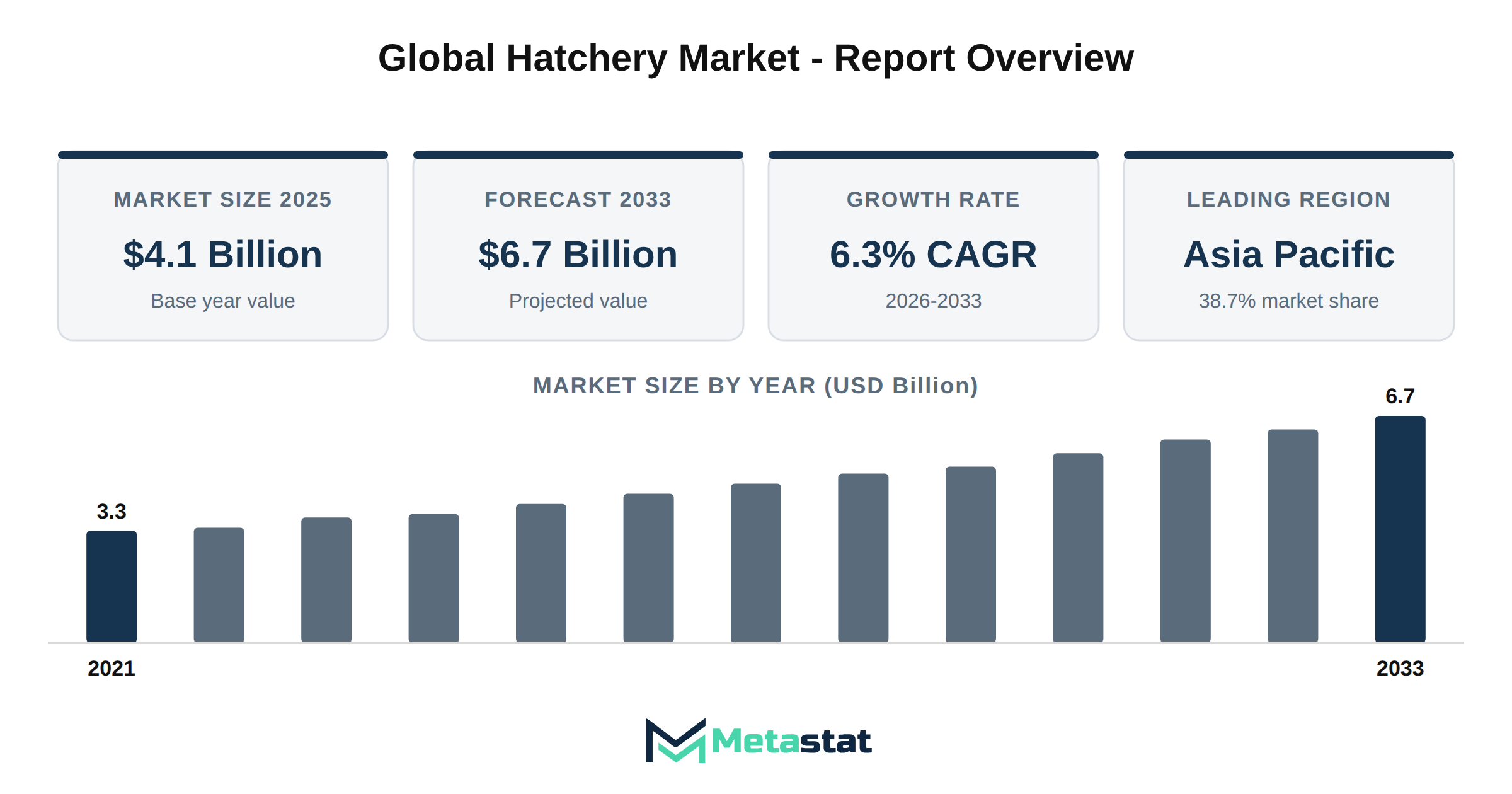
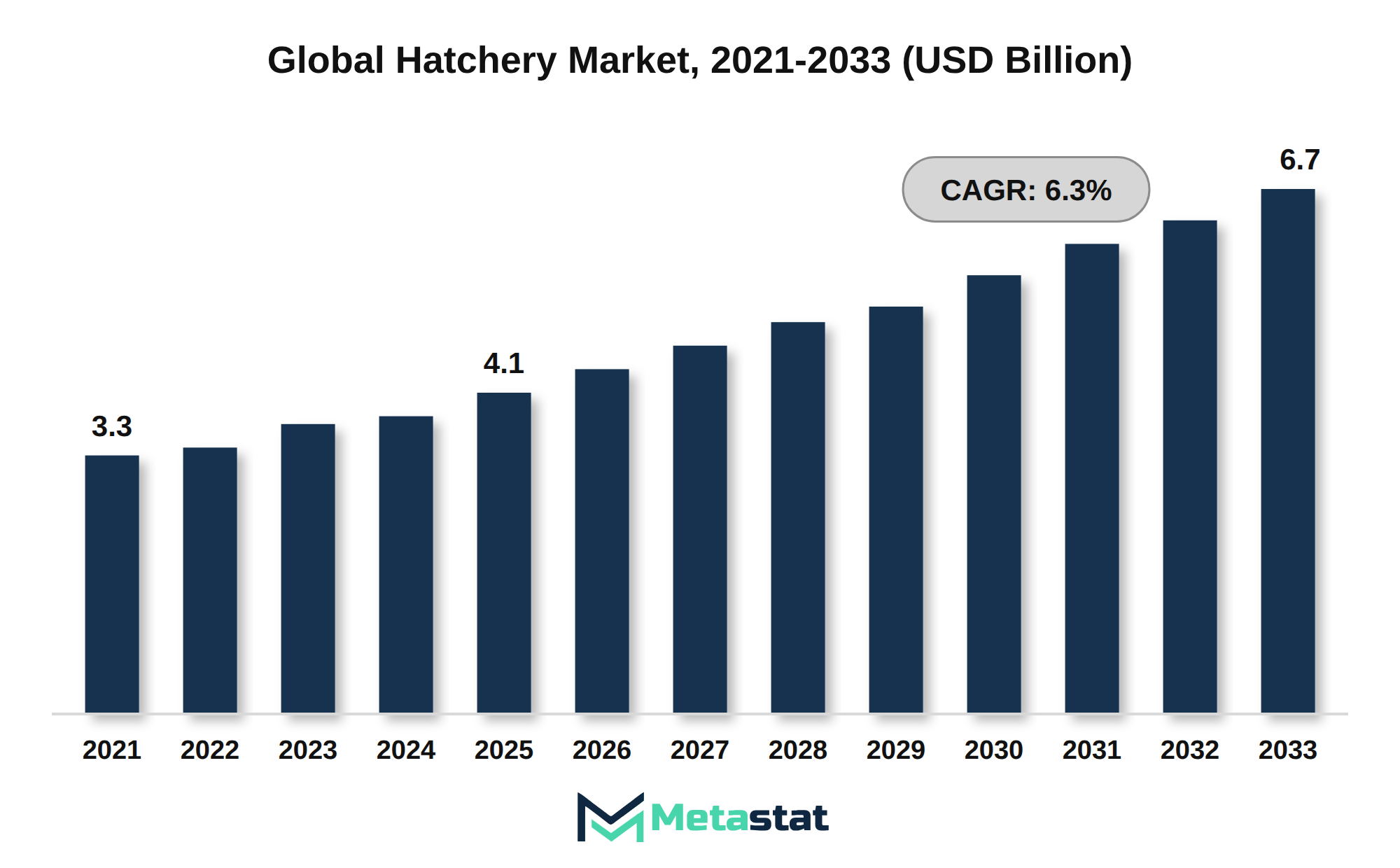
The global Hatchery market reached a value of USD 4.1 billion in 2025, reflecting steady growth from USD 3.3 billion in 2021. Forecasts indicate an increase to USD 6.7 billion by 2033, representing a compound annual growth rate (CAGR) of 6.3%. This upward trajectory is driven by rising demand in various poultry segments, with significant contributions from broiler and layer production.
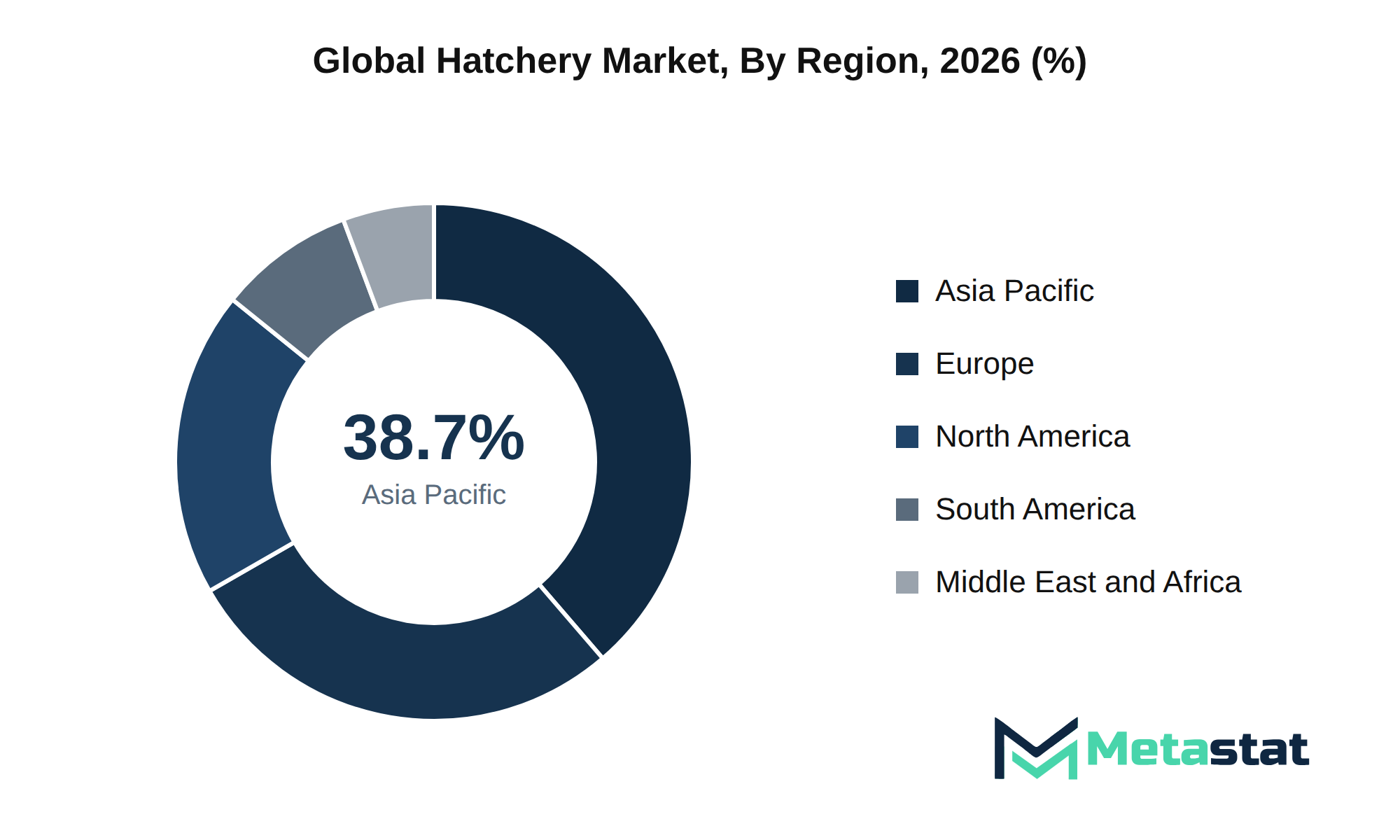
Regional analysis shows that Asia Pacific dominates the market, accounting for 38.7% of the total share. Europe follows closely with a 28% share, while North America contributes 19.1%. The dynamics within these regions affect investment strategies and market entry methods, compelling players to adapt to local regulations and consumer preferences.
Factors influencing growth include technological advancements in hatchery operations, which enhance efficiency and output. The increasing focus on biosecurity and animal welfare further shapes the market landscape, with producers adopting innovative practices to meet regulatory standards. Rising operational effectiveness aligns with consumer demand for sustainably sourced poultry products.
The Hatchery market is characterized by fragmentation, with numerous players competing across various segments. Notable participants include Eagles Pride Hatchery, Aviagen Group, and Hendrix Genetics. Competitive strategies often involve mergers and acquisitions, targeting expansion into emerging markets and diversification of product offerings to capture a broader customer base.
Investment in infrastructure remains critical, with stakeholders allocating capital towards improving logistics and supply chain efficiency. Enhanced logistics architecture supports faster delivery and improved product quality, addressing the growing complexity of distribution channels. While the market evolves, organizations are expected to prioritize sustainable practices and circular economy principles, promoting long-term resilience and compliance with environmental regulations.
Regulatory compliance within the Hatchery market encompasses various standards and frameworks that govern production practices, ensuring product safety and quality. Regulatory bodies enforce guidelines that impact operational processes, influencing how hatcheries manage biosecurity measures and poultry health. Adherence to these regulations builds consumer trust and enhances market reputation, ultimately supporting growth.
Disruption in the market arises from environmental challenges and shifts in consumer preferences towards sustainable practices. Innovators focus on research and development trajectories that emphasize efficiency and animal welfare. Investment in next-generation technologies, including advanced breeding techniques and automation, addresses both productivity and sustainability, providing a competitive edge.
Sustainable transformation is a priority, with hatcheries adopting practices that align with decarbonization goals and circular economy dynamics. Efforts to minimize waste and enhance resource efficiency contribute to long-term viability. Companies implementing sustainable practices benefit from improved operational efficiency and meet the increasing demand for environmentally responsible products.
The supply chain in the Hatchery market reflects a complex network of producers, distributors, and retailers. Logistics architecture ensures that products reach end-users efficiently. Effective sourcing strategies and strong relationships with suppliers enhance resilience against market fluctuations, allowing firms to maintain consistent supply levels.
Market fragmentation persists, with numerous players operating at varying scales. The Hatchery market experiences significant competition, prompting mergers and acquisitions that consolidate resources and capabilities. This dynamic reshapes the value chain, enabling companies to enhance offerings and streamline operations, which leads to improved profitability.
Customer journey dynamics evolve due to end-users increasingly seeking transparency and quality assurance. Hatcheries adapting to these expectations through enhanced communication and engagement strategies strengthen customer loyalty. Capital allocation towards infrastructure investments allows firms to scale operations and innovate effectively, ensuring they remain competitive in the evolving landscape.
The future strategic outlook for the Hatchery market indicates growth potential. Companies prioritizing corporate imperatives including sustainability, innovation, and customer-centric approaches position themselves advantageously. High-value recommendations emphasize the importance of leveraging technology and optimizing supply chain strategies to capitalize on emerging opportunities.
The Hatchery market experiences significant growth driven by the adoption of digital transformation across various operations. Increased reliance on automation, artificial intelligence, and software solutions enhances operational efficiency and streamlines processes within hatcheries. Digitizing legacy systems optimizes production capabilities, leading to improved productivity and cost savings.
This transformation results in higher-quality outputs and accelerates the time-to-market for hatchery products. Integrating advanced technologies strengthens the market's competitiveness, enabling businesses to respond effectively to evolving consumer demands and operational challenges. Investments in digital technologies enhance decision-making capabilities through data analytics, increasing overall profitability.
The market experiences a shift towards online and direct-to-consumer sales channels, driven by changing consumer behaviors. Implementing e-commerce platforms allows hatchery businesses to expand their customer base and improve accessibility to end users. This strategic approach aligns with the trend of digital transformation, contributing to the market's growth trajectory.
Increased infrastructure development significantly influences the Hatchery market. Investment in modernizing facilities and upgrading digital capacity enhances operational efficiency and productivity for producers. Improved infrastructure supports better logistics, enabling quicker delivery of day-old chicks and hatching eggs, which strengthens supply chain resilience. Evolving facilities incorporate advanced technologies, leading to enhanced automation and streamlined processes that reduce operational costs.
Shifting capital investment environments, characterized by favorable interest rates and GDP growth, contribute to expanding financial resources for hatchery operators. Businesses leverage these conditions to enhance their capabilities, driving growth in the market. Infrastructure improvements progress, allowing producers to experience reduced margin pressure while maintaining high-quality standards, which attracts more investment and strengthens competition. Overall, the focus on infrastructure development facilitates market expansion and encourages innovation, ultimately benefiting end users.
The Hatchery market faces significant restraints due to high capital investment requirements. Setting up and operating hatcheries entails substantial investments in technology, infrastructure, and skilled labor. These initial costs deter new entrants and limit the ability of existing players to expand operations. While the market progresses, businesses encounter escalating operating costs that further strain financial resources. Such economic hurdles influence profitability and restrict potential growth opportunities across the sector.
Technological obsolescence presents a challenge, with rapid advancements requiring ongoing investments to keep up with industry standards. Companies that fail to adopt the latest technologies risk falling behind competitors, affecting their market position. High capital requirements associated with upgrading equipment and processes impede many firms, particularly smaller operators, from achieving desired operational efficiencies.
The combination of these factors contributes to a fragmented market landscape, where the ability to compete effectively hinges on financial stability and access to capital. Consequently, the Hatchery market experiences barriers that hinder overall growth potential, making it crucial for companies to navigate these challenges strategically to remain viable.
Geopolitical fragmentation significantly increases uncertainty within the Hatchery market. Trade deficits and tariff friction influence the flow of goods and components, leading to increased costs and delays. Suppliers face challenges in sourcing feedstock and components, which are essential to hatchery operations, resulting in price volatility that directly impacts profit margins.
Technological disruptions further complicate market dynamics. Companies struggle with complex research and development integrations, hindering innovation and the adoption of advanced processes. Interoperability friction between different technological solutions creates inefficiencies, limiting firms' ability to respond effectively to changing market demands.
Logistics disruptions and supply chain instability exacerbate the challenges faced by stakeholders in the Hatchery market. Companies encounter tight deadlines and increased operational costs stemming from logistical hurdles. Streamlined logistics strategies become crucial for maintaining competitiveness and ensuring timely delivery of products.
Evolving global regulatory standards and compliance overhead contribute to increased operational burdens. Regulatory changes necessitate adjustments in practices and technologies, adding to the cost structures that firms navigate. These factors create a challenging environment for stakeholders aiming to achieve sustained growth in the Hatchery market.
Rising input costs and pressures on pricing compress financial margins across the industry. Companies balance the need for competitive pricing with maintaining profitability, which becomes increasingly complex when accounting for rising costs of labor, logistics, and compliance. This scenario emphasizes the urgency for firms to optimize operations and explore innovative solutions to thrive in the evolving market.
Growing regional demands significantly influence the Hatchery market. Increased consumption of poultry products across Asia Pacific, particularly in China and India, drives investments in hatchery facilities to meet rising consumer expectations. The expansion of middle-class populations in these regions enhances demand for protein sources, creating growth opportunities for hatcheries.
Infrastructure modernization contributes to market expansion. Many countries prioritize upgrading their agricultural infrastructure to support efficient hatchery operations, which includes investing in modern breeding technologies. These advancements improve production processes, reduce waste, and enhance the overall quality of hatchery outputs.
Technological disruptions enable innovative practices in the Hatchery market. Adoption of automation and digital technologies enhances operational efficiency and productivity. Integration of data analytics and IoT devices enables hatchery operators to monitor and optimize conditions, leading to improved hatch rates and reduced costs.
Sustainability imperatives drive hatchery investments. Market players align strategies with environmental and social governance (ESG) objectives, emphasizing eco-friendly practices. This shift encourages the development of energy-efficient hatchery systems and waste reduction initiatives, appealing to environmentally conscious consumers and stakeholders.
Strategic consolidation through mergers and acquisitions strengthens competitive positioning. Industry players pursue collaborative efforts to enhance market share and diversify product offerings, driving innovation and expanding geographic reach. Such initiatives support the Hatchery market's growth trajectory and enable access to new customer segments.
Shifts in buying behaviors influence market demand dynamics. The increasing preference for online purchasing channels among consumers and businesses accelerates the adoption of digital procurement strategies. This trend drives hatchery operators to enhance their e-commerce capabilities, ensuring efficient purchasing experiences for customers.
Value-chain optimization enhances operational profitability. By refining supply chain processes and focusing on efficiency, hatchery businesses achieve greater margins. Such improvements contribute to the overall sustainability and growth potential of the Hatchery market.
The Global Hatchery market is segmented based on Poultry Type, Product Type, Distribution Channel, and End User.
Valued at USD 3 billion in 2026, the broiler segment is projected to reach USD 4.6 billion by 2033, exhibiting a CAGR of 6.1% during the forecast period. Increasing global meat consumption drives demand, particularly in regions with growing populations and changing dietary preferences. Rising consumer awareness regarding protein sources, coupled with the demand for sustainably sourced poultry, drives adoption among producers. Enhanced breeding techniques and advancements in hatchery technologies further support the segment's growth, leading to improved efficiencies and productivity in poultry production. The market benefits from the evolution of feed and healthcare products tailored for broilers, ensuring better yields and lower mortality rates.
The shift towards integrated poultry production models strengthens the position of broiler producers, enabling better resource management and cost efficiencies. Regulatory compliance with food safety standards and animal welfare regulations influences production practices, creating a more competitive environment for quality assurance. While the market expands, investment in automation and data-driven solutions optimizes production processes, thereby enhancing operational capabilities. Ultimately, these factors contribute to the overall growth trajectory of the hatchery market, positioning the broiler segment because a significant contributor to future revenue streams.
Significant growth in the Layer segment of the Hatchery market emerges from increasing consumer demand for eggs, particularly in regions with rising populations. This demand is driven by the need for protein-rich diets, which has led to expanded production in commercial poultry farms. Adoption of advanced breeding techniques and improved genetics enhances egg production efficiency, contributing to segment expansion. Technological maturation facilitates the integration of automation in hatcheries, streamlining operations and reducing labor costs. Next-generation upgrades in incubation technologies provide higher hatchability rates, ensuring more efficient production cycles.
Regulatory compliance standards concerning animal welfare and food safety have tightened, influencing production practices among hatcheries. Producers invest in certifications to meet these standards, leading to increased operational costs but ultimately positioning them favorably within the market. Pricing volatility remains a challenge, primarily due to fluctuations in feed costs and other raw materials, impacting profit margins. Despite these pressures, the segment is projected to reach USD 1.5 billion by 2033, at a CAGR of 6.5% during the forecast period.
Strategic opportunity windows arise from the growing trend of free-range and organic egg production, tapping into consumer preferences for ethically sourced products. This shift drives innovation in layer farming practices and expands the addressable market. Overall, the Layer segment remains a crucial component of the Hatchery market, characterized by dynamic growth and evolving consumer demands.
Demand for turkey within the Hatchery market drives growth, with the segment projected to reach USD 0.3 billion by 2033. This increase reflects rising consumer preference for turkey meat, which aligns with healthy dietary trends and protein consumption patterns. Adoption of advanced breeding techniques facilitates higher yields and better animal welfare standards, addressing market demands for sustainable practices.
Technological maturation in incubation processes enhances hatch rates and reduces operational costs for producers. This evolution in technology creates opportunities for hatcheries to expand their product offerings, thereby attracting a broader customer base. Regulatory compliance standards focusing on biosecurity and animal health shape operational frameworks, ensuring producers meet consumer expectations and safety requirements.
End-user dynamics play a crucial role in shaping the market, particularly among integrated poultry producers and commercial farms. Their focus on efficiency and productivity drives demand for high-quality turkey stock. Pricing volatility in feed costs impacts the profitability of poultry operations, compelling producers to adopt cost-effective measures that optimize production processes. Overall, the combination of these factors positions the turkey segment for significant growth within the broader Hatchery market.
Growth in the Duck sub-segment reflects rising consumer preferences for duck meat, driven by its nutritional profile and unique flavor compared to other poultry options. This trend results from increasing health consciousness among consumers, who seek high-protein and low-fat meat alternatives. Producers observe heightened interest from restaurants and specialty food retailers, further boosting demand in the market.
Duck segment is projected to grow at a CAGR of 7.2% during the forecast period. Innovations in breeding and hatching technologies contribute to improved production efficiency, enhancing the overall economics for producers. The ability to produce higher quality ducklings and optimize growth rates positions suppliers favorably in the competitive environment.
Strategic opportunities exist in expanding the distribution channels for duck products, particularly through online and direct-to-consumer sales. Enhanced digital marketing strategies engage new consumers, increasing market penetration. The growing availability of duck meat in mainstream supermarkets and specialty stores supports broader access, stimulating further growth.
Challenges in the market arise from fluctuating feed prices and the need for stringent biosecurity measures. Cost pressures affect margins for producers, driven by investments in biosecurity and health monitoring systems that increase operational complexity. Effective supply chain management will be essential in mitigating these risks, ensuring consistent product availability.
Overall, the Duck sub-segment presents significant growth potential within the Hatchery market, driven by consumer demand, technological advancements, and strategic market positioning. Continued focus on quality enhancement and efficient production practices will enhance the segment's contribution to the market's expansion.
Growing interest in alternative poultry options fuels demand within the Other Poultry segment, which encompasses geese, guinea fowl, quail, and gamebirds. This segment attracts consumers seeking diverse meat sources, contributing to an expanding market. Increased awareness of health benefits associated with alternative poultry varieties enhances consumer preferences, prompting poultry producers to diversify their offerings.
The market experiences a notable shift driven by consumers seeking sustainable and ethically sourced protein options. This trend encourages producers to explore innovative breeding and hatching techniques, leading to advancements in the segment. Regulatory standards focusing on animal welfare and health drive producers to adapt their practices, ensuring compliance while enhancing product quality.
Technological maturation significantly influences segment growth, with advancements in incubation and hatching technologies improving yield and efficiency. Next-generation upgrades, including automated systems and enhanced monitoring, streamline operations and reduce resource consumption. These developments position producers to meet rising consumer expectations for quality and sustainability.
Investment opportunities arise owing to businesses recognizing the potential of the Other Poultry segment. Capital allocation towards research and development enhances product evolution, addressing consumer demand for premium options. This focus on innovation supports downstream applications, with increased integration into culinary markets and specialty food segments.
The Other Poultry segment within the Hatchery market experiences growth driven by shifting consumer preferences, technological advancements, and regulatory influences. Ongoing investments in product development and operational efficiency position this segment favorably for future expansion.
Valued at USD 2.9 billion in 2026, the Day-Old Chicks segment is projected to reach USD 4.4 billion by 2033, at a CAGR of 6.1% during the forecast period. Demand for Day-Old Chicks is fueled by the rising consumption of poultry products globally, supported by increasing health-consciousness among consumers. This trend leads to a growing preference for chicken because a source of lean protein, with various markets investing in enhanced breeding techniques and chick quality. Innovations in incubation technologies further drive segment expansion, leading to higher hatch rates and improved overall productivity.
Integration of advanced genetic technologies contributes to the evolution of the Day-Old Chicks segment. Producers increasingly adopt selective breeding programs, resulting in enhanced growth rates and feed conversion ratios. This technological maturation, coupled with the emergence of sustainable practices, positions the segment for significant growth. Strategic investments in research and development provide opportunities to address changing consumer preferences, ultimately driving demand within the Hatchery market.
The shift towards larger-scale poultry operations influences consumption dynamics, with commercial poultry farms increasingly sourcing Day-Old Chicks to optimize production efficiency. This segment responds effectively to the demands of integrated poultry producers, who require consistent supply and quality. The competitive landscape benefits from the entry of new players focusing on niche markets, including organic and free-range poultry, further diversifying the product offerings.
Strong demand for Hatching Eggs arises from the increasing consumption of poultry products across various regions. The rising trend toward poultry farming and the growth of integrated poultry production systems support this uptick in demand. Segment expansion is propelled by advancements in breeding techniques and hatching technologies, which enhance the viability and health of chicks. Enhanced egg quality and higher hatchability rates contribute to improved operational efficiencies for commercial poultry farms.
Regulatory frameworks play a critical role in shaping the Hatching Eggs market, with various certifications and standards ensuring quality and safety. Compliance with these regulations builds trust among consumers and promotes sustainable practices within the industry. Price volatility within the market, driven by fluctuations in feed costs and raw material prices, influences profit margins for producers. Strategic opportunities exist for investments in next-generation breeding technologies that mitigate these pressures.
The Hatching Eggs segment is projected to reach USD 1.2 billion by 2033, at a CAGR of 6.5% during the forecast period. Addressing supply chain resilience and the sourcing of raw materials remains essential for maintaining consistent production levels. Investments in logistics and distribution channels enhance market accessibility, enabling producers to meet the evolving needs of end users effectively. Overall, the Hatching Eggs segment stands poised for significant growth in the coming years, driven by technological advancements and heightened consumer interest in poultry products.
Valued at USD 0.6 billion by 2033, the Parent Stock Chicks segment sees significant demand driven by the need for high-quality breeding stock essential for commercial poultry farms. This demand arises from the increasing focus on enhancing poultry genetics, which supports better productivity and disease resistance among bird populations.
Adoption of advanced breeding technologies influences segment expansion. Innovations in genetic selection and reproductive technologies improve hatch rates and chick quality. This technological maturation attracts investments from integrated poultry producers, enhancing overall market competitiveness.
Downstream applications in the commercial poultry sector experience shifts toward more efficient production practices. Growing awareness of biosecurity and health standards leads to increased demand for Parent Stock Chicks, reinforcing their role in the supply chain. Compliance with regulatory industry standards drives the need for reliable breeding solutions.
Pricing trends for Parent Stock Chicks align with broader market dynamics. Cost pressure associated with raw material sourcing and supply chain vulnerabilities contributes to pricing volatility. Producers strive to mitigate these pressures through enhanced production efficiencies, impacting overall market profitability.
Strategic opportunity windows emerge for players focusing on developing innovative breeding solutions and establishing robust distribution channels. Companies investing in genetics research and technology advancements position themselves favorably within the market, contributing to sustained growth and market share expansion.
Valued at USD 0.6 billion in 2026, the Grandparent Stock Chicks segment is projected to grow at a CAGR of 7.2% during the forecast period. This growth stems from increasing consumer awareness regarding the importance of genetic lineage in poultry production, enhancing overall flock health and productivity. This demand primarily arises from integrated poultry producers who prioritize quality breeding stock to improve yield and reduce disease susceptibility within their operations.
Advancements in breeding technologies contribute significantly to the segment's expansion, allowing producers to deliver improved genetic traits in Grandparent Stock Chicks. These innovations lead to optimized growth rates and feed efficiency, directly impacting profitability for producers. Adoption of these enhanced breeding techniques within the market provides competitive advantages, ensuring higher market shares for suppliers who successfully implement them.
Market dynamics reflect a shift towards sustainable poultry farming practices, where the emphasis on biosecurity and disease management is significant. Regulatory compliance standards increasingly require producers to maintain high-quality genetic stock, further driving the demand for Grandparent Stock Chicks. This heightened focus on health and quality directly correlates with consumer preferences for poultry products, influencing purchasing decisions at the retail level.
The segment faces challenges related to pricing volatility, particularly influenced by fluctuations in feed costs and breeding stock availability. Such volatility pressures margins for producers, necessitating strategic sourcing and cost management to maintain competitive pricing. The cost structures within the market require ongoing refinement to balance profitability with the growing demand for higher-quality poultry.
Investment in strategic opportunities is evident, reflecting stakeholders within the market seeking to enhance product offerings and technological capabilities. A strong emphasis on research and development aligns with evolving consumer needs, indicating a robust capital investment outlook for the Grandparent Stock Chicks segment. This strategic focus positions the segment for sustained growth within the broader Hatchery market.
Demand for Started Pullets contributes significantly to market dynamics, driven by increasing adoption of sustainable poultry production practices. Rising consumer preferences for ethically sourced poultry products lead to enhanced focus on animal welfare. The segment benefits from the integration of advanced breeding technologies that ensure optimal growth rates and health standards for pullets, which directly influences the profitability of poultry farms.
Technological maturation supports segment expansion, with innovations in genetic selection and nutrition improving overall productivity. Next-generation upgrades, including precision farming techniques, facilitate better management of poultry stock, reducing mortality rates and enhancing growth performance. Consequently, commercial poultry farms increasingly rely on Started Pullets to meet rising consumer demands while ensuring compliance with regulatory standards.
Consumer trends indicate a notable shift towards locally sourced and organic poultry products, further driving demand within the market. The effective utilization of Started Pullets aligns with these trends, allowing producers to enhance their product offerings. Ongoing investments in production facilities and supply chain resilience improve the segment's ability to meet fluctuating market demands.
Pricing volatility remains a challenge, influenced by fluctuations in feed costs and raw material sourcing. Producers face margin pressures, compelling them to optimize operations for cost efficiency. Strategic opportunities arise from emerging markets where poultry consumption continues to grow, indicating a favorable outlook for the segment within the broader Hatchery market.
Valued at USD 2.3 billion in 2026, the Direct Hatchery Sales segment is projected to reach USD 3.5 billion by 2033, at a CAGR of 5.9% during the forecast period. Growth within this segment stems from increasing consumer demand for fresh poultry products and the need for efficient supply chains that ensure quality and availability. Commercial poultry farms and integrated poultry producers drive this demand, focusing on optimizing operations through direct sourcing from hatcheries.
Technological advancements improve hatchery operations, enabling higher hatch rates and healthier chicks. Innovations in breeding techniques and biosecurity measures enhance product quality, making direct hatchery sales more appealing to end users. A shift towards sustainable poultry farming practices influences purchasing decisions, leading buyers to prioritize suppliers that demonstrate responsible sourcing and production methods.
Price volatility in raw materials and operational costs impacts hatchery margins, compelling suppliers to streamline processes and explore cost-efficient strategies. Regulatory compliance standards in animal welfare and food safety strengthen the need for hatcheries to maintain high standards, further influencing purchasing dynamics within the market. Overall, the Direct Hatchery Sales segment is projected for growth, supported by evolving consumer preferences and advancements in poultry production technologies.
Growth in the Distributor & Dealer Networks segment reflects the increasing reliance on these channels to meet demand in the Hatchery market. This segment is well-positioned to capitalize on trends in poultry consumption, where convenience and accessibility drive purchasing decisions. The anticipated value for this segment reaches USD 1.9 billion by 2033, at a CAGR of 5.9% during the forecast period. Enhanced distribution strategies contribute to expanding market presence and improve operational efficiencies for suppliers.
Technological advancements in supply chain management have streamlined processes, facilitating quicker responses to market changes. These developments ensure that distributors and dealers adapt to evolving consumer preferences and regulatory standards. The increasing focus on product traceability and quality assurance influences the success of this segment. Strong collaborations among hatcheries and distribution networks enhance competitive advantages, increasing market penetration.
Emerging markets, particularly in Asia Pacific and South America, exhibit rapid growth potential within the Distributor & Dealer Networks. Increased urbanization and changing dietary habits in these regions drive demand for poultry products. This shift promotes the necessity for robust distribution frameworks that enhance product availability and cater to consumer needs efficiently. Overall, the evolving dynamics within this segment contribute significantly to the growth trajectory of the Hatchery market.
Growth in the Contract/Institutional Supply segment reflects increasing reliance on large-scale poultry operations that require consistent and reliable hatchery outputs. This segment is projected to experience expansion due to rising demand for poultry products across various markets. The capacity of hatcheries to meet large orders from institutional clients significantly influences this growth, ensuring that producers achieve economies of scale while maintaining quality. The segment is expected to reach USD 0.9 billion by 2033. Increased collaboration between hatcheries and commercial poultry farms enhances the efficiency and consistency of supply chain operations, leading to improved profitability for both parties involved.
Technological advancements within the hatchery market support the evolution of the Contract/Institutional Supply segment. Upgrades in incubation technology and biosecurity measures enhance hatchery efficiency, reducing losses and ensuring higher yields. Stricter regulations surrounding food safety and biosecurity compel hatcheries investing in these technologies to position themselves competitively. Compliance with emerging regulatory standards influences operational decisions, shaping the landscape of institutional supply. An increased focus on sustainable practices drives market participants to adopt innovative solutions that align with consumer preferences and regulatory requirements.
Market dynamics indicate that fluctuations in raw material costs and pricing volatility impact the profitability of the Contract/Institutional Supply segment. Strategic sourcing of inputs, including feed and incubation materials, remains critical for maintaining margins. Long-term contracts with suppliers mitigate pricing pressures, ensuring stability in cost structures. Investment in research and development for alternative protein sources and innovative breeding techniques presents strategic opportunities for hatcheries, allowing them to diversify their offerings and meet evolving consumer preferences. The overall outlook for this segment remains positive, driven by consistent demand for poultry products and a commitment to enhancing production capabilities.
Growth in Online & Direct-to-Consumer Sales reflects shifts in consumer behavior and preferences, driven by increasing demand for convenient access to hatching products. Digital platforms enable poultry producers to reach broader audiences, enhancing engagement with end-users, particularly smallholder and family farms. This segment is projected to grow at a CAGR of 8.8% during the forecast period. Rising awareness surrounding sustainable and organic poultry farming fuels consumer interest in online purchasing, promoting a shift away from traditional distribution channels.
Technological advancements in e-commerce and logistics streamline the purchasing process, creating a supportive environment for this segment's expansion. Enhanced user experience, coupled with targeted marketing strategies, effectively captures the attention of potential buyers. Regulatory compliance regarding food safety and quality standards remains crucial, ensuring that online offerings meet consumer expectations and governmental requirements.
Investments in digital transformation initiatives are vital for players in the Hatchery market, focusing on improving operational efficiencies and expanding product offerings through online platforms. Robust competition among hatchery suppliers enhances service delivery, driving innovation in product development and customer interaction. Overall, the Online & Direct-to-Consumer Sales segment represents a strategic opportunity window for growth within the market.
Valued at USD 1.5 billion in 2026, the Commercial Poultry Farms segment is projected to reach USD 2.2 billion by 2033, at a CAGR of 5.8% during the forecast period. Increasing consumer demand for poultry products drives the expansion of this segment. Commercial poultry farms play a crucial role in meeting the rising protein needs of a growing global population. Enhanced production efficiencies, including advancements in breeding and incubation technologies, support the segment's growth potential. The Hatchery market addresses the need for high-quality day-old chicks and other poultry products, ensuring a consistent supply to commercial farms.
Technological maturation and next-gen upgrades in hatchery processes streamline operations, improve yield, and reduce costs. Adoption of automated systems in incubators and hatcheries increases production efficiency, allowing farms to respond rapidly to market demands. Regulatory compliance standards regarding poultry health and biosecurity influence operational practices, driving investments in quality assurance and safety measures. Consequently, commercial poultry farms experience improved margins and heightened competitiveness in the Hatchery market.
Consumption shifts toward sustainably sourced poultry products enhance opportunities for commercial farms. The integration of organic and free-range poultry offerings meets changing consumer preferences, enabling farms to capture premium pricing. Cost structures reflect these transitions, emphasizing the importance of effective supply chain management and raw material sourcing. While farms adapt to these dynamics, strategic opportunities arise, reinforcing the significance of the Commercial Poultry Farms segment within the broader Hatchery market.
Integrated Poultry Producers drive significant demand within the Hatchery market, emphasizing efficiency and productivity enhancements across operations. This segment is expected to reach USD 1.9 billion by 2033, growing at a CAGR of 6.6% during the forecast period. The integration of advanced technologies, along with shifts in consumer preferences towards sustainable and high-quality poultry products, drives growth in this sector. While technological maturation continues, producers increasingly adopt next-generation upgrades that enhance production capabilities while maintaining compliance with regulatory standards.
Downstream applications benefit from the focus on quality, leading to improved end-use dynamics and stronger market positioning. The influence of pricing volatility and margin pressures on operations remains a critical factor for producers, compelling them to adopt innovative cost management and supply chain resilience strategies. Amid these dynamics, strategic opportunity windows emerge, encouraging investment and expansion within the market. The growing emphasis on efficiency and quality ensures that integrated poultry producers maintain a competitive edge, supporting continued growth in the Hatchery market.
Increasing focus on sustainable poultry production drives growth among Independent Broiler & Layer Growers within the Hatchery market. This segment is projected to reach USD 1.3 billion by 2033, reflecting a significant increase in market activity and investment. The shift toward more efficient breeding practices and improved feed conversion ratios enhances the profitability of independent growers, allowing them to compete effectively in a market characterized by fluctuating demand and rising prices.
Technological advancements in breeding techniques and genetics contribute to the segment's expansion. Demand for high-quality broilers and layers aligns with consumer preferences for locally sourced and organic products, pushing independent growers to adopt innovative practices that meet these expectations. Regulatory compliance regarding animal welfare and food safety standards necessitates strategic investments in infrastructure and operational upgrades, impacting cost structures and pricing dynamics.
Market participants face challenges related to pricing volatility and margin pressures. Fluctuations in feed costs and changes in regulatory frameworks influence the operational landscape, prompting growers to explore alternative sourcing strategies and enhance supply chain resilience. Successful integration of next-gen upgrades and product evolution, including organic and antibiotic-free options, positions independent growers favorably within a competitive environment, ensuring relevance in the evolving Hatchery market.
Projected growth at a CAGR of 6.6% during the forecast period indicates heightened demand in the Smallholder & Family Farms segment. This upward trajectory results from increasing consumer interest in locally sourced poultry products, driven by health-conscious purchasing trends and the rising preference for organic and free-range options. Such shifts increase the significance of smallholder farms, which play a critical role in local economies.
The Hatchery market benefits from technological advancements that facilitate efficient breeding practices and improve hatchability rates. Innovations in incubation technology and genetic selection contribute to enhanced productivity for smallholder and family farms, allowing operators to maximize output while maintaining quality standards. These advancements position smallholder farms favorably within the market, appealing to environmentally conscious consumers.
Investment in sustainable practices continues to shape the operational strategies of smallholder farms, aligning with global trends toward sustainability and ethical farming. Compliance with regulatory standards further enhances market access, enabling small farms to meet the growing demands of consumers seeking ethically sourced poultry. The Hatchery market observes a dynamic relationship of sustainability and consumer preferences, driving segment growth.
Projected revenue for the Smallholder & Family Farms segment is expected to reach USD 1.3 billion by 2033. This growth highlights the strategic importance of this segment within the broader market, revealing opportunities for investment in infrastructure and technology that enhance productivity and profitability. Anticipated expansion aligns with the increasing consolidation of market forces that favor larger operations while still recognizing the unique contributions of smaller-scale producers.
Increasing demands from breeding operations drive interest in the Breeding Farms & Hatcheries sub-segment. This sector relies on advanced breeding techniques and genetics to enhance productivity and disease resistance among poultry. The integration of innovative technologies drives growth and efficiency in breeding practices, directly impacting hatchery yields and overall market performance.
Technological advancements in genetics, including genome editing and marker-assisted selection, enable breeding farms to produce superior stock. These developments align with shifting consumption patterns, where consumers demand higher quality and ethically sourced poultry products. Regulatory compliance standards influence breeding practices, emphasizing biosecurity and animal welfare, which further shape operational dynamics within the market.
Adoption of next-generation breeding techniques supports enhanced performance metrics, including growth rates and feed conversion ratios. Strategic investment opportunities arise due to breeding farms seeking to upgrade their infrastructures to incorporate these innovations. In this dynamic environment, market players navigate the complexities of raw material sourcing and supply chain resilience while responding to evolving consumer preferences.
Based on geography, the Global Hatchery market is divided into North America, Europe, Asia-Pacific, South America, Middle East, and Africa.
North America Hatchery Market is set to expand at a CAGR of 6.3% within the forecast period, reaching a market size (TAM) of USD 1.2 billion by the end of 2033. This growth is driven by several factors, including increasing demand for poultry products and a growing focus on efficient production methods. The presence of large-scale commercial poultry farms in the United States, Canada, and Mexico supports robust expansion within the market.
Investment in modernizing infrastructure enhances production capabilities, while localized manufacturing densities contribute to increased supply chain efficiency. Emerging market front-runners, particularly in the United States, demonstrate strong innovation and adaptation to evolving market demands. Adoption rates of new technologies, including advanced breeding techniques and automation in hatcheries, facilitate operational improvements and enhance productivity.
Regional compliance mandates and specific regulations impact the operational landscape, requiring hatchery operators to align with local standards. Competitive dynamics within the region include a mix of domestic market participants and emerging players, contributing to an active vendor consolidation trend. Strong cultural nuances influence B2B buying behaviors, leading to tailored procurement strategies among poultry producers.
The North American market benefits from a well-established resource availability, ensuring a steady supply of essential materials for hatchery operations. Energy grid resiliency and local infrastructure readiness further support sustained growth, positioning the region favorably for continued investment and development within the hatchery market.
The Hatchery market in Europe, which accounts for a significant 28.00% of the global share in 2025, demonstrates growth potential driven by various factors. Strong consumer demand for poultry products in Germany, France, the UK, Italy, and Spain fuels the market's expansion, alongside growing interest in sustainable farming practices. Adoption of modern breeding technologies enhances efficiency in hatchery operations, thereby increasing production capabilities.
Cultural preferences for specific poultry types, particularly broilers and layers, influence segmentation within the market. Local compliance mandates and regulatory frameworks promote adherence to quality standards, ensuring safety and sustainability in production processes. The emergence of domestic market leaders, including established players, contributes to competitive dynamics, driving innovation and investment in localized manufacturing.
Infrastructure modernization initiatives, combined with strategic foreign direct investment flows, enhance operational efficiency in hatcheries across the region. The growing trend of nearshoring initiatives supports supply chain regionalization, improving responsiveness to market demands. These developments position Europe because an attractive area for growth within the Hatchery market, driven by companies seeking to capitalize on high-value replacement cycles and incremental growth vectors.
Asia-Pacific represents a significant portion of the global Hatchery market, accounting for 38.7% of the total share in 2025. The region benefits from a combination of demographic trends, dietary shifts, and increasing protein consumption, particularly in developing countries including China and India. Rising demand for poultry products reinforces the need for expanded hatchery operations.
Investment in infrastructure modernization enhances production capacities across Asia-Pacific. Countries like South Korea and Japan lead in adopting advanced technologies, improving hatchery efficiency. Emerging markets in Southeast Asia exhibit rapid growth, fueled by rising disposable incomes and urbanization, which strengthen poultry consumption patterns.
The competitive landscape within the Hatchery market features numerous domestic players that adapt to local procurement dynamics and cultural nuances. Regional leaders capitalize on localized manufacturing densities and supply chain regionalization, enabling them to respond quickly to market demands. Cross-border trade corridors facilitate the movement of hatching eggs and chicks, further contributing to market dynamics.
Geopolitical factors and regulatory frameworks in Asia-Pacific introduce complexities for market participants. Strategic foreign direct investment (FDI) flows encourage growth opportunities, allowing foreign firms to gain entry into underpenetrated territories. The market anticipates incremental growth vectors, particularly among integrated poultry producers and commercial poultry farms, which signify strong potential for revenue generation.
The Hatchery market in South America, accounting for a share of 8.5% of the global market in 2025, is influenced by several factors unique to the region. Brazil and Argentina are critical to this market, with both countries exhibiting strong demand for poultry products driven by local consumption preferences and export opportunities. The region benefits from a growing middle class that increasingly values protein-rich diets, leading to enhanced demand for poultry products.
Infrastructure modernization efforts across Brazil and Argentina support market expansion. Investments in technology and processes within hatcheries improve efficiency and productivity, allowing producers to meet rising consumer expectations. Localized manufacturing densities contribute to increased supply chain resilience, enhancing the capacity to respond to market demands swiftly.
Regional competitive dynamics feature several domestic companies that shape the Hatchery market. These companies focus on innovation and quality to maintain their positions, responding to cultural nuances that influence B2B buying behaviors. Emerging market participants invest in advanced breeding techniques and sustainable practices, aligning with global trends towards responsible poultry production.
Foreign direct investment (FDI) flows into South America enhance market growth potential, providing access to advanced technologies and practices. Regional resource availability, particularly in feed production, influences operational costs and market pricing strategies. Overall, South America presents a robust environment for the Hatchery market, supported by strategic entry barriers that protect local players while encouraging healthy competition.
The Hatchery market in the Middle East and Africa shows significant potential, accounting for 5.7% of the global market in 2025. Countries like Saudi Arabia, UAE, and South Africa indicate dynamic demand driven by increasing poultry consumption and evolving agricultural practices. The region's poultry industry benefits from rising urbanization and population growth, enhancing the need for efficient production methods.
Infrastructure modernization plays a critical role, with investments in local hatchery facilities and enhanced supply chains. Emerging market front-runners focus on technological advancements and improved breeding techniques, ensuring a competitive edge in the market. The demand for high-quality poultry products drives innovation, encouraging both local and foreign investment.
Localized procurement dynamics influence purchasing behaviors, with farmers preferring suppliers who understand regional nuances. The market experiences high-value replacement cycles, where producers replace outdated equipment with modern solutions to enhance efficiency and productivity. Incremental growth vectors strengthen the region's position in the Hatchery market.
Domestic market leaders adapt to geopolitical fragmentation, ensuring compliance with regional regulations and implementing trade policies that stimulate growth. Cross-border trade corridors facilitate the movement of hatchery products, while supply chain regionalization supports localized manufacturing densities. Consequently, stakeholders in the Hatchery market benefit from strategic entry barriers and favorable foreign direct investment flows.
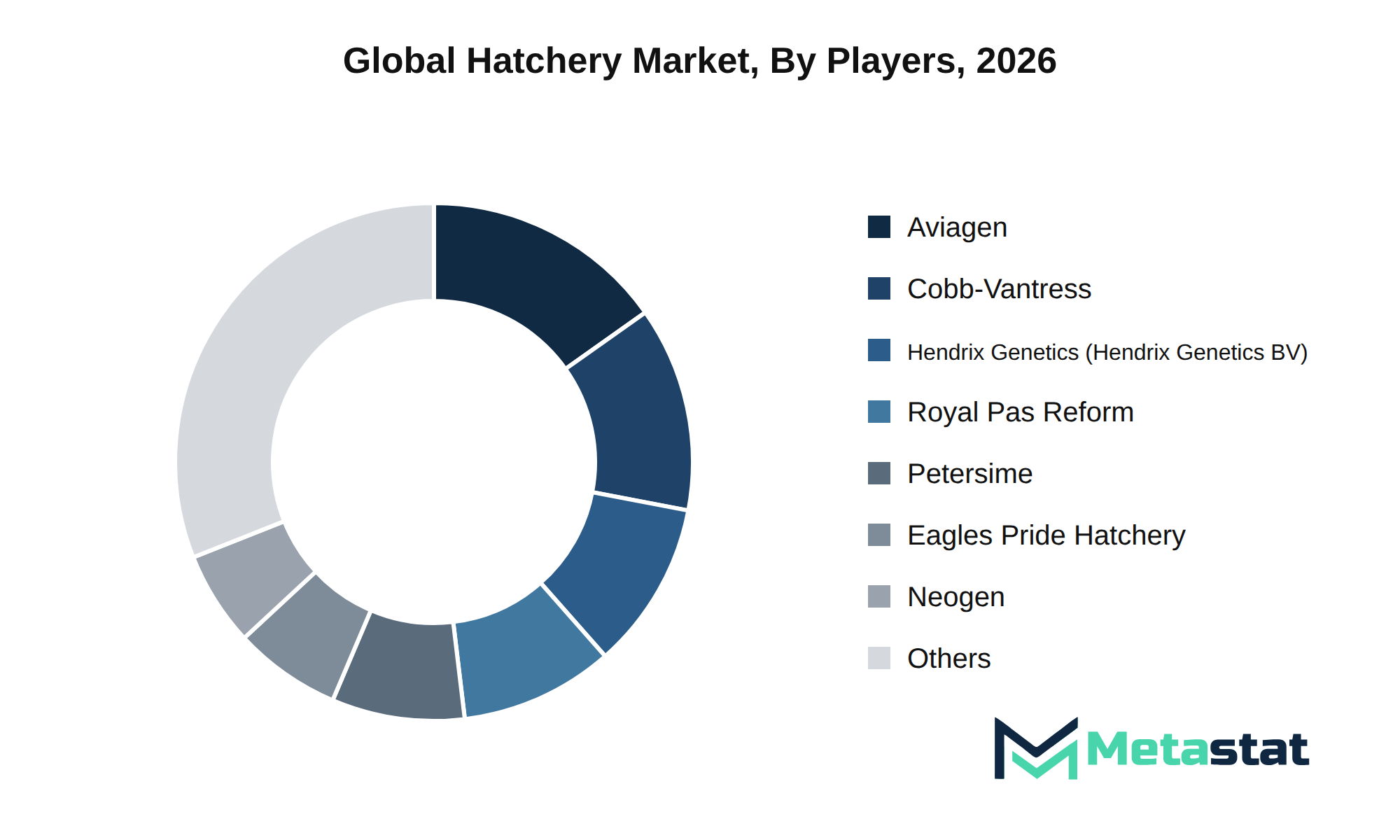
The Hatchery market features a dynamic competitive landscape characterized by strategic consolidation and innovation. Companies including Aviagen Group and Hendrix Genetics focus on product differentiation and proprietary technology to enhance their offerings. Firms like Petersime nv and Neogen Corporation prioritize research and development to maintain a competitive edge, contributing to robust R&D pipelines.
Strategic alliances and joint ventures, including partnerships between regional players like Trouw Nutrition and global firms, strengthen market positioning and expand customer reach. The threat of new entrants remains limited due to significant barriers to entry, including high capital requirements and established brand equity from companies like Cobb-Vantress, LLC and Hy-Line.
Customer retention strategies play a crucial role in maintaining market share. Established players leverage their intellectual property portfolios and technological advancements to create a defensible position against emerging threats. The Hatchery market continues to evolve, with ongoing strategic growth vectors identified among key participants including Royal Pas Reform and Venkys India, enhancing operational capabilities and market responsiveness.
Market size is forecast to rise from USD 4.1 billion in 2025 to over USD 6.7 billion by 2033. The base case shows growth at a 6.3% compound annual growth rate (CAGR), reflecting robust demand across various segments. Scenarios for the market indicate potential fluctuations based on economic cycles, influencing downstream demand. Economic conditions could shift purchasing patterns in the poultry industry, impacting hatchery operations.
Several factors contribute to structural consumption shifts, including advancements in next-generation technologies integrated within hatchery processes. This integration facilitates increased efficiency and productivity, allowing producers to meet evolving market demands. Timelines for research and development commercialization remain critical, driven by ongoing innovation that enhances competitive advantage.
Regulatory evolution introduces compliance milestones that businesses navigate to maintain operational effectiveness. The enforcement of policies supporting sustainable practices affects market dynamics, pushing producers towards compliance-driven investments. Geopolitical realignments create new trade corridors, influencing supply chain dynamics and market accessibility.
Strategic capital allocation directives focus on infrastructure commitments and capital expenditure investment vectors, essential for sustaining growth. Emerging white-space opportunities present avenues for market expansion, addressing unmet enterprise needs in the hatchery sector. Identifying high-growth pockets becomes imperative for firms seeking to capitalize on evolving market conditions.
Executive-level strategic imperatives will shape future growth recommendations, ensuring companies align their operational frameworks with market trends. In this environment, defensibility roadmaps will be vital for maintaining competitive positions within the hatchery market.
The report strategically identifies and profiles the key market players and analyses their core competencies in each sub-segment of the Hatchery market.
Report Attributes | Details |
Study Period | 2021-2033 |
Base Year | 2025 |
Estimated Year | 2026 |
Forecast Period | 2026-2033 |
Historical Period | 2021-2025 |
Growth Rate | CAGR 6.3% from 2026 to 2033 |
Revenue Unit | USD billion |
Segmentation | By Poultry Type, Product Type, Distribution Channel, End User, and Region |
By Region | North America (By Poultry Type, Product Type, Distribution Channel, End User, and Country)
|
Europe (By Poultry Type, Product Type, Distribution Channel, End User, and Country)
| |
Asia Pacific (By Poultry Type, Product Type, Distribution Channel, End User, and Country)
| |
South America (By Poultry Type, Product Type, Distribution Channel, End User, and Country)
| |
Middle East and Africa (By Poultry Type, Product Type, Distribution Channel, End User, and Country)
|
Find answers to common questions about this report
The Hatchery market size was valued at USD 4.1 billion in 2025.
The Hatchery market is projected to grow at a CAGR of 6.3% during the forecast period from 2026 to 2033.
The North America Hatchery market size is estimated to reach USD 1.2 billion by 2033.
The Broiler segment leads the Hatchery market, with a projected value of USD 4.6 billion by 2033. This figure reflects the highest growth potential compared to other poultry types.
Significant growth in the Hatchery market is driven by the adoption of digital transformation, enhancing operational efficiency through automation and artificial intelligence. Increased infrastructure development and favorable capital investment environments support market expansion by improving productivity and reducing operational costs. Rising regional demands, particularly in Asia Pacific, drive investments in hatchery facilities to meet consumer expectations.
Asia Pacific holds the dominant share of the Hatchery market, accounting for 38.7 percent in 2025. This region surpasses others, including Europe at 28 percent and North America at 19.1 percent.
High capital investment requirements significantly restrain the Hatchery market growth. The substantial costs associated with technology, infrastructure, and skilled labor deter new entrants and limit expansion for existing players. escalating operating costs and technological obsolescence further strain financial resources, hindering profitability and growth opportunities across the sector.
Factors favoring product adoption in the Hatchery market include the integration of digital technologies and automation, which enhance operational efficiency and productivity. the shift towards online and direct-to-consumer sales channels aligns with changing consumer behaviors, expanding access and improving customer engagement.
The Hatchery market is estimated to reach a valuation of USD 6.7 billion by 2033.
Key players operating in the Hatchery market include Aviagen Group, Hendrix Genetics, Petersime nv, Neogen Corporation, Royal Pas Reform, Cobb-Vantress, LLC, and Hubbard Breeders.
The analysts below cover Food and Beverages research at Metastat Insights.
LEAD ANALYST
Utkarsh Khirodkar is a Lead Market Research Analyst at MetaStat Insight, specializing in market intelligence, technology sector assessments, and competitive strategy.

LEAD PRINCIPAL ANALYST, PHARMA AND HEALTHCARE
Food and Beverages · Healthcare · Healthcare IT · Medical Devices
Ajay Devgire is the Lead Healthcare Analyst at MetaStat Insight, leading strategic research and market intelligence initiatives across the global healthcare domain.

SENIOR RESEARCH ANALYST
Biotechnology · Food and Beverages · Medical Devices · Packaging
Snehal Pasalkar is a Research Analyst at MetaStat Insight, operating at the intersection of life sciences research, competitive strategy, and market intelligence.
Integrating zero-trust access controls across legacy electronic health record systems involves complex compliance overhead. Team produced an analysis that clearly separated identity governance and administration tools from privileged access management platforms. Their evaluation of HIPAA and GDPR compliance features across cloud native solutions gave our architecture group clear baseline criteria. The custom data request regarding biometric authentication adoption in hospital networks was returned promptly with clear documentation.
Evaluating calorific value requirements and air permit compliance across municipal waste facilities requires localized data. Metastat Insight structured their analysis around operational throughput capacity and feedstock composition variations in Latin America and Eastern Europe. Their competitive mapping of sorting equipment vendors helped clarify technology differences between optical separators and heavy media systems. The study provided an objective baseline during our capital expenditure reviews.
Decarbonizing industrial thermal processes hinges on refrigerant regulations and compressor efficiency limits. Metastat Insights delivered a thorough market analysis that evaluated natural refrigerants like CO2 and hydrocarbons against synthetic low-GWP alternatives. The breakdown of utility incentives and grid capacity constraints across key European manufacturing hubs offered valuable perspective. The follow-up conversation with their sector analysts addressed our specific questions on mechanical vapor recompression systems efficiently.
Explore related market intelligence reports worth reading alongside this one.