
LEAD ANALYST
Utkarsh Khirodkar is a Lead Market Research Analyst at MetaStat Insight, specializing in market intelligence, technology sector assessments, and competitive strategy.

Global High Protein Meal Replacement Shake Market Size, Share, By Type (Ready-to-Drink High Protein Meal Replacement Shakes, Powdered High Protein Meal Replacement Shakes, Plant-Based Meal Replacement Shakes and Others), By Protein Source (Whey Protein, Casein Protein, Soy Protein, Pea Protein and Others), By Application (Weight Management, Sports Nutrition and General Wellness), By Distribution Channel (Supermarkets and Hypermarkets, Convenience Stores, Pharmacies and Drug Stores, Online Retail and Others), Industry Analysis, Growth, Trends, and Forecast, 2026-2033
Report ID
MSI-4924
Published
August, 2026
Pages
257 Pages
Format
Historical
Base year
Forecast
Forecast period
Report Details
Choose Your License
Global High Protein Meal Replacement Shake Market
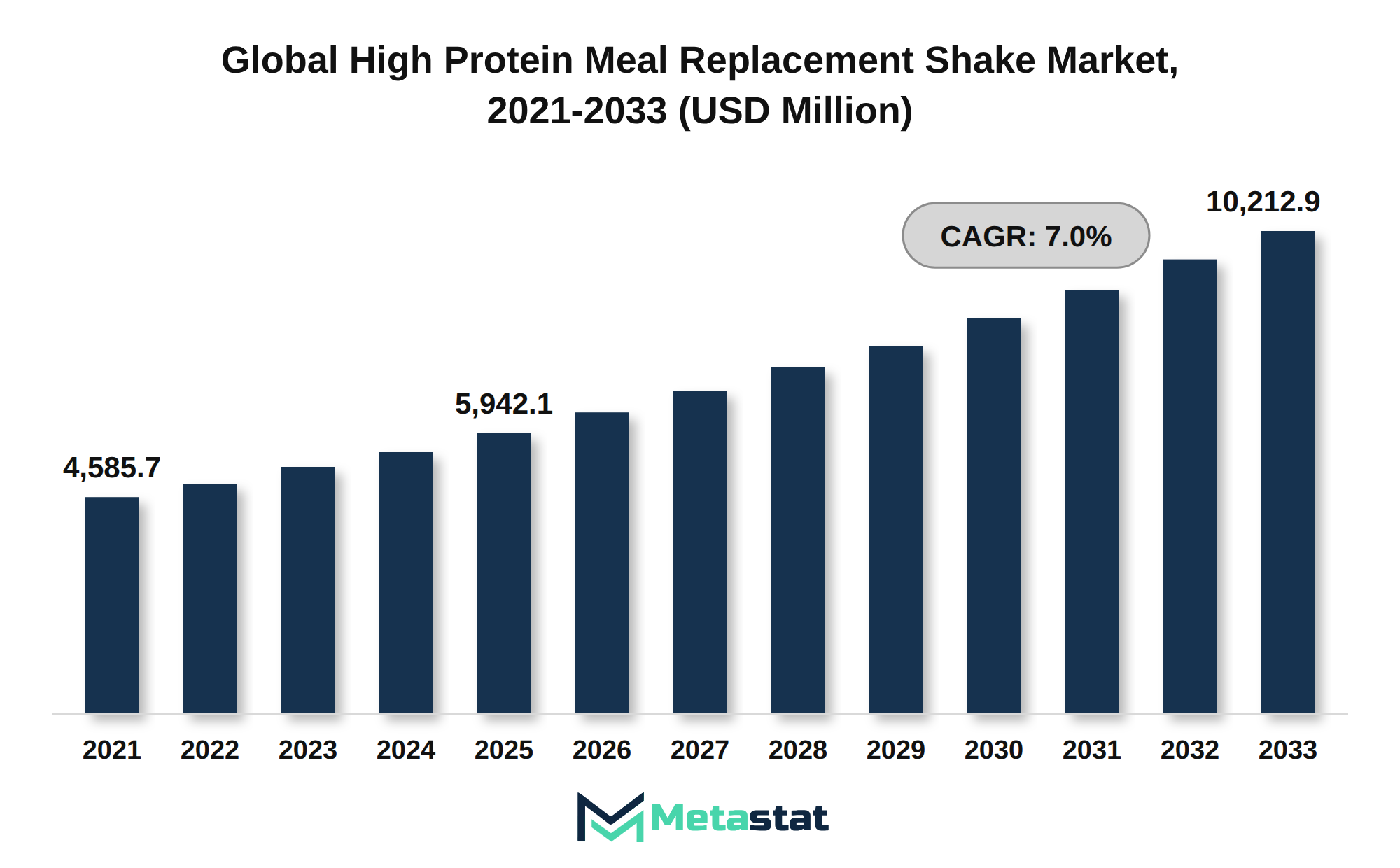
The global High Protein Meal Replacement Shake market was valued at USD 5,942.1 million in 2025 and is projected to reach USD 10,212.9 million by 2033, growing at a CAGR of 7.0% over the forecast period.
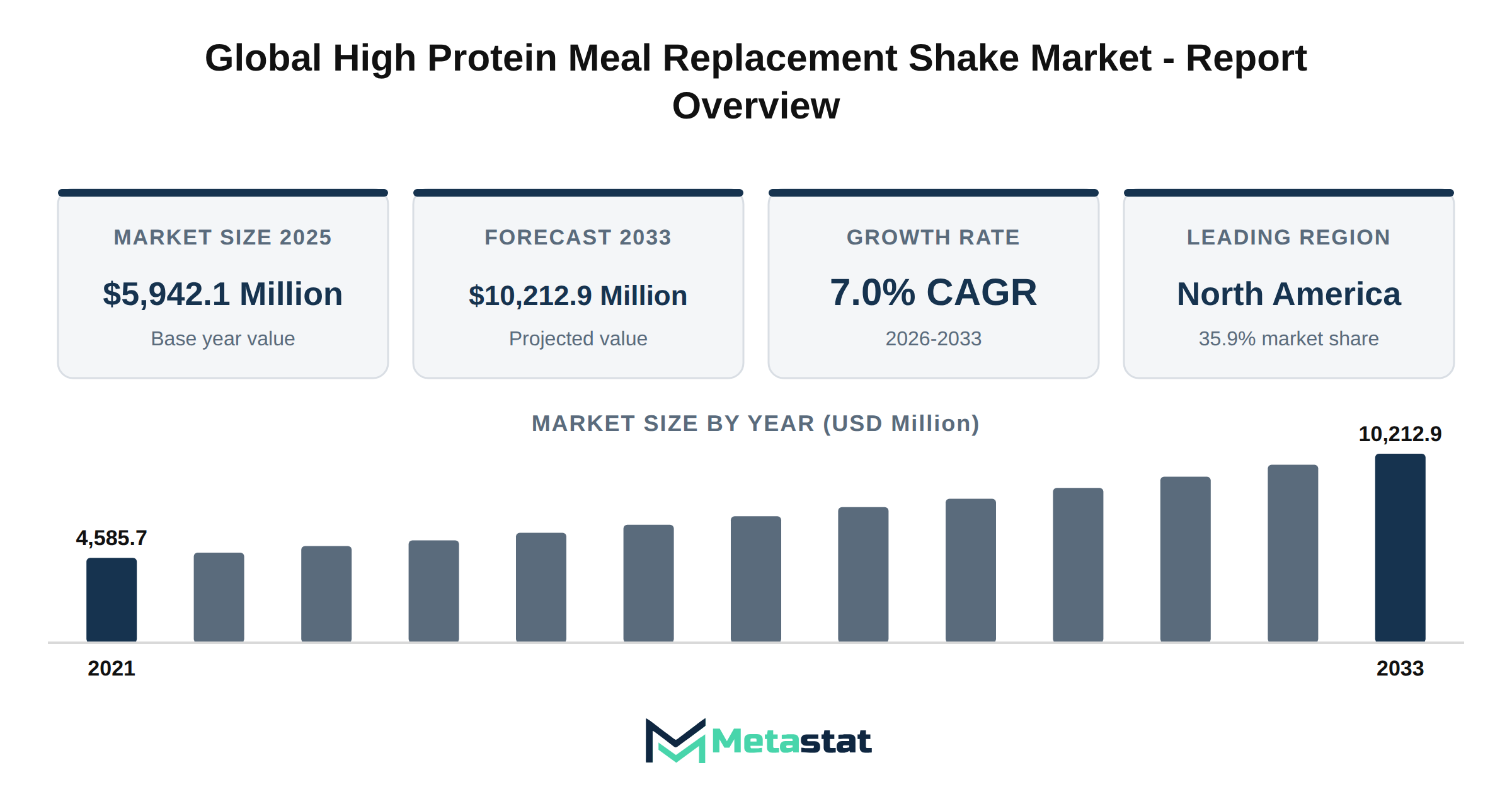
The High Protein Meal Replacement Shake market reached a base value of USD 5,942.1 million in 2025 and is projected to achieve USD 10,212.9 million by 2033, reflecting a compound annual growth rate (CAGR) of 7%. Historical data shows the market started at USD 4,585.7 million in 2021, with a steady increase to USD 5,534.3 million in 2024.
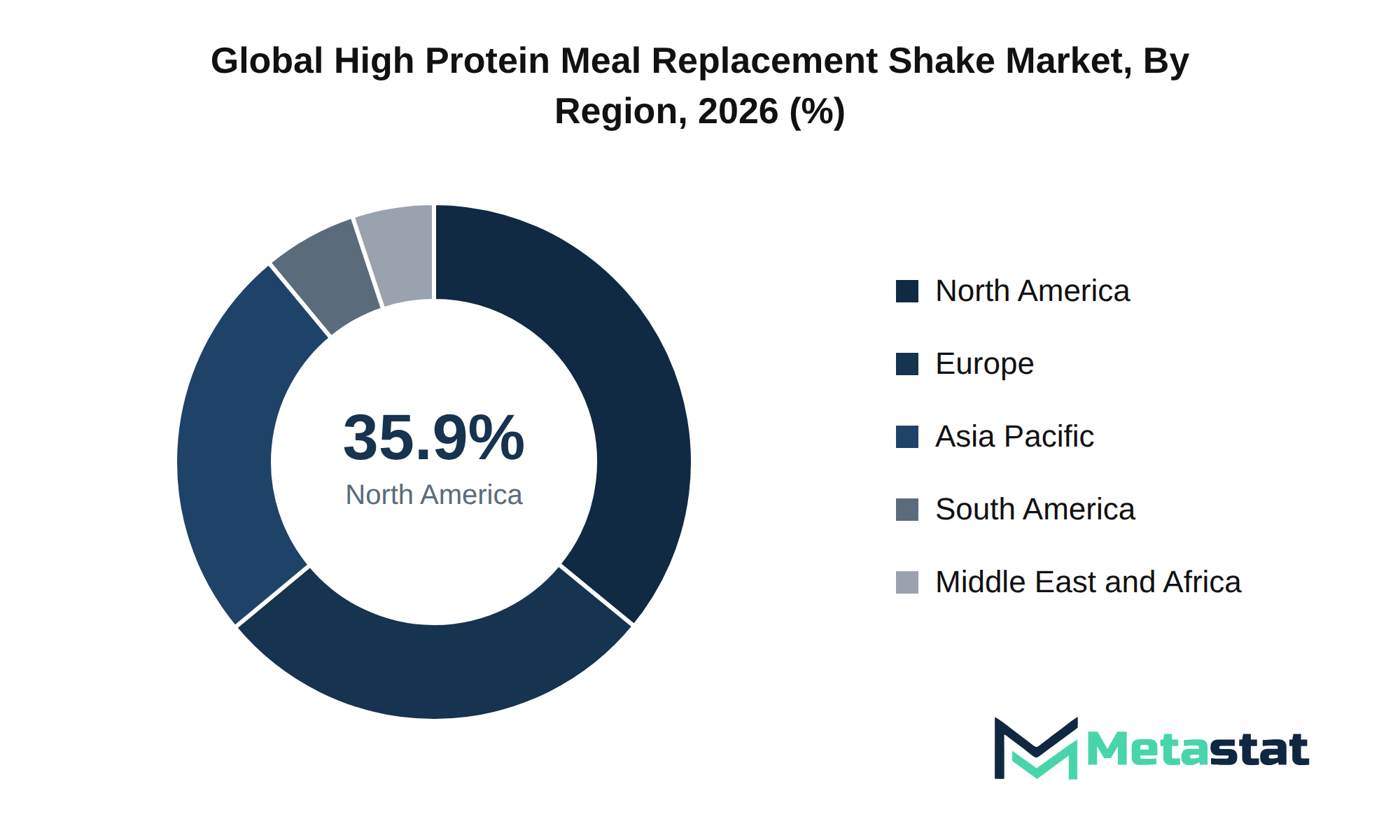
Regional analysis indicates North America holds a share of 35.9%, followed by Europe at 28% and Asia Pacific at 25%. South America and the Middle East and Africa represent smaller portions of the market, with shares of 5.9% and 5.1%, respectively. By 2033, North America is expected to generate USD 3,469.3 million, maintaining a CAGR of 7%.
In terms of product segmentation, Ready-to-Drink High Protein Meal Replacement Shakes have a projected value of USD 4,847.1 million by 2033, with a CAGR of 7.3%. Powdered High Protein Meal Replacement Shakes will reach USD 2,514.4 million in the same year, exhibiting a CAGR of 5.1%. Plant-Based Meal Replacement Shakes are anticipated to achieve USD 2,272.4 million, while the remaining segment categorized because Others is expanding at a CAGR of 4.3%.
Protein source segmentation highlights Whey Protein, projected to grow from USD 2,769.4 million in 2026 to USD 4,102.5 million by 2033, representing a CAGR of 5.8%. Casein Protein is set to attain USD 880.4 million, while Soy Protein will reach USD 1,890.4 million by 2033. Pea Protein shows a strong growth trajectory with a CAGR of 12.4%.
The High Protein Meal Replacement Shake market is influenced by various factors impacting its growth trajectory. Regulatory compliance shapes product formulations and marketing strategies. Adherence to safety and labeling standards is essential for maintaining consumer trust and market access.
Geopolitical risks disrupt supply chains, affecting the availability of raw materials and production capabilities. Companies within the market implement strategies to mitigate potential disruptions, ensuring continuous delivery of products to consumers.
Investment in research and development remains a priority, with companies focusing on next-generation innovations to meet evolving consumer preferences. These innovations center around enhanced nutritional profiles and improved flavors, catering to health-conscious consumers.
Sustainable transformation is increasingly becoming a market imperative. Businesses adopt practices that promote decarbonization and circular economy dynamics, reducing their environmental footprint. This shift aligns with consumers who prioritize sustainability in their purchasing decisions.
The supply chain landscape continues to evolve, requiring businesses to adapt their logistics architecture and sourcing strategies. Efficient supply chain management enables companies to maintain competitive pricing while ensuring product availability.
Market fragmentation presents both challenges and opportunities, with numerous players competing for market share. This fragmentation encourages innovation and diversification of product offerings, appealing to a broader consumer base.
Mergers and acquisitions reshape the market, allowing companies to expand their product portfolios and enhance their market presence. Strategic alliances encourage collaboration among players, driving growth and innovation within the sector.
The value chain in the High Protein Meal Replacement Shake market encompasses various stages, from raw material sourcing to distribution. Streamlining operations at each stage enhances efficiency and profitability.
Understanding customer journey dynamics is crucial for companies aiming to enhance brand loyalty. Engaging consumers through targeted marketing and personalized experiences influences purchasing behavior and retention rates.
Capital allocation becomes a strategic consideration, with companies investing in infrastructure to support growth. Infrastructure investments facilitate scaling operations and enhancing production capabilities.
CapEx and OpEx realities shape financial planning for market players, impacting their ability to invest in new technologies and innovations. Companies balance operational costs with strategic investments to sustain competitiveness.
Macroeconomic headwinds, including inflationary pressures and currency volatility, pose challenges for businesses operating in the market. These economic factors influence pricing strategies and profit margins, requiring companies to adapt swiftly to maintain stability.
The future strategic outlook for the High Protein Meal Replacement Shake market emphasizes agility and responsiveness to market trends. Companies prioritizing innovation, sustainability, and consumer engagement are likely to thrive in this dynamic environment.
Corporate imperatives drive the evolution of business strategies, ensuring alignment with consumer demands and market expectations. High-value recommendations for companies include focusing on quality, transparency, and consumer education to build trust and loyalty.
Rising health consciousness among consumers significantly impacts the High Protein Meal Replacement Shake market. Individuals increasingly prioritize nutrition, leading to a surge in demand for high-protein food and beverage options. Factors influencing this trend include lifestyle changes, an aging population, and urbanization, all contributing to altered consumption habits. The growing inclination towards fitness and weight management further drives the adoption of meal replacement shakes, positioning them because convenient alternatives for busy lifestyles.
Producers respond to these shifting consumer preferences by diversifying their product offerings to include various protein sources, including plant-based options, catering to the increasing demand for healthier and sustainable choices. The focus on innovation in flavors and formulations enhances product appeal, ensuring alignment with evolving buying preferences in the market. Marketing strategies emphasizing health benefits associated with high protein intake boost consumer awareness and drive market expansion.
Investment in research and development is essential in addressing consumer demand within the High Protein Meal Replacement Shake market. Companies committing resources to develop new products and enhance existing formulations capitalize on the trend towards personalized nutrition, positioning themselves competitively in a rapidly expanding market. This focus on consumer-centric innovation supports sustained growth and creates a strong competitive landscape.
Advancements in technology significantly influence the High Protein Meal Replacement Shake market. Increased automation, artificial intelligence adoption, and software integration streamline production processes and enhance efficiency, contributing to cost reduction. This technological transformation enables manufacturers to respond promptly to changing consumer demands while maintaining product quality. Operational productivity sees noticeable improvements, which supports the market's growth trajectory.
The integration of technology enables the development of innovative products tailored to specific consumer needs, increasing competitiveness among suppliers. Enhanced data analytics capabilities allow manufacturers to better understand market trends and consumer preferences, leading to more effective marketing strategies. In a changing environment, the ability to leverage technology emerges because a critical factor for success, driving investment and creating a more dynamic High Protein Meal Replacement Shake market.
The digital transformation of distribution channels expands market access, enabling suppliers to reach a broader audience. Online retail platforms eliminate geographical barriers, allowing for greater penetration into emerging markets. Through these advancements, the market experiences enhanced growth potential, driven by an increased focus on delivering personalized and convenient solutions to consumers.
The High Protein Meal Replacement Shake market faces significant regulatory challenges that hinder its growth trajectory. Stricter regulations regarding food safety and labeling create compliance hurdles for manufacturers, increasing operational costs and complicating product development processes. Compliance with evolving standards often results in delays, pushing back product launches and limiting market entry for newer players.
Macroeconomic headwinds, including inflationary pressures, contribute to escalating operating costs within the industry. These financial strains lead to higher prices for consumers, which dampen demand for high protein meal replacement shakes. Supply chain disruptions exacerbate these challenges, making it difficult for manufacturers to source ingredients and maintain steady production rates.
Geopolitical instability and resource scarcity present additional obstacles for the market. Such conditions disrupt supply chains, impact ingredient availability, and increase costs. Infrastructure gaps in certain regions hinder efficient distribution, creating barriers to market access. These factors collectively contribute to market fragmentation, with varying levels of adoption across different regions.
Talent gaps and skilled labor deficiencies further restrict operational capabilities. The need for specialized knowledge in nutrition and food science complicates recruitment efforts, limiting the ability of companies to innovate and meet consumer demands. Overall, these regulatory challenges and market constraints hold substantial implications for the growth potential of the High Protein Meal Replacement Shake market.
The High Protein Meal Replacement Shake market faces challenges stemming from geopolitical fragmentation, which generates trade deficits and tariff friction. These conditions lead to increased costs for manufacturers, owing to the complexity and expense of sourcing ingredients and components from multiple regions. Disruptions in logistics further compound these issues, causing delays in production and delivery, which strain operational efficiencies.
Supply chain instability results from fluctuating feedstock prices and component volatility, causing unpredictable expenses for producers. This situation pressures profit margins within the market, complicating pricing strategies. These factors create an environment where companies struggle to maintain competitive pricing while ensuring product availability and quality.
Technological disruptions and the need for complex research and development integrations add another layer of difficulty. Companies continuously adapt to evolving consumer demands and market saturation while protecting their intellectual property against cybersecurity risks. These elements contribute to a challenging environment for growth and expansion in the High Protein Meal Replacement Shake market.
The High Protein Meal Replacement Shake market experiences significant opportunity through emerging regional demands across diverse geographic areas. North America, accounting for 35.9 percent of the market share, exhibits growth potential driven by increasing health awareness and the rising trend of fitness-oriented lifestyles. The anticipated market value in this region is projected to reach USD 3,469.3 million by 2033, reflecting a compound annual growth rate of 7 percent.
Asia Pacific, representing 25 percent of the market, offers considerable opportunities due to a growing population and changing dietary habits that favor protein-rich products. Countries including China and India contribute to this emerging demand, highlighting the shift towards health-focused nutrition. By 2033, the region is poised for substantial growth attributed to local manufacturers adapting to consumer preferences, which enhances regional market dynamics.
Europe, holding 28 percent of the market share, benefits from advancements in product innovation and distribution channels. The increasing popularity of health supplements aligns with evolving consumer preferences for high-protein solutions. These trends encourage investment in marketing strategies that emphasize the quality and benefits of High Protein Meal Replacement Shakes.
The market sees opportunities linked to the growing interest in sustainable and plant-based protein sources. The shift towards plant-based diets supports the development of innovative product offerings, particularly in the Plant-Based Meal Replacement Shakes segment. This segment is expected to capture a greater share driven by consumers prioritizing sustainability alongside health.
Overall, evolving purchasing behaviors and a strong emphasis on health and wellness drive the expansion of the High Protein Meal Replacement Shake market. Strategic adaptations to these trends allow manufacturers to meet consumer demands effectively, ensuring continued growth and competitive positioning in the industry.
The Global High Protein Meal Replacement Shake market is segmented based on Type, Protein Source, Application, and Distribution Channel.
Ready-to-Drink High Protein Meal Replacement Shakes segment is valued at USD 2,955.7 million in 2026 and is projected to reach USD 4,847.1 million by 2033, at a CAGR of 7.3% during the forecast period. This growth results from increasing consumer demand for convenient and nutritious meal options that align with busy lifestyles. Health and fitness priorities among consumers drive the adoption of ready-to-drink products that offer high protein content without preparation time.
The segment benefits from advancements in product formulation and packaging, enhancing flavor profiles and shelf stability. Innovation in formulation, including the incorporation of plant-based protein sources, caters to a broader demographic, including individuals following vegan or vegetarian diets. These product evolutions contribute to market expansion, responding effectively to shifting consumer preferences.
Distribution channels play a critical role in segment performance, with online retail platforms gaining traction. The rise of e-commerce facilitates easier access to these products, particularly among health-conscious consumers. Partnerships with gyms and fitness centers for exclusive offerings create strategic opportunities for brand visibility and consumer engagement.
Regulatory compliance surrounding health claims and ingredient labeling remains vital, ensuring consumer trust and product integrity. Companies in the High Protein Meal Replacement Shake market continuously invest in meeting these standards to maintain competitiveness. Overall, the combination of health trends, product innovation, and strategic distribution supports strengthening long-term demand in the Ready-to-Drink High Protein Meal Replacement Shakes segment.
Growth in the Powdered High Protein Meal Replacement Shakes segment aligns with increasing consumer preferences for convenient and nutritious meal options. A shift towards health-oriented products is evident, particularly among fitness enthusiasts and individuals focusing on weight management. The rise in the segment to USD 2,514.4 million by 2033, at a CAGR of 5.1% during the forecast period, reflects strong market demand.
Technological advancements enhance product formulations and improve the taste and mixability of powdered shakes. Innovations in flavoring and nutritional profiles attract a broader consumer base, increasing adoption rates. The rising popularity of fitness and wellness culture drives consumption among younger demographics, further expanding the market.
Certain regulatory compliance standards influence labeling and health claims associated with powdered meal replacements. Companies actively pursue certifications to ensure product credibility and safety, which enhances consumer trust. Price volatility in raw materials, particularly proteins, impacts production costs and ultimately affects retail pricing strategies in the market.
Investment in marketing and product development enhances brand visibility, allowing companies to capture a larger market share. The presence of established players in the High Protein Meal Replacement Shake market encourages competitive dynamics, motivating new entries to innovate and differentiate their offerings. Overall, the segment signifies growth potential driven by evolving consumer behaviors and strategic opportunities in product development.
Growing preference for plant-based diets drives demand for Plant-Based Meal Replacement Shakes. Consumers increasingly seek alternatives that align with health and environmental concerns, propelling market expansion. This trend is reinforced by rising awareness of the nutritional benefits associated with plant-based proteins, including improved digestion and lower cholesterol levels. The market is projected to reach USD 2,272.4 million by 2033, reflecting a significant shift towards this category.
The ongoing evolution of product formulations enhances the appeal of plant-based offerings. Manufacturers invest in research to develop innovative flavors and textures, attracting a broader customer base. This evolution supports adoption across various applications, including weight management and general wellness. Retailers highlight these products within a growing health-conscious portfolio, further accelerating growth in the High Protein Meal Replacement Shake market.
Regulatory compliance shapes the market landscape. Meeting standards for ingredient sourcing and labeling builds consumer trust and brand loyalty. Adhering to certifications, including non-GMO and organic, enhances product credibility, appealing to discerning consumers. Consequently, brands that prioritize transparency and quality position themselves favorably in a competitive environment.
Market dynamics reflect a shift towards online retail channels, particularly among younger consumers who prefer the convenience of e-commerce. Enhanced digital marketing strategies and targeted promotions contribute to increased visibility and sales volume. This channel expansion complements traditional retail avenues, ensuring comprehensive access to plant-based meal replacement options. Strategic opportunities emerge for brands that effectively leverage these trends, positioning themselves for long-term success.
Growth in the Others sub-segment of the High Protein Meal Replacement Shake market reflects evolving consumer preferences and the search for diverse nutritional solutions. This segment targets individuals seeking alternatives to mainstream products, appealing particularly to those with specific dietary needs or preferences. An increasing focus on protein fortification across various food categories supports demand for alternative meal replacements, driving innovation within this segment.
The Others segment is projected to grow at a CAGR of 4.3% during the forecast period. Ongoing expansion of health and wellness trends contributes to the acceptance and adoption of various protein sources beyond traditional options. Manufacturers enhance product offerings by incorporating unique flavors and ingredients, catering to health-conscious consumers. These strategies differentiate offerings, positioning brands to capitalize on the growing interest in functional and nutritious meal replacement solutions.
Pricing strategies in this segment require careful consideration of production costs and consumer willingness to pay. Fluctuations in raw material prices impact the overall cost structure, necessitating adjustments in pricing models. Strategic opportunities arise through innovative distribution channels, enabling brands to reach a broader audience. Growth potential in this segment aligns with shifts towards more personalized nutrition, creating avenues for targeted marketing and product innovation in the High Protein Meal Replacement Shake market.
Valued at USD 2,769.4 million in 2026, the Whey Protein segment is projected to reach USD 4,102.5 million by 2033, at a CAGR of 5.8% during the forecast period. Demand for whey protein within the High Protein Meal Replacement Shake market is driven by its high biological value and essential amino acid profile, making it a preferred choice among fitness enthusiasts and athletes. Increased awareness of protein's role in muscle recovery and weight management further supports adoption among health-conscious consumers.
Technological advancements in protein processing and formulation enhance product offerings, leading to improved taste, texture, and solubility. Innovations in flavoring and natural sweetening agents cater to diverse consumer preferences, expanding market reach. The growing trend of convenient nutrition solutions supports the development of ready-to-drink and instant mixes, increasing the appeal of whey protein products across various distribution channels.
While consumer lifestyles evolve, increased demand for convenient meal replacements supports the segment's growth. The rise of e-commerce platforms provides convenient access to whey protein products, enhancing market penetration. Regulatory compliance regarding health claims and labeling standards remains crucial, influencing product formulations and marketing strategies within the market.
Whey protein's versatility extends across multiple applications, including weight management, sports nutrition, and general wellness, ensuring broad market relevance. Strategic investment in marketing and education about the benefits of whey protein creates significant opportunities for brands, enhancing competitiveness in the High Protein Meal Replacement Shake market.
Casein protein continues to gain traction within the High Protein Meal Replacement Shake market, primarily driven by its nutritional profile and the rising demand for high-quality protein sources. With its slow-digesting nature, casein is particularly appealing to consumers seeking sustained energy and muscle recovery, making it a preferred choice among athletes and fitness enthusiasts. This segment is expected to reach USD 880.4 million by 2033, at a CAGR of 4% during the forecast period.
Increased awareness of the health benefits associated with casein protein contributes to its adoption across various demographics. The protein's ability to support muscle repair and growth enhances its application in sports nutrition and weight management. Shifting consumer preferences towards health-centric products position casein protein well within growing trends in fitness and wellness. This evolution in consumer behavior supports steady growth within the overall market.
Emerging product innovations incorporating casein protein, including ready-to-drink formulations and convenient snack options, further stimulate segment expansion. These developments cater to increasingly busy lifestyles, providing consumers with accessible protein solutions. Strategic marketing efforts highlighting the benefits of casein protein enhance its visibility and appeal, thus attracting a broader audience within the market.
Growing interest in plant-based protein sources drives the Soy Protein segment within the High Protein Meal Replacement Shake market. This segment targets health-conscious consumers seeking alternatives to animal-based proteins, aligning with the increasing demand for vegan and vegetarian diets. Enhanced focus on sustainability further increases the adoption of soy protein, attributed to its lower environmental impact compared to traditional animal husbandry.
Technological advancements in extraction and processing methods enhance the functional properties of soy protein, expanding its applicability across various product formulations. The segment is expected to reach USD 1,890.4 million by 2033, reflecting strong growth potential. Ongoing innovations facilitate the development of new flavors and textures, appealing to a broader consumer base.
Regulatory compliance regarding labeling and health claims influences market dynamics. With rising scrutiny on nutritional content, manufacturers ensure transparency in product formulations. The Soy Protein segment benefits from certification processes, increasing consumer trust and acceptance while addressing concerns about allergens and sourcing practices.
Pricing volatility associated with raw material sourcing impacts the segment's overall cost structures. However, the increasing availability of soybeans and improved supply chain resilience mitigate these pressures. Strategic opportunities exist within the market for players to enhance their portfolios through partnerships and collaborations focused on innovative product offerings.
Growing awareness of the health benefits of plant-based nutrition fuels demand for pea protein in the High Protein Meal Replacement Shake market. This shift aligns with the increasing adoption of vegetarian and vegan diets, where consumers seek high-quality plant-based protein sources. The Pea Protein segment is projected to grow at a CAGR of 12.4% during the forecast period, driven by its appeal among health-conscious individuals and athletes looking for alternative protein sources.
Product innovations in the pea protein category enhance texture and flavor profiles, addressing previous barriers to consumer acceptance. Brands emphasize the versatility of pea protein, incorporating it into various meal replacement options appealing to diverse consumer preferences. This evolution allows for a broader application range, including weight management and sports nutrition, which expands the market's reach.
Heightened interest in sustainable food sources plays a critical role in pea protein's growth. Environmental concerns surrounding animal agriculture lead to a favorable perception of plant-based proteins, positioning them because a more sustainable choice. This trend results in increased investments and strategic partnerships aimed at developing innovative pea protein products.
Pricing dynamics remain crucial, with pea protein maintaining competitive pricing compared to animal-based proteins. This factor enhances its attractiveness to cost-sensitive consumers while contributing to healthy profit margins for producers. The overall market strategy focuses on building awareness of the nutritional benefits of pea protein while ensuring accessibility across various retail channels, including supermarkets, online platforms, and health food stores.
Expansion in the Others sub-segment of the High Protein Meal Replacement Shake market hinges on diverse consumer preferences and the increasing demand for innovative protein sources. Various players within this segment strive to cater to consumers seeking unique formulations that align with evolving dietary trends. Adoption of alternative protein sources, including those derived from lesser-known plants and novel ingredients, drives segment growth by attracting health-conscious consumers. The rise of personalized nutrition enhances the relevance of this segment, encouraging manufacturers to explore new ingredients and formulations that offer tailored nutritional benefits.
Technological advancements facilitate the development of next-generation products that meet consumer expectations for quality and efficacy. Enhanced product evolution, characterized by improved taste, texture, and nutrient profiles, strengthens market appeal. Increased awareness regarding dietary requirements and nutritional needs boosts demand for specialized protein blends, further increasing participation in the market. Greater acceptance of dietary diversity promotes consumption shifts toward products that provide unique protein options, supporting the expansion of the Others sub-segment.
Regulatory compliance standards play a crucial role in shaping market dynamics. Adherence to safety and quality certifications influences product offerings, ensuring consumer trust. Challenges related to cost structures and pricing volatility impact manufacturers' strategies, particularly in sourcing raw materials and managing operational expenses. The need for supply chain resilience becomes evident, highlighting the importance of securing reliable sources to mitigate risks. Overall, the Others sub-segment represents a strategic opportunity within the High Protein Meal Replacement Shake market, presenting pathways for investment and innovation.
Valued at USD 2,993 million in 2026, the Weight Management segment is projected to reach USD 4,380.3 million by 2033, at a CAGR of 5.6% during the forecast period. This segment experiences robust demand driven by increasing consumer awareness regarding health and wellness. Rising obesity rates and an expanding focus on fitness have led to a greater acceptance of meal replacement shakes, attributed to their effectiveness because tools for weight management.
The adoption of high protein meal replacement shakes in weight management aligns with trends in health-conscious diets. An increasing number of consumers prioritize high-protein options to support weight loss while maintaining muscle mass. Innovations in flavor and formulation further enhance the appeal of these products, encouraging trial and repeat purchases among diverse consumer groups.
End-use dynamics reflect a growing shift toward convenient meal solutions that support busy lifestyles. The market benefits from the expanding availability of these shakes through various distribution channels, including supermarkets, online retail, and convenience stores. This accessibility facilitates increased consumer engagement and adoption, which drives market growth.
Regulatory compliance shapes product offerings within the segment. Brands that adhere to safety and labeling standards build trust and credibility, which influences purchasing decisions. Consumers become more discerning regarding ingredient quality and nutritional benefits, and companies that prioritize transparency and clean-label formulations stand to gain a competitive edge.
Cost structures remain a consideration for both producers and consumers. Fluctuations in raw material prices impact production costs and, ultimately, retail pricing strategies. Despite these pressures, the market continues to evolve, with brands exploring innovative sourcing methods and ingredient swaps to mitigate risks associated with pricing volatility. This proactive approach to cost management supports overall market resilience.
Strategic opportunities within the Weight Management segment arise from untapped consumer segments seeking healthier meal alternatives. By engaging in targeted marketing efforts and product innovation, companies expand their reach and enhance market penetration. The focus on health and fitness, paired with consumer trends toward convenience, positions the high protein meal replacement shake market for sustained growth in the coming years.
In recent years, the Sports Nutrition segment has experienced notable growth, driven by increasing awareness of health and fitness among consumers. This awareness influences a shift towards protein-rich diets, with athletes and fitness enthusiasts prioritizing high protein intake for muscle recovery and overall wellness. The segment is estimated to reach USD 3,770.6 million by 2033, at a CAGR of 8.7% during the forecast period. The rise of fitness culture, coupled with the expansion of gyms and sports facilities, enhances demand for convenient nutrition solutions, including high protein meal replacement shakes.
Product evolution significantly influences segment expansion. Manufacturers focus on innovating flavors and formulations to cater to diverse consumer preferences. The introduction of plant-based protein options addresses the growing trend towards vegetarian and vegan diets, further broadening the consumer base. Regulatory compliance standards, including certifications for health claims and ingredient sourcing, contribute to market credibility and build consumer trust.
Pricing volatility remains a challenge within the segment. Fluctuations in raw material costs, particularly for protein sources, impact pricing strategies and profit margins for suppliers. Companies actively seek raw material sourcing strategies to mitigate risks associated with supply chain vulnerabilities. The introduction of disruptive alternatives, including ready-to-drink formats and targeted nutrition solutions, creates strategic opportunity windows and enhances competition within the High Protein Meal Replacement Shake market.
Increasing consumer awareness regarding health and wellness significantly drives the General Wellness segment within the High Protein Meal Replacement Shake market. This surge in health consciousness leads to greater demand for products that support a balanced diet and contribute to overall well-being. In particular, the segment is expected to reach USD 2,062 million by 2033, reflecting a growth trajectory fueled by evolving lifestyle choices.
Shifts in consumption patterns toward convenient and nutritious options further enhance growth in this area. Busy lifestyles prompt consumers to seek meal replacements that offer essential nutrients without compromising on taste or convenience. The incorporation of high protein content appeals to health-conscious individuals aiming to maintain their dietary goals effectively.
Technological advancements in product formulation and flavor enhancement improve the appeal of high protein meal replacements. Innovations focusing on taste and texture contribute to a more enjoyable consumer experience, attracting a broader demographic. Such product evolution enhances market penetration and encourages repeat purchases.
Regulatory compliance and certifications play an important role in consumer trust and market acceptance. Products meeting stringent quality standards reinforce confidence among buyers, thereby supporting market growth. Positive endorsements from health professionals further facilitate consumer adoption, establishing high protein meal replacements because a staple in health-focused diets.
The General Wellness segment of the market continues to expand, driven by a combination of health awareness, convenience, and product innovation. While this segment matures, it offers substantial opportunities for manufacturers looking to capitalize on shifting consumer demands.
Significant demand drivers for high protein meal replacement shakes in supermarkets and hypermarkets originate from changing consumer behaviors and preferences. A growing focus on health and fitness encourages consumers to seek convenient meal alternatives that align with their nutritional goals. This shift in consumption patterns creates opportunities for retailers to expand their high protein product offerings, particularly in supermarkets and hypermarkets, which serve because primary distribution channels.
Technological advancements in product formulation and packaging enhance the appeal of high protein meal replacement shakes, allowing brands to deliver innovative products that meet diverse dietary needs. Retailers benefit from these technological upgrades by attracting health-conscious consumers looking for convenient solutions. The growing trend of online shopping influences retail strategies, pushing supermarkets and hypermarkets to strengthen their omnichannel presence, facilitating easier access to these products.
Cost structures in the high protein meal replacement shake market remain influenced by raw material sourcing and pricing volatility. Retailers face margin pressures due to fluctuating ingredient costs, necessitating strategic pricing approaches to maintain competitiveness. The adoption of sustainable practices in sourcing ingredients aligns with consumers increasingly concerned about environmental impacts, enhancing brand loyalty and supporting growth in this segment.
Overall, supermarkets and hypermarkets play a crucial role in the high protein meal replacement shake market, effectively bridging the gap between manufacturers and consumers. While these retail channels adapt to evolving consumer demands and market trends, they create growth opportunities for high protein products, shaping the future of the market.
Interest in high protein meal replacement shakes continues to rise within convenience stores, driven by increasing consumer demand for on-the-go nutrition options. Shoppers seek convenient and portable products that align with their busy lifestyles, positioning high protein meal replacement shakes favorably in this segment. The growth of this market correlates with broader trends in health consciousness and dietary preferences, significantly influencing purchasing behaviors.
The convenience of access to these products through convenience stores enhances consumer purchasing frequency. This channel serves health-conscious individuals who prefer quick and nutritious meal options, capitalizing on the trend of immediate consumption. Product innovation within convenience stores emphasizes speed and convenience, making high protein meal replacement shakes a staple for consumers seeking efficient nourishment solutions.
While the market evolves, brands focus on enhancing product visibility and accessibility in convenience stores. Collaboration with retailers to create promotions and optimize shelf placement represents critical strategies to capture consumer attention. Addressing the growing demand within the convenience channel presents a strategic opportunity for suppliers in the high protein meal replacement shake market.
Demand for meal replacement shakes in pharmacies and drug stores reflects a growing trend towards convenient health options. Increasing consumer awareness regarding nutrition drives the adoption of high protein meal replacement shakes, particularly among health-conscious individuals. The accessibility of these products in pharmacies enhances their visibility and appeals to consumers seeking quick and effective dietary solutions.
Shift towards preventive healthcare influences purchasing decisions, with consumers prioritizing products that support overall wellness. Pharmacies serve because trusted sources for nutritional products, which adds credibility to the high protein meal replacement shakes offered. This segment's strategic positioning within healthcare environments encourages consumers to integrate these shakes into their daily routines.
Ongoing innovations in flavors and formulations cater to diverse consumer preferences, enhancing product appeal. While manufacturers prioritize the development of next-generation products, the market benefits from improved nutritional profiles and convenience. Such advancements are essential for expanding consumer bases and driving sales in the high protein meal replacement shake market.
Competitive pricing strategies in pharmacies and drug stores support broader consumer adoption. The potential for promotions and discounts within these retail settings encourages trial and repeat purchases. While the market continues to evolve, strategic partnerships between retailers and manufacturers will enhance product availability and consumer engagement.
Consumer preferences increasingly shift towards online shopping, enhancing the appeal of the online retail channel for high protein meal replacement shakes. This trend aligns with the rise in e-commerce, offering convenience and accessibility to a broader audience. Increased internet penetration and the popularity of mobile applications drive this demand, enabling consumers to easily compare products and prices.
Promotions and discounts offered through online platforms significantly influence purchasing decisions. Accessing a wider range of products and brands not typically available in local stores increases competition among suppliers, leading to better pricing and product offerings for consumers. This heightened competition encourages innovation, prompting brands to enhance their product features and formulations to cater to evolving consumer demands.
The growing emphasis on health and wellness has led to a surge in demand for high protein meal replacement shakes, particularly through online channels. Consumers increasingly seek products that support their fitness goals and dietary preferences, expanding the appeal of specific product types. Reading reviews and testimonials online influences purchasing behavior, providing assurance regarding product efficacy and quality.
Strategic partnerships between brands and online retailers optimize product visibility, enabling targeted marketing efforts that connect with health-conscious consumers. The market benefits from investments in technology that improve user experience, including personalized recommendations and subscription models that facilitate repeat purchases. This shift towards online retail represents a significant opportunity for growth in the high protein meal replacement shake market.
Distribution through alternative channels in the High Protein Meal Replacement Shake market reflects a diverse approach to reaching consumers. These channels encompass various platforms beyond traditional retail, leading to enhanced accessibility for targeted demographics. This diversification increases consumer engagement and allows brands to cater to a broader audience.
Factors driving adoption within this sub-segment include a growing emphasis on convenience and on-the-go nutrition. Shifts in consumer lifestyles towards healthier eating options further support this trend. These changes create opportunities for innovative product offerings that align with modern dietary habits, strengthening long-term demand.
The market experiences continuous evolution in product formats and flavor profiles, providing consumers with more choices to suit their preferences. Regulatory compliance and certification standards impact product development, ensuring safety and quality. This focus ultimately builds consumer trust, which is crucial for expanding the addressable base.
Investment in marketing strategies targeting the unique characteristics of this sub-segment enhances visibility and brand loyalty. Strategic partnerships with fitness influencers and health professionals improve outreach efforts, effectively engaging potential customers. This collaborative approach strengthens market presence and drives demand for high-quality meal replacement options.
Based on geography, the Global High Protein Meal Replacement Shake market is divided into North America, Europe, Asia-Pacific, South America, Middle East, and Africa.
North America plays a significant role in the High Protein Meal Replacement Shake market, holding a share of 35.9% of the global market in 2025. The market is projected to expand at a CAGR of 7.0% during the forecast period, reaching a market size of USD 3,469.3 million by the end of 2033. Key drivers include a rising focus on health and fitness among consumers, coupled with an increasing prevalence of obesity and related health issues.
The United States, Canada, and Mexico represent the primary countries within this region, each contributing to the overall growth through diverse consumer preferences and purchasing behaviors. The appeal of ready-to-drink and powdered high protein meal replacement shakes continues to gain traction, supported by the convenience and nutritional benefits these products provide.
Localized manufacturing and supply chain regionalization enhance market dynamics, allowing for better responsiveness to consumer demands and preferences. Companies invest in innovative distribution strategies, and the market anticipates an influx of new entrants providing varied product offerings that cater to specific segments like weight management and sports nutrition.
The competitive landscape remains active, with established players including Abbott Laboratories and Nestlé S.A. continuously adapting to market shifts. Emerging brands gain footholds, targeting niche segments and appealing to health-conscious consumers. This competitive environment drives innovation, enhancing both product variety and quality within the market.
Europe represents a significant portion of the High Protein Meal Replacement Shake market, holding a share of 28.00% in 2025. Key drivers in this region include a growing focus on health and fitness among consumers, alongside rising interest in convenient meal solutions. Countries including Germany, France, the UK, Italy, and Spain contribute substantially to this trend through their increasing adoption of high protein products.
The market experiences growth due to the expansion of distribution channels, including supermarkets and online retail platforms. This growth is further supported by an increase in localized manufacturing and supply chain regionalization, which enhances product availability and consumer access. Cultural preferences for high-protein diets play a crucial role in shaping demand patterns, particularly among health-conscious consumers.
Germany and the UK stand out because front-runners in the market, driven by their investments in fitness and wellness initiatives. In contrast, emerging markets within the region, including parts of Eastern Europe, present opportunities for untapped growth through targeted marketing strategies and product innovations tailored to local preferences.
Overall, the European High Protein Meal Replacement Shake market reflects evolving consumer behaviors, competitive dynamics, and a strong focus on health and wellness. Continued investment in marketing and product development is essential for companies aiming to capture this market's potential.
The Asia-Pacific region represents a significant share of the High Protein Meal Replacement Shake market, accounting for 25.0% of the global market in 2025. Increasing health consciousness among consumers in countries including China, Japan, and India contributes to rising demand for these products. The expanding middle class in this region enhances purchasing power and promotes the adoption of high protein meal replacement shakes, driven by convenient nutrition solutions.
Key market drivers include the growing prevalence of fitness-related activities, with consumers increasingly seeking products that support their active lifestyles. The fitness culture in South Korea and Australia supports the expansion of sports nutrition applications within the market. The interest in weight management solutions increases demand for meal replacement shakes, particularly in urban areas where consumer lifestyles often lead to time constraints.
Emerging market front-runners including India and Southeast Asia present opportunities for growth due to lower penetration rates and a rising awareness of health benefits associated with high protein diets. Strategic investments in localized manufacturing and supply chain regionalization enhance product accessibility and support market growth within these underpenetrated territories.
Competition in the region continues to intensify, with both international players and local brands innovating to capture market share. Companies prioritize product differentiation, focusing on flavor profiles, nutrient content, and sustainable sourcing of ingredients. This competitive landscape drives innovation and raises consumer expectations.
The high protein meal replacement shake market in Asia-Pacific is poised for steady growth, driven by an informed consumer base, increasing health consciousness, and evolving dietary trends. Continued investment and development in the region will further position it because a key player in the global market.
In South America, the High Protein Meal Replacement Shake market presents growth opportunities driven by evolving consumer trends and increasing health consciousness. Countries like Brazil and Argentina exhibit rising demand for convenient nutritional options, particularly among young professionals and fitness enthusiasts. The market share for South America stands at 5.9% in 2025, indicating a developing interest in meal replacements across the region.
Local manufacturers and brands are emerging, enhancing product availability and accessibility. The appeal of high protein meal replacement shakes aligns with regional preferences for health-oriented solutions. Urbanization and busy lifestyles significantly influence consumer purchasing habits, leading to a shift towards ready-to-drink options and powdered shakes.
Investment in local production facilities is notable, driven by companies seeking to leverage regional resources and minimize supply chain disruptions. Efforts to modernize infrastructure support the distribution of high protein meal replacement shakes, catering to the growing demand from health-conscious consumers. Overall, the market is poised for incremental growth, supported by consumer awareness and regional adoption of nutritional products.
The High Protein Meal Replacement Shake market in the Middle East and Africa shows promising signs of growth, largely driven by increasing health awareness and the rising prevalence of lifestyle-related diseases. Countries including Saudi Arabia, UAE, and South Africa demonstrate a growing interest in dietary supplements, aligning with global health trends. Local consumers prioritize nutrition, propelling demand for these products across various demographics.
Infrastructure modernization in the region supports the expansion of distribution channels for high protein meal replacement shakes. Enhanced logistics and retail networks facilitate access to these products, particularly in urban centers. Gradual penetration occurs in underdeveloped areas, where health awareness campaigns play a critical role in encouraging consumer acceptance.
Emerging market participants within the region include local and international brands that adapt their offerings to meet cultural preferences and dietary requirements. Competition intensifies with increased foreign direct investment, driving innovation and product diversification. Local procurement dynamics and vendor consolidation trends influence market strategies, promoting a competitive environment. This competitive environment enhances overall market potential.
While the region progresses, energy grid resiliency and local infrastructure readiness remain vital for sustaining growth. Availability of regional resources enhances production capabilities, enabling manufacturers to scale operations effectively. The High Protein Meal Replacement Shake market is projected to capture a larger share of the global market by 2033, reflecting a CAGR of 5.1% from 2026 to 2033.
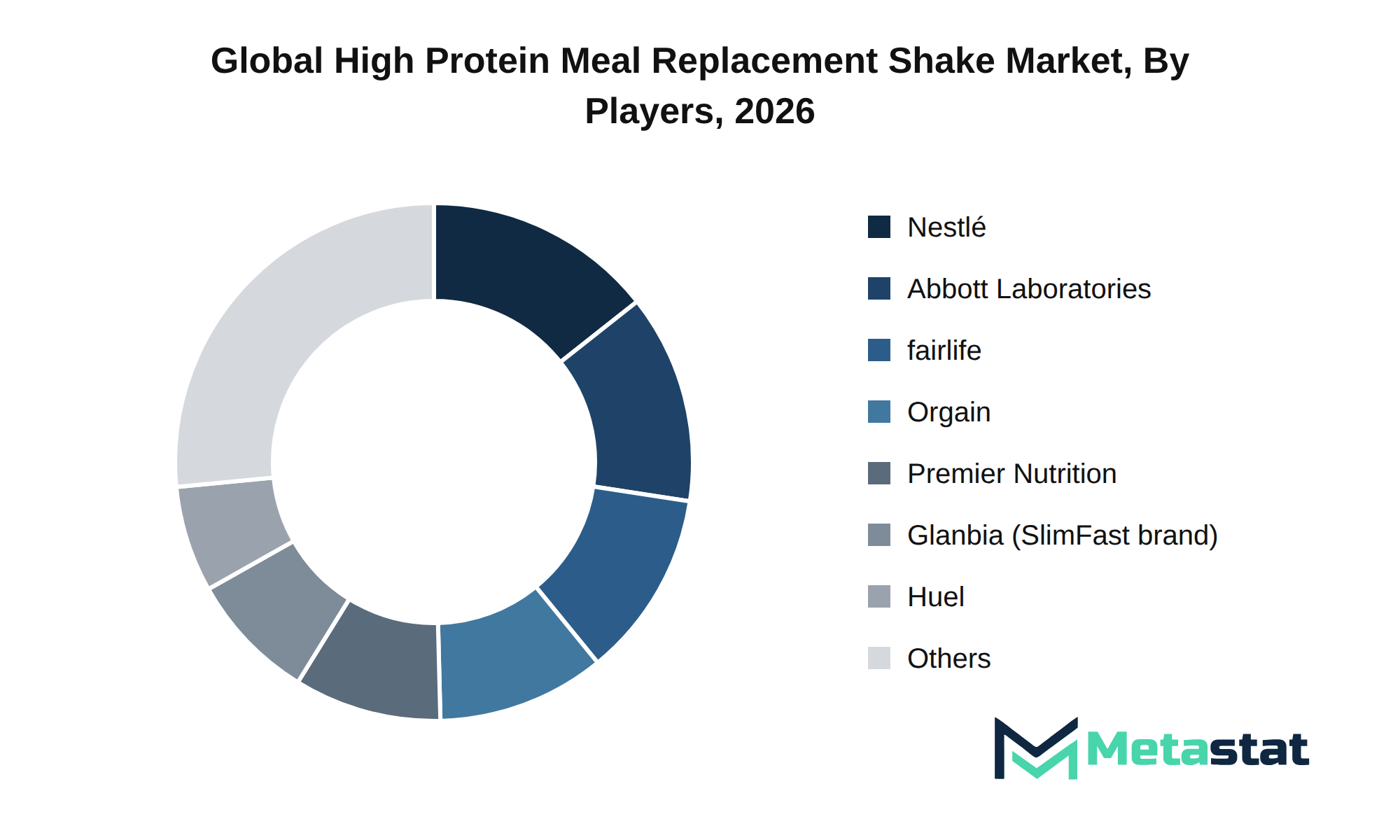
The High Protein Meal Replacement Shake market experiences significant activity in mergers, acquisitions, and strategic consolidation. Major players including Abbott Laboratories, Nestlé S.A., and fairlife, LLC engage in partnerships to enhance distribution channels and product offerings. Companies focus on product differentiation through innovative formulations and expanding R&D pipelines, which strengthens their competitive positions.
Strategic alliances and joint ventures contribute to the market dynamics, with firms like Orgain, Inc. and Premier Nutrition Corporation collaborating to create unique products that cater to evolving consumer preferences. Brand equity influences customer retention strategies, with companies including Herbalife Ltd. and Isagenix International LLC leveraging established reputations to maintain market share and attract new consumers.
Value chain integration plays a critical role in the competitive landscape, with companies striving for supply chain dominance to enhance procurement leverage and reduce operational costs. Firms like PepsiCo, Inc. and GNC Holdings, LLC capitalize on extensive networks to optimize distribution and improve accessibility for consumers. The future competitive outlook for the market suggests ongoing strategic growth vectors that will shape the landscape in the coming years.
Market size is forecast to rise from USD 5,942.1 million in 2025 to over USD 10,212.9 million by 2033. The base case reflects a growth trajectory of USD 5,942.1 million in 2025 to USD 10,212.9 million by 2033 at a 7.0% CAGR. This expansion is driven by increasing health consciousness among consumers, a growing inclination towards convenient nutrition solutions, and a shift towards high-protein diets.
In the bullish scenario, heightened innovation in product offerings, including next-generation technology integration, enhances the market's appeal. Increased R&D initiatives lead to the development of new formulations that meet diverse consumer demands and expand market presence. Conversely, the bearish outlook identifies potential challenges, including regulatory hurdles and fluctuations in raw material costs, which hinder growth. Regulatory evolution timelines and compliance milestones impact market dynamics, necessitating strategic adjustments from market participants.
While geopolitical realignments and trade corridor shifts influence supply chains, strategic capital allocation and infrastructure commitments from key players strengthen market resilience. Emerging white-space opportunities in the market provide avenues for innovation that cater to unmet enterprise needs. Identification of high-growth pockets within specific demographics or regions allows for tailored marketing strategies, significantly impacting overall market performance.
Executive-level strategic imperatives emphasize the need for defensibility roadmaps that ensure sustainable growth during evolving market conditions. This comprehensive approach positions the High Protein Meal Replacement Shake market for continued expansion, creating a robust competitive environment.
The report strategically identifies and profiles the key market players and analyses their core competencies in each sub-segment of the High Protein Meal Replacement Shake market.
Report Attributes | Details |
Study Period | 2021-2033 |
Base Year | 2025 |
Estimated Year | 2026 |
Forecast Period | 2026-2033 |
Historical Period | 2021-2025 |
Growth Rate | CAGR 7.0% from 2026 to 2033 |
Revenue Unit | USD million |
Segmentation | By Type, Protein Source, Application, Distribution Channel, and Region |
By Region | North America (By Type, Protein Source, Application, Distribution Channel, and Country)
|
Europe (By Type, Protein Source, Application, Distribution Channel, and Country)
| |
Asia Pacific (By Type, Protein Source, Application, Distribution Channel, and Country)
| |
South America (By Type, Protein Source, Application, Distribution Channel, and Country)
| |
Middle East and Africa (By Type, Protein Source, Application, Distribution Channel, and Country)
|
Find answers to common questions about this report
The High Protein Meal Replacement Shake market size was valued at USD 5,942.1 million in 2025, according to the Metastat Insights study.
The High Protein Meal Replacement Shake market is projected to grow at a CAGR of 7.0% during the forecast period from 2026 to 2033.
The North America High Protein Meal Replacement Shake market size is estimated to reach USD 3,469.3 million by 2033.
Ready-to-Drink High Protein Meal Replacement Shakes lead the market, with a projected value of USD 4,847.1 million by 2033, representing the highest growth rate among the segments.
Rising health consciousness among consumers drives the High Protein Meal Replacement Shake market. Factors including lifestyle changes, an aging population, and urbanization contribute to increased demand for convenient, high-protein options, while a growing focus on fitness and weight management further increases adoption. Enhanced product offerings and innovation in flavors cater to evolving consumer preferences.
North America holds the dominant share of the High Protein Meal Replacement Shake market, with a value of USD 3,469.3 million projected for 2033, representing 35.9 percent of the total market.
Regulatory challenges, including stricter food safety and labeling regulations, hinder growth in the High Protein Meal Replacement Shake market. Compliance increases operational costs and complicates product development, leading to delays in product launches. macroeconomic pressures and supply chain disruptions further restrict market potential.
Rising health consciousness among consumers significantly drives product adoption in the High Protein Meal Replacement Shake market. Increased prioritization of nutrition, coupled with lifestyle changes and a growing inclination towards fitness, positions meal replacement shakes because convenient alternatives for busy lifestyles. This trend encourages producers to diversify their offerings and innovate flavors, aligning with evolving consumer preferences.
The High Protein Meal Replacement Shake market is estimated to reach a valuation of USD 10,212.9 million by 2033.
Key players in the High Protein Meal Replacement Shake market include Abbott Laboratories, Nestlé S.A., Orgain, Inc., Premier Nutrition Corporation, Glanbia plc (SlimFast brand), Herbalife Ltd., and PepsiCo, Inc.
The analysts below cover Food and Beverages research at Metastat Insights.
LEAD ANALYST
Utkarsh Khirodkar is a Lead Market Research Analyst at MetaStat Insight, specializing in market intelligence, technology sector assessments, and competitive strategy.

LEAD PRINCIPAL ANALYST, PHARMA AND HEALTHCARE
Food and Beverages · Healthcare · Healthcare IT · Medical Devices
Ajay Devgire is the Lead Healthcare Analyst at MetaStat Insight, leading strategic research and market intelligence initiatives across the global healthcare domain.

SENIOR RESEARCH ANALYST
Biotechnology · Food and Beverages · Medical Devices · Packaging
Snehal Pasalkar is a Research Analyst at MetaStat Insight, operating at the intersection of life sciences research, competitive strategy, and market intelligence.
Our team was tracking whether regional recycling infrastructure could realistically absorb the growing volume of lithium iron phosphate batteries over the next decade. The report did a solid job separating announced hydrometallurgical plant capacity from active, permitted operational throughput. That distinction made the feedstock availability projections and regional recovery rate models far more credible than standard commercial overviews.
Tracking capacity expansion in single-use bioprocessing requires dependable data on raw material availability and cleanroom-grade polymer supply chains. The competitive landscape chapter gave a grounded evaluation of secondary component suppliers across North America and Asia-Pacific rather than simply reprinting press releases. Having that level of supplier benchmarking helped clarify dual-sourcing considerations for our clinical pipeline planning.
When evaluating distributed energy resource management systems, standard research summaries tend to gloss over the operational differences between front-of-the-meter utility deployments and behind-the-meter industrial sites. The MetaStat Insight report addressed those distinctions directly, especially regarding software interoperability standards and grid interconnection backlogs. The five-year market sizing across regional transmission organizations provided actionable context for our grid modernization strategy.
Explore related market intelligence reports worth reading alongside this one.