
LEAD ANALYST
Utkarsh Khirodkar is a Lead Market Research Analyst at MetaStat Insight, specializing in market intelligence, technology sector assessments, and competitive strategy.

Global Hybrid Vehicle Market Size, Share, By Hybrid Vehicle Type (Mild-Hybrid, Hybrid Electric Vehicle (HEV), and Plug-in Hybrid (PHEV)), By Vehicle Type (Passenger Cars, Light Commercial Vehicles, and Medium and Heavy Commercial Vehicles), By Motor Type (Permanent Magnet Synchronous AC Motor (PMSM), Induction (Asynchronous) AC Motor, Switched Reluctance Motor (SRM), and Others), By Battery Type (Nickel-Metal Hydride, Lithium-iron Phosphate Battery, and Others), Industry Analysis, Growth, Trends, and Forecast, 2026-2033
Report ID
MSI-4844
Published
August, 2026
Pages
272 Pages
Format
Historical
Base year
Forecast
Forecast period
Report Details
Choose Your License
Global Hybrid Vehicle Market
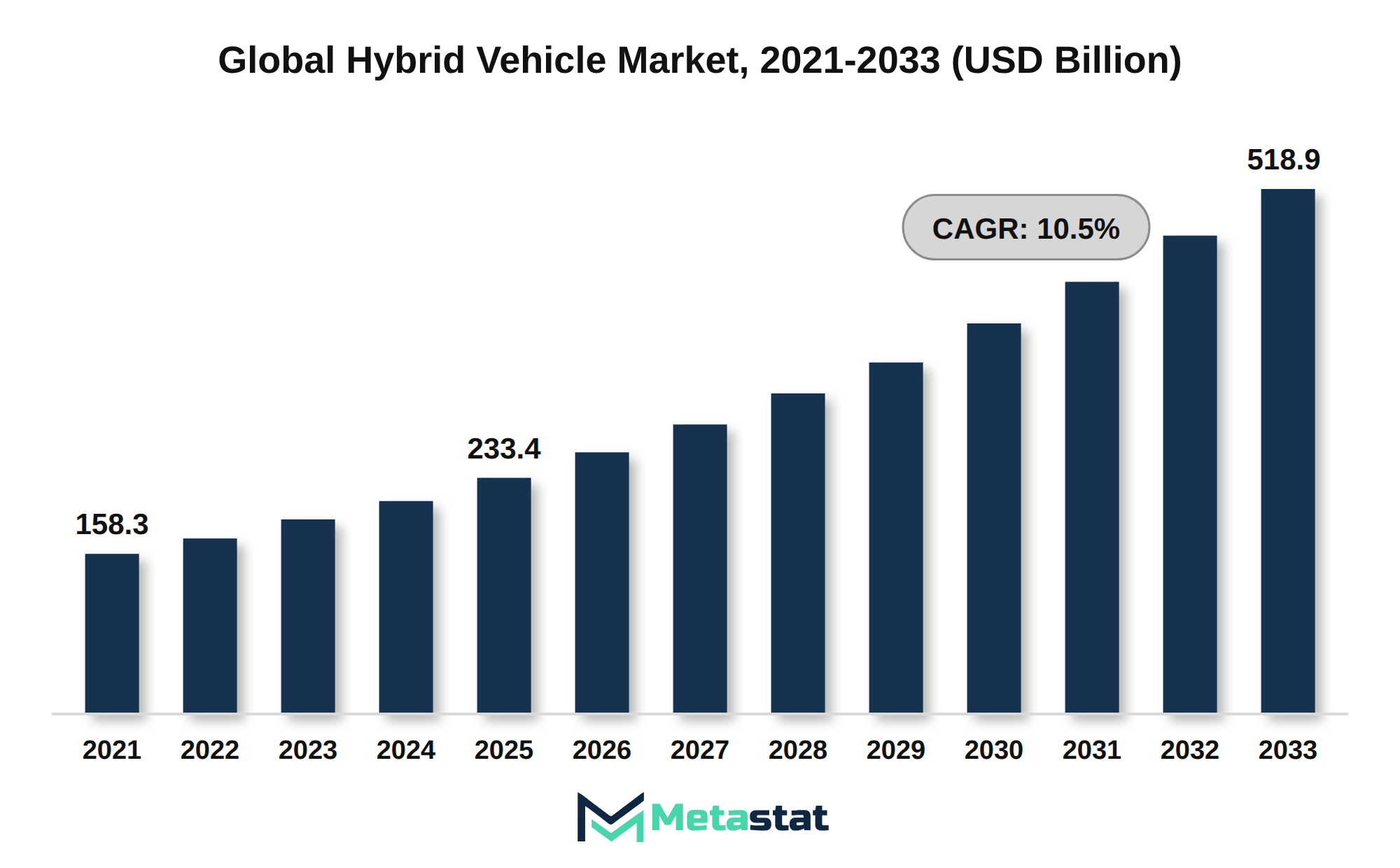
The global Hybrid Vehicle market was valued at USD 233.4 billion in 2025 and is projected to reach USD 518.9 billion by 2033, growing at a CAGR of 10.5% over the forecast period.
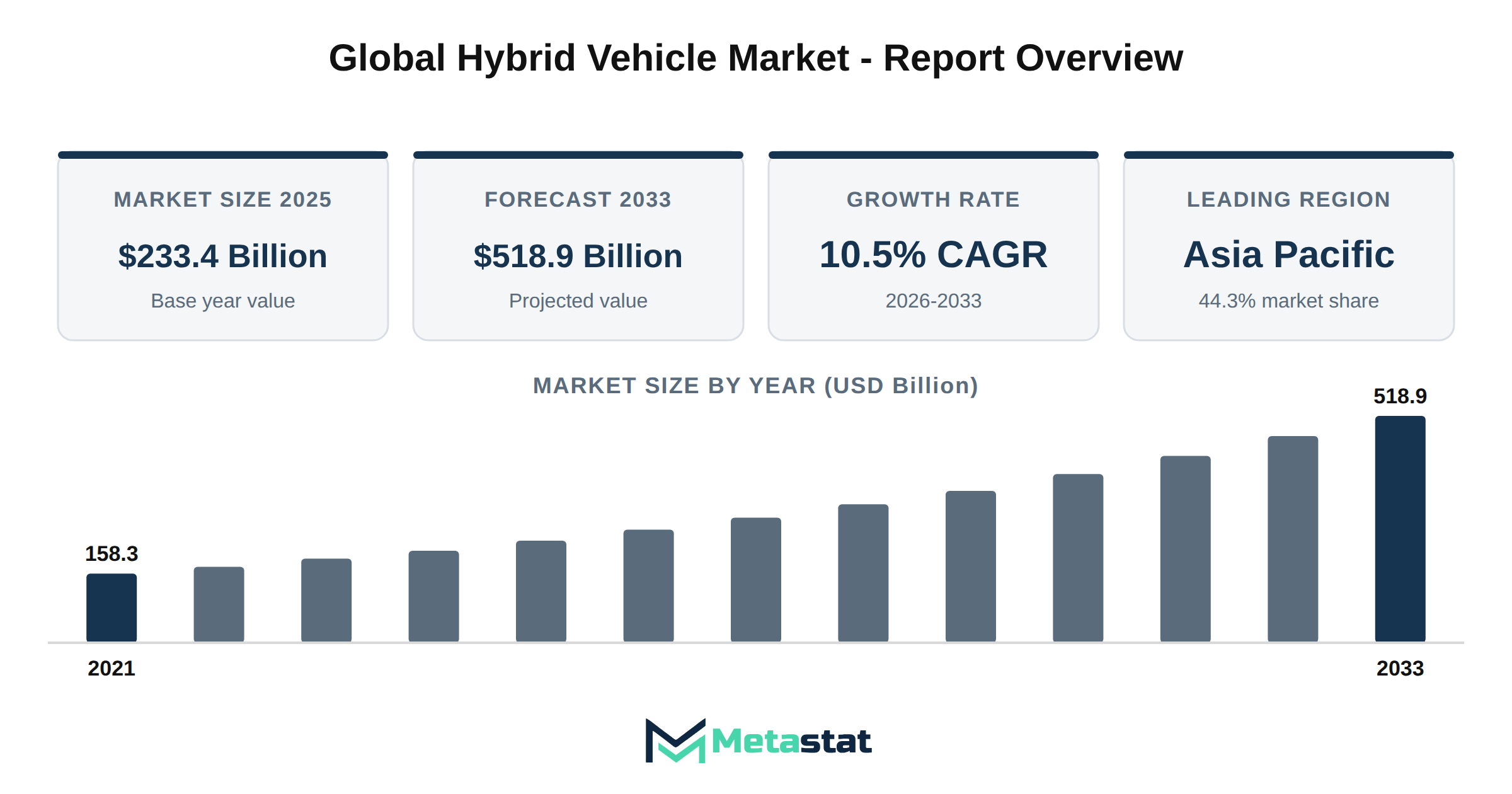
The Hybrid Vehicle market is projected to experience significant growth from USD 233.4 billion in 2025 to USD 518.9 billion by 2033, achieving a compound annual growth rate (CAGR) of 10.5%. Historical data shows a steady increase in market value, starting from USD 158.3 billion in 2021 and reaching USD 210.5 billion by 2024. This trend indicates a strong upward trajectory driven by rising consumer awareness of environmental sustainability and increasing fuel efficiency demands.
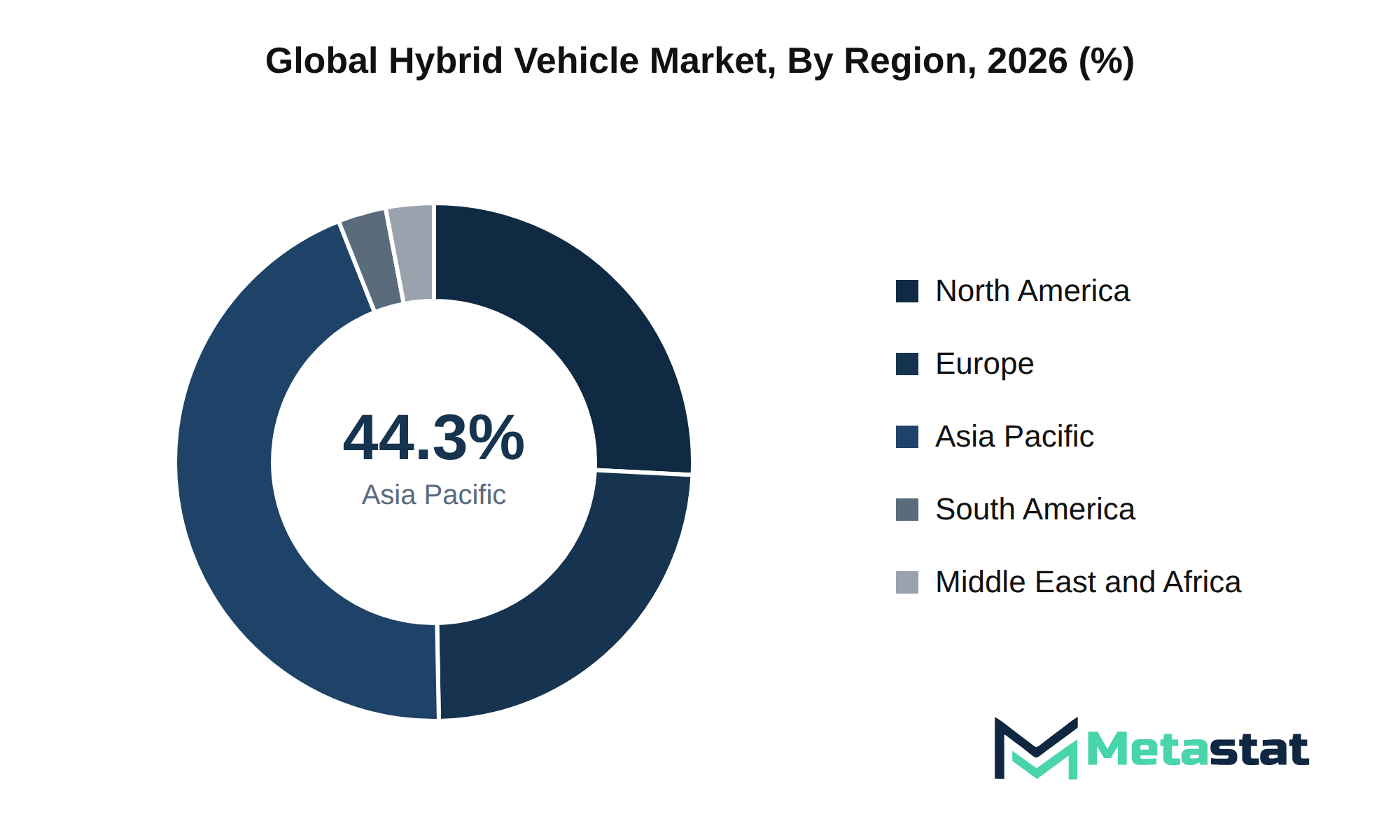
North America holds a market share of 25.8%, while Asia Pacific stands because the largest region with 44.3% market share. Europe follows closely, accounting for 23.9% of the market. The regional dynamics reflect varying levels of regulatory support and consumer preferences, which significantly influence market growth. By 2033, North America's market value is expected to reach USD 124.3 billion, supported by favorable policies and infrastructure investments.
Segments within the Hybrid Vehicle market exhibit distinct growth patterns. The Mild-Hybrid segment, projected to grow from USD 96.1 billion in 2026 to USD 175 billion by 2033, is anticipated to witness a CAGR of 8.9%. The Hybrid Electric Vehicle (HEV) segment is expected to reach USD 221.6 billion by 2033, maintaining a CAGR of 10.1%. Meanwhile, the Plug-in Hybrid (PHEV) segment is expected to reach USD 122.3 billion within the same timeframe.
Technological advancements and increased investment in research and development (R&D) play critical roles in shaping the market landscape. Companies focus on next-generation innovations that enhance vehicle efficiency and performance. The emphasis on sustainable transformation drives the market toward decarbonization and circular economy dynamics, aligning with global initiatives to reduce carbon footprints.
The Hybrid Vehicle market faces a complex landscape influenced by regulatory compliance, standards, and geopolitical risk frameworks. Adherence to evolving regulations enhances market entry strategies for manufacturers, particularly in regions with stringent environmental policies. Regulatory compliance and standards impact operational costs and influence pricing structures, ultimately shaping competitive dynamics.
Disruption from technological advancements drives research and development trajectories within the market. Continuous innovation in battery technology and electric drive systems leads to the emergence of next-generation hybrid vehicles, enhancing performance and efficiency. This innovation cycle attracts substantial investments and influences market growth, creating opportunities for established manufacturers and new entrants alike.
Sustainable transformation efforts align closely with global decarbonization initiatives. The market increasingly emphasizes circular economy dynamics, focusing on recycling and resource efficiency in production processes. Circular economy dynamics contribute to lower production costs and enhance consumer acceptance, improving the overall market value.
The supply chain landscape evolves in response to shifting demand patterns and geopolitical tensions. Logistics architecture adapts to ensure efficient sourcing and distribution of hybrid vehicles, addressing challenges including material shortages and transportation disruptions. Investments in infrastructure further support these supply chain adjustments, enhancing market resilience.
Market fragmentation reflects diverse consumer preferences and varying regional adoption rates. Mergers and acquisitions dynamics among key players influence market consolidation, resulting in strategic partnerships that enhance product offerings and market reach. This activity shapes the competitive environment, driving innovation and improving operational efficiencies.
Capital allocation trends indicate a significant focus on infrastructure investments in hybrid vehicle technology. Companies direct resources toward developing charging networks and refining production capabilities, responding to consumer demand for convenient and accessible hybrid solutions. These investments contribute to the anticipated growth trajectory of the market.
Macroeconomic headwinds, including inflationary pressures and currency volatility, pose challenges to market stability. Fluctuations in raw material prices and consumer purchasing power influence demand patterns, impacting overall market growth. Companies navigate these challenges while maintaining competitive pricing and product quality.
The future strategic outlook for the hybrid vehicle market emphasizes adaptability and innovation. Corporate imperatives include leveraging sustainability initiatives and enhancing customer engagement throughout the purchasing journey. High-value recommendations for stakeholders highlight the importance of aligning product development with consumer expectations and regulatory requirements, ensuring long-term success.
Urbanization trends significantly influence the Hybrid Vehicle market by increasing the need for efficient transportation solutions in densely populated areas. Rising population densities lead to heightened traffic congestion and environmental awareness among consumers, prompting a shift toward cleaner transportation options. Urban consumers prioritize fuel efficiency and lower emissions, aligning with the attributes offered by hybrid vehicles.
Economic growth in urban areas supports higher disposable incomes, facilitating consumer spending on advanced automotive technologies. Enhanced capital investments in electric vehicle infrastructure, including charging stations and service facilities, expand the operational landscape for hybrid vehicle adoption. This investment is vital for reducing operational costs for urban dwellers, making hybrid vehicles an increasingly attractive option.
Hybrid vehicles offer a practical solution for urban commuting, where short travel distances and stop-and-go traffic maximize the benefits of hybrid technology. The integration of digital technologies in vehicles creates opportunities for smarter transportation solutions, appealing to tech-savvy urban consumers. The alignment of urbanization trends with sustainability goals creates a robust environment for growth within the Hybrid Vehicle market.
Investment in digital transformation significantly influences the Hybrid Vehicle market by enhancing operational efficiency and customer engagement. Automation, artificial intelligence, and software adoption drive the modernization of manufacturing processes, enabling companies to respond swiftly to evolving consumer demands. This investment attracts venture capital funding and stimulates public-private partnerships that drive innovation within the sector.
The integration of advanced technologies provides a competitive advantage for players in the market, facilitating the development of innovative hybrid vehicle models. Companies that embrace digital tools streamline production, reduce costs, and improve product quality. The commitment to digital transformation aligns with shifting consumer preferences, particularly among younger demographics who prioritize technology-rich features in vehicles.
The ongoing evolution of digital platforms enhances supply chain resilience, supporting localized production strategies and mitigating risks associated with global trade disruptions. This adaptability allows manufacturers to maintain a robust market presence and effectively cater to diverse consumer preferences across regions. The projected growth of the Hybrid Vehicle market, with a compound annual growth rate of 10.5% from 2026 to 2033, reflects benefits derived from investments in digital transformation.
The Hybrid Vehicle market encounters significant regulatory challenges that impede growth and adoption. Stringent compliance hurdles emerge from various legal mandates, creating barriers for manufacturers and suppliers. Compliance pressures necessitate substantial investment in technology and processes, leading to increased operational costs that affect overall market dynamics.
Macroeconomic headwinds, including inflationary pressures and resource scarcity, create additional constraints on production and supply chains. High capital investment requirements for new technologies restrict smaller players from entering the market, limiting competition and innovation. This concentration of resources among a few dominant manufacturers could lead to market stagnation.
Infrastructure gaps represent a critical issue, particularly in regions lacking adequate charging stations and support systems for hybrid vehicles. Connectivity deficits complicate the integration of advanced technologies, including smart charging and fleet management solutions. Deployment bottlenecks in establishing sufficient infrastructure slow down overall market expansion.
Skilled labor deficiencies pose challenges, since the industry faces difficulties attracting and retaining talent necessary for the development and production of hybrid vehicles. Rising workforce overheads, coupled with increasing demands for skilled professionals, strain operational budgets and profitability.
Data security vulnerabilities and privacy concerns further complicate the landscape for manufacturers, resulting from threats of intellectual property theft that inhibit innovation. Market fragmentation and cultural barriers contribute to inconsistent adoption rates across different regions, affecting overall growth of the Hybrid Vehicle market.
Industry cycle maturation and slowing downstream demand introduce further complexity, impacting investment levels and long-term planning. These combined factors create a challenging environment for stakeholders, necessitating strategic adjustments to navigate the current market effectively.
The Hybrid Vehicle market encounters significant challenges stemming from geopolitical fragmentation and supply chain instability. Tensions between nations disrupt the flow of critical components, affecting production timelines and increasing costs for manufacturers. These disruptions particularly impact countries reliant on imported materials, leading to delays that hinder the market's growth potential.
Technological disruptions further complicate the landscape. Rapid advancements in battery and motor technologies require continuous investment in research and development. Companies in the market face increasing pressure to innovate while managing the complexities of integrating new technologies into existing frameworks. This challenge affects development costs and the market's ability to respond swiftly to evolving consumer demands.
Pricing compression and rising input costs present additional challenges, with manufacturers forced to balance production expenses against competitive pricing strategies. Maintaining profitability while delivering affordable hybrid vehicles places significant pressure on margins. Consequently, companies in the market navigate a delicate balance between cost management and innovation to sustain their competitive edge.
Environmental sustainability demands complicate operational strategies. Increasing regulatory expectations around emissions and lifecycle footprints require manufacturers to invest in cleaner technologies while managing compliance overhead. These evolving standards shape production practices and influence market dynamics, pushing companies to adapt their strategies to meet consumer preferences for environmentally friendly options.
Overall, the Hybrid Vehicle market faces a multifaceted array of challenges that impact growth, profitability, and operational strategies. Addressing these issues requires a concerted effort from stakeholders, including manufacturers, suppliers, and regulatory bodies, to create a more resilient and adaptive market environment.
The Hybrid Vehicle market experiences substantial growth driven by emerging technological advancements. Innovations in battery technologies, including lithium-iron phosphate batteries and advanced energy management systems, improve vehicle efficiency and reduce emissions, making hybrid vehicles more appealing to consumers. The shift towards electric mobility and eco-friendly transportation aligns with current sustainability imperatives and enhances the attractiveness of hybrid models.
Infrastructure modernization presents another significant opportunity. Investments in charging infrastructure and energy-efficient grids support the expansion of hybrid vehicle usage, particularly in urban areas. Enhanced accessibility to charging facilities encourages consumer confidence, promoting higher sales in both passenger and commercial vehicle segments.
Geographical expansion into emerging markets drives demand growth. Regions with increasing urbanization, including parts of Asia Pacific, demonstrate a rising interest in hybrid vehicles due to their lower environmental impact compared to traditional combustion engines. The growing middle class in these areas drives higher disposable income, facilitating the adoption of hybrid technology across various vehicle types.
Strategic consolidation within the industry contributes to competitiveness. Mergers, acquisitions, and partnerships among key players streamline supply chains and enhance product offerings, allowing for diversified portfolios. This trend enables market players to reach a broader customer base and respond more effectively to evolving consumer preferences.
The combination of technological advancements, infrastructure development, and strategic industry movements positions the Hybrid Vehicle market for significant growth. The anticipated CAGR of 10.5% from 2026 to 2033 reflects these dynamics and highlights the potential for continued market expansion and innovation.
The Global Hybrid Vehicle market is segmented based on Hybrid Vehicle Type, Vehicle Type, Motor Type, and Battery Type.
Mild-Hybrid vehicles represent a significant portion of the Hybrid Vehicle market, valued at USD 96.1 billion in 2026 and projected to reach USD 175 billion by 2033, at a CAGR of 8.9% during the forecast period. Demand drivers include consumer preference for fuel-efficient options and increasing environmental awareness, alongside stricter emissions regulations across various regions. Adoption of Mild-Hybrid technology is gaining momentum due to advancements in battery technology and electric motor efficiency, enhancing both performance and fuel economy for vehicles.
Segment expansion is supported by automakers investing in research and development to improve Mild-Hybrid systems, leading to competitive pricing and increased accessibility for consumers. The automotive industry focuses on the evolution of product lines, with manufacturers integrating Mild-Hybrid options across multiple vehicle types, including passenger cars and light commercial vehicles. End-use dynamics indicate a shift towards hybrid solutions in urban areas, where fuel efficiency and emissions reduction are critical factors.
Regulatory compliance remains a driving force, driven by progressively stringent emissions standards, compelling manufacturers to innovate and upgrade their Mild-Hybrid offerings. Cost structures show a trend towards reduced production costs due to economies of scale, resulting in favorable pricing strategies for consumers. Strategic opportunities arise from partnerships between automotive manufacturers and battery suppliers, ensuring a robust supply chain that supports ongoing demand for Mild-Hybrid vehicles.
Overall, the Mild-Hybrid segment positions itself because a key player in the Hybrid Vehicle market, addressing consumer demands for efficiency and sustainability while aligning with regulatory requirements to enhance market penetration and growth potential.
Adoption of Hybrid Electric Vehicles (HEVs) is driven by increasing consumer awareness regarding environmental sustainability and rising fuel prices. This shift toward cleaner and more efficient vehicle alternatives influences manufacturers to enhance product offerings, thus expanding the market. The integration of advanced technologies, including regenerative braking systems and improved battery management, accelerates the technological maturation of HEVs, providing consumers with better performance and fuel efficiency. Next-generation upgrades focus on increasing battery capacities and reducing charging times, contributing to consumer satisfaction.
Regulatory compliance encourages HEV adoption. Governments worldwide impose stringent emissions regulations, incentivizing manufacturers and consumers to consider hybrid technology because a viable alternative. This regulatory environment creates opportunities for market expansion since companies align their strategies with sustainability goals. The evolving landscape of consumer preferences, driven by concerns over climate change, further supports the demand for HEVs.
Pricing volatility in raw materials, particularly lithium and cobalt used in batteries, leads to margin pressures for manufacturers. Companies actively engage in strategic sourcing to mitigate such risks. Supply chain resilience remains essential in maintaining consistent production levels, especially in response to global disruptions. While the market grows, investment in infrastructure, including charging stations, enhances consumer confidence and accessibility, fueling further growth.
The Hybrid Electric Vehicle (HEV) segment is estimated to reach USD 221.6 billion by 2033, at a CAGR of 10.1% during the forecast period. This growth trajectory indicates a strong market presence, supported by evolving consumer demand and strategic investments by key industry players.
Rising consumer awareness regarding environmental sustainability drives the adoption of Plug-in Hybrid Electric Vehicles (PHEVs). Increasing concerns about climate change and air quality lead consumers to seek low-emission alternatives, increasing demand for hybrid vehicles. Government incentives and subsidies further enhance the attractiveness of PHEVs, facilitating consumer transition from conventional vehicles. Advancements in battery technology enhance the performance and range of PHEVs, encouraging broader adoption among buyers.
The Plug-in Hybrid (PHEV) segment is positioned for significant growth, projected to reach USD 122.3 billion by 2033. This expansion stems from the strategic focus of automotive manufacturers on diversifying product offerings to meet evolving consumer preferences. Competitive pricing strategies and improved charging infrastructure contribute to market penetration, allowing consumers to embrace these vehicles owing to viable alternatives to traditional powertrains.
Technological maturation within the segment enhances vehicle performance, making PHEVs more appealing. The integration of next-generation technologies, including enhanced regenerative braking and energy-efficient powertrains, supports operational efficiencies. These advancements improve the driving experience and influence consumer purchasing decisions within the Hybrid Vehicle market.
End-use dynamics show a growing preference for PHEVs in urban environments, where short commutes and charging infrastructure are prevalent. This urban-centric adoption highlights the segment's relevance in addressing the needs of city dwellers seeking sustainable transportation options. Regulatory compliance standards further shape market dynamics owing to governments implementing stricter emissions regulations, positioning PHEVs favorably within the evolving automotive landscape.
Companies like Toyota Motor Corporation, Honda Motor Co., Ltd., and Ford Motor Company are positioned to leverage these trends, enhancing their product lines with PHEVs. Strategic investments in research and development aim to capitalize on this lucrative market, ensuring alignment with consumer demand and regulatory expectations. The outlook for the Plug-in Hybrid segment remains strong, driven by a combination of consumer demand, technological advancements, and regulatory support within the Hybrid Vehicle market.
Passenger cars represent a critical sub-segment within the Hybrid Vehicle market, characterized by evolving consumer preferences and increasing environmental concerns. Growing awareness regarding the environmental impacts of traditional internal combustion engines drives demand for hybrid vehicles, particularly in urban areas where emissions regulations are stringent. Technological advancements in hybrid systems contribute to improved fuel efficiency and reduced emissions, making hybrid passenger cars more appealing to environmentally conscious buyers.
Adoption of hybrid technology reflects a shift in consumer behavior, with buyers seeking vehicles that align with their sustainability values without sacrificing performance. The advent of next-generation hybrid systems enhances vehicle capabilities, including longer electric-only ranges and faster charging times, further attracting buyers. The segment experiences expansion catalysts from supportive governmental policies promoting hybrid vehicle usage, including tax incentives and subsidies that alleviate initial costs for consumers.
Regulatory compliance standards continue to evolve, pushing manufacturers to innovate and upgrade their hybrid offerings to meet stringent emissions targets. The competitive landscape features numerous players investing in research and development to enhance hybrid technology, resulting in significant product evolution within the segment. Major automotive manufacturers, including Toyota Motor Corporation and Honda Motor Co., Ltd., actively expand their hybrid passenger car portfolios, anticipating increased market demand and consumer interest.
Cost structures remain a notable factor, driven by pressures from fluctuating raw material prices and the need for investment in advanced battery technologies. Strategic opportunity windows arise from innovations in battery storage solutions and lightweight materials, which contribute to improved efficiency and performance in hybrid passenger vehicles. Ultimately, the segment positions itself for growth within the Hybrid Vehicle market, driven by consumer demand for sustainable mobility solutions and advancements in hybrid technology.
Interest in light commercial vehicles is driven by the growing demand for efficient transportation solutions in urban and suburban environments. Fleets operating within logistics and delivery sectors increasingly adopt hybrid vehicles to reduce fuel consumption and lower emissions, aligning with global sustainability goals. Regulatory frameworks emphasizing environmental standards encourage the shift towards hybrid technology, because compliance with emissions regulations is essential for operational viability.
Technological advancements in battery systems and hybrid powertrains enhance the appeal of these vehicles, offering improved performance and efficiency. The integration of next-generation upgrades, including enhanced connectivity features and autonomous driving capabilities, positions light commercial vehicles because attractive options for businesses seeking to modernize their fleets. Product evolution focuses on smaller, more efficient hybrid models that cater to the specific needs of urban logistics operations.
Consumption shifts towards more sustainable transportation solutions influence manufacturers to prioritize hybrid technologies in their product lines. End-use dynamics reflect a growing preference among businesses for vehicles that minimize operational costs while meeting regulatory demands. This trend supports the overall expansion of the hybrid vehicle market, particularly within the light commercial segment, which is expected to grow significantly.
Capital investment outlook remains positive, because manufacturers allocate resources towards research and development of hybrid technologies. Strategic opportunity windows arise from the increasing need for sustainable transportation solutions, providing a favorable environment for investment in light commercial hybrids. Supply chain resilience continues to improve, enhancing the ability of manufacturers to adapt to changing market conditions and demands.
Demand for medium and heavy commercial vehicles in the Hybrid Vehicle market stems from increasing requirements for efficient freight transportation and stringent emissions regulations. Fleet operators seek to reduce operational costs while adhering to environmental standards, driving the push towards hybrid solutions. Adoption gains traction due to advancements in battery technology, enhancing vehicle performance and reliability. Manufacturers invest in next-generation upgrades that improve fuel efficiency and reduce carbon footprints, aligning with global sustainability goals.
Product evolution focuses on integrating hybrid systems that meet diverse end-use applications, from long-haul trucking to urban delivery services. The shift towards cleaner transportation options influences consumption patterns, with companies prioritizing hybrids to meet corporate social responsibility objectives. Regulatory compliance standards, including emissions mandates, compel fleet operators to transition towards hybrid vehicles, which stimulates market growth.
Cost structures reflect the initial investment in hybrid technology, offset by long-term savings in fuel and maintenance. Pricing volatility in traditional fuels highlights the economic advantage of hybrid solutions, creating a strategic opportunity for fleet operators to enhance profit margins. Margin pressures from increasing operational costs challenge manufacturers to innovate while remaining competitive in pricing. Supply chain resilience is critical, ensuring access to essential components amid global material sourcing challenges, which helps maintain production levels.
Logistics vulnerabilities pose risks that affect delivery schedules and operational efficiency; therefore, hybrid vehicles serve because a strategic response to these challenges. The emergence of disruptive alternatives, including fully electric and hydrogen fuel cell vehicles, necessitates continuous innovation within the segment. Technological obsolescence threatens traditional vehicles, emphasizing the importance of capital investment in hybrid technologies. Strategic opportunity windows arise because companies navigate these dynamics, positioning themselves to capitalize on the growing demand for hybrid commercial vehicles in the market.
Interest in Permanent Magnet Synchronous AC Motors (PMSM) within the Hybrid Vehicle market arises from their high efficiency and compact design, which aligns with the demand for lightweight and energy-efficient solutions in electric and hybrid vehicles. The push towards reducing emissions and enhancing fuel efficiency drives manufacturers to incorporate PMSM technology, favoring vehicles that require lower maintenance and offer improved performance.
Enhanced energy conversion efficiency and torque density position PMSMs because favorable options for various applications, including passenger cars and light commercial vehicles. The increasing adoption of electric and hybrid powertrains facilitates segment expansion, contributing to growth in the market. Automotive manufacturers prioritize performance improvements, leading to innovative designs and next-generation upgrades, including advancements in magnetic materials and control systems.
The regulatory environment regarding emissions and fuel efficiency further influences the integration of PMSM technology. Compliance with stringent standards encourages manufacturers to seek advanced motor technologies, creating strategic opportunity windows for companies specializing in electrical components. This trend drives investments in research and development, fostering innovation and technological maturation within the segment.
Cost structures for PMSMs reflect the investments in advanced materials and manufacturing processes. While initial costs present challenges, the long-term efficiency gains translate into reduced operational costs, enhancing their appeal in the market. Pricing volatility in raw materials, including rare earth elements, poses a challenge. Manufacturers seek alternative sourcing strategies and improve supply chain resilience.
Technological obsolescence remains a concern, with rapid advancements in electric motor technologies. Companies in the market focus on continuous product evolution to retain competitive advantages, including miniaturization and improved energy management. Disruptive alternatives, including newer motor technologies, influence market dynamics. Existing manufacturers adapt or enhance their offerings.
Consumption shifts towards more sustainable vehicle options, driven by consumer preferences and environmental considerations, affect the adoption of PMSMs. While manufacturers adjust to these changing dynamics, strategic partnerships and collaborations emerge, facilitating innovation in the Hybrid Vehicle market.
Interest in Induction (Asynchronous) AC Motors within the Hybrid Vehicle market stems from various primary demand drivers, including the need for efficient and reliable powertrains. These motors deliver high torque at low speeds, making them suitable for hybrid applications where efficiency is a priority. Increased adoption of these motors aligns with global trends towards reducing carbon emissions and improving fuel economy.
Technological maturation of induction motors enhances their performance and reliability, reducing maintenance costs, which appeals to manufacturers and consumers. The segment experiences expansion through advancements in materials and design, contributing to improved efficiency and performance of hybrid systems. This evolution has attracted significant capital investment, driving innovation and increasing competition among companies operating in the market.
Downstream applications of Induction (Asynchronous) AC Motors include passenger vehicles and light commercial vehicles, with a growing emphasis on energy efficiency and performance. Regulatory compliance standards increasingly emphasize sustainability, encouraging manufacturers to adopt these motors within their offerings. This shift aligns with consumer preferences for environmentally friendly vehicles, increasing demand within the market.
Challenges including pricing volatility and margin pressures impact the attractiveness of Induction (Asynchronous) AC Motors. Fluctuations in raw material costs and supply chain vulnerabilities strain profit margins, compelling manufacturers to optimize their operational strategies. Strategic opportunity windows exist for companies that navigate these challenges effectively, ensuring sustained growth in the competitive environment.
Overall, the Induction (Asynchronous) AC Motor segment contributes significantly to the Hybrid Vehicle market's growth trajectory. Ongoing advancements and a focus on sustainability position this sub-segment favorably for continued expansion in the coming years.
Demand for switched reluctance motors (SRMs) in the hybrid vehicle market arises from their advantages in simplicity and cost-effectiveness. These motors feature a simple design that reduces manufacturing complexity and expenses, making them attractive for automotive manufacturers seeking to optimize production costs. The increasing emphasis on energy efficiency within hybrid vehicles drives the demand for SRMs, providing improved performance while minimizing energy consumption.
Technological maturation of SRMs contributes significantly to their adoption in the hybrid vehicle market. Advances in control technologies and materials improve the efficiency and performance of SRMs, leading to their consideration in a wider range of applications. Automotive manufacturers recognize the potential for cost savings and enhanced vehicle performance through the integration of SRMs, contributing to their growing presence in various vehicle types.
Product evolution in electric motor technologies supports the expansion of SRMs within the hybrid vehicle market. Continuous developments in software algorithms optimize the operation of SRMs, enhancing their reliability and efficiency. This evolution aligns with the automotive industry's goals of increasing vehicle range and reducing emissions, positioning SRMs because a strategic choice for manufacturers aiming to meet regulatory compliance standards.
End-use dynamics influence the acceptance of switched reluctance motors, particularly among manufacturers focused on passenger cars and light commercial vehicles. The transition towards environmentally friendly transportation solutions encourages the integration of SRMs due to their inherent advantages in performance and cost. Consequently, SRMs gain traction in the hybrid vehicle market, appealing to a diverse range of consumers prioritizing sustainability.
Pricing volatility in raw materials presents a challenge for switched reluctance motors, impacting production costs and consequently market pricing structures. Strategic opportunity windows arise for manufacturers who invest in alternative sourcing solutions, allowing for greater control over supply chain resilience. The automotive sector's focus on innovation drives the exploration of new materials and manufacturing processes, reducing dependency on fluctuating raw material costs.
Regulatory compliance standards exert pressure on the hybrid vehicle market, pushing manufacturers towards adopting cleaner technologies. The rise of electric and hybrid vehicles, including those featuring SRMs, aligns with global initiatives aimed at reducing greenhouse gas emissions. This regulatory environment drives demand for innovative motor technologies, enhancing the role of SRMs in facilitating compliance while meeting consumer expectations.
Innovations in axial-flux motor technology are gaining attention within the Hybrid Vehicle market. This motor type offers advantages including higher power density and improved efficiency compared to traditional designs. The shift towards axial-flux motors aligns with the industry's focus on enhancing performance and reducing vehicle weight. Manufacturers explore this technology for future vehicle models.
Adoption of axial-flux motors is influenced by increasing demand for energy-efficient solutions in hybrid vehicles. This demand arises from consumer preferences for greener options and regulatory pressures aimed at reducing emissions. Automakers seek to meet these evolving standards, making the integration of advanced motor technologies crucial.
Research and development investments focus on refining axial-flux motor designs, potentially leading to breakthroughs in performance metrics. This evolution in technology reflects a broader trend towards continual improvements in electric and hybrid vehicle capabilities. Market players are likely to capitalize on advancements by introducing next-generation models equipped with axial-flux motors.
The downstream application of axial-flux motors in various vehicle types, including passenger cars and light commercial vehicles, contributes to their attractiveness. Increased operational efficiency translates into lower running costs for consumers, enhancing market appeal. Consequently, the adoption of this motor type aligns with ongoing shifts in consumer behavior towards sustainable transportation solutions.
Regulatory compliance standards emphasize the importance of emissions reduction, influencing manufacturers to explore alternative motor technologies like axial-flux motors. This trend drives innovation and investment in new motor designs that align with policy objectives. The introduction of such technologies could strengthen market positioning for companies that adopt forward-thinking strategies.
Market dynamics surrounding axial-flux motors reflect strategic opportunity windows for manufacturers willing to invest in emerging technologies. Competition intensifies, and companies that successfully integrate advanced motor solutions into their product lines gain a competitive edge. The increasing focus on efficiency and performance shapes the future trajectory of the Hybrid Vehicle market.
Growing demand for hybrid vehicles drives interest in Nickel-Metal Hydride batteries, particularly within the Hybrid Vehicle market. These batteries are known for their reliability and longevity, making them suitable for various applications. Increasing regulatory pressures regarding emissions and fuel efficiency encourage automakers to integrate hybrid technologies, further supporting demand for this battery type.
Technological maturation enhances the performance of Nickel-Metal Hydride batteries. Advancements in battery chemistry and design increase energy density and reduce production costs, making these batteries more appealing to manufacturers. The ongoing evolution of hybrid vehicle technology leads to improved battery management systems, enhancing the overall efficiency and lifespan of Nickel-Metal Hydride batteries.
End-use dynamics reflect a shift toward more environmentally friendly vehicle options, contributing to the growth of the Nickel-Metal Hydride battery segment in the market. Automakers focus on meeting consumer preferences for low-emission vehicles, which positions hybrid systems favorably in comparison to traditional internal combustion engines. Regulatory compliance standards create further incentives for manufacturers to adopt hybrid technologies, increasing competitive pressure in the automotive sector.
Cost structures associated with Nickel-Metal Hydride batteries remain favorable compared to alternatives like lithium-ion batteries, particularly in specific applications where high energy density is not the primary requirement. Pricing volatility exists in raw material sourcing, but the overall market continues to support the economic feasibility of these batteries for hybrid vehicles.
Market participants face various strategic opportunity windows, including collaborations with technology firms to develop next-gen upgrades for battery performance. Investments in research and development aimed at enhancing the operational efficiency of Nickel-Metal Hydride batteries lead to greater market penetration and long-term sustainability within the hybrid vehicle ecosystem.
Significant interest in Lithium-iron Phosphate (LiFePO4) batteries arises from their superior thermal stability and safety characteristics compared to other battery types. These batteries offer a longer lifespan, which appeals to manufacturers and consumers prioritizing longevity in hybrid vehicles. Enhanced safety features directly impact demand from automotive producers aiming to meet rigorous safety standards in the Hybrid Vehicle market.
Technological advancements play a critical role in the adoption of Lithium-iron Phosphate batteries. Ongoing research focuses on improving energy density and charging speeds, addressing several limitations associated with these batteries. Positive developments in battery technology encourage manufacturers to upgrade their vehicle models, thereby expanding market offerings.
Downstream applications influence demand for Lithium-iron Phosphate batteries. The growing emphasis on environmentally friendly technologies shapes consumer preferences, with many favoring battery types that minimize environmental impact. This trend creates opportunities for hybrid vehicle manufacturers to align their products with sustainability goals, enhancing their market appeal.
Regulatory compliance standards significantly affect the landscape for Lithium-iron Phosphate batteries. Stricter emissions regulations in various regions increase pressure on manufacturers to adopt cleaner technologies. Compliance with these standards drives investments in Lithium-iron Phosphate technology, aligning with governmental objectives for reducing carbon footprints within the automotive sector.
Cost structures associated with Lithium-iron Phosphate batteries remain competitive. Lower material costs and decreasing production expenses positively influence pricing strategies for hybrid vehicle manufacturers. A favorable cost landscape enhances the market's attractiveness, encouraging more players to invest in this battery technology.
Strategic opportunities arise from the increasing demand for electric and hybrid vehicles, providing fertile ground for Lithium-iron Phosphate battery integration. The transition toward electrification across the automotive sector creates a robust environment for investment, driving innovation and improved performance characteristics in battery technology.
Technological maturation within the battery type segment is a critical factor for the growth of the hybrid vehicle market. Advancements in battery architecture and materials drive the development of alternative batteries, enhancing performance and longevity. Adoption of next-generation batteries, including those with unique chemistries, strengthens competitive positioning for manufacturers and increases consumer interest in hybrid vehicles.
Downstream applications for these alternative batteries span various vehicle types, including passenger cars and light commercial vehicles. Increased focus on energy density and charging speed influences consumer choices, leading to shifts in consumption patterns. Regulatory compliance related to emissions and energy efficiency standards adds pressure on manufacturers to innovate and adopt more efficient battery technologies.
Cost structures associated with battery production face volatility due to fluctuating raw material prices and sourcing challenges. This pricing volatility affects overall market strategies. Manufacturers seek to maintain margins while investing in research and development for alternative battery solutions. Enhanced supply chain resilience is essential to mitigate risks from raw material sourcing, ensuring a consistent supply of components necessary for production.
Strategic opportunities arise from identifying white-space areas in the market, where consumer demands are unmet or underserved. Capital investment outlooks indicate strong potential for growth in the development of these alternative battery types, leading to increased revenues for stakeholders involved in the hybrid vehicle market.
Based on geography, the Global Hybrid Vehicle market is divided into North America, Europe, Asia-Pacific, South America, Middle East, and Africa.
North America represents 25.8% of the global Hybrid Vehicle market in 2025. The market expands at a CAGR of 10.5% within the forecast period, reaching a market size (TAM) of USD 124.3 billion by the end of 2033.
Increased consumer interest in fuel efficiency and environmental sustainability enhances the demand for hybrid vehicles across the region. The automotive industry in the United States, Canada, and Mexico experiences a shift toward hybrid technologies, driven by stricter emissions regulations and incentives for eco-friendly vehicles.
Infrastructure modernization supports the growth of the market, with advancements in charging networks and support for hybrid vehicle adoption. The presence of established automotive manufacturers including Toyota Motor Corporation, Honda Motor Co., Ltd., and Ford Motor Company facilitates competitive pricing and innovation, further stimulating market expansion.
Localized manufacturing and nearshoring initiatives contribute to reduced production costs and improved supply chain efficiency. The integration of regional supply chains supports the growth of hybrid vehicle segments, including Hybrid Electric Vehicles (HEVs) and Plug-in Hybrids (PHEVs). This integration enhances operational effectiveness.
In terms of cultural nuances, consumer preferences in North America emphasize performance and technological features. This trend drives manufacturers to innovate and enhance their hybrid offerings, ensuring alignment with consumer expectations and market demands.
Regional regulatory frameworks and compliance mandates related to vehicle emissions continue to shape the competitive landscape. Domestic market participants benefit from these regulations, leveraging them to strengthen their market positions and expand their hybrid vehicle portfolios.
Europe captures a significant share of the global Hybrid Vehicle market. This region is characterized by a strong consumer focus on sustainability and government policies promoting the adoption of low-emission vehicles. Countries including Germany and the UK lead in hybrid vehicle sales, supported by robust charging infrastructure and incentives for consumers. France and Italy follow closely, with governmental programs encouraging hybrid vehicle adoption through tax breaks and subsidies.
The presence of major automotive manufacturers in Europe, including Toyota Motor Corporation, Honda Motor Co., Ltd., and Ford Motor Company, creates competitive dynamics in the market. These players are investing in research and development to enhance hybrid technology and expand their vehicle offerings. Localized manufacturing initiatives strengthen supply chains, enabling faster delivery and responsiveness to market demands.
Infrastructure modernization remains critical for the growth of the hybrid vehicle sector. Enhanced charging networks and energy grid resiliency support the increasing number of hybrid vehicles on the roads. Emerging players in the Rest of Europe contribute to market expansion by offering innovative models tailored to regional preferences, further diversifying the market.
Adoption rates in Europe reflect a mature market, with significant replacement cycles occurring owing to consumers seeking more efficient vehicles. Incremental growth vectors including advancements in battery technology and motor types position the region for sustained demand. Plug-in hybrids gain traction because consumers recognize their benefits, providing additional options in the hybrid vehicle market.
The Asia-Pacific region holds a significant position in the Hybrid Vehicle market. This presence is attributed to strong demand from emerging economies, accelerated infrastructure modernization, and a growing emphasis on sustainability. Countries including China, Japan, and India exhibit strong consumer interest in hybrid vehicles, supported by government initiatives and incentives aimed at reducing emissions and promoting energy efficiency.
China leads the regional market, with increasing investments in localized manufacturing and the development of advanced battery technologies. Japanese automakers focus on enhancing hybrid electric vehicle technologies, establishing a competitive edge in the market. In India, rising urbanization and a growing middle class stimulate demand for hybrid solutions, particularly in passenger cars and light commercial vehicles.
South Korea's automotive industry, driven by major players, is rapidly expanding its hybrid vehicle offerings, focusing on plug-in hybrids and advanced motor technologies. Australia benefits from a growing awareness of environmental issues, prompting an increase in hybrid vehicle adoption. The Southeast Asia region, characterized by diverse markets, presents opportunities for hybrid vehicle manufacturers to penetrate underdeveloped territories, thereby broadening their customer base.
Overall, the combination of increasing demand, strategic government policies, and a focus on innovation positions the Asia-Pacific region for substantial growth in the Hybrid Vehicle market, with continued expansion expected through 2033.
Brazil represents a prominent player in the South American Hybrid Vehicle market, contributing significantly to overall growth. Argentina follows closely, with an increasing focus on hybrid technologies driven by urbanization and environmental policies. The Rest of South America encompasses diverse markets with varying levels of adoption, influenced by economic conditions and infrastructure readiness.
The share of the global Hybrid Vehicle market in South America is projected at 3.00% by 2025. Factors including rising fuel prices and government incentives for eco-friendly vehicles increase adoption rates. Infrastructure modernization is essential, owing to the expansion of charging stations and service facilities across urban areas, enhancing consumer confidence in hybrid technologies.
Emerging market front-runners in the region highlight Brazil's leadership, supported by local manufacturers and international partnerships. The competitive landscape features domestic players alongside global automotive leaders, driving innovation and market penetration. Increased foreign direct investment (FDI) flows into hybrid vehicle production strengthen local economies and support technological advancements.
Regional resource availability contributes to manufacturing efficiencies, while energy grid resiliency supports electric vehicle infrastructure developments. Compliance with local mandates encourages manufacturers to adapt their offerings to meet regional preferences, influencing procurement dynamics. These factors collectively shape the trajectory of the market, driving incremental growth and positioning South America because a noteworthy participant in the global Hybrid Vehicle market.
Growth in the Hybrid Vehicle market within the Middle East and Africa stems from several factors, including rising environmental awareness and government initiatives promoting cleaner transportation. Countries like Saudi Arabia and the UAE show increasing investments in electric and hybrid vehicle infrastructure, which supports consumer adoption. South Africa demonstrates a gradual shift towards hybrid vehicles, influenced by urbanization and the need for more efficient transportation solutions.
The market share for the region is projected at 3.00% in 2025, highlighting underpenetrated territories that present significant opportunities for expansion. Emerging market front-runners like the UAE lead in adopting hybrid technology, driven by favorable regulatory frameworks. Saudi Arabia's focus on diversifying its economy and enhancing energy efficiency fuels demand for hybrid vehicles.
Local manufacturing densities contribute to competitive pricing, enabling access to hybrid vehicle technologies. Cultural nuances influence procurement dynamics, with consumers increasingly prioritizing sustainability. Geopolitical factors impact cross-border trade corridors, affecting supply chains and market accessibility in the region.
Strategic entry barriers exist, particularly for new entrants, requiring significant foreign direct investment (FDI) to establish a foothold. The competitive landscape features domestic market participants and international players vying for market share, pushing innovation and investment in hybrid technologies. The overall environment in the Middle East and Africa presents both challenges and opportunities, with incremental growth vectors shaping the future of the hybrid vehicle market.
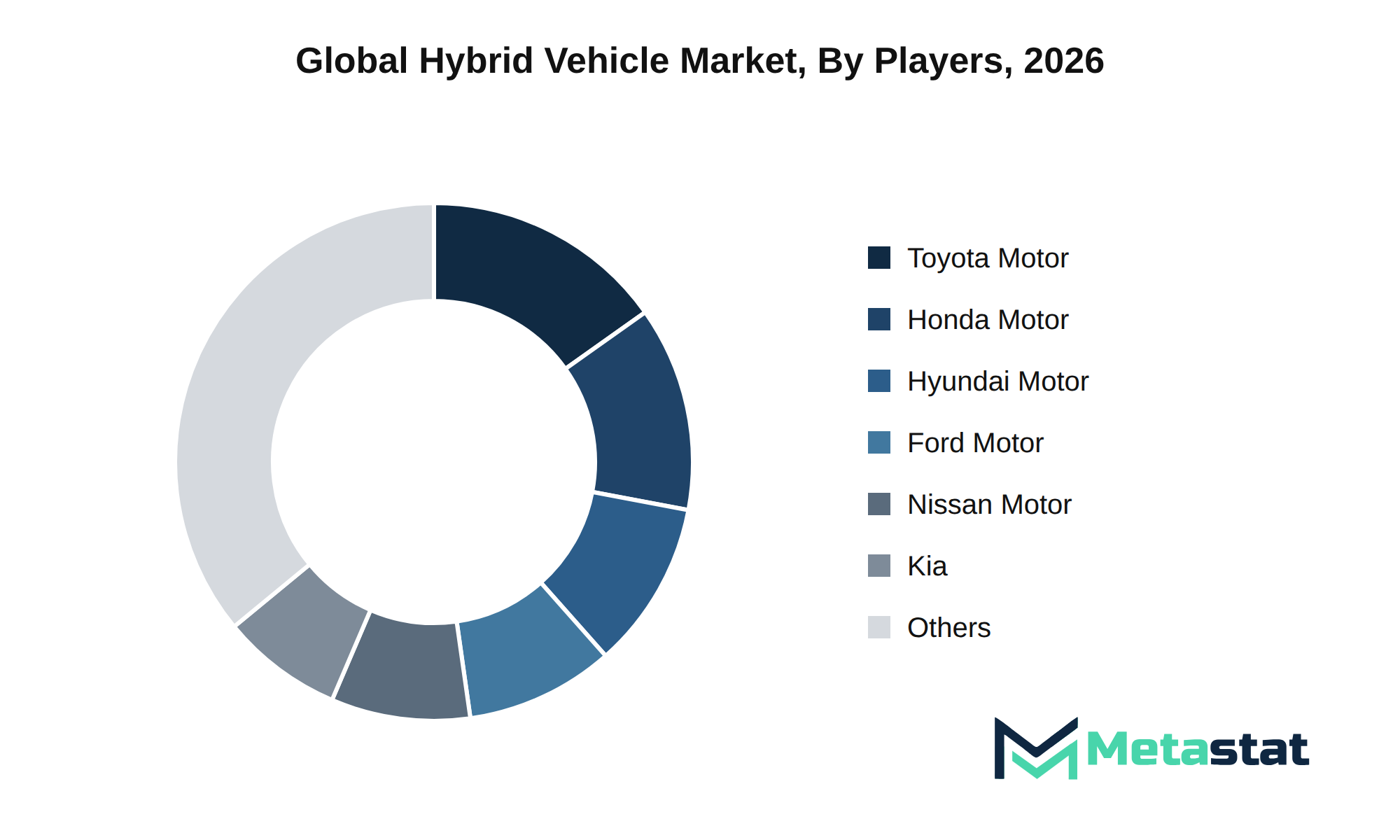
The Hybrid Vehicle market experiences significant competitive dynamics characterized by mergers, acquisitions, and strategic consolidations among key players. Companies including Toyota Motor Corporation, Honda Motor Co., Ltd., and Hyundai Motor Company actively pursue strategic alliances and joint ventures to enhance their market positions and drive innovation. These collaborations facilitate the sharing of technology and resources, enabling firms to optimize their product offerings while reducing costs.
Product differentiation remains a key focus, with manufacturers investing heavily in research and development pipelines to introduce advanced technologies. The emphasis on hybrid electric vehicles (HEVs) and plug-in hybrid electric vehicles (PHEVs) illustrates the competitive push towards sustainability and reduced emissions. Firms including Ford Motor Company and Nissan Motor Co., Ltd., strengthen their market presence by developing proprietary technologies that enhance the performance and efficiency of their vehicles.
Barriers to entry for new entrants in the market remain significant due to established brand equity and diverse product portfolios of major players. The threat of startup disruption is moderate, given the extensive investments required for innovation and market penetration. Firms including BYD Company Limited and Great Wall Motor Company Limited demonstrate potential in disrupting traditional models through affordable electric vehicle solutions.
Customer retention strategies are critical. Companies focus on enhancing brand loyalty through value-added services and innovative financing options. This approach directly impacts switching costs for consumers, making it crucial for incumbent players to maintain competitive pricing architectures. The future competitive outlook for the Hybrid Vehicle market emphasizes continued innovation, strategic growth vectors, and the importance of maintaining a robust intellectual property portfolio.
The market size is forecast to rise from USD 233.4 billion in 2025 to over USD 518.9 billion by 2033 at a 10.5% CAGR. Factors influencing this growth include macroeconomic conditions, regulatory changes, and advancements in technology integration. Economic cycles will drive demand fluctuations across various segments within the Hybrid Vehicle market, reflecting shifts in consumer preferences and environmental regulations.
The bull case envisions increased adoption of hybrid technologies amid rising fuel prices and stronger regulatory mandates promoting sustainability. This scenario could lead to higher investments in R&D, enhancing vehicle capabilities and driving broader acceptance among consumers. In contrast, the bear case anticipates potential market constraints arising from economic downturns, which could limit consumer spending on hybrid vehicles and slow down investment in infrastructure necessary for charging and servicing.
Strategic capital allocation in the automotive sector will emphasize investments in next-generation technologies to meet evolving consumer demands and regulatory compliance milestones. Industry players will focus on mitigating supply chain vulnerabilities and adapting to geopolitical realignments that influence trade corridors. These dynamics will shape the competitive environment, creating opportunities for innovation and market penetration.
Future growth in the Hybrid Vehicle market hinges on addressing unmet enterprise needs and capturing high-growth pockets within emerging markets. Companies will develop defensibility roadmaps to ensure long-term viability and profitability in a changing environment. Infrastructure commitments will play a critical role in supporting market expansion, creating a robust foundation for hybrid vehicle adoption across various regions.
The report strategically identifies and profiles the key market players and analyses their core competencies in each sub-segment of the Hybrid Vehicle market.
|
Report Attributes |
Details |
|
Study Period |
2021-2033 |
|
Base Year |
2025 |
|
Estimated Year |
2026 |
|
Forecast Period |
2026-2033 |
|
Historical Period |
2021-2025 |
|
Growth Rate |
CAGR 10.5% from 2026 to 2033 |
|
Revenue Unit |
USD billion |
|
Segmentation |
By Hybrid Vehicle Type, Vehicle Type, Motor Type, Battery Type, and Region |
|
By Region |
North America (By Hybrid Vehicle Type, Vehicle Type, Motor Type, Battery Type, and Country)
|
|
Europe (By Hybrid Vehicle Type, Vehicle Type, Motor Type, Battery Type, and Country)
|
|
|
Asia Pacific (By Hybrid Vehicle Type, Vehicle Type, Motor Type, Battery Type, and Country)
|
|
|
South America (By Hybrid Vehicle Type, Vehicle Type, Motor Type, Battery Type, and Country)
|
|
|
Middle East and Africa (By Hybrid Vehicle Type, Vehicle Type, Motor Type, Battery Type, and Country)
|
Find answers to common questions about this report
The Hybrid Vehicle market size was valued at USD 233.4 billion in 2025.
The Hybrid Vehicle market is projected to grow at a CAGR of 10.5% during the forecast period from 2026 to 2033.
The North America Hybrid Vehicle market size is estimated to reach USD 124.3 billion by 2033.
The Hybrid Electric Vehicle (HEV) segment leads the Hybrid Vehicle market, with a projected value of USD 221.6 billion by 2033. This figure reflects the highest anticipated revenue among the various hybrid vehicle types.
Urbanization trends drive the Hybrid Vehicle market by increasing the demand for efficient transportation solutions in densely populated areas. Economic growth enhances disposable incomes, while investments in electric vehicle infrastructure expand operational landscapes, making hybrid vehicles more attractive for urban commuting. The projected compound annual growth rate of 10.5% from 2026 to 2033 reflects these dynamic influences.
The Hybrid Vehicle market faces significant regulatory challenges, infrastructure gaps, and skilled labor deficiencies that restrain growth. Compliance pressures increase operational costs, while inadequate charging stations hinder adoption. Geopolitical tensions and supply chain instability disrupt production timelines, further complicating market dynamics.
Urbanization trends and rising population densities drive the demand for hybrid vehicles by increasing the need for efficient transportation solutions. Economic growth in urban areas enhances disposable incomes, allowing consumers to invest in advanced automotive technologies, while investments in electric vehicle infrastructure expand the operational landscape for hybrid vehicle adoption.
The Hybrid Vehicle market is estimated to reach a valuation of USD 518.9 billion by 2033.
Key players in the Hybrid Vehicle market include Toyota Motor Corporation, Honda Motor Co., Ltd., Hyundai Motor Company, Ford Motor Company, Nissan Motor Co., Ltd., BMW Group, Mercedes-Benz Group AG, and Volkswagen AG.
Urbanization trends significantly influence demand for hybrid vehicles by increasing the need for efficient transportation solutions in densely populated areas. Rising environmental awareness among consumers aligns with the attributes offered by hybrid vehicles.
The analysts below cover Automotive and Transportation research at Metastat Insights.
LEAD ANALYST
Utkarsh Khirodkar is a Lead Market Research Analyst at MetaStat Insight, specializing in market intelligence, technology sector assessments, and competitive strategy.

ENERGY & INFRASTRUCTURE INDUSTRY CONSULTANT
Automotive and Transportation · Electronics and Semiconductor · Energy and Power · Machinery & Equipment
Saurabh Vasant Ganvir consults for Energy & Infrastructure Industry at MetaStat Insight, specializing in renewable energy, solar EPC, and electric vehicle (EV) infrastructure markets.
Evaluating calorific value requirements and air permit compliance across municipal waste facilities requires localized data. Metastat Insight structured their analysis around operational throughput capacity and feedstock composition variations in Latin America and Eastern Europe. Their competitive mapping of sorting equipment vendors helped clarify technology differences between optical separators and heavy media systems. The study provided an objective baseline during our capital expenditure reviews.
Decarbonizing industrial thermal processes hinges on refrigerant regulations and compressor efficiency limits. Metastat Insights delivered a thorough market analysis that evaluated natural refrigerants like CO2 and hydrocarbons against synthetic low-GWP alternatives. The breakdown of utility incentives and grid capacity constraints across key European manufacturing hubs offered valuable perspective. The follow-up conversation with their sector analysts addressed our specific questions on mechanical vapor recompression systems efficiently.
Assessing 200mm wafer transition schedules and substrate supply bottlenecks requires precise technical intelligence. MetaStat Insight supplied an actionable breakdown comparing planar and trench MOSFET architectures across automotive and industrial drive markets. The regional capacity estimates for Asia-Pacific foundries helped clarify lead-time uncertainties during our strategic planning session. When we needed additional clarification on high-purity raw material sourcing, their analyst team responded with helpful context within twenty-four hours.
Explore related market intelligence reports worth reading alongside this one.