
LEAD ANALYST
Utkarsh Khirodkar is a Lead Market Research Analyst at MetaStat Insight, specializing in market intelligence, technology sector assessments, and competitive strategy.

Global Personal Watercraft Market Size, Share, By Product Type (Stand-up Personal Watercraft, Rec-Lite, Recreational, Luxury, Sport Fishing and Others), By Seating Capacity (One Seat and Two Seat), By Propulsion Type (ICE and Electric), By Application (Recreation and Sports & Racing), Industry Analysis, Growth, Trends, and Forecast, 2026-2033
Report ID
MSI-4821
Published
July, 2026
Updated
Pages
258 Pages
Format
Report Details
Choose Your License
Global Personal Watercraft Market
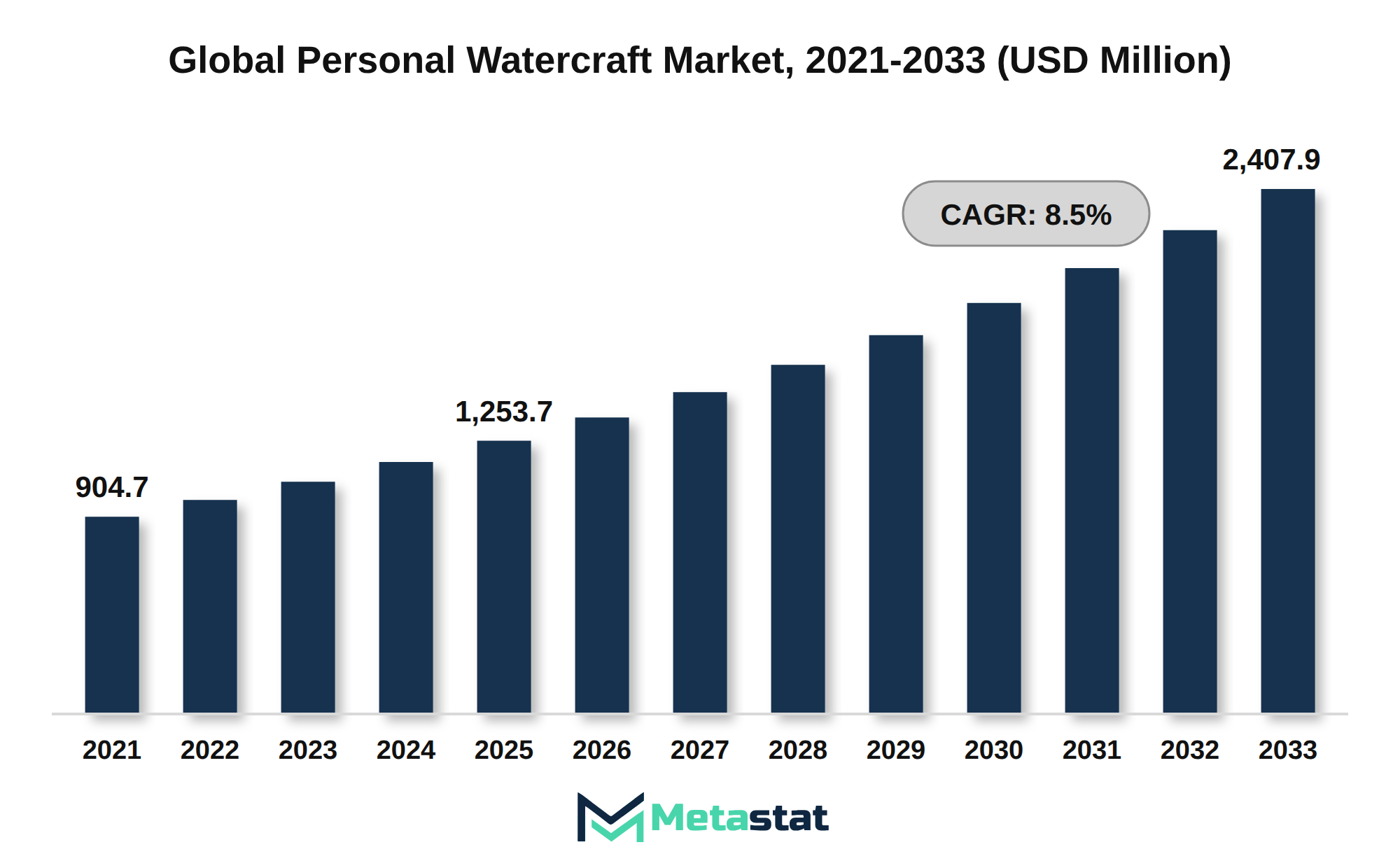
The global Personal Watercraft market was valued at USD 1,253.7 million in 2025 and is projected to grow at a CAGR of 8.5% during the forecast period, reaching USD 2,407.9 million by 2033.
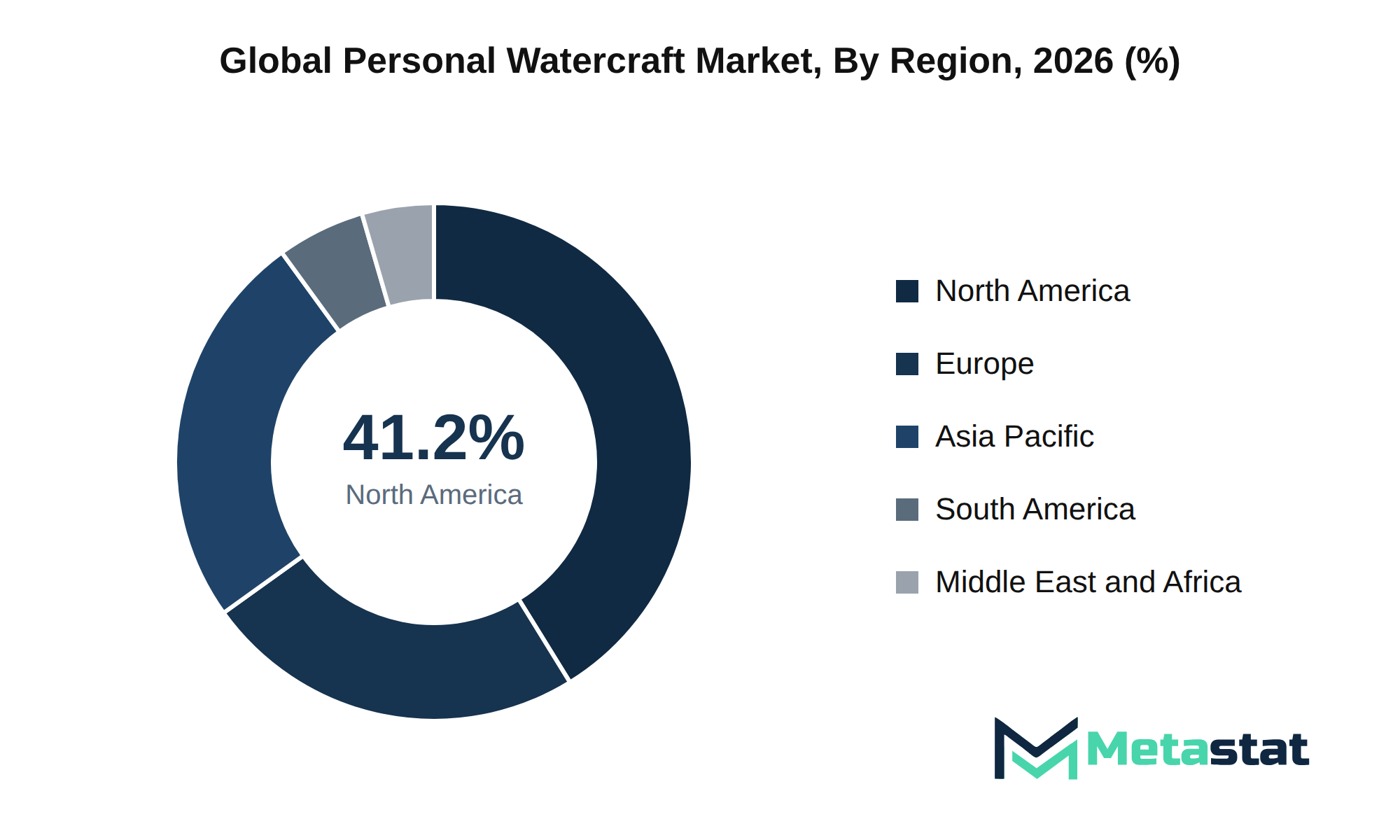
The Personal Watercraft market is positioned for strong growth, with a base value of USD 1,253.7 million in 2025 and a projected value of USD 2,407.9 million by 2033, reflecting a compound annual growth rate (CAGR) of 8.5%. In 2025, North America holds a substantial market share of 41.2%, with the United States leading the market in 2026. Europe and Asia Pacific follow, accounting for 23.9% and 24.9% of the market respectively, while South America and the Middle East and Africa comprise smaller shares of 5.5% and 4.5%. This regional distribution indicates a diverse market with varying growth potentials across different areas.
Several factors contribute to the dynamics of the Personal Watercraft market. Increasing disposable incomes and a growing interest in recreational activities drive consumer demand for personal watercraft. The rise of water sports and recreational boating activities further enhances market growth. The introduction of advanced technologies and innovative designs in personal watercraft is appealing to consumers seeking enhanced performance and features. Manufacturers are investing in research and development to create next-generation products that meet evolving consumer preferences.
In North America, the market's strong growth is supported by a culture of water sports and outdoor activities. The United States, as the leading market, has a high preference for personal watercraft, driven by a combination of recreational use and competitive sports. This trend is echoed in Europe and Asia Pacific, where increasing engagement in water-based activities boosts the demand for personal watercraft. The growing popularity of eco-friendly options, such as electric personal watercraft, is also a key consideration as consumers become more environmentally conscious.
Regulatory compliance is important in shaping the Personal Watercraft market. Manufacturers must adhere to various safety and environmental regulations, which can impact product development and market entry strategies. In North America, strict emissions standards and safety regulations require manufacturers to invest in compliance measures, affecting their operational costs. This regulatory environment encourages innovation as companies seek to develop products that not only comply with existing regulations but also anticipate future changes.
Environmental concerns are prompting regulators to implement stricter guidelines aimed at reducing emissions from internal combustion engine (ICE) personal watercraft. This shift is pushing manufacturers to explore electric propulsion options, which are projected to achieve a CAGR of 23.3% by 2033. As the market transitions towards more sustainable solutions, companies that can effectively adapt to these regulatory changes are likely to gain a competitive advantage.
The competitive landscape of the Personal Watercraft market is characterized by a mix of established brands and emerging players. Major companies include BRP Inc., Yamaha Motor Co., Ltd., and Kawasaki Heavy Industries, Ltd., which dominate market share through their extensive product offerings and strong brand recognition. However, the market also sees the entry of new players like Taiga Motors Corporation and Viva Electric Jets, focusing on innovative electric models that cater to the growing demand for sustainable options. This fragmentation indicates a dynamic environment where companies must continually innovate to maintain market relevance.
Market players are also exploring strategic collaborations and partnerships to enhance their product portfolios and expand their market reach. Such collaborations can lead to the development of new technologies and innovative designs, which are crucial for meeting the demands of an increasingly competitive market. As the Personal Watercraft market evolves, the ability to adapt to consumer preferences and regulatory challenges will be essential for sustained growth.
Supply chain resilience is crucial for the Personal Watercraft market, particularly as manufacturers face challenges related to sourcing and logistics. The ongoing fluctuations in global supply chains, influenced by geopolitical tensions and economic uncertainty, have led companies to reassess their sourcing strategies. As a result, manufacturers are increasingly looking to establish local partnerships and diversify their supplier base to mitigate risks. This approach enhances supply chain reliability and contributes to cost efficiencies over the long term.
In the quest for efficiency, digitalization is reshaping operations within the Personal Watercraft market. Companies are implementing smart operations and adopting Industry 4.0 technologies to streamline production processes. Automation, data analytics, and the Internet of Things (IoT) are becoming integral to enhancing manufacturing capabilities and improving product quality. These advancements enable manufacturers to respond faster to market demands. Ultimately, this drives customer satisfaction.
Investment in infrastructure is vital to support the growth trajectory of the Personal Watercraft market. Companies are allocating capital toward upgrading manufacturing facilities and enhancing research and development (R&D) capabilities. This focus on infrastructure is essential for maintaining competitive advantage and encouraging innovation. As the market continues to expand, the pressure to manage both capital and operational expenditures effectively will be a critical factor in sustaining profitability.
Macroeconomic headwinds pose ongoing challenges for the market, particularly in the form of inflationary pressures and currency volatility. Fluctuations in currency exchange rates can impact pricing strategies and profit margins for manufacturers operating in multiple regions. As costs rise due to inflation, maintaining competitive pricing while ensuring product quality will be a balancing act for companies in the market.
Companies in the Personal Watercraft market face imperative strategic decisions as they navigate a complex environment. Focusing on sustainable practices, enhancing product offerings, and expanding distribution channels are essential for capturing market share. Understanding customer preferences and adapting to changing demographics will also play a critical role in shaping future corporate strategies. As the market evolves, the ability to innovate while managing risks will dictate long-term success.
Fluctuations in interest rates and GDP growth have a significant impact on consumer purchasing behavior, particularly in the personal watercraft market. Lower interest rates make financing options more attractive for potential buyers, leading to increased sales. A robust GDP growth suggests a healthier economy, which translates to higher disposable income among consumers. As a result, individuals are more likely to invest in recreational vehicles like personal watercraft, boosting demand across various segments.
Regionally, North America stands to benefit the most from these macroeconomic changes. This region, accounting for 41.2% of the market share, is expected to experience substantial growth due to its strong economic indicators. As disposable income rises and consumer confidence improves, more individuals are likely to purchase personal watercraft for leisure activities. The anticipated CAGR of 8.5% for North America highlights the potential for growth driven by favorable economic conditions.
For suppliers, understanding these macroeconomic factors is crucial for strategic planning and inventory management. As interest rates fluctuate and GDP growth trends evolve, suppliers must remain agile to adapt to changing consumer demands. This adaptability will enable them to optimize production levels and tailor their marketing strategies effectively, ensuring they meet the rising demand within the personal watercraft market.
Technological advancements, particularly in automation and software adoption, are reshaping the Personal Watercraft market. The integration of digital tools enhances the performance and features of watercraft, appealing to consumers seeking improved experiences and capabilities. As manufacturers implement artificial intelligence and digitize legacy processes, products become more efficient and user-friendly. This shift has led to a rise in demand for personal watercraft equipped with advanced navigation systems, intelligent controls, and enhanced safety features, facilitating a more engaging and secure riding experience.
Regions most affected by this transformation include North America and Europe, where consumers are increasingly inclined to adopt new technologies. As disposable incomes rise and leisure activities expand, buyers in these areas favor personal watercraft that incorporate the latest technological innovations. The growth of the recreational sector, particularly in North America, is evident as consumers appreciate enhanced functionalities, driving overall market demand. In Asia Pacific, the rising middle class is similarly drawn to modern watercraft offerings, positioning this region as a significant growth area for technologically advanced models.
For suppliers, this transformation presents both opportunities and challenges. Companies must invest in research and development to create innovative products that align with consumer expectations. As the market evolves, partnerships with technology providers may become essential to enhance product offerings and maintain competitiveness. Suppliers who can integrate advanced technology while ensuring affordability and reliability will likely capture a larger share of the growing market. This focus on digital transformation not only meets consumer demand but also positions suppliers to thrive in a rapidly changing environment.
The Personal Watercraft market faces significant constraints due to high capital investment requirements and escalating operating costs. The need for advanced manufacturing technologies, high-quality materials, and compliance with safety regulations imposes a substantial financial burden on manufacturers. This situation can deter new entrants and limit the expansion of existing players, particularly in regions where the cost of production is already high.
North America, which holds a market share of 41.2%, and Europe, with a 23.9% share, absorb the most damage from these high investment and operational costs. For instance, manufacturers in North America might find it increasingly challenging to compete due to the higher costs associated with sourcing materials and meeting regulatory standards. In contrast, regions like South America and the Middle East and Africa, with lower market shares (5.5% and 4.5% respectively), are less impacted but still face similar challenges in scaling operations effectively.
To navigate these constraints, companies are investing in process efficiencies, leveraging economies of scale, and exploring partnerships to share costs. Some manufacturers are also shifting towards more sustainable practices and exploring electric propulsion systems, which can initially require substantial investment but may reduce long-term operational costs. Nevertheless, these workaround strategies remain incomplete, as the upfront capital required for new technologies and compliance with stringent regulations can still pose significant barriers to entry and growth within the market. Until these issues are effectively addressed, the market will continue to face challenges in achieving its full growth potential.
Firms in the Personal Watercraft market face significant challenges due to tightening global regulatory standards and the associated compliance overhead. As governments worldwide implement stricter environmental regulations and safety requirements, manufacturers must adapt their production processes and product designs to meet these new standards. This creates operational friction, as firms must navigate complex compliance requirements while continuing to innovate and bring new products to market.
The difficulty in managing compliance is particularly pronounced in regions with stringent regulatory environments, such as Europe and North America. In Europe, for instance, manufacturers are increasingly required to align with evolving environmental directives that demand lower emissions and improved energy efficiency. North America, while also facing regulatory pressures, is seeing a rise in local initiatives to promote sustainability and safety, further complicating compliance efforts for manufacturers operating across multiple jurisdictions.
To address these challenges, firms are investing in comprehensive compliance strategies, often involving dedicated teams and technology solutions to streamline regulatory adherence. This investment can significantly increase operational costs, as companies must allocate resources for regulatory reporting, training, and ongoing monitoring of compliance status. The need for regular adjustments to product designs and manufacturing processes to remain compliant can lead to longer development cycles and increased production costs. As manufacturers balance compliance with the demand for innovation in the Personal Watercraft market, these challenges will continue to shape operational strategies.
The personal watercraft market has a considerable opportunity stemming from the growing demand for recreational activities, particularly in emerging regions. Increased disposable incomes, coupled with a rising interest in outdoor and water-based leisure activities, are driving consumers toward personal watercraft ownership. Infrastructure modernization in coastal and lakeside areas further supports this trend, providing better access to waterways. As of 2025, the market is valued at USD 1,253.7 million and is projected to reach USD 2,407.9 million by 2033, reflecting a compound annual growth rate (CAGR) of 8.5% during the forecast period.
Manufacturers and suppliers that invest in innovative product designs and sustainable technologies are well-positioned to capture this market opportunity. The shift towards electric propulsion systems, which is expected to grow at a remarkable CAGR of 23.3%, indicates a consumer preference for environmentally friendly options. Companies that can integrate advanced technologies with attractive designs will likely appeal to younger recreational users and environmentally conscious buyers. Successful players must also focus on enhancing customer experience through digital procurement channels and streamlined purchasing processes, which are becoming increasingly important in the market.
Timing will be critical for businesses aiming to capitalize on this market opportunity. The current interest in sustainable watercraft solutions must be leveraged before competitors fully adapt to market demands. Fluctuating economic conditions or shifts in consumer preferences could close the window for capturing new buyers. Companies that are agile and responsive to changing trends will have a higher likelihood of success in this evolving segment. As the market continues to mature, businesses must remain vigilant and ready to act on new opportunities for growth and diversification.
The Global Personal Watercraft market is segmented based on Product Type, Seating Capacity, Propulsion Type, and Application.
In 2026, the Stand-up Personal Watercraft segment is valued at USD 101.8 million and is projected to reach USD 163.7 million by 2033, reflecting a compound annual growth rate (CAGR) of 7% during the forecast period. This growth is driven by an increasing interest in recreational water sports and the demand for high-performance watercraft.
Technological maturation in stand-up personal watercraft has led to significant enhancements in design and performance. Consumers seek models that offer improved stability and maneuverability, making them more appealing to both novice and experienced riders. This focus on next-gen upgrades increases adoption rates, particularly among younger demographics enthusiastic about water sports and outdoor activities.
End-use dynamics also play a crucial role in shaping the market. As recreational activities gain popularity, particularly in coastal regions, the consumption of stand-up personal watercraft is expected to rise substantially. Manufacturers are increasingly targeting competitive racing applications, which further drives demand.
Regulatory compliance standards regarding safety and environmental impact are becoming stricter. This necessitates innovation among manufacturers, as they navigate compliance while maintaining performance and cost-effectiveness. Such challenges can influence pricing structures and margin pressures, ultimately impacting market dynamics.
Overall, the Stand-up Personal Watercraft segment is positioned for sustained growth, supported by technological advancements and evolving consumer preferences within the broader personal watercraft market.
By 2033, the Rec-Lite segment is estimated to reach USD 541.8 million, growing at a compound annual growth rate (CAGR) of 9.6% during the forecast period. This segment's growth is driven by a combination of factors, including increasing consumer interest in lightweight and affordable personal watercraft that cater to recreational use. The appeal of Rec-Lite models is particularly strong among first-time buyers looking for accessible entry points into the personal watercraft market.
Technological maturation plays a critical role in enhancing the design and performance of Rec-Lite models. Advances in materials and propulsion systems have led to lighter, more efficient watercraft that offer improved fuel efficiency and maneuverability. The demand for eco-friendly options is also influencing the segment, with some manufacturers exploring electric propulsion systems as alternatives to traditional internal combustion engines.
Regulatory compliance standards are evolving, prompting manufacturers to ensure that Rec-Lite models meet safety and environmental regulations. This focus increases development costs but ultimately leads to products that align better with consumer expectations. Competitive pricing strategies are crucial, as consumers remain price-sensitive, especially in the context of broader economic conditions.
Overall, the Rec-Lite segment is poised for expansion, driven by a growing recreational market and a shift in consumer preferences toward versatile and user-friendly personal watercraft. The ongoing product evolution will likely continue to shape the segment, reinforcing its position within the larger personal watercraft market.
By 2033, the recreational segment within the Personal Watercraft market is expected to reach USD 782.6 million. This growth can be attributed to a variety of factors, including rising disposable incomes and a growing interest in water-based recreational activities. Increasing consumer awareness about the benefits of personal watercraft for leisure purposes drives demand, particularly in regions with vast coastlines and water bodies.
Technological maturation plays a critical role in this segment, with manufacturers focused on next-gen upgrades that enhance performance, safety, and user experience. Improved fuel efficiency and eco-friendliness through innovative design and propulsion technology attract environmentally conscious consumers. The evolution of product offerings, including lightweight models and advanced features, caters to a wider audience.
End-use dynamics show a shift towards family-oriented recreational activities, which promotes multi-passenger models. This trend is supported by a rise in community events and water sports activities that encourage group participation. Regulatory compliance and niche certifications are becoming more stringent, pushing manufacturers to prioritize safety and environmental standards. These factors further influence consumer preferences.
Lastly, fluctuations in pricing structures, driven by raw material costs and supply chain challenges, could impact market growth. Maintaining competitive pricing while ensuring quality will be essential for companies aiming to capture and retain market share in the recreational segment.
During the forecast period, the Luxury segment is projected to grow at a CAGR of 8.9%. This growth is fueled by the increasing demand for high-end personal watercraft that provide enhanced comfort, performance, and advanced technology features. As disposable incomes rise among consumers, particularly in North America and Europe, the willingness to invest in premium watercraft is expected to increase significantly.
Technological maturation plays a critical role in this segment, as manufacturers focus on next-generation upgrades that enhance user experience. Innovations in design, fuel efficiency, and electronic navigation systems attract buyers looking for superior performance and luxury. The market benefits from shifting end-use dynamics, where leisure activities and recreational boating are becoming more popular, driving demand for luxury models.
Pricing volatility and margin pressures specific to this sub-segment can influence product availability and consumer purchasing decisions. While luxury items typically maintain a premium price, fluctuations in raw material costs can impact manufacturers. Supply chain resilience, alongside reliable sourcing of materials, remains essential to ensure product consistency and quality.
With the Luxury segment of the Personal Watercraft market poised for growth, capital investment in innovative technologies and strategic opportunity windows will be crucial for market players aiming to capture the attention of affluent consumers. Maintaining competitiveness in this evolving market will require adaptability and foresight.
Growing interest in recreational fishing is enhancing the appeal of sport fishing personal watercraft. This segment benefits from a dedicated consumer base that values performance and specialized features tailored for fishing enthusiasts. Enhanced stability and storage options are becoming essential as users seek to maximize their fishing experiences on the water. Technological maturation, including advancements in navigation and fish-finding systems, is shaping product offerings. These innovations are designed to enhance the efficiency and enjoyment of fishing trips.
Factors contributing to adoption rates include increasing disposable incomes and a shift towards recreational activities. As consumers prioritize outdoor leisure, the market experiences an uptick in demand for versatile watercraft that can accommodate various fishing activities. This trend is further supported by a focus on sustainable practices, encouraging the development of eco-friendly models and propulsion systems.
Regulatory compliance and niche certifications are critical for manufacturers. Meeting these standards ensures product safety and enhances brand reputation among consumers. As policies evolve, companies must navigate these regulations adeptly to maintain market relevance.
Supply chain resilience is also critical in the sport fishing segment. Efficient sourcing of raw materials and effective logistics strategies are vital for maintaining production schedules and meeting consumer demand. This resilience helps mitigate potential disruptions and supports continuous growth in the personal watercraft market.
In 2026, the One Seat segment is valued at USD 152.9 million and is projected to reach USD 245.6 million by 2033, growing at a CAGR of 7% during the forecast period. The demand for one-seat personal watercraft is driven primarily by individual recreational activities, with users seeking the thrill and freedom associated with solo riding. This sub-segment's growth is further supported by technological maturation, as advancements in design and propulsion systems improve performance and reliability, making these watercraft more appealing to consumers.
As adoption rates increase, manufacturers are focusing on innovative product evolution vectors that enhance user experiences. Next-generation upgrades such as improved fuel efficiency and lighter materials contribute to the overall attractiveness of one-seat models. Regulatory compliance standards also play a role in shaping the market dynamics, as stricter environmental regulations prompt manufacturers to invest in cleaner technologies.
Cost structures and pricing volatility significantly impact the margins within this sub-segment. Manufacturers must navigate fluctuating raw material prices while ensuring competitive pricing to attract buyers. Supply chain resilience is crucial, particularly regarding raw material sourcing and logistics vulnerabilities, as disruptions can affect production timelines and costs.
Substitution risks present challenges; alternative recreational activities may divert potential buyers away from personal watercraft. However, strategic opportunity windows exist as companies explore new markets and customer segments. This proactive approach aims to capitalize on the growing interest in water-based leisure activities in emerging economies.
By 2033, the Two Seat segment is estimated to reach USD 589.9 million, with a compound annual growth rate (CAGR) of 7.8% during the forecast period. This growth can be attributed to rising consumer interest in recreational activities and water sports, which is driving demand for personal watercraft designed for two passengers. The segment's appeal is also enhanced by technological advancements in product design, contributing to improvements in performance, safety, and user experience.
Adoption rates are expected to increase as manufacturers introduce next-generation upgrades, which may include enhanced fuel efficiency and more intuitive navigation systems. These innovations appeal to both new buyers and current enthusiasts looking to upgrade their existing watercraft. The expansion of rental services and water sports facilities is driving utilization rates, making two-seat models more accessible to a broader audience.
Cost structures within this segment are influenced by the pricing volatility of raw materials and technological advancements. Manufacturers face margin pressures due to fluctuating costs while striving to keep prices competitive. Regulatory compliance standards necessitate ongoing investments in safety and environmental features, which can impact overall pricing dynamics.
Overall, the Two Seat segment presents strategic opportunity windows for manufacturers and investors. Capital investment in research and development for innovative features and compliance adherence is essential for capturing market share in the growing personal watercraft market.
By 2033, the Three Seat segment of the Personal Watercraft market is expected to reach USD 1,396.6 million. Strong demand for multi-passenger watercraft continues to drive this segment, appealing to families and groups seeking recreational activities on water. The growth in this segment correlates with an increase in water sports participation and outdoor leisure activities, particularly in regions with extensive coastlines.
Technological maturation enhances the performance of three-seat watercraft. Advances in engine efficiency, lightweight materials, and streamlined designs contribute to improved handling and fuel efficiency. These innovations attract consumers looking for value through better performance and lower operational costs. Manufacturers are focusing on next-generation upgrades, including enhanced safety features and connectivity options, which further appeal to potential buyers.
Cost structures within the segment reflect pressures from raw material sourcing and logistics vulnerabilities. Fluctuations in material costs can impact pricing strategies, making affordability a key consideration for consumers. The market's expansion is supported by increasing disposable income levels and a shift towards premium recreational experiences.
Strategic opportunity windows are emerging as companies invest in marketing campaigns targeting a younger demographic. Engaging this audience through social media and experiential marketing helps to build brand loyalty and stimulate growth in the segment. As the market evolves, the Three Seat segment remains well-positioned to capitalize on these trends.
With a projected compound annual growth rate (CAGR) of 7.4% during the forecast period, the standing segment of the Personal Watercraft market is set to experience notable expansion. This growth can be attributed to various factors, including increased consumer interest in adventure sports and water-based activities. As recreational activities gain popularity, demand for standing personal watercraft, which offer agility and maneuverability, enhances their appeal among enthusiasts.
Technological advancements are also influencing market dynamics. Manufacturers are introducing next-generation upgrades, focusing on performance enhancements and user-friendly designs, thereby attracting a broader audience. These innovations not only improve the performance of standing watercraft but also enhance safety features, making them more appealing to newer users.
Price volatility remains a critical consideration for this segment. As manufacturers implement advanced technologies, production costs may rise, potentially affecting pricing structures. These changes could influence consumer purchasing decisions, emphasizing the need for effective cost management within the supply chain.
Lastly, regulatory compliance standards are becoming increasingly stringent, impacting manufacturers' designs and production processes. Firms must adapt to these regulations to maintain their competitive edge in the market. As the standing segment continues to evolve, balancing these pressures with consumer demand will be essential for sustained growth.
In 2026, the ICE segment is valued at USD 1,307.6 million and is projected to reach USD 2,179.2 million by 2033, demonstrating a compound annual growth rate (CAGR) of 7.6% during the forecast period. This sub-segment is propelled by a combination of technological maturation and increasing consumer interest in high-performance personal watercraft. As manufacturers innovate, next-generation upgrades such as enhanced fuel efficiency and reduced emissions become key selling points for buyers.
Shifts in consumer behavior have also influenced the market dynamics. The demand for recreational activities, particularly in North America and Europe, is rising, contributing significantly to the growth of the ICE segment. Consumers are increasingly seeking leisure experiences, leading to a preference for watercraft that offer both performance and reliability.
Regulatory compliance standards pertaining to emissions and environmental impact are becoming increasingly stringent. Manufacturers are adapting to these changes, ensuring that their ICE models meet contemporary regulations while still appealing to consumers. This adaptation presents both challenges and opportunities for the market.
Cost structures within the ICE segment remain critical, with manufacturers facing pressures related to raw material sourcing and pricing volatility. Fluctuations in material costs can impact profit margins, making it essential for companies to streamline their supply chains and develop resilient logistics strategies. The ICE segment's growth reflects ongoing evolution within the wider personal watercraft market.
By 2033, the Electric segment is estimated to reach USD 228.8 million, growing at a compound annual growth rate (CAGR) of 23.3% during the forecast period. This rapid growth is largely driven by increasing consumer interest in environmentally friendly alternatives, as electric watercraft present lower emissions compared to traditional internal combustion engines (ICE). Advancements in battery technology are enhancing the performance and range of electric models, making them more appealing to a wider audience.
The market's expansion is also influenced by shifting consumer preferences toward sustainable recreational activities. As awareness of climate change grows, personal watercraft users are increasingly looking for options that align with their eco-conscious values. This trend is further supported by governmental initiatives promoting electric vehicles, which may extend to personal watercraft.
Regulatory compliance standards aiming to reduce carbon footprints are expected to increase the market for electric personal watercraft. Governments worldwide are implementing stricter environmental regulations, which can create opportunities for manufacturers producing electric models that meet these criteria. Niche certifications for electric watercraft may emerge, establishing quality and reliability benchmarks that could encourage adoption.
As the segment evolves, manufacturers will need to focus on cost structures and pricing strategies to balance competitive pricing with the costs associated with advanced technologies. Overall, the Electric segment is poised for significant growth and will likely play a key role in the future dynamics of the personal watercraft market.
Outdoor leisure activities drive interest in personal watercraft, particularly in the recreation sub-segment. This segment appeals to various consumers, ranging from families to thrill-seekers, who seek fun and excitement on the water. Technological maturation is important, with advancements in design and safety features enhancing the overall experience. For instance, improved stability and maneuverability have made personal watercraft more accessible to novice users.
Next-generation upgrades contribute to the segment's growth, as manufacturers continually innovate to attract consumers. Features such as enhanced fuel efficiency and eco-friendliness appeal to environmentally conscious buyers. As these technologies become commonplace, they increase the appeal of recreational personal watercraft.
Consumer preferences also influence the market, as more individuals prioritize experiences over possessions. This shift leads to increased participation in water-based recreational activities, driving demand for personal watercraft. The seasonal nature of recreational usage necessitates flexible pricing strategies, allowing manufacturers to capitalize on peak seasons while managing costs effectively.
Regulatory compliance standards will shape the market dynamics as governments implement stricter emissions regulations and safety requirements. Manufacturers must adapt to these regulations to maintain competitiveness. As the personal watercraft market continues to evolve, strategic opportunity windows will emerge for companies that can innovate and align their offerings with changing consumer demands.
Growth in the Sports & Racing application of the Personal Watercraft market stems from several key factors. Increased participation in water sports and racing events has driven demand for high-performance watercraft, appealing to both recreational users and competitive racers. Technological advancements play a significant role, as manufacturers continually innovate to produce faster and more efficient models, enhancing the overall racing experience.
Regulatory compliance is also becoming more stringent, with various safety and performance standards impacting the design and manufacturing process of personal watercraft. These regulations ensure that products meet the necessary criteria for competitive racing, influencing market dynamics. The increasing popularity of organized racing events is encouraging investment in sports-oriented watercraft.
Cost structures in this sub-segment can vary significantly, as premium models often come with advanced technology and features that warrant higher price points. Manufacturers face pricing volatility, which can impact profit margins. Supply chain resilience is crucial, particularly as raw material sourcing and logistics may be affected by external factors. This variability can create challenges for manufacturers in maintaining competitive pricing.
As the market evolves, the risk of substitution by alternative recreational activities remains a concern. The unique appeal of watercraft racing continues to drive interest and investment in this sub-segment, indicating a robust future for sports and racing applications within the wider Personal Watercraft market.
Military applications of personal watercraft focus on enhancing operational capabilities in various marine environments. The durability and adaptability of these craft make them suitable for a range of military tasks, from reconnaissance missions to troop transport and logistical support. The growing emphasis on rapid response in defense operations drives demand for advanced personal watercraft that can maneuver efficiently in challenging conditions.
Technological maturation is important in the evolution of military watercraft design, as manufacturers integrate next-generation upgrades, including improved propulsion systems and advanced navigation technologies. These innovations enhance performance, reliability, and operational effectiveness, aligning with the strategic needs of defense forces worldwide. Ongoing product evolution caters to specific military requirements, with a focus on sustainability and reduced environmental impact.
Regulatory compliance standards and niche certifications are critical in shaping military procurement strategies. Defense organizations often prioritize equipment that meets stringent performance and safety criteria, which can influence their decisions when selecting personal watercraft for various applications. As military forces seek to modernize their fleets, procurement strategies must also adapt to address budget constraints and pricing volatility associated with advanced watercraft technology.
Overall, the military and defense segment within the personal watercraft market is characterized by a focused adoption of specialized applications, driven by operational needs and technological advancements that enhance the overall effectiveness of naval operations.
Based on geography, the Global Personal Watercraft market is divided into North America, Europe, Asia-Pacific, South America, Middle East, and Africa.
The North America Personal Watercraft market is poised for substantial growth, with a projected compound annual growth rate (CAGR) of 8.5% during the forecast period. By the end of 2033, the market size is expected to reach USD 939.1 million. The region holds a significant share of 41.2% of the global market in 2025, reflecting its dominance in personal watercraft consumption.
Key drivers for demand in North America include a strong interest in recreational activities and water sports. The increasing popularity of leisure boating is leading to a higher adoption rate of personal watercraft, especially among millennials and younger generations. The region's established infrastructure supports convenient access to waterways, encouraging participation in water-based leisure activities.
High-value replacement cycles are another factor contributing to market dynamics. As existing owners seek upgraded models with advanced features and improved performance, the segment experiences incremental growth. This trend is particularly evident in the luxury and recreational segments, where consumers are willing to invest in enhanced experiences.
Localized manufacturing densities and supply chain regionalization also play important roles in shaping the market. The presence of established manufacturers in the United States and Canada supports efficient production and distribution networks, enabling quicker response times to market demands. Consequently, this strengthens the competitive landscape, allowing domestic players to capture a larger share of the market.
Consumer preferences are shifting towards eco-friendly options, driving interest in electric personal watercraft. As manufacturers introduce innovative electric models, the segment is anticipated to gain traction among environmentally conscious buyers. This aligns with broader trends in sustainability and responsible leisure practices, shaping the future of the market.
Europe accounts for a significant share of the global Personal Watercraft market in 2025. Demand in this region is driven by the popularity of recreational boating and water sports, which are deeply embedded in the culture of many European countries. Countries such as Germany, France, and the UK show strong interest in high-performance watercraft, while Italy and Spain contribute to the market with a focus on leisure activities along their extensive coastlines.
The market benefits from a mature consumer base that is increasingly focused on upgrading existing models, leading to high-value replacement cycles. This trend is particularly visible in countries with established watercraft traditions, such as France and the UK. Incremental growth will be spurred by enhanced features in new models, including improved fuel efficiency and advanced technology integrations.
Localized manufacturing densities in Europe are growing as industry players adapt to supply chain regionalization. Companies are investing in facilities closer to major markets, reducing lead times and costs. This nearshoring initiative is particularly relevant in Germany, where efficient manufacturing practices are being emphasized.
Geopolitical factors, including trade agreements and tariffs, impact the dynamics of cross-border trade in the Personal Watercraft market. As countries assess their regulatory frameworks, compliance mandates evolve, influencing the ease of market entry for foreign manufacturers. Nevertheless, strong domestic players are likely to drive competition and innovation within the region.
Regional resource availability, particularly around coastal areas, enhances the market's potential. Infrastructure readiness, including marinas and service facilities, supports consumer adoption of personal watercraft, making regions like Southern France and the Spanish coast especially favorable for growth. As the market evolves, understanding localized procurement dynamics will be crucial for businesses aiming to succeed in Europe.
Asia-Pacific holds a significant share of the global Personal Watercraft market. This region benefits from a growing demand driven by increasing recreational activities and an expanding middle class, particularly in countries like China and India. Emerging markets in Southeast Asia are also experiencing heightened interest in personal watercraft, attributed to rising disposable incomes and a desire for leisure activities on water.
Infrastructure modernization across Asia-Pacific is enhancing accessibility to waterways, which further encourages the adoption of personal watercraft. Countries such as Australia and Japan have well-established marine infrastructures that support recreational boating activities, while nations like South Korea are investing in their coastal facilities to boost water tourism. This modernization is vital for facilitating market growth in underpenetrated territories.
Mature markets in Japan and Australia exhibit high-value replacement cycles. Consumers upgrade to newer models with advanced features. This pattern is expected to contribute to incremental growth in the market as existing customers seek enhanced performance and technology in their personal watercraft. The demand for eco-friendly options is also rising, with electric propulsion gaining traction, particularly in regions focusing on environmental sustainability.
Supply chain regionalization is increasingly important in Asia-Pacific, as manufacturers seek to streamline operations and reduce costs. Localized manufacturing densities are emerging, supported by foreign direct investment (FDI) flows into the region. This shift enables companies to respond quickly to rising demand while enhancing competitiveness in the market.
Overall, the dynamics within the Asia-Pacific Personal Watercraft market are shaped by a combination of emerging market front-runners, modernization efforts, and evolving consumer preferences. As the region continues to develop its infrastructure and consumer base, it is well-positioned for sustained growth in the years ahead.
Brazil and Argentina are expected to drive growth in the Personal Watercraft market within South America, contributing to the region's 5.5% share of the global market in 2025. Consumer interest in recreational activities, especially water sports, is rising, creating a favorable environment for market expansion. These countries possess extensive coastlines and abundant waterways, enhancing the appeal of personal watercraft for leisure activities.
Infrastructure modernization initiatives support this growth by improving access to marinas and waterway facilities. Investments in recreational infrastructure are likely to facilitate greater adoption of personal watercraft, particularly in underpenetrated territories within Brazil and Argentina. Enhanced marina facilities and increased availability of watercraft rentals may further stimulate interest among potential buyers.
Mature market dynamics in urban areas contribute to incremental growth vectors, particularly as consumers seek high-value replacement cycles for older models. As personal watercraft technology advances, features that enhance safety, performance, and eco-friendliness are becoming more desirable, prompting consumers to consider upgrading. Market players may leverage these dynamics to introduce innovative models tailored to local preferences and demands.
Localized procurement dynamics also influence purchasing behavior in South America. Cultural affinity for water sports and outdoor activities fuels demand for personal watercraft, while regional vendors are likely to offer products that align with local tastes. This cultural nuance is essential for market players aiming to establish a foothold in the region.
Strategic entry barriers, including geographic considerations and economic factors, can impact foreign direct investment (FDI) flows. Companies looking to enter the South American market must navigate these challenges while capitalizing on the region's growth potential. The overall trajectory for the Personal Watercraft market in South America appears promising, driven by a combination of demand drivers, infrastructure improvements, and cultural factors. The interplay of these elements will shape the market's future development.
Saudi Arabia and the UAE are key players in the Personal Watercraft market within the Middle East and Africa. These countries exhibit growing enthusiasm for recreational water activities, driven by favorable climate conditions and extensive coastlines. The region's potential remains underpinned by rising disposable incomes and a shift towards leisure-oriented lifestyles.
South Africa also contributes to the market with a strong interest in water sports. The country's diverse geography, coupled with improved access to water-related recreational facilities, enhances market prospects. The overall share of the Middle East and Africa in the global market is projected at 4.5% in 2025, indicating a steady growth trajectory.
Infrastructure modernization presents opportunities for market expansion. Investments in ports, marinas, and recreational facilities are vital for supporting the adoption of personal watercraft. Enhanced local infrastructure readiness facilitates easier access to water bodies, thereby encouraging participation in water-based activities.
Emerging market front-runners are likely to lead in segment expansion. Increased focus on eco-friendly options, such as electric personal watercraft, aligns with global sustainability trends. This is particularly relevant in the UAE, where initiatives are underway to promote environmental sustainability across various sectors.
Localized procurement dynamics and cultural nuances also influence purchasing decisions in this region. Consumers show a preference for products that align with regional lifestyles and preferences. As the market evolves, vendors must adapt their strategies to cater to local demands while navigating competition.
The Personal Watercraft market experiences a dynamic environment characterized by varied strategic behaviors among key players. Companies such as BRP Inc. and Yamaha Motor Co., Ltd. maintain significant market positions, leveraging established brands like Sea-Doo and Yamaha WaveRunners to capture consumer interest. Mergers and acquisitions have been common, allowing firms to consolidate resources and enhance product offerings, although specific recent M&A activity is not disclosed.
Market consolidation has led to a scenario where larger firms may acquire smaller, innovative startups to strengthen their R&D capabilities and expand technological offerings. This trend can be seen with companies like Taiga Motors Corporation and Viva Electric Jets, which focus on electric propulsion technologies, indicating a strategic shift toward sustainable options in the market.
Product differentiation is critical in the Personal Watercraft market, with manufacturers focusing on various factors, including performance, design, and environmental sustainability. For instance, the luxury segment shows promising growth potential, supported by innovations in propulsion technologies and enhanced user experiences. Companies are investing in R&D to develop proprietary technologies that create competitive advantages, particularly in the expanding electric propulsion market, which is projected to grow at a CAGR of 23.3% through 2033.
Strategic alliances and joint ventures further enhance product offerings, enabling companies like Kawasaki Heavy Industries, Ltd. and Krash Industries LLC to jointly develop advanced models that cater to niche markets. These partnerships can effectively share the risks and costs associated with development while broadening the market reach.
Barriers to entry in the Personal Watercraft market include significant capital requirements for manufacturing and compliance with regulatory standards. New entrants must overcome these challenges to establish a foothold in a market dominated by well-established companies with strong brand equity. The threat of new entrants can be mitigated by the substantial investment in intellectual property and technological advancements already made by current players, which creates a technological moat around leading brands.
The forward outlook for the Personal Watercraft market indicates significant growth, with a projected market value of USD 2,407.9 million by 2033, representing a CAGR of 8.5% from the base year of 2025. As consumer preferences shift toward recreational and luxury segments, companies will need to adapt their strategies to align with changing demands while maintaining competitive pricing structures. Customer retention strategies will play a vital role in sustaining brand loyalty, particularly as new and innovative products enter the market.
The Personal Watercraft market is projected to expand significantly from USD 1,253.7 million in 2025 to over USD 2,407.9 million by 2033, reflecting a compound annual growth rate (CAGR) of 8.5%. This growth is driven by various factors, including increasing consumer interest in recreational water activities, technological advancements in product designs, and evolving consumer preferences towards high-performance watercraft.
In the base case scenario, the market will likely benefit from a strong demand for recreational and luxury personal watercraft, supported by a growing awareness of water sports and leisure activities. The rise in disposable incomes and an increasing number of water enthusiasts are expected to contribute to this growth trajectory. North America remains the dominant region, accounting for 41.2% of the market share in 2033, driven by a mature market and high consumer spending.
In a bullish scenario, factors such as accelerated technological integration and significant investments in electric propulsion systems could enhance market growth. The increasing shift towards sustainability and eco-friendly products may lead to a higher adoption rate of electric personal watercraft, which is projected to grow at a CAGR of 23.3%. This shift can capture the attention of environmentally conscious consumers seeking greener alternatives in their leisure activities.
Conversely, a bearish scenario could emerge if economic downturns or geopolitical tensions disrupt supply chains or consumer spending. Regulatory changes aimed at environmental protections might impose additional compliance costs, impacting market players and potentially stalling growth. If competition escalates without corresponding increases in consumer demand, it could lead to price wars and diminished profit margins, adversely affecting the market outlook.
Strategically, companies in the Personal Watercraft market should prioritize research and development to innovate and respond to consumer demands for advanced features and performance enhancements. Engaging in partnerships with technology firms specializing in electric propulsion could position manufacturers favorably in the segment. Focusing on emerging markets in Asia Pacific and South America may uncover new growth pockets, as these regions are witnessing a rising interest in water sports.
Proper capital allocation is essential for navigating the challenges posed by regulatory changes and potential supply chain disruptions. Building relationships with various suppliers can mitigate risks associated with market concentration and ensure continuity in production and delivery. Establishing a diversified supply chain will be imperative to enhance resilience against geopolitical realignments that may affect trade corridors.
For the base case to hold true, the economic conditions must remain stable, with consumer confidence intact and disposable incomes rising steadily. Continued investment in technological advancements and a sustained focus on sustainability will be crucial in meeting evolving consumer expectations. Maintaining a proactive stance in regulatory compliance will help companies navigate potential challenges while capitalizing on growth opportunities in the Personal Watercraft market.
The report strategically identifies and profiles the key market players and analyses their core competencies in each sub-segment of the Personal Watercraft market.
|
Report Attributes |
Details |
|
Study Period |
2021-2033 |
|
Base Year |
2025 |
|
Estimated Year |
2026 |
|
Forecast Period |
2026-2033 |
|
Historical Period |
2021-2025 |
|
Growth Rate |
CAGR 8.5% from 2026 to 2033 |
|
Revenue Unit |
USD million |
|
Sales Volume Unit |
Thousand Units |
|
Segmentation |
By Product Type, Seating Capacity, Propulsion Type, Application, and Region |
|
By Region |
North America (By Product Type, Seating Capacity, Propulsion Type, Application, and Country)
|
|
Europe (By Product Type, Seating Capacity, Propulsion Type, Application, and Country)
|
|
|
Asia Pacific (By Product Type, Seating Capacity, Propulsion Type, Application, and Country)
|
|
|
South America (By Product Type, Seating Capacity, Propulsion Type, Application, and Country)
|
|
|
Middle East and Africa (By Product Type, Seating Capacity, Propulsion Type, Application, and Country)
|
Find answers to common questions about this report
The Personal Watercraft market size was valued at USD 1,253.7 million in 2025, according to the Metastat Insights study.
The Personal Watercraft market is expected to grow at a CAGR of 8.5% during the forecast period from 2026 to 2033.
According to Metastat Insights analysis, the North America Personal Watercraft market size is projected to reach USD 939.1 million by 2033.
Rec-Lite leads the Personal Watercraft market with a projected value of USD 541.8 million by 2033. This figure is based on its growth potential compared to other product types.
Key drivers for the Personal Watercraft market include fluctuations in interest rates and GDP growth, which significantly impact consumer purchasing behavior. Lower interest rates make financing more attractive, while robust GDP growth leads to higher disposable income, particularly benefiting North America, which holds a market share of 41.2%.
North America holds the dominant share of the Personal Watercraft market, with a regional share of 41.2% in 2025.
The Personal Watercraft market growth is restrained by high capital investment requirements and increasing operating costs, particularly in North America and Europe. Stricter global regulatory standards also create compliance challenges, requiring manufacturers to adapt production processes and product designs, which can hinder innovation and market entry.
Fluctuations in interest rates and GDP growth favor product adoption in the personal watercraft market by enhancing consumer purchasing power. Lower interest rates make financing attractive, while robust GDP growth increases disposable income, particularly in North America, which holds a significant market share and is poised for substantial growth.
The Personal Watercraft market is estimated to reach a valuation of USD 2,407.9 million by 2033.
Key players in the Personal Watercraft market include BRP Inc., Yamaha Motor Co., Ltd., Kawasaki Heavy Industries, Ltd., Taiga Motors Corporation, Sea-Doo (BRP Inc.), and Gibbs Amphibians Ltd.
The analysts below cover Automotive and Transportation research at Metastat Insights.
LEAD ANALYST
Utkarsh Khirodkar is a Lead Market Research Analyst at MetaStat Insight, specializing in market intelligence, technology sector assessments, and competitive strategy.

ENERGY & INFRASTRUCTURE INDUSTRY CONSULTANT
Automotive and Transportation · Electronics and Semiconductor · Energy and Power · Machinery & Equipment
Saurabh Vasant Ganvir consults for Energy & Infrastructure Industry at MetaStat Insight, specializing in renewable energy, solar EPC, and electric vehicle (EV) infrastructure markets.
Last Updated: August, 2026
Analyzing the transition from natural gas to green hydrogen in iron ore reduction requires realistic infrastructure timelines. Meta stat insight supplied a detailed regional assessment of DRI plant conversion costs and scrap metal availability in North America and Western Europe. Their report carefully examined pellet quality specs and electrical grid access constraints without making oversimplified market assumptions. The research material served as a practical reference during internal technology roadmap discussions.
Integrating zero-trust access controls across legacy electronic health record systems involves complex compliance overhead. Team produced an analysis that clearly separated identity governance and administration tools from privileged access management platforms. Their evaluation of HIPAA and GDPR compliance features across cloud native solutions gave our architecture group clear baseline criteria. The custom data request regarding biometric authentication adoption in hospital networks was returned promptly with clear documentation.
Evaluating calorific value requirements and air permit compliance across municipal waste facilities requires localized data. Metastat Insight structured their analysis around operational throughput capacity and feedstock composition variations in Latin America and Eastern Europe. Their competitive mapping of sorting equipment vendors helped clarify technology differences between optical separators and heavy media systems. The study provided an objective baseline during our capital expenditure reviews.
Explore related market intelligence reports worth reading alongside this one.