
LEAD ANALYST
Utkarsh Khirodkar is a Lead Market Research Analyst at MetaStat Insight, specializing in market intelligence, technology sector assessments, and competitive strategy.

Global Reclaimed Lumber Market Size, Share, By Reclamation Source (Post-Industrial Reclaimed Wood, Post-Consumer Building and Structural Wood, Transportation and Infrastructure Reclaimed Wood, Water-Recovered, Others), By Wood Type (Softwood and Hardwood), By Application (Flooring, Structural Beams and Timber Framing, Wall and Ceiling Paneling, Exterior Siding and Cladding, Furniture, Cabinetry and Joinery, Decking and Outdoor Structures, Doors, Stairs and Architectural Millwork, Others), By End User (Commercial, Residential and Industrial), Industry Analysis, Growth, Trends, and Forecast, 2026-2033
Report ID
MSI-5203
Published
September, 2026
Pages
276 Pages
Format
Historical
Base year
Forecast
Forecast period
Report Details
Choose Your License
Global Reclaimed Lumber Market
The global Reclaimed Lumber market was valued at USD 62.5 billion in 2025 and is projected to reach USD 88.9 billion by 2033, growing at a CAGR of 4.5% over the forecast period.
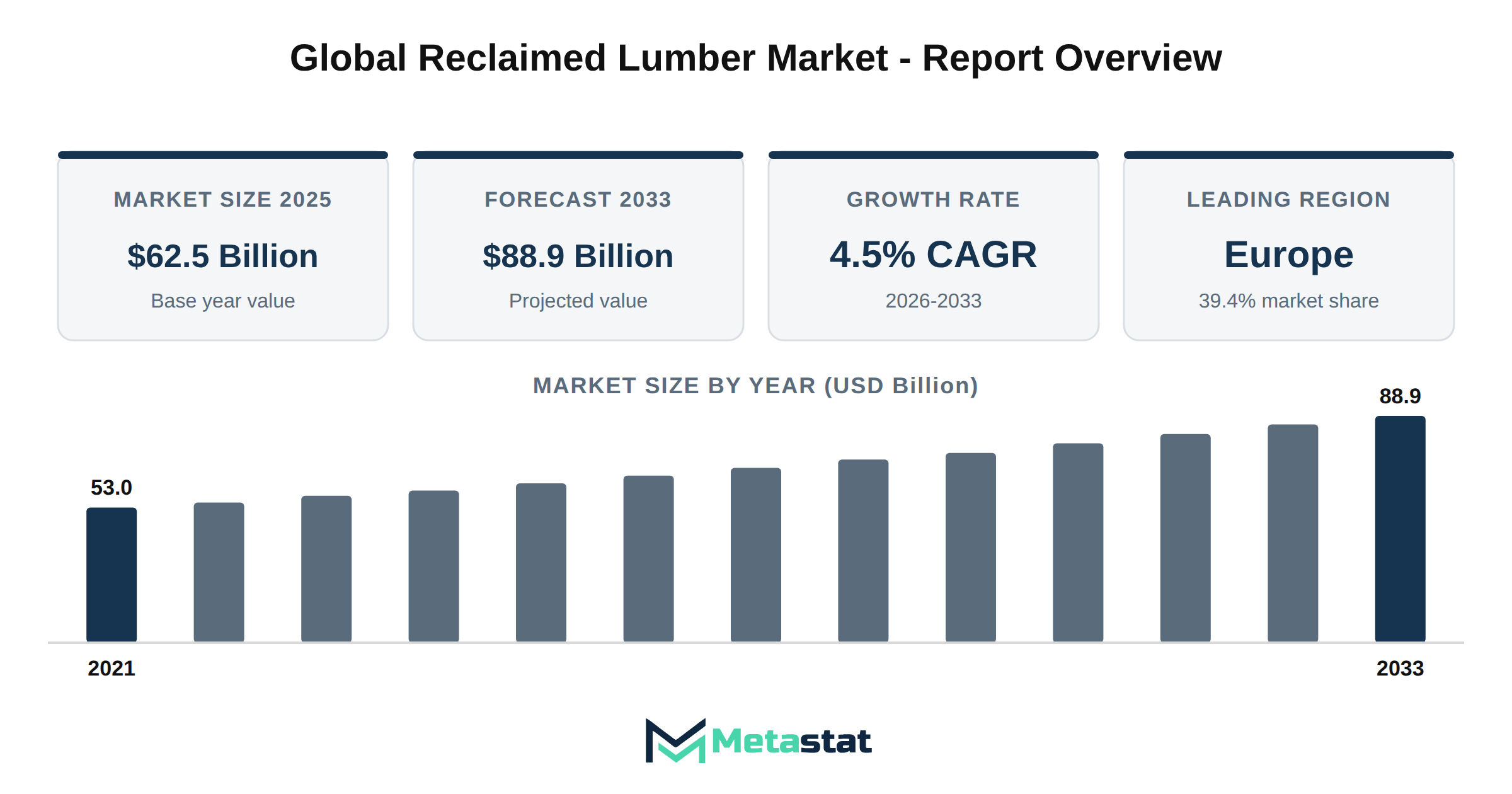
The Reclaimed Lumber market reached a value of USD 62.5 billion in 2025, reflecting a steady increase from USD 53 billion in 2021. Projections indicate growth to USD 88.9 billion by 2033, representing a compound annual growth rate (CAGR) of 4.5%. This growth trajectory highlights the increasing demand for sustainable building materials, driven by heightened awareness of environmental issues and the push for green construction practices.
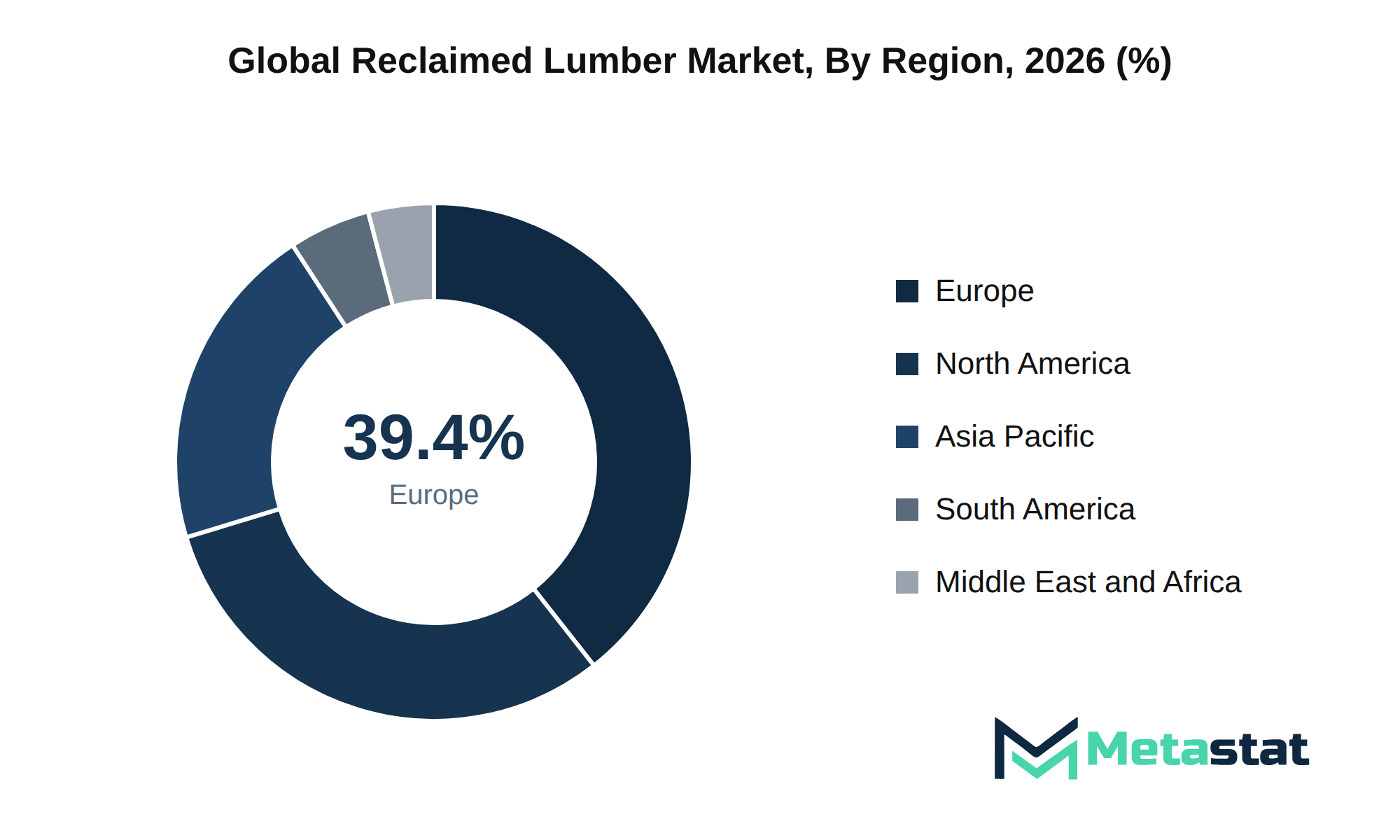
North America accounted for 30.9% of the market share in 2025, followed by Europe at 39.4% and Asia Pacific at 20.5%. The regional dynamics reflect varying levels of adoption and utilization of reclaimed lumber, influenced by local regulations and consumer preferences. The European market, known for its stringent sustainability policies, demonstrates significant growth potential in reclaimed wood applications.
The segmentation of the market into reclamation sources, wood types, applications, and end users reveals diverse growth opportunities. Significant segments include Post-Consumer Building & Structural Wood, projected to reach USD 32.9 billion by 2033, and Hardwood, anticipated to reach USD 56.9 billion by the same year. Residential end users are expected to contribute substantially, with a forecast value of USD 36.4 billion by 2033.
Research and development trajectories focus on innovative uses of reclaimed lumber, emphasizing sustainability and efficiency in sourcing. The integration of reclaimed wood into contemporary design and construction practices enhances the appeal of this market, aligning with trends in sustainable transformation and circular economy dynamics. Investments in infrastructure and capital allocation to support these initiatives are essential for driving further market expansion.
The Reclaimed Lumber market experiences significant transformation driven by various factors, including increasing demand for sustainable materials and heightened awareness of environmental issues. Regulatory frameworks worldwide emphasize sustainability and the reduction of waste, pushing industries toward adopting reclaimed materials. Compliance with these regulations enhances brand image and aligns with consumer preferences for eco-friendly products.
Research and development trajectories focus on innovative techniques for reclaiming and processing wood, improving the quality and usability of reclaimed materials. Next-generation innovations aim to enhance the durability and aesthetic appeal of reclaimed lumber, attracting a broader range of applications across residential, commercial, and industrial sectors.
Sustainable transformation and decarbonization initiatives shape the market landscape, promoting a circular economy where waste is minimized, and resources are efficiently reused. The supply chain landscape adapts to reflect these priorities, encouraging collaborations among stakeholders to ensure responsible sourcing and distribution of reclaimed lumber.
Market fragmentation presents both challenges and opportunities, with numerous players operating at various capacities. Mergers and acquisitions serve because strategic moves for companies seeking to enhance their market presence and expand their product offerings. A robust value chain supports the effective procurement of reclaimed materials, ensuring quality and consistency for end users.
Capital allocation focuses on investments in infrastructure that support sustainable practices, enabling companies to meet growing demand while adhering to environmental standards. The future strategic outlook for the Reclaimed Lumber market remains positive, driven by ongoing investments in technology and sustainable practices. Corporate imperatives emphasize the need for businesses to adapt to changing consumer preferences and regulatory landscapes, ensuring long-term viability and success in the market.
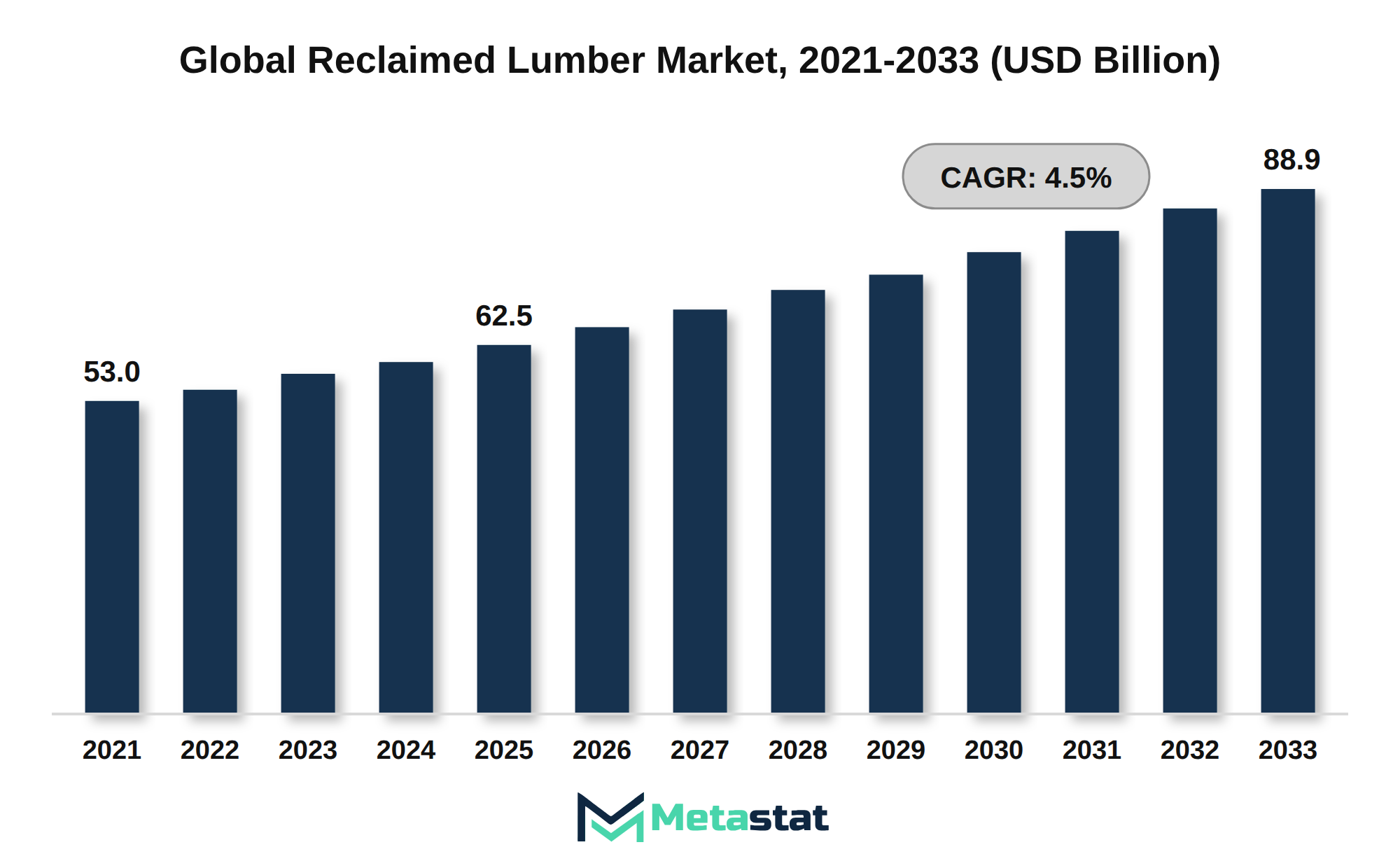
The Reclaimed Lumber market experiences growth driven by heightened awareness of sustainability among consumers and businesses. This awareness results from a global emphasis on reducing carbon footprints and promoting eco-friendly practices. Industries across construction, interior design, and furniture manufacturing increasingly prioritize materials that align with environmental stewardship. This shift influences consumer purchasing behavior, pushing demand for reclaimed lumber because an alternative to new wood products.
Economic factors reinforce this trend, because rising material costs prompt builders and manufacturers to explore cost-effective sourcing options. Reclaimed lumber, often available at lower prices compared to newly harvested wood, presents an attractive solution for companies seeking to balance sustainability with budget constraints. This dynamic supports the market's expansion, allowing businesses to enhance their sustainable offerings while maintaining competitive pricing.
Evolving demographics play a significant role in shaping market demand. Younger generations, particularly millennials and Gen Z, exhibit a strong preference for products that reflect ethical values, including sustainability. Their inclination toward reclaimed materials drives innovation within the market, because manufacturers respond by diversifying product lines to meet these consumer expectations.
Investment in infrastructure development contributes significantly to the growth of the Reclaimed Lumber market. Nations prioritizing large-scale projects, including transportation, residential, and commercial facilities, create strong demand for sustainable materials. Urbanization and population growth fuel the need for new construction and renovations of existing structures, which increases the application of reclaimed lumber.
Enhanced public-private partnerships support funding for infrastructure projects, leading to increased spending on building materials. This financial environment encourages the adoption of reclaimed lumber, aligning with global sustainability goals. Stakeholders seek to minimize environmental impact, and the shift towards using reclaimed materials reflects a commitment to sustainable practices while addressing the pressing needs of urban development.
The market's growth is tied to technological advancements that streamline construction processes. Innovations in construction management software and automated systems facilitate the integration of reclaimed lumber into building projects, improving operational efficiency and reducing costs. This technological integration aligns with the increasing demand for cost-effective, sustainable building solutions, further driving the Reclaimed Lumber market.
Regulatory compliance poses substantial challenges for the Reclaimed Lumber market, particularly due to governments implementing stricter environmental standards and sustainability requirements. These regulations lead to increased costs associated with compliance, and firms face pressure to adapt their operations and practices accordingly. The financial burden often falls on smaller companies that lack the resources to meet these enhanced standards, limiting their market participation and growth opportunities.
Macroeconomic headwinds, including inflationary pressures, add another layer of complexity. Rising costs of raw materials and labor significantly impact production expenses within the market. Companies struggle to maintain competitiveness while navigating these economic fluctuations, which affect profit margins and pricing strategies.
Supply chain disruptions further exacerbate challenges, particularly due to geopolitical instability affecting material availability and transportation logistics. The market's dependence on global supply chains makes it vulnerable to interruptions, delaying project timelines and leading to increased costs. Such disruptions limit the ability of firms to fulfill contracts promptly, thereby affecting revenue generation.
Market fragmentation is prevalent, with numerous small players competing alongside larger firms. This fragmentation dilutes brand recognition and complicates marketing efforts. Cultural barriers in various regions hinder the adoption of reclaimed lumber solutions, because traditional preferences for new materials persist. The Reclaimed Lumber market navigates these cultural dynamics to drive awareness and encourage acceptance among potential buyers.
Infrastructure gaps and connectivity deficits in certain regions limit market access for suppliers, restricting distribution channels. The lack of skilled labor and talent gaps within the industry present challenges in meeting the increasing demand for reclaimed lumber applications. Companies face difficulties in recruiting and retaining qualified personnel, which hinders operational efficiency and limits growth potential.
Geopolitical tensions disrupt supply chain stability within the Reclaimed Lumber market. Trade deficits and tariff frictions complicate cross-border transactions, causing delays and cost increases for suppliers and buyers. This instability creates challenges in sourcing reclaimed materials from international markets, impacting availability and prices.
Technological disruptions introduce additional complexity, particularly concerning the integration of advanced processes in recycling and reclaiming wood. These disruptions affect production efficiency and the ability to meet evolving market demands. Interoperability friction between legacy systems and new technologies hinders advancements in reclaiming processes, leading to increased operational costs.
Market saturation emerges because a challenge, with a growing number of players competing for limited market share. This saturation pressures pricing structures, reducing margins for companies operating within the reclaimed lumber sector. Rising input costs and talent retention pressures further complicate the operational landscape, causing firms to reassess their strategies to maintain competitiveness.
The Reclaimed Lumber market faces external pressures from geopolitical factors and internal challenges including workforce skill gaps and the need for automation. Addressing these issues requires significant investment in workforce development and technological upgrades, which strain financial resources and delay growth potential. The overall impact of these challenges shapes market dynamics and influences investment decisions, ultimately affecting long-term sustainability and profitability.
The Reclaimed Lumber market presents significant opportunities driven by increasing consumer preferences for sustainable products and practices. Growing awareness of environmental issues has led to higher demand for reclaimed wood in construction and design, appealing to eco-conscious consumers and developers. This trend aligns with the broader shift towards sustainability, where businesses seek to improve their environmental profiles by integrating reclaimed materials into their projects.
Infrastructure modernization further fuels this market expansion, because aging structures require renovation and restoration. The need for sustainable replacements drives the adoption of reclaimed lumber, particularly in commercial and residential applications. Geographical expansion into emerging markets enhances the accessibility of reclaimed wood products, creating opportunities for local suppliers to capture market share.
Technological disruptions play a crucial role in market dynamics by enabling efficient processing and distribution of reclaimed materials. Advancements in digital transformation streamline procurement processes, allowing businesses to source reclaimed lumber more effectively. This trend promotes innovative applications in various sectors, including furniture manufacturing and decorative elements, enhancing the market's versatility.
Next-generation innovations in wood treatment and processing techniques enhance the quality and appeal of reclaimed lumber. These developments drive growth in niche applications where aesthetic and structural characteristics are critical, including in high-end residential builds or specialized commercial projects. The focus on environmental, social, and governance (ESG) factors further aligns with consumer preferences, prompting companies to adopt reclaimed products.
Strategic consolidation among industry players encourages collaboration and resource sharing, enabling more robust market positioning. Mergers and acquisitions facilitate the expansion of product offerings and geographic reach, enhancing competitive advantages. This consolidation trend contributes to the overall growth and stability of the market, allowing businesses to better respond to evolving consumer demands.
The Global Reclaimed Lumber market is segmented based on Reclamation Source, Wood Type, Application, and End User.
Valued at USD 19.4 billion in 2026, the Post-Industrial Reclaimed Wood segment is projected to reach USD 24.8 billion by 2033, at a CAGR of 3.5% during the forecast period. Demand for this segment stems from an increasing emphasis on sustainability and the circular economy, influencing various industries including construction and furniture manufacturing. The growing preference for eco-friendly materials drives adoption, reflecting stakeholders' search for alternatives to virgin timber and the environmental impact associated with traditional lumber sourcing.
Segment expansion benefits from advancements in reclamation technologies, improving processes for sourcing and treating reclaimed wood. These innovations enhance product quality, appealing to discerning end users who prioritize aesthetic and functional qualities in their projects. Downstream applications in flooring, structural products, and cabinetry continue to generate steady demand, ensuring strong growth prospects.
End-use dynamics reflect a shift towards residential and commercial projects that prioritize sustainable building practices. This trend aligns with increasing regulatory compliance standards favoring reclaimed materials, positioning the market favorably in the broader construction ecosystem. The rising cost structures of new timber products further incentivize the use of reclaimed wood, supporting favorable pricing dynamics within the segment.
Strategic opportunity windows arise from ongoing investment in infrastructure and housing development, particularly in urban areas. This creates a fertile market for reclaimed lumber products, with project developers and contractors actively seeking sustainable options. Capital investment outlook remains positive, driven by heightened awareness of environmental impact and the benefits of reclaimed resources in construction.
Increasing interest in sustainable building practices influences demand for Post-Consumer Building & Structural Wood within the Reclaimed Lumber market. This segment benefits from a growing trend in recycling and reusing materials, aligning with environmental goals set by consumers and regulatory bodies. The emphasis on reducing waste and minimizing the carbon footprint drives manufacturers and builders to prioritize reclaimed materials in their projects.
The Post-Consumer Building & Structural Wood segment is projected to reach USD 32.9 billion by 2033, at a CAGR of 3.6% during the forecast period. This growth reflects the rising adoption of environmentally friendly construction methods and the increasing availability of reclaimed lumber products. Advancements in processing technologies enhance the quality and versatility of reclaimed wood, making it suitable for various applications.
End-use dynamics show a strong preference for reclaimed wood among residential and commercial buyers, who seek unique aesthetic characteristics and durability. The market experiences significant interest from architects and designers aiming to incorporate sustainable materials into their projects, further enhancing the segment's growth potential.
Regulatory compliance regarding building materials drives adoption rates. Policies favoring sustainable construction practices create favorable conditions for reclaimed lumber investments. The willingness of consumers to pay a premium for environmentally responsible products supports market expansion.
Pricing volatility in raw materials impacts profit margins within the segment, prompting stakeholders to strategize on sourcing and production methods. Continuous innovation and product evolution in reclaimed lumber offerings are expected to mitigate cost pressures while enhancing competitive positioning in the market.
Significant growth within the Transportation & Infrastructure Reclaimed Wood segment reflects the increasing demand for sustainable building materials. This shift arises from heightened environmental awareness and regulatory pressure to adopt eco-friendly resources in construction projects. Demand across sectors including civil engineering and public infrastructure emphasizes the need for resilient and sustainable wood products, directly benefiting this segment.
Projected to reach USD 14.1 billion by 2033, the segment demonstrates a robust compound annual growth rate (CAGR) of 4.5%. A combination of factors, including technological advancements and product evolution, supports this expansion. Innovations in reclaimed wood processing techniques enhance material quality, making it suitable for various applications, including transportation infrastructure and public facilities.
The market experiences considerable support from public policy initiatives that incentivize the use of reclaimed materials. Regulations focusing on sustainability and carbon footprint reduction encourage builders and contractors to adopt reclaimed wood solutions. This trend aligns with a broader shift toward sustainable construction practices, compelling stakeholders to invest in eco-friendly materials.
Adoption among commercial, residential, and industrial users further drives the segment's growth. Strong demand from the construction sector, coupled with consumer preferences for sustainable options, positions reclaimed lumber because a preferred choice. End users recognize the benefits of using reclaimed wood, including durability and aesthetic appeal, which contribute to increased demand across various applications.
Supply chain resilience enhances the segment's attractiveness, ensuring a steady flow of reclaimed wood products. The availability of diverse sources of reclaimed materials, including decommissioned buildings and industrial waste, mitigates risks associated with raw material sourcing. This diversity in sourcing supports competitive pricing and ensures market stability.
Rapid growth characterizes the Water-Recovered segment within the Reclaimed Lumber market. This segment addresses increasing demand for sustainable building materials, driven by environmentally conscious construction practices. Water-Recovered lumber, derived from reclaimed wood submerged in water, offers a unique aesthetic and durability, appealing to architects and builders focusing on eco-friendly projects. Adoption trends indicate a shift toward materials that reduce environmental impact, making Water-Recovered lumber an attractive choice for both residential and commercial applications.
Valued at USD 14.1 billion by 2033, the Water-Recovered segment is projected to grow at a CAGR of 8.3% during the forecast period. This expansion reflects the growing recognition of reclaimed materials in achieving sustainability goals. Increased collaboration among stakeholders, including suppliers and manufacturers, enhances product availability and promotes innovation in processing techniques. Enhanced marketing efforts aimed at educating end-users contribute to greater market penetration, driving sales and investments in this segment.
Technological advancements facilitate the development of new processing methods for Water-Recovered lumber, improving efficiency and product quality. Innovations in treatment and preservation techniques provide longer-lasting solutions that meet the demands of modern construction. This segment's growth identifies strategic opportunities for manufacturers to enhance product offerings and cater to evolving market preferences. Overall, the Water-Recovered segment influences the Reclaimed Lumber market, combining sustainability with functionality to meet consumer expectations.
Strong demand for utility timber and specialty salvage products arises from the growing emphasis on sustainability and recycling within the construction industry. This trend reflects a shift toward environmentally responsible practices, where reclaimed materials serve because a viable alternative to new timber. Industries focused on green building initiatives actively seek out utility timber and specialty salvage, which supports their sustainability objectives while appealing to eco-conscious consumers.
Investment in research and development drives technological maturation within this segment. Innovations in processing techniques enhance the quality and usability of reclaimed materials, making them more attractive to end users. This evolution contributes to the expansion potential of the segment, because improved products lead to increased adoption rates across various applications.
End-use dynamics demonstrate a growing preference for reclaimed materials in furniture, cabinetry, and decorative applications. Consumer demand shifts toward unique, rustic aesthetics that only reclaimed lumber provides, enabling significant opportunities for producers. Market players focusing on design-driven products gain a competitive edge by emphasizing the aesthetic and sustainable attributes of utility timber and specialty salvage materials.
Regulatory compliance standards increasingly favor sustainable practices, further fueling the adoption of reclaimed lumber. These policies encourage builders and manufacturers to incorporate recycled materials into their projects. Companies that align with these regulations enhance their market positioning while improving their environmental impact.
Cost structures play a critical role in shaping the competitive landscape. Variability in sourcing raw materials influences pricing strategies for reclaimed timber products. Producers navigate these dynamics to maintain profitability and ensure market viability. By addressing pricing volatility effectively, companies within the Reclaimed Lumber market strengthen their margins and support long-term growth.
Strategic opportunity windows emerge because the market evolves. Environmental awareness continues to rise, presenting avenues for businesses to capitalize on the demand for reclaimed materials. By leveraging these opportunities through targeted marketing and product development, companies position themselves favorably within the market.
Valued at USD 24.6 billion in 2026, the Softwood segment is projected to reach USD 31.9 billion by 2033, at a CAGR of 3.8% during the forecast period. Key demand drivers for this segment include the increasing preference for environmentally friendly building materials and the growing trend of sustainable construction practices. Adoption is robust among both commercial and residential sectors, driven by consumers and builders increasingly prioritizing the use of reclaimed materials in their projects.
Segment expansion supports further growth in the market. Innovations in product development, including enhancements in wood treatment and finishing techniques, improve the aesthetic appeal and durability of softwood products. This drives demand across various applications including flooring, structural beams, and paneling.
End-use dynamics significantly influence consumption patterns. The commercial sector exhibits strong demand for softwood due to its cost-effectiveness and versatility in design. Residential market trends reflect an increasing adoption of reclaimed softwood in home renovations and new builds, enhancing the segment's growth profile.
Regulatory compliance plays an important role in shaping market dynamics. Stricter building codes and sustainability certifications encourage builders to incorporate reclaimed materials, including softwood, thereby boosting market demand. Price volatility and margin pressures stemming from raw material sourcing challenges affect profitability for manufacturers.
Strategic opportunity windows emerge for players within the segment, driven by the increasing focus on sustainability. Capital investment in advanced processing technologies and supply chain resilience initiatives enhances the competitive position of firms specializing in reclaimed softwood. The Softwood segment within the Reclaimed Lumber market continues to demonstrate strong potential for growth and innovation.
Demand for hardwood reclaimed lumber derives from its diverse applications, including flooring, cabinetry, and structural components. Environmental sustainability and the push for eco-friendly construction practices drive interest among consumers and businesses alike, promoting the use of this material. The market anticipates substantial growth driven by consumers increasingly prioritizing sustainable options in their building projects.
This segment is estimated to reach USD 56.9 billion by 2033, at a CAGR of 4.8% during the forecast period. The growth stems from rising investments in residential and commercial construction, where hardwood reclaimed lumber's aesthetic appeal and durability are highly valued. Stringent regulations regarding sustainable sourcing enhance the market's expansion because companies seek to comply with environmental standards.
Challenges including pricing volatility and supply chain disruptions impact the hardwood segment, influencing cost structures and profit margins. Effective raw material sourcing strategies play a crucial role in maintaining competitive pricing, while technological advancements in processing hardwood lead to improved production efficiency. While the market evolves, strategic opportunities for innovation and investment in next-generation products likely enhance the industry's resilience against potential disruptions.
Overall, the reclaimed lumber market presents a promising outlook, driven by demand for hardwood products and an increasing emphasis on sustainable building practices. The industry's adaptability to changing consumer preferences and regulatory frameworks establishes a solid foundation for future growth.
Flooring applications within the reclaimed lumber market exhibit significant traction, driven by consumer preferences for sustainable and environmentally friendly building materials. Valued at USD 17.4 billion in 2026, this segment is projected to reach USD 22 billion by 2033, at a CAGR of 3.4% during the forecast period. The growth trajectory stems from a rising inclination towards aesthetic options that reclaimed wood offers, alongside its durability and unique character, appealing to both residential and commercial sectors.
Increasing urbanization and the shift towards eco-friendly construction practices increase demand for flooring solutions crafted from reclaimed materials. This segment benefits from advancements in technology that enhance the quality and versatility of reclaimed wood products, making them suitable for various applications. The focus on sourcing locally and reducing the carbon footprint further enhances the attractiveness of reclaimed lumber in flooring applications.
Heightened awareness regarding the environmental impact of traditional lumber sourcing drives homeowners and builders to prioritize reclaimed options. Market participants recognize the importance of certifications and compliance with regulatory standards to assure quality and sustainability. Supply chain resilience remains crucial, with strategic partnerships ensuring stable raw material sourcing for flooring products. These factors enhance the positioning of the flooring segment within the reclaimed lumber market.
Growing demand for sustainable construction materials drives significant interest in the Structural Beams & Timber Framing segment of the Reclaimed Lumber market. This segment is projected to reach USD 15.9 billion by 2033, at a CAGR of 4.4% during the forecast period. Increasing adoption of reclaimed lumber in residential and commercial building projects enhances the segment’s value, emphasizing its role in environmentally friendly practices. The rise of eco-conscious consumers fuels demand, creating opportunities for suppliers to innovate and expand product offerings.
Technological advancements in processing reclaimed wood improve the quality and durability of structural beams and timber framing products, enhancing their appeal in the market. Innovations in manufacturing techniques facilitate efficient production processes, benefiting end-users through reduced lead times and enhanced performance. Shifts in consumption towards materials that combine aesthetic appeal with sustainability contribute to the increasing preference for reclaimed lumber applications in construction and renovation projects.
Regulatory compliance and certifications related to sustainable building practices shape the competitive landscape, encouraging stakeholders to prioritize environmentally responsible sourcing. The emphasis on reducing carbon footprints aligns with broader industry trends, reinforcing the importance of reclaimed materials in construction. Capital investment in this segment is projected to rise, supporting growth and innovation while addressing emerging market demands.
Growing interest in interior design that emphasizes natural materials drives demand for wall and ceiling paneling applications. This segment benefits from trends favoring eco-friendly and aesthetically pleasing materials, appealing to both commercial and residential sectors. The use of reclaimed wood in these applications aligns with sustainability goals, enhancing market attractiveness. Technological advancements in processing and finishing techniques enhance the quality and versatility of products available, further supporting segment growth.
The Wall & Ceiling Paneling segment is projected to reach USD 14.3 billion by 2033. This growth reflects a continuous shift towards using reclaimed materials in construction and renovation projects. End users increasingly recognize the value of reclaimed lumber for its unique character and environmental benefits. These factors contribute to increasing penetration within the broader Reclaimed Lumber market, reinforcing the segment's strategic importance.
Strong growth in the Exterior Siding & Cladding segment reflects heightened consumer interest in sustainable building materials. This interest arises from an increasing awareness of environmental issues and a shift toward eco-friendly construction practices. Aiming for reduced carbon footprints, builders and homeowners favor reclaimed lumber for its sustainable attributes. Valued at USD 14.3 billion in 2033, the segment is projected to grow at a CAGR of 5.5% during the forecast period.
Technological advancements in the manufacturing processes of reclaimed lumber enhance product quality and performance. New methods for treatment and finishing improve durability, which boosts confidence among consumers and contractors in using reclaimed materials for exterior applications. This evolution in product quality drives the adoption of reclaimed lumber across various construction projects, particularly in residential and commercial sectors.
Shifts in consumer preferences toward natural aesthetics and unique finishes play a significant role in driving demand for reclaimed wood in exterior siding and cladding. Homeowners and architects increasingly seek distinctive materials that contribute to building character while aligning with sustainability goals. Such trends signify robust opportunities within the Reclaimed Lumber market, reflecting stakeholder adaptation to evolving aesthetic and functional requirements.
End-user dynamics reveal a notable preference for reclaimed lumber in both residential and commercial projects. The growing residential renovation market increases demand for aesthetically appealing and sustainable exterior finishes, while commercial entities increasingly adopt such materials to demonstrate environmental responsibility. These trends collectively reinforce the positive outlook for the market.
Shifts towards sustainable materials have significantly impacted the Furniture, Cabinetry & Joinery segment within the Reclaimed Lumber market. This trend emphasizes the importance of eco-friendly sourcing in furniture production, driving interest among manufacturers and consumers. Adoption of reclaimed lumber in furniture design highlights its unique aesthetic qualities, appealing to consumers seeking distinctive and environmentally responsible options.
Technological advancements in processing and finishing techniques enhance the appeal of reclaimed wood for furniture applications. Improvements in treatment methods increase product durability while preserving the wood's character. Developments in these areas facilitate the integration of reclaimed materials into contemporary designs, aligning with evolving consumer preferences.
Market dynamics reflect a growing awareness of environmental impacts among end-users, particularly in residential and commercial furniture sectors. The demand for unique, handcrafted furniture items contributes to substantial interest in reclaimed lumber applications. Retailers and manufacturers promote the sustainability aspects of their products, influencing consumer purchasing decisions.
The Furniture, Cabinetry & Joinery segment within the Reclaimed Lumber market is positioned for growth, driven by evolving consumer preferences, technological advancements, and a heightened focus on sustainability in design and production practices.
Shifts towards eco-friendly outdoor solutions significantly influence the demand for reclaimed lumber in decking and outdoor structures. Increasing consumer awareness about environmental sustainability drives growth, particularly among residential and commercial builders. The rising popularity of outdoor living spaces, including patios and decks, fuels interest in reclaimed materials that offer both aesthetic appeal and durability.
Adoption of reclaimed lumber within decking applications aligns with stricter regulatory compliance standards focused on sustainable sourcing and environmental responsibility. Builders and contractors actively seek certified reclaimed wood that meets these standards, enhancing the credibility of their projects in the eyes of environmentally-conscious consumers. This trend encourages greater collaboration between suppliers and end-users, ensuring compliance while promoting responsible consumption patterns.
Cost structures for reclaimed lumber often vary, influenced by raw material sourcing and market demand. Pricing volatility poses challenges, particularly in regions experiencing fluctuating timber availability. However, investments in supply chain resilience strengthen partnerships across the market, mitigating risks related to logistics vulnerabilities and ensuring consistent product quality.
Companies exploring this segment capitalize on strategic opportunity windows by focusing on product evolution and next-generation upgrades. Innovations in treatment processes and finishing techniques enhance the appeal and longevity of reclaimed wood products, allowing manufacturers to remain competitive in a changing market. The emphasis on outdoor applications presents a significant white-space analysis opportunity, driven by builders prioritizing sustainable materials for diverse outdoor structures, from decks to garden features.
Overall, the reclaimed lumber market continues to reflect a dynamic combination of consumer preferences, regulatory frameworks, and strategic investments, driving growth and adoption within the decking and outdoor structures segment. The focus on sustainable building practices will likely shape future developments, reinforcing the market's position because a leader in eco-friendly construction solutions.
Strong demand for Doors, Stairs & Architectural Millwork stems from the growing preference for custom and unique design elements in residential and commercial projects. Increasing consumer awareness surrounding sustainable building practices increases interest in reclaimed materials, which align with eco-friendly objectives. Architects and builders increasingly seek reclaimed lumber for these applications, leading to an expansion in design possibilities and enhanced aesthetic appeal.
Regulatory compliance with green building standards encourages the use of reclaimed lumber, supported by its qualification for certifications including LEED. This compliance creates a favorable environment for industry players to promote reclaimed wood products to environmentally conscious clients. The competitive advantage gained from offering sustainable materials enhances market positioning, influencing purchasing decisions among end users.
Consumer interest in high-quality craftsmanship drives growth within this segment. Clients prioritize durability and uniqueness, which reclaimed lumber products provide effectively. This trend reflects a broader shift in consumer attitudes towards sustainable materials, accelerating the adoption of reclaimed lumber in diverse applications within the Reclaimed Lumber market.
Cost structures fluctuate based on raw material sourcing, with reclaimed lumber often sourced from deconstructed buildings or surplus wood. This sourcing strategy mitigates the environmental impact while addressing material shortages in the market. The evolving practices surrounding raw material acquisition indicate a progressive outlook, supporting growth and stability in the segment.
Consumer preference for distinctive and artisanal products drives demand for decorative accents made from reclaimed lumber. This sub-segment captures attention due to its ability to combine sustainability with aesthetic appeal, aligning with the growing trend toward environmentally friendly home decor. Key industries including interior design and custom furniture manufacturing increasingly seek unique materials, leading to expanding market opportunities.
Technological advancements in the processing of reclaimed wood enhance product offerings in this sub-segment. Innovations in treatment and finishing techniques contribute to the appeal of decorative accents, allowing for greater versatility in design while maintaining environmental integrity. This evolution supports the growth of the reclaimed lumber market by catering to consumers seeking both style and sustainability.
End-use dynamics reflect a strong inclination among residential buyers toward customized home improvements, driving demand for mantels, shelving, and other decorative items. The market's resilience is supported by a continuous influx of creative design ideas that incorporate reclaimed wood, further stimulating interest among consumers who value environmental responsibility. The rising number of certifications for sustainable sourcing builds consumer confidence in this segment.
Market participants face challenges related to raw material sourcing, where competition for high-quality reclaimed wood intensifies. Sourcing issues lead to pricing volatility, impacting profit margins within the decorative accents segment. Strategic opportunities exist for companies that establish relationships with reliable suppliers and develop robust supply chain strategies to mitigate sourcing risks.
Overall, the growth potential for the decorative accents sub-segment within the reclaimed lumber market remains significant. Capital investment in innovative product development and marketing strategies is expected to enhance visibility, ensuring that this segment meets the evolving expectations of environmentally conscious consumers.
Valued at USD 31.1 billion in 2026, the Commercial segment is projected to reach USD 40.8 billion by 2033, at a CAGR of 3.9% during the forecast period. Demand for reclaimed lumber in commercial applications arises from the increasing emphasis on sustainability in construction and renovation projects. Businesses increasingly adopt eco-friendly materials to align with consumer preferences for environmentally responsible practices, driving growth in the market.
The adoption of reclaimed lumber in commercial settings includes diverse applications including flooring, structural beams, and decorative elements. Enhanced aesthetic appeal, combined with the durability of reclaimed materials, supports their use in high-traffic areas like restaurants and retail spaces. These factors contribute to the segment's strong performance and influence investment decisions among commercial developers.
Regulatory compliance regarding sustainable building practices shapes demand dynamics within the Commercial segment. Policies that promote green building certifications encourage businesses to incorporate reclaimed materials into their projects, further enhancing the market's growth potential. In addition, fluctuations in raw material costs drive interest in reclaimed lumber, driven by businesses seeking to mitigate expenses associated with traditional lumber sourcing.
Market players benefit from a strategic opportunity window, enabling the introduction of innovative reclaimed wood products tailored to commercial needs. Companies focusing on product evolution and next-generation upgrades position themselves to capture market share in an increasingly competitive environment. The Reclaimed Lumber market's growth trajectory reflects a broader shift towards sustainable practices and heightened consumer awareness, positioning the Commercial segment for continued expansion.
Growing interest in sustainable living strategies fuels the demand for reclaimed lumber in residential applications. Homeowners prioritize eco-friendly materials that align with environmental values, driving the market's expansion. Customization and unique aesthetics offered by reclaimed wood attract consumers seeking distinctive designs in their homes. The rising popularity of sustainable architecture and green building certifications enhances the market's appeal, encouraging builders and consumers to incorporate reclaimed lumber into their projects.
The residential segment is estimated to reach USD 36.4 billion by 2033, at a CAGR of 5% during the forecast period. This growth links to increased focus on home renovations, which emphasize reclaimed wood for its character and sustainability. Various housing sectors, including single-family homes and multi-family units, actively adopt reclaimed lumber products. These factors contribute to a positive outlook for the residential segment within the reclaimed lumber market.
Consumer preferences favor natural materials, driving a substantial shift towards reclaimed wood for flooring and cabinetry in homes. Innovations in sourcing and processing techniques improve the quality and availability of reclaimed lumber, further enhancing its position in residential applications. While market dynamics evolve, manufacturers and suppliers respond by developing diverse product offerings tailored to meet the preferences of environmentally conscious consumers.
Growing investment in sustainable practices within industrial sectors drives demand for reclaimed lumber. Industries prioritize eco-friendly materials, increasing the adoption of reclaimed wood in various applications, including pallets, crates, and furniture. The movement toward sustainability aligns with rising regulatory compliance standards that encourage the use of recycled materials, creating new opportunities for the market.
By 2033, the industrial segment is expected to reach USD 11.6 billion. Cost structures remain a key focus, because reclaimed lumber presents a competitive price advantage compared to virgin timber in specific applications. This pricing volatility results from fluctuating raw material availability and increased interest in environmentally friendly alternatives, prompting businesses to explore reclaimed options for cost savings.
Technological maturation supports production efficiency in reclaiming and processing lumber, enhancing product quality and application versatility. Companies investing in next-gen upgrades and processes experience reduced waste and improved margins, further strengthening their position in the reclaimed lumber market. The pursuit of innovative uses for reclaimed materials continues to influence consumption shifts, attracting diverse end users.
Strategic opportunity windows arise because industrial players recognize the benefits of incorporating reclaimed lumber into their operations. Enhanced supply chain resilience contributes to this trend, because businesses adapt to changing market demands while mitigating risks associated with traditional sourcing. The industrial sector's commitment to sustainability and its evolution towards incorporating reclaimed materials signify a significant shift in the market.
Based on geography, the Global Reclaimed Lumber market is divided into North America, Europe, Asia-Pacific, South America, Middle East, and Africa.
The North America Reclaimed Lumber Market is set to expand at a CAGR of 4.5% within the forecast period, reaching a market size (TAM) of USD 25.6 billion by the end of 2033. The market's strong growth is attributed to rising consumer awareness regarding sustainability, driving demand for reclaimed materials across various sectors.
Increased infrastructure modernization efforts across the United States, Canada, and Mexico create significant opportunities for reclaimed lumber applications in construction and renovation projects. The adoption of reclaimed wood within commercial and residential buildings aligns with the growing trend towards environmentally responsible practices. This shift influences the market significantly, creating new avenues for suppliers and manufacturers.
Local procurement dynamics play a critical role in the North American market, focusing on sourcing materials closer to home to reduce transportation costs and carbon footprints. This trend enhances regional supply chains while improving the availability of reclaimed lumber for various applications, including flooring and structural components.
Regional resource availability further strengthens the market, with abundant reclaimed wood sources providing a steady supply chain. Energy grid resiliency and local infrastructure readiness contribute to the efficient use of reclaimed materials, driving market growth. Strong competition among key players, including TerraMai and Elmwood Reclaimed Timber, enhances product offerings and drives pricing strategies within the market.
The North America Reclaimed Lumber Market features mature dynamics, with established vendors consolidating their positions by enhancing partnerships and expanding service offerings. Continued investment in foreign direct investment (FDI) flows into the market indicates a favorable business environment, particularly in sectors that prioritize reclaimed materials. This momentum creates an opportunity-rich landscape for stakeholders across the supply chain.
The European market for reclaimed lumber demonstrates a strong growth trajectory, supported by increasing regulations surrounding sustainability and green building practices. Countries including Germany, France, and the UK lead in adopting reclaimed materials while committing to reducing carbon footprints and enhancing resource efficiency. The emphasis on eco-conscious construction in these nations creates a favorable environment for manufacturers and suppliers, driving innovation in product offerings.
Segment expansion in flooring and structural applications reflects the region's growing preference for sustainable materials. The development of sophisticated supply chains and localized manufacturing capabilities enhances the market's responsiveness to changing consumer demands. Heightened awareness around environmental issues influences procurement strategies, compelling buyers to consider the ecological impact of their sourcing decisions.
In terms of competitive dynamics, regional players increasingly focus on consolidating operations to enhance market share. This trend encourages collaboration among companies to streamline production and improve distribution networks. The interaction of domestic market participants and emerging suppliers creates a diverse landscape, fueling rivalry and promoting product differentiation.
Investment in infrastructure modernization supports market growth, particularly in urban areas where demand for reclaimed products surges. Geopolitical considerations and local compliance mandates further shape market dynamics, compelling companies to navigate various regulatory frameworks while optimizing operational strategies. Overall, the reclaimed lumber market in Europe stands poised for sustained expansion, driven by strategic entry barriers and robust demand for sustainable solutions.
Asia Pacific accounts for 20.5% of the Reclaimed Lumber market in 2025. The region experiences growing awareness of sustainability among consumers and businesses, driving demand for reclaimed wood materials across various applications. Countries including China and India have shown increasing adoption rates of eco-friendly building practices, supported by government initiatives promoting sustainable construction. Economies in Southeast Asia are investing in infrastructure modernization, further supporting the growth of the market.
High-value replacement cycles in urban areas contribute to the increasing demand for reclaimed lumber, particularly in residential and commercial construction. The presence of domestic market participants, including companies that specialize in reclaimed wood, enhances the competitive landscape. Local compliance mandates regarding environmentally friendly practices encourage further adoption of reclaimed materials, with businesses focusing on enhancing procurement strategies tailored to regional preferences.
Supply chain regionalization and nearshoring initiatives strengthen local manufacturing capabilities, enhancing the market's resilience. The growing focus on localized procurement dynamics and cultural nuances influences B2B buying behaviors, promoting demand for unique and sustainable wood products. Investment in energy grid resiliency and infrastructure readiness supports the overall growth of the Reclaimed Lumber market in Asia Pacific, creating future opportunities in underpenetrated territories.
The Reclaimed Lumber market in South America shows potential for growth, driven by increasing awareness of sustainable building practices. Countries including Brazil and Argentina represent significant opportunities for expansion, particularly in urban areas where demand for eco-friendly materials rises. The focus on sustainable construction aligns with local regulations promoting environmentally responsible practices, creating a supportive environment for reclaimed lumber adoption.
Brazil leads the regional market, characterized by a combination of growing urbanization and increasing construction activity. The availability of reclaimed materials from post-industrial and post-consumer sources enhances local supply chains, contributing to market growth. Argentina follows closely, with rising interest in sustainable building options among consumers and businesses. The Rest of South America, while currently smaller in market share, presents opportunities for incremental growth driven by regional initiatives aimed at promoting sustainability.
In the commercial sector, companies prioritize reclaimed lumber for its aesthetic appeal and environmental benefits, further stimulating demand. Ongoing investments in infrastructure modernization and the establishment of regulatory frameworks that encourage sustainable practices will benefit the market's growth trajectory. Localized procurement dynamics and cultural influences shape the purchasing behaviors of businesses and consumers, positioning the Reclaimed Lumber market for further expansion through 2033.
The Reclaimed Lumber market in the Middle East and Africa presents unique characteristics and challenges. Rapid urbanization, particularly in countries like Saudi Arabia and the UAE, drives construction activities, resulting in increased demand for sustainable building materials, including reclaimed lumber. This trend aligns with broader initiatives for sustainable development within these nations.
Investment in infrastructure modernization significantly influences market dynamics. Countries in this region focus on enhancing their construction capabilities, creating opportunities for reclaimed lumber usage in various applications, including flooring and structural beams. South Africa demonstrates growth potential, emphasizing the need for eco-friendly materials in its construction sector.
The competitive landscape features several domestic players committed to sourcing and supplying reclaimed lumber products. Notable vendors in the region focus on local compliance and regulations, aiming to align with sustainability goals. Increased foreign direct investment flows into the region support the emergence of localized manufacturing densities, further boosting market growth.
Despite the potential for expansion, challenges exist due to geopolitical fragmentation and varying regulatory frameworks across countries. Addressing these strategic entry barriers while adapting to local purchasing behaviors remains essential for market participants. Overall, the Middle East and Africa represents an underpenetrated territory with significant opportunities for growth within the reclaimed lumber market.
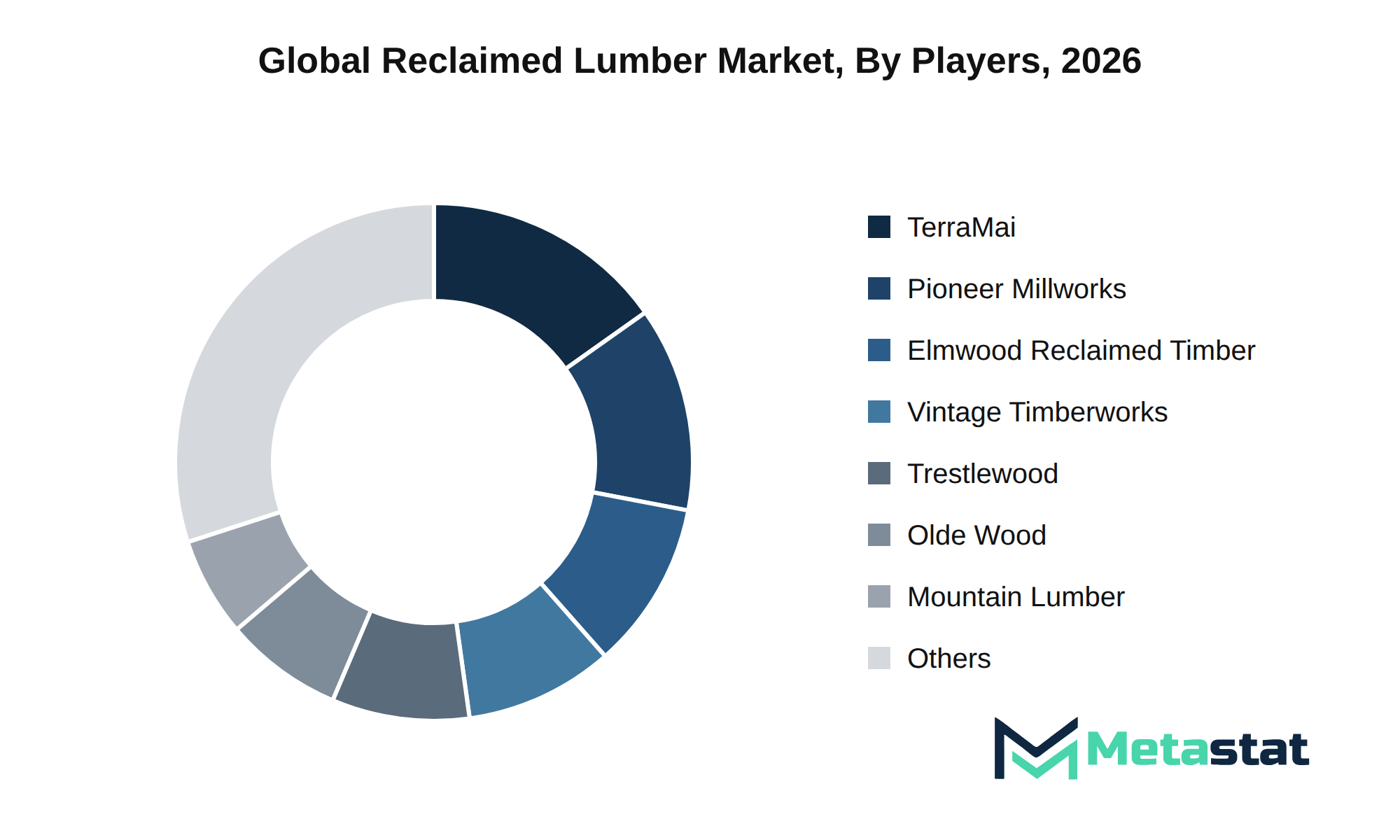
The Reclaimed Lumber market features a diverse array of players engaged in various strategic behaviors. Companies including TerraMai, Pioneer Millworks, and Elmwood Reclaimed Timber focus on product differentiation through innovative designs and sustainable sourcing methods. These firms leverage their unique offerings to attract environmentally conscious consumers and capitalize on the growing demand for reclaimed products.
In addition to differentiation, strategic alliances and partnerships play a vital role in the competitive environment. Collaborations among companies, including Vintage Timberworks, Inc. and Trestlewood, enable shared resources and technology, enhancing product capabilities and facilitating market access. These alliances strengthen the overall value chain, allowing participants to respond effectively to customer needs and preferences.
Barriers to entry in the Reclaimed Lumber market remain significant, driven by established brand equity and intellectual property portfolios held by key players including Olde Wood Limited and Mountain Lumber Company. New entrants face challenges in overcoming these barriers without substantial investment in technology or distribution networks. Consequently, market dynamics favor existing companies with established relationships and procurement leverage.
The future competitive outlook indicates ongoing consolidation within the market, with companies pursuing strategic growth vectors to enhance their market positions. Regional players like Longleaf Lumber Inc. and Appalachian Woods, LLC focus on expanding their geographic reach, while others invest in research and development to drive innovation and maintain technological defensibility. Overall, the competitive landscape presents both opportunities and challenges, shaping the evolution of the Reclaimed Lumber market.
Market size is forecast to rise from USD 62.5 billion in 2025 to over USD 88.9 billion by 2033. This projection reflects a base case scenario of a 4.5% compound annual growth rate (CAGR) over the forecast period.
In a bullish outlook, increased investments in green building initiatives and rising consciousness towards sustainable practices drive demand for reclaimed lumber. Industries focusing on eco-friendly materials experience substantial growth opportunities, further boosting market expansion.
Conversely, a bearish scenario arises from economic downturns or fluctuations in construction activities, leading to reduced demand. Regulatory changes or tariffs affecting wood products could hinder market growth, creating a challenging environment for suppliers.
The reclaimed lumber market will experience shifts influenced by technological advancements and innovations in production techniques. Integrating next-generation technologies and streamlining operations enables players to enhance efficiency and reduce costs while meeting evolving consumer preferences.
Strategic capital allocation plays a crucial role in determining the market's trajectory. Companies committing resources to research and development capitalize on emerging opportunities and address unmet enterprise needs, driving growth in high-potential segments.
Overall, the outlook for the reclaimed lumber market depends on navigating these macroeconomic factors and leveraging industry maturation trends. Stakeholders remain vigilant of regulatory developments, geopolitical shifts, and evolving trade corridors to ensure sustained growth and competitiveness.
The report strategically identifies and profiles the key market players and analyses their core competencies in each sub-segment of the Reclaimed Lumber market.
Report Attributes | Details |
Study Period | 2021-2033 |
Base Year | 2025 |
Estimated Year | 2026 |
Forecast Period | 2026-2033 |
Historical Period | 2021-2025 |
Growth Rate | CAGR 4.5% from 2026 to 2033 |
Revenue Unit | USD billion |
Segmentation | By Reclamation Source, Wood Type, Application, End User, and Region |
By Region | North America (By Reclamation Source, Wood Type, Application, End User, and Country)
|
Europe (By Reclamation Source, Wood Type, Application, End User, and Country)
| |
Asia Pacific (By Reclamation Source, Wood Type, Application, End User, and Country)
| |
South America (By Reclamation Source, Wood Type, Application, End User, and Country)
| |
Middle East and Africa (By Reclamation Source, Wood Type, Application, End User, and Country)
|
Find answers to common questions about this report
The Reclaimed Lumber market size was valued at USD 62.5 billion in 2025.
The Reclaimed Lumber market is projected to grow at a CAGR of 4.5% during the forecast period from 2026 to 2033.
The North America Reclaimed Lumber market size is estimated to reach USD 25.6 billion by 2033.
The Hardwood segment leads the Reclaimed Lumber market with a projected value of USD 56.9 billion by 2033, surpassing other segments in growth potential.
Heightened awareness of sustainability among consumers and businesses drives growth in the Reclaimed Lumber market. Economic factors, including rising material costs, prompt builders and manufacturers to seek cost-effective sourcing options. evolving demographics, particularly younger generations' preference for ethical products, further supports demand for reclaimed materials.
Europe holds the dominant share of the Reclaimed Lumber market, accounting for 39.4% in 2025. North America follows with a share of 30.9%.
Regulatory compliance poses substantial challenges for the Reclaimed Lumber market, because stricter environmental standards increase costs and pressure firms to adapt operations. Smaller companies particularly struggle with these financial burdens, limiting their growth opportunities. macroeconomic headwinds, including inflation and supply chain disruptions, further complicate the market landscape, affecting production expenses and material availability.
Heightened awareness of sustainability among consumers and businesses drives demand for reclaimed lumber. Economic factors, including rising material costs, encourage builders and manufacturers to seek cost-effective sourcing options, while younger generations' preference for ethical products further boosts market adoption. Infrastructure development and technological advancements contribute to the increased use of reclaimed lumber in construction projects.
The Reclaimed Lumber market is estimated to reach a valuation of USD 88.9 billion by 2033.
Key players in the Reclaimed Lumber market include TerraMai, Pioneer Millworks, Elmwood Reclaimed Timber, Vintage Timberworks, Inc., Trestlewood, and Olde Wood Limited.
The analysts below cover Chemicals and Materials research at Metastat Insights.
LEAD ANALYST
Utkarsh Khirodkar is a Lead Market Research Analyst at MetaStat Insight, specializing in market intelligence, technology sector assessments, and competitive strategy.

INDUSTRY CONSULTANT - CHEMICALS & ADVANCED MATERIALS
Chemicals and Materials · Machinery & Equipment · Packaging
Amit Gadhekar Consultant for Chemicals and Materials at MetaStat Insight, directing sector-specific intelligence, research, and strategic consulting across global chemical and processing markets.
Integrating zero-trust access controls across legacy electronic health record systems involves complex compliance overhead. Team produced an analysis that clearly separated identity governance and administration tools from privileged access management platforms. Their evaluation of HIPAA and GDPR compliance features across cloud native solutions gave our architecture group clear baseline criteria. The custom data request regarding biometric authentication adoption in hospital networks was returned promptly with clear documentation.
Evaluating calorific value requirements and air permit compliance across municipal waste facilities requires localized data. Metastat Insight structured their analysis around operational throughput capacity and feedstock composition variations in Latin America and Eastern Europe. Their competitive mapping of sorting equipment vendors helped clarify technology differences between optical separators and heavy media systems. The study provided an objective baseline during our capital expenditure reviews.
Decarbonizing industrial thermal processes hinges on refrigerant regulations and compressor efficiency limits. Metastat Insights delivered a thorough market analysis that evaluated natural refrigerants like CO2 and hydrocarbons against synthetic low-GWP alternatives. The breakdown of utility incentives and grid capacity constraints across key European manufacturing hubs offered valuable perspective. The follow-up conversation with their sector analysts addressed our specific questions on mechanical vapor recompression systems efficiently.
Explore related market intelligence reports worth reading alongside this one.