
LEAD ANALYST
Utkarsh Khirodkar is a Lead Market Research Analyst at MetaStat Insight, specializing in market intelligence, technology sector assessments, and competitive strategy.

Tactical Communication Headset Market By Type (In-Ear Headsets, and Over-The-Ear Headsets), By Technology (Wired, and Wireless), By Application (Military, Law Enforcement, Rescue/Disaster Recovery, and Others), Industry Analysis, Size, Share, Growth, Trends, and Forecasts 2024-2031
Report ID
MSI-2968
Published
December, 2025
Pages
259 Pages
Format
Report Details
Choose Your License
Tactical Communication Headset Market
The Global Tactical Communication Headset market is one of the most important sectors in the defense and security sector, developing, producing, and distributing the latest communication systems mainly used in military operations and law enforcement. They ensure smooth communication in critical zones so that vital information is exchanged between teams. Tactical communication headsets are constructed for toughness, ensuring maximum noise cancellation, extra strength, and clear transmission in situations where standard tools of communication would break down. This market is highly relevant because it enables military and other tactical users to enjoy secure and effective communication.
The user needs and safety issues of the headsets in direct combat or high-risk operations ensured that users can remain connected and avoid being cut off from situation awareness. Commercial communication equipment is not at all comparable to that used in tactical headsets which integrate ballistic protection, environmental monitoring, defense systems, and more, making the modern warfare tool as well as a part of security planning. Tactical communication headsets are in high demand mainly for the complexities of modern military and security operations, where they require the best communication equipment that can cover quite a few aspects – electronic warfare to changing environmental conditions.
Future growing needs for more sophisticated and reliable tactical communication equipment will await deeper technology breakthroughs by manufacturers, which will continue the development of high-tech solutions to meet their clients’ further needs. These solutions will not only enhance the communication capabilities but will also align with other systems for the smooth flow of work, thereby giving users a holistic approach toward tactical communication. The Global Tactical Communication Headset market is expected to experience huge technological shifts in the next coming years.
Wireless technologies will especially be a more frequently used technology during such situations, and mobility and flexibility levels will rise in the field. Wireless headsets will reduce the chance of entanglement and would provide people to move fast in their situations where they are required to perform at high pressure. There also would be an element of comfort and ergonomics to enhance the comfort of the headset for its users to be worn for more extended periods without becoming uncomfortable or tired. This will be particularly crucial because most military operations and police missions require troops to stay in the field for several weeks. Even more critical, further advancements in threats to cybersecurity may result in much greater pressure toward the implementation of higher security communication protocols in tactical headsets. Of course, these will reflect the development of encryption technologies for protections against the interception opportunities of adversaries, where secrecy in key communications will be preserved. The same advances will be made by manufacturers in enhancing hardware robustness within tactical headsets so that they can be somewhat more resistant against physical damage and extreme environmental conditions.
Even more advanced demand for interoperable communications systems capable of operating across various platforms will fuel further innovation in this field. So, tactical communication headsets will become more versatile by offering higher functionality while always maintaining the highest standards of safety and performance. This market will remain an integral part of the defense industry and offers leading-edge technology to preserve secure and efficient communication at any level of environmental harshness.
Global Tactical Communication Headset market is estimated to reach $4528.1 Million by 2031; growing at a CAGR of 6.4% from 2024 to 2031.
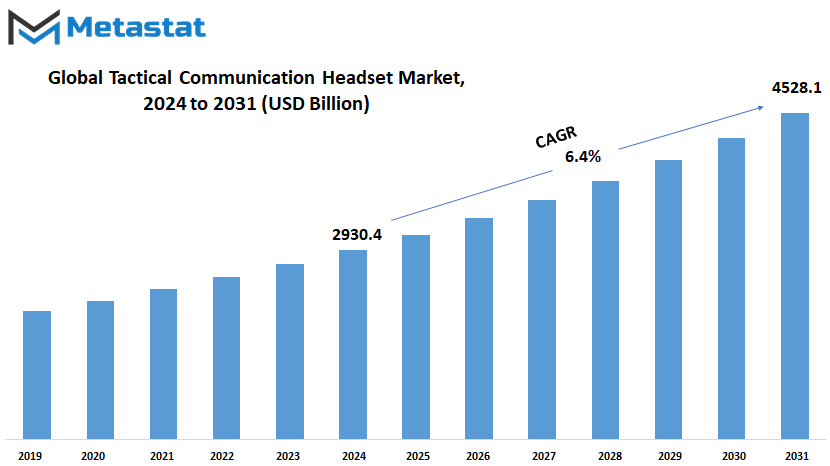
The Global Tactical Communication Headset market is significantly shaped by various dynamics that drive both procurement and innovation within the sector. One of the primary catalysts is the ongoing defense modernization mandates, particularly those set forth by the NATO Standardization Office. These mandates compel member states to phase out outdated analog systems in favor of advanced encrypted IP-based networks. This shift not only enhances communication security but also ensures interoperability among allied forces, which is increasingly critical in joint operations. As nations align their procurement strategies with these standards, the demand for sophisticated tactical communication headsets rises, reinforcing the necessity for manufacturers to innovate continually.
However, this modernization effort is not without its challenges. Interoperability issues among legacy systems create significant hurdles for military organizations. Many existing communication systems are not designed to integrate seamlessly with newer technologies, leading to operational inefficiencies and communication breakdowns in critical situations. To address these challenges, defense agencies are increasingly seeking solutions that not only meet current operational requirements but also ensure compatibility with a range of existing systems. This need for interoperability is driving investment in advanced technologies that can bridge the gap between old and new systems, enabling a smoother transition to modern communication infrastructures.
Furthermore, the evolving landscape of cybersecurity threats plays a crucial role in shaping market dynamics. As tactical communication systems become more sophisticated, they also attract greater attention from malicious actors. The U.S. Department of Defense has recognized the need for heightened cybersecurity protocols to protect sensitive communications from interception and other cyber threats. This awareness has led to increased investment in encryption technologies and secure communication protocols, which are essential for maintaining the integrity of tactical operations. Manufacturers are now prioritizing the development of headsets that integrate advanced cybersecurity features, ensuring that users can communicate securely even in high-risk environments.
In addition to these factors, the demand for enhanced capabilities in contested environments is pushing the market toward the adoption of technologies such as frequency-hopping and cognitive radios. These technologies are essential in GPS-denied situations, where traditional communication methods may fail. The integration of such capabilities into tactical communication headsets not only improves operational effectiveness but also aligns with the broader objectives of defense modernization and coalition interoperability.
In conclusion, the Global Tactical Communication Headset market is navigating a complex landscape influenced by modernization mandates, interoperability challenges, and cybersecurity threats. As these dynamics evolve, they will continue to drive innovation and shape the future of tactical communication solutions, ensuring that military and law enforcement users remain equipped with the most effective communication tools available.
The tactical communication headset market features several key players that are instrumental in shaping the competitive landscape. Among these, L3Harris Technologies, Thales Group, and Elbit Systems stand out due to their extensive offerings and strategic positioning within the sector. L3Harris Technologies leverages its deep expertise in radio-frequency technology to provide advanced headsets that cater to both man-portable and vehicular applications. This focus on versatile solutions enables L3Harris to maintain a strong foothold in the market, particularly as military forces prioritize resilient and jam-resistant communication systems.
Thales Group competes effectively across European NATO markets by offering integrated soldier systems that extend beyond mere voice communication. Their offerings include comprehensive situational awareness suites that enhance operational effectiveness in the field. This holistic approach not only meets the immediate communication needs of military personnel but also aligns with the evolving demands for interoperability and advanced situational awareness in modern combat scenarios.
Elbit Systems has established itself as a dominant player in Israeli and allied defense procurement by providing vertically integrated solutions that encompass radios, terminals, and network management software. This integration allows Elbit to deliver comprehensive communication systems tailored to the specific needs of defense forces, thereby enhancing their competitive edge in the market.
Major vendors in the tactical communication headset market employ several strategies to capture market share effectively. One prevalent approach is the consolidation of previously separate procurement processes, allowing for bundled platform awards that encompass a range of hardware and software solutions. This strategy not only simplifies procurement for military clients but also enhances the value proposition offered by vendors, as they can provide comprehensive solutions rather than isolated products. Furthermore, backward integration into semiconductor fabrication for security-critical components enables these companies to ensure the reliability and security of their offerings, which is paramount in defense applications.
Emerging players are also beginning to influence the competitive landscape. These new entrants often focus on niche segments within the broader tactical communication market, such as specialized software-defined radio technologies or innovative mesh networking solutions. Their agility and ability to rapidly adapt to changing technological demands allow them to carve out specific market segments, thereby driving competition and innovation. As these players continue to develop advanced capabilities, established vendors may need to adapt their strategies to maintain their market positions.
Ultimately, the vendor landscape in the tactical communication headset market is characterized by a mix of established leaders and emerging innovators. The interplay between these entities shapes the dynamics of the market, influencing both product development and procurement strategies. As military and law enforcement agencies increasingly demand sophisticated communication solutions, the ability of vendors to innovate and respond to these needs will be critical for success in this evolving market.
The landscape of the tactical communication headset market is evolving rapidly, influenced by advancements in software-defined radios and mesh networking technologies. These innovations are reshaping the operational capabilities of tactical communication systems, allowing for greater flexibility and resilience in challenging environments. Software-defined radios (SDRs) are increasingly displacing traditional hardware-dependent systems, providing enhanced adaptability through waveform virtualization. This transition enables military forces to reprogram radio functionalities without the need for hardware replacements, thereby streamlining procurement processes and reducing long-term costs.
Moreover, the advent of mesh networking protocols is revolutionizing communication architectures. These self-healing networks eliminate single points of failure, which is particularly crucial in dismounted soldier programs operating in contested environments. By facilitating decentralized communication, mesh networks enhance the robustness of tactical operations, allowing users to maintain connectivity even when faced with interference or physical obstructions. This shift towards more resilient network structures aligns with the growing emphasis on interoperability and real-time situational awareness in military operations.
Artificial intelligence (AI) is also playing a transformative role in the tactical communication market, particularly in the realm of spectrum management and communication efficiency. AI-enabled systems are capable of cognitive radio functionalities, which autonomously manage frequency allocation and interference avoidance. This decentralization of frequency management not only enhances operational effectiveness but also allows for more efficient use of the electromagnetic spectrum, which is becoming increasingly congested. As military operations evolve, the demand for systems that can dynamically adapt to changing conditions will increase, making AI a critical component of future tactical communication solutions.
The integration of AI into tactical communication systems will empower users to make informed decisions based on real-time data analysis, thereby improving situational awareness and response times. As these technologies continue to mature, they will likely lead to the development of more sophisticated communication systems that can seamlessly integrate various functionalities, from voice and data transmission to environmental monitoring and threat detection.
In summary, the tactical communication headset market is on the cusp of significant technological advancements driven by software-defined radios, mesh networking, and artificial intelligence. These innovations will not only enhance the capabilities of tactical communication systems but will also ensure that military forces remain agile and effective in increasingly complex operational environments. As manufacturers respond to these emerging trends, it is anticipated that the market will see a surge in demand for more versatile and resilient communication solutions, further solidifying the importance of tactical communication headsets in defense and security operations.
Additionally, the implementation of cognitive radio systems is significantly impacting frequency management within tactical communication networks. These systems utilize advanced algorithms and artificial intelligence to autonomously manage frequency allocation, allowing for real-time adjustments based on the operational environment. This decentralization of frequency management is particularly important in contested electromagnetic environments, where interference and signal degradation can severely affect mission success. By empowering individual units to make frequency decisions, cognitive radios enhance operational effectiveness and ensure more efficient use of the increasingly congested electromagnetic spectrum. As a result, military forces can maintain communication integrity even in the face of electronic warfare tactics designed to disrupt traditional communication channels.
The adoption of mesh networking protocols further complements these advancements by improving the resilience of communication systems. Unlike traditional hub-and-spoke architectures, mesh networks create a decentralized communication framework that can self-heal in the event of node failures. This is particularly beneficial for dismounted soldier programs, which often operate in dynamic and unpredictable environments. The robustness provided by mesh networking allows tactical units to maintain connectivity and situational awareness, even when faced with physical obstructions or electronic interference. Companies like L3Harris Technologies are leveraging these technologies to enhance their man-portable and vehicular platforms, ensuring that they meet the evolving demands of modern military operations.
Moreover, trends in waveform virtualization are reshaping procurement strategies across the tactical communication headset market. As military organizations increasingly prioritize systems that can adapt to changing operational requirements, the demand for software-defined radios is growing. These radios enable the reprogramming of waveforms without the need for hardware changes, facilitating a more streamlined procurement process. This flexibility is essential given the rapid pace of technological advancements and the need for interoperability among allied forces. As procurement specifications evolve, military buyers are incentivized to select systems that offer waveform flexibility and cognitive capabilities, further driving the transition away from legacy hardware-dependent systems.
In summary, the convergence of cognitive radio systems, mesh networking protocols, and waveform virtualization is transforming the tactical communication headset landscape. These technological advancements not only enhance the operational capabilities of military forces but also necessitate a shift in procurement practices to align with modern warfare requirements. As companies like Thales Group and L3Harris Technologies continue to innovate in these areas, the tactical communication market will likely see increased demand for integrated solutions that offer resilience, adaptability, and enhanced situational awareness.
The tactical communication headset market exhibits significant regional variations, particularly in North America, Europe, and Asia-Pacific. These regions not only represent major consumption markets but also play pivotal roles in the development and deployment of advanced communication technologies tailored for military and law enforcement applications.
In North America, the United States serves as the cornerstone of the tactical communication headset market, driven by substantial defense budgets and modernization initiatives spearheaded by the Pentagon. The integration of advanced technologies such as encrypted voice and data transmission systems is crucial, especially in light of evolving military requirements. Companies like Northrop Grumman Corporation and Lockheed Martin Corporation are at the forefront, providing cutting-edge solutions that meet stringent military standards and interoperability mandates.
Europe presents a different landscape, where NATO member states are increasingly focused on enhancing their tactical communication capabilities. The demand for integrated soldier systems that extend beyond basic voice communication to include comprehensive situational awareness tools is rising. This shift is largely influenced by geopolitical tensions, which have prompted European nations to invest in more robust communication infrastructures. The emphasis on compliance with NATO Standardization Office interoperability requirements is driving member states to retire outdated analog systems in favor of modern, encrypted, IP-based networks. This transition not only enhances operational efficiency but also ensures that forces can operate seamlessly across allied nations.
In the Asia-Pacific region, the market is characterized by a growing emphasis on coalition interoperability, particularly among countries like Australia and Japan. The Australian Defence Force is actively procuring advanced mesh networking capabilities to support expeditionary operations, reflecting a strategic shift towards more flexible and resilient communication architectures. Geopolitical tensions in the region have accelerated this trend, as nations seek to enhance their defense readiness and operational capabilities. The integration of cognitive radio technologies and self-healing network protocols is becoming increasingly important, allowing military units to maintain communication in contested environments.
The impact of geopolitical tensions on these regional markets cannot be overstated. Increased military spending, driven by the need for enhanced security and operational readiness, has led to a surge in demand for tactical communication headsets that can withstand the rigors of modern warfare. As nations navigate the complexities of defense procurement, the pressure to adopt advanced communication technologies that ensure secure and reliable communication becomes paramount. This evolving landscape presents both challenges and opportunities for manufacturers and suppliers, as they must adapt to changing regulatory environments and technological advancements while meeting the diverse needs of their clients.
In conclusion, the regional dynamics of the tactical communication headset market are shaped by a confluence of factors, including defense budgets, geopolitical tensions, and the ongoing evolution of communication technologies. As military and law enforcement agencies continue to prioritize secure and effective communication solutions, the demand for advanced tactical headsets will likely remain strong across these key regions.
In examining procurement trends specific to individual countries, Israel and Australia emerge as pivotal players in the tactical communication headset market. The Israel Defense Forces (IDF) prioritize advanced communication technologies that can operate effectively in contested environments, particularly focusing on anti-jam capabilities and GPS-denied navigation. This focus is driven by the unique security challenges faced by Israel, compelling the IDF to invest in systems that ensure operational readiness in a rapidly evolving threat landscape. The procurement strategies employed by the IDF reflect a broader trend of integrating sophisticated communication solutions that can withstand the rigors of modern warfare, thus influencing the market dynamics significantly.
Similarly, the Australian Defence Force (ADF) is actively enhancing its communication capabilities through the adoption of mesh networking technologies. This shift is not only about modernizing existing systems but also ensuring interoperability with coalition partners, particularly in the Indo-Pacific region. The ADF's procurement initiatives are increasingly geared towards solutions that provide resilient, secure communications for expeditionary operations. This strategic direction is influenced by Australia’s commitment to maintaining robust defense partnerships and adapting to the geopolitical landscape, which necessitates agile and effective communication infrastructures.
Regional differences in defense spending and technology adoption further shape the tactical communication headset market. Countries like Israel and Australia are increasing their defense budgets in response to heightened geopolitical tensions. This escalation in spending is evident as both nations prioritize investments in advanced communication systems that enhance situational awareness and operational effectiveness. The emphasis on modernizing military capabilities is a direct response to regional threats, leading to a surge in demand for tactical communication headsets that can support complex operational requirements.
Moreover, the adoption of cutting-edge technologies, such as software-defined radios and mesh networking protocols, is becoming a standard expectation in procurement specifications. These technologies enable military units to maintain reliable communication in contested environments, ensuring that forces can operate effectively even under challenging conditions. The regulatory frameworks in both countries, including compliance with NATO interoperability standards, further drive the need for advanced communication solutions that meet stringent operational criteria.
The impact of geopolitical tensions on regional markets cannot be overstated, as these tensions often catalyze changes in procurement strategies and technology adoption. In Israel, ongoing security concerns lead to a continuous push for advanced communication systems that can operate in high-threat environments. Similarly, in Australia, the strategic pivot towards enhancing defense capabilities in the face of regional instability drives procurement decisions that favor innovative communication technologies.
As nations navigate these complexities, the demand for tactical communication headsets that offer secure, reliable, and resilient communication solutions continues to grow. This evolving landscape presents both challenges and opportunities for manufacturers and suppliers, who must adapt to the changing regulatory environments and technological advancements while addressing the diverse needs of military and law enforcement agencies. The emphasis on coalition interoperability and the integration of advanced communication technologies will remain critical as these countries strive to enhance their defense readiness in an increasingly complex global landscape.
The tactical communication headset market is poised for significant growth, driven by several key factors that reflect the evolving needs of military and law enforcement operations. One of the primary catalysts is the ongoing defense modernization mandates, particularly among NATO member states. These mandates are compelling nations to upgrade their communication systems, retiring outdated analog technologies in favor of more secure, encrypted IP-based networks. This transition not only enhances the operational effectiveness of military forces but also aligns with NATO Standardization Office interoperability requirements, which are critical for coalition operations.
In addition to modernization efforts, there is a marked demand for anti-jam waveforms in contested electromagnetic environments. As military operations increasingly occur in settings where electronic warfare is prevalent, the need for resilient communication links becomes paramount. Anti-jam technologies, such as frequency-hopping and cognitive radio systems, are being prioritized to ensure that tactical communication remains uninterrupted, even under adverse conditions. This demand is particularly acute among military end-users who require reliable communication for mission success in GPS-denied environments, thereby accelerating procurement of advanced tactical headsets that can handle these challenges.
Emerging technologies are also playing a pivotal role in shaping the future of the tactical communication headset market. Innovations such as artificial intelligence (AI) and mesh networking protocols are transforming traditional communication architectures. AI can enhance situational awareness by processing vast amounts of data in real-time, allowing for quicker decision-making on the battlefield. Meanwhile, mesh networking protocols enable self-healing networks that eliminate single points of failure, making communication systems more robust and reliable. This shift is particularly relevant for dismounted soldier programs, where the ability to maintain connectivity in dynamic environments is crucial.
The integration of these advanced technologies not only improves the functionality of tactical communication headsets but also aligns them with the broader trends in defense procurement. As military forces consolidate their communication needs into single-vendor solutions, the demand for integrated systems that encompass radios, terminals, and network management software is on the rise. This trend is evident in various national procurement strategies, where defense ministries are increasingly looking for comprehensive solutions that meet both operational and interoperability standards.
Overall, the growth factors influencing the tactical communication headset market underscore the necessity for continuous innovation and adaptation in response to changing operational demands. As military and law enforcement agencies prioritize secure, effective communication solutions, the market is expected to evolve rapidly, presenting opportunities for manufacturers to develop cutting-edge technologies that meet the complex needs of modern warfare.
Based on many important factors, the Global Tactical Communication Headset market is expected to experience important growth in the coming years. The rising needs for strong communication systems can be regarded as some of the most important drivers of growth in the industry, such as emerging defense and law enforcement sectors. As modern military operations are emerging to be more complex and technology-based, the need for effective and reliable communication tools, especially tactical headsets, has been at an all-time high. The headsets allow soldiers and officers to communicate clearly and safely, even in challenging environments that are quite essential for missions. Also, the rising interest in developing more soldier-safe and more performance-oriented advanced communication technologies boosts the demand for such headsets.
A growing phenomenon in terms of technological advancement is what can be said to be driving the market for Global Tactical Communication Headsets. Continuous development is continuously done in respect to features like noise cancellation, the enhancement of battery life, and improved wireless connectivity, making tactical communication headsets more efficient and friendly to use. This should attract more customers and increase the market size.
At the same time, there are significant problems that could dampen the growth of the market. The first problem is the price of developing and deploying tactical headsets that is very high. The processes associated with research and manufacturing in the development of these headsets can be highly costly and may therefore act as a limitation in their adoption, especially in defense budgets that are not very inflated or in emerging markets. The integration with already existing infrastructures of communication may well be another factor that is going to pose a challenge in wide adoption.
Despite these challenges, the market is expected to have various attractive opportunities in the near future. The rising applications of tactical headsets in non-defence sectors, like commercial aviation and emergency services, would be an excellent source of growth area. Since more industries would realize the need for secure communication and reliability, it would go beyond applications pertaining to traditional defense and law enforcement departments.
While growth in the Global Tactical Communication Headset market will be faced by various challenges, the increasing demand for state-of-the-art communication solutions and technological innovations are also key drivers for its market growth. As the technology continues to advance, there will be new opportunities that will come along, so it is promising for the future of this market.
The headsets in the Global Tactical Communication Headset market are considered essential because of the growing demand for such reliable and efficient communication solutions. In military, police, and emergency service situations, maintaining situational awareness and improved communication is required. Thus, advanced technology will seek not only advancements but the products themselves, fueling the growth of this market further.
From type point of view, the market is primarily split into In-Ear and Over-The-Ear headsets. The headsets of this type have a size of 844.5 million USD in 2023 and take up 30.7% of the entire Tactical Communication Headset market. They are usually the most popular for their lightweight and discreetly fitted design, which brings comfort and ease of movement for a user. Demand would keep surging for more portable and compact devices for communication, and the In-Ear Headsets category would naturally face increasing demand with further improvements in audio quality and features available in noise cancelation.
While Over-The-Ear headsets are the leaders in the market, they alone took up 69.3% of the market share during the year 2023. They were also valued at 1909.9 million USD. These headphones are normally used in situations where reliability and good sound quality are essential. Over-The-Ear headphones are more sound-isolating, thus being more accurate at noisy and noisier settings, making them ideal for military and industrial settings. As experience in materials and technologies increases, the given headsets will be expected to be softer while maintaining the great performance under heavy conditions.
The Global Tactical Communication Headset market is expected to benefit from the integration of advanced technologies, including wireless communication capabilities, improved encryption, and longer battery life. As attention continues to be paid to developing digital communication systems further and its use increases in military and police departments across the world, this market should continue to grow. The market is also going to shift because more headsets will be developed for customization and personalizations, with the opportunity to choose any set of headsets that suits users’ needs for specific requirements in different tactical situations.
The market for a Global Tactical Communication Headset will inevitable grow with the further development of information technology and the increasing demands from highly critical operations processes for effective communication tools in the near future. Both In-Ear and Over-The-Ear headsets will continue to be significant in the growing market, each fulfilling a variety of needs and consumers.
As has been the case in the past, advancements of the technology used in the wired and wireless solutions have sustained the gradual evolution of the market. However, while the future with regard to technology promises much, it can already be said that the wireless segment dominates the market. In 2023, the wireless headsets segment accounted for 743.3 million USD thus account for 27% of the overall Tactical Communication Headset market. The level of growth in demand indicates that the various sectors require solutions that are more efficient and flexible in communication.
Wireless technology has emerged as a key element in tactical communication since it facilitates mobility and ease of use. As regards this latter point, when industries go with the idea of flexibility, this demand for wireless headsets will surge even higher. For example, the armed forces and law enforcers require reliable, fast communication tools. Wireless systems are therefore slowly taking the preference position. Because wireless headsets can easily ensure effective communication in harsh environments which conventional wired systems could not keep abreast with, they become even more attractive in this regard.
This space has a more promising outlook in terms of the technological landscape; that is, better signal transmission, longer battery life, and more secure communication channels will be the driving force for that growth. On the critical mission and operation side, real-time communication will be more aggressive in demanding heads that are not just light but also do not stop at breaking points.
Yet wired headsets have their value, especially for those who consider reliability more important than mobility. They will work soundly without all the issues surrounding batteries and signal disruption. Still, since the trend is going on and the technology in usage is constantly developing, the trend might shift even more toward usage of wireless solutions.
As Global Tactical Communication Headset market continues its growth, both the technologies will share equal importance in its continuous journey. However, the future seems to be highly wireless, and things are being done with the aim of removing the current constraints associated with wireless systems. The high stake industries would seek to incorporate these advanced technologies to make communications absolutely error-free and efficient. The wireless segment, which has already witnessed significant growth in 2023, is further expected to shoot upward with technological advancements that would decide the future course of tactical communication headsets. This is a very dynamic area and holds a lot of promises for future development since it constantly feeds off the evolving demands of global industries.
There is significant scope for growth in the Global Tactical Communication Headset market over the next few years, mainly due to increased demand for secure and efficient communication systems within various industries. This headgear is fundamentally necessary to ensure articulate and reliable communication, especially in pressurized situations. From an application standpoint, the market is segmented into four main sections: Military, Law Enforcement, Rescue/Disaster Recovery, and Others.
While maintaining real-time communication for soldier units and command centers is of utmost importance, the advanced technology incorporating in more complex operations will only drive up the demand for these reliable tools since high-tech missions are of the highest complexity and require direct field communication and therefore needs tactical headsets. These headsets give noise reduction benefit with encryption along with the hands-free capabilities to soldiers operating in hostile environments. With advanced military technological advancements, these headsets would be improved further with modern technology such as AI and robotics embedded in them for better communication while dealing with the battleground.
Tactical communication headsets are also widely used by law enforcement agencies in maintaining security for both their personnel and the general public. No matter it is in operations, surveillance, or crowd control, tactical communication headsets remain extremely significant in terms of maintaining communication. As the urban areas continue to grow and as the crime patterns change, law enforcement agencies will need even more advanced communication tools to overcome the new challenge they are going to face. In the near future, we can expect law enforcement agencies adopting tactical communication headsets with enhanced features, such as biometric sensors to assess the health and stress levels of officers in high-intensity situations.
Rescue and disaster recovery operations rely on timely and clear communication to save lives and coordinate very efficiently. Tactical communication headsets are absolutely essential for such situations, allowing teams to communicate in chaotic environments where traditional methods may not work. With the increase in cases of natural disasters and other emergencies due to changes in weather and other reasons, headsets like these will be in greater demand. Future headsets for rescue teams might be able to include features such as real-time location tracking or drone or other rescue equipment coordination.
Other sectors that will also grow in this communication headsets market include private security, aviation, and critical infrastructure protection. Demand will be sustained with continuous innovation and the push toward more integrated, multifunctional, and user-friendly solutions that may serve numerous needs of growing industries.
|
Report Coverage |
Details |
|
Forecast Period |
2024-2031 |
|
Market Size in 2024 |
$2930.4 million |
|
Market Size by 2031 |
$4528.1 Million |
|
Growth Rate from 2024 to 2031 |
6.4% |
|
Base Year |
2022 |
|
Regions Covered |
North America, Europe, Asia-Pacific Green, South America, Middle East & Africa |
The Global Tactical Communication Headset market will be expected to grow substantially across regions because of both technological advancements in the industry and the increasing demand for reliable systems of communication. This market is spread over several regions, and each one has its factors contributing towards the development and adoption of tactical headsets. For example, the United States, Canada, and Mexico in North America will be dominant due to their highly developed defense sectors with tremendous investment in communication technologies. The United States leads this region because of its efforts toward developing more modern weapons for soldiers to ensure smooth communication on the battlefield.
Another significant market is in Europe, as the UK, Germany, France, and Italy are working on communication devices for tactical purposes. European countries have recently been placing more emphasis on the modernization of defense, which encompasses improving the communication devices to adapt to the needs of the current and future military operations. Using advanced technological capabilities with tactical headsets, including noise cancellation and high situational awareness, will propel demand across Europe.
Over the past few years, China, India, Japan, and South Korea have grown increasingly interested in the Asia-Pacific region for tactical communication systems. Countries are not only expanding their defense budget but are also trying to focus on indigenous production of military equipment, which in itself encompasses the development of tactical headsets. With geopolitical tensions and defense priorities continuously shaping the region, the demand for reliable and effective communication solutions is seen to grow further, thereby positioning Asia-Pacific as the critical market for tactical headsets in the coming years.
Besides, the South American market, countries like Brazil and Argentina, will also contribute much to the growth of the Global Tactical Communication Headset Market. Communication headsets continue to be driven by regional security issues, even as defense budgets in these countries are often smaller than those in North America or Europe. For this region, defense spending is growing, and stronger communication is becoming increasingly more of an apparent requirement-even Middle East & Africa, which covers GCC, Egypt, and South Africa.
As technology is being developed every day, and with its enhancement in such devices, the global market for tactical communication headsets is poised to grow further in the future. Each region would add its uniqueness to the overall market, and hence the growth forecast would remain steady and consistent in the growing defense investment and effective communication solutions for military as well as non-military markets.
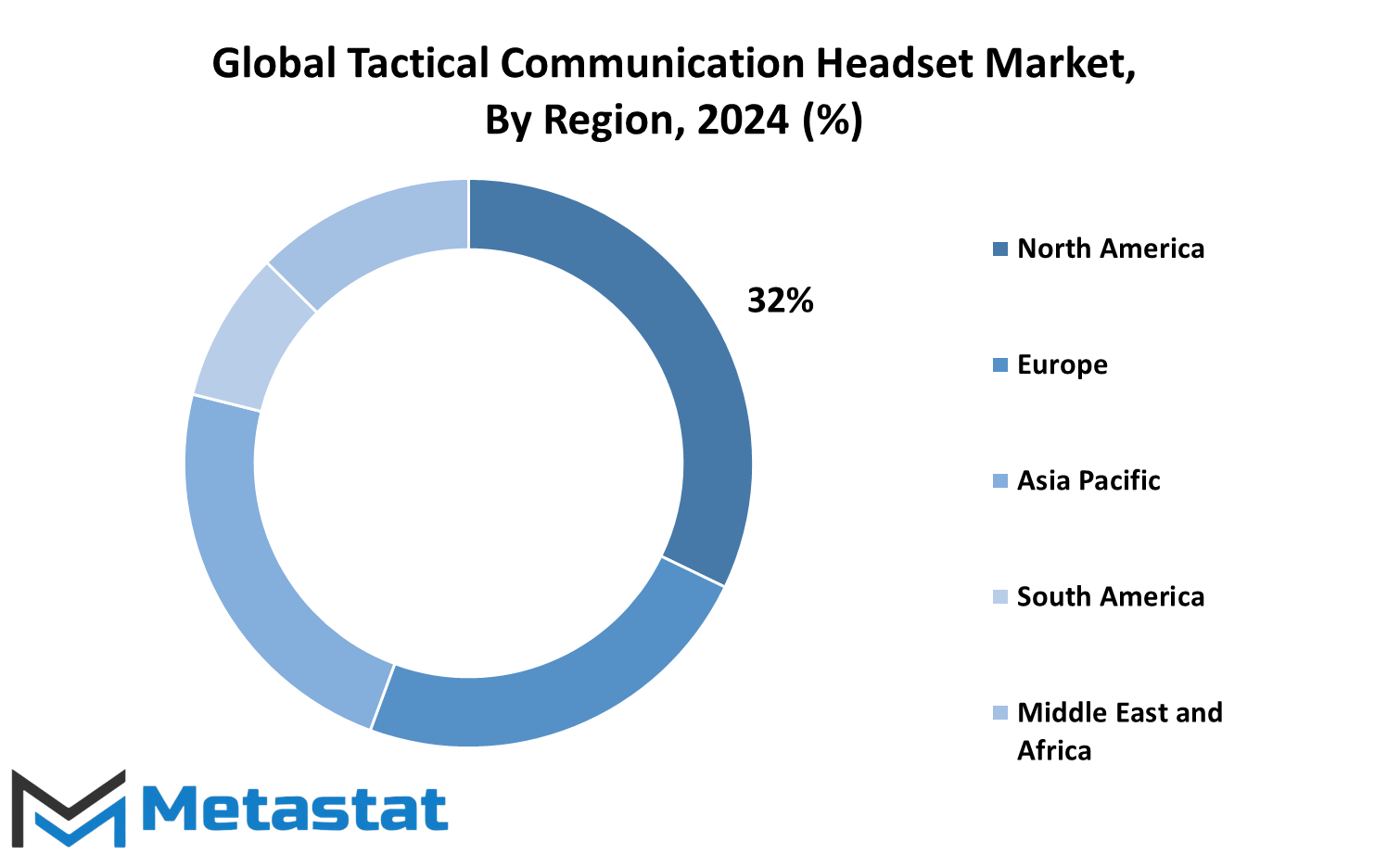
The Global Tactical Communication Headset market is expected to grow rapidly in the coming years. Technological advancements and increased demand for secure and reliable communication solutions that may either be in the military or civilian sectors have opened up the market for tactical headsets and headphones. The tactical communication headset becomes pivotal to ensure clear, uninterrupted communication in a critical situation; hence, its vitality in personnel operating in high-stakes environments cannot be overemphasized. These offer hearing protection with the concomitant facility of voice communication, even in noisy environments.
The more connected the world becomes, the greater the need for efficient means of communication. That trend has crossed over into tactical operations, where communication is very much a question of safety and success. The Global Tactical Communication Headset market will still face innovation as companies focus on the needs of modern military forces, law enforcement agencies, and emergency teams. Major leaders in this industry, such as Bose Corporation, 3M, and INVISIO A/S, are very fast-paced in researching and developing the headsets that provide and ensure the best possible sound quality combined with other equipment integration.
Certainly, in the near future it should become possible to see more advanced headsets with tactical communications. With some developments in artificial intelligence or machine learning, one could even permit even noise cancellation, voices detected with increased accuracy, and predictive maintenance in order to warn when failure is near. In addition, wireless technologies should be even more developed, especially when it comes to using them in the field. As threats change and operations grow, these headsets will have to live-stream data and information continually update the team in real time so they may stay connected in the most difficult operating environments.
Increased government spending on defense and security will further boost the market. Aaved to the global realisation of tactical communication equipment needs, such companies as David Clark Company, TEA Headsets, and Safariland, LLC will see an increased volume of sales for their product lines. Additionally, entry of new ventures in the field will keep companies investing in R&D that will bring better products at reduced prices to the end consumer.
Based on the trend, the market for Global Tactical Communication Headset is going to hold significant growth with leading companies like Atlantic Signal LLC and Racal Acoustics Ltd., which are testing boundaries with major technological solutions that are going to shape future communication in critical operations.
Find answers to common questions about this report
Global Tactical Communication Headset market is valued at $2930.4 million in 2024.
Global Tactical Communication Headset market is estimated to grow with a CAGR of 6.4% from 2024 to 2031.
Global Tactical Communication Headset market is estimated to reach $4528.1 million by 2031.
Top players operating in the Tactical Communication Headset industry includes Bose Corporation, 3M, Vitavox, David Clark Company, INVISIO A/S, Safaril
The report suggests that advancements in wireless technology are indeed a key element for future-proofing tactical communication headsets. The wireless segment accounted for 743.3 million USD in 2023, representing 27% of the overall market, indicating a significant demand for efficient and flexible communication solutions. As the armed forces and law enforcers require reliable and fast communication tools, the trend is shifting towards wireless systems, which are more attractive for their ability to ensure effective communication in harsh environments. This trend towards wireless technology is expected to continue, driven by improvements in signal transmission, battery life, and secure communication channels. Therefore, newer wireless communication standards should be considered for their potential to enhance operational effectiveness in tactical scenarios.
The Tactical Communication Headset market is a crucial segment within the defense and security sector, focusing on the development, production, and distribution of advanced communication systems primarily used in military operations and law enforcement. These headsets are designed for durability, providing maximum noise cancellation and clear transmission in challenging environments, ensuring effective communication in critical situations. The market is driven by the increasing complexity of modern military operations and the need for reliable communication tools. Tactical headsets are essential for maintaining situational awareness and enhancing communication capabilities, which is vital for mission success. The market is expected to see significant technological advancements in the coming years to meet evolving user needs.
The tactical communication headset market refers to the segment of the audio equipment industry that focuses on headsets designed for military, law enforcement, and emergency services use. These headsets are engineered to provide clear communication in noisy environments while ensuring durability and comfort for users. The market is driven by the increasing demand for effective communication solutions in various tactical operations and the ongoing advancements in audio technology. Additionally, the growing emphasis on safety and operational efficiency in defense and security sectors further supports the expansion of this market.
The US tactical headset market is focused on providing advanced communication solutions for military and law enforcement personnel. This market is characterized by a growing demand for headsets that offer superior audio quality, noise cancellation, and durability in challenging environments. The increasing emphasis on effective communication in tactical operations, along with technological advancements, is driving market growth. Additionally, the rising need for interoperability among various communication devices is shaping product development in this sector.
The wireless tactical headset market is a significant segment of the Global Tactical Communication Headset market, accounting for 27% of the overall market in 2023, with a value of 743.3 million USD. This segment is characterized by the demand for efficient and flexible communication solutions, particularly in military and law enforcement applications. Wireless technology facilitates mobility and ease of use, making it increasingly preferred for effective communication in harsh environments. The growth in this market is driven by advancements in technology, such as better signal transmission, longer battery life, and more secure communication channels. As the trend continues, the demand for wireless headsets is expected to surge, reflecting the evolving needs of tactical users.
The unified communication business headset market focuses on headsets designed to facilitate clear communication in professional settings, particularly in environments that utilize unified communication (UC) platforms. These headsets typically feature advanced audio technologies, noise cancellation, and integration with various communication tools to enhance productivity and collaboration among remote and on-site teams. The market is driven by the growing adoption of remote work and the need for effective communication solutions in corporate settings. As businesses increasingly prioritize employee wellness and productivity, the demand for high-quality, reliable headsets is expected to rise. Overall, this market is characterized by a focus on technology integration, user comfort, and adaptability to various communication needs.
The tactical earbuds market focuses on specialized audio devices designed for use in military, law enforcement, and other high-stakes environments where clear communication and situational awareness are essential. These earbuds often feature advanced noise-cancellation technology, durability, and compatibility with various communication systems. Users typically seek products that enhance auditory perception while providing protection from harmful sounds. The market is influenced by technological advancements, user demands for enhanced functionality, and the need for compliance with specific operational standards.
The analysts below cover Aerospace and Defense research at Metastat Insights.
LEAD ANALYST
Utkarsh Khirodkar is a Lead Market Research Analyst at MetaStat Insight, specializing in market intelligence, technology sector assessments, and competitive strategy.
Assessing commercial microgrid software adoption requires looking past top-level installation numbers and examining utility interconnection queues. The research provided verifiable data on average permitting timelines, tariff structures, and battery storage integration costs across regional utility territories. That grounded perspective was valuable for our team when building five-year demand projections for industrial microgrid controllers.
Ambulatory surgical centers have very different purchasing cycles for robotic-assisted surgery platforms than major hospital networks. The MetaStat Insight study focused squarely on capital expenditure depreciation, procedural reimbursement pathways, and surgeon training overhead. That operational clarity made it much simpler to validate multi-year procedure growth forecasts against actual ambulatory center adoption patterns.
When planning edge sensor rollouts across refinery environments, generic IoT reports typically miss the harsh-environment certification bottlenecks. MetaStat Insight gave an objective evaluation of ATEX and Class 1 Division 2 hardware availability, along with realistic five-year maintenance cycle cost projections. The comparison of wireless mesh versus private cellular backhaul helped our team pressure-test network reliability models for remote processing facilities.
Explore related market intelligence reports worth reading alongside this one.