
LEAD ANALYST
Utkarsh Khirodkar is a Lead Market Research Analyst at MetaStat Insight, specializing in market intelligence, technology sector assessments, and competitive strategy.

Global Turbocompressor Market Size, Share, By Compressor Type (Centrifugal Turbocompressors and Axial Turbocompressors), By Compressor Configuration (Single-Stage Centrifugal Turbocompressors, Multistage Centrifugal Turbocompressors, Integrally Geared Centrifugal Turbocompressors and Single-Shaft Centrifugal Turbocompressors), By Discharge Pressure (Low Pressure - Up to 20 Bar, Medium Pressure - 21-100 Bar and High Pressure - Above 100 Bar), By End-Use Industry (Oil & Gas, Chemical & Petrochemical, Power Generation, Industrial Gases, LNG & Natural Gas Processing, Offshore, Fertilizers, Metals & Steel, Carbon Capture, Utilization & Storage and Others), Industry Analysis, Growth, Trends, and Forecast, 2026-2033
Report ID
MSI-5111
Published
August, 2026
Updated
Pages
275 Pages
Format
Historical
Base year
Forecast
Forecast period
Report Details
Choose Your License
Global Turbocompressor Market
The global Turbocompressor market was valued at USD 6.2 billion in 2025 and is projected to reach USD 9.6 billion by 2033, growing at a CAGR of 5.6% over the forecast period.
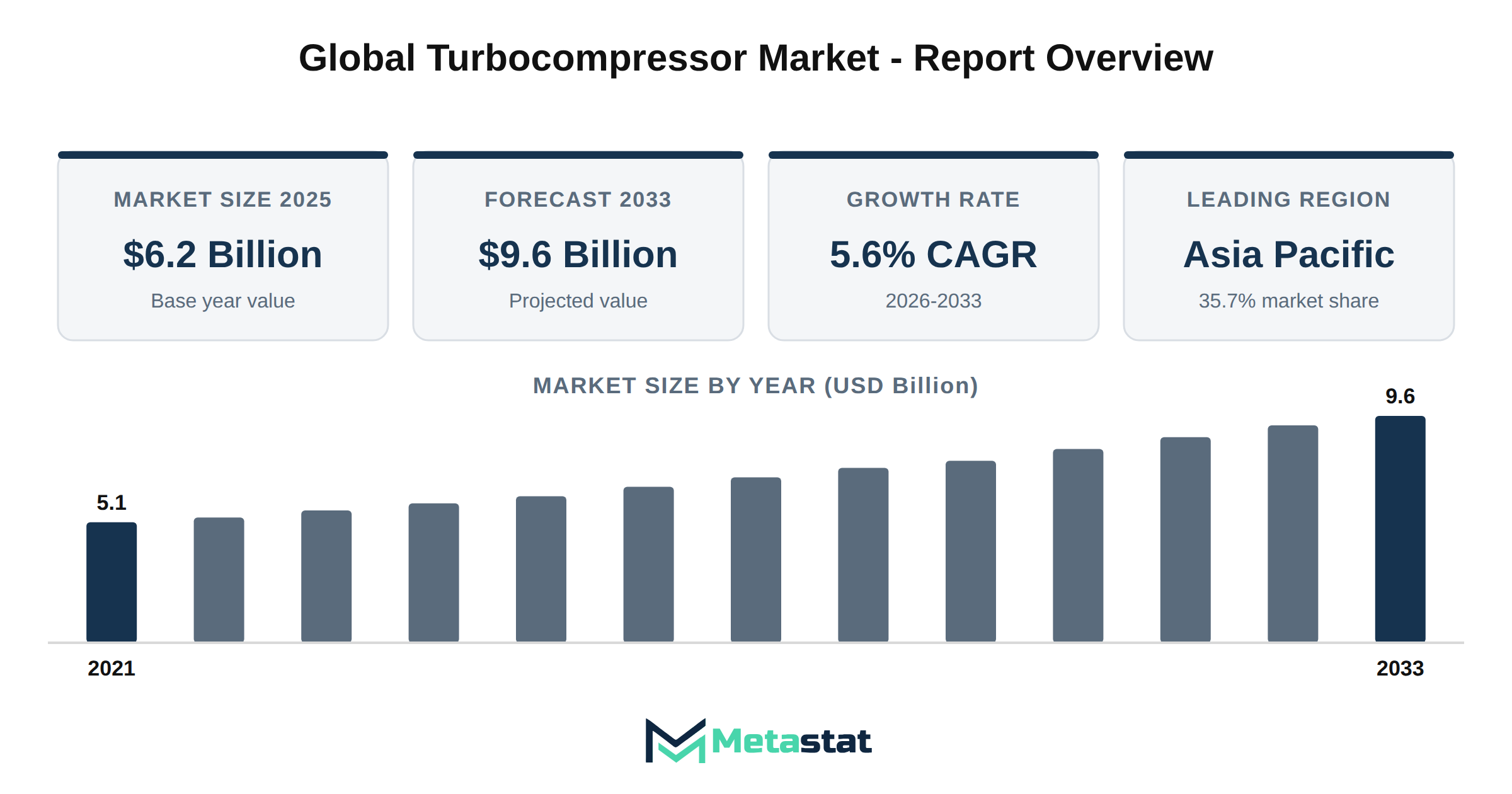
The global turbocompressor market reached a valuation of USD 6.2 billion in 2025, showing an upward trajectory from USD 5.1 billion in 2021. This growth reflects a compound annual growth rate (CAGR) of 5.6%, with projections indicating an increase to USD 9.6 billion by 2033. Significant drivers behind this expansion include rising demand across various industries including oil and gas, chemical and petrochemical sectors, and energy production.
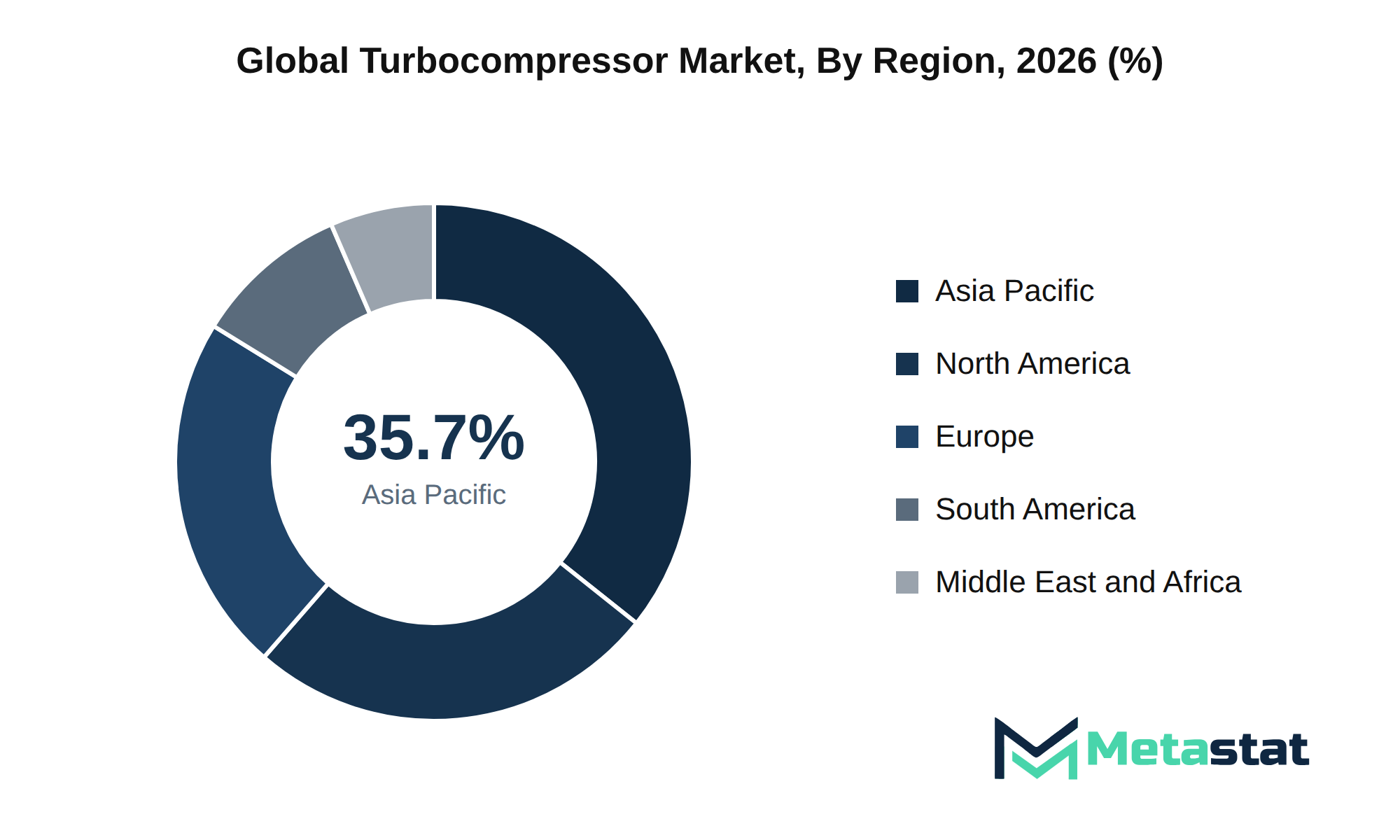
Regional dynamics play a crucial role in shaping the market. The Asia Pacific region holds the largest market share at 35.7%, followed by North America at 25.7% and Europe at 22.4%. The Middle East and Africa represent a smaller segment at 6.5%, while South America accounts for 9.7%. Each region exhibits unique growth opportunities influenced by local industrial activities and infrastructural developments.
Technological advancements in turbocompressor designs enhance efficiency and operational performance. Innovations in compressor types, including centrifugal and axial configurations, significantly contribute to market development. The centrifugal turbocompressors segment is projected to grow from USD 4.7 billion in 2026 to USD 6.8 billion by 2033, reflecting a CAGR of 5.4%.
Investment in research and development (R&D) drives next-generation innovations within the market. Companies focus on developing high-efficiency turbocompressors to meet stringent regulatory standards and customer expectations. This emphasis on R&D drives product enhancements and supports the overall growth trajectory of the market.
The turbocompressor market faces various dynamics that influence its growth trajectory. Regulatory frameworks and compliance requirements across regions create an environment where manufacturers adapt to maintain market access and competitiveness. Standards governing emissions and energy efficiency drive innovation, pushing companies to invest in advanced technologies that comply with stringent regulations.
Disruption within the market arises from rapid advancements in technology and evolving consumer expectations. Research and development trajectories focus on enhancing efficiency and performance, leading to next-generation innovations that increase operational capabilities. Sustainable transformation initiatives promote the integration of environmentally friendly practices, supporting decarbonization efforts and aligning with circular economy dynamics.
The supply chain landscape undergoes continuous evolution, reflecting shifts in sourcing strategies and logistics architecture. Companies prioritize resilience in their supply chains to mitigate risks associated with geopolitical tensions and market fluctuations. Fragmentation within the market presents challenges and opportunities, with mergers and acquisitions shaping competitive landscapes and enabling firms to consolidate resources and expertise.
Understanding the value chain remains crucial for stakeholders, facilitating better procurement strategies and enhancing customer journey dynamics. Capital allocation trends indicate a focus on infrastructure investments that enhance production capabilities and expand market reach. The future strategic outlook emphasizes the importance of agility in adapting to emerging trends and consumer demands, guiding corporate imperatives and high-value recommendations for sustained growth in the turbocompressor market.
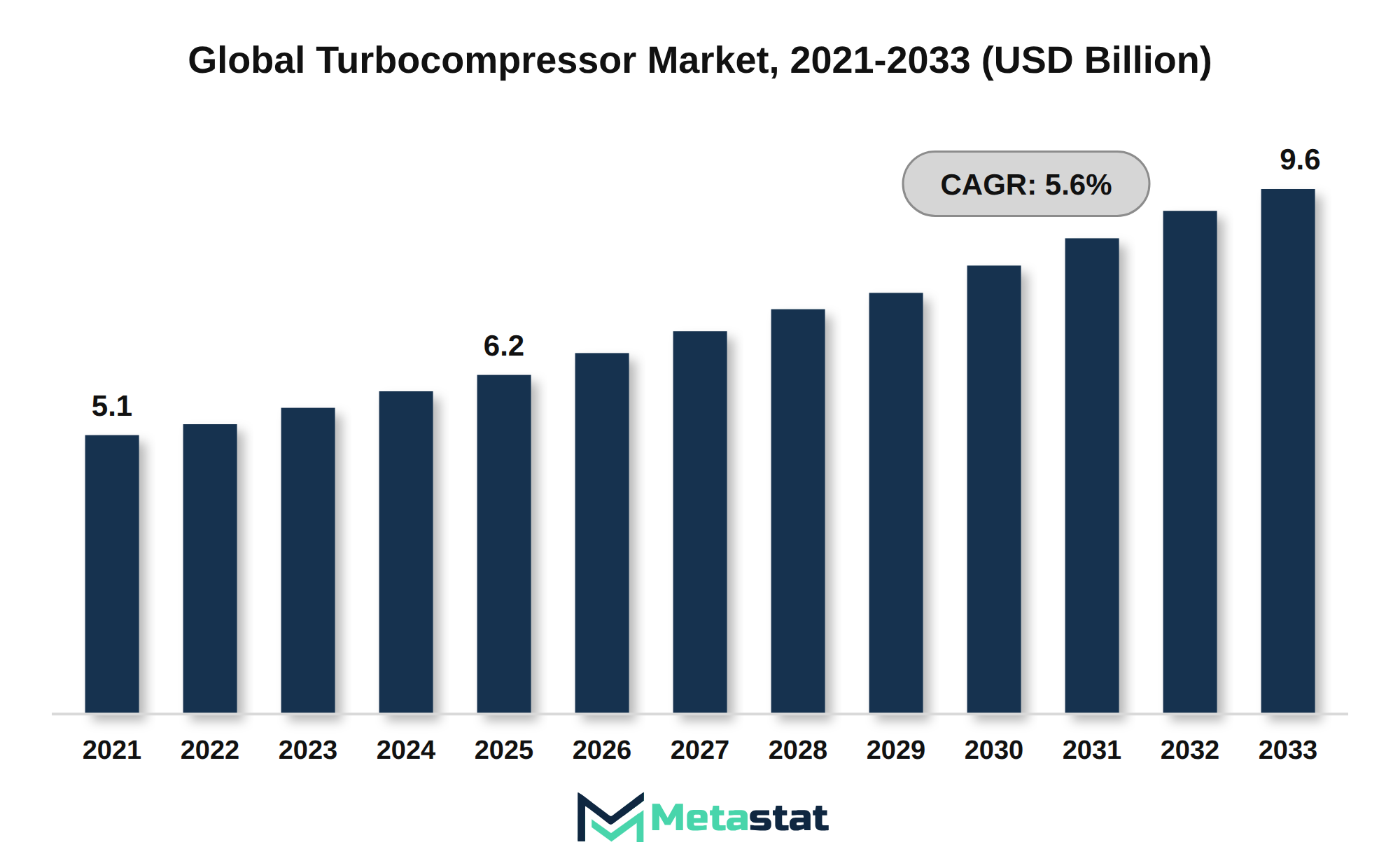
The turbocompressor market experiences substantial growth driven by increasing emission limits and sustainability initiatives across various industries. Regulatory frameworks encouraging reduced carbon emissions prompt companies to invest in advanced technologies that enhance energy efficiency and lower environmental impacts. The focus on sustainability influences industries including oil and gas, chemical processing, and power generation, necessitating the upgrade of existing systems to comply with stricter environmental guidelines.
Investment in closed-loop systems, which optimize energy use and minimize waste, aligns with the market's shift towards sustainable practices. Companies adopting these technologies achieve operational efficiency while responding to consumer demands for greener solutions. This shift enhances the competitive landscape, reflecting organizations' prioritization of innovative turbocompressor solutions to meet evolving market expectations.
The turbocompressor market is projected to expand significantly, with a compound annual growth rate of 5.6 percent from 2026 to 2033. The growth reflects not only compliance with emission standards but the increasing recognition of the financial benefits associated with energy-efficient systems. Over time, organizations that integrate these technologies will likely see improved operational productivity and cost reductions, further reinforcing their position in the market.
The focus on infrastructure development significantly influences the turbocompressor market. Key economic factors, including rising public and private investments, enhance the demand for efficient energy solutions across various sectors. Governments worldwide prioritize infrastructure projects to stimulate economic growth, particularly in developing regions. These initiatives create opportunities for turbocompressor technology adoption, particularly in industries including oil and gas, power generation, and chemicals.
Technological advancements in turbocompressor designs drive the market. Enhanced performance, energy efficiency, and durability make these systems attractive to industries seeking cost-effective operational solutions. Automation and digital integration within manufacturing processes streamline production, ensuring higher output and lower costs. These developments align with broader trends of digital transformation and resource stewardship, which optimize operational productivity and minimize environmental impact.
While the turbocompressor market evolves, the integration of innovative technologies supports continuous growth. The increasing emphasis on sustainability and efficiency drives investments aimed at reducing carbon footprints while maintaining productivity levels. Overall, these factors position the turbocompressor market for robust expansion, addressing both immediate operational needs and long-term strategic objectives across various industries.
The turbocompressor market faces significant restraints due to high capital investment requirements. The initial costs associated with acquiring and installing turbocompressors are substantial, impacting the financial feasibility for many businesses, particularly in industries including oil and gas and power generation. Companies encounter challenges in securing the necessary funding, leading to delayed project timelines and reduced implementation rates.
Escalating operating costs exacerbate the situation. Operational expenses, including maintenance, energy consumption, and skilled labor, continue to rise, placing additional strain on profit margins. These factors contribute to hesitancy among potential buyers, particularly in regions with limited financial resources or economic instability.
Geopolitical instability and supply chain challenges disrupt the market. Factors including international trade tensions and resource scarcity hinder the availability of critical components, further complicating the procurement process. Manufacturers find it difficult to maintain consistent production schedules, leading to bottlenecks that affect market competitiveness.
Overall, high capital investment requirements and associated economic pressures significantly influence the turbocompressor market's growth trajectory, prompting companies to reevaluate their investment strategies and operational capabilities. Adapting to these challenges is essential for sustaining demand and driving innovation within the market.
The turbocompressor market encounters significant challenges attributed to geopolitical fragmentation, which disrupts global supply chains. Trade deficits and tariff friction escalate operational costs, impacting manufacturers and suppliers across regions. This situation creates an environment where logistics disruptions become more frequent, complicating the timely delivery of components necessary for turbocompressor production. Suppliers experience heightened pressure to adapt to fluctuating trade conditions, which affects pricing strategies and profit margins.
Technological disruptions contribute to complexities within the market. Rapid advancements demand continuous research and development, yet integration of new technologies requires extensive investment. Complex R&D integrations strain resources and slow down product innovation, hindering competitiveness. The evolving legal landscape introduces compliance overhead and legal liabilities, adding layers of risk for companies operating within the turbocompressor market.
Environmental considerations including decarbonization mandates and sustainability demands present another layer of challenge. Companies face pressure to align products with stringent global regulatory standards, often necessitating retrofitting of existing infrastructure. This need results in implementation bottlenecks, which delay project timelines and increase costs. The market grapples with workforce skill gaps, driven by automation displacements that create a demand for specialized talent that remains hard to attract and retain.
Overall, the turbocompressor market navigates a landscape affected by these interrelated challenges, which influence growth, investment, and operational strategies. The convergence of these factors holds implications for market dynamics and future opportunities within the sector.
The turbocompressor market experiences significant opportunities driven by emerging regional demands and infrastructure modernization. Regions with advancing industrial sectors, particularly in Asia Pacific, exhibit increasing needs for high-efficiency turbocompressors to support expanding operations in oil and gas, chemical production, and power generation. This demand drives technological disruptions that enhance product performance and energy efficiency.
Geographical expansion strategies adopted by leading manufacturers contribute to market growth. Companies targeting underserved markets leverage localized production capabilities, addressing specific customer requirements. Such initiatives enhance product integration and drive niche application growth, particularly in the industrial gases and offshore sectors.
Sustainability imperatives and green transformations influence market dynamics. Organizations align with environmental, social, and governance (ESG) criteria, investing in eco-friendly technologies. This alignment leads to increased demand for turbocompressors that meet stringent environmental standards, further boosting adoption in chemical, petrochemical, and power generation industries.
Shifts in buying behavior and digital procurement processes reshape commercial models. The market adapts to evolving preferences for remote purchasing and service management, emphasizing the need for innovative solutions. Incorporating advanced digital tools improves operational yield and enhances value-chain optimization, supporting effective supply chain localization efforts.
Investment in asset life-cycle extensions and maintenance upgrades presents additional opportunities. Upgrading existing systems through retrofitting enables organizations to enhance operational efficiency without incurring the costs of complete system replacements. These strategies maximize returns on investments while addressing the growing demand for high-performance turbocompressors.
The Global Turbocompressor market is segmented based on Compressor Type, Compressor Configuration, Discharge Pressure, and End-Use Industry.
Centrifugal Turbocompressors demonstrate considerable market potential, valued at USD 4.7 billion in 2026 and projected to reach USD 6.8 billion by 2033, reflecting a CAGR of 5.4% during the forecast period. Primary demand drivers include the rising need for energy-efficient solutions in various industries, particularly oil and gas, chemical, and power generation sectors. The transition towards cleaner energy sources has intensified the focus on advanced turbocompressor technologies, facilitating increased investments in research and development.
Adoption of centrifugal turbocompressors aligns with technological maturation, where improvements in design and materials enhance performance and reliability. This evolution supports operations in high-demand applications, ensuring that equipment meets stringent regulatory compliance standards. Growing consumption shifts driven by industrial automation and the need for optimized processes directly affect the performance and efficiency expectations of turbocompressors.
Cost structures play a critical role in market dynamics, with fluctuations in raw material prices influencing overall pricing volatility. Manufacturers face margin pressures, requiring innovative strategies to maintain competitiveness. Strategic opportunity windows arise from the integration of next-gen upgrades, which improve efficiency and expand the operational envelope of centrifugal turbocompressors. The ongoing evolution of product offerings enhances market appeal, enabling suppliers to meet diverse customer requirements.
Market players are actively addressing supply chain resilience challenges, emphasizing the importance of robust sourcing strategies and logistics planning. This focus mitigates risks associated with disruptive alternatives and technological obsolescence. Centrifugal Turbocompressors represent a key segment within the broader turbocompressor market, capitalizing on the growing demand for efficient and reliable solutions across multiple end-use industries.
Significant growth characterizes the Axial Turbocompressors segment, with an estimated market value of USD 2.8 billion by 2033 and a CAGR of 6% during the forecast period. This segment thrives on the increasing demand from industries including oil and gas, chemical and petrochemical, and power generation, which rely heavily on efficient and high-performance compression solutions. Enhanced energy efficiency and lower operational costs drive manufacturers to invest in next-generation technologies that improve performance metrics and reduce environmental impact.
Technological maturation is critical in this segment, with ongoing innovations leading to the development of advanced axial turbocompressors that offer greater reliability and efficiency. The market for axial turbocompressors benefits from robust end-use dynamics, particularly in sectors prioritizing sustainable practices and regulatory compliance. While regulatory standards evolve, manufacturers adapt their offerings to meet stringent requirements, further boosting market adoption.
Price volatility in raw materials influences the cost structures of axial turbocompressors, impacting margins for manufacturers. Supply chain resilience remains a focus, with companies exploring alternative sourcing strategies to mitigate risks associated with logistics vulnerabilities. The potential for substitution by other compressor types exists; however, the unique advantages of axial turbocompressors, including higher efficiency at large volumes, secure their position within the turbocompressor market.
Strategic opportunities arise from increasing investments in infrastructure and industry initiatives aimed at energy transition. Such factors create a favorable environment for growth in the Axial Turbocompressors segment. Positioned at the intersection of technological advancement and evolving industry demands, this segment is poised for continued expansion, contributing to the overall growth of the turbocompressor market.
Valued at USD 1.9 billion in 2026, the Single-Stage Centrifugal Turbocompressors segment is projected to reach USD 2.7 billion by 2033, achieving a CAGR of 4.9% during the forecast period. The segment's growth is primarily driven by increasing demand for efficient energy solutions in various industries, particularly in oil and gas applications where precise compression capabilities are critical.
Technological maturation in the production of single-stage turbocompressors facilitates enhanced performance and reliability, presenting opportunities for manufacturers to expand their offerings. The adoption of advanced materials and design enhancements supports the production of lighter and more energy-efficient models, aligning with the evolving needs of end-users seeking more sustainable operational methods.
Regulatory compliance standards targeting emissions reduction and energy efficiency drive significant investment in new technologies and upgrades within the turbocompressor market. Industries striving to meet stringent environmental regulations experience increased demand for single-stage centrifugal turbocompressors, reflecting a shift towards sustainable practices across various sectors.
Pricing volatility remains a critical factor affecting market dynamics, with fluctuations in raw material costs impacting profit margins for manufacturers. Strategic opportunity windows emerge for players who efficiently manage supply chain resilience while mitigating risks associated with raw material sourcing and logistics vulnerabilities. This environment encourages manufacturers to adopt innovative strategies to enhance their competitive positioning.
The end-use dynamics surrounding single-stage centrifugal turbocompressors highlight their importance in sectors including chemical and petrochemical processing, where reliability and efficiency are essential. Continued investment in capital infrastructure across these industries drives demand, reinforcing the segment's growth trajectory in the broader turbocompressor market.
Market dynamics for Multistage Centrifugal Turbocompressors reflect significant growth, driven by rising demand across various end-use industries. This segment is projected to reach USD 4 billion by 2033, at a CAGR of 5.9% during the forecast period. Heightened adoption in industries including oil and gas, chemicals, and industrial gases supports expansion through enhanced efficiency and reliability. Technological maturation enhances performance and reduces operational costs, making Multistage Centrifugal Turbocompressors attractive to buyers focused on minimizing energy consumption and emissions.
Regulatory compliance standards increasingly emphasize sustainability, prompting investment in advanced technologies. This shift aligns with broader consumption trends prioritizing efficiency and environmental responsibility. Strategic opportunities arise through next-generation upgrades that promise improved performance and reduced maintenance costs, compelling buyers to evaluate these systems over traditional solutions. Continued innovation in this sub-segment contributes to its sustained growth, reinforcing its critical role in the overall turbocompressor market.
Within the market, the Integrally Geared Centrifugal Turbocompressors segment is projected to reach USD 1.9 billion by 2033. Demand for this segment arises from its ability to provide efficient compression solutions across various applications. Key factors driving adoption include advancements in technology that enhance performance and reliability while reducing operational costs.
Significant expansion catalysts include increasing requirements for energy efficiency and sustainability in diverse industries including oil and gas, chemical, and power generation. The evolving regulatory landscape compels manufacturers to adopt innovative technologies that align with stringent emissions and efficiency standards.
Downstream applications find value in the compact and adaptable nature of integrally geared designs. These features support diverse discharge pressure requirements, appealing to sectors requiring high performance in confined spaces. Shifts towards these efficient solutions enhance competitive positioning within the turbocompressor market.
Pricing volatility and margin pressures influence market strategies, necessitating careful management of supply chain resilience and raw material sourcing. Companies operating in this sub-segment address substitution risks and technological obsolescence to maintain a strong market presence. Strategic opportunity windows arise from the increasing demand for advanced turbocompressor solutions, driving capital investment outlooks upward.
Growth in the Single-Shaft Centrifugal Turbocompressors segment is driven by rising demand for efficient and compact compression solutions across various industries. This segment is projected to grow at a CAGR of 4.9% during the forecast period. Increased adoption results from the need for enhanced energy efficiency and compactness, making these turbocompressors ideal for applications in oil and gas, chemical, and petrochemical industries. Technological advancements in design and materials contribute to improved performance and reliability, further attracting investment in this segment. With a focus on regulatory compliance and environmental standards, industries increasingly favor single-shaft configurations for their operational efficiency and reduced footprint, reinforcing their role in the overall turbocompressor market. The segment's evolution aligns with energy transition initiatives, promoting cleaner technologies and sustainable practices.
Valued at USD 2.4 billion in 2026, the Low Pressure - Up to 20 Bar segment is projected to reach USD 3.4 billion by 2033, at a CAGR of 4.8% during the forecast period. Demand for low-pressure turbocompressors is primarily driven by their extensive applications in industries including oil and gas, chemical manufacturing, and general industrial processes. The increasing focus on energy efficiency and operational reliability enhances adoption, driven by these compressors facilitating improved performance and reduced energy consumption.
Technological advancements in compression technology contribute to segment growth, enabling manufacturers to deliver more efficient and reliable products. The evolution of next-generation low-pressure turbocompressors focuses on optimizing design and integrating smart technologies that enhance operational efficiency. Regulatory compliance standards, particularly concerning emissions and energy consumption, shape market dynamics, resulting from industries striving to meet stringent requirements.
Price volatility in raw materials impacts cost structures, affecting pricing strategies for manufacturers in the turbocompressor market. Margins are pressured by competitive pricing, prompting companies to innovate and optimize production processes to maintain profitability. Strategic investments in research and development will likely yield long-term benefits, enhancing product offerings and addressing unique customer needs.
Supply chain resilience remains critical for manufacturers, with logistics vulnerabilities posing risks that require mitigation strategies. Disruptive alternatives, including alternative compression technologies, present challenges, necessitating continuous innovation within the segment. The potential for strategic opportunity windows exists, particularly for companies that excel in developing customizable and high-performance turbocompressor solutions tailored to specific industry applications.
Growing adoption of medium pressure systems in various industrial applications drives demand for turbocompressors operating in the 21-100 Bar range. This segment is expected to reach USD 3.7 billion by 2033, at a CAGR of 5.7% during the forecast period. Industries including oil and gas, chemical processing, and power generation increasingly rely on medium pressure turbocompressors to optimize process efficiency and enhance overall productivity.
Technological advancements contribute significantly to the evolution of medium pressure turbocompressors. Innovations in design and materials improve energy efficiency and reduce operational costs. Enhanced reliability and performance capabilities make these turbocompressors suitable for demanding applications, encouraging broader adoption across sectors.
End-use dynamics play a crucial role in shaping the medium pressure segment. Industries focusing on sustainable practices drive the demand for efficient and reliable turbocompression solutions. This trend reinforces the importance of medium pressure systems in achieving energy savings and reducing emissions within the turbocompressor market.
Investment in infrastructure upgrades further supports growth in this segment. Companies prioritize capital allocation toward advanced turbocompressor technologies to meet evolving operational requirements and regulatory compliance. The medium pressure segment benefits from increased capital investments, driving market expansion.
High Pressure - Above 100 Bar applications attract attention due to their critical role in industries requiring high-performance turbocompression solutions. This segment is projected to reach USD 2.5 billion by 2033, reflecting robust demand driven by advancements in technology and increasing operational efficiencies. Numerous end-use industries, particularly oil and gas, rely on high-pressure systems to maintain effective processes, resulting in significant consumption shifts toward this segment.
Regulatory compliance and standards play crucial roles in segment growth, pushing industries to adopt higher efficiency systems that minimize emissions and energy consumption. Innovations in high-pressure turbocompressors enhance reliability, optimizing performance and enabling their use in challenging applications. Ongoing investments in research and development drive next-generation upgrades, positioning the segment for sustained expansion within the turbocompressor market.
Increasing focus on reducing operational costs while maximizing output generates a favorable environment for high-pressure turbocompressors. Strategic opportunity windows arise from the need for energy-efficient solutions in various sectors, encouraging manufacturers to explore advanced materials and designs. Competitive pressures prompt suppliers to enhance product offerings, ensuring alignment with the evolving demands of the market.
Valued at USD 2.2 billion in 2026, the Oil & Gas segment is projected to reach USD 3.1 billion by 2033, at a CAGR of 5% during the forecast period. Demand for turbocompressors in this sector stems from the need for efficient gas processing and transportation solutions, driven by rising global energy needs and the push for enhanced productivity in oil extraction and refining processes. The shift towards cleaner energy sources accelerates the adoption of turbocompressors with advanced capabilities, particularly in applications that require high pressure and reliability.
Technological maturation influences segment dynamics, with innovations allowing for increased efficiency and reduced operational costs. This evolution enables greater integration of turbocompressors into existing infrastructure, enhancing performance in both onshore and offshore applications. The market benefits from strategic investments aimed at upgrading aging equipment, which in turn supports sustainability goals while meeting regulatory compliance standards.
Investments from major industry players drive segment expansion, focusing on the development of next-generation turbocompressor systems that are more adaptable to diverse operational environments. The emergence of disruptive alternatives and competitive technologies shapes the market, necessitating continuous improvement in product offerings. Companies within the turbocompressor market remain agile to capitalize on strategic opportunity windows presented by evolving customer preferences and market trends.
Demand for turbocompressors in the Chemical & Petrochemical segment stems from the increasing need for efficient and reliable compression systems in various applications. This sector relies on turbocompressors to facilitate the production and processing of chemicals, driving significant consumption within the industry. Regulatory compliance regarding emissions and energy efficiency influences investments in advanced turbocompressor technologies. Manufacturers focus on enhancing their product offerings through next-generation upgrades, improving energy efficiency and performance to meet evolving industry standards.
Valued at USD 1.7 billion by 2033, the Chemical & Petrochemical segment is expected to grow at a CAGR of 5.5% during the forecast period. Strategic investment in this segment reflects an ongoing commitment to innovation, addressing the demands of downstream applications. While organizations strive for operational excellence, the adoption of high-performance turbocompressors plays a critical role in maintaining a competitive advantage within the market.
Growing energy demands drive significant expansion in the Power Generation segment of the turbocompressor market. Investments in renewable energy sources and the modernization of existing power plants contribute to heightened interest in high-efficiency turbocompressors. The transition towards cleaner energy solutions influences power generation dynamics, with a shift towards technologies that enhance efficiency and reduce emissions. The Power Generation segment is expected to reach USD 1.3 billion by 2033.
Technological advancements in turbocompressor design, including improvements in efficiency and reliability, support adoption across various power generation applications. Enhanced performance metrics and lower operational costs facilitate the integration of turbocompressors in both traditional and renewable energy sectors. Regulatory compliance and environmental standards further emphasize the need for efficient power generation solutions, encouraging investments in advanced turbocompressor technologies.
The market anticipates growth driven by strategic opportunities within the energy sector, particularly in emerging markets. Capital investments in infrastructure, alongside technological upgrades, position the market for sustained expansion. Heightened competition among key players encourages innovation and efficiency, creating a favorable environment for growth in the Power Generation segment.
Projected growth in the Industrial Gases segment reflects increasing demand for efficiency and cost-effectiveness in gas production and processing. Industrial sectors emphasizing the need for high-purity gases drive this trend, leading to greater adoption of advanced turbocompressor technologies. Investments in infrastructure aimed at optimizing production processes support expansion in this segment.
The Industrial Gases segment is projected to grow at a CAGR of 6.4% during the forecast period. This growth results from enhanced operational efficiency requirements across industries, coupled with rising environmental regulations mandating cleaner technologies. Companies focus on technological advancements to meet these challenges, which boosts market competitiveness.
With an anticipated market value of USD 1.3 billion by 2033, the Industrial Gases segment is integral to the overall turbocompressor market. This segment's growth trajectory highlights the significance of innovative solutions and compliance with stringent regulations in driving market dynamics.
Interest in LNG & Natural Gas Processing arises from increasing global energy demands and the shift towards cleaner fuels. This segment benefits from technological advancements that enhance operational efficiency and reduce emissions. The drive towards environmental sustainability prompts investments in innovative turbocompressor technologies that align with stringent regulations.
Regulatory compliance standards play a critical role in shaping market dynamics. Compliance with environmental regulations influences procurement decisions, prompting operators to seek high-efficiency solutions. This trend reinforces the importance of turbocompressors in meeting evolving standards and enhancing operational performance.
Downstream applications of LNG & Natural Gas Processing incorporate a variety of industrial sectors, driving demand for reliable and efficient turbocompressors. The sector’s growth is supported by strategic investments aimed at expanding production capacities and optimizing processes. These investments enhance operational capabilities and contribute to overall market expansion, positioning turbocompressors because essential components in these applications.
Supply chain resilience influences the availability of raw materials pertinent to the market. Companies focus on establishing robust supply chains to mitigate risks associated with sourcing and logistics vulnerabilities. Strategic opportunity windows emerge in this context, allowing businesses to adapt to fluctuating market conditions and capitalize on shifts in demand for turbocompressor technologies.
Technological maturation enhances the competitive landscape, enabling operators to adopt next-generation upgrades in their systems. Innovations in design and materials contribute to improved efficiency and performance, supporting the growth of the turbocompressor market and fostering a more sustainable industrial environment.
Demand for turbocompressors in the offshore segment of the turbocompressor market reflects increasing investments in offshore oil and gas exploration and production. Factors including the need for enhanced operational efficiency and reliability in harsh marine environments drive the adoption of advanced turbocompressor technologies. Enhanced performance characteristics, including improved fuel efficiency and reduced emissions, align with the sector's focus on sustainability and regulatory compliance.
The offshore segment benefits from technological maturation, enabling the deployment of next-generation turbocompressors that provide greater adaptability to various operational conditions. Innovations in materials and design lead to product evolution, enhancing performance and efficiency while reducing maintenance requirements. These developments create strategic opportunities for suppliers offering advanced solutions tailored to offshore applications.
End-use dynamics highlight the importance of turbocompressors in various offshore processes, including gas compression and processing operations. Increased consumption of natural gas due to global energy transitions influences demand patterns in this segment. The offshore sector faces specific cost structures and pricing challenges, influenced by fluctuating material costs and operational demands.
Supplier resilience within the offshore segment hinges on efficient sourcing of raw materials and the ability to manage logistics vulnerabilities. The presence of disruptive alternatives, including emerging technologies and alternative energy sources, necessitates ongoing innovation and adaptation within the market. Strategic partnerships and collaborations among key players strengthen supply chain capabilities, ensuring continuity in service delivery and product availability.
Demand for turbocompressors in the Fertilizers segment benefits from the increasing global need for efficient agricultural production and the rising emphasis on food security. Agricultural trends indicate a consistent push toward enhanced crop yields, driving demand for advanced technologies, including turbocompressors, which are essential for the synthesis of fertilizers.
Technological advancements in the sector have led to more efficient production processes that require reliable turbocompressors. Innovations in chemical production and fertilizer formulation play a crucial role in enhancing operational efficiency and overall productivity. While production facilities modernize, adoption of next-generation turbocompressors becomes essential to maintain competitive advantage in the market.
End-use dynamics within the Fertilizers segment highlight the importance of regulatory compliance standards that govern production processes. Stringent environmental regulations necessitate the integration of energy-efficient and low-emission technologies, positioning turbocompressors because vital components in achieving compliance while optimizing production costs. This regulatory landscape shapes investment strategies for manufacturers and creates a trend toward sustainable practices.
Consumption shifts toward more sustainable farming practices influence the demand for fertilizers, subsequently impacting the turbocompressor market. The agricultural sector evolves, and producers increasingly seek solutions that align with environmental objectives, creating opportunities for manufacturers to innovate and offer products that support sustainable agricultural practices.
Supply chain resilience remains a critical factor for players in the Fertilizers segment. Sourcing raw materials effectively and managing logistics vulnerabilities are essential for maintaining operational continuity and meeting production demands. Strategic opportunity windows emerge through partnerships and collaborations that enhance supply chain efficiency and position companies favorably within the turbocompressor market.
Establishments in the Metals & Steel sector require robust turbocompressor solutions to enhance operational efficiency and productivity. Demand for energy-efficient systems drives adoption within this industry. Manufacturers seek to reduce operational costs while maintaining high output levels. Innovations in turbocompressor technology, including advancements in materials and designs, contribute to improved performance and reduce maintenance needs, benefiting producers in this segment.
Regulatory compliance standards regarding emissions and energy consumption influence the market, prompting companies to invest in advanced turbocompressors. Manufacturers prioritize energy recovery and environmentally friendly technologies, aligning operational goals with sustainability initiatives. This shift supports market demand, driven by firms adapting their processes to comply with strict regulations.
Competitive landscapes within the Metals & Steel sector highlight the importance of technological maturation and next-generation upgrades. Companies increasingly focus on integrating smart technologies into their systems, enhancing process monitoring and control capabilities. Such advancements translate into improved reliability and product quality, delivering significant value to producers within the turbocompressor market.
Strategic opportunity windows manifest because producers assess their supply chain resilience and raw material sourcing strategies. Turbocompressor suppliers that align their offerings with industry needs provide distinct advantages, capturing greater market share. Increased investment in research and development supports continuous improvement and innovation, ensuring that manufacturers remain competitive in an evolving market.
Demand for turbocompressors in Carbon Capture, Utilization & Storage benefits from heightened regulatory pressures and a shift towards sustainable energy practices. Increasing global focus on reducing carbon emissions drives investment in technologies that capture and store CO2 efficiently. Industries heavily reliant on fossil fuels or processes that emit greenhouse gases face compulsion to adopt advanced turbocompression solutions.
Technological advancements in compression technology enhance the operational efficiency of these systems, promoting wider adoption across various sectors. Enhanced system integration and the development of more efficient turbocompressors lead to reduced operational costs, supporting overall project economics in climate-related initiatives. Industries adapt to new environmental standards, and the market for turbocompressors in this segment stands to grow substantially.
Investment in research and development continues to evolve the capabilities of turbocompressors. Innovations aimed at increasing efficiency and reducing energy consumption attract capital, presenting strategic opportunities. The response to environmental challenges positions the market favorably for expansion, with stakeholders recognizing the critical role of turbocompressors in achieving sustainability targets.
Growth in the Others segment, which includes Pulp & Paper, Food & Beverage, Pharmaceuticals, Cement, and Mining, is driven by the diverse applications of turbocompressors across these industries. Increased production requirements necessitate efficient and reliable compression solutions, prompting organizations to invest in advanced turbocompressor systems. Sectors including Food & Beverage and Pharmaceuticals emphasize stringent quality control and regulatory compliance, leading to heightened demand for high-performance equipment that meets safety and operational standards.
Technological advancements enhance the capabilities of turbocompressors, leading to increased adoption rates among various end-use industries. Innovations in energy efficiency, noise reduction, and maintenance optimization further support market penetration. The pursuit of sustainability and eco-friendly practices influences investment in modern turbocompressor solutions, driven by industries seeking to reduce carbon footprints and comply with environmental regulations.
The market experiences shifts in consumption patterns, prompting manufacturers to adapt their product offerings. For example, the Food & Beverage sector focuses on optimizing production processes, where turbocompressors play a crucial role in maintaining product quality and reducing operational costs. In the Cement industry, increased demand for energy-efficient solutions aligns with market trends emphasizing sustainable production and resource management.
Operational dynamics within the Others segment reflect the need for robust and resilient supply chains. Fluctuations in raw material availability and pricing volatility challenge manufacturers, necessitating strategic planning and investment in reliable sourcing practices. These factors influence pricing structures, margins, and overall market competitiveness.
The Others segment within the turbocompressor market features diverse growth drivers and unique challenges. The combination of technological maturation, evolving end-use dynamics, and proactive investment strategies positions this segment for continued expansion in the years ahead.
Based on geography, the Global Turbocompressor market is divided into North America, Europe, Asia-Pacific, South America, Middle East, and Africa.
The North America Turbocompressor Market is set to expand at a CAGR of 5.6% within the forecast period, reaching a market size (TAM) of USD 2.3 billion by the end of 2033. This growth is driven by increasing industrial activity in the United States, Canada, and Mexico, where demand for efficient and reliable turbocompressors is rising across various sectors. The region contributes 25.7% in 2025, reflecting strong adoption rates and infrastructure modernization efforts.
Key drivers include the oil and gas sector, which requires advanced turbocompressor technologies to optimize exploration and production processes. The chemical and petrochemical industries in North America are experiencing robust demand, particularly for high-pressure systems, to enhance operational efficiency. Incremental growth vectors emerge from the need for localized manufacturing densities and nearshoring initiatives, which support enhanced supply chain resilience.
Domestic market participants and vendor consolidation trends contribute to a competitive landscape that encourages innovation and investment in new turbocompressor solutions. Regulatory frameworks in the region emphasize compliance and sustainable practices, further influencing market dynamics. The North America turbocompressor market reflects a mature environment with ongoing high-value replacement cycles that drive continued investment in advanced technologies.
Investment in advanced manufacturing processes drives market growth for turbocompressors across Europe. Countries including Germany and France exhibit robust industrial bases that drive demand for high-efficiency compressors in the automotive and aerospace sectors. The UK demonstrates significant adoption of turbocompressor technology in energy-intensive industries, aligning with sustainability efforts and energy efficiency regulations.
Spain and Italy experience increased investments in infrastructure modernization and renewable energy projects, enhancing the turbocompressor market's appeal. Russia, with its expansive oil and gas reserves, presents opportunities in the Oil & Gas segment, where turbocompressors are essential for efficient processing and transportation. The Rest of Europe comprises emerging markets that show potential for segment expansion, particularly in industrial gases.
Regulatory frameworks across the region prompt manufacturers to adopt innovative solutions, focusing on compliance and performance. Domestic market participants strengthen their positions through localized procurement strategies and partnerships, which enable competitive pricing and supply chain efficiency. Collective efforts in Europe position the turbocompressor market for continued growth, driven by technological advancements and increasing energy demands.
The Asia-Pacific region accounts for 35.7% of the global turbocompressor market in 2025. This region experiences rapid industrialization and urbanization, leading to increased demand for efficient energy solutions across multiple sectors. Countries like China, India, and Japan are key players driving the growth in this market, with substantial investments in energy infrastructure and manufacturing capabilities.
Emerging markets within Southeast Asia show promising growth trajectories, fueled by rising energy consumption and increasing adoption of advanced technologies. The presence of localized manufacturing and a shift towards sustainable energy practices enhance market opportunities. This upward momentum reflects strategic initiatives in energy efficiency and modernization across various industries, including oil and gas, chemicals, and power generation.
Infrastructure modernization in developing economies supports the expansion of the turbocompressor market. Nations including India and Indonesia focus on upgrading their energy grids, which aligns with broader regional objectives of enhancing energy resilience and reducing carbon footprints. Local compliance mandates and regulatory frameworks further drive the adoption of turbocompressors, ensuring alignment with international standards.
The competitive landscape within Asia-Pacific consists of several domestic and international players, creating a dynamic environment for market growth. Local vendors leverage their understanding of regional nuances to capture market share, while cross-border trade corridors facilitate the movement of goods and technology. This interaction among competitors, along with foreign direct investment flows, positions the region favorably for sustained growth in the turbocompressor market.
The turbocompressor market in South America reflects a diverse landscape characterized by evolving demand in key industries including oil and gas and chemical processing. Brazil and Argentina serve because primary markets, with Brazil holding a leading position in terms of consumption and investment. Regulatory frameworks in these countries encourage the adoption of advanced technologies, promoting infrastructure modernization and enhancing operational efficiency.
The market benefits from a growing awareness of the need for energy efficiency and sustainability, driving investments in modern turbocompressor systems. Companies prioritize high-value replacement cycles in aging infrastructure, which enhances demand for innovative solutions. Emerging local players are gaining traction, creating competitive dynamics that stimulate market expansion.
Strategic factors including localized manufacturing and cross-border trade corridors enhance supply chain efficiency, ensuring timely delivery and cost-effective solutions. The market's growth potential is underpinned by foreign direct investment flows, which support technological advancements and local procurement practices. Overall, the turbocompressor market in South America presents significant opportunities for growth and innovation, aligning with regional economic development goals.
The Middle East and Africa region represents a unique landscape for the turbocompressor market, characterized by a share of 6.5% of the global market in 2025. Countries including Saudi Arabia and the UAE drive demand through significant investments in oil and gas infrastructure, creating a need for efficient turbocompressor systems. South Africa presents potential for market growth, particularly in industrial and energy sectors, contributing to increased adoption rates. Local compliance mandates and energy resiliency efforts influence procurement decisions, emphasizing the importance of reliable and advanced turbocompressor technology.
Infrastructure modernization plays a critical role in the market, with regional efforts to enhance and expand supply chains. Geopolitical factors, including trade corridors and foreign direct investment flows, support the growth of localized manufacturing densities. The market in this region is projected to experience a gradual rise in adoption, driven by high-value replacement cycles and the engagement of domestic market participants focusing on innovation and efficiency. Emerging front-runners in the market leverage these dynamics to establish a strong foothold and capture unmet demand.
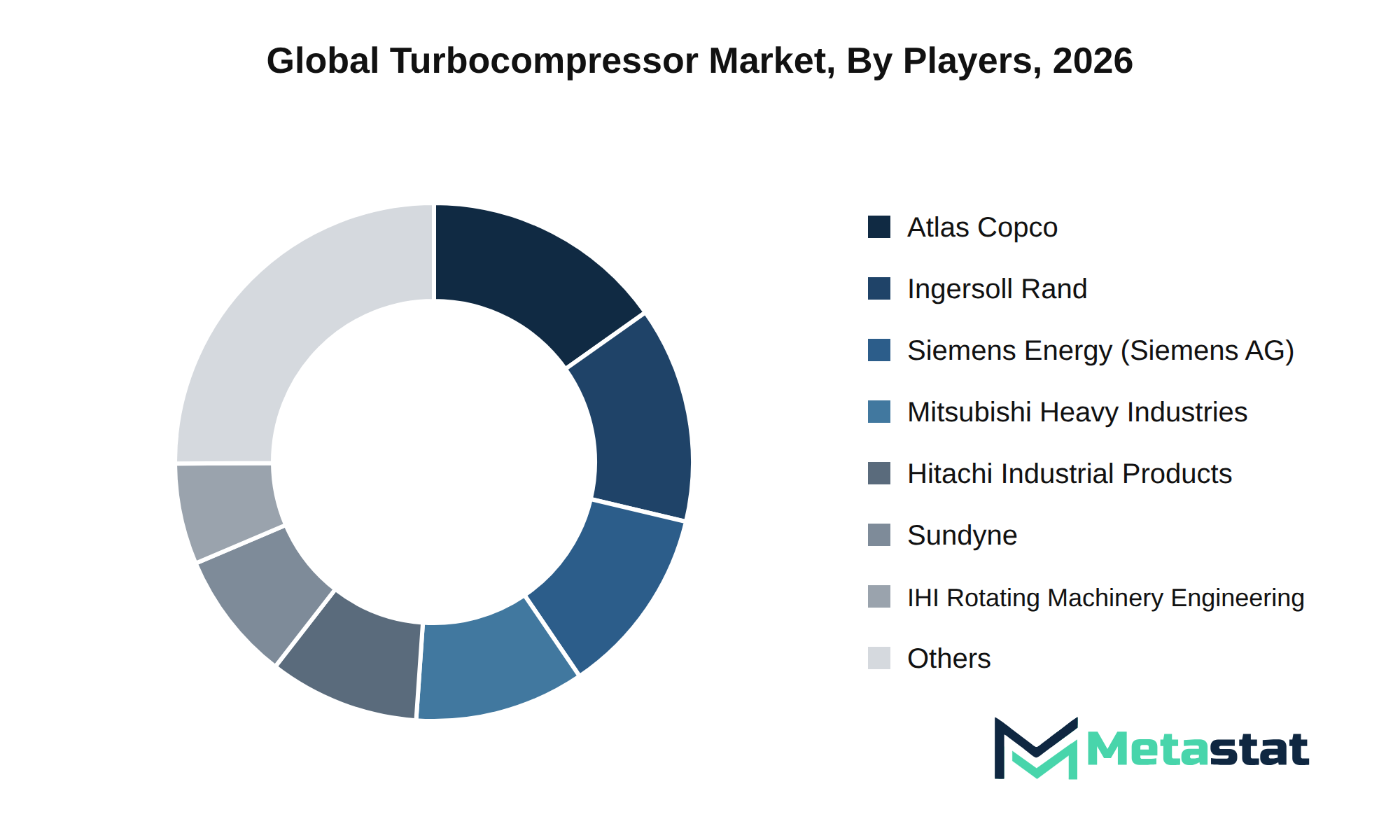
The Turbocompressor market features a diverse array of players, each employing distinct strategies to enhance competitive positioning. Companies including BOGE, Hitachi Industrial Products, Ltd., and Ingersoll Rand focus on product differentiation, leveraging proprietary technologies to cater to specialized industrial applications. These firms invest in research and development pipelines, ensuring innovative solutions that meet evolving market demands.
Strategic alliances and joint ventures are prevalent, allowing firms like Siemens Energy (Siemens AG) and Mitsubishi Heavy Industries, Ltd. to expand geographical reach and enhance product offerings. Collaboration creates a robust ecosystem, driving efficiency and innovation within the value chain. Companies proactively seek to integrate supply chains to gain procurement leverage, optimizing costs while maintaining quality standards.
The competitive outlook reflects a landscape where barriers to entry are significant, given the capital-intensive nature of the market and the technological expertise required. Players including General Electric Company and Atlas Copco Group exemplify established firms that possess substantial intellectual property portfolios, adding a layer of technological defensibility against potential new entrants.
Customer retention strategies play a critical role, with firms implementing tailored solutions to enhance brand equity and mitigate switching costs. Increasing demand for energy-efficient and high-performance turbocompressors drives growth, influencing market dynamics towards sustained investments in innovation.
Market size is forecast to rise from USD 6.2 billion in 2025 to over USD 9.6 billion by 2033. This growth aligns with a base case scenario indicating a 5.6% CAGR. The market's upward trajectory reflects a combination of macroeconomic factors, including downstream demand changes, core industry maturation, and structural consumption shifts driven by technological advancements.
In a bullish scenario, increased investments in next-generation technologies and accelerated R&D commercialization timelines lead to an even more optimistic outlook for the turbocompressor market. A bearish perspective highlights potential challenges stemming from evolving regulations and geopolitical realignments, which could hinder market growth.
Strategic capital allocation directives and infrastructure commitments, alongside emerging white-space opportunities, play critical roles in shaping future market dynamics. High-growth pockets within specific end-use industries, particularly oil and gas and industrial gases, present significant opportunities for stakeholders. Organizations navigating these complexities focus on executive-level strategic imperatives to enhance competitive positioning and drive future growth.
The report strategically identifies and profiles the key market players and analyses their core competencies in each sub-segment of the Turbocompressor market.
Report Attributes | Details |
Study Period | 2021-2033 |
Base Year | 2025 |
Estimated Year | 2026 |
Forecast Period | 2026-2033 |
Historical Period | 2021-2025 |
Growth Rate | CAGR 5.6% from 2026 to 2033 |
Revenue Unit | USD billion |
Segmentation | By Compressor Type, Compressor Configuration, Discharge Pressure, End-Use Industry, and Region |
By Region | North America (By Compressor Type, Compressor Configuration, Discharge Pressure, End-Use Industry, and Country)
|
Europe (By Compressor Type, Compressor Configuration, Discharge Pressure, End-Use Industry, and Country)
| |
Asia Pacific (By Compressor Type, Compressor Configuration, Discharge Pressure, End-Use Industry, and Country)
| |
South America (By Compressor Type, Compressor Configuration, Discharge Pressure, End-Use Industry, and Country)
| |
Middle East and Africa (By Compressor Type, Compressor Configuration, Discharge Pressure, End-Use Industry, and Country)
|
Find answers to common questions about this report
The Metastat Insights study reveals that the Turbocompressor market size was valued at USD 6.2 billion in 2025.
The Turbocompressor market is projected to grow at a CAGR of 5.6% during the forecast period from 2026 to 2033.
The North America Turbocompressor market size is estimated to reach USD 2.3 billion by 2033.
Centrifugal Turbocompressors lead the Turbocompressor market with a projected value of USD 6.8 billion in 2033, compared to USD 2.8 billion for Axial Turbocompressors in the same year.
The turbocompressor market experiences growth driven by increasing emission limits and sustainability initiatives across various industries. Regulatory frameworks encourage reduced carbon emissions, prompting companies to invest in advanced technologies that enhance energy efficiency and lower environmental impacts. These factors collectively support the market's expansion and adoption of innovative turbocompressor solutions.
The turbocompressor market faces significant restraints due to high capital investment requirements and escalating operating costs. These financial challenges impact the feasibility of acquiring and installing turbocompressors, leading to delayed project timelines and reduced implementation rates across industries including oil and gas and power generation.
Increasing emission limits and sustainability initiatives across industries favor product adoption in the turbocompressor market. Regulatory frameworks promoting reduced carbon emissions drive investments in advanced technologies, enhancing energy efficiency and lowering environmental impacts. This trend particularly influences sectors like oil and gas, chemical processing, and power generation, necessitating system upgrades to comply with stricter environmental guidelines.
The Turbocompressor market is estimated to reach a valuation of USD 9.6 billion by 2033.
Key players operating in the Turbocompressor market include BOGE, Hitachi Industrial Products, Ltd., IHI Rotating Machinery Engineering Co., Ltd., Ingersoll Rand, Atlas Copco Group, and Siemens Energy (Siemens AG).
The Axial Turbocompressors segment is projected to grow at a compound annual growth rate of 6 percent through 2033.
The analysts below cover Machinery & Equipment research at Metastat Insights.
LEAD ANALYST
Utkarsh Khirodkar is a Lead Market Research Analyst at MetaStat Insight, specializing in market intelligence, technology sector assessments, and competitive strategy.

INDUSTRY CONSULTANT - CHEMICALS & ADVANCED MATERIALS
Chemicals and Materials · Machinery & Equipment · Packaging
Amit Gadhekar Consultant for Chemicals and Materials at MetaStat Insight, directing sector-specific intelligence, research, and strategic consulting across global chemical and processing markets.

PRINCIPAL CONSULTANT - QUALITY SYSTEMS & COMPLIANCE
Electronics and Semiconductor · Machinery & Equipment · Professional Services
Omkar Phadtare is an Industry Consultant at MetaStat Insight, specializing in quality systems, regulatory compliance, and standards benchmarking to drive data-driven market intelligence and strategic industry research.

ENERGY & INFRASTRUCTURE INDUSTRY CONSULTANT
Automotive and Transportation · Electronics and Semiconductor · Energy and Power · Machinery & Equipment
Saurabh Vasant Ganvir consults for Energy & Infrastructure Industry at MetaStat Insight, specializing in renewable energy, solar EPC, and electric vehicle (EV) infrastructure markets.

LEAD CONSULTANT - COMMUNICATION, TELECOM, AND IT
Electronics and Semiconductor · Information & Technology · Machinery & Equipment · Professional Services
Ravindra Sathe Consultants for Communication, Telecom, and IT at MetaStat Insight. He leads the firm's industry research initiatives across telecommunications infrastructure, digital connectivity, enterprise networking, and emerging information technology domains.
Last Updated: September, 2026
When planning edge sensor rollouts across refinery environments, generic IoT reports typically miss the harsh-environment certification bottlenecks. MetaStat Insight gave an objective evaluation of ATEX and Class 1 Division 2 hardware availability, along with realistic five-year maintenance cycle cost projections. The comparison of wireless mesh versus private cellular backhaul helped our team pressure-test network reliability models for remote processing facilities.
In the biological seed treatment space, registration timelines vary drastically between the European Union, Brazil, and North America. The MetaStat Insight research handled these cross-border regulatory barriers with genuine nuance, mapping commercialization pathways alongside historical field adoption rates. The segmentation between microbial strains and biochemical active ingredients was particularly well structured.
Our team was tracking whether regional recycling infrastructure could realistically absorb the growing volume of lithium iron phosphate batteries over the next decade. The report did a solid job separating announced hydrometallurgical plant capacity from active, permitted operational throughput. That distinction made the feedstock availability projections and regional recovery rate models far more credible than standard commercial overviews.
Explore related market intelligence reports worth reading alongside this one.
Starting from
$2950