
LEAD ANALYST
Utkarsh Khirodkar is a Lead Market Research Analyst at MetaStat Insight, specializing in market intelligence, technology sector assessments, and competitive strategy.

United Kingdom Self-Drive Car Rental Market Size, Share, By Vehicle Class (Economy and Mini Cars, Compact Cars, Intermediate and Standard Cars, Premium and Luxury Cars, SUVs and Crossovers, MPVs and People Carriers), By Rental Duration (Short-Term (1-3 Days), Weekly (4-7 Days), Medium-Term (8-30 Days), Long-Term (More Than 30 Days)), By Application (Leisure and Tourism, Business and Corporate Travel, Replacement and Insurance, Temporary Local Mobility, Public Sector and Institutional Mobility), By Booking Channel (Direct Website and Mobile App, Online Travel Agencies and Rental Aggregators, Travel Agents and Tour Operators, Offline Branch and Call Centre, Corporate and Travel Management Channels), Industry Analysis, Growth, Trends, and Forecast, 2026-2033
Report ID
MSI-5251
Published
September, 2026
Pages
289 Pages
Format
Historical
Base year
Forecast
Forecast period
Report Details
Market Valuation: Valued at $5,531.2 Million in 2025, projected to reach $7,929 Million by 2033 at a 4.6% CAGR.
Dominant Segment: The Economy & Mini Cars segment leads the market, projected to grow from USD 1,367.2 million in 2026 to USD 1,668.3 million by 2033, driven by rising fuel costs and a preference for compact, fuel-efficient vehicles.
Geographic Lead: The United Kingdom is the primary market for self-drive car rentals, with growth driven by increasing domestic and international travel demand, particularly at key transportation hubs.
What's Inside: This report includes comprehensive analyses of market dynamics, competitive landscape, and detailed forecasts from 2026 to 2033 across various segments, applications, and booking channels.
Emerging Trends: Technological advancements in digital booking platforms and the shift towards electric vehicles are reshaping consumer expectations and driving market growth, enhancing convenience and sustainability.
Market Dynamics: Infrastructure development and digital transformation are key factors propelling market expansion, while regulatory compliance and geopolitical tensions pose challenges to growth.
Choose Your License
United Kingdom Self-Drive Car Rental Market
The United Kingdom Self-Drive Car Rental market was valued at USD 5,531.2 million in 2025 and is projected to reach USD 7,929 million by 2033, growing at a CAGR of 4.6% over the forecast period.
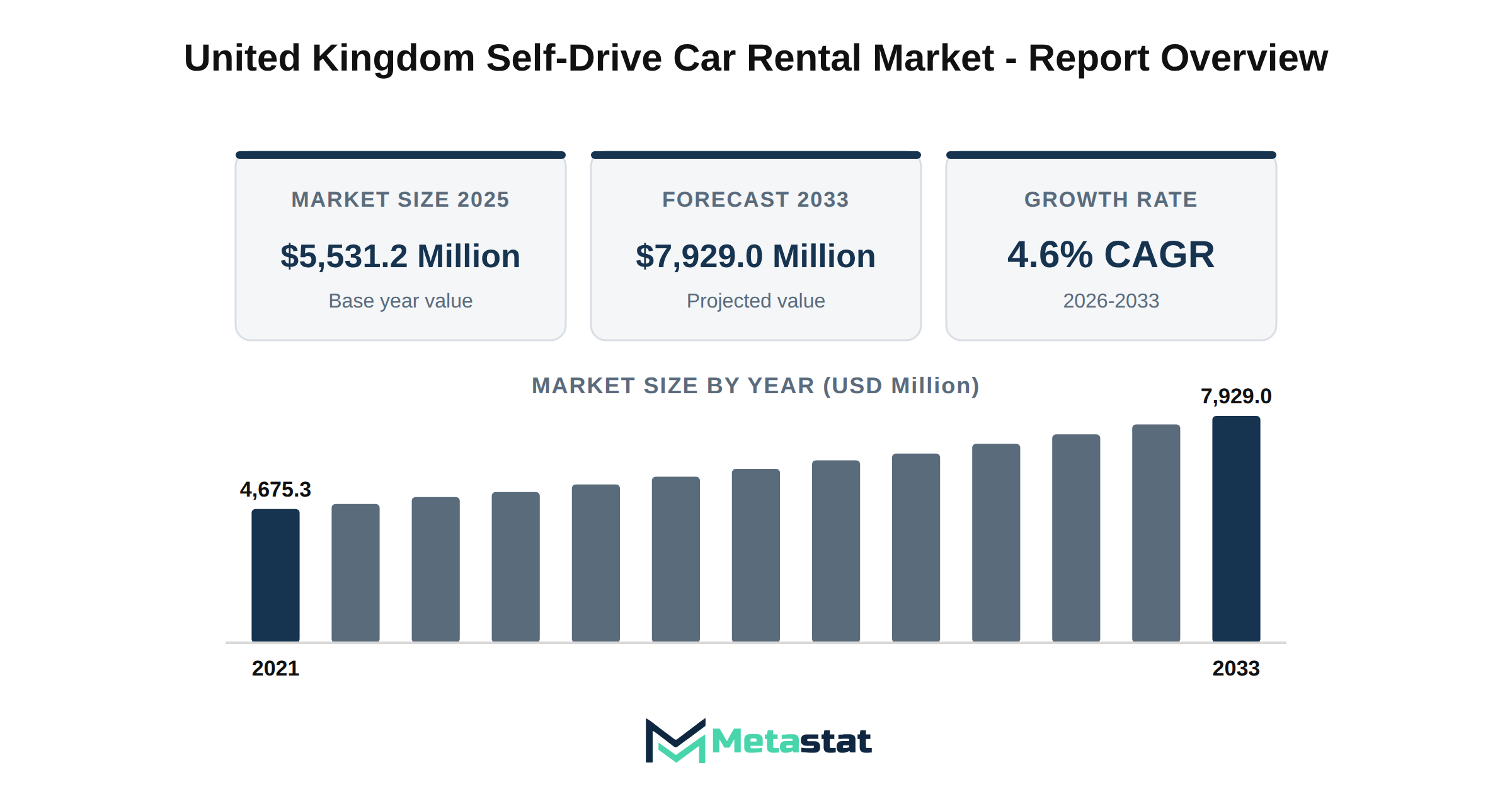
The United Kingdom Self-Drive Car Rental market reached a value of USD 5,531.2 million in 2025, reflecting an increase from USD 4,675.3 million in 2021. The market is projected to experience growth, reaching USD 7,929 million by 2033, representing a compound annual growth rate (CAGR) of 4.6% during the forecast period from 2026 to 2033.
Digital check-in and keyless rental adoption enhance customer convenience and streamline rental processes. These technological advancements improve customer satisfaction and operational efficiency within the market.
Fleet electrification and low-emission rental growth significantly impact rental operators and consumers. The demand for environmentally friendly vehicles aligns with increasing regulatory pressure and consumer preference for sustainable transportation options, influencing fleet composition.
Car-sharing and peer-to-peer expansion contribute to changing rental dynamics. Market participants adapt to these trends to attract a broader customer base seeking flexible mobility solutions.
Dynamic pricing and ancillary fee trends shape rental pricing strategies. Operators implement these strategies to optimize revenue management while responding to fluctuating demand patterns.
Tourism demand and airport-rail mobility shifts drive rental service needs. The accessibility of rental services at key travel hubs enhances customer convenience and supports market growth.
The growth of online and app-based car rental booking platforms reshapes the customer experience. These platforms offer greater accessibility and flexibility, catering to evolving consumer preferences.
The shift toward electric and low-emission rental vehicles reflects changing market demands and regulatory requirements. Operators increasingly incorporate electric vehicles into their fleets to meet sustainability goals and consumer expectations.
Expansion of car-sharing and peer-to-peer rental models influences competitive dynamics. These alternatives attract customers seeking cost-effective and flexible mobility solutions, impacting traditional rental providers.
Changing tourist and leisure car rental demand highlights evolving consumer preferences. Providers adapt their offerings to meet the needs of a diverse customer base, particularly in response to shifts in travel patterns and preferences.
Evolving customer expectations for flexible and contactless rentals necessitate adaptations in service delivery. Providers enhance their offerings to align with consumer demands for convenience and safety.
The adoption of digital check-in and keyless rental solutions enhances the overall customer experience in the United Kingdom Self-Drive Car Rental market. This trend aligns with growing consumer expectations for convenience and efficiency. Implementing technology-driven solutions facilitates quicker vehicle access and reduces wait times, resulting in a more streamlined rental process.
Fleet electrification is gaining momentum within the market, driven by increasing consumer awareness regarding environmental sustainability. Rental companies are expanding their electric and low-emission vehicle offerings, which not only meet regulatory requirements but attract eco-conscious customers. This shift in fleet composition supports the decarbonization goals of the industry while responding to changing customer preferences.
The expansion of car-sharing and peer-to-peer rental models represents a significant trend impacting the market. These innovative rental options cater to the evolving needs of consumers seeking flexible and affordable transportation solutions. The growth of platforms facilitating peer-to-peer rentals enables individuals to monetize their vehicles, further diversifying rental offerings in the market.
Dynamic pricing strategies and ancillary fee trends play a crucial role in shaping rental pricing structures. Companies are leveraging data analytics to optimize pricing based on demand fluctuations, seasonality, and customer behavior. This approach enhances revenue management while providing customers with options tailored to their preferences.
Tourism demand and airport-rail mobility shifts significantly influence rental activity within the market. Growth in international travel and domestic tourism encourages rental usage, particularly near major transportation hubs. Collaboration between rental companies and transportation providers enhances accessibility for travelers, further boosting demand.
The growth of online and app-based car rental booking platforms transforms how consumers interact with the market. Digital channels offer convenience and accessibility, allowing customers to compare prices, check availability, and make bookings seamlessly. This trend has prompted traditional rental companies to enhance their digital capabilities to remain competitive.
The shift toward electric and low-emission rental vehicles aligns with the industry's commitment to sustainability. Consumers increasingly prioritize environmentally friendly options when selecting rental vehicles, prompting companies to adapt their fleets accordingly. This transition reflects broader societal trends towards sustainability and responsible travel.
Changing tourist and leisure car rental demand highlights the importance of understanding customer preferences. Shifts in travel patterns and consumer behavior necessitate flexibility in rental offerings. Companies are adapting their services to accommodate varying rental durations and preferences, enhancing customer satisfaction.
Customer expectations for flexible and contactless rentals continue to evolve. The desire for convenience drives the adoption of solutions that minimize direct interaction, including mobile check-in and contactless vehicle access. Meeting these expectations enhances customer loyalty and retention within the market.
Pricing, fuel costs, and rental affordability significantly impact consumer decisions. Fluctuations in fuel prices influence rental demand, prompting companies to develop competitive pricing strategies that appeal to a price-sensitive audience. Balancing affordability while ensuring profitability remains a challenge for market players.
The role of airports, rail stations, and tourism hubs is crucial in driving rental demand. Proximity to transportation infrastructure enhances the visibility of rental services, making them more accessible to travelers. Strategic partnerships with transportation providers further strengthen this effect, creating a symbiotic relationship between sectors.
Sustainability trends are reshaping car rental services in the United Kingdom Self-Drive Car Rental market. Growing consumer awareness regarding climate change and environmental impact encourages rental companies to adopt sustainable practices. This includes implementing green initiatives within operations and promoting eco-friendly vehicle options.
Technology adoption in vehicle access, booking, and customer service continues to enhance the rental experience. Companies are investing in advanced technologies to improve customer interaction, streamline operations, and enhance service delivery. This focus on innovation positions rental providers to better meet the demands of modern consumers.
The competition between traditional and digital rental providers intensifies due to the market evolution. Digital entrants challenge established companies by offering innovative solutions and enhanced customer experiences. Traditional players are increasingly adopting digital strategies to retain market share and remain relevant in a rapidly changing environment.
Regulatory and environmental changes significantly influence the operations of car rental companies in the United Kingdom. Compliance with evolving regulations regarding emissions and vehicle standards necessitates strategic adjustments within rental fleets and operational practices.
Future opportunities within the UK travel and tourism rental market remain promising. A focus on sustainable practices, technological advancements, and the integration of new business models positions the market for continued growth. Companies that adapt to these trends will likely capture emerging opportunities and enhance their competitive edge.
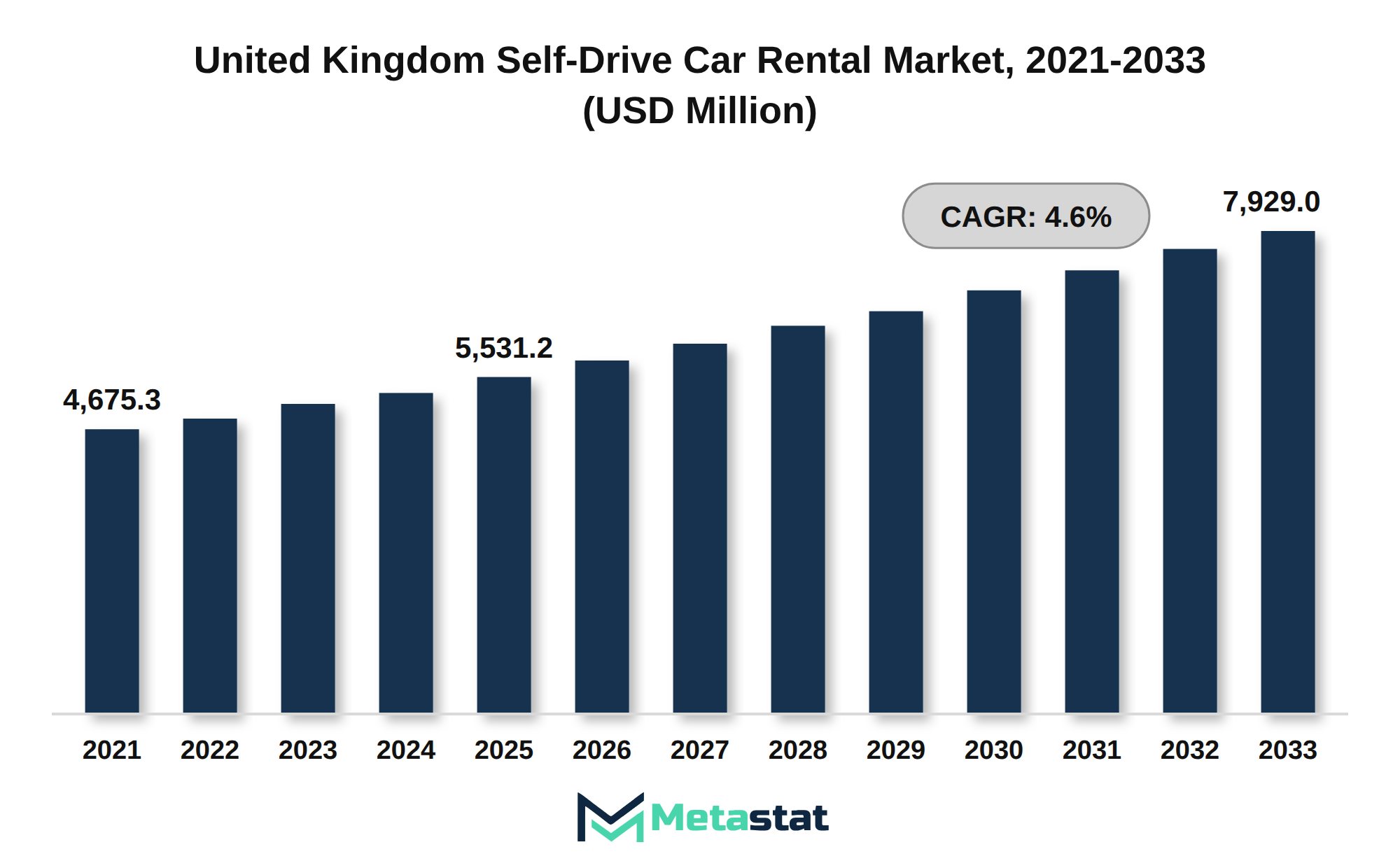
The United Kingdom Self-Drive Car Rental market experiences significant growth driven by ongoing digital transformation across various sectors. Consumers increasingly seek efficient rental experiences, prompting companies to invest in advanced technologies and platforms. Enhanced online booking systems, mobile applications, and digital payment solutions streamline the rental process, allowing customers to make reservations quickly and conveniently.
This shift towards technology adoption increases customer satisfaction and loyalty. Companies that embrace digital solutions position themselves competitively, attracting tech-savvy consumers. Innovations including GPS tracking, real-time vehicle availability updates, and automated customer support services improve operational efficiency and enhance user experiences.
Growing demand for enhanced digital interactions compels businesses in the market to adapt their strategies to include technological advancements. This commitment to digital transformation aligns with changing consumer behaviors, promoting a more efficient rental process and contributing to revenue growth in the United Kingdom Self-Drive Car Rental market.
Investment in infrastructure development significantly influences the United Kingdom Self-Drive Car Rental market. Upgrading digital and physical assets facilitates improved service delivery, enhancing customer satisfaction. The expansion of transportation networks, including roads and charging stations for electric vehicles, supports increased accessibility and convenience for consumers. This improved infrastructure attracts a wider customer base, which increases rental demand.
Technological advancements, particularly in digital platforms, streamline booking processes and enhance operational efficiency. Adoption of software solutions enables rental companies to optimize fleet management, reducing overhead and enhancing service capabilities. This integration of technology leads to cost efficiencies, allowing businesses to offer competitive pricing while maintaining service quality.
Market players utilize infrastructure improvements to diversify their offerings and enhance customer experiences. The focus on modernizing facilities and digital interfaces aligns with shifting consumer preferences towards convenient rental experiences. Overall, the emphasis on infrastructure development serves because a catalyst for growth within the market, creating a more robust rental ecosystem.
The United Kingdom Self-Drive Car Rental market experiences several challenges stemming from regulatory compliance and macroeconomic factors. Regulations surrounding emissions and safety standards create complexities for operators, increasing operational costs and complicating fleet management. Compliance with stringent legal mandates absorbs resources, restricting the flexibility of service providers to adapt to market changes and consumer demands.
Macroeconomic headwinds, including inflationary pressures and rising operating costs, pose additional restraints on the market. These economic factors lead to higher rental prices, which deter potential customers and slow overall market growth. Escalating capital investments required for fleet upgrades and technology integration further constrain financial resources, limiting the ability to innovate and expand service offerings.
Supply chain disruptions impact the availability of vehicles, making it challenging for rental companies to maintain a diverse and modern fleet. This situation results in decreased customer satisfaction due to limited vehicle options. The combination of these factors creates a complex environment that restricts growth potential within the United Kingdom Self-Drive Car Rental market.
Geopolitical fragmentation significantly impacts the United Kingdom Self-Drive Car Rental market, creating challenges in supply chain stability. Heightened trade deficits and tariff friction contribute to increased costs for car rental companies, straining operational margins. This economic environment creates uncertainty that affects procurement strategies, limiting access to necessary components and feedstocks essential for fleet management and maintenance.
The volatility in supply chains results in logistics disruptions that affect timely vehicle availability. Fluctuations in global trade dynamics complicate sourcing, leading to delays in fleet renewal cycles and increased operational challenges for service providers. This situation necessitates careful inventory management and strategic planning to maintain service levels and customer satisfaction.
Tightening regional regulatory standards increase compliance overhead for rental operators. These evolving legal liabilities require additional investments in documentation and processes, diverting resources away from growth initiatives. While the market adapts, companies face pressures not only to meet regulatory requirements but to manage rising input costs associated with compliance. The interplay between these factors shapes the overall competitive environment, impacting the growth trajectory of the United Kingdom Self-Drive Car Rental market.
The United Kingdom Self-Drive Car Rental market stands poised for substantial growth driven by technological disruptions. Innovations in mobile applications and automation improve booking processes, providing users with enhanced convenience and efficiency. Such advancements attract a growing base of consumers favoring digital experiences, particularly in urban areas where mobility options diversify. Integration of artificial intelligence into fleet management optimizes vehicle utilization, reduces operational costs, and improves service delivery, strengthening market positioning.
The shift towards eco-friendly vehicles aligns with evolving consumer preferences, highlighting sustainability imperatives within the market. The introduction of electric and hybrid vehicles into rental fleets supports environmental objectives, enhancing appeal to eco-conscious customers. Consequently, rental companies integrating green technologies differentiate their offerings, tap into niche markets, and promote brand loyalty.
Increased investment in data analytics allows firms to better understand customer behaviors and preferences, enabling targeted marketing strategies. By leveraging insights from digital procurement shifts, companies optimize their service offerings, further driving demand within the United Kingdom Self-Drive Car Rental market. This evolving landscape creates opportunities for strategic consolidation and partnerships, enhancing overall market resilience and competitive advantage.
The United Kingdom Self-Drive Car Rental market is segmented based on Vehicle Class, Rental Duration, Application, and Booking Channel.
Growth within the Economy & Mini Cars segment reflects increasing demand for affordable and compact transportation solutions among consumers in urban areas. Valued at USD 1,367.2 million in 2026, this segment is projected to reach USD 1,668.3 million by 2033, at a CAGR of 2.9% during the forecast period. Rising fuel costs and greater environmental awareness drive this demand, leading to a preference for smaller, fuel-efficient vehicles. The segment benefits from a shift in consumer behavior toward rental services for short trips and leisure activities, particularly in city environments.
The adoption of next-generation upgrades, including enhanced digital platforms and mobile applications, improves the booking process and user experience. This technological maturation creates a competitive landscape that encourages companies to invest in innovative solutions. Companies operating in the United Kingdom Self-Drive Car Rental market focus on offering a rental experience that allows customers to access vehicles with minimal friction.
Increased regional travel and tourism contribute to the expansion of the Economy & Mini Cars segment. Demand from both domestic and international travelers highlights the importance of convenient and affordable vehicle options. Regulatory compliance surrounding emissions standards drives manufacturers to innovate, ensuring that vehicles meet environmental requirements while maintaining cost-effectiveness.
Pricing volatility affects the segment, with fluctuations in fuel prices and operational costs directly influencing rental rates. Companies address margin pressures by optimizing fleet management and diversifying vehicle offerings to appeal to various consumer preferences. This strategic approach enables players in the market to sustain competitiveness and cater to evolving customer expectations.
Compact Cars represent a significant portion of the United Kingdom Self-Drive Car Rental market, contributing to diverse consumer preferences for cost-effective and practical transportation solutions. Demand for Compact Cars arises from leisure travelers and business clients seeking convenience and affordability. The segment is projected to reach USD 1,427.2 million by 2033, at a CAGR of 3.3% during the forecast period.
Increased urbanization and rising fuel prices drive consumer interest in Compact Cars, which offer better fuel efficiency compared to larger vehicles. The smaller size of these cars enhances maneuverability in congested city environments, appealing to individuals navigating urban areas. Technological advancements in compact car features, including enhanced safety options and integrated infotainment systems, contribute to market attractiveness.
Shifts in consumer behavior toward environmentally sustainable options further support the Compact Cars segment within the market. Manufacturers are investing in hybrid and electric versions of Compact Cars to cater to eco-conscious customers. The ongoing evolution of automotive technology facilitates improved performance and reduced emissions, aligning with consumers' growing environmental concerns.
The Compact Cars segment benefits from competitive pricing strategies, allowing rental companies to appeal to a broader audience. Rental duration options, especially short-term rentals, promote flexibility and convenience for consumers requiring vehicles for brief periods. This trend highlights the segment's importance within overall market dynamics.
Demand for Intermediate & Standard Cars within the United Kingdom Self-Drive Car Rental market is driven by the rising preference for mid-range vehicles among travelers seeking comfort without excessive costs. Increasing urbanization and growing tourism contribute to this demand, with customers prioritizing practicality and value in their rental choices. By 2033, this segment is projected to reach USD 1,400.3 million, reflecting sustained interest and willingness to embrace these vehicle classes.
The segment benefits from evolving customer expectations, where enhanced vehicle features and technologies including advanced safety systems and connectivity options lead to improved customer satisfaction. Companies investing in fleet upgrades and maintaining competitive pricing strategies capture emerging market opportunities. The evolution of rental services toward more flexible rental durations aligns with consumer trends, supporting growth within this category.
Regulatory compliance regarding emissions and safety standards significantly influences operations within the market. Rental companies that adapt to these regulations enhance their competitive edge and meet the expectations of environmentally conscious customers. Strategic partnerships between manufacturers and rental agencies streamline vehicle availability, enhancing the customer experience and facilitating growth in the segment.
Cost pressures associated with vehicle procurement and maintenance impact profitability, necessitating careful management of operational expenses. Companies that optimize their supply chain and leverage technological advancements mitigate these challenges. The positive forecast for Intermediate & Standard Cars reflects a favorable outlook, driven by strategic investments and innovative approaches within the United Kingdom Self-Drive Car Rental market.
Growth in the Premium & Luxury Cars segment aligns with increasing consumer preferences for high-end vehicles in the United Kingdom Self-Drive Car Rental market. This shift reflects changing travel trends, where affluent customers seek unique experiences while renting vehicles for leisure or business purposes. The segment is projected to grow at a CAGR of 5.7% during the forecast period, driven by strong demand from both leisure and business travelers.
Investment in premium vehicle fleets enhances the attractiveness of rental offerings. Companies in the market invest in next-generation upgrades and technological advancements to differentiate their services and ensure customer satisfaction. Customers increasingly value features including enhanced safety, performance, and luxury, leading to an uptick in premium car rentals. The rise of online booking platforms facilitates access to luxury vehicles, increasing the segment's visibility and appeal.
Regulatory compliance surrounding vehicle standards and emissions influences market dynamics. Increasingly stringent environmental regulations prompt rental companies to invest in new, more efficient luxury vehicles that comply with these standards. This regulatory landscape ensures that the segment remains competitive while satisfying consumer demand for sustainability.
While the market evolves, shifts in consumer behavior indicate a growing preference for short-term rentals of luxury vehicles during special occasions or holidays. This trend creates opportunities for rental companies to develop tailored packages that target affluent consumers seeking unique experiences. Overall, the Premium & Luxury Cars segment remains a vital growth area within the United Kingdom Self-Drive Car Rental market, promising strong returns on investment.
Demand for SUVs and Crossovers in the United Kingdom Self-Drive Car Rental market reflects shifting consumer preferences towards vehicles that offer both space and versatility. Increasing interest in leisure travel, coupled with a rise in family trips, drives the need for larger vehicles suited for various terrains and passenger capacities.
Segment expansion benefits from technological advancements, resulting in enhanced features including improved fuel efficiency and integrated connectivity. These innovations contribute to the appeal of SUVs and Crossovers, allowing operators to differentiate their offerings in a competitive market.
Adoption of these vehicles benefits from favorable end-use dynamics, particularly within leisure and tourism applications. Consumers increasingly select SUVs and Crossovers for vacations and weekend getaways, prioritizing comfort and capability in diverse driving conditions.
Pricing volatility presents challenges, influenced by raw material sourcing and supply chain resilience. Fluctuations in fuel prices impact overall rental rates, affecting consumer choices because they weigh the costs associated with larger vehicles against their benefits.
Strategic opportunity windows exist for rental companies that invest in environmentally friendly alternatives within this segment. The transition towards electric SUVs and Crossovers aligns with growing consumer awareness of sustainability, positioning companies to capture a broader customer base seeking eco-friendly options.
The demand landscape for SUVs and Crossovers illustrates the evolving preferences of consumers in the United Kingdom Self-Drive Car Rental market, highlighting the segment's potential for sustained growth amid shifting market dynamics.
Growth in the MPVs & People Carriers segment stems from increasing consumer preference for spacious vehicles that accommodate larger groups and families. This shift aligns with trends in leisure travel and group outings, expanding the appeal of these vehicles in the United Kingdom Self-Drive Car Rental market. Enhanced comfort and versatility of MPVs & People Carriers increase their attractiveness to families, making them ideal choices for vacations or local travel.
Technological advancements contribute significantly to this segment, with next-generation upgrades in safety and efficiency driving adoption. Improved fuel efficiency and inclusion of modern infotainment systems appeal to consumers, increasing satisfaction and encouraging repeat rentals. Regulations promoting environmental sustainability further support the demand for MPVs with lower emissions, aligning consumer preferences with legislative expectations.
The competitive landscape within this segment is influenced by pricing strategies and the availability of fleet options. Suppliers offering flexible rental durations and competitive pricing enhance customer appeal, allowing for increased market share. Cost structures related to fleet maintenance and acquisition directly impact pricing and margin dynamics, influencing overall profitability. This interplay shapes the competitive environment.
While consumer preferences evolve, the market observes a notable shift towards experiences rather than ownership, driving the demand for rental vehicles, including MPVs & People Carriers. The focus on convenience and access to a variety of vehicle types positions this segment for continued relevance within the United Kingdom Self-Drive Car Rental market. This trend highlights the changing dynamics of consumer behavior in the rental sector.
Interest in specialty vehicles including sports cars and convertibles continues to grow within the United Kingdom Self-Drive Car Rental market. This segment attracts consumers seeking unique experiences and luxury options during their travels. Factors driving this demand include an increase in disposable income, heightened awareness of travel experiences, and a shift towards leisure-oriented travel. Consumers increasingly perceive sports cars and convertibles because symbols of status and lifestyle, further influencing their rental preferences.
Market dynamics indicate that technological advancements play a crucial role in the evolution of this segment. Enhanced vehicle features and connectivity attract new customers, while expanding product offerings by rental companies create competitive advantages. The focus on customer experiences and the integration of next-generation upgrades will continue to enhance the appeal of sports cars and convertibles.
Changing consumption patterns among travelers highlight the importance of leisure and tourism applications within this segment. Seasonal spikes in demand coincide with holiday periods, festivals, and events, prompting rental companies to expand their offerings. Partnerships with travel agencies and online platforms streamline booking processes, increasing accessibility to these specialty vehicles.
Regulatory compliance ensures that safety and environmental standards remain a top priority for rental companies. Adhering to these standards influences operational costs and impacts consumer confidence in the market. While awareness of sustainability grows, rental companies focus on maintaining a fleet that includes environmentally friendly specialty vehicles, supporting long-term growth in this segment.
Strategic investment opportunities exist within the Others (Sports Cars, Convertibles, Specialty Vehicles) segment. By expanding their fleets and enhancing marketing efforts, rental companies capitalize on the growing interest in unique travel experiences. The ongoing evolution of this market segment reflects a broader trend towards personalization, enabling consumers to select vehicles that align with their interests and lifestyles.
Valued at USD 2,719.9 million in 2026, the Short-Term (1-3 Days) segment of the United Kingdom Self-Drive Car Rental market is projected to reach USD 3,330.2 million by 2033, representing a CAGR of 2.9% during the forecast period. This segment attracts customers seeking flexibility and convenience, often driven by travel requirements that demand short-term mobility solutions. A notable increase in domestic and international travel fuels demand, further driving the sector's growth.
The expansion of technology in booking channels significantly influences consumer preference towards short-term rentals. Direct website and mobile app bookings provide an efficient experience, catering to the increasing expectation for instant access and simplified transactions. The rising trend of experiential travel boosts bookings for short durations, appealing especially to younger demographics valuing spontaneity.
Regulatory compliance standards surrounding vehicle safety and environmental considerations impact operational practices within this segment. Renting vehicles for short-term use aligns with sustainable practices, reflecting customers' growing consciousness of their carbon footprint. The adoption of hybrid and electric vehicles in the fleet enhances appeal, meeting the preferences of environmentally aware consumers.
Pricing volatility remains a challenge in the Short-Term (1-3 Days) segment, influenced by fluctuating demand peaks during holiday seasons and special events. Rental companies adjust pricing strategies to align with market conditions, affecting profitability margins. Nevertheless, this agile pricing approach allows businesses to capitalize on increased demand during critical booking periods.
Investment in strategic marketing initiatives targeting both leisure and business travelers cultivates growth opportunities in this segment. The United Kingdom Self-Drive Car Rental market sees a continuous evolution towards personalized services, ensuring that customer preferences for shorter rental durations receive the necessary attention. By focusing on enhancing customer experiences, rental companies enhance their market position and drive revenue growth.
In the United Kingdom Self-Drive Car Rental market, the Weekly (4-7 Days) segment is expected to reach USD 1,982.2 million by 2033, at a CAGR of 3.7% during the forecast period. Increased consumer preferences for flexibility and access to vehicles for medium-length trips significantly drive demand within this segment. The rise in domestic and international travel contributes to higher utilization rates of rental services, especially during peak holiday seasons.
Technological advancements further enhance booking efficiency, enabling users to secure rentals through various digital platforms seamlessly. In particular, the integration of mobile applications facilitates smoother rental experiences, appealing to tech-savvy customers seeking convenience. The growing trend of experiential travel inspires consumers to explore diverse destinations, leading to an uptick in short-term rentals.
Regulatory compliance impacts operational strategies within this segment, driven by companies adapting to evolving standards related to safety and environmental concerns. Effective management of rental fleets, along with proactive investments in sustainable vehicle options, positions players to meet customer expectations and regulatory requirements. The market continues to evolve, with opportunities emerging for rental companies to innovate and capture market share.
Overall, the Weekly (4-7 Days) segment reflects a changing environment within the United Kingdom Self-Drive Car Rental market, with growth potential driven by shifting consumer behaviors and technological integration.
Increasing preference for longer rentals drives growth within the Medium-Term (8-30 Days) segment of the United Kingdom Self-Drive Car Rental market. This segment shows a steady upward trajectory, with an expected value of USD 1,585.8 million by 2033. Shifts in consumer behavior, particularly among business travelers and tourists, contribute to this expansion, driven by customers seeking flexibility and convenience during extended travel periods.
Technological advancements enhance customer experiences, leading to greater adoption of self-drive rentals for medium-term durations. Improved digital platforms streamline booking processes, allowing users to secure vehicles effortlessly for longer periods. The rising popularity of remote work arrangements influences demand for longer rental durations, because professionals require transport solutions that accommodate their mobility needs.
Competitive pricing strategies and promotional offers from rental companies further stimulate interest in medium-term rentals. Companies that effectively communicate value propositions, including bundled services or loyalty programs, attract more customers seeking cost-effective travel solutions. Such approaches enhance the appeal of medium-term rentals, resulting in increased market penetration and revenue generation.
Ultimately, the Medium-Term (8-30 Days) segment significantly influences the overall growth trajectory of the market. By addressing evolving consumer preferences and leveraging technological innovations, rental companies position themselves favorably within this expanding sector.
Strong interest in long-term rentals reflects changing consumer preferences, particularly among corporate clients and long-term travelers. This segment provides flexibility for businesses requiring temporary vehicle solutions for extended periods. The Long-Term (More Than 30 Days) segment is projected to grow at a CAGR of 8.9% during the forecast period. Increased mobility requirements in urban areas and a growing inclination towards leisure travel contribute to this demand. Corporate clients increasingly rely on long-term rentals to manage fleet needs without the burdens of ownership. Technological advancements in vehicle tracking and management streamline operations, enhancing customer satisfaction. The expansion of the long-term rental market within the United Kingdom Self-Drive Car Rental market signals a significant shift towards more flexible mobility solutions, aligning with broader trends of digitalization and customer-centric services.
Projected growth in the Leisure & Tourism segment of the United Kingdom Self-Drive Car Rental market aligns with increasing consumer preference for flexible travel options. This segment is valued at USD 2,185.2 million in 2026 and is projected to reach USD 2,870.3 million by 2033, at a CAGR of 4% during the forecast period. The rise in domestic tourism and international travel demand serves because primary drivers. Factors contributing to this expansion include the growing inclination for personalized travel experiences and the desire for convenience.
Technological advancements in booking platforms enhance the user experience, facilitating easier access to rental services. The integration of mobile applications allows consumers to manage bookings conveniently, contributing to increased customer engagement. Partnerships with local tourism boards and travel agencies strengthen visibility within the market.
Regulatory compliance, including adherence to safety standards, remains critical for rental companies in the Leisure & Tourism segment. Meeting these requirements builds consumer trust and influences purchasing decisions. Cost structures, influenced by vehicle maintenance and fleet management, impact rental pricing strategies.
Investment in marketing initiatives targeting leisure travelers aims to further support the segment's growth. The ongoing evolution of consumer preferences towards sustainable travel options creates opportunities for rental companies to diversify their fleets with eco-friendly vehicles. This strategic adaptation is likely to enhance competitive positioning within the market.
Growth in the Business & Corporate Travel segment reflects increasing reliance on self-drive car rental options for professional engagements. Businesses prioritize flexibility and convenience, driving demand for rental vehicles tailored to corporate needs. This segment is estimated to reach USD 1,823.7 million by 2033, at a CAGR of 3.6% during the forecast period.
Technological advancements enhance user experiences, enabling efficient booking and vehicle selection through digital platforms. Companies emphasize efficient transportation solutions, leading to a shift toward self-drive rentals over traditional taxi services. This transition supports overall market expansion, particularly driven by evolving corporate mobility.
Competition among providers intensifies, with major players adapting their offerings to meet the unique demands of business travelers. Enhanced vehicle tracking and customer service initiatives contribute to client retention and satisfaction. Investment in this segment reflects a broader trend of prioritizing convenience and immediacy in the United Kingdom Self-Drive Car Rental market.
Demand shifts within the United Kingdom Self-Drive Car Rental market fuel growth in the Replacement & Insurance segment. Increasing road accidents and vehicle damages significantly contribute to this demand, creating opportunities for rental firms to provide temporary vehicles while customers’ cars undergo repairs. This segment is projected to reach USD 1,347.9 million by 2033, driven by the necessity for prompt mobility solutions in the face of vehicle downtime.
Technological advancements in rental platforms enhance user experience, with improved booking processes and management systems. Higher adoption of mobile applications facilitates customer engagement, allowing for instant access to rental options and efficient transactions. This shift in consumer behavior towards digital solutions drives segment growth and attracts a broader customer base.
Economic fluctuations impact consumers' willingness to purchase vehicles, leading to increased reliance on rental services for short-term needs. Businesses frequently rely on rentals for emergency or temporary transportation needs. This trend highlights the vital role of the Replacement & Insurance segment within the overall market, particularly during economic downturns when vehicle ownership becomes less appealing.
Overall, the interaction of demand dynamics, technological enhancements, and economic factors drives the evolution of the Replacement & Insurance segment in the market, reflecting the changing preferences and needs of consumers in the United Kingdom.
Projected growth within the Temporary Local Mobility segment reflects a rising demand for short-term transportation solutions. Factors driving this trend include urbanization, increased travel frequency, and a preference for flexible transportation options. Businesses and individuals seeking short-term rentals for local events, temporary work assignments, or tourism contribute significantly to this segment's revenue potential. The evolving nature of urban transportation, coupled with technological advancements, enhances customer experiences and streamlines booking processes.
Valued at USD 2,185.2 million in 2026, the Temporary Local Mobility segment is anticipated to reach USD 2,870.3 million by 2033, with a CAGR of 6.5% during the forecast period. This growth trajectory indicates strong market potential, driven by businesses and consumers prioritizing convenient and accessible transportation solutions. Enhanced mobile applications and online platforms facilitate efficient rental processes, encouraging greater participation in the market. The increased focus on sustainability and environmental impact influences consumer preferences, prompting a shift towards eco-friendly vehicle options.
The Temporary Local Mobility segment within the United Kingdom Self-Drive Car Rental market is poised for substantial growth, supported by evolving demand patterns and technological innovations. The financial outlook suggests a strong market, characterized by a blend of customer convenience and flexibility that caters to diverse transportation needs.
Demand for car rentals within the Public Sector & Institutional Mobility segment reflects a growing emphasis on flexible transportation solutions. Increasing government and institutional reliance on self-drive vehicles supports this trend, driven by an emphasis on budget efficiency and operational flexibility. Through the rental of vehicles, institutions access modern fleets without the overhead costs associated with ownership, enabling more efficient allocation of public funds.
A continued shift toward sustainable practices influences rental choices, with institutions prioritizing eco-friendly vehicle options. This aligns with broader environmental policies aimed at reducing carbon footprints and promoting greener mobility solutions. Rental companies responding to this demand upgrade their fleets to include hybrid and electric vehicles, ensuring compliance with evolving regulatory standards that underpin public sector operations.
Technological advancements further enhance the appeal of self-drive rentals in this sector. The integration of next-gen technologies, including real-time tracking and user-friendly booking systems, improves user experiences. This improvisation creates an environment of increased adoption among institutional clients seeking reliable and efficient transportation methods.
Cost structures within the Public Sector & Institutional Mobility segment reflect competitive pricing strategies that appeal to budget-conscious entities. By leveraging rental agreements, organizations confidently manage budgets while addressing transportation needs, reducing the financial strain associated with fleet maintenance and operation.
The growing focus on mobility because a service (MaaS) presents strategic opportunities for rental companies within the United Kingdom Self-Drive Car Rental market. This approach encourages collaboration between rental agencies and public transport systems, creating a more integrated transportation ecosystem. Such developments encourage institutions to explore rental options because a viable solution for various transportation requirements.
Increasing interest in special-use mobility solutions driven by events, production needs, and unique applications influences the United Kingdom Self-Drive Car Rental market. This sub-segment attracts demand from various sectors requiring tailored transportation solutions, especially during events that require logistics support and mobility options for attendees. The growing trend of remote working and virtual events highlights the importance of efficient transportation arrangements for both corporate and individual needs.
Technological advancements play a crucial role in enhancing the offerings available in this sub-segment. Innovations in vehicle technology, including electric and hybrid options, cater to consumers seeking sustainable transportation alternatives. This evolution aligns with a broader commitment to environmental responsibility, encouraging organizations to consider self-drive rentals for their special-use transportation requirements.
Shifts in consumer behavior towards flexibility and cost efficiency impact the demand for self-drive vehicles in special contexts. Companies increasingly seek to optimize operational costs while ensuring a reliable transportation solution for events or specific projects. This focus on efficiency creates opportunities for growth within the segment, allowing suppliers to adapt their offerings to meet unique client specifications.
Regulatory frameworks surrounding environmental standards and emissions significantly shape the dynamics of this sub-segment. Compliance with these guidelines influences vehicle availability and rental terms, prompting providers to offer vehicles that adhere to current regulations. Overall, these factors contribute to a strategic opportunity window for innovation and investment within the special-use mobility sector of the market.
Valued at USD 2,102.3 million in 2026, the Direct Website & Mobile App segment is projected to reach USD 3,330.2 million by 2033, at a CAGR of 6.8% during the forecast period. A significant driver for this growth stems from the increasing consumer preference for digital platforms, which streamline the booking process and enhance user experience. Enhanced accessibility to rental services through mobile applications and websites leads to higher customer engagement and streamlined transactions.
Technological advancements contribute to the segment's expansion by enabling features including real-time availability, flexible pricing, and personalized offers. The integration of user-friendly interfaces and secure payment options reinforces customer trust and satisfaction. Increased adoption of mobile and online booking channels within the United Kingdom Self-Drive Car Rental market aligns with evolving consumer behavior, particularly among tech-savvy travelers and younger demographics.
The competitive landscape intensifies owing to various rental companies investing in digital marketing and innovative booking solutions, enhancing their market reach. Companies that prioritize their online presence and mobile accessibility position themselves favorably against competitors. This strategic focus on digital channels encourages new customer acquisitions and builds customer loyalty, ultimately driving revenue growth within the segment.
The momentum within the Direct Website & Mobile App segment reflects a broader shift toward digitalization in the United Kingdom Self-Drive Car Rental market, highlighting the importance of flexible, customer-centric solutions in meeting evolving consumer demands.
In the online travel agencies and rental aggregators segment, growth reflects the increasing reliance on digital platforms for booking self-drive car rentals. While consumers prefer the convenience of online transactions, platforms providing streamlined booking processes attract a broader customer base. This trend drives the segment's expansion, with an estimated value of USD 2,299.4 million by 2033, at a CAGR of 5.8% during the forecast period.
Technological maturation enhances this segment, with advancements in mobile applications and user interfaces improving customer experiences. Enhanced data analytics capabilities enable companies to tailor offerings to consumer preferences, driving higher customer satisfaction and repeat business. This dynamic fosters robust competition in the market, compelling players to innovate continually.
Adoption by business and leisure travelers contributes significantly to overall growth. The increasing trend towards last-minute bookings, especially among leisure travelers, highlights the importance of flexible rental options offered through these platforms. Shifts in consumer behavior towards online shopping further strengthen the segment's position within the United Kingdom Self-Drive Car Rental market.
Pricing volatility remains a critical factor influencing consumer decisions in this segment. Competitive pricing strategies, along with promotional offers, enhance the attractiveness of online platforms. This approach not only maximizes occupancy rates but drives revenue growth, ultimately benefiting the overall market.
Growth within the Travel Agents & Tour Operators channel stems from increased consumer reliance on travel professionals, particularly for leisure and corporate travel. This segment benefits significantly from the convenience and tailored services provided by agents, which enhance customer satisfaction. Technological advancements in booking systems and the proliferation of online travel platforms streamline the booking process, attracting a broader clientele.
This segment experiences a steady growth trajectory driven by the expanding tourism industry and rising disposable incomes, with a projected value of USD 634.3 million by 2033. The market adapts to evolving consumer behaviors, reflecting a growing preference for unique experiences and personalized travel solutions. Travel agents and tour operators play a critical role in facilitating self-drive car rentals, effectively meeting individual customer needs.
A shift toward sustainable and eco-friendly travel options influences the vehicle offerings available through this channel. Increasing environmental awareness prompts travel agents to promote electric and hybrid vehicle rentals, aligning with consumer expectations for greener travel solutions. This strategic alignment supports revenue growth and enhances the overall appeal of the United Kingdom Self-Drive Car Rental market.
Projected growth for the Offline Branch & Call Centre segment indicates a CAGR of -1.2% during the forecast period. This decline results from shifts in consumer preferences towards digital and mobile booking platforms, which provide greater convenience. Customers increasingly opt for online travel agencies and rental aggregators, leading to reduced dependence on traditional offline channels. The decline in offline bookings prompts rental operators to reevaluate their service models and marketing strategies.
In the United Kingdom Self-Drive Car Rental market, the transition from offline to online booking channels reflects broader digital transformation trends. Companies invest in technology to enhance their online presence, while traditional methods face challenges in retaining customer engagement. The need for offline services continues to diminish, resulting in potential revenue losses for operators heavily reliant on call centers and branch networks.
Shifts in consumer behavior highlight the importance of adapting to evolving expectations within the market. Offering online experiences and integrating technology into customer interactions create strategic opportunities for growth, even within a declining segment. Businesses enhance their digital offerings to compete effectively in the changing environment of the United Kingdom Self-Drive Car Rental market.
Corporate and travel management channels represent a critical aspect of the United Kingdom Self-Drive Car Rental market. Businesses prioritize efficient travel solutions, leading to a rise in demand for self-drive rentals. Corporations require streamlined processes for booking, managing, and tracking rentals, which enhances the focus on digital platforms that facilitate these needs.
Technological advancements significantly impact this segment, driving the adoption of mobile applications and online booking systems. Enhanced user experiences through these platforms improve customer satisfaction and simplify transaction processes. The integration of advanced features, including real-time tracking and dynamic pricing models, presents opportunities for growth in the market.
End-use dynamics indicate a shift in consumption patterns, with corporate clients emphasizing flexibility and convenience. The increasing trend towards remote work and business travel generates demand for short-term rentals that accommodate changing schedules. Companies recognize the need for reliable transportation solutions that align with corporate policies on travel and expense management.
Regulatory compliance standards shape this segment. Organizations increasingly require rental companies to adhere to safety, environmental, and operational regulations, influencing partner selection. Meeting these standards enhances the overall attractiveness of service offerings within the market, positioning companies favorably against competitors.
Strategic opportunity windows arise from evolving corporate travel policies, pushing businesses to explore cost-effective solutions. Rental companies that align their offerings with corporate needs capture increased market share, making strategic partnerships vital. The Corporate & Travel Management Channels segment presents potential for innovation and growth within the United Kingdom Self-Drive Car Rental market.
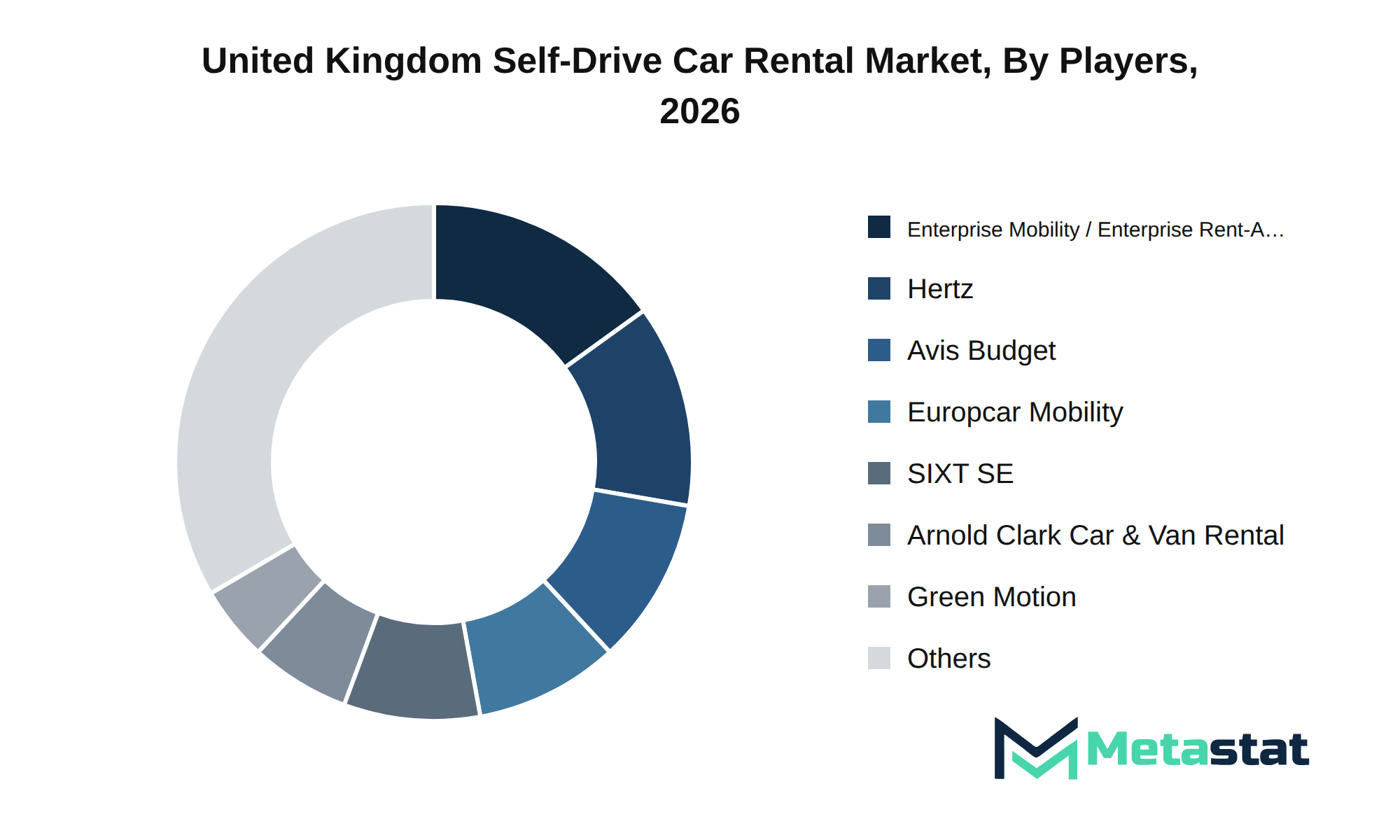
The United Kingdom Self-Drive Car Rental market exhibits a diverse competitive environment characterized by several key players. Major companies including Enterprise Mobility / Enterprise Rent-A-Car, Hertz, and Avis Budget Group, Inc. maintain significant market presence through strategic consolidation and extensive service offerings. Europcar Mobility Group and SIXT SE focus on differentiating their products through innovative booking platforms and customer-centric services, which enhance brand loyalty.
Emerging players, including Green Motion Limited and Drivalia UK Ltd, leverage niche markets and environmentally friendly vehicle options to attract a growing segment of eco-conscious consumers. Partnerships and alliances among companies, including those formed by Practical Car & Van Rental and Scot Group Ltd / Thrifty Car & Van Rental UK, enhance service reach and operational efficiencies within the market.
Pricing architectures vary across the market, with established players employing competitive pricing strategies to sustain market share against new entrants. Customer retention strategies emphasize enhancing the overall rental experience, which increases switching costs and reinforces brand equity dynamics. The combination of these strategies shapes the competitive outlook within the United Kingdom Self-Drive Car Rental market.
Market size is forecast to rise from USD 5,531.2 million in 2025 to over USD 7,929 million by 2033. The base case projects growth from USD 5,531.2 million in 2025 to USD 7,929 million by 2033 at a 4.6% CAGR. In a bullish scenario, accelerated adoption of next-generation technologies, including electric vehicles and advanced telematics, could enhance market dynamics, driving demand significantly. Conversely, in a bearish scenario, economic downturns and geopolitical tensions dampen consumer spending, leading to subdued growth rates.
Structural consumption shifts reflect a growing preference for sustainable and flexible mobility solutions. The integration of innovative technologies continues to reshape the market, with research and development pushing the boundaries of service offerings. Regulatory evolution introduces compliance requirements that influence operational capabilities, necessitating strategic capital allocation to meet imminent milestones. This evolving environment creates opportunities for key players, enabling them to address unmet enterprise needs and cultivate high-growth segments within the United Kingdom Self-Drive Car Rental market.
Investments in infrastructure and capital expenditure are critical for sustaining growth amid evolving trade corridors and regional supply chain shifts. Strategies that emphasize defensibility and innovation enhance competitive positioning. Long-term growth recommendations should focus on leveraging emerging market trends while aligning with consumer preferences for flexibility, sustainability, and technology integration.
The report strategically identifies and profiles the key market players and analyses their core competencies in each sub-segment of the Self-Drive Car Rental market.
Report Attributes | Details |
Study Period | 2021-2033 |
Base Year | 2025 |
Estimated Year | 2026 |
Forecast Period | 2026-2033 |
Historical Period | 2021-2025 |
Growth Rate | CAGR 4.6% from 2026 to 2033 |
Revenue Unit | USD million |
Segmentation | By Vehicle Class, Rental Duration, Application, Booking Channel, and Region |
Find answers to common questions about this report
The Self-Drive Car Rental market size in the United Kingdom was valued at USD 5,531.2 million in 2025.
The Self-Drive Car Rental market is projected to grow at a CAGR of 4.6% during the forecast period from 2026 to 2033.
The leading segment in the United Kingdom Self-Drive Car Rental market is Economy & Mini Cars, with a market share of 23.8% in 2025. This segment's dominance reflects its appeal to cost-conscious consumers and travelers.
Key drivers for the United Kingdom Self-Drive Car Rental market include ongoing digital transformation, which enhances customer experiences through advanced booking systems and mobile applications. infrastructure development improves service delivery and accessibility, while technological innovations optimize fleet management, leading to cost efficiencies and increased consumer satisfaction.
Regulatory compliance and macroeconomic factors significantly restrain the United Kingdom Self-Drive Car Rental market growth. Emission and safety standards increase operational costs, while inflationary pressures and rising rental prices deter potential customers. Supply chain disruptions further complicate fleet management, limiting vehicle availability and decreasing customer satisfaction.
Technological advancements, particularly in mobile applications and automation, streamline the booking process, enhancing convenience and efficiency for users. The shift towards eco-friendly vehicles and the integration of artificial intelligence into fleet management further align with evolving consumer preferences, favoring product adoption in the United Kingdom Self-Drive Car Rental market.
The Self-Drive Car Rental market is estimated to reach a valuation of USD 7,929 million by 2033.
Key players in the United Kingdom Self-Drive Car Rental market include Enterprise Mobility / Enterprise Rent-A-Car, Hertz, Avis Budget Group, Inc., Europcar Mobility Group, SIXT SE, and Arnold Clark Car & Van Rental.
The rental duration segment shows varying growth rates, with long-term rentals experiencing a compound annual growth rate of 8.9%.
The temporary local mobility application segment is projected to grow significantly, driven by changing consumer behaviors and preferences.
The analysts below cover Automotive and Transportation research at Metastat Insights.
LEAD ANALYST
Utkarsh Khirodkar is a Lead Market Research Analyst at MetaStat Insight, specializing in market intelligence, technology sector assessments, and competitive strategy.

ENERGY & INFRASTRUCTURE INDUSTRY CONSULTANT
Automotive and Transportation · Electronics and Semiconductor · Energy and Power · Machinery & Equipment
Saurabh Vasant Ganvir consults for Energy & Infrastructure Industry at MetaStat Insight, specializing in renewable energy, solar EPC, and electric vehicle (EV) infrastructure markets.
Tracking maintenance cycle demand for secondary flight display units and terrain collision avoidance systems across regional jet fleets involves complex aftermarket dynamics. MetaStat Insight provided practical analysis separating airline retrofit programs from OEM forward-fit production schedules in North America and Southeast Asia. The supplier matrix highlighted component obsolescence timelines without resorting to vague generalizations. The dataset served as a dependable reference during our annual program review meetings.
Evaluating secondary resin quality across post-consumer packaging streams requires reliable technical segmentation. MetaStat Insight delivered an objective assessment that distinguished between extrusion-grade flake pricing and optical sorting throughput limitations across Western Europe. The competitive positioning breakdown for licensed depolymerization technology providers answered several questions during our feedstock feasibility audit. Their team clarified regional trade restrictions on mixed plastic scrap quickly when our team submitted follow-up requests.
Evaluating sovereign cloud deployments for core banking platforms demands a clear view of data residency regulations and migration exit strategies. MetaStat Insight delivered an exhaustive review of regional latency tolerances, mainframe decommission milestones, and third-party vendor concentration risk. The regulatory compliance mapping across European and Asian financial jurisdictions gave our team a dependable baseline for multi-cloud infrastructure discussions.
Explore related market intelligence reports worth reading alongside this one.