
LEAD ANALYST
Utkarsh Khirodkar is a Lead Market Research Analyst at MetaStat Insight, specializing in market intelligence, technology sector assessments, and competitive strategy.

Global Vertical Farming Market Size, Share, By Type (Hydroponics, Aeroponics, Aquaponics), By Structure (Building-Based Vertical Farms and Shipping-Container Vertical Farms), By Component (Lighting, Hydroponic Components, Climate Control, Sensors, Software, System Integration and Consulting, Managed Services, Assisted Professional Services), By Crop Type (Tomato, Lettuce, Bell and Chili Peppers, Strawberry, Cucumber, Leafy Greens, Herbs, Flowers and Ornamentals, Perennials, Annuals), Industry Analysis, Growth, Trends, and Forecast, 2026-2033
Report ID
MSI-2290
Published
September, 2026
Pages
297 Pages
Format
Historical
Base year
Forecast
Forecast period
Report Details
Market Valuation: Valued at $896.7 Million in 2025, projected to reach $3,780.2 Million by 2033 at a 19.7% CAGR.
Dominant Segment: The Hydroponics segment leads the market, driven by rising demand for sustainable agricultural practices and advancements in hydroponic technology. This segment is projected to reach USD 2,085.2 million by 2033, reflecting significant interest in urban food production.
Geographic Lead: The Asia-Pacific region is expected to grow the fastest in the Vertical Farming market, fueled by rapid urbanization and increasing food security concerns. This growth is supported by the region's focus on innovative agricultural solutions.
What's Inside: The report provides an in-depth analysis of the competitive landscape, market dynamics, and key trends shaping the Vertical Farming market. It covers various segments, including types, structures, components, and crop types, along with detailed forecasts through 2033.
Investment in Technology: Substantial investments in advanced technologies are enhancing operational efficiency within the Vertical Farming market. Automation and AI are streamlining processes, reducing labor costs, and improving productivity, positioning vertical farms as viable solutions for urban agriculture.
Choose Your License
Global Vertical Farming Market
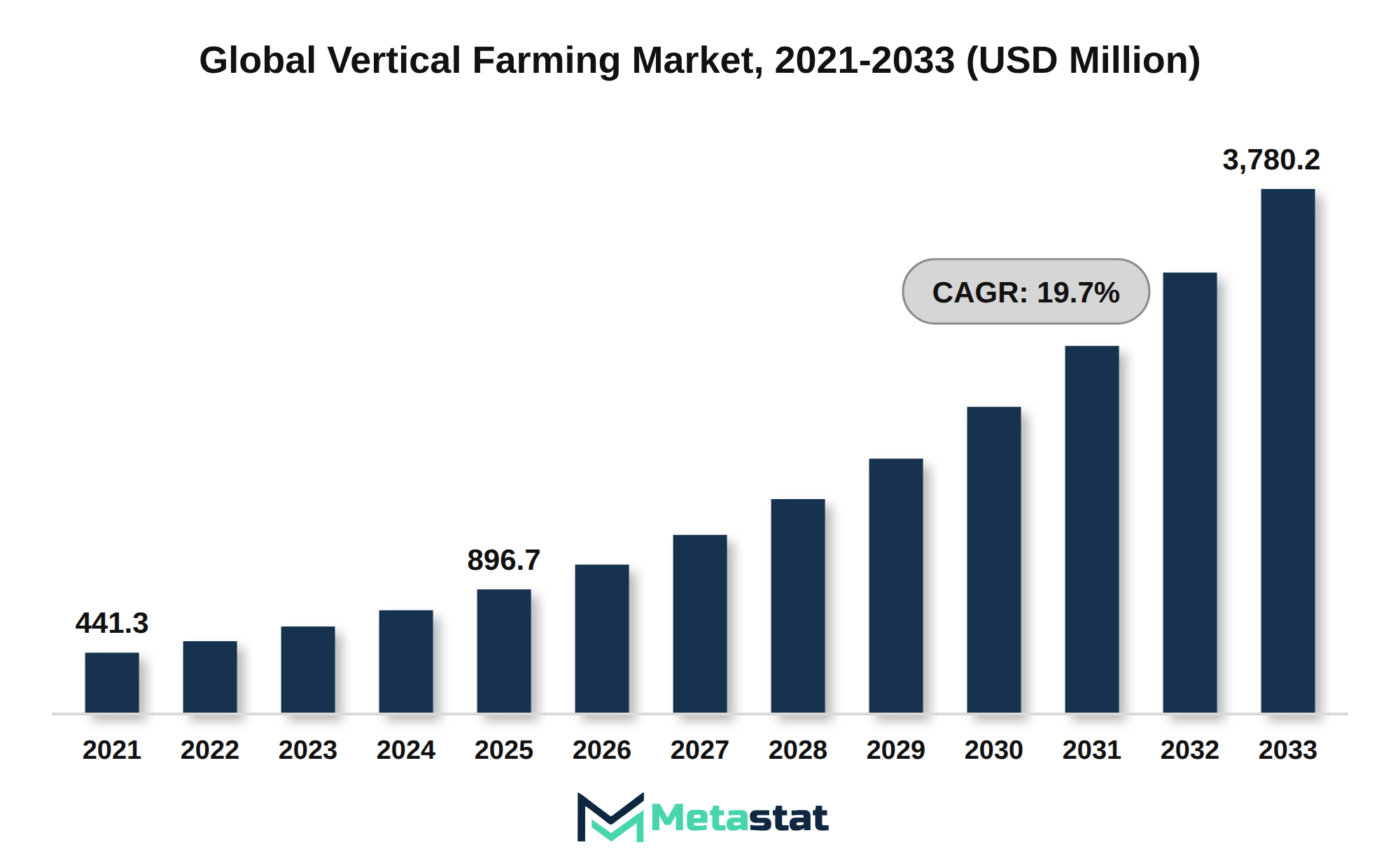
The global Vertical Farming market was valued at USD 896.7 million in 2025 and is projected to reach USD 3,780.2 million by 2033, growing at a CAGR of 19.7% over the forecast period.
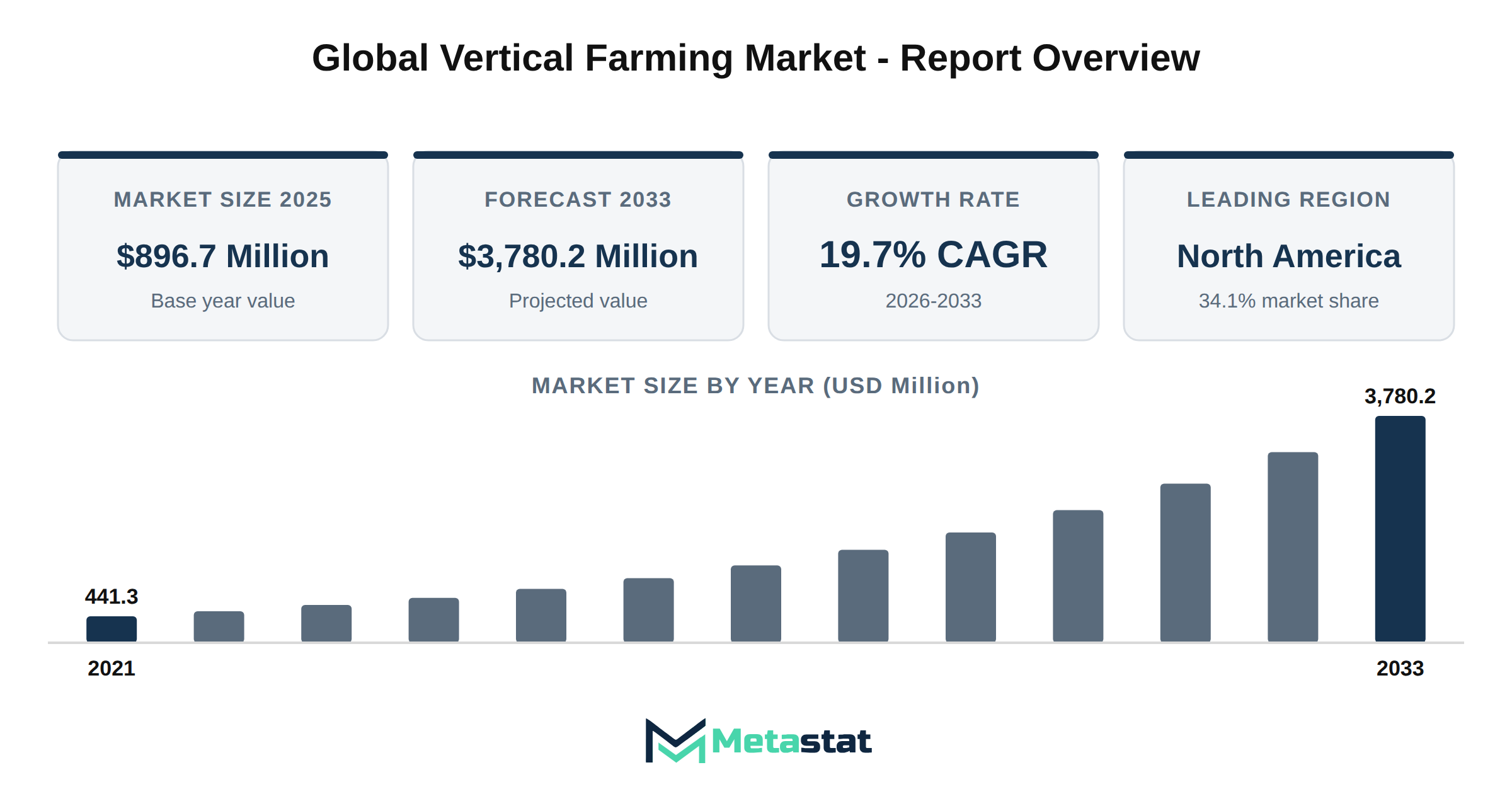
The Vertical Farming market experiences significant growth driven by increasing urban food demand. Urbanization and population growth compel cities to seek sustainable food production solutions, leading to the adoption of vertical farming practices that make efficient use of limited space. This shift addresses food security concerns while catering to the rising expectations of consumers for fresh, local produce.
Hydroponic and aeroponic systems play a significant role in reshaping the vertical farming sector. These innovative cultivation methods enhance crop yields and reduce water usage, appealing to both commercial growers and environmentally-conscious consumers. The integration of these systems within urban settings facilitates the rapid deployment of vertical farms, contributing to market expansion.
AI and automation transform vertical farm operations, optimizing resource management and improving productivity. Advanced technologies enable real-time monitoring and control of environmental conditions, allowing growers to fine-tune operations for maximum efficiency. This technological advancement supports profitability and positions vertical farming because a scalable solution for urban agriculture.
LED lighting innovation significantly improves crop yield and energy efficiency in vertical farming. The adoption of energy-efficient lighting solutions reduces operational costs while enhancing plant growth rates. This improvement aligns with the market's focus on sustainability and cost-effectiveness, attracting investment and increasing competitiveness among operators.
The rising demand for year-round local food production drives vertical farming adoption across urban and controlled environments. Consumers increasingly seek fresh produce regardless of seasonal limitations, prompting urban areas to invest in vertical farming solutions. This trend strengthens the market's position because a vital component of future food systems.
Energy cost pressures and profitability challenges in vertical farming impact operational strategies. High energy consumption associated with lighting and climate control systems necessitates the implementation of energy-efficient practices. Operators actively seek ways to minimize costs while maintaining product quality, influencing investment decisions and market dynamics.
Investment trends in commercial vertical farming projects reflect a growing recognition of the sector's potential. Financial backing from venture capital and strategic partnerships encourages innovation and expansion within the market. This influx of capital supports technological advancements and contributes to the establishment of new vertical farms globally.
Robotics and smart sensors advance indoor crop production by enhancing efficiency and accuracy. These technologies streamline labor-intensive tasks and facilitate precise monitoring of plant health and environmental conditions. The integration of robotics enables vertical farms to operate with reduced labor costs while optimizing resource usage.
The growth of the Vertical Farming market is significantly influenced by the increasing demand for urban food production. Urbanization drives the need for sustainable food systems that efficiently supply fresh produce in densely populated areas. This shift toward localized food sourcing enhances food security and reduces transportation costs, thereby supporting market expansion.
Hydroponic and aeroponic systems reshape the market landscape, offering innovative solutions for growing crops without soil. These systems employ nutrient-rich water and mist technology, leading to faster plant growth and higher yields. The adoption of these advanced cultivation methods aligns with consumer preferences for fresh, pesticide-free produce.
AI and automation technologies transform vertical farm operations by optimizing resource management and enhancing operational efficiency. Smart analytics and machine learning applications enable farmers to monitor growth conditions in real time, allowing for precise adjustments to maximize crop yield while minimizing waste.
Innovations in LED lighting significantly improve crop yield and energy efficiency in vertical farms. Energy-efficient lighting solutions provide the ideal spectrum for plant growth, reducing energy consumption and operational costs. This advancement supports profitability while promoting sustainable farming practices.
The rising demand for year-round local food production drives investment in vertical farming solutions. Urban consumers increasingly seek fresh produce regardless of seasonal limitations, prompting farmers to adopt controlled environment agriculture practices that ensure consistent availability of crops.
Vertical farming adoption expands across urban and controlled environments, appealing to both commercial growers and hobbyists. The versatility of vertical farming systems allows for integration into various settings, including rooftops and warehouses, creating new opportunities for urban agriculture.
Energy cost pressures challenge profitability in the market. Rising energy prices impact operational costs, prompting vertical farmers to seek innovative solutions for energy efficiency, including renewable energy sources and advanced energy management systems.
Investment trends indicate a growing commitment to commercial vertical farming projects. Venture capital and strategic partnerships fuel the development of new technologies and facilities, enhancing the market's potential for growth and scalability.
Robotics and smart sensors advance indoor crop production, enhancing productivity and reducing labor costs. Automated systems for planting, harvesting, and monitoring contribute to more efficient farming practices, allowing operators to focus on strategic decision-making.
The market experiences expansion across North America, Europe, and Asia Pacific, driven by varying regional demands and technological advancements. North America leads in investment and adoption, while Europe and Asia Pacific demonstrate strong growth potential due to increasing urbanization and consumer preferences for local food.
High-value crop opportunities emerge in the vertical farming sector. Specialty crops including leafy greens, herbs, and berries attract premium prices, providing growers with lucrative avenues for revenue generation in an increasingly competitive market.
Supply chain localization through indoor vertical agriculture reduces dependency on long-distance transportation. Localized production minimizes spoilage and carbon emissions, aligning with consumer preferences for sustainable practices and fresh produce.
Sustainable water and nutrient management practices play a crucial role in the efficiency of vertical farms. Techniques including recirculating systems and precision nutrient delivery optimize resource use while reducing environmental impact, enhancing the market's sustainability profile.
Vertical farming business models explore diverse revenue streams and commercial scalability. Subscription services and partnerships with local retailers create pathways for consistent revenue, promoting long-term viability.
Controlled environment agriculture technology integration streamlines operations, enhancing the adaptability of vertical farms to varying market conditions. This flexibility supports the market's resilience amid fluctuating consumer demands.
Regulatory and food safety developments significantly affect vertical farming practices. Compliance with local and international regulations ensures safe production methods, building consumer trust and market acceptance.
Partnerships and technology alliances in the vertical farming industry drive innovation and knowledge sharing. Collaborations among technology providers, agronomists, and farmers result in enhanced crop cultivation techniques and operational efficiencies.
Vertical farming cost reduction strategies focus on optimizing resource use and enhancing productivity. Efficient management of inputs including water, nutrients, and energy contributes to lower operational costs, improving competitiveness in the market.
The demand for leafy greens, herbs, berries, and specialty crops continues to shape market dynamics. Growing consumer interest in health and wellness fuels preferences for nutritious options, positioning vertical farming because a key player in meeting these needs.
Future growth opportunities in large-scale vertical farming systems align with increasing food security concerns and sustainability goals. Investments in scalable technologies and innovative practices position the market for significant advancements in the coming years.
Growing consumer interest in locally sourced food products fuels the Vertical Farming market, particularly in urban areas. This trend arises from rising awareness of food quality, sustainability, and the environmental impact of conventional agriculture. Consumers prioritize fresh produce, prompting vertical farms to implement innovative farming practices that enhance product quality and availability.
This shift in consumer behavior drives investment in vertical farming technologies, including hydroponics and aeroponics. These farming techniques enable year-round crop production and optimize resource use, aligning with evolving consumer preferences for fresh and sustainable food options. The demand for locally grown food intensifies, leading to significant expansion in the market, with producers enhancing production capabilities and diversifying crop offerings.
With an increasing focus on health and sustainability, vertical farms are well-positioned to meet consumer needs while reducing food miles and carbon footprints. The market's growth reflects a broader trend toward sustainable agriculture practices and enhanced food security within urban environments, establishing vertical farming because a vital component of future food systems.
The Vertical Farming market benefits from substantial investment in advanced technologies, which significantly improve operational efficiency. Automation and artificial intelligence streamline processes, reduce labor costs and increase productivity. The integration of software solutions enhances data management and operational oversight, allowing for precise control of environmental factors that influence crop yield.
Increased venture funding and public-private partnerships fuel technological advancements, enabling farms to adopt innovative systems that facilitate resource management and sustainability. These investments support the sector's growth, ensuring operators meet the rising demand for urban produce while optimizing resource utilization.
Technological integration transforms traditional farming practices, allowing vertical farms to operate in diverse urban environments. This adaptability strengthens the market's resilience against economic fluctuations, making it an attractive sector for investors seeking long-term returns. Overall, the emphasis on technology enhances the competitiveness of vertical farms and positions them because vital players in the evolving food production landscape.
The Vertical Farming market faces significant restraint due to high capital investment requirements. Setting up vertical farms involves substantial upfront costs for infrastructure, technology, and equipment. Many potential investors encounter financial barriers that limit entry into the market, particularly for smaller players or startups. This financial challenge restricts overall market growth potential.
Operating costs escalate over time, further complicating profitability. Expenses related to energy, labor, and maintenance contribute to a complex cost structure. Inflationary pressures deter new investment and lead to stagnation among existing players. The market experiences slower growth rates compared to its potential.
Supply chain disruptions create additional obstacles. The reliance on specific components and technologies, coupled with geopolitical instability, leads to delays and increased costs. These disruptions exacerbate challenges faced by farm operators and affect their competitiveness in the market. Addressing these issues becomes crucial for maintaining consistent growth in the Vertical Farming sector.
The scarcity of skilled labor impacts operational efficiency. Finding employees with the necessary expertise in advanced agricultural technologies proves difficult, hampering the ability of firms to scale operations effectively. This talent gap contributes to uneven growth across different regions, ultimately affecting the overall market landscape.
The Vertical Farming market encounters challenges stemming from geopolitical fragmentation, which disrupts international supply chains and affects raw material availability. Trade deficits complicate access to essential components, resulting in increased production costs that impact market pricing and profitability. Tariff friction adds another layer of complexity, often leading to increased expenses for imported technologies and materials necessary for vertical farm operations.
Technological disruptions, including the rapid evolution of agricultural technologies, require continuous adaptation and integration into existing systems. This complexity often results in interoperability friction among various components, increasing the risk of operational inefficiencies. Such challenges impede the smooth integration of new technologies, delaying market growth and adoption rates.
Rising input cost structures further strain the market, because producers face mounting expenses in securing quality feedstock and components. These rising costs compress pricing, forcing farms to navigate tight margins while maintaining competitive offerings. The workforce skill gap presents an additional hurdle, since the market requires specialized knowledge to operate advanced technologies effectively. Attracting and retaining talent in this evolving landscape exacerbates operational difficulties.
Logistics disruptions and supply chain instability compound these challenges, often leading to delays in production and increased operational costs. Environmental lifecycle footprints and decarbonization mandates push farms to explore sustainable practices, requiring significant investment and reconfiguration of existing processes. These sustainability demands influence operational decisions and directly affect profitability within the market.
Intellectual property protection deficits contribute to the uncertainty surrounding technological investments, because firms face risks associated with potential patent infringements or technology theft. Cybersecurity risks and data vulnerabilities present ongoing concerns, especially since vertical farms increasingly rely on connected systems and data analytics. The market addresses these issues to secure a competitive edge in an evolving global environment.
The Vertical Farming market experiences significant opportunities due to emerging technologies that enhance cultivation processes and operational efficiency. Innovations in hydroponics, aeroponics, and aquaponics provide novel methodologies for maximizing crop yield while minimizing resource consumption. These technologies attract investment, enabling the development of more efficient systems that appeal to environmentally conscious consumers and businesses.
Infrastructure modernization contributes to the market's expansion by enabling the integration of advanced farming techniques within urban environments. The rising demand for localized food production aligns with strategic efforts to establish vertical farms in densely populated areas, reducing transportation costs and carbon footprints. This geographical expansion supports the vertical farming ecosystem and strengthens regional food security.
Sustainability imperatives drive organizations to adopt environmentally friendly practices, aligning with corporate social responsibility goals. The increasing pressure to comply with environmental, social, and governance (ESG) standards encourages investments in sustainable farming solutions. These green transformations promote market growth by addressing consumer preferences for eco-friendly products and practices.
Digital transformation reshapes purchasing behaviors, with buyers increasingly favoring online platforms for sourcing vertical farming solutions. This shift towards digital procurement enhances accessibility for a wider range of customers, enabling startups and established players to penetrate the market effectively. This trend supports broader adoption and integration of vertical farming technologies across various sectors.
The Vertical Farming market benefits from strategic consolidation, where mergers and acquisitions lead to greater resource sharing and innovation. Collaborations between technology providers and agricultural firms enhance product offerings and expand market reach, ultimately driving revenue growth. This cross-industry collaboration signifies an evolving sector that enhances competitive positioning within the industry.
The Global Vertical Farming market is segmented based on Type, Structure, Component, and Crop Type.
Hydroponics segment is valued at USD 612.6 million in 2026 and is projected to reach USD 2,085.2 million by 2033, at a CAGR of 19.1% during the forecast period. Underlying drivers include rising demand for sustainable agricultural practices, increasing urbanization, and advancements in hydroponic technology. Adoption occurs predominantly in urban settings where space constraints and the need for local food production drive interest among consumers and commercial enterprises.
Technological maturation enhances the hydroponics segment, with innovations in nutrient delivery systems, climate control, and automation improving operational efficiency and yield. Next-generation upgrades focus on integrating software solutions and IoT devices, allowing for real-time monitoring and optimization of growth conditions. Such enhancements position hydroponics because a viable alternative to traditional farming methods, thereby attracting investment and expanding the market.
End-use dynamics highlight a shift towards crops that thrive in hydroponic environments, including leafy greens and herbs, aligning with consumer preferences for fresh produce. Regulatory compliance standards and certifications further contribute to segment growth by assuring quality and safety in hydroponic production. Cost structures reflect initial investment in infrastructure and technology, balanced by operational savings from reduced resource consumption and higher crop yields.
Pricing volatility in hydroponics relates to fluctuations in raw material costs, impacting the profitability of suppliers and growers. Strategic opportunity windows exist for businesses willing to innovate and adapt to changing consumer demands. The hydroponics segment continues to evolve, increasing its share within the broader vertical farming market and contributing to the overall growth trajectory of the industry.
Growth characterizes the Aeroponics segment within the Vertical Farming market, driven by advancements in agricultural technology and increasing consumer demand for sustainable food production. Innovations in aeroponic systems enable efficient use of water and nutrients, contributing to rapid crop growth and high yields. This method appeals to urban farmers and retailers aiming to meet local food demands with minimal environmental impact.
Investment in research and development accelerates the adoption of aeroponic technologies. Companies focus on enhancing system efficiency and reducing operational costs. The increasing need for fresh produce in urban environments further supports the expansion of this segment, with urban farmers seeking innovative solutions to address space limitations.
Regulatory compliance regarding sustainable practices influences market dynamics. Governments establish guidelines promoting vertical farming initiatives, encouraging investments in aeroponic systems. These frameworks strengthen the segment's growth trajectory, because more stakeholders recognize the environmental benefits associated with reduced land use and lower carbon footprints.
Consumer preference for organic and locally sourced produce drives demand for aeroponic-grown crops. Retailers increasingly highlight the sustainability of aeroponic products, appealing to eco-conscious consumers. This shift towards sustainable consumption patterns enhances the segment's value proposition, leading to greater market penetration and increased competition among suppliers.
The Aeroponics segment is estimated to reach USD 1,215 million by 2033, at a CAGR of 20.5% during the forecast period. This growth reflects the segment's ability to adapt to evolving market trends and consumer preferences, positioning it for significant contributions to the overall Vertical Farming market.
Rapid growth within the aquaponics sub-segment of the Vertical Farming market reflects increasing consumer demand for sustainable and eco-friendly food production methods. This rise stems from heightened awareness of food security and environmental issues, coupled with a shift towards more resilient agricultural practices. Aquaponics combines aquaculture and hydroponics, creating a mutually beneficial ecosystem that reduces resource usage while promoting biodiversity. The segment is expected to reach USD 480.1 million by 2033, driven by technological advancements and rising interest from urban and peri-urban farming initiatives.
Investment in aquaponics technology continues to expand, with several players focusing on creating efficient systems that minimize operational costs while maximizing yields. The integration of sensors and climate control technologies enhances monitoring and management capabilities, supporting better crop outcomes. Regulatory frameworks increasingly favor sustainable farming practices, providing favorable conditions for aquaponics adoption. Urban agriculture initiatives contribute significantly to market dynamics, responding to local food demands and facilitating community engagement in sustainable practices.
Cost structures within this sub-segment reflect a trend towards decreasing prices for critical components and systems, allowing for broader accessibility and adoption. Pricing volatility in raw materials impacts the overall market but creates strategic opportunities for aquaponics producers to innovate and enhance their offerings. The market outlook for aquaponics remains positive, supported by ongoing research and development, coupled with increasing capital investments aimed at expanding production capacities and improving system efficiencies.
Building-Based Vertical Farms segment is valued at USD 846.7 million in 2026 and is projected to reach USD 2,878.3 million by 2033, at a CAGR of 19.1% during the forecast period. Demand for this segment primarily arises from urbanization, food security concerns, and the need for sustainable agricultural practices. Rapid population growth in urban areas accelerates the demand for local food production, making building-based systems an attractive solution. The integration of advanced technologies, including automation and artificial intelligence, further enhances operational efficiency and crop yield. Continuous innovation in hydroponic and aeroponic technologies supports segment expansion by providing more efficient methods of cultivation and resource utilization.
Increased awareness of environmental sustainability drives investment in building-based vertical farms. Companies focusing on reducing their carbon footprints adopt these farming solutions, contributing to a greener urban landscape. Regulatory frameworks promoting sustainable agricultural practices reinforce the segment's growth trajectory, encouraging investments from both public and private sectors. While the market evolves, the implementation of smart farming solutions offers significant opportunities for enhancing productivity and profitability.
Cost structures for building-based vertical farms exhibit fluctuations based on technological advancements and raw material sourcing. Transitioning to more efficient systems reduces operational costs, leading to improved margins. Despite challenges from pricing volatility in raw materials, the long-term outlook for this segment remains positive due to strong demand driven by urban agriculture trends.
Strategic investments in building-based vertical farms ensure competitive positioning in the Vertical Farming market. Companies that prioritize research and development achieve technological advancements that drive efficiency and yield. While consumer preferences shift towards fresh, locally grown produce, building-based farms are well-positioned to meet this demand, positioning themselves because critical players in the overall market.
Shipping-Container Vertical Farms segment is estimated to reach USD 902 million by 2033, at a CAGR of 21.6% during the forecast period. This segment experiences heightened interest due to increased urbanization, which necessitates innovative agricultural solutions that make effective use of limited space. Urban centers increasingly prioritize food security, sustainability, and reduction in carbon footprints, creating a strong demand for food produced locally.
The segment benefits from technological maturation that enhances the efficiency of shipping-container farms. Advances in automated systems and climate control technologies streamline operations, permitting year-round crop production and minimizing resource use. This technological evolution attracts investments, accelerating growth within the market.
Regulatory compliance standards play a critical role. Municipalities establish guidelines that promote sustainable agricultural practices. Incentives for urban farming initiatives further drive adoption among entrepreneurs and established agricultural businesses, facilitating a shift in consumption patterns towards fresher, locally sourced produce.
Cost structures in the segment are favorable, with the use of existing infrastructure allowing for reduced capital expenditures compared to traditional farming methods. Pricing volatility remains relatively low, contributing to margin stability. Increased competition among key players encourages innovation and drives prices down, enhancing market accessibility.
Shipping-container farms represent a strategic opportunity window for investors aiming to tap into evolving food production approaches. While consumer preferences shift towards transparency and sustainability, the segment positions itself because a viable alternative to conventional farming, supporting the overall growth of the Vertical Farming market.
Valued at USD 260.5 million in 2026, the Lighting segment is projected to reach USD 825.6 million by 2033, driven by a compound annual growth rate (CAGR) of 17.9% during the forecast period. Increased energy efficiency and advancements in lighting technology contribute significantly to market growth. The integration of LED systems offers enhanced plant growth capabilities while reducing energy consumption, appealing to vertical farming producers seeking more sustainable practices. Downtime reductions through improved lighting solutions further promote operational efficiency, impacting overall profitability in the vertical farming market.
Technological maturation facilitates the adoption of next-generation lighting solutions, enhancing crop yield and quality. The shift towards automated systems and smart controls enables growers to optimize light conditions based on specific crop requirements. Increased consumer demand for fresh, high-quality produce promotes investment in sophisticated lighting technologies. Regulatory compliance regarding energy efficiency and sustainability standards encourages operators to upgrade their lighting systems, further driving growth in this segment.
Market dynamics reflect a strong inclination towards reliable supply chains and raw material sourcing, impacting the cost structures associated with lighting components. Growing competition within the segment necessitates continuous innovation to remain competitive. The emphasis on reducing pricing volatility and margin pressures influences purchasing decisions among vertical farming operators. Strategic opportunity windows arise from the increasing adoption of efficient lighting solutions, driving widespread investment within the market.
Investments in innovative hydroponic technology drive the expansion of the Hydroponic Components segment in the Vertical Farming market. This segment is estimated to reach USD 716.4 million by 2033, at a CAGR of 19% during the forecast period. Demand for hydroponic systems continues to increase owing to the growing emphasis on sustainable agricultural practices and reduction in water usage compared to traditional farming. Consumers increasingly prefer pesticide-free and locally grown produce, further fueling the adoption of hydroponic solutions.
Technological maturation enhances the segment's growth, with advancements in hydroponic equipment improving crop yields, reducing labor costs, and optimizing resource use. The integration of smart sensors and climate control systems contributes to the efficient monitoring and adjustment of growing conditions, ensuring high-quality produce. Regulatory compliance standards regarding food safety and environmental impact influence the adoption of hydroponic components across various regions.
Pricing volatility in raw materials used in hydroponic systems presents challenges, impacting overall cost structures and margins. The anticipated increase in consumer demand for hydroponically grown products allows manufacturers to justify investments in advanced hydroponic technologies. Strategic opportunity windows open for suppliers focused on sustainable practices and innovative product development. The Hydroponic Components segment represents a vital part of the growing Vertical Farming market, positioning itself because an essential contributor to modern agricultural practices.
Demand for effective climate control solutions within the Vertical Farming market stems from the necessity to create optimal growing conditions for various crops. These solutions enable precise regulation of temperature, humidity, and air circulation, which significantly influences crop yield and quality. Strong adoption of climate control technology aligns with increasing consumer demand for high-quality, sustainably grown produce.
The Climate Control segment is expected to reach USD 590.9 million by 2033. Technological advancements drive this growth, including innovations in sensors and automated systems that enhance environmental monitoring and control. Industry players increasingly invest in these technologies, recognizing their potential to optimize operational efficiency and reduce resource consumption.
Adherence to regulatory compliance standards plays a critical role in shaping the market. Regulations surrounding energy efficiency and sustainability encourage the integration of advanced climate control solutions, prompting farmers to upgrade their systems. Investments in climate control improve compliance and enhance product quality, positively influencing end-use dynamics.
Cost structures associated with advanced climate control technology reflect a shift towards long-term savings through increased energy efficiency and reduced waste. Firms experience margin improvements by leveraging these technologies to optimize farming practices. The strategic opportunity window for climate control solutions within the Vertical Farming market expands, driven by ongoing innovations that address the evolving needs of growers.
Technological advancements in the Vertical Farming market have significantly increased the demand for efficient and precise monitoring systems. Sensors play a critical role in enhancing crop yields and managing resources effectively. This growing focus on data-driven agriculture leads to heightened interest in advanced sensor technologies, which provide real-time data on environmental conditions, plant health, and resource utilization.
Investments in smart farming technologies drive growth within the sensors segment. Integration of Internet of Things (IoT) solutions enables communication between various components of vertical farms, improving overall operational efficiency. Farmers and operators seek to optimize crop production through precision agriculture, and reliance on sensor technology is projected to increase.
Regulatory compliance concerning food safety and sustainability further drives the adoption of sensors in vertical farming. Compliance with these standards requires accurate data collection and monitoring, prompting operators to invest in advanced sensor systems that ensure adherence to guidelines. This trend represents a significant opportunity for growth within the segment.
The sensors segment is projected to grow at a CAGR of 20.5% during the forecast period. This growth reflects the increasing need for precision in farming operations and the evolution of agricultural practices toward more sustainable and efficient methods. Enhanced analytics capabilities allow operators to make data-backed decisions, ultimately benefiting the market.
Investment in research and development continues to promote innovation within the sensors segment, focusing on improving sensor accuracy, durability, and affordability. This ongoing technological maturation ensures that vertical farms adapt to changing agricultural demands while maintaining competitive pricing structures.
Technological maturation within the software segment drives advancements in automation and data analytics, enhancing operational efficiency across vertical farming applications. These innovations support critical functions including monitoring crop health, managing environmental controls, and optimizing resource utilization. A focus on next-generation upgrades ensures that software solutions adapt to evolving agricultural practices, contributing to increased yields and reduced production costs.
Integration with other components of the vertical farming ecosystem facilitates data sharing, creating a comprehensive view of farm operations. This interconnectedness improves end-use dynamics, allowing farmers to make informed decisions based on real-time insights. Consumers increasingly prioritize sustainable practices, and software solutions that promote transparency and traceability strengthen market positioning.
Regulatory compliance remains a priority in the vertical farming market, with software playing a vital role in meeting industry standards. Solutions that provide accurate reporting and documentation streamline compliance processes, reducing operational risks. Evolving consumption shifts toward locally sourced produce create opportunities for software providers to develop tailored applications that cater to specific market demands.
Pricing volatility and margin pressures affect the market, compelling software developers to focus on cost-effective solutions without sacrificing quality. Investment in strategic opportunity windows opens pathways for innovation, encouraging the development of user-friendly interfaces and enhanced functionality. This evolution positions the software segment because a critical enabler in the overall growth of the vertical farming industry.
Growing interest in advanced agricultural practices drives demand for System Integration & Consulting within the Vertical Farming market. This segment benefits from increasing adoption of technology solutions that streamline operations and enhance productivity. Several stakeholders, including farm operators and technology providers, participate in the evolving landscape, seeking to maximize efficiency and output.
Technological maturation within the Vertical Farming market creates a favorable environment for system integration. Innovations in automation, data analytics, and IoT solutions facilitate the optimization of farming operations. This evolution encourages vertical farms to integrate sophisticated systems that support real-time monitoring and decision-making.
Downstream applications of integrated systems enhance operational capabilities, aligning with consumer demands for fresh, locally sourced produce. The necessity for systematic approaches to agriculture increases the role of consulting services in aligning operational strategies with market trends. Regulatory compliance standards increasingly shape the landscape, prompting vertical farms to seek expert guidance to navigate complex requirements.
Pricing volatility and margin pressures specific to this sub-segment challenge operators. Increased investment in integrated systems yields long-term benefits, offsetting initial costs through improved efficiency and reduced waste. This outlook positions System Integration & Consulting because an essential component of the overall strategy for success in the Vertical Farming market.
Strategic opportunities arise because supply chain resilience becomes critical. Vertical farms explore innovative solutions to mitigate risks associated with logistics vulnerabilities and raw material sourcing. The demand for enhanced productivity and sustainability drives capital investment in this sub-segment, highlighting its significance in the broader market dynamics.
Managed services within the Vertical Farming market emphasize supporting operational efficiency and optimizing resource management. Increased competition among growers drives demand for these services, because operators seek comprehensive solutions to enhance productivity and sustainability. Adoption of managed services facilitates the integration of advanced technologies, enabling farms to maximize yield while minimizing operational costs.
Continued investment in innovative farming practices acts because a catalyst for segment expansion. Operators increasingly rely on specialized providers that offer tailored solutions, reflecting a shift towards outsourced management of farming operations. The emphasis on technological maturation encourages providers to deliver advanced analytics and monitoring capabilities, enhancing decision-making processes for growers.
Growth in consumer demand for locally sourced and fresh produce stimulates the need for effective managed services. This trend compels vertical farms to adopt more sophisticated operational frameworks to meet consumer expectations. Regulatory compliance standards add pressure to enhance service offerings, ensuring that farms adhere to evolving agricultural policies.
Cost structures related to managed services require careful consideration, because providers balance competitive pricing with the need for quality. Pricing volatility remains a challenge, impacting margins for both service providers and operators in the market. Strategic opportunity windows emerge, because vertical farms seek reliable partners that offer scalable solutions tailored to specific operational needs.
Supply chain resilience influences the managed services segment, with raw material sourcing and logistics vulnerabilities affecting operational efficiency. Providers that mitigate substitution risks through innovative alternatives strengthen their market positions. Overall, the managed services sub-segment reflects a growing trend towards efficiency, sustainability, and adaptability within the Vertical Farming market.
Investment in Assisted Professional Services within the Vertical Farming market reflects a shift towards enhancing operational efficiencies and optimizing resources. These services support various aspects of vertical farming, including system integration and consulting, which enable farms to maximize yield while minimizing costs.
Growing demand for specialized knowledge drives the adoption of these services. Producers seek expertise in managing complex systems and leveraging advanced technologies to ensure efficient operations. This trend leads to an increase in partnerships and collaborations among vertical farming entities, thus creating a collaborative environment aimed at improving productivity.
Technological advancements play a significant role in shaping the landscape of Assisted Professional Services. New tools and software facilitate better data management and analysis, enabling farmers to make informed decisions. These innovations contribute to the evolution of service offerings, allowing providers to tailor solutions that meet the specific needs of diverse farming operations.
Regulatory compliance standards influence the demand for professional services. While regulations evolve, farms require guidance to navigate complex compliance requirements effectively. Assistance in achieving certifications and meeting environmental standards enhances market credibility, attracting investment and promoting growth within the sector.
Investment in these services aligns with the broader trend of increasing operational resilience. Vertical farming operators recognize the importance of strategic resource allocation and risk management. By integrating professional services, farms enhance their ability to adapt to changing market conditions and technological disruptions.
Overall, the integration of Assisted Professional Services within the Vertical Farming market highlights the sector's commitment to innovation, sustainability, and efficiency. This segment's growth potential remains strong, driven by operators continuing to explore ways to enhance productivity while ensuring regulatory compliance and operational resilience.
Strong demand for tomatoes drives growth within the Vertical Farming market. Increasing consumer preference for locally sourced, fresh produce influences vertical farming solutions to cater to this shift effectively. The Tomato segment is valued at USD 143.5 million in 2026 and is projected to reach USD 477.8 million by 2033, at a CAGR of 18.7% during the forecast period. Innovations in cultivation techniques and technology enhance yield efficiency, promoting the adoption of vertical farming practices for tomatoes.
The evolution of farming practices significantly shapes consumer preferences. Urbanization and a focus on sustainability contribute to the appeal of vertically farmed tomatoes. This segment benefits from advancements in hydroponic systems, which improve water utilization and nutrient delivery. Enhanced product quality and consistency attract both retailers and consumers, reinforcing the segment's growth trajectory.
Market players increasingly invest in research and development to introduce next-generation tomato varieties suited for vertical farming. These cultivars offer improved taste, shelf life, and disease resistance. While competition intensifies, strategic partnerships and collaborations among growers, technology providers, and retailers are essential for maximizing market potential. This dynamic environment encourages innovation and aligns with consumer demand for fresh, flavorful tomatoes.
Lettuce represents a significant portion of the Crop Type segment within the Vertical Farming market. This crop's increasing popularity stems from growing consumer demand for fresh, locally sourced produce, driving producers to adopt vertical farming techniques. Advancements in hydroponic systems facilitate efficient cultivation, allowing for year-round production. Investments in technologies that enhance growth conditions contribute to improved yield and quality, meeting market expectations.
The lettuce segment is projected to reach USD 790.4 million by 2033, at a CAGR of 19.1% during the forecast period. The emphasis on sustainable agriculture practices further boosts adoption among urban farming initiatives, providing fresh produce directly to consumers. Regulatory requirements supporting sustainable farming practices promote investments in vertical farming solutions, enhancing market resilience.
The evolution of indoor farming technologies and innovations in crop management techniques significantly impact the segment's growth trajectory. Collaborations among technology providers and agricultural firms create an ecosystem that supports the development of next-generation farming solutions. These shifts in the market create strategic opportunities for stakeholders aiming to capitalize on the expanding demand for lettuce and other crops.
Growing consumer preference for fresh and locally sourced produce drives demand for the Bell & Chili Peppers segment within the Vertical Farming market. The segment's expansion results from advancements in agricultural technology, which enhance cultivation efficiency and yield quality. Specific cultivation techniques employed in vertical farming provide consistent growth conditions, allowing producers to meet consumer expectations for freshness and flavor.
Investments in innovative farming solutions drive adoption across various regions, with Bell & Chili Peppers benefiting significantly from these developments. Regulatory frameworks supporting sustainable agricultural practices further strengthen market positioning for this segment. Producers invest in state-of-the-art systems to ensure compliance with evolving standards, enhancing product quality and market competitiveness.
The Bell & Chili Peppers segment is expected to reach USD 310.4 million by 2033. Continued growth will reflect trends toward urban agriculture, where space constraints lead to increased interest in vertical farming methodologies. The capacity of vertical farming to offer a reliable supply of high-quality produce aligns with consumer demands for sustainability and transparency in food sourcing.
Projected growth at a CAGR of 21.3% during the forecast period highlights the increasing popularity of strawberries in the Vertical Farming market. This growth stems from rising consumer demand for fresh, locally grown produce, driven by health-conscious trends and the pursuit of sustainable agricultural practices. Increased adoption of vertical farming techniques enables producers to cultivate strawberries in urban areas, significantly reducing transportation costs and improving freshness.
Technological maturation in cultivation methods enhances strawberry quality and yield. Innovations in nutrient delivery systems and environmental controls optimize growth conditions, contributing to higher productivity. This segment benefits from advancements in hydroponics, which support efficient water usage and minimize the need for pesticides.
Market dynamics demonstrate strong end-use applications for strawberries in various sectors, including food service and retail. With consumers shifting toward organic and locally sourced products, demand for strawberries produced through vertical farming experiences significant growth. Strategic investments in research and development facilitate next-generation upgrades that improve operational efficiency and product quality.
Cost structures within the segment reflect the premium pricing of vertically farmed strawberries compared to conventionally farmed ones. Price volatility associated with conventional produce creates a favorable environment for the market's growth. Producers focusing on strawberries increasingly seek strategic opportunities to differentiate their offerings through unique flavors and organic certifications.
Significant interest in cucumbers within the Vertical Farming market drives investment in efficient growing techniques. This segment benefits from consumer preferences for fresh, locally sourced produce, leading to increased demand in urban areas. Adopters seek sustainable agricultural practices that reduce environmental impact while maximizing yield and quality. Technological advancements in hydroponics and climate control systems enhance productivity and minimize resource usage, supporting segment growth. Regulatory compliance standards around food safety and sustainability further encourage innovation in cultivation methods for cucumbers. The market's focus on next-generation upgrades positions this segment favorably against potential substitutes, reinforcing its value in the evolving agricultural environment.
Consumer interest in fresh, nutrient-rich leafy greens drives demand within the Vertical Farming market. Health-conscious trends and the increasing focus on sustainable agriculture contribute to the expansion of this sub-segment. Technological advancements facilitate enhanced crop yields and reduced resource consumption, making production more efficient.
Vertical Farming strategies emphasize local sourcing, minimizing transportation costs and environmental impact. This shift aligns with the growing recognition of the importance of food security and reduced carbon footprints in agricultural practices. Enhanced consumer awareness regarding the benefits of locally grown produce stimulates market growth.
Investment in next-generation growing technologies supports continuous improvement in crop quality and yield. Companies within the market focus on automating processes and integrating smart technologies, leading to improved operational efficiency. This ongoing evolution of products and methodologies strengthens market competitiveness and opens strategic opportunity windows for investors and suppliers.
Price volatility and margin pressures remain critical issues for suppliers, influencing sourcing strategies and production methodologies. Regulatory compliance regarding food safety and environmental standards impacts operational costs, necessitating investment in certified systems and technologies. The relationship between compliance and operational efficiency shapes the market environment for leafy greens.
Growing consumer interest in fresh herbs significantly influences the Vertical Farming market. The trend towards healthy eating and the incorporation of herbs in various cuisines enhances the demand for diverse herb varieties. Urbanization and limited space for traditional farming methods increase the attractiveness of vertically farmed herbs, appealing to consumers seeking local and organic options.
Adoption of advanced cultivation techniques, including precision agriculture and controlled environment agriculture, facilitates optimal growth conditions for herbs. These technologies ensure consistent quality and supply, allowing producers to meet rising consumer expectations. The market for herbs benefits from efficient resource usage, minimizing water and nutrient waste while maximizing yield, which aligns with sustainability goals.
Marketing strategies focusing on the nutritional benefits and flavor profiles of herbs contribute to shifts in consumer consumption patterns. The demand for organic and pesticide-free products drives growth within the market, with certification standards becoming increasingly important. Compliance with these standards builds consumer trust and drives adoption among producers.
Strategic investment in R&D supports innovation within the herb segment, encouraging the development of new varieties and hybrids tailored for vertical farming. Continued exploration of disruptive alternatives, coupled with advancements in technology, positions the market for extensive growth. The outlook remains positive, reflecting the increasing focus on health and wellness across consumer demographics.
Interest in the Flowers & Ornamentals segment within the Vertical Farming market arises from evolving consumer preferences for decorative plants and sustainable gardening solutions. Increased urbanization fuels the demand for aesthetically pleasing green spaces, driving interest in innovative growing methods. Adoption of vertical farming techniques allows producers to optimize limited space while providing high-quality ornamental plants. Enhanced plant growth technologies contribute to achieving rich colors and improved plant health, appealing to both residential and commercial customers.
Technological maturation facilitates the integration of automated systems that monitor plant health, contributing to consistent quality and reducing labor costs for growers. Market participants observe significant shifts towards environmentally friendly cultivation methods, aligning with broader sustainability goals. Regulatory compliance standards encourage the use of efficient resource management practices, pushing producers to adopt technologies that promote sustainable growth.
Strategic investment opportunities arise due to the increasing popularity of ornamental plants in the e-commerce space, where consumers prioritize convenience and direct access to quality products. Enhanced supply chain resilience becomes vital because market players seek to mitigate risks associated with sourcing and logistics. By optimizing operations, producers in the Flowers & Ornamentals segment position themselves to capitalize on emerging consumer trends and preferences within the market.
Interest in the Perennials sub-segment of the Vertical Farming market aligns with increasing consumer demand for sustainable produce. The ability to grow perennial crops efficiently in urban settings contributes to this trend, driven by rising preferences for local sourcing and organic farming practices. Many consumers prioritize the environmental benefits associated with vertical farming, influencing purchasing decisions toward perennials.
Expansion catalysts for this sub-segment include advancements in agricultural technology and growing recognition of vertical farming's role in food security. Enhanced methods for irrigation, lighting, and climate control allow for improved growth conditions, leading to higher yields. These factors enable producers to meet increased market demand while maintaining sustainable practices.
Regulatory compliance standards surrounding food safety and environmental impact further shape the dynamics within this segment. Stringent regulations encourage producers to adopt technologies that enhance product quality and sustainability. Consequently, investments in certifications for organic and sustainable practices play a critical role in gaining consumer trust and accessing premium market segments.
Challenges relating to cost structures and pricing volatility remain present, affecting profitability within the Perennials segment. Fluctuating prices for raw materials and energy lead to margin pressures that impact operational decisions. Producers focus on optimizing supply chain resilience to mitigate risks associated with sourcing and distribution.
Strategic opportunity windows arise from shifts in consumption patterns, where consumers increasingly favor seasonal and locally grown perennials. This trend encourages innovation in cultivation methods and product offerings, allowing for diversification within the vertical farming ecosystem. Investments in next-generation upgrades and disruptive alternatives continue to influence the trajectory of the Vertical Farming market.
Interest in the Annuals segment of the Vertical Farming market stems from increasing consumer demand for diverse and sustainable crop options. This segment is essential in meeting the preferences of health-conscious consumers seeking fresh produce year-round. Adoption of innovative cultivation methods enhances yield and quality, making it an attractive choice for producers aiming to optimize productivity.
Advancements in technology, including climate control and automated systems, support the segment's expansion. These innovations facilitate the efficient growth of annual crops, ensuring consistent supply throughout the year. The ongoing evolution of cultivation techniques enables producers to achieve higher quality and more consistent yields, which strengthens their market position.
Shifts in consumption patterns reflect a growing preference for seasonal and locally sourced produce, influencing the demand dynamics for Annuals. Regulatory compliance standards supporting sustainable agricultural practices encourage investments in vertical farming solutions. Consumer awareness regarding food origins increases, benefiting the segment through heightened interest in transparent supply chains and eco-friendly farming methods.
Strategic opportunity windows arise from producers exploring new markets and distribution channels, enhancing accessibility to consumers. Investment in next-generation upgrades and infrastructure improves resilience within the supply chain, enabling producers to navigate challenges effectively. Overall, the Annuals segment represents a dynamic and evolving component of the Vertical Farming market, aligning with trends in sustainability, technology adoption, and consumer preferences.
Based on geography, the Global Vertical Farming market is divided into North America, Europe, Asia-Pacific, South America, Middle East, and Africa.
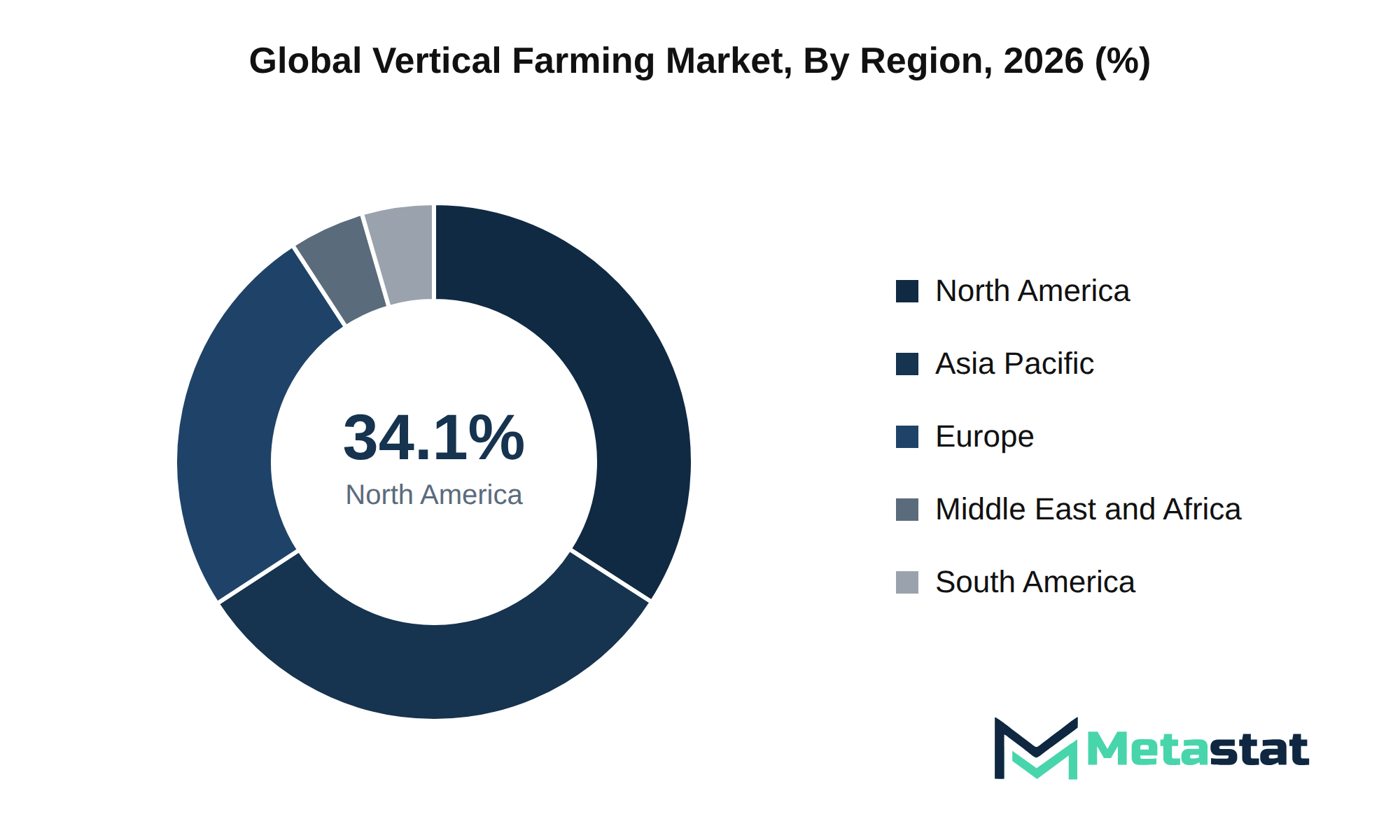
Significant expansion is anticipated for the North America Vertical Farming market, with a projected CAGR of 19.7% throughout the forecast period. The market size is likely to reach USD 1,203.6 million by the end of 2033. This growth is fueled by rising urbanization, increasing consumer interest in sustainable food production, and advancements in agricultural technology.
The United States, Canada, and Mexico represent key players in the North American market, with the region holding a 34.1% share of the global Vertical Farming market in 2025. The concentration of technological innovation and investment in infrastructure modernization in these countries enables rapid adoption of various vertical farming techniques. The presence of established agricultural practices facilitates the integration of advanced farming technologies.
Emerging segments including Hydroponics and Aeroponics are gaining traction, driven by efficiency and higher yields. Building-Based Vertical Farms continue to dominate the market structure, capitalizing on urban spaces. Localized supply chains and production capabilities create opportunities for companies to cater effectively to regional demand.
The competitive landscape includes a mix of established and emerging players actively engaging in technological advancements and strategic partnerships to enhance operational capabilities. This trend fosters a robust ecosystem, encouraging innovation and improving market positioning for participants within the North America Vertical Farming market.
The Vertical Farming market in Europe experiences significant growth, driven by a combination of increasing urbanization and the demand for sustainable food sources. Countries including Germany, France, and the UK lead in adopting innovative agricultural technologies that enhance productivity. Investment in vertical farming infrastructure aligns with regional goals of sustainability and food security.
Germany and the UK show significant advancements in hydroponic and aeroponic systems, which contribute to the overall market expansion. France and Spain are emerging because vital players, focusing on local food production to reduce carbon footprints and enhance food freshness. This trend aligns with growing consumer preferences for locally sourced produce.
Adoption rates reflect a shift in agricultural practices, with stakeholders recognizing the benefits of vertical farming in urban centers. Local compliance mandates and regulatory frameworks support investments in modernization, ensuring that operations meet sustainability goals. The market's competitive landscape includes domestic leaders like AeroFarms, LLC and Agricool, which are advancing localized manufacturing and supply chain efficiencies.
Investment in strategic entry barriers continues, attracting foreign direct investment flows that enhance the region's capabilities. Cultural nuances and regional B2B buying behaviors influence procurement dynamics, shaping the market's structure. Overall, Europe stands because a significant contributor to the global vertical farming market, with ongoing innovation and consumer engagement driving sustained growth.
Asia-Pacific holds a market share of 31.7% in the vertical farming sector in 2025. Rapid urbanization across China, Japan, India, and South Korea drives demand for innovative agricultural solutions. The increasing population in these countries fuels the need for efficient food production methods, prompting investments in vertical farming infrastructure.
Emerging market front-runners including China and India are enhancing local capabilities through modernization efforts. These countries focus on adopting advanced technologies, attracting foreign direct investments, and encouraging localized manufacturing densities. Southeast Asia offers underpenetrated territories with growing interest in sustainable farming practices, highlighting potential growth vectors.
The region experiences a competitive landscape characterized by domestic market participants like AeroFarms, LLC and Intelligent Growth Solutions Limited, along with vendor consolidation trends. Local procurement dynamics reflect cultural nuances, influencing B2B buying behaviors and supply chain regionalization strategies. This entrepreneurial spirit supports the proliferation of vertical farming technologies across the market.
Energy grid resiliency and infrastructure readiness play crucial roles in enabling the scalability of vertical farming operations. Regulatory frameworks and compliance mandates vary significantly across the region; addressing these complexities benefits stakeholders aiming to capitalize on market opportunities. Overall, Asia-Pacific remains a vital market for vertical farming, driven by robust demand and strategic initiatives that promote innovation.
The Vertical Farming market in South America represents a developing segment, characterized by increasing urbanization and growing demand for fresh produce. Countries like Brazil and Argentina contribute significantly to the market's potential, driven by an expanding population and the need for sustainable agricultural practices. Efforts to modernize infrastructure and enhance local production capabilities support the market's growth trajectory. Investment in technology and innovation within the Vertical Farming market focuses on optimizing crop yields and reducing resource usage, appealing to environmentally-conscious consumers. Challenges including limited awareness of vertical farming benefits and technological barriers to entry create opportunities for local players to educate potential customers and enhance adoption rates. Brazil stands out because a market front-runner, attributed to its substantial agricultural base and government initiatives aimed at boosting food security. Argentina shows promise with its focus on innovative farming techniques and sustainable practices. The Rest of South America represents an underpenetrated territory with significant growth potential, reflecting various countries' efforts to address food scarcity and improve agricultural efficiency. Investment in localized manufacturing and supply chain regionalization enhances the market's resilience, enabling players to adapt to local needs and preferences. These dynamics contribute to a competitive landscape characterized by domestic market leaders striving to expand their presence. Overall, the Vertical Farming market in South America is poised for steady growth because players navigate emerging opportunities and address existing challenges.
The Vertical Farming market in the Middle East and Africa stands at a critical moment, characterized by emerging demand driven by urbanization and a growing focus on food security. Countries including Saudi Arabia and the UAE actively invest in advanced agricultural technologies to optimize resource usage and enhance food production capabilities. South Africa implements initiatives aimed at increasing local food production, aligning with global sustainability trends.
Increasing awareness of environmental sustainability and the benefits of local produce fuels market adoption across the region. Infrastructure modernization efforts enhance the viability of vertical farming, with investments targeting improved energy efficiency and water usage. The presence of domestic market participants and localized procurement dynamics contribute to a competitive landscape that supports innovative solutions tailored to regional needs.
Investment in technologies including hydroponics and aeroponics attracts significant interest, aligning with consumer preferences for fresh produce. The potential for incremental growth vectors emerges from underpenetrated territories, enabling new players to enter the market and expand their offerings. Strategic entry barriers, alongside foreign direct investment flows, facilitate geographic expansion windows crucial for the future success of the market.
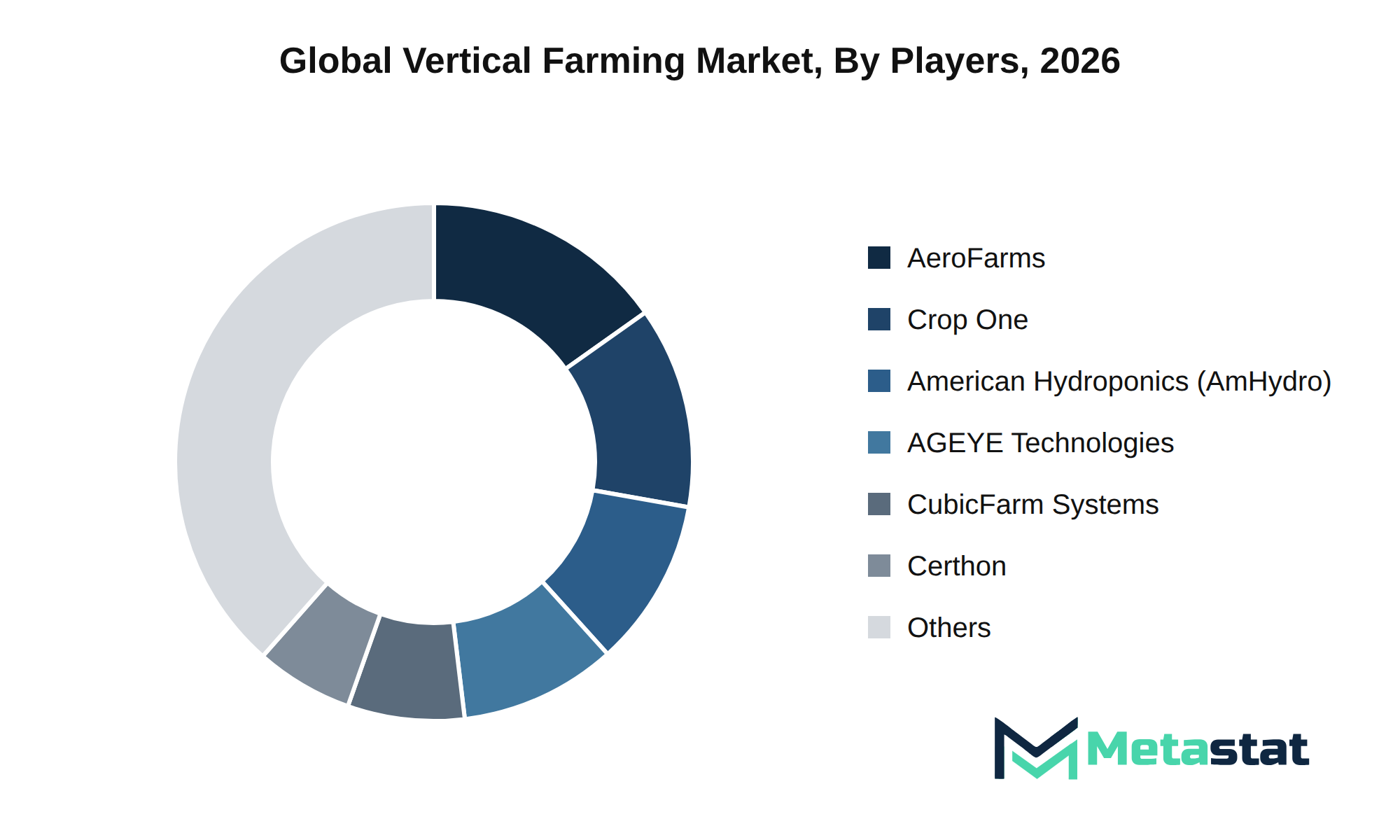
Competitive dynamics in the Vertical Farming market illustrate a landscape shaped by significant strategic behaviors among key players. Mergers and acquisitions drive consolidation, enhancing competitive positions and establishing technological moats. Companies like AeroFarms, LLC and Crop One Holdings focus on proprietary technology and product differentiation, which fortify their market standing. Strategic alliances and joint ventures facilitate access to new markets and innovative solutions, allowing companies to enhance their offerings and customer retention strategies.
Barriers to entry remain high due to technological requirements and brand equity established by existing players, including InFarm and Plenty Unlimited Inc. The threat of new entrants persists, necessitating established companies to innovate continuously and protect their intellectual property. Future competitive outlooks indicate a robust focus on research and development pipelines and supply chain integration, which will be crucial for maintaining procurement leverage and operational efficiency in the evolving market.
Market size is forecast to rise from USD 896.7 million in 2025 to over USD 3,780.2 million by 2033. The base case anticipates growth at a 19.7% CAGR, reflecting strong adoption of vertical farming technologies across various regions. Bull cases envision rapid advancements in next-generation technologies, driving increased efficiencies and lowering operational costs, while bear cases highlight potential regulatory challenges and economic downturns that could hinder growth.
Macroeconomic conditions, including evolving trade corridors and global supply chain shifts, impact the vertical farming market significantly. Strategic capital allocation and infrastructure commitments remain critical for stakeholders aiming to capture emerging white-space opportunities and unmet enterprise needs. Companies investing in research and development gain an edge, expediting commercialization timelines and enhancing their product life cycles.
Regulatory evolution significantly shapes market dynamics. Timely compliance with new policies and enforcement horizons drives market penetration. Geopolitical realignments create both challenges and opportunities, necessitating agile responses from market players to navigate shifting landscapes effectively.
Future growth recommendations emphasize the importance of defensibility roadmaps and executive-level strategic imperatives. Companies focusing on high-growth pockets within the vertical farming market position themselves for sustained success in a competitive environment. By leveraging strategic insights and adapting to structural consumption shifts, stakeholders enhance their resilience amid ongoing changes.
The report strategically identifies and profiles the key market players and analyses their core competencies in each sub-segment of the Vertical Farming market.
|
Report Attributes |
Details |
|
Study Period |
2021-2033 |
|
Base Year |
2025 |
|
Estimated Year |
2026 |
|
Forecast Period |
2026-2033 |
|
Historical Period |
2021-2025 |
|
Growth Rate |
CAGR 19.7% from 2026 to 2033 |
|
Revenue Unit |
USD million |
|
Segmentation |
By Type, Structure, Component, Crop Type, and Region |
|
By Region |
North America (By Type, Structure, Component, Crop Type, and Country)
|
|
Europe (By Type, Structure, Component, Crop Type, and Country)
|
|
|
Asia Pacific (By Type, Structure, Component, Crop Type, and Country)
|
|
|
South America (By Type, Structure, Component, Crop Type, and Country)
|
|
|
Middle East and Africa (By Type, Structure, Component, Crop Type, and Country)
|
Find answers to common questions about this report
The Vertical Farming market size was valued at USD 896.7 million in 2025, according to the Metastat Insights study.
The Vertical Farming market is projected to grow at a CAGR of 19.7% during the forecast period from 2026 to 2033.
The North America Vertical Farming market size is estimated to reach USD 1,203.6 million by 2033.
Hydroponics leads the Vertical Farming market with a projected value of USD 2,085.2 million by 2033, based on its significant growth rate compared to other types.
Growing consumer interest in locally sourced food products drives the Vertical Farming market, particularly in urban areas. This trend stems from increased awareness of food quality and sustainability, prompting investments in innovative farming practices that enhance product availability and align with evolving consumer preferences for fresh, sustainable food options.
North America holds the dominant share of the Vertical Farming market, with a projected value of USD 1,203.6 million by 2033, representing 34.1 percent of the total market.
High capital investment requirements pose a significant restraint on the Vertical Farming market growth, because substantial upfront costs for infrastructure and technology limit entry for potential investors. escalating operating costs and supply chain disruptions further complicate profitability and hinder consistent growth within the sector.
Growing consumer interest in locally sourced food products significantly favors product adoption in the Vertical Farming industry. This trend stems from rising awareness of food quality, sustainability, and environmental impact, prompting investments in innovative farming practices that enhance product quality and availability. Vertical farms align with evolving consumer preferences, driving demand for fresh and sustainable food options.
The Vertical Farming market is estimated to reach a valuation of USD 3,780.2 million by 2033.
Key players operating in the Vertical Farming market include AeroFarms, LLC, Agricool, Altius Farms, American Hydroponics (AmHydro), Crop One Holdings, Freight Farms, Inc., and GoodLeaf Community Farms Ltd.
The analysts below cover Agriculture research at Metastat Insights.
LEAD ANALYST
Utkarsh Khirodkar is a Lead Market Research Analyst at MetaStat Insight, specializing in market intelligence, technology sector assessments, and competitive strategy.
Assessing 200mm wafer transition schedules and substrate supply bottlenecks requires precise technical intelligence. MetaStat Insight supplied an actionable breakdown comparing planar and trench MOSFET architectures across automotive and industrial drive markets. The regional capacity estimates for Asia-Pacific foundries helped clarify lead-time uncertainties during our strategic planning session. When we needed additional clarification on high-purity raw material sourcing, their analyst team responded with helpful context within twenty-four hours.
Tracking maintenance cycle demand for secondary flight display units and terrain collision avoidance systems across regional jet fleets involves complex aftermarket dynamics. MetaStat Insight provided practical analysis separating airline retrofit programs from OEM forward-fit production schedules in North America and Southeast Asia. The supplier matrix highlighted component obsolescence timelines without resorting to vague generalizations. The dataset served as a dependable reference during our annual program review meetings.
Evaluating secondary resin quality across post-consumer packaging streams requires reliable technical segmentation. MetaStat Insight delivered an objective assessment that distinguished between extrusion-grade flake pricing and optical sorting throughput limitations across Western Europe. The competitive positioning breakdown for licensed depolymerization technology providers answered several questions during our feedstock feasibility audit. Their team clarified regional trade restrictions on mixed plastic scrap quickly when our team submitted follow-up requests.
Explore related market intelligence reports worth reading alongside this one.
Starting from
$2950