
Explore the critical elements that affect pricing in the Light Truck Tire sector, providing insights for informed purchasing decisions.
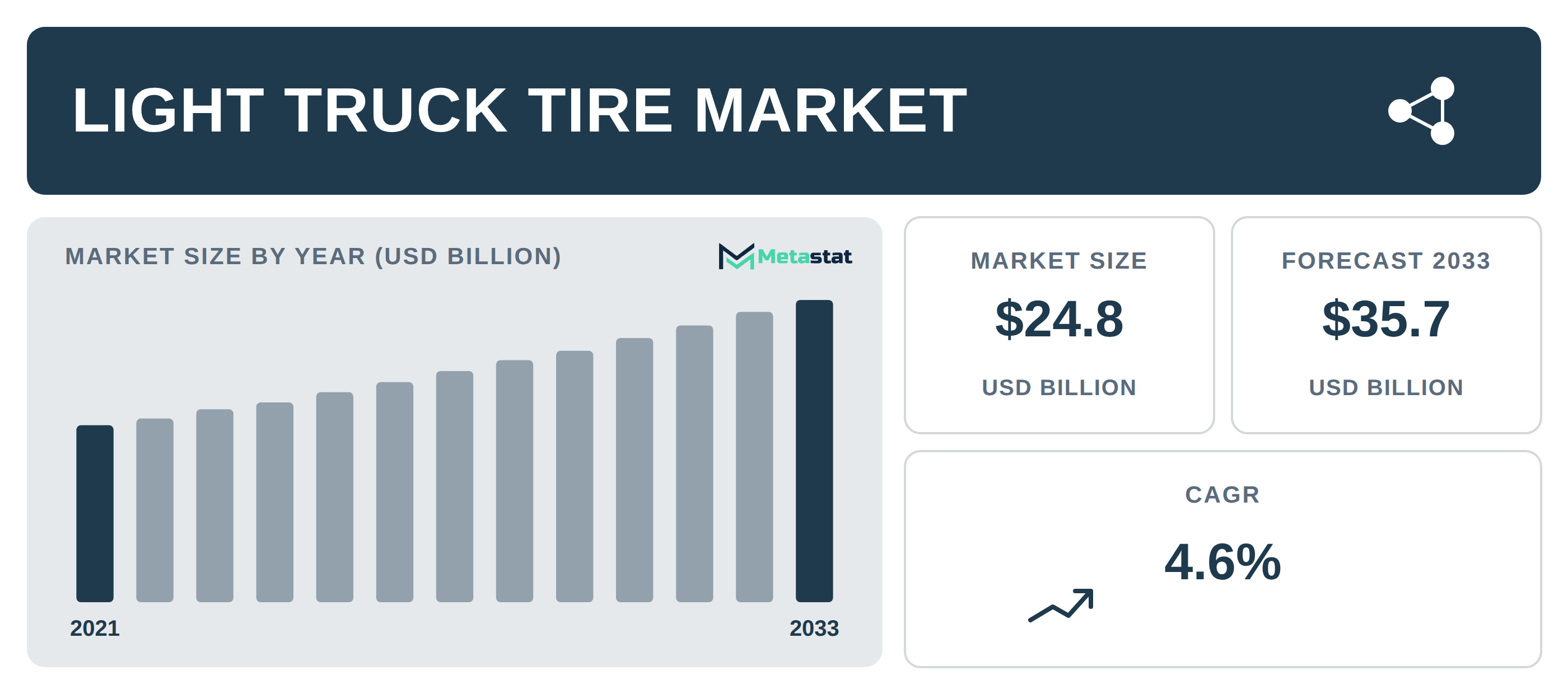
Understanding the dynamics behind pricing in the Light Truck Tire sector is crucial for buyers and operators alike. With the market for Light Truck Tire projected to expand due to increased demand for pickup trucks and light commercial vehicles, it becomes essential to explore the influencing factors that drive pricing. Are five key elements that impact Light Truck Tire pricing and what buyers should consider in their purchase decisions. The full figures are in our Light Truck Tire market size and forecast report.
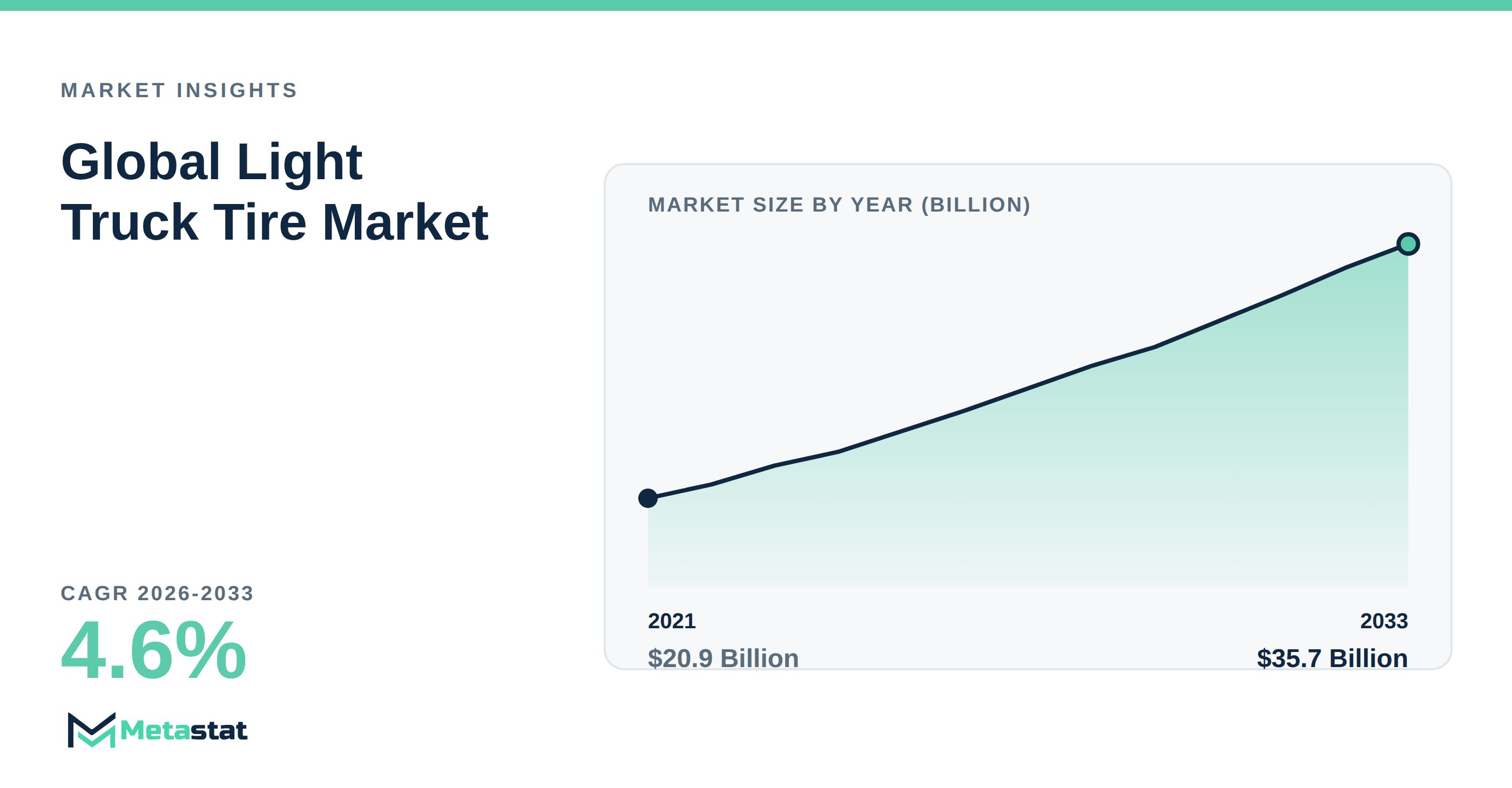
1. Rising Consumer Demand for Pickup Trucks
The heightened popularity of pickup trucks directly impacts the demand for Light Truck Tires. Consumers increasingly favor these versatile vehicles for personal and commercial use, prompting tire manufacturers to adapt their pricing strategies. Buyers seeking reliable and durable tires for pickup trucks encounter increased costs driven by competitors aiming to meet expectations for high-quality products. This surge in demand provides buyers leverage when negotiating prices, particularly if they purchase in bulk.
2. Growing Trend of Vehicle Customization
The trend toward vehicle customization has significantly affected tire pricing. Consumers seek specialized tire types that align with their vehicle modifications, often resulting in higher manufacturing costs. This price variation allows buyers to select tires that fit their vehicle specifications while enhancing aesthetics and functionality. Buyers should consider how these customization trends influence their total tire expenses and future purchasing strategies.
3. Impact of Replacement Demand
The replacement segment remains a significant driver of pricing in the market for Light Truck Tire. While more vehicles age and require new tires, this demand sustains, and often raises prices due to the necessity for quality. With sales of replacement tires anticipated to exceed USD 26.2 billion by 2033, buyers navigate the balance between cost and quality. Understanding the critical need for replacement tires enables buyers to make informed decisions regarding tire purchases over time.
4. Technological Advancements in Tire Manufacturing
Innovations in tire technology, including enhanced tread designs and eco-friendly materials, influence pricing dynamics. These advancements typically lead to improved durability and performance, justifying higher price points. Buyers prioritizing quality often find themselves paying a premium for high-performance tires. Manufacturers investing in technology to improve tire life and fuel efficiency are likely to benefit in their pricing structures. Buyers should evaluate the value versus cost when considering these advanced tire solutions.
5. Fluctuations in Raw Material Costs
Raw material prices have seen significant fluctuations, affecting overall production costs for Light Truck Tires. Rising costs for essential materials like rubber and steel contribute to increased retail prices. Buyers should remain aware of these fluctuations as they directly impact the prices they encounter in the market. Exploring options for sourcing tires during periods of lower material costs present opportunities for cost savings, allowing buyers to effectively leverage market conditions.
Overall, various factors shape the pricing of Light Truck Tires, from consumer demand and customization trends to technology and raw material costs. By recognizing these elements, buyers navigate their purchasing decisions more effectively and optimize their investments in tire solutions.
Tags
About the Authors

LEAD ANALYST
Utkarsh Khirodkar is a Lead Market Research Analyst at MetaStat Insight, specializing in market intelligence, technology sector assessments, and competitive strategy.

ENERGY & INFRASTRUCTURE INDUSTRY CONSULTANT
Automotive and Transportation · Electronics and Semiconductor · Energy and Power · Machinery & Equipment
Saurabh Vasant Ganvir consults for Energy & Infrastructure Industry at MetaStat Insight, specializing in renewable energy, solar EPC, and electric vehicle (EV) infrastructure markets.