
Understanding the intricate dynamics of Heat Exchanger Design Services reveals critical insights for decision-makers in various industries.
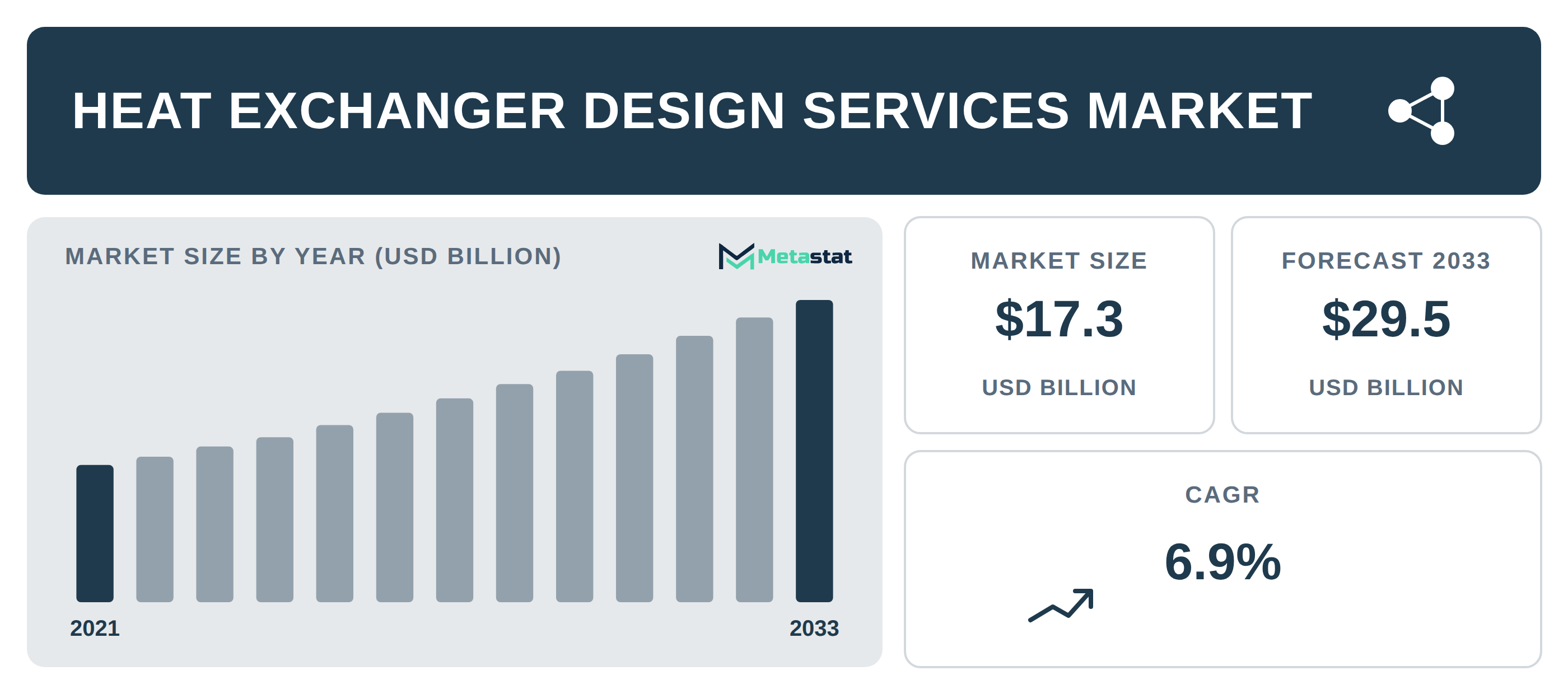
Misinterpretations surrounding the demand for Heat Exchanger Design Services often arise from a narrow view of the factors influencing the market. While energy efficiency and compliance certainly play roles, the actual dynamics are rooted in a combination of technological advancements, industry requirements, and regulatory frameworks. The full figures are in our Heat Exchanger Design Services market size and forecast report.
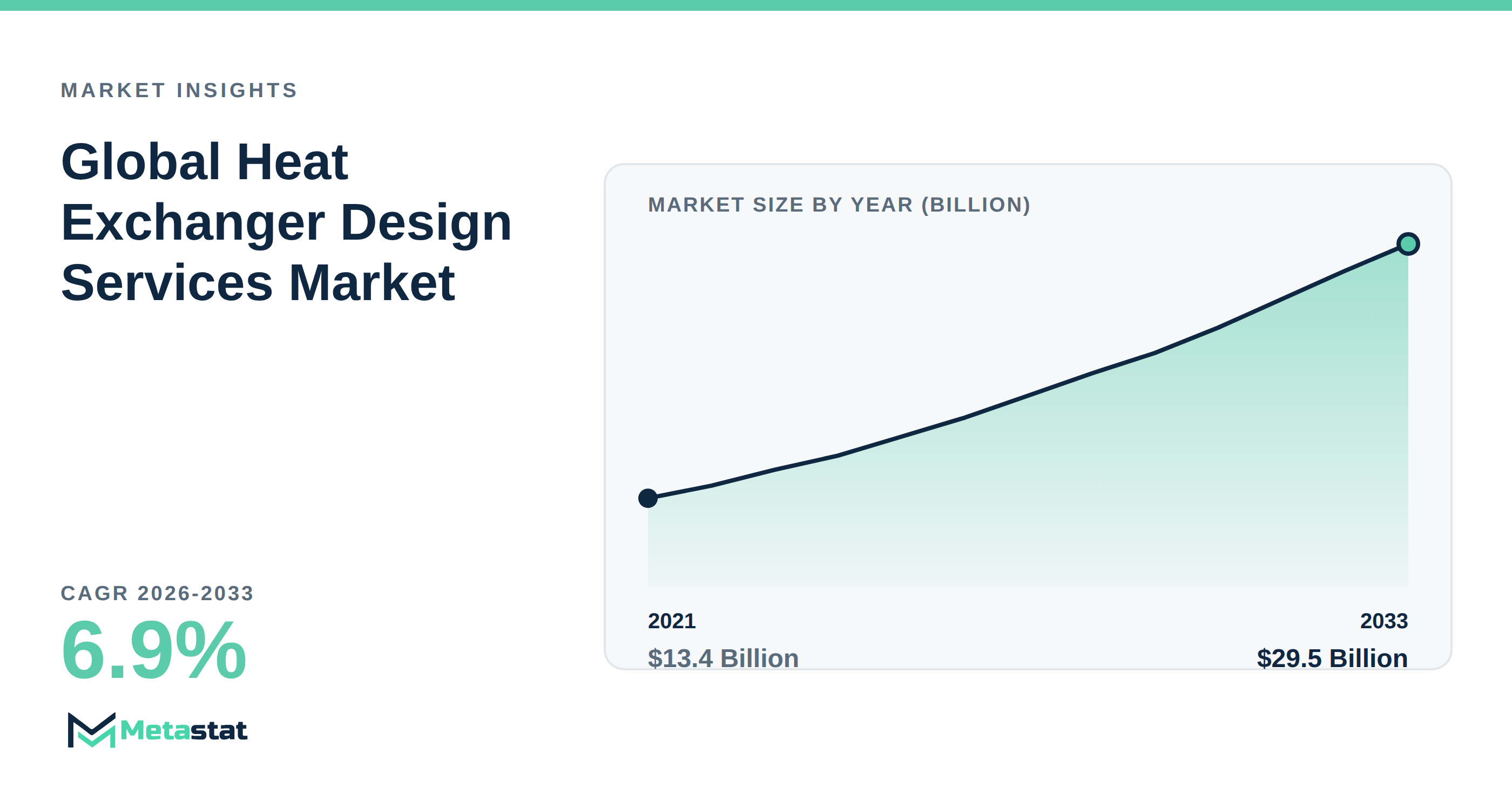
A major component often overlooked is the significant impact of digital engineering tools on the design process. The adoption of technologies including Computational Fluid Dynamics (CFD) and Finite Element Analysis (FEA) has revolutionized heat exchanger design. By facilitating detailed simulations and modeling, these tools streamline the design process and diminish the costs associated with conventional methods. Firms that implement these technologies not only expedite their project timelines but enhance the precision and performance of their products, which is critical for maintaining industry compliance.
The specific needs of different sectors, particularly the oil and gas industry, are crucial in shaping the market for Heat Exchanger Design Services. This sector faces unique challenges that drive the demand for efficient thermal management solutions aimed at boosting energy recovery and reducing emissions. As regulatory landscapes evolve, the need for specialized design services tailored to meet these requirements continues to grow, positioning oil and gas as a pivotal segment in this landscape.
Compliance with environmental standards extends beyond simple adherence; it represents a fundamental motivator for investing in advanced heat exchanger designs. Industries including chemicals, power generation, and pharmaceuticals actively seek out solutions that not only meet compliance but enhance thermal efficiency and minimize environmental impact. The trend signifies a transition toward sustainability that prioritizes innovative designs over traditional methods.
The dynamics of relationships between buyers and suppliers in this sector are evolving. Companies increasingly seek long-term collaborations with service providers that demonstrate both technical capability and a commitment to delivering value through adaptable pricing structures. Fixed-price contracts often appeal to clients operating under budget constraints, while flexible time-and-material arrangements offer the necessary adaptability for complex projects. This trend towards more cooperative partnerships is crucial in fostering customer loyalty in a competitive environment.
The growing interest in thermal design services is indicative of evolving priorities within the Heat Exchanger Design Services sector. With significant projected growth, this segment underscores the increasing emphasis on optimizing thermal performance across various applications. Suppliers that develop innovative and efficient design solutions are likely to gain a competitive advantage over those relying on conventional practices.
Integrating advanced design methodologies is paramount in enhancing operational efficiencies across sectors. The optimization of thermal and mechanical designs correlates strongly with rising stakeholder expectations concerning sustainability and efficiency. As industries strive for improved performance, investments in innovative heat exchanger technologies align operational goals with environmental responsibility, paving the way for sustainable growth.
Digital engineering tools offer transformative potential in the Heat Exchanger Design Services arena. Companies leverage these advancements to mitigate operational risks and secure compliance with evolving standards, particularly in sectors where precision and efficiency are essential. By embracing these innovations, firms establish competitive advantages that extend beyond immediate financial benefits, enhancing their overall operational efficiency.
The narrative surrounding the demand for Heat Exchanger Design Services should not be reduced to simplistic concepts centered solely on energy efficiency. Instead, it encompasses a complex array of technological upgrades, regulatory compliance, industry-specific challenges, and changing buyer-supplier interactions. By comprehending these multifaceted dynamics, stakeholders navigate the sector more effectively, capitalizing on the opportunities that arise.
Organizations investing in specialized design services and modern technologies are poised to achieve substantial competitive advantages. The path ahead is one of innovative and sustainable solutions, greatly influenced by the ongoing evolution of the market for Heat Exchanger Design Services.
Tags
About the Authors

LEAD ANALYST
Utkarsh Khirodkar is a Lead Market Research Analyst at MetaStat Insight, specializing in market intelligence, technology sector assessments, and competitive strategy.

SENIOR RESEARCH ANALYST
Biotechnology · Food and Beverages · Medical Devices · Packaging
Snehal Pasalkar is a Research Analyst at MetaStat Insight, operating at the intersection of life sciences research, competitive strategy, and market intelligence.

INDUSTRY CONSULTANT - CHEMICALS & ADVANCED MATERIALS
Chemicals and Materials · Machinery & Equipment · Packaging
Amit Gadhekar Consultant for Chemicals and Materials at MetaStat Insight, directing sector-specific intelligence, research, and strategic consulting across global chemical and processing markets.