
Explore the primary factors affecting Transportation Fuels pricing and how buyers leverage insights for better procurement strategies.
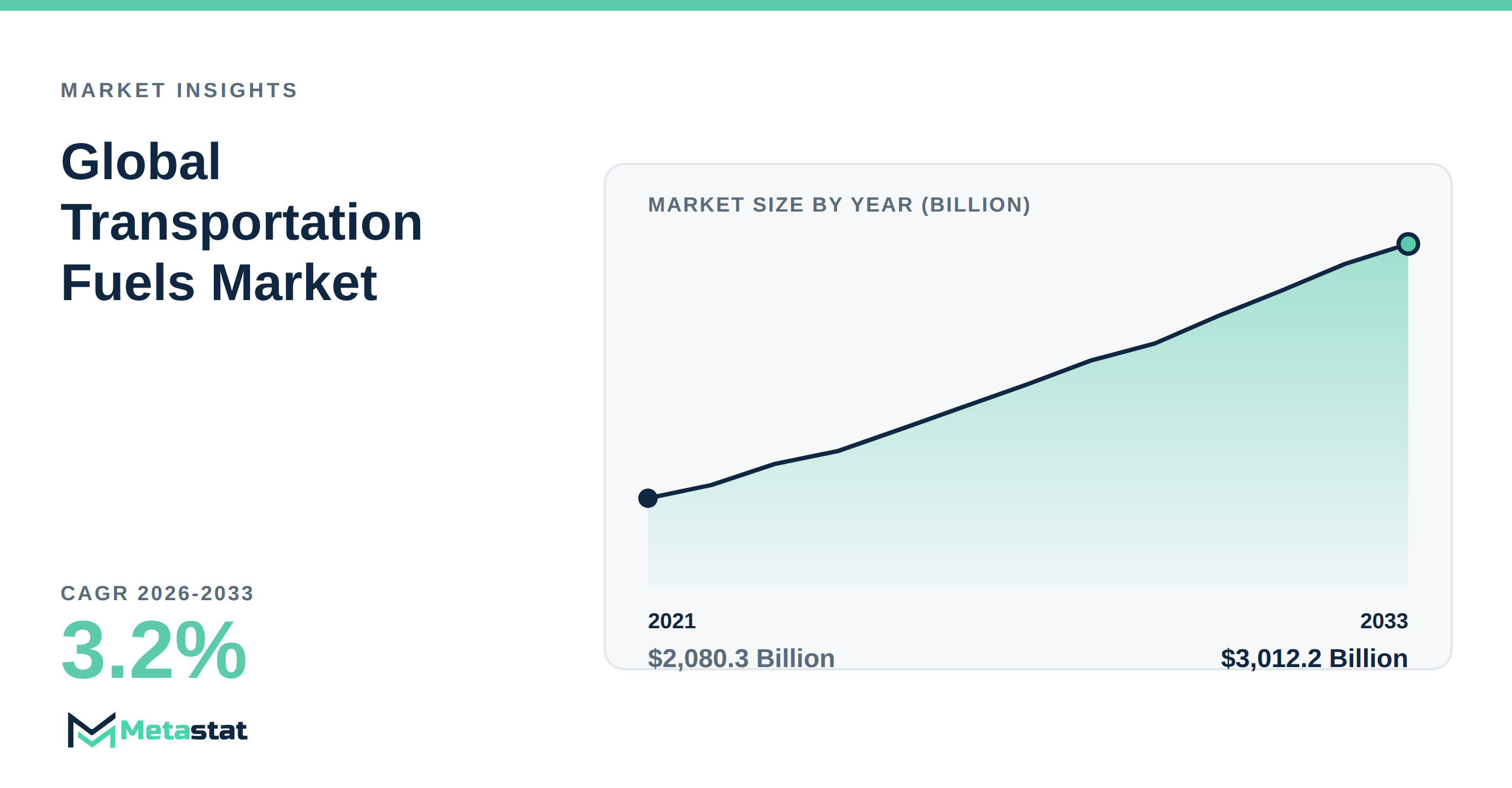
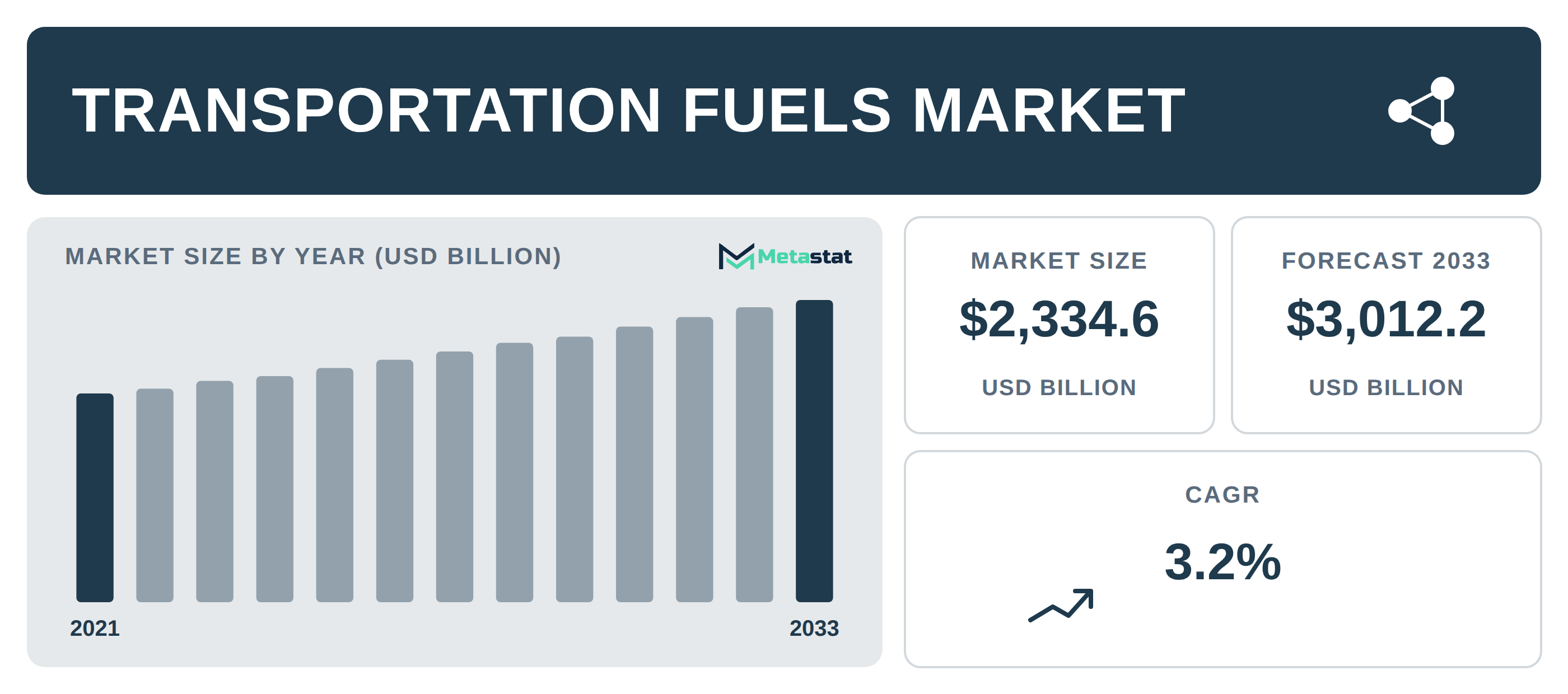
The dynamics behind pricing in the Transportation Fuels sector are complex, influenced by various factors that shape costs and availability. Understanding these elements is essential for buyers and operators aiming to optimize their fuel procurement strategies. This analysis highlights key factors that influence Transportation Fuels pricing and provides insights on how buyers leverage these insights for better decision-making. The full figures are in our Transportation Fuels market size and forecast report.
1. Input Costs Drive Price Variability
Fluctuations in raw material prices, particularly crude oil, directly impact Transportation Fuels pricing. As input costs rise, suppliers typically pass these increases onto consumers, influencing the overall fuel prices. Buyers facing such price volatility often hesitate to commit to long-term contracts, creating uncertainty in their operational budgets and planning. Understanding input cost trends allows buyers to anticipate pricing shifts and adjust procurement strategies appropriately.
2. Regulatory Pressures Promote Cleaner Fuels
Regulatory measures aimed at reducing carbon emissions significantly influence Transportation Fuels pricing. Mandates for cleaner fuels drive suppliers to invest in advanced technologies and alternative energy sources, effectively increasing production costs. However, these regulations present opportunities for buyers to negotiate better pricing structures that include renewable energy credits or blended fuel options, ensuring alignment with evolving compliance requirements.
3. Regional Demand Variations Influence Costs
Diverse demand dynamics across regions shape Transportation Fuels pricing. For instance, the Asia Pacific region, capturing 40.1% of global demand, experiences distinct consumption patterns due to rapid industrialization and urbanization. Buyers operating in these regions should consider local market conditions and tailor their sourcing strategies to optimize costs based on unique regional demand fluctuations.
4. Technological Innovations Enhance Efficiency
Advancements in refining processes and fuel formulations increase operational efficiency, which directly impacts Transportation Fuels pricing. Suppliers implementing innovative technologies reduce energy consumption and production emissions, leading to lower operational costs. Buyers benefit from these technological improvements by seeking partnerships with suppliers that prioritize efficiency, ultimately enhancing their cost-effectiveness in fuel procurement.
5. Growing Preference for Alternative Fuels
The rising interest in alternative fuels, including biofuels and LNG, influences Transportation Fuels pricing as buyers increasingly seek sustainable options. This trend encourages suppliers to tailor their offerings and pricing structures to match changing consumer preferences. Buyers focusing on alternative sources negotiate pricing terms that reflect these evolving energy dynamics, positioning themselves competitively in a shifting market environment.
Understanding the intricacies of Transportation Fuels pricing reveals significant opportunities for buyers to navigate complexities and strengthen their procurement strategies. By staying informed on these key factors, buyers make strategic decisions that optimize costs and align with their operational needs in an evolving energy landscape.
Tags
About the Authors

LEAD ANALYST
Utkarsh Khirodkar is a Lead Market Research Analyst at MetaStat Insight, specializing in market intelligence, technology sector assessments, and competitive strategy.

ENERGY & INFRASTRUCTURE INDUSTRY CONSULTANT
Automotive and Transportation · Electronics and Semiconductor · Energy and Power · Machinery & Equipment
Saurabh Vasant Ganvir consults for Energy & Infrastructure Industry at MetaStat Insight, specializing in renewable energy, solar EPC, and electric vehicle (EV) infrastructure markets.