
Explore the multifaceted dynamics driving the second-hand apparel market in Europe, focusing on sustainability, economic factors, and consumer preferences.
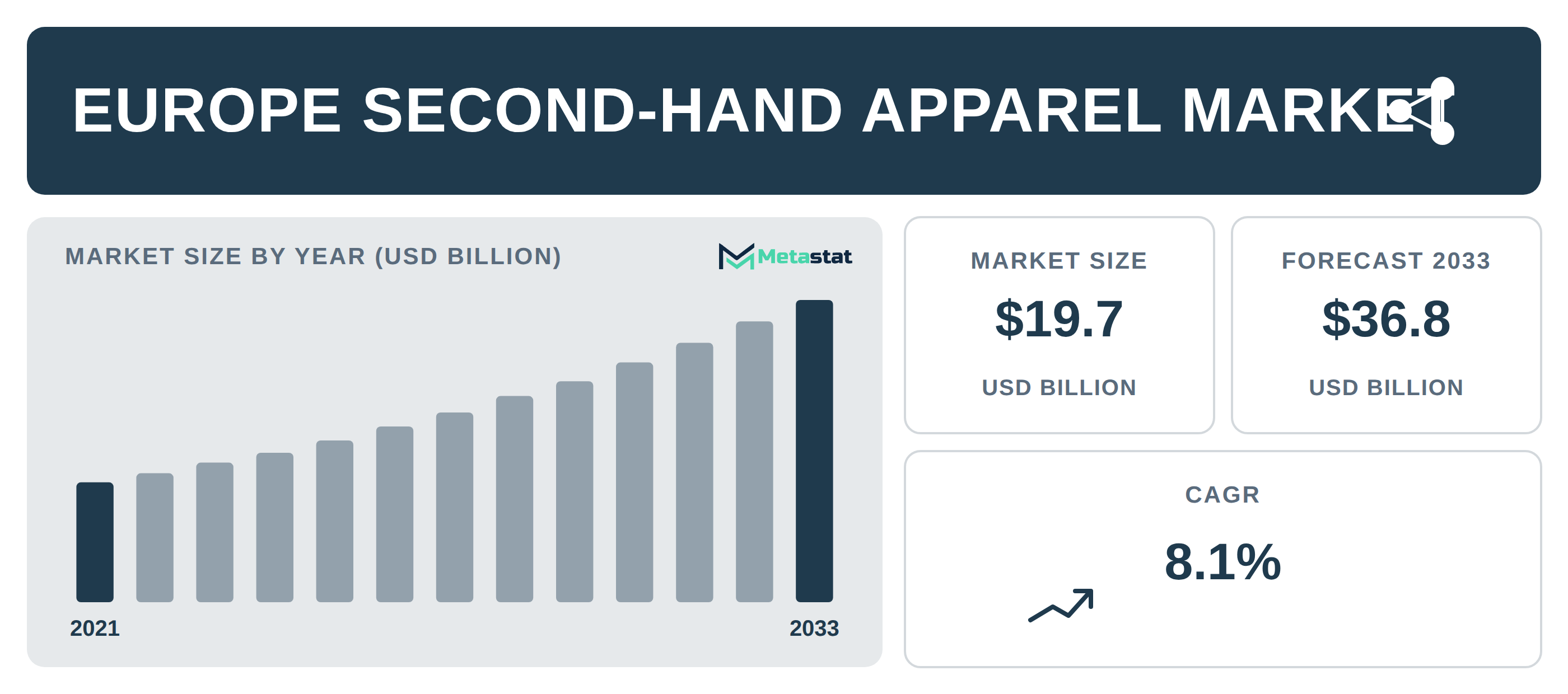
The increasing popularity of second-hand apparel in Europe often leads to misconceptions about the factors driving its growth. Many assume that demand is solely fueled by economic necessity; however, a closer examination shows a complex mix of sustainability, consumer behavior, and fashion preferences. Understanding these dynamics is crucial for stakeholders in the fashion industry. The full figures are in our Europe Second-Hand Apparel market size and forecast report.
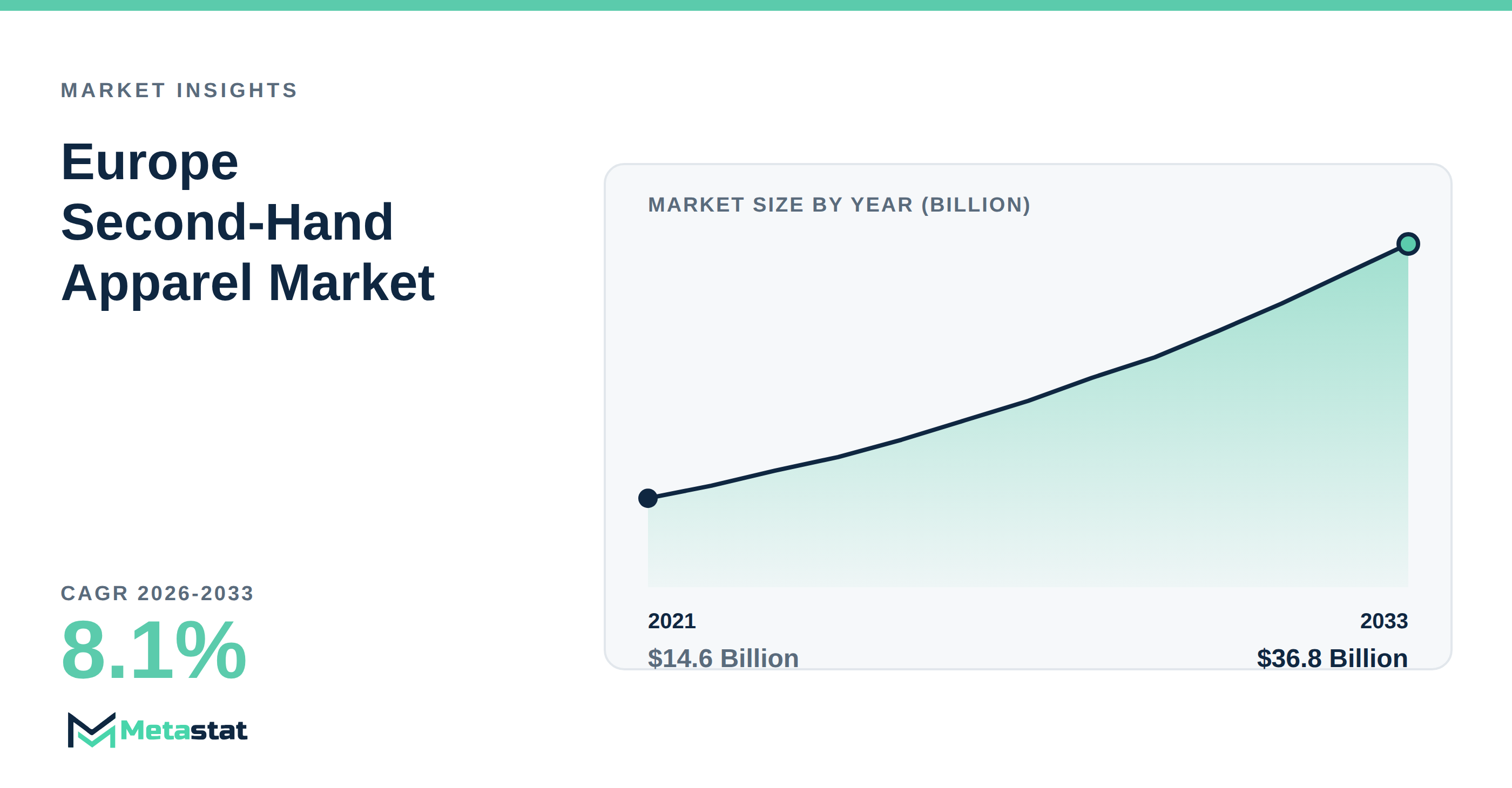
What drives consumer interest in second-hand apparel?
Consumer interest in second-hand apparel is largely driven by a growing awareness of sustainability and environmental issues. Many buyers, particularly younger demographics, actively seek eco-friendly alternatives to fast fashion. This demographic prioritizes distinctive and economical clothing choices that reflect their values of sustainability and self-expression.
The rise of online platforms including Vinted and Depop has further enabled this shift. These platforms not only deliver a wide assortment of second-hand items but foster a sense of community among users. Engaging in peer-to-peer transactions allows buyers to share insights and recommendations, enhancing their shopping experience.
How is sustainability reshaping purchasing decisions?
Sustainability has emerged as a fundamental consideration in purchasing decisions within the second-hand apparel sector. Consumers increasingly recognize the environmental impact of fast fashion, prompting a shift toward circular economy practices. This shift is particularly pronounced among women, who form a considerable portion of the buyer demographic in this sector.
As women show a strong preference for eco-friendly shopping, the demand for second-hand options has surged. This aligns with the expected rise in the women’s segment of the second-hand apparel sector, which is projected to grow significantly in the coming years.
What role do economic factors play?
While sustainability is a primary driver, economic factors influence consumer behavior significantly. Increasing living expenses have led many individuals to explore cost-effective shopping alternatives, positioning second-hand apparel as an appealing option. This trend is especially relevant in the context of economic fluctuations, where discretionary spending decreases.
However, price sensitivity is a significant factor. Many consumers evaluate second-hand prices against new retail offerings, which discourage purchases if they perceive second-hand items to be overly priced. Thus, suppliers align their pricing strategies to meet consumer expectations while maintaining product quality.
Why is the luxury segment gaining traction?
Interestingly, the luxury segment within the second-hand apparel sector is gaining traction as consumers look for high-quality items at affordable prices. This trend reflects a broader desire for eco-conscious and unique fashion pieces, particularly among women seeking stylish options.
Luxury platforms like Vestiaire Collective and Farfetch cater to this demand by providing curated selections that emphasize authenticity and quality. This approach increases brand reputation while contributing to a sustainable circular economy, allowing luxury buyers to engage with high-end products without compromising their values.
How do online platforms facilitate growth?
Online resale platforms play a crucial role in the expansion of the second-hand apparel sector. They offer user-friendly interfaces that simplify transactions, enabling consumers to buy and sell pre-owned items effortlessly. With various payment options and secure transaction processes, these platforms enhance consumer trust and satisfaction.
The convenience of online shopping, combined with the rising demand for second-hand apparel, positions these platforms as key players in the sector. The rise of e-commerce continues to reshape how consumers interact with pre-owned clothing, further driving its acceptance as a mainstream choice.
What lies ahead for the second-hand apparel sector?
Looking ahead, the second-hand apparel sector is poised for continued expansion, driven by changing consumer attitudes and behaviors. The intersection of sustainability, economic factors, and the rise of online platforms creates a favorable environment for further growth. Retailers and brands that prioritize sustainability and adapt their offerings to meet evolving consumer preferences will likely thrive in this competitive environment.
In summary, the success of the second-hand apparel sector in Europe reflects a multifaceted phenomenon driven by sustainability, consumer behavior, and fashion trends. Stakeholders looking to navigate this evolving landscape understands these dynamics to leverage emerging opportunities effectively.
Tags
About the Author

LEAD ANALYST
Utkarsh Khirodkar is a Lead Market Research Analyst at MetaStat Insight, specializing in market intelligence, technology sector assessments, and competitive strategy.