
Explore the crucial factors that impact pricing in the Plant Extracts industry and discover how buyers navigate the evolving market.
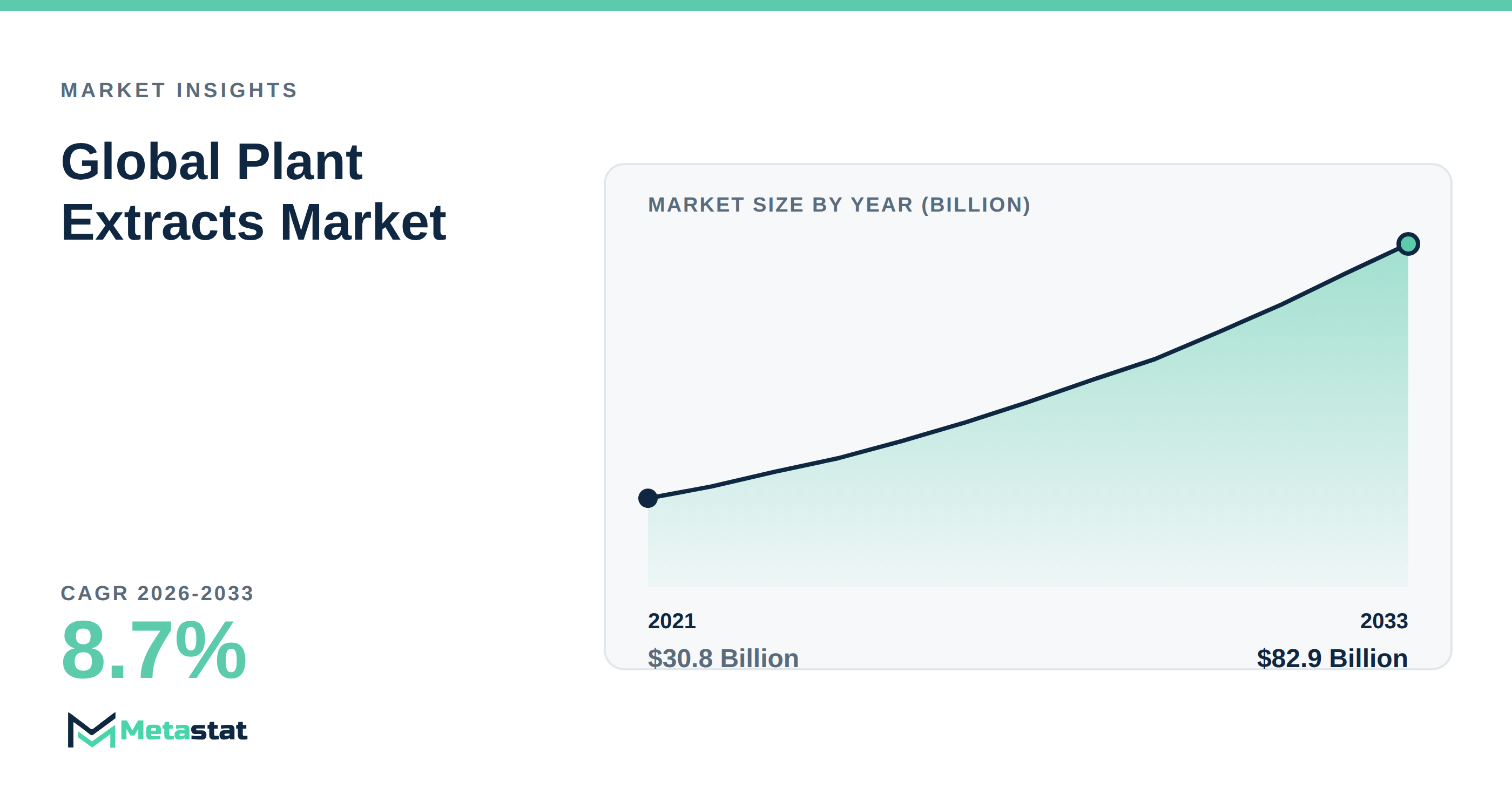
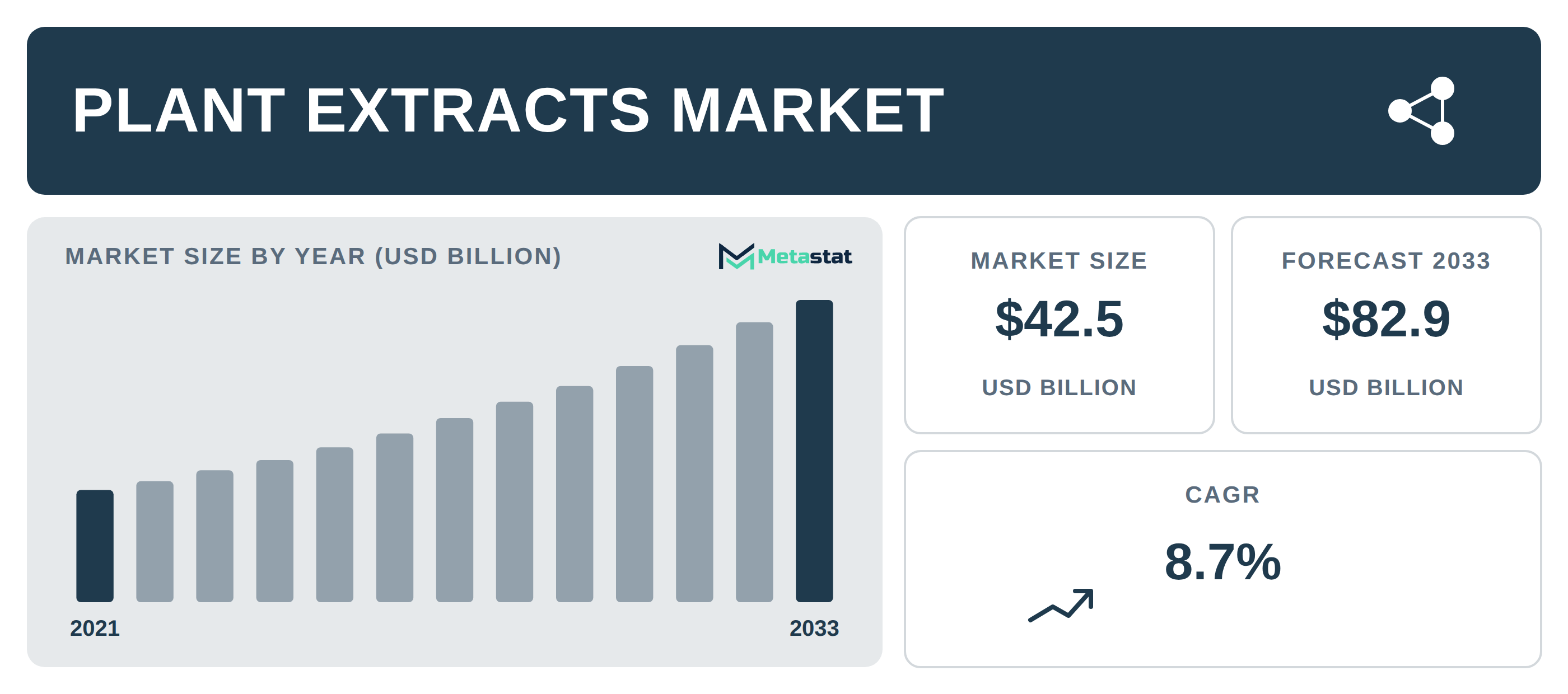
The pricing in the market for Plant Extracts is influenced by multiple factors that buyers understand to make informed purchasing decisions. This post explores key elements impacting costs, providing insights into where buyers have leverage and how they navigate the evolving landscape. The complexities of pricing reflect demand, sourcing practices, extraction methods, and consumer preferences that all play a part. For further details, see the Plant Extracts market size and forecast report.
1. Innovation in Extraction Methods Enhances Value
Recent advancements in extraction technologies, including supercritical CO2 and ultrasound extraction, significantly enhance the quality and efficiency of plant extracts. These methods yield higher purity levels and require less raw material, contributing to a more favorable pricing model for buyers. As producers adopt these innovative techniques, they offer better quality products at competitive prices. This allows buyers to secure long-term contracts at stable prices, helping to reduce risks associated with price volatility commonly seen with traditional extraction methods.
2. The Rise of Clean-Label Demands
Health-conscious consumers are pushing businesses toward cleaner ingredient labels, which directly influences the pricing of plant extracts. Buyers seeking natural and organic products often face higher costs due to the additional certifications and quality assurance measures required for compliance. While demand for clean-label products continues to increase, suppliers focusing on organic certifications typically charge premium prices. Buyers willing to invest in higher-priced, quality products benefit from increased consumer trust and loyalty, making the upfront costs worthwhile in the long run.
3. Volatility in Raw Material Costs
Raw material prices for plant extracts frequently fluctuate, driven by environmental conditions and supply chain variations. This volatility significantly affects pricing strategies, particularly for smaller manufacturers that operate on tighter margins. When raw material costs rise, producers often pass those costs onto their buyers. Buyers who establish long-term supply agreements are better positioned to negotiate more stable pricing, which shields them from the unpredictability of the market.
4. Sustainable Sourcing and Regulatory Compliance
Growing consumer awareness of sustainability compels companies to adopt responsible sourcing practices. This shift influences production costs, ultimately affecting pricing. Buyers who prioritize suppliers adhering to sustainable standards find that these practices come with a higher price tag. However, producers emphasizing sustainability and regulatory compliance often enjoy enhanced brand loyalty, which justifies their premium pricing in the eyes of consumers and businesses alike.
5. Increasing Demand for Specific Extract Types
Segments including seaweed and algae extracts are experiencing robust growth, with rising demand driving prices higher. These eco-friendly solutions are increasingly sought after in agricultural applications, and buyers encounter rising costs. The competitive dynamics in these growing segments lessen buyers' leverage during negotiations. However, investing in research for alternative sources or substitutes provide buyers with options that help stabilize pricing.
6. Advances in Supply Chain Efficiency
Improvements in supply chain management are becoming essential for controlling costs in the pricing of plant extracts. Companies focusing on optimizing logistics and enhancing communication with suppliers reduce overhead expenses. By fostering direct relationships with agricultural producers, buyers negotiate better deals, leading to more favorable pricing structures. These efficiencies ultimately translate into lower prices for consumers, which enhance the competitive position of companies in the marketplace.
Understanding the factors influencing Plant Extracts pricing enables buyers to make strategic decisions that align with their business objectives. By leveraging insights into extraction innovations, consumer demands for clean labels, and the impacts of sustainability practices, buyers navigate potential cost fluctuations and secure advantageous agreements.
Tags
About the Authors

LEAD ANALYST
Utkarsh Khirodkar is a Lead Market Research Analyst at MetaStat Insight, specializing in market intelligence, technology sector assessments, and competitive strategy.

INDUSTRY CONSULTANT - CHEMICALS & ADVANCED MATERIALS
Chemicals and Materials · Machinery & Equipment · Packaging
Amit Gadhekar Consultant for Chemicals and Materials at MetaStat Insight, directing sector-specific intelligence, research, and strategic consulting across global chemical and processing markets.