
Explore the trends reshaping the Industrial Automation Software market. From cloud adoption to AI integration, discover what drives demand.
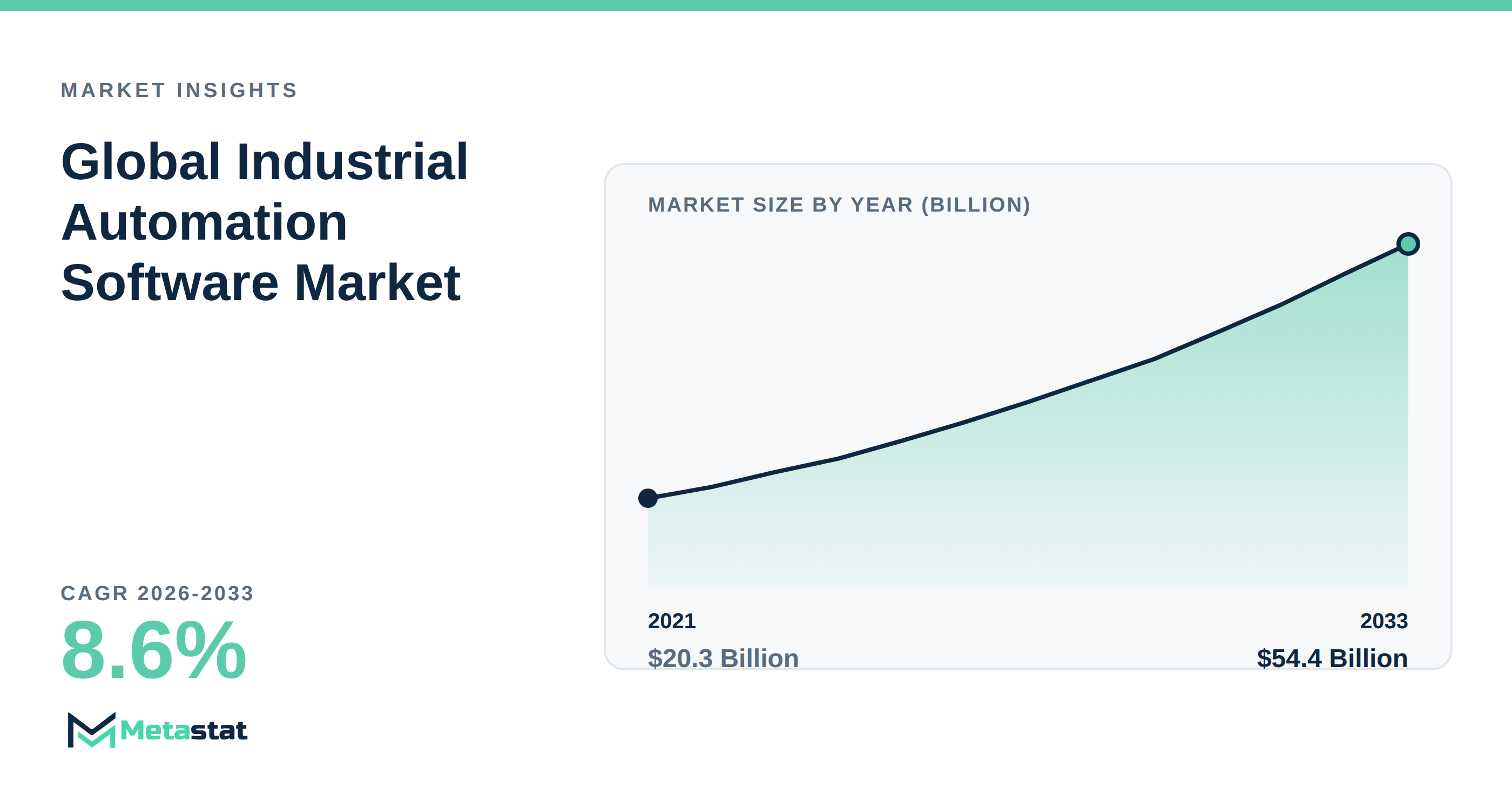
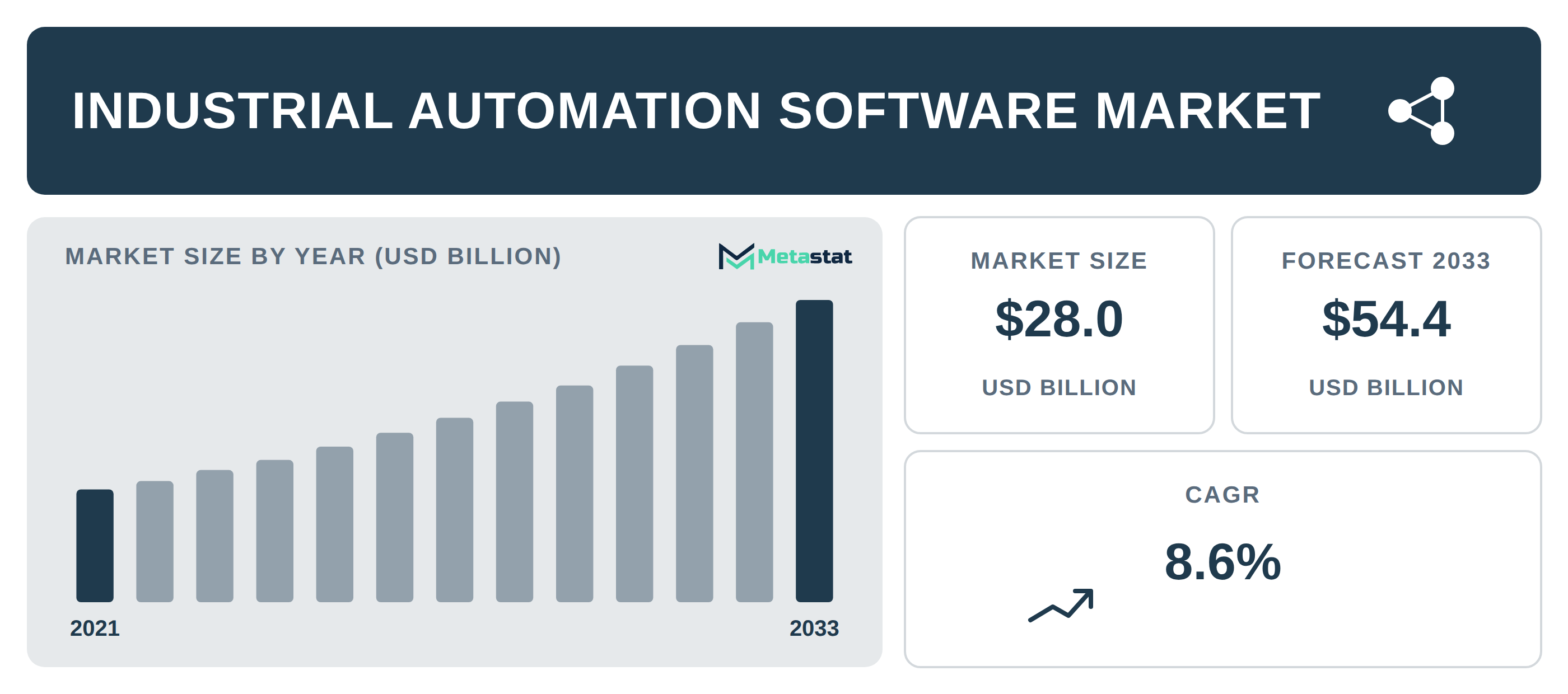
The evolution of the market for Industrial Automation Software is propelled by several key trends that significantly reshape operational efficiency across industries. Companies are increasingly prioritizing advanced automation solutions to improve productivity and streamline their processes. Six major trends influence this software's landscape. The full figures are in our Industrial Automation Software market size and forecast report.
1. Cloud-based solutions enhance flexibility and scalability
Cloud-based Industrial Automation Software is transforming manufacturing operations by offering enhanced flexibility and scalability. This shift is driven by the need for immediate data access and capabilities for remote monitoring. Projections indicate that cloud solutions will reach USD 18.9 billion by 2033, underlining their important role in digital transformation. By leveraging advanced analytics, businesses boost operational efficiency while reducing infrastructure costs, enabling rapid responses to market changes.
2. AI-driven predictive maintenance boosts efficiency
Adopting AI-driven predictive maintenance solutions within manufacturing processes results in notable cost reductions and improved operational efficiency. Organizations increasingly focus on technologies that facilitate real-time data analysis, which enhances decision-making and streamlines workflows. With the Asset Monitoring and Predictive Maintenance segment set to achieve notable growth, manufacturers that adopt these technologies maximize equipment uptime and lower operational expenses, translating into higher profit margins.
3. Manufacturing Execution Systems optimize production
Manufacturing Execution Systems (MES) play a vital role in enhancing production efficiency. These systems enable real-time oversight and management of manufacturing processes, improving quality management efforts. The MES segment is expected to grow to USD 9.4 billion by 2033, with sectors including automotive and food and beverage increasingly adopting these technologies to elevate compliance and traceability. This movement towards smart manufacturing optimizes workflows and integrates advanced analytics, bolstering competitiveness.
4. Hybrid deployment models drive software adoption
Hybrid deployment models significantly impact software adoption by providing organizations with the flexibility to use both cloud-based and on-premises solutions. This balance allows companies to modernize operations while integrating existing infrastructure. Investing in hybrid strategies enables firms to achieve competitive advantages through increased efficiency and diminished operational costs, promoting growth within the automation software sector.
5. Increased demand for real-time monitoring
The growing focus on operational efficiency has escalated the demand for solutions that facilitate real-time monitoring. More companies are investing in software that incorporates real-time data analytics, empowering them to pinpoint inefficiencies and make informed decisions. This trend is especially pronounced in manufacturing, where enhancing production processes and minimizing waste plays a significant role in profitability. This broader industry shift towards automation solidifies organizations' positions in competitive markets.
6. Rising talent costs challenge profitability
Profitability for suppliers within the Industrial Automation Software sector is impacted by rising talent costs. The competition for skilled professionals in advanced fields including data analytics and AI drives up salaries, placing pressure on margins. Companies are responding by refining their talent acquisition strategies and investing in workforce retention programs. Despite these challenges, a growing dependence on automation tools helps improve productivity, allowing suppliers to maintain service levels amidst financial pressures.
These trends highlight the dynamic forces reshaping the Industrial Automation Software landscape. Organizations that adapt to these developments and invest in relevant technologies will position themselves for sustained success in an increasingly competitive marketplace.
Tags
About the Authors

LEAD ANALYST
Utkarsh Khirodkar is a Lead Market Research Analyst at MetaStat Insight, specializing in market intelligence, technology sector assessments, and competitive strategy.

PRINCIPAL CONSULTANT - ENTERPRISE AI & EMERGING TECHNOLOGIES
Banking & Finance · Electronics and Semiconductor · Energy and Power · Healthcare IT · Information & Technology · Professional Services
Vijay Gunti is a Principal Consultant at MetaStat Insight, bringing over two decades of experience across enterprise digital transformation, technology strategy, and intelligent systems.

LEAD CONSULTANT - COMMUNICATION, TELECOM, AND IT
Electronics and Semiconductor · Information & Technology · Machinery & Equipment · Professional Services
Ravindra Sathe Consultants for Communication, Telecom, and IT at MetaStat Insight. He leads the firm's industry research initiatives across telecommunications infrastructure, digital connectivity, enterprise networking, and emerging information technology domains.