
Explore the critical factors affecting costs in the Maritime Decarbonization market, including regulatory compliance, technology investments, and supply chain dynamics.
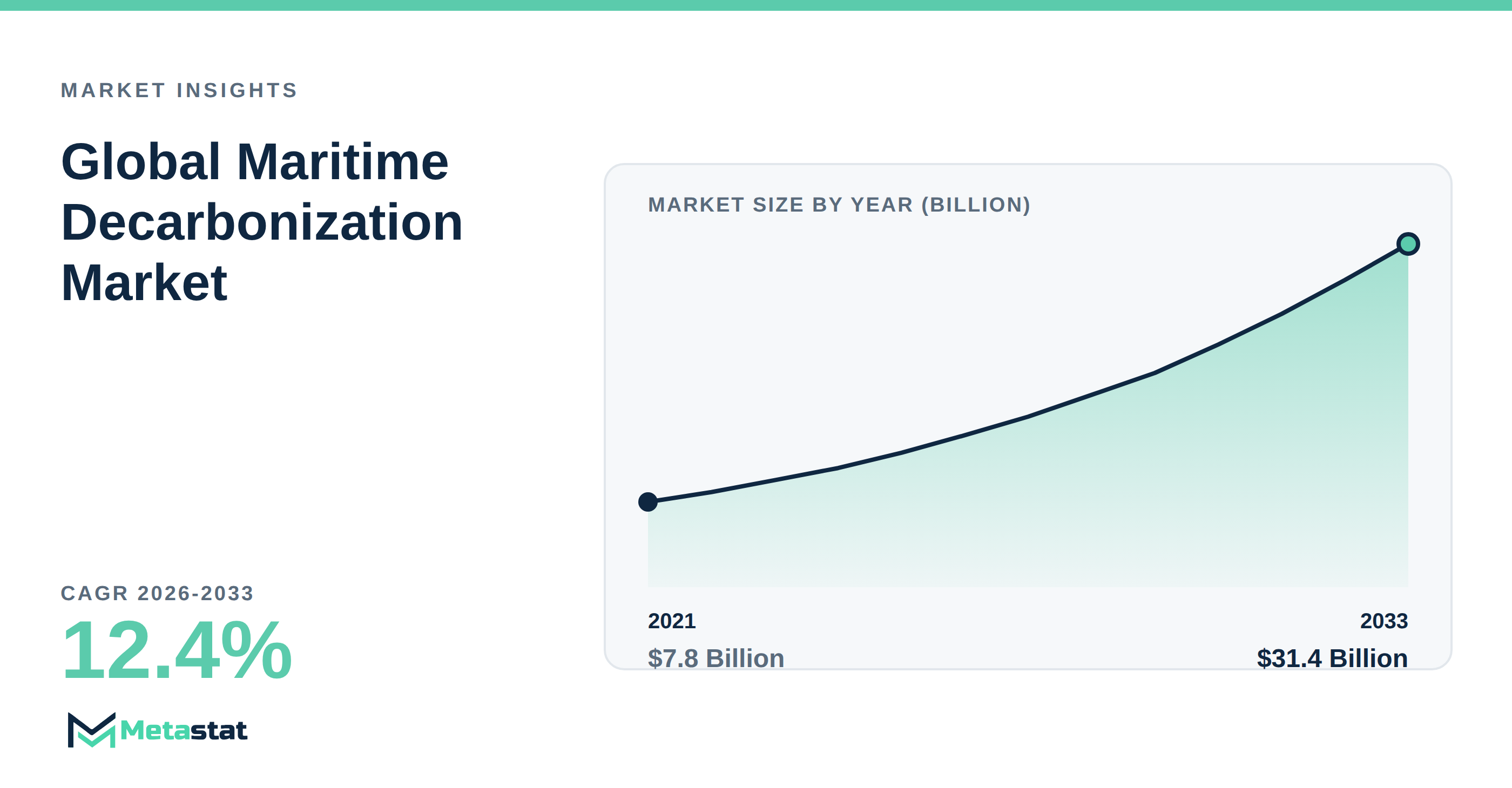
The Maritime Decarbonization market is set for considerable expansion, estimated to reach USD 31.4 billion by 2033, up from USD 12.3 billion in 2025. While the demand for sustainable maritime operations increases, understanding the underlying cost structures within this market becomes essential for operators and buyers. By leveraging specific factors, stakeholders better navigate pricing challenges and unlock opportunities.
1. Regulatory compliance drives cost structures
Regulatory frameworks focused on emissions reduction compel maritime operators to invest in cleaner technologies. These standards necessitate substantial budget allocations for compliance, impacting operational costs. Investment aligned with regulatory expectations not only enhances competitiveness but contributes to long-term sustainability. Organizations that take proactive steps to meet compliance standards mitigate the potential cost spikes that arise from abrupt regulatory changes.
2. Capital investments in technology shape upfront costs
The transition to advanced technologies significantly impacts initial capital expenditures in the Maritime Decarbonization market. Many maritime operators are directing funds towards energy-efficient systems and alternative fuels, including green ammonia and hydrogen. For buyers, grasping the financial implications of these early investments is crucial. By strategically planning technology investments, firms optimize their budgets while positioning themselves advantageously for future growth and regulatory compliance.
3. Supply chain dynamics affect pricing
The complexities of the supply chain directly influence costs within the Maritime Decarbonization market. Companies face challenges in sourcing raw materials and technologies, which in turn affect pricing structures. Those with solid supplier relationships and efficient sourcing strategies gain a competitive edge. Buyers should focus on building partnerships that bolster supply chain resilience, contributing to optimized operational expenditures.
4. Economic factors create instability
Macroeconomic conditions, including inflation and currency fluctuations, place pressure on the Maritime Decarbonization market. Rising costs of materials and labor significantly impact operational expenses. Buyers monitor economic trends closely, because strategic adjustments to procurement processes help minimize the effects of these economic pressures on pricing.
5. Technological advancements provide long-term savings
Investment in innovative technologies, including digital decarbonization and carbon management systems, offers opportunities for long-term operational efficiency. Although initial costs are steep, these solutions result in substantial savings over time. Buyers should analyze the potential return on investment linked to adopting such technologies, which significantly enhance their competitive positioning.
6. Market fragmentation intensifies competitive pricing pressures
The Maritime Decarbonization market is marked by significant fragmentation, with multiple players engaging in mergers and acquisitions to consolidate capabilities. This competitive environment leads to pricing pressures that benefit buyers searching for cost-effective solutions. Understanding the competitive landscape allows buyers to pinpoint optimal sourcing opportunities that align with their decarbonization strategies.
7. Fuel type selection impacts operational costs
Choosing appropriate fuel types plays a vital role in shaping operational expenses within the Maritime Decarbonization market. The increasing adoption of alternative fuels like bio-methanol and LNG underscores the necessity of aligning fuel choices with sustainability goals. Buyers who carefully assess fuel options attain compliance with environmental regulations while minimizing costs associated with transition and implementation.
In conclusion, the Maritime Decarbonization market faces dynamic challenges influenced by regulatory, economic, and technological factors. Understanding the elements shaping costs equips buyers to make informed decisions while capitalizing on opportunities for improved pricing. Strategic investments in technology, supply chain collaboration, and operational optimization are critical for effectively navigating this evolving landscape.
The full analysis is in Global Maritime Decarbonization Market.
Tags
About the Authors

LEAD ANALYST
Utkarsh Khirodkar is a Lead Market Research Analyst at MetaStat Insight, specializing in market intelligence, technology sector assessments, and competitive strategy.

ENERGY & INFRASTRUCTURE INDUSTRY CONSULTANT
Automotive and Transportation · Electronics and Semiconductor · Energy and Power · Machinery & Equipment
Saurabh Vasant Ganvir consults for Energy & Infrastructure Industry at MetaStat Insight, specializing in renewable energy, solar EPC, and electric vehicle (EV) infrastructure markets.