
Fleet operators ask key questions when selecting Truck and Bus Tire suppliers. Here are essential considerations for informed procurement decisions.
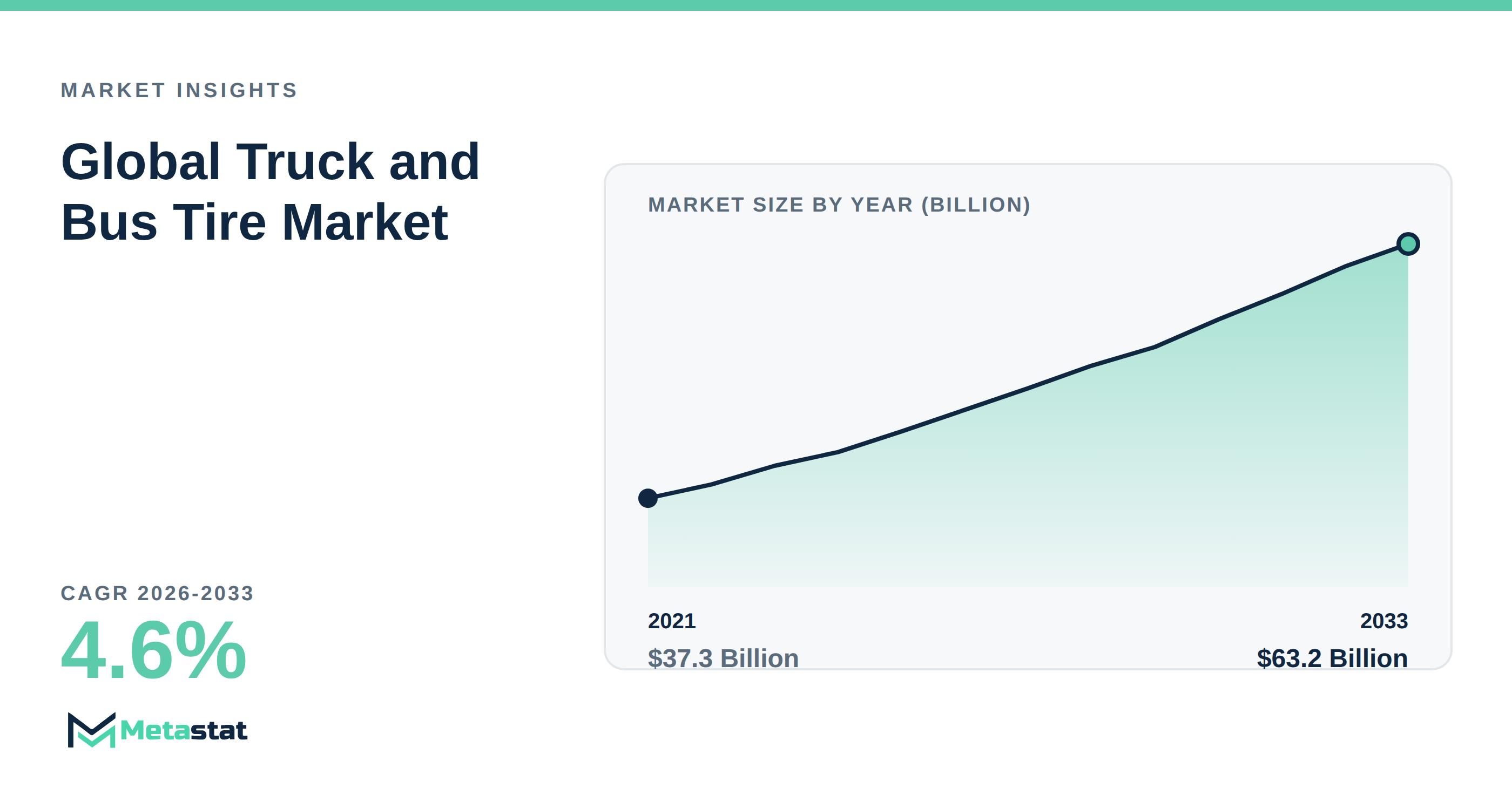
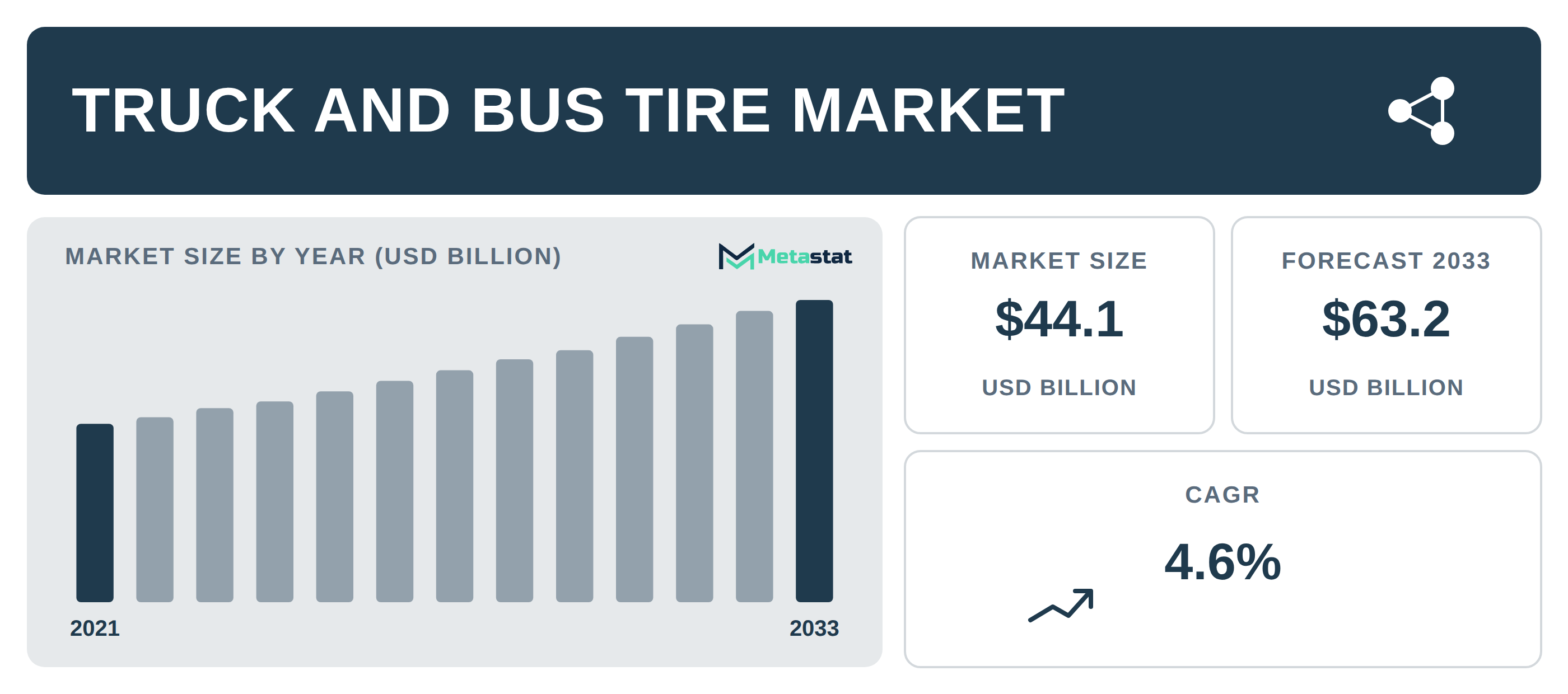
Buying tires for trucks and buses is a significant investment for fleet operators and logistics companies. While the market evolves, understanding the right questions to ask suppliers is crucial. This guide highlights essential questions that buyers should consider to ensure they make informed decisions when selecting Truck and Bus Tire market size and forecast report suppliers.
1. What is the expected lifespan of your tires?
Lifespan is a critical factor that directly affects operational costs. Buyers often seek tires that provide extended service life, which reduces the frequency of replacements. Suppliers should offer comprehensive data on their tires' durability and the factors that influence lifespan, including road conditions and maintenance practices. Understanding the expected lifespan helps buyers assess long-term costs and plan their procurement strategies accordingly.
2. How do your tires contribute to fuel efficiency?
Fuel costs represent a significant portion of operational expenses for fleet operators. Suppliers should explain how their tire designs enhance rolling resistance, which significantly contributes to reducing fuel consumption. With an increasing preference for radial tires due to their superior fuel efficiency, understanding a supplier's innovations in tire technology highlights their commitment to helping buyers optimize their operational costs.
3. What support do you offer for tire maintenance and management?
Tire maintenance is essential for maximizing performance and lifespan. Suppliers should provide insights into maintenance programs or technologies they offer to help fleets monitor tire health. This includes tire pressure monitoring systems or scheduled maintenance recommendations. A proactive support strategy enhances the value proposition, allowing buyers to maintain efficient operations and avoid unexpected downtimes.
4. What warranties and guarantees are included with your products?
Warranties and guarantees provide buyers with assurance regarding the quality of the tires they purchase. Suppliers should clearly articulate their warranty policies, including coverage details for defects and performance. Buyers often favor suppliers who stand behind their products, as this reflects confidence in quality and durability. A strong warranty influences purchasing decisions and strengthens long-term supplier relationships.
5. How do you respond to fluctuations in raw material prices?
Raw material prices significantly impact the cost of tires. Suppliers should address how they manage price volatility and its implications for buyers. This could involve transparent communication about potential price changes and strategies to mitigate cost fluctuations. By understanding a supplier's approach to these challenges, buyers better anticipate budget impacts and evaluate the stability of their procurement decisions.
6. What innovations are you implementing in tire technology?
Continuous innovation is crucial in the Truck and Bus Tire industry, especially as fleets strive for improved performance and sustainability. Suppliers should discuss any advancements in tire design, materials, or smart technologies that enhance tire efficiency. Buyers investing in new tire solutions will benefit from improved safety, reduced costs, and better environmental compliance, making this information invaluable during supplier evaluations.
7. What is your approach to sustainability in tire production?
Sustainability has become increasingly important in tire production, reflecting a growing awareness of environmental impacts. Suppliers should outline their sustainability practices, including the use of eco-friendly materials and processes that reduce carbon footprints. Buyers focusing on sustainable solutions will find this information critical in supporting their own operational goals and enhancing their corporate responsibility initiatives.
As buyers in the market for Truck and Bus Tire navigate their supplier choices, the above questions provide critical insights. Engaging suppliers with these inquiries ensures that fleet operators make informed decisions that align with their operational goals and cost management strategies.
Tags
About the Authors

LEAD ANALYST
Utkarsh Khirodkar is a Lead Market Research Analyst at MetaStat Insight, specializing in market intelligence, technology sector assessments, and competitive strategy.

ENERGY & INFRASTRUCTURE INDUSTRY CONSULTANT
Automotive and Transportation · Electronics and Semiconductor · Energy and Power · Machinery & Equipment
Saurabh Vasant Ganvir consults for Energy & Infrastructure Industry at MetaStat Insight, specializing in renewable energy, solar EPC, and electric vehicle (EV) infrastructure markets.