
Explore the significant trends and insights that shape buyer behavior in the Racing Cars sector, including the impact of hybrid vehicles and evolving preferences.
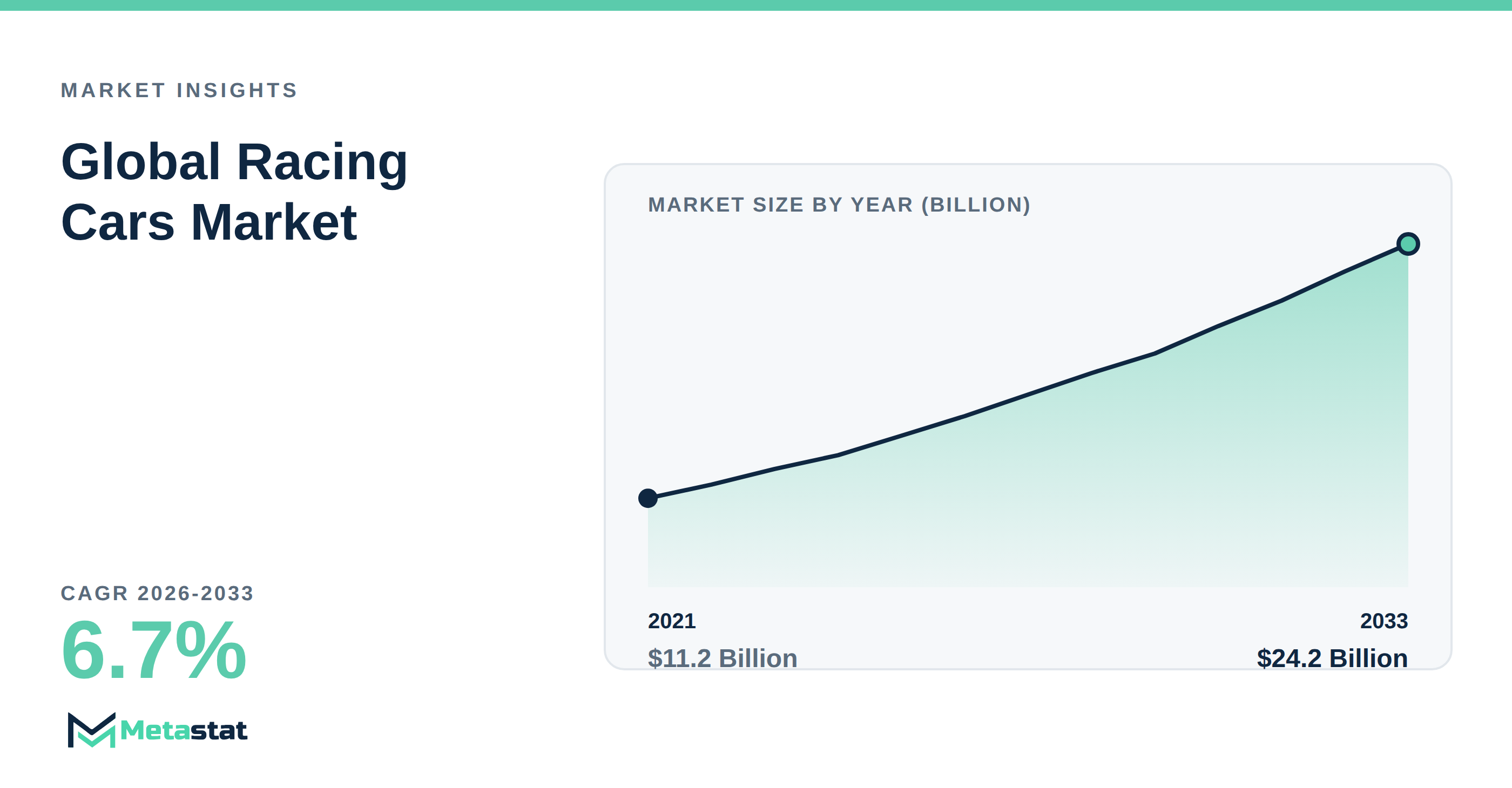
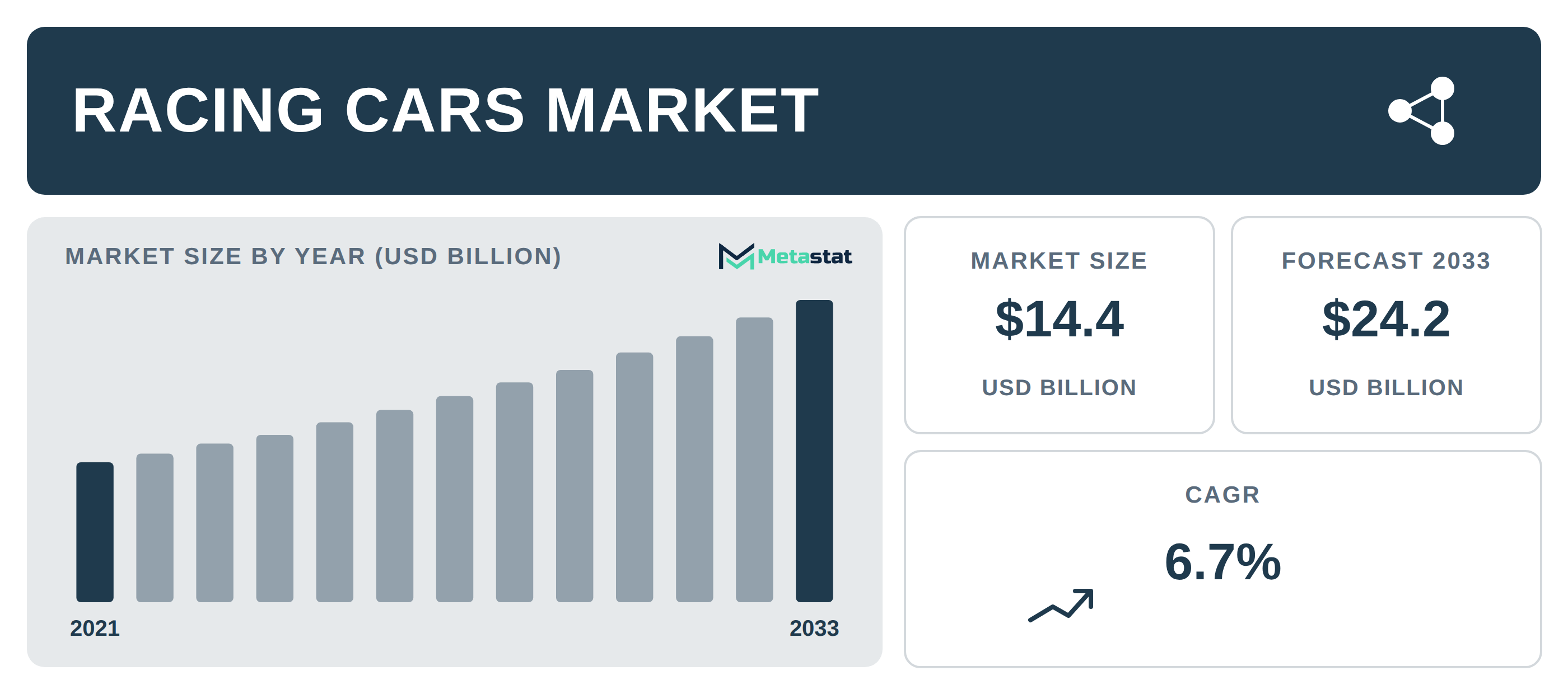
Understanding the dynamics of the market for Racing Cars presents significant insights that influence buyer behavior and strategic decision-making. Recent research indicates a growing interest in hybrid and electric racing vehicles, driven by a combination of regulatory pressures and consumer demand for sustainability. These shifts compel racing teams to rethink their investment strategies and target audiences. This market is projected to reach USD 24.2 billion by 2033, indicating a robust growth trajectory based on evolving customer preferences. The full figures are in our Racing Cars market size and forecast report.
The rise of hybrid racing cars, anticipated to generate substantial revenue, marks a significant shift for factory and customer racing teams. This segment is expanding rapidly, as teams seek to align with environmental standards while enhancing performance. Current regulatory frameworks promote the adoption of more sustainable technologies, reflecting a broader industry shift toward eco-friendly practices. Factory racing teams investing in hybrid technology position themselves favorably to attract sponsors, aligning with the growing awareness of sustainability among fans.
Hybrid vehicles provide a competitive edge by improving efficiency without sacrificing speed, appealing to both traditional racing enthusiasts and a new generation of environmentally conscious fans. The expected growth in this segment highlights the importance of innovation in propulsion technology, as teams aim to engage diverse audiences. Brands like Mercedes-AMG and Ferrari are already investigating how to implement these advanced technologies, which enhance performance metrics while minimizing emissions.
Beyond propulsion technology, the market for Racing Cars contains a complex layer of buyer preferences. Factory racing teams typically seek vehicles that offer comprehensive support and advanced technology, while customer racing teams focus on affordability and resale value. This divergence in needs suggests a need for suppliers to tailor their offerings effectively. Manufacturers including Aston Martin Racing and BMW M Motorsport could benefit from understanding these distinctions in their product development approaches.
The evolution of lightweight materials, including advanced composites, significantly influences vehicle performance and safety. Manufacturers investing in these technologies increase the appeal of their racing cars by merging speed with additional safety features, further meeting competitive standards. The emphasis on customizable options and performance certifications is becoming increasingly relevant as buyers engage across various vehicle types. Therefore, companies that prioritize these features are likely to stand out.
Another critical aspect driving competition in the market is the rising costs associated with high-performance components. The financial burden of acquiring advanced technologies discourages potential buyers, particularly privateer drivers operating on limited budgets. While prices for advanced materials and technologies escalate, manufacturers adopt pricing strategies that maintain accessibility while delivering high-performance features, ensuring market participation remains diverse.
Despite these financial challenges, a surge in amateur racing participation is emerging. This increase in grassroots motorsport is important, as it cultivates a new generation of racing enthusiasts eager to invest in competitive experiences. Engaging these participants through accessible racing solutions enhances the overall vitality of the sector.
Addressing supply chain bottlenecks in sourcing specialized racing components is essential to maintaining operational efficiency. Factory racing teams often rely on a limited number of suppliers for bespoke parts, leading to delays that affect performance during critical racing seasons. Optimizing logistics will enhance teams' competitive capabilities, ensuring that timely assembly operations occur at racetracks.
The evolving landscape of the Racing Cars sector requires manufacturers and teams to remain agile and responsive. Continuous innovation in technology, material science, and buyer engagement strategies will determine success in this competitive environment. Understanding these dynamics assists stakeholders in making informed decisions and positions them to capitalize on emerging opportunities.
Tags
About the Authors

LEAD ANALYST
Utkarsh Khirodkar is a Lead Market Research Analyst at MetaStat Insight, specializing in market intelligence, technology sector assessments, and competitive strategy.

ENERGY & INFRASTRUCTURE INDUSTRY CONSULTANT
Automotive and Transportation · Electronics and Semiconductor · Energy and Power · Machinery & Equipment
Saurabh Vasant Ganvir consults for Energy & Infrastructure Industry at MetaStat Insight, specializing in renewable energy, solar EPC, and electric vehicle (EV) infrastructure markets.