
This blog discusses the divergence in the Exchange-Traded and OTC Derivatives market between North America and Europe, exploring factors that contribute to their differing positions.
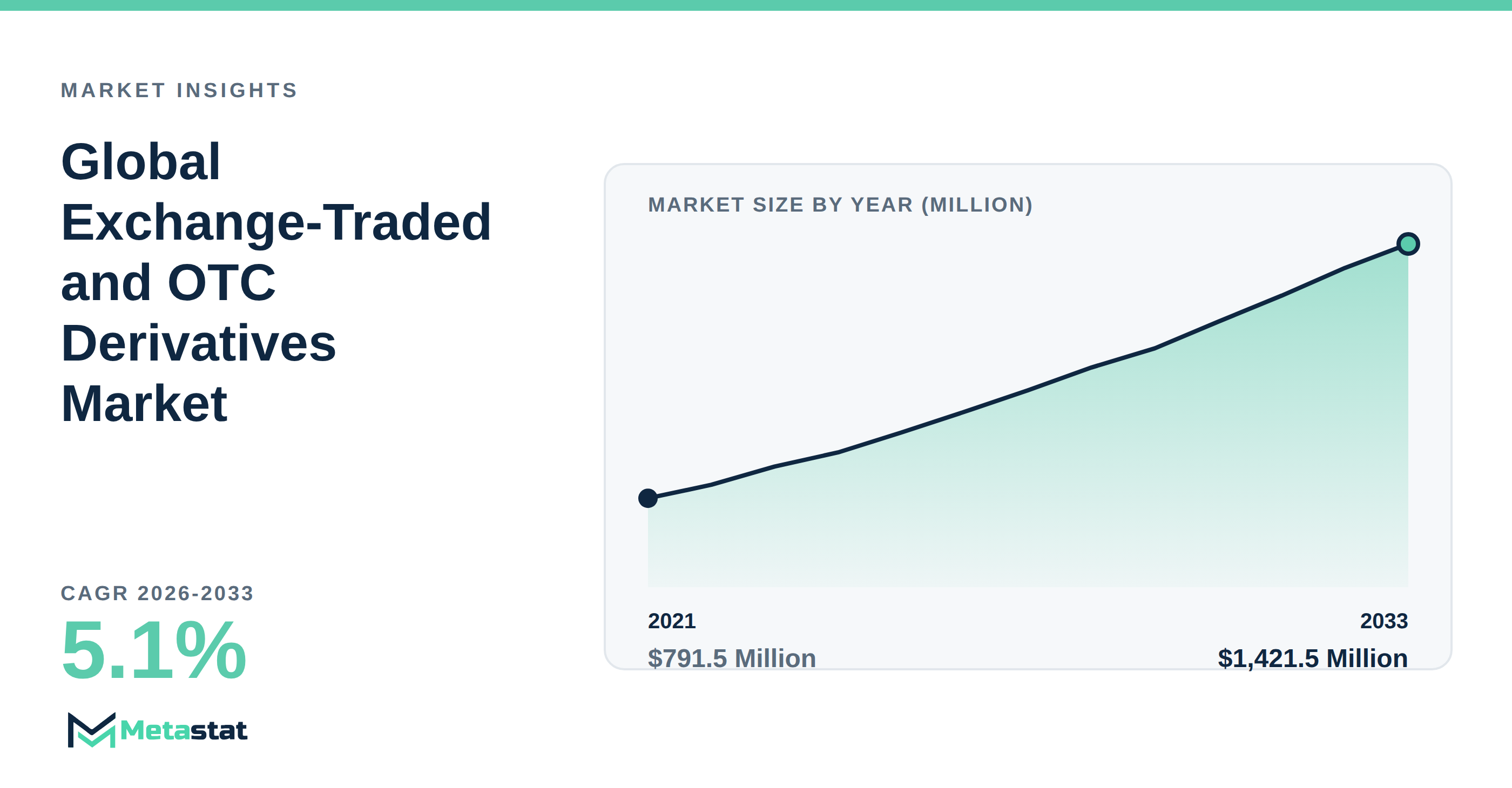
Regional dynamics in the Exchange-Traded and OTC Derivatives market indicate notable divergence, particularly between North America and Europe. North America is projected to hold a significant 38.8% market share by 2025, surpassing Europe at 31.8%. This disparity arises from various factors including infrastructure, regulatory frameworks, and market participation rates.
What drives North America's leadership in the market?
North America’s leadership in the Exchange-Traded and OTC Derivatives market results from its concentration of financial institutions and advanced trading platforms. The presence of major firms including Goldman Sachs Group, Inc., JPMorgan Chase & Co., and Morgan Stanley fosters a competitive environment conducive to innovation. The strong institutional investor base actively seeks effective risk management solutions, thereby driving substantial trading volumes and liquidity.
Technological advancements significantly enable this growth. Enhanced digital trading solutions streamline operations, decrease transaction costs, and increase engagement from institutional and retail investors alike. A strong commitment to regulatory compliance bolsters market integrity, attracting a wider audience eager to explore derivatives trading. This integrated ecosystem establishes a robust environment for derivative transactions, solidifying North America's prominent position.
How does Europe measure up?
Europe, despite holding a considerable market share, confronts distinct challenges that hinder its growth potential. Stringent regulatory compliance requirements increase operational costs and divert focus from innovative endeavors. Financial institutions regularly encounter delays in product development owing to navigating complex regulatory landscapes. This scenario contrasts with North America's more adaptable regulatory environment, which grants firms greater agility to innovate and expand their offerings.
European firms like BNP Paribas and Barclays PLC often grapple with these constraints. While they concentrate on compliance, they adopt a more risk-averse posture, which limits participation in new projects and trading strategies. Consequently, this cautious approach affects overall market activity and investment flows, making it difficult for Europe to keep pace with North America's momentum.
What external factors influence market divergence?
Macroeconomic challenges, including inflationary pressures and geopolitical instability, further complicate the landscape, impacting the regions differently. In North America, firms adapt through capital allocation strategies that emphasize resilience and innovation, allowing them to seize emerging opportunities. Conversely, European entities struggle with rapid adjustments to shifting economic conditions, which exacerbates the gap in market participation and growth trajectories.
Digital asset derivatives are reshaping the market, with both regions vying to capture this evolving segment. North American firms are embracing this transformation aggressively, investing substantially in technology and partnerships to bolster their competitive advantage. In contrast, European institutions often face heightened regulatory scrutiny, which complicates the integration of these innovative products into their service offerings.
What future trends could reshape the market?
Looking ahead, the Exchange-Traded and OTC Derivatives market is expected to experience continued divergence across these regions. North America is poised to maintain its growth trajectory by investing in technology and infrastructure, further optimizing trading operations.
In Europe, the ongoing emphasis on regulatory compliance is likely to persist because firms focus on improving their operational efficiency while dealing with intricate frameworks. If European institutions manage to adapt more rapidly to technological advancements and regulatory shifts, they have the chance to close the gap with North America.
Ultimately, the future of growth hinges on how effectively firms across both regions respond to evolving market dynamics, shaping their strategies to meet investor demands for innovative and flexible trading solutions. Stakeholders in the Exchange-Traded and OTC Derivatives market should remain alert to these trends, capitalizing on opportunities that drive growth and enhance competitive positioning.
To explore in-depth insights and projections, refer to the Global Exchange-Traded and OTC Derivatives Market.
Tags
About the Authors

LEAD ANALYST
Utkarsh Khirodkar is a Lead Market Research Analyst at MetaStat Insight, specializing in market intelligence, technology sector assessments, and competitive strategy.

PRINCIPAL CONSULTANT - ENTERPRISE AI & EMERGING TECHNOLOGIES
Banking & Finance · Electronics and Semiconductor · Energy and Power · Healthcare IT · Information & Technology · Professional Services
Vijay Gunti is a Principal Consultant at MetaStat Insight, bringing over two decades of experience across enterprise digital transformation, technology strategy, and intelligent systems.